



Verdict on the Xiaomi Pad 9 Pro
More screen, more battery, and a modern chip: The Xiaomi Pad 9 Pro looks like a thorough upgrade over the Pad 8 Pro and a much better refresh than the Xiaomi Pad 9. But a closer look reveals that Xiaomi has also made cost-cutting decisions with the Pro model.
While its predecessor could still boast Qualcomm's latest flagship chip, the Pad 9 Pro gets "only" a high-end SoC - with the result that the successor to the Pad 8 Pro is sometimes even slightly slower. The speakers also get a downgrade, although our measurements show that this will barely be noticeable in everyday use.
The now larger display somewhat offsets the significant increase in battery capacity, but compared to the endurance of an iPad Air or MagicPad 4, the Pad 9 Pro delivers outstanding battery life.
The large 12.5-inch LCD is really good and certainly a plus for PWM-sensitive users, but Honor's current mid-range lineup with OLED screens is in a different league in terms of brightness and contrast.
Pros
Cons
Price and availability of the Xiaomi Pad 9 Pro

The Pad 9 Pro should also launch internationally alongside the Xiaomi Pad 9 and the Xiaomi 18 Pro series. However, no specific details about the international launch are available yet. For now, Xiaomi is selling its Pro tablet only in China at prices starting at 3,799 yuan (around 500 euros). As an import, Xiaomi's premium mid-range tablet starts at US$ 615.

- $649.00 price as of 2026-11-14 11:49 UTC.XIAOMI Pad 8 Pro Ai WiFi Version Global (No Calls or Text) 11.2 inches 3.2K 144Hz 9200mAh Bluetooth 5.4 Four Speakers 50 Mp Cam Model 25091RP04G (Gray, 512GB + 12GB)
- $650.75 price as of 2026-11-14 11:49 UTC.XIAOMI Pad 8 Pro Ai WiFi Version Global (No Calls or Text) 11.2 inches 3.2K 144Hz 9200mAh Bluetooth 5.4 Four Speakers 50 Mp Cam Model 25091RP04G (Pine Green, 512GB + 12GB)
- $624.99 price as of 2026-11-14 11:49 UTC.XIAOMI Pad 8 Pro Ai WiFi Version Global (No Calls or Text) 11.2 inches 3.2K 144Hz 9200mAh Bluetooth 5.4 Four Speakers 50 Mp Cam Model 25091RP04G (Blue, 512GB + 12GB)
Table of Contents
- Verdict on the Xiaomi Pad 9 Pro
- Specifications of the Xiaomi Pad 9 Pro
- Case - Large Android tablet with IP rating
- Features - Fast USB 3.2 port without DisplayPort input
- Software - New HyperOS 4 and Android 17 on the mid-range tablet
- Connectivity - Xiaomi Pad 9 Pro without 5G and GPS, but with WiFi 7
- Cameras - Xiaomi tablet with 50 megapixels but no image stabilization
- Accessories and warranty - Android tablet with fast charger
- Input devices and operation - Affordable top-tier tablet with fingerprint sensor
- Display - Xiaomi opts against an OLED screen, but avoids PWM
- Performance - Premium mid-range opts for a powerful Snapdragon chip
- Emissions - Xiaomi Pad 9 Pro only gets hot in one spot
- Battery life - Android tablet with fast charging and a large battery
- Notebookcheck Overall Rating
- Possible alternatives compared
Specifications of the Xiaomi Pad 9 Pro
Case - Large Android tablet with IP rating
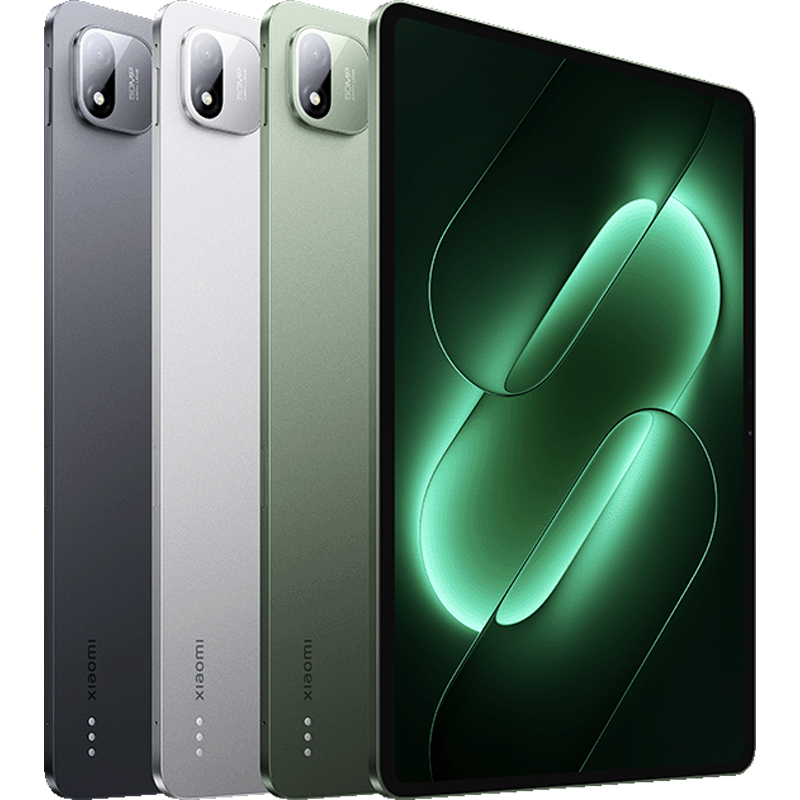
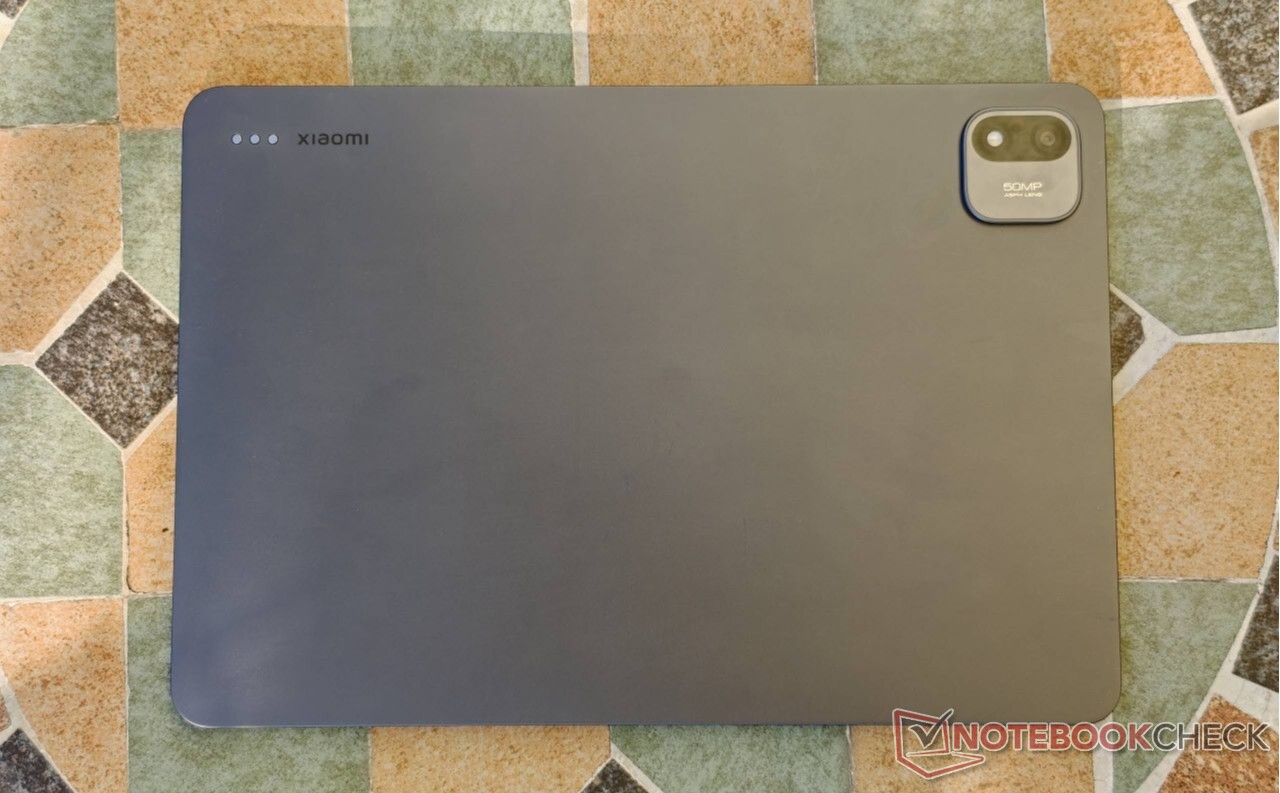
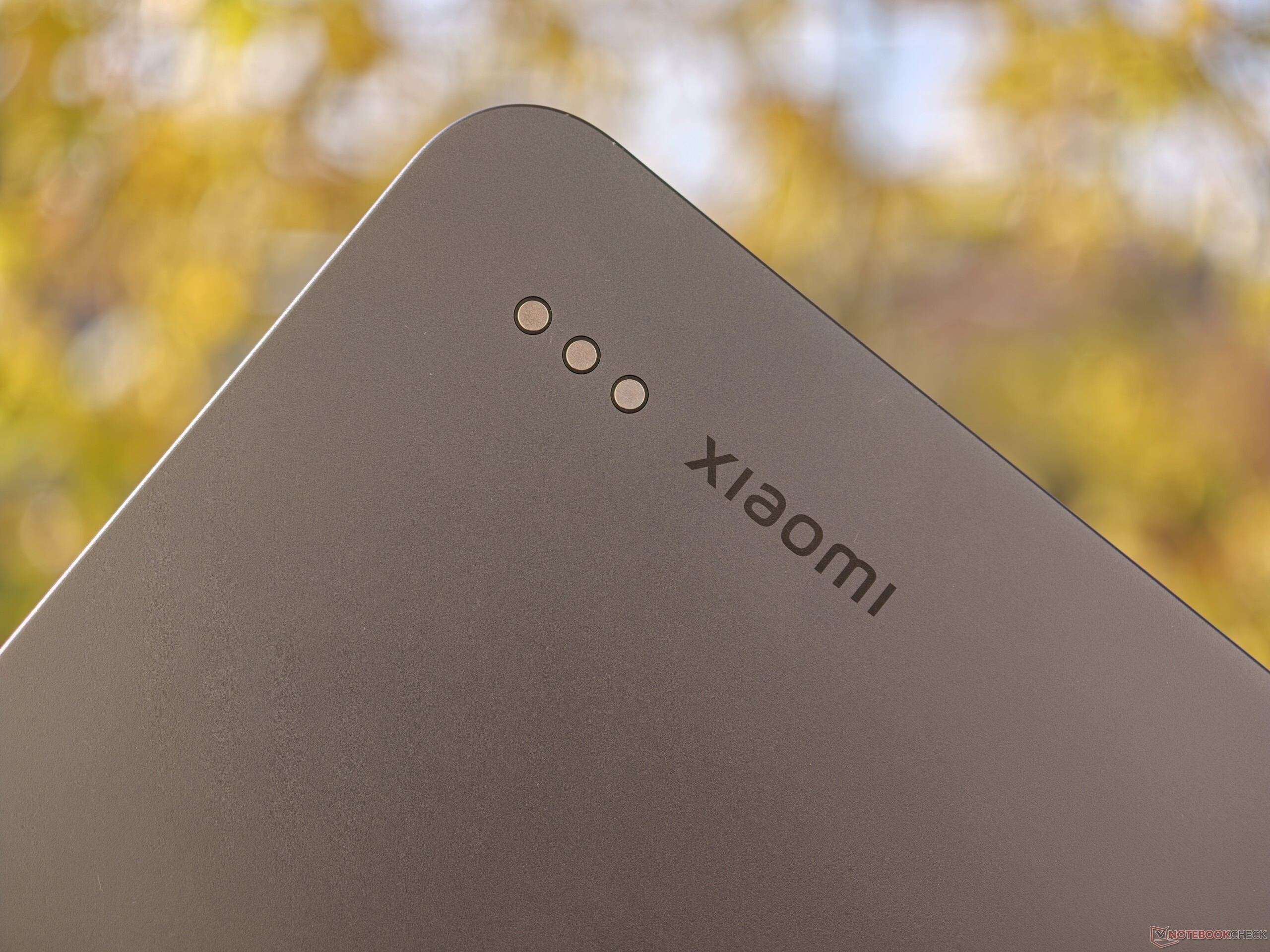
One highlight of the Pad 9 Pro is its thin and very well-built aluminum unibody chassis, which, at 580 grams, is considerably heavier than its predecessor. This is due to the increased dimensions resulting from the now 12.5-inch display.
No official IP certification is listed for the Chinese version, but it is very likely that the successor to the Pad 8 Pro also has at least an IP52 rating.
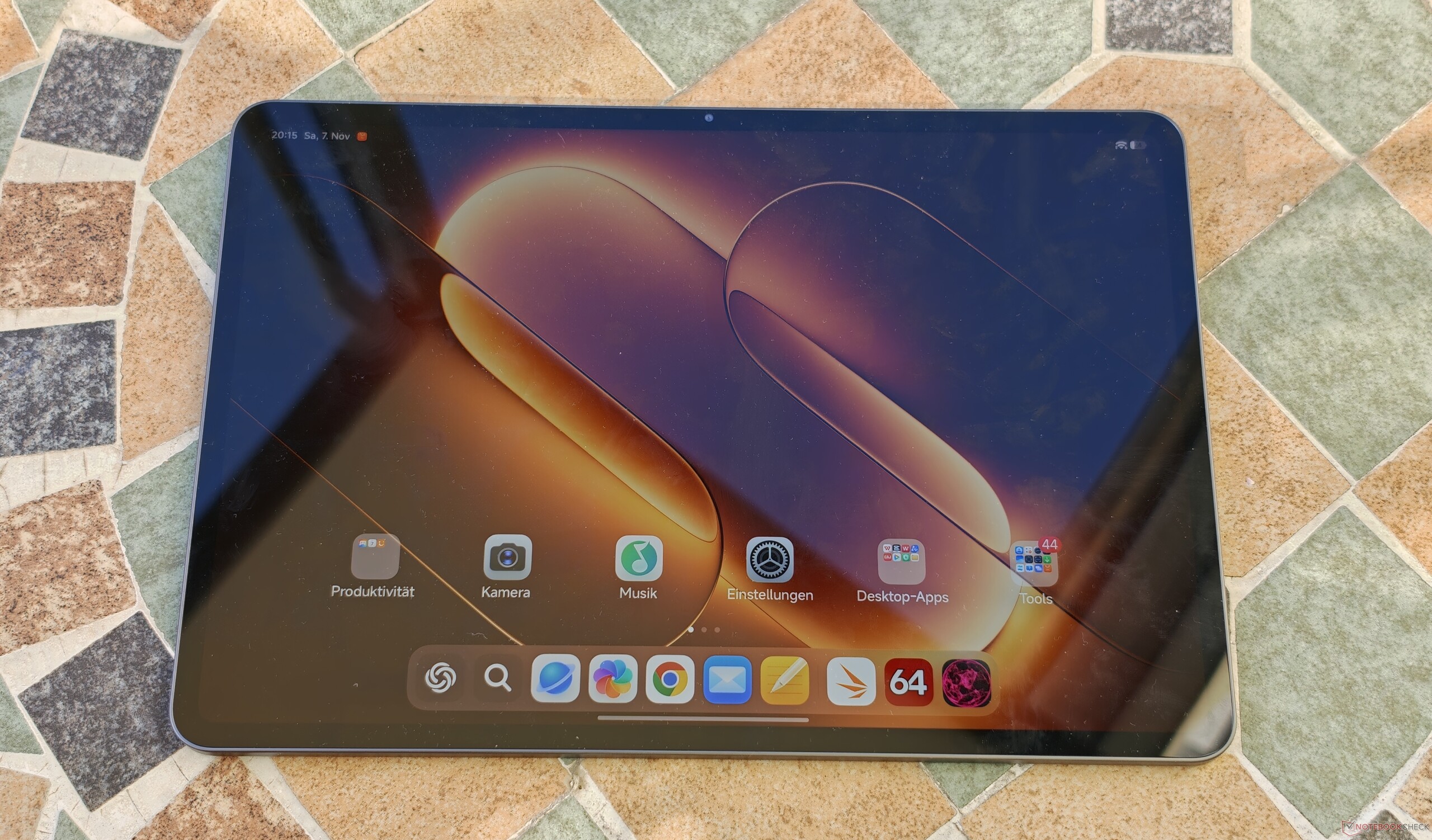
The design impresses with a good screen-to-body ratio of 87 percent and correspondingly narrow display bezels. In addition to our version with a glossy display, Xiaomi also offers its Pro tablet in an optional matte Soft-Light variant.
Features - Fast USB 3.2 port without DisplayPort input
The Pad 9 Pro features a fast USB-C port (USB 3.2) with video output. However, it lacks a DisplayPort input for video and audio, as found on the Pro Max model.
For RAM, Xiaomi uses LPDDR5X and LPDDR5T, depending on the configuration. However, every version comes with fast UFS 4.1 flash storage.
In addition, the Pad 9 Pro offers a good range of features for a mid-range tablet, with stylus support, an IR blaster, Miracast and OTG.
Software - New HyperOS 4 and Android 17 on the mid-range tablet
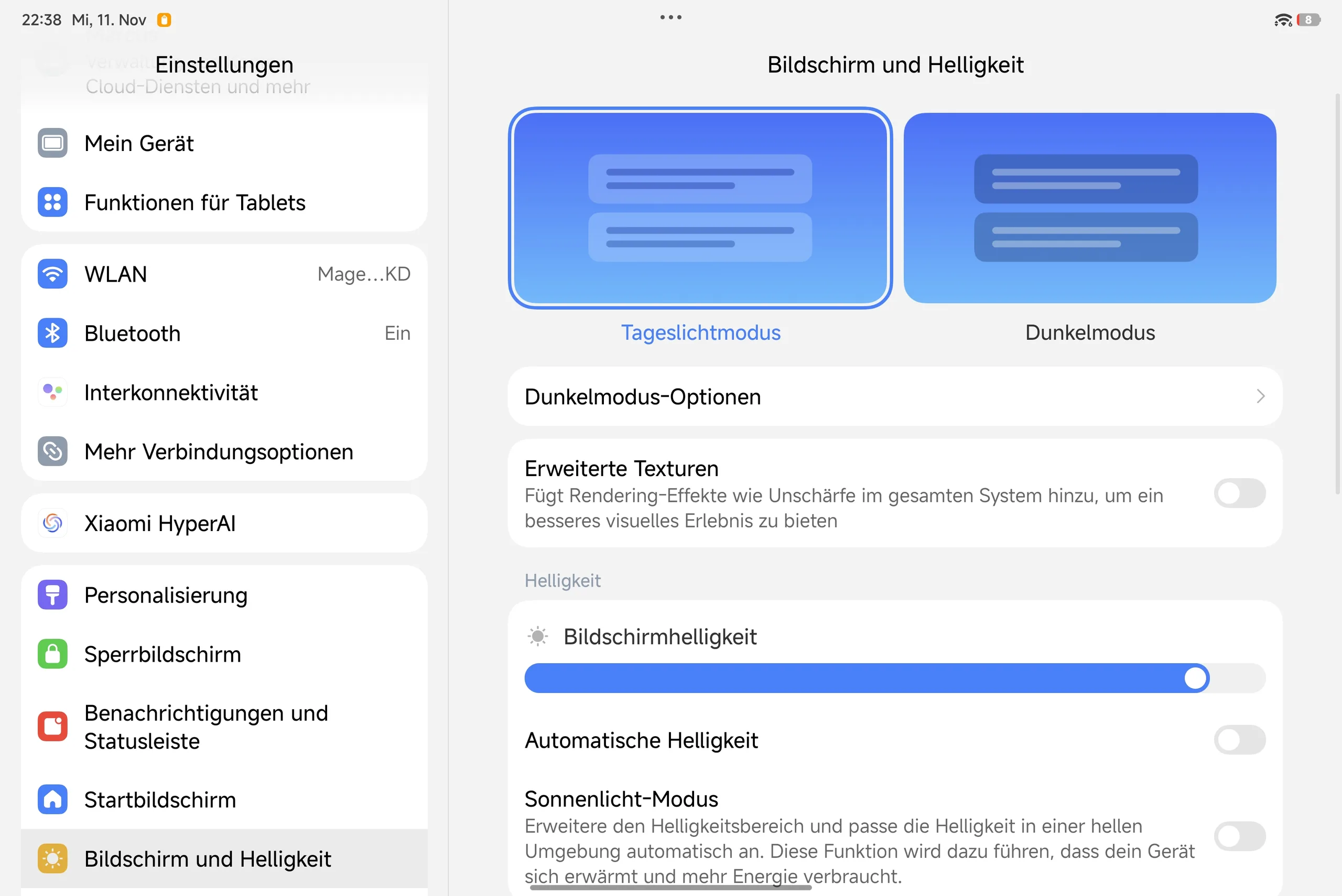
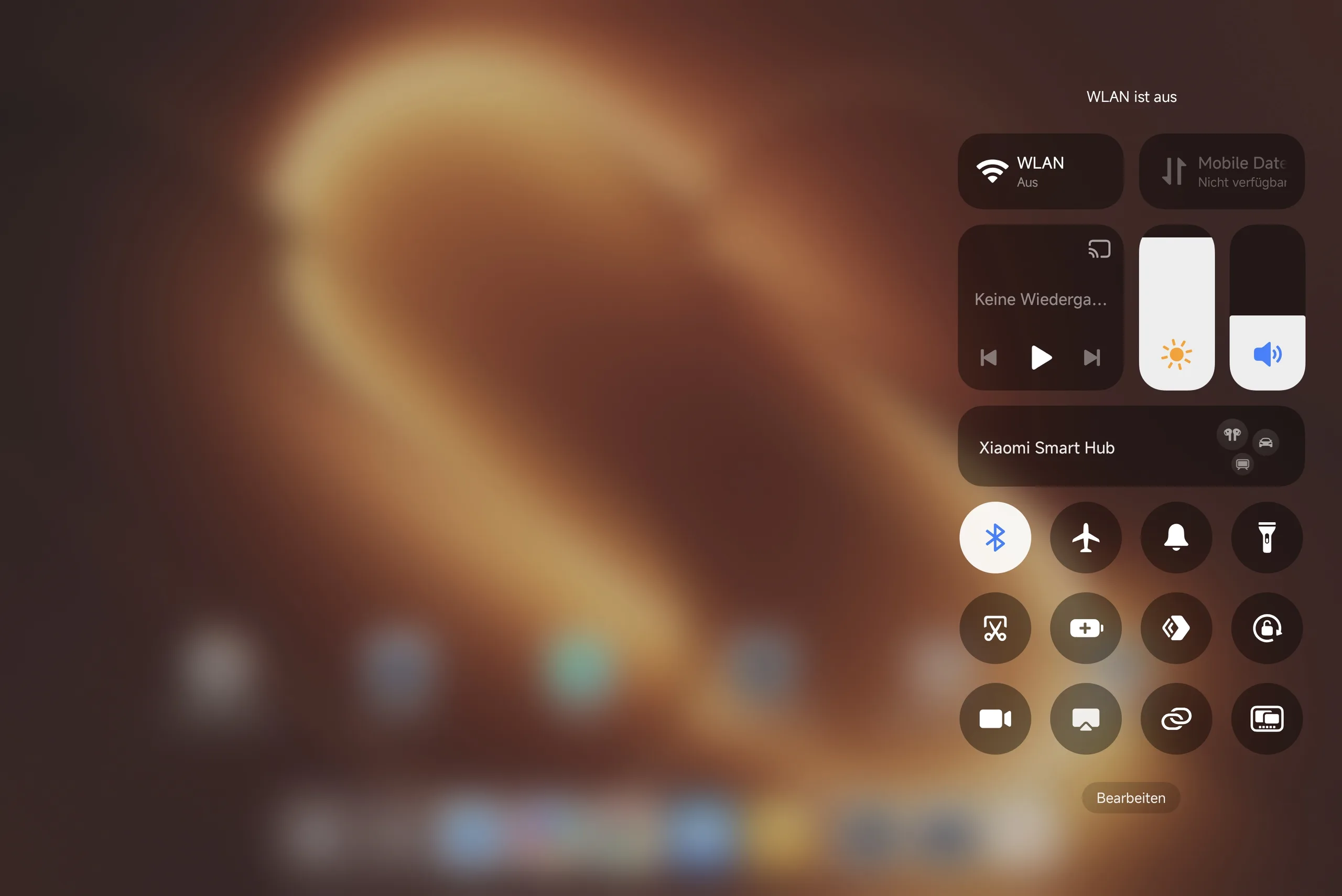
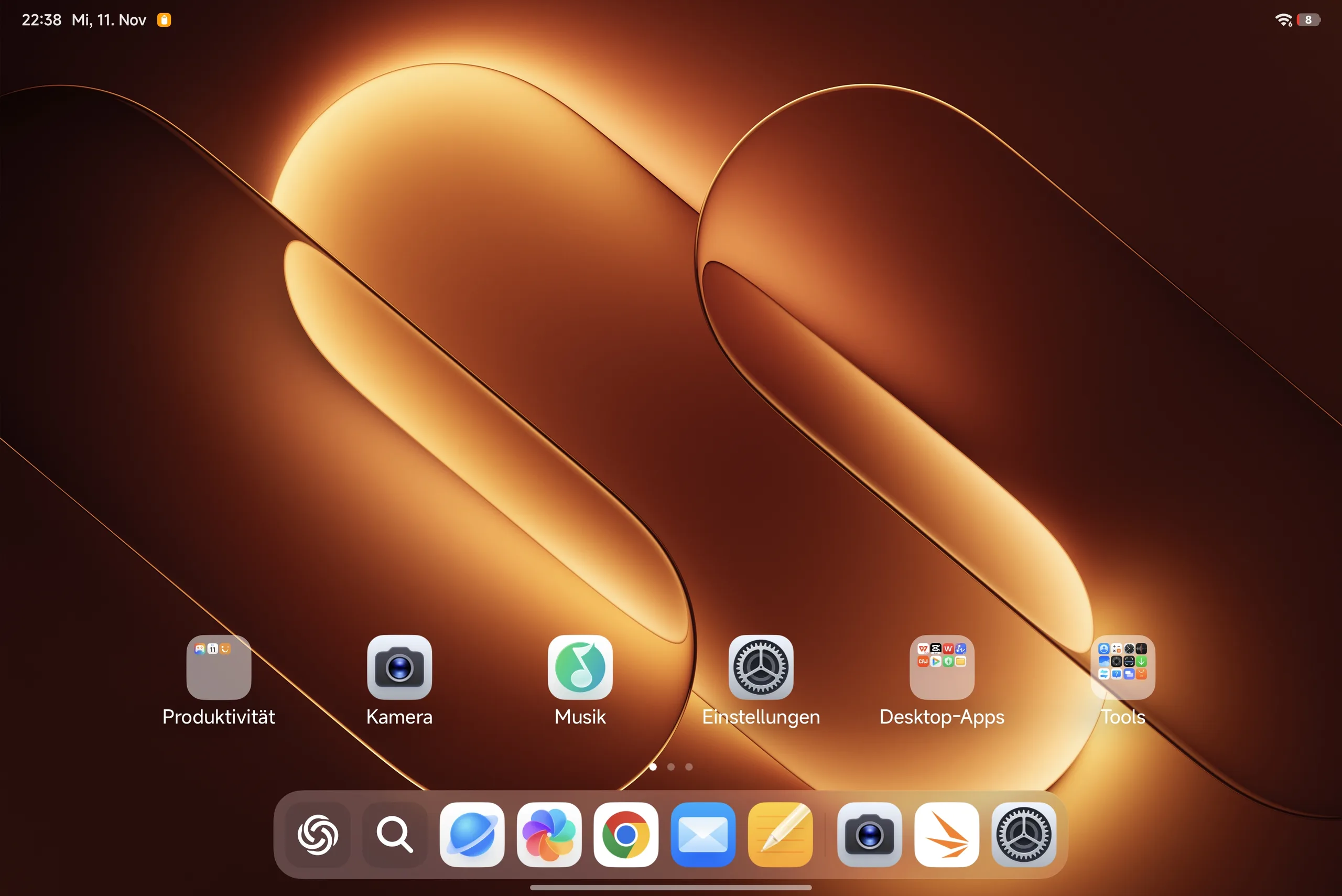
Xiaomi uses Android 17 with the new HyperOS 4 interface on the Pad 9 Pro. A new feature is native support for many languages in the Chinese models. This means the new Pad 9 Pro can also be used more effordlessly.
Xiaomi does not officially state how long the Chinese version will receive updates. In Europe, a global Pad 9 Pro is subject to EU regulations and will almost certainly receive six years of security updates.
Sustainability
The packaging appears to be plastic-free and is made of cardboard. Xiaomi does not provide precise details about the materials used or their recycling rate.
Connectivity - Xiaomi Pad 9 Pro without 5G and GPS, but with WiFi 7
For anyone who wants to use their tablet on the go without a smartphone for browsing or determining their location, the Pad 9 Pro is not the right choice. As in previous years, Xiaomi does not offer a 5G version with satellite positioning capabilities.
On a home network, the Pad 9 Pro connects using the fast WiFi 7 standard. In our test, we achieve very impressive transfer rates peaking at up to 1,500 Mbit/s. However, the mid-range tablet comes nowhere near pushing our WiFi 7 router to its limits. Some top smartphones in the mid-range price segment are significantly faster.
| Networking | |
| Xiaomi Pad 9 Pro | |
| iperf3 transmit Wi-Fi6/7 RT-BE96U | |
| iperf3 receive Wi-Fi6/7 RT-BE96U | |
| Honor MagicPad 4 | |
| iperf3 transmit AXE11000 | |
| iperf3 receive AXE11000 | |
| iperf3 transmit AXE11000 6GHz | |
| iperf3 receive AXE11000 6GHz | |
| Huawei MatePad Air (2026) | |
| iperf3 transmit Wi-Fi6/7 RT-BE96U | |
| iperf3 receive Wi-Fi6/7 RT-BE96U | |
| Lenovo Yoga Tab Gen 2 | |
| iperf3 transmit Wi-Fi6/7 RT-BE96U | |
| iperf3 receive Wi-Fi6/7 RT-BE96U | |
| Xiaomi Pad 8 Pro | |
| iperf3 transmit AXE11000 | |
| iperf3 receive AXE11000 | |
| iperf3 transmit AXE11000 6GHz | |
| iperf3 receive AXE11000 6GHz | |
| Average 802.11 a/b/g/n/ac/ax/be | |
| iperf3 transmit AXE11000 | |
| iperf3 receive AXE11000 | |
| iperf3 transmit AXE11000 6GHz | |
| iperf3 receive AXE11000 6GHz | |
| iperf3 transmit Wi-Fi6/7 RT-BE96U | |
| iperf3 receive Wi-Fi6/7 RT-BE96U | |
| Average of class Tablet | |
| iperf3 transmit AXE11000 | |
| iperf3 receive AXE11000 | |
| iperf3 transmit AXE11000 6GHz | |
| iperf3 receive AXE11000 6GHz | |
| iperf3 transmit Wi-Fi6/7 RT-BE96U | |
| iperf3 receive Wi-Fi6/7 RT-BE96U | |
Cameras - Xiaomi tablet with 50 megapixels but no image stabilization

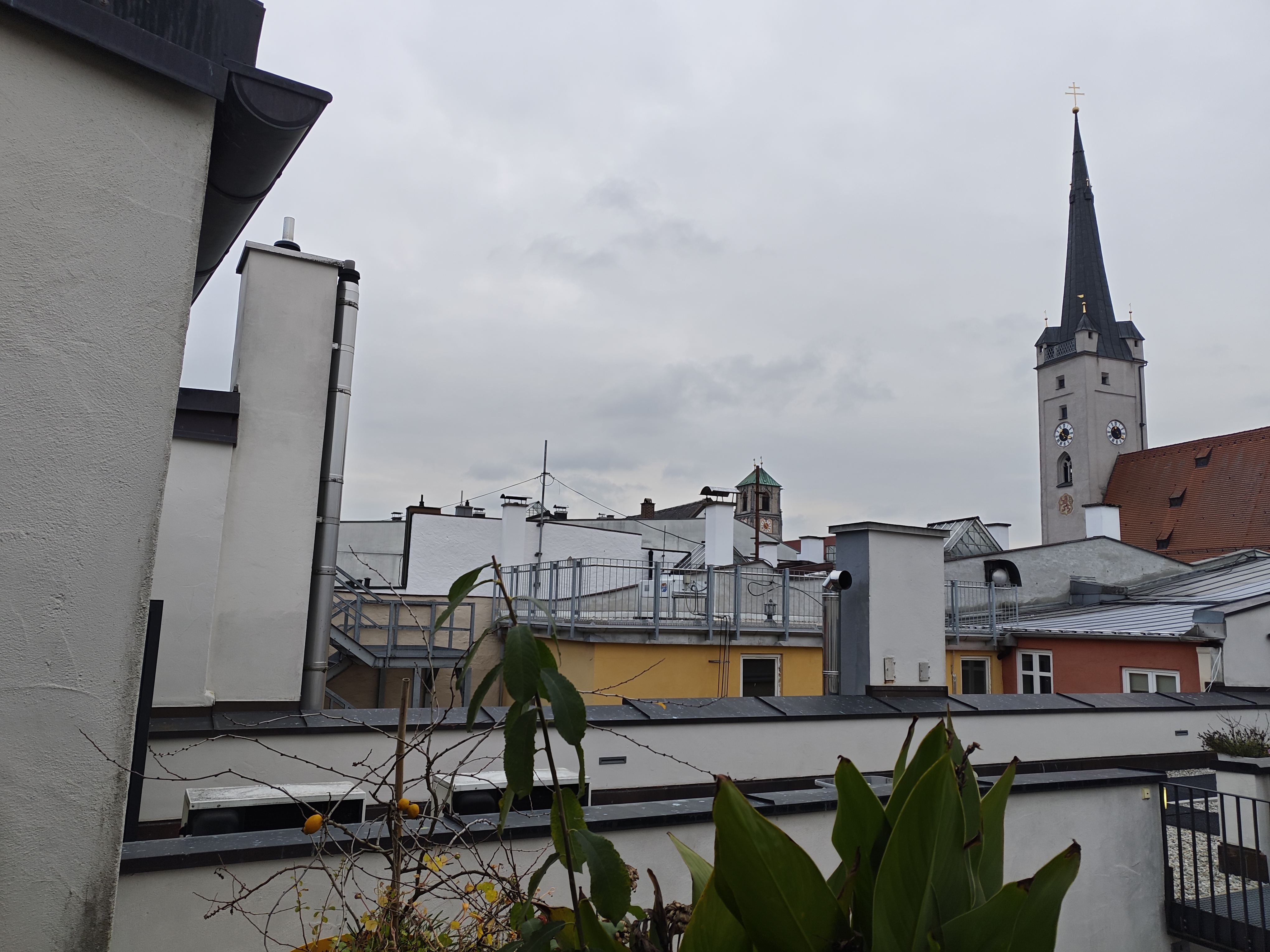
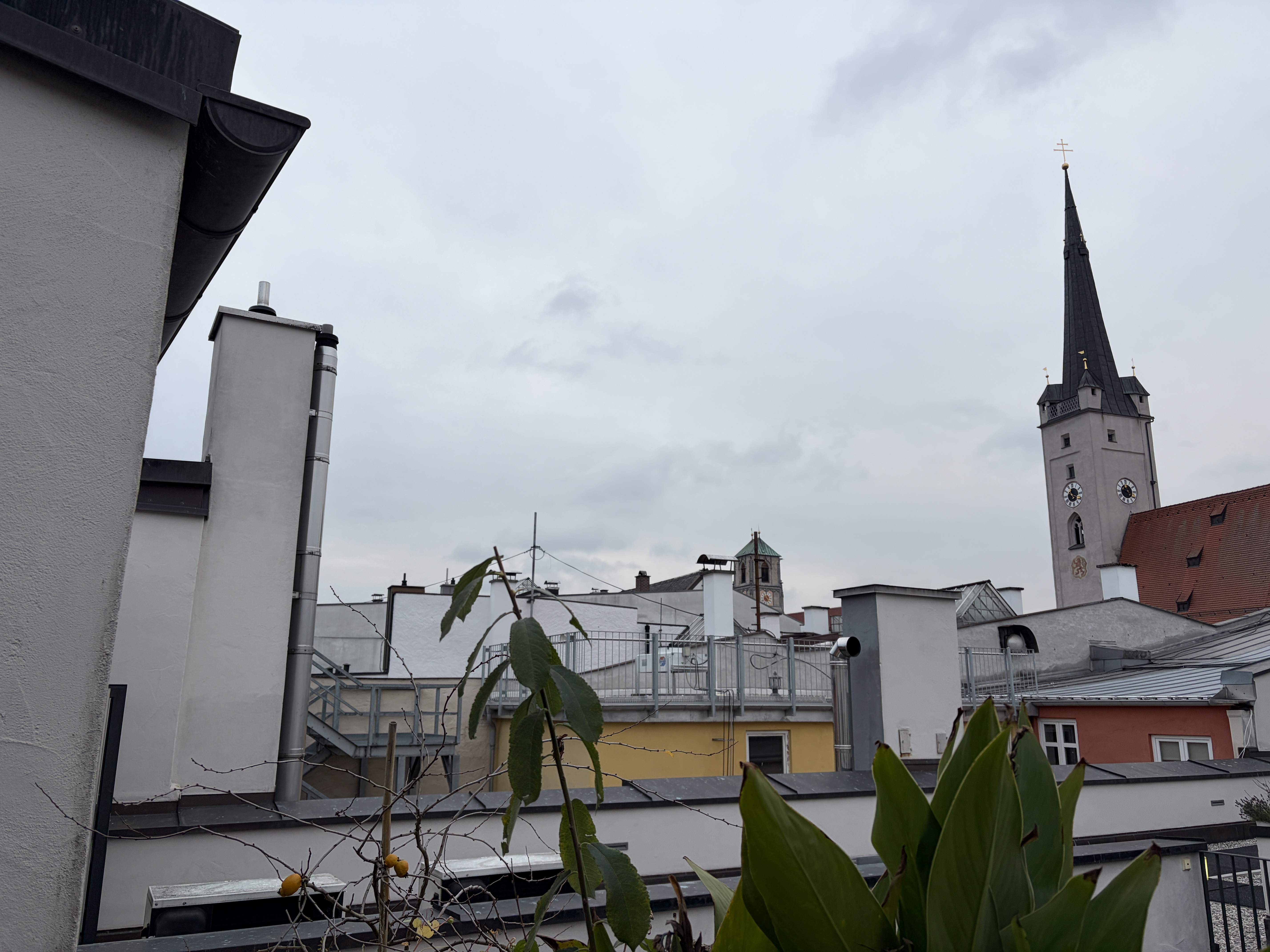
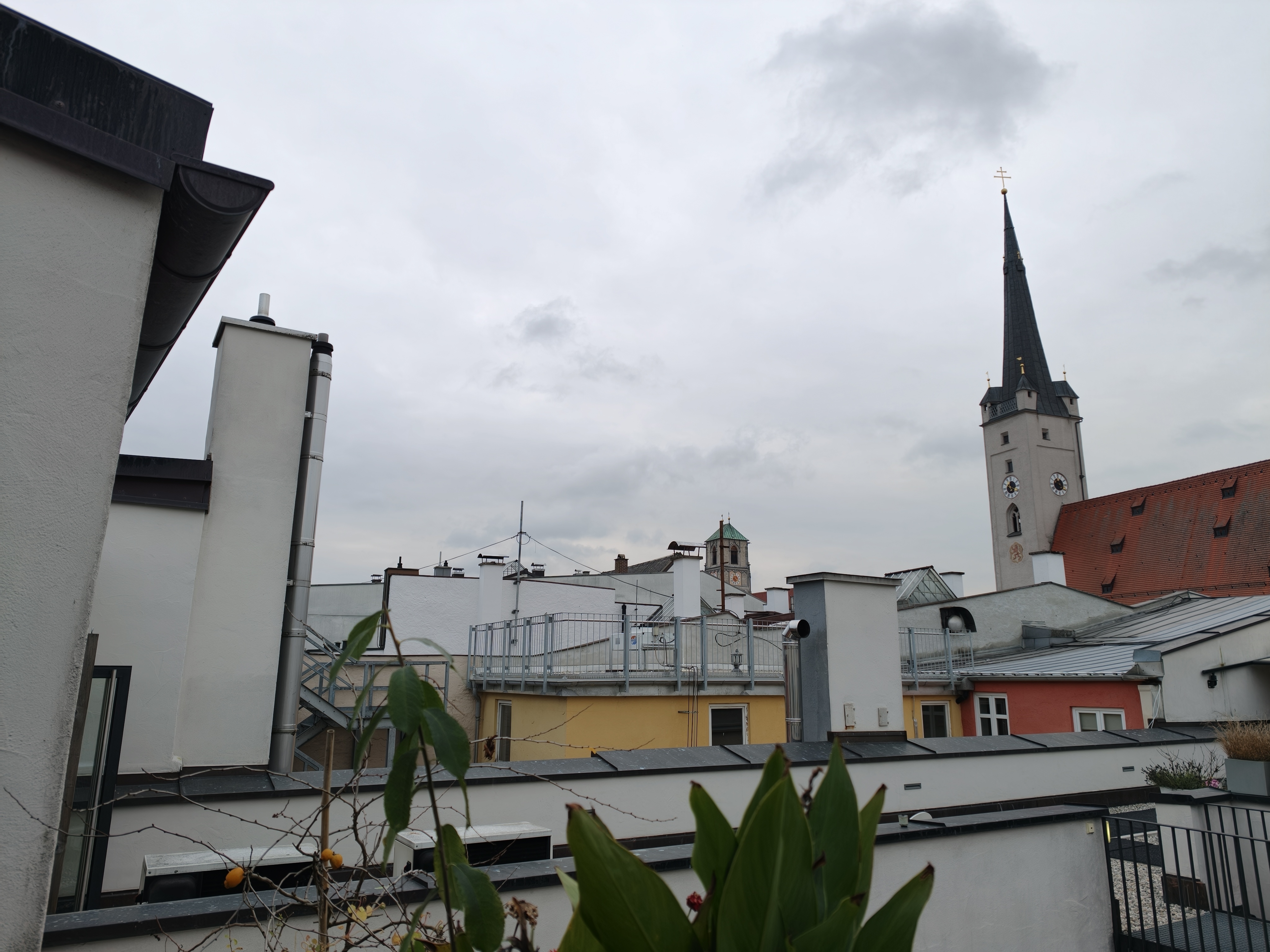
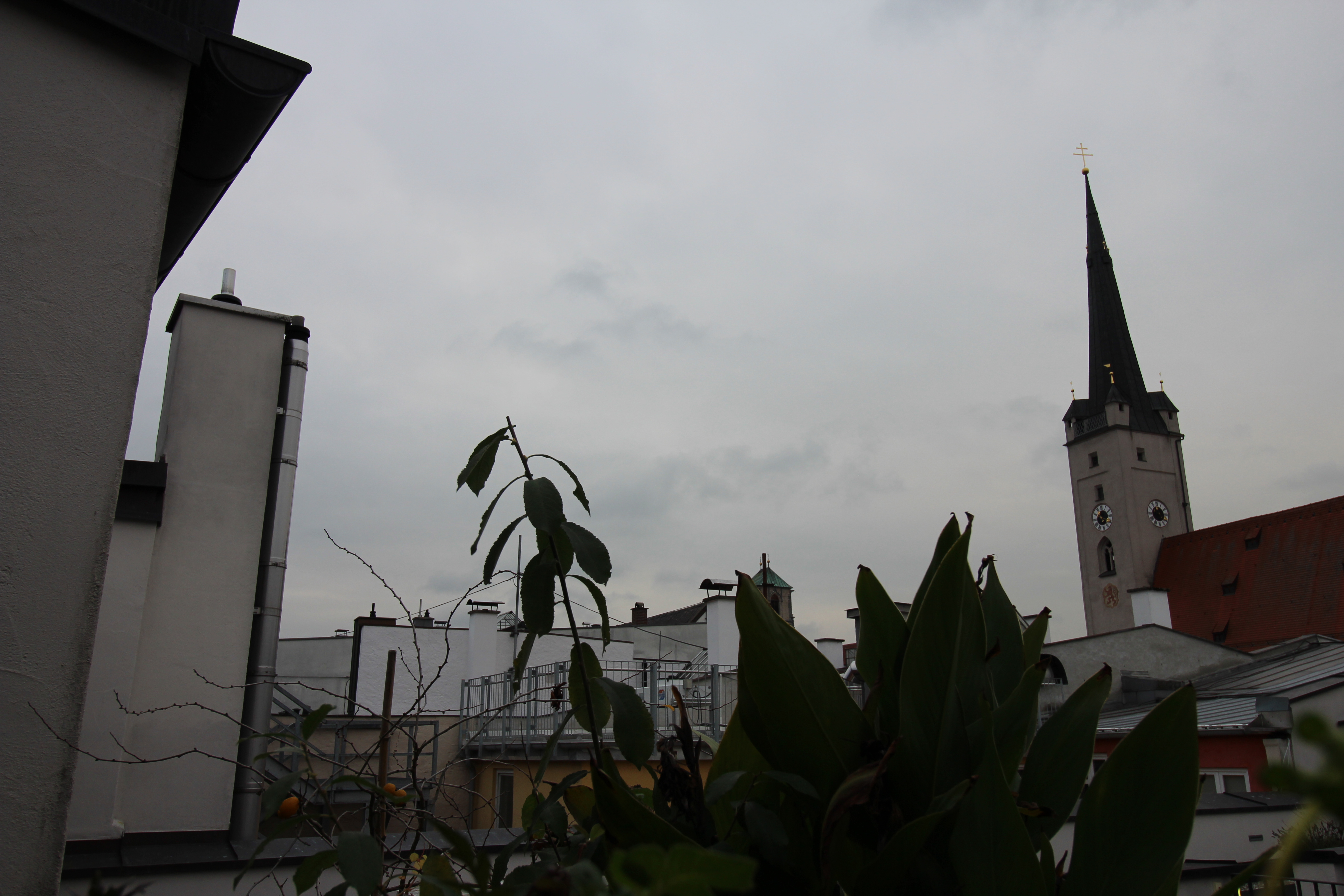
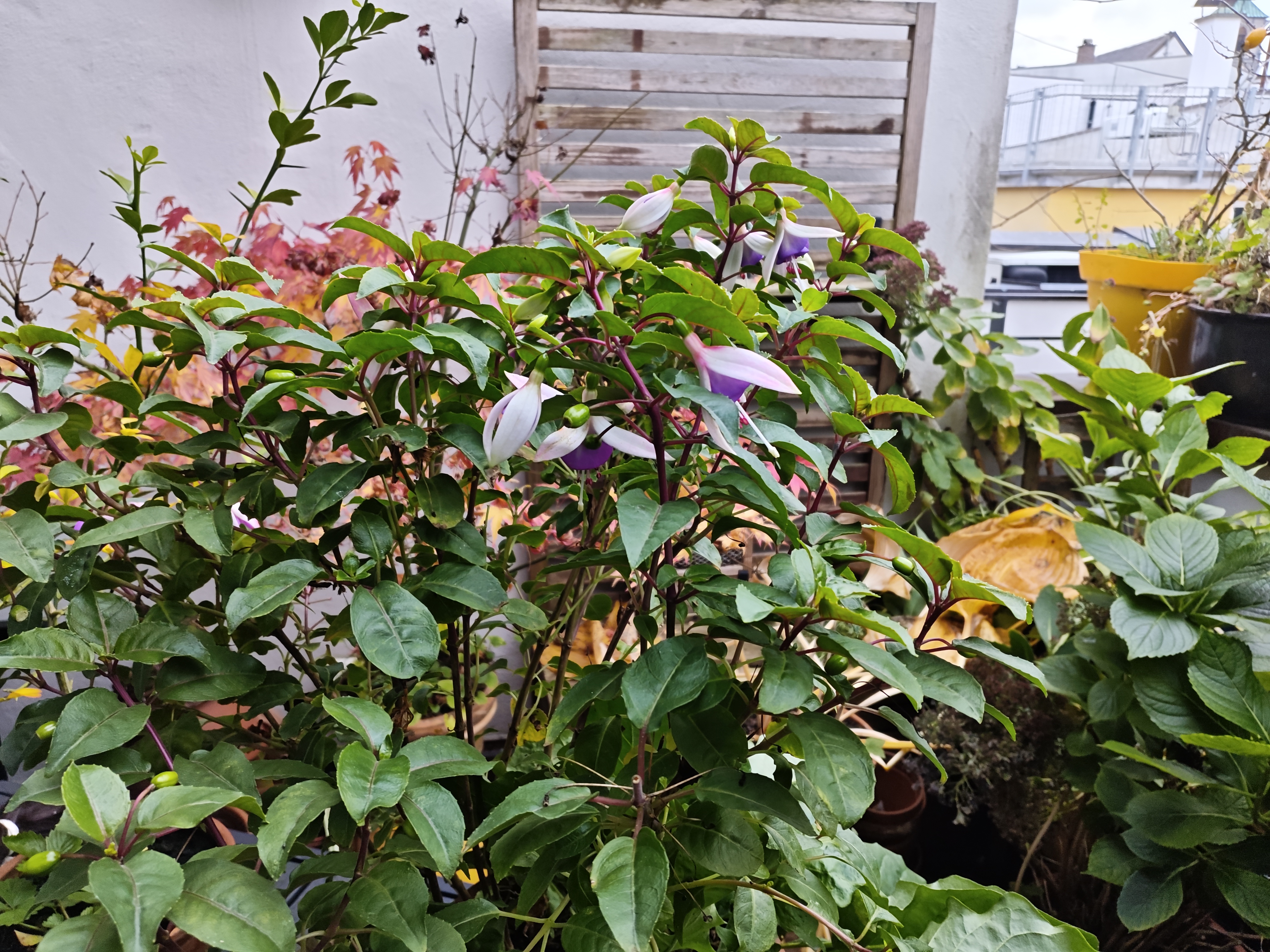
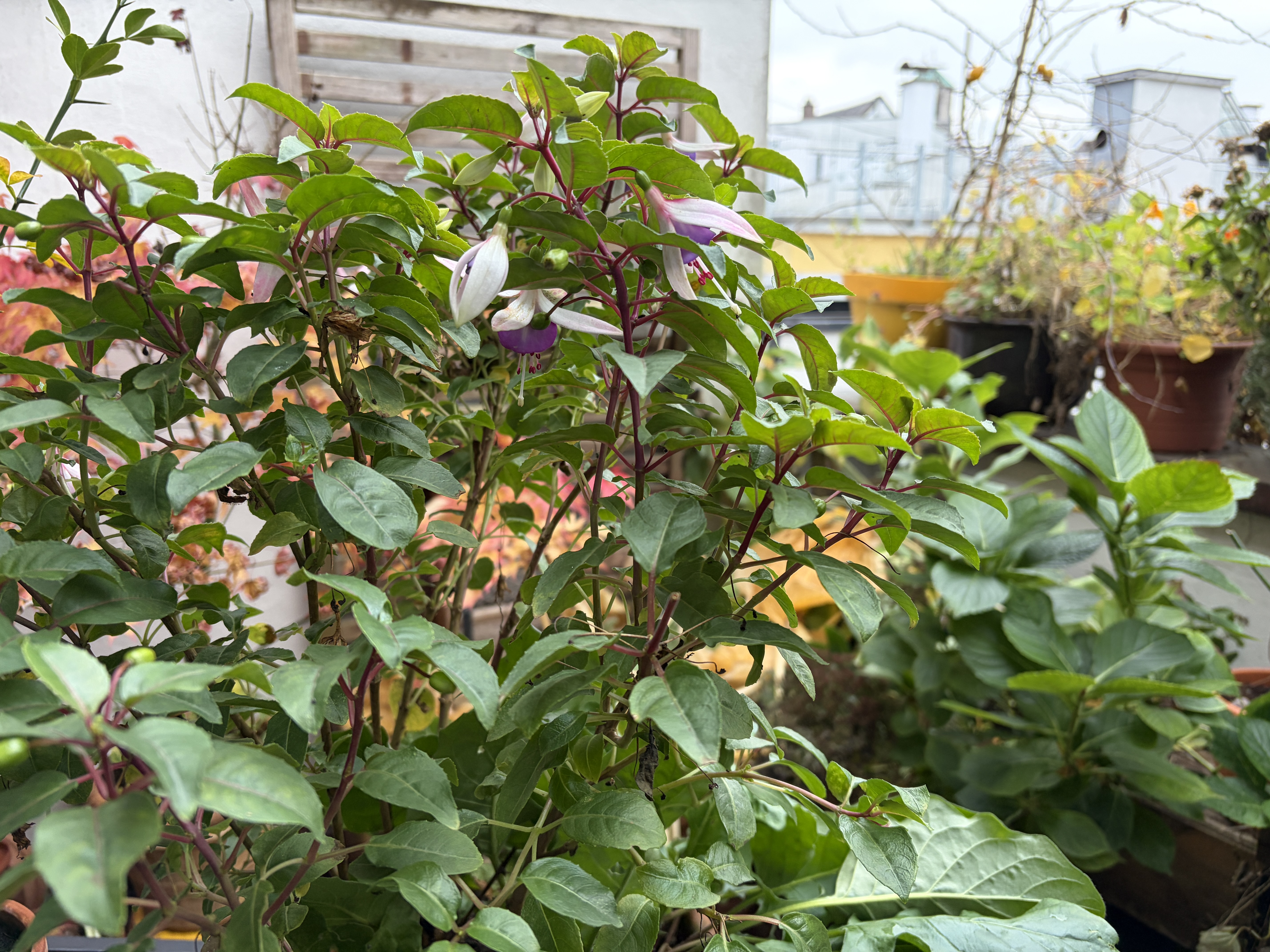
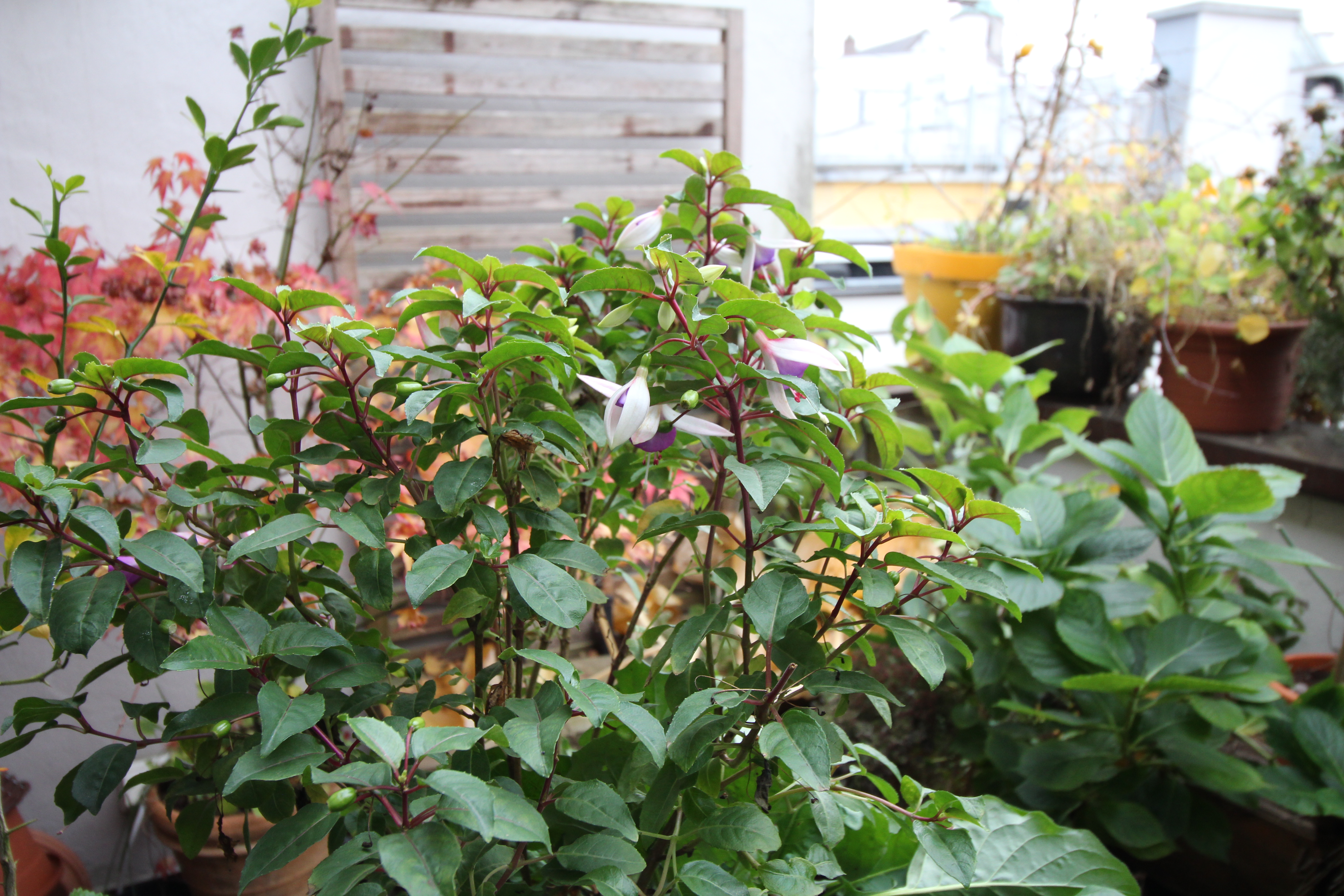
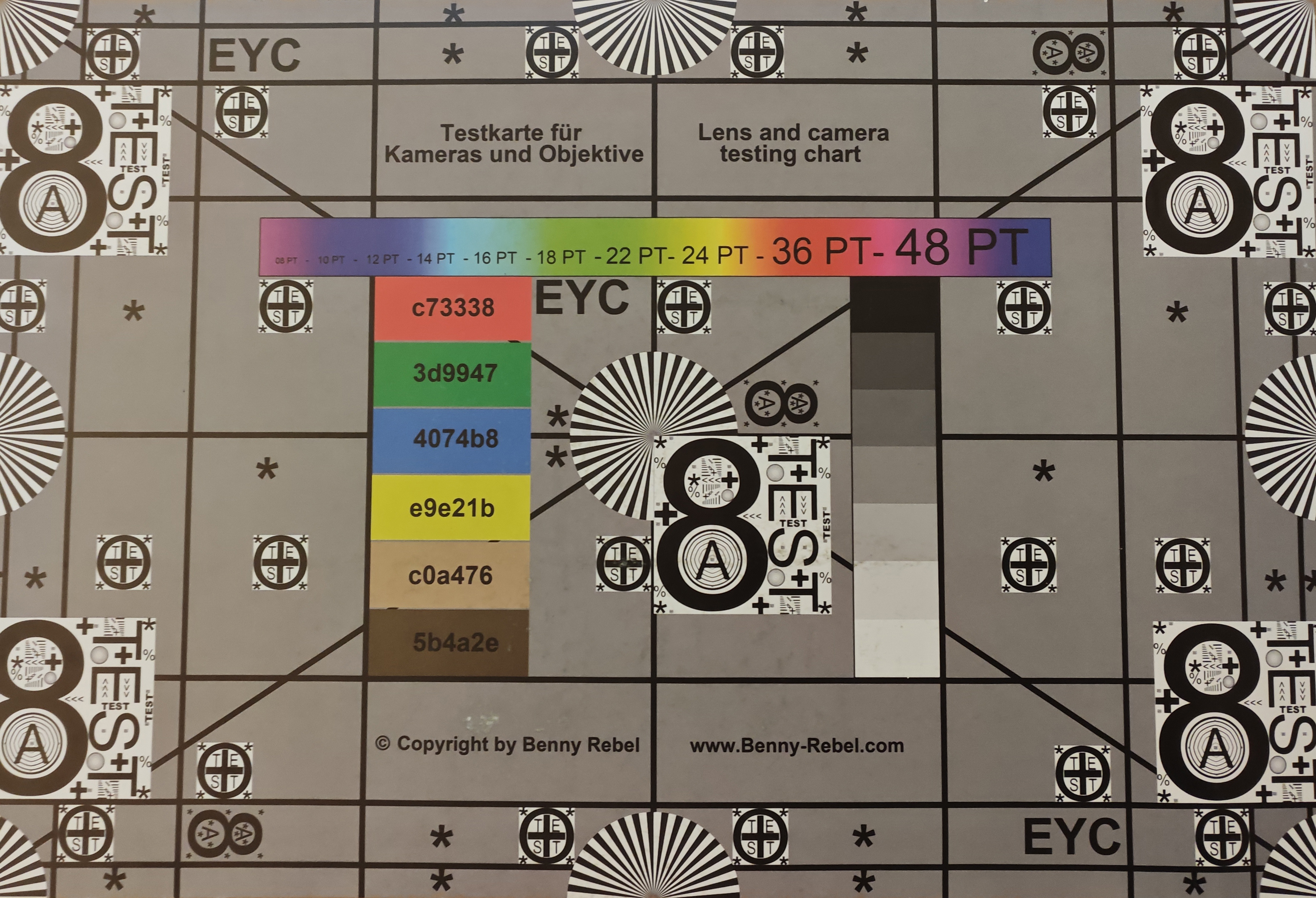
The camera system's hardware has remained unchanged for generations. The Pad 9 Pro likewise uses a 32 MP front-facing camera without pixel binning, but it only has fixed focus. The quality is perfectly adequate for video calls, however, and four microphones are also built in for active noise cancellation.
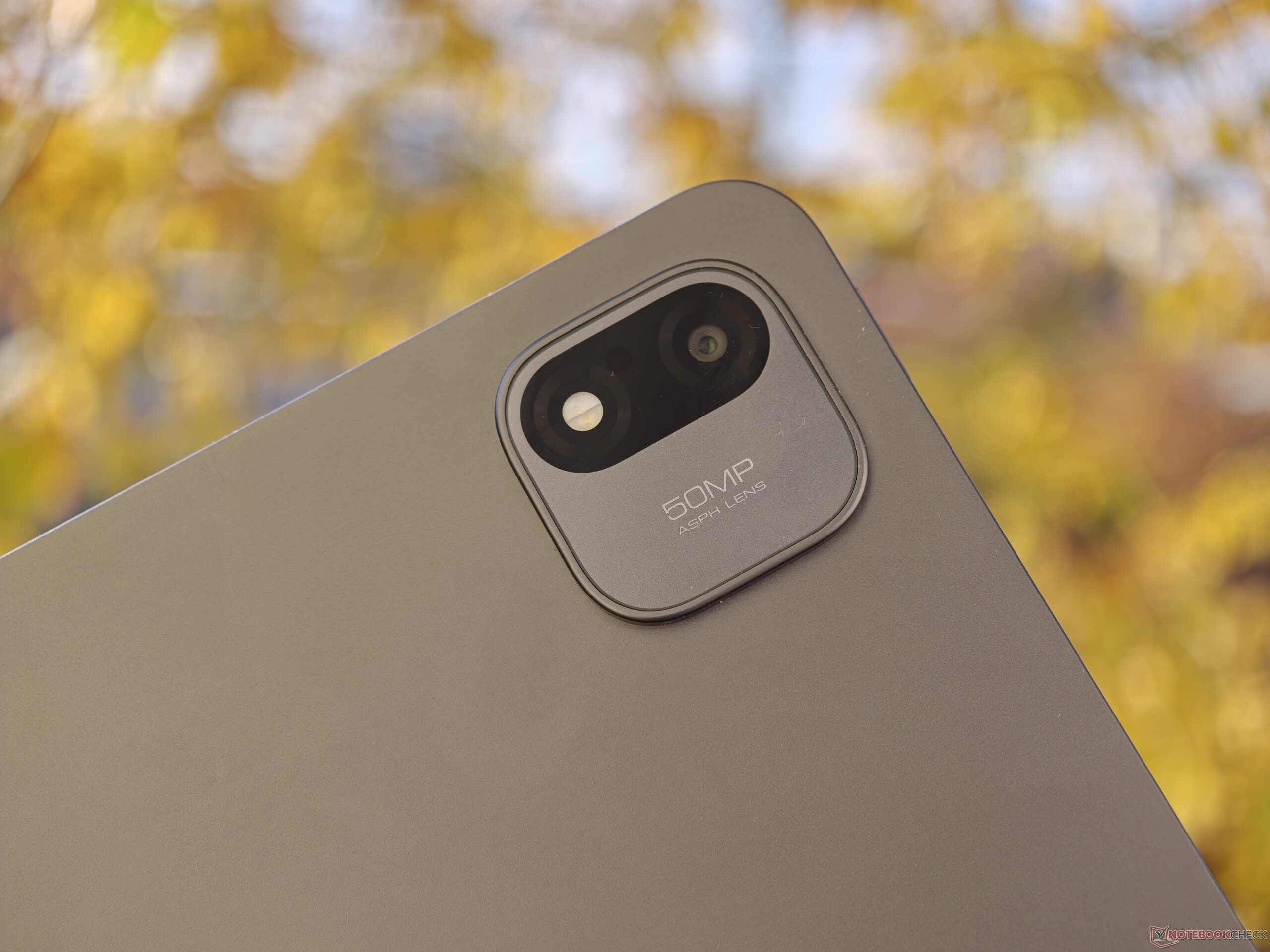
On the back, a 50 MP camera with autofocus and an f/1.8 aperture is available for snapshots or digitizing notes. In daylight, the photos are usable and color reproduction is fairly accurate.
A dedicated mode for photographing documents is included to automatically crop detected document areas.











Accessories and warranty - Android tablet with fast charger
The package includes a 67-watt fast charger and a data/charging cable (USB-A to USB-C). Trading Shenzhen, who provided us with our sample, also adds an EU adapter for the charger to the package of our Chinese version.
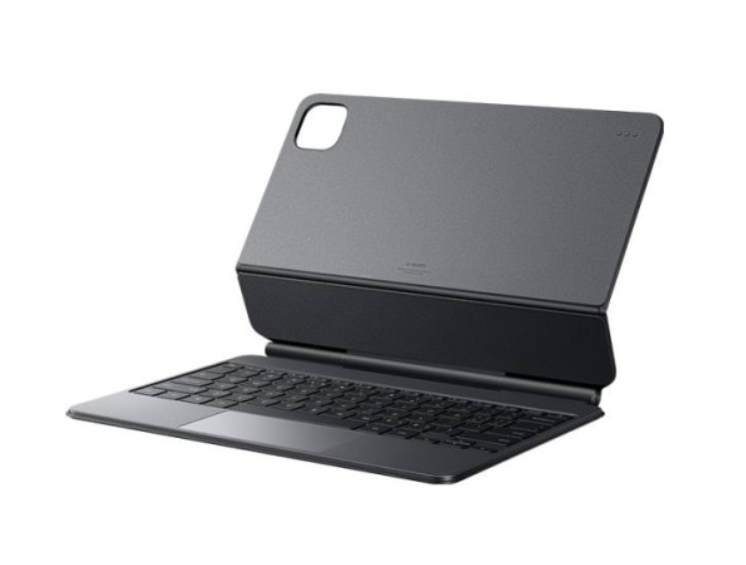
Those who prioritize productivity will find interesting accessories for the Pad 9 Pro in the Focus Stylus Pro and a Focus Keyboard with a trackpad (price: US$ 184).
Our imported device comes with a 12-month warranty. In the event of a warranty claim, Trading Shenzhen offers the option of sending the tablet to a European shipping address.
Input devices and operation - Affordable top-tier tablet with fingerprint sensor
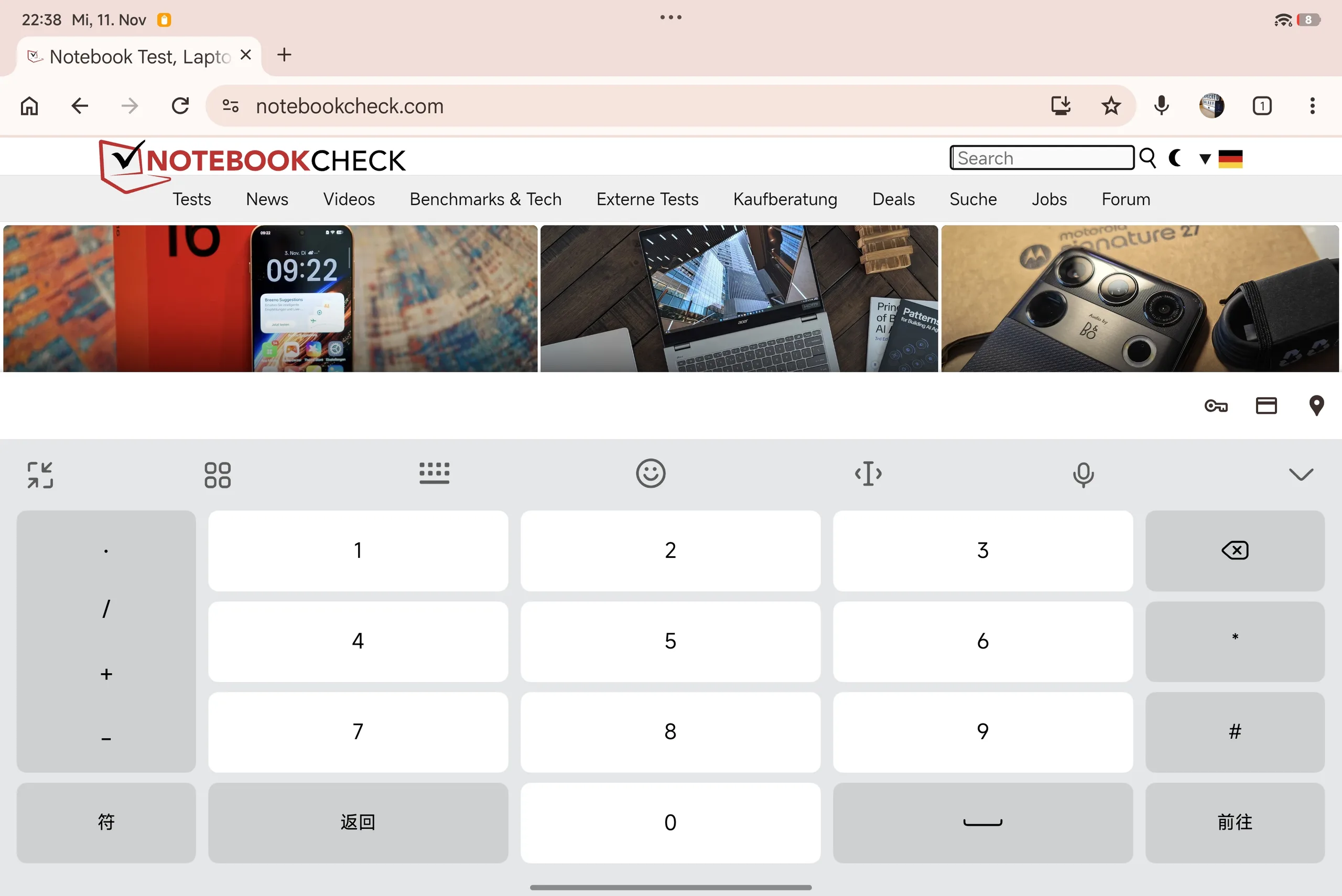
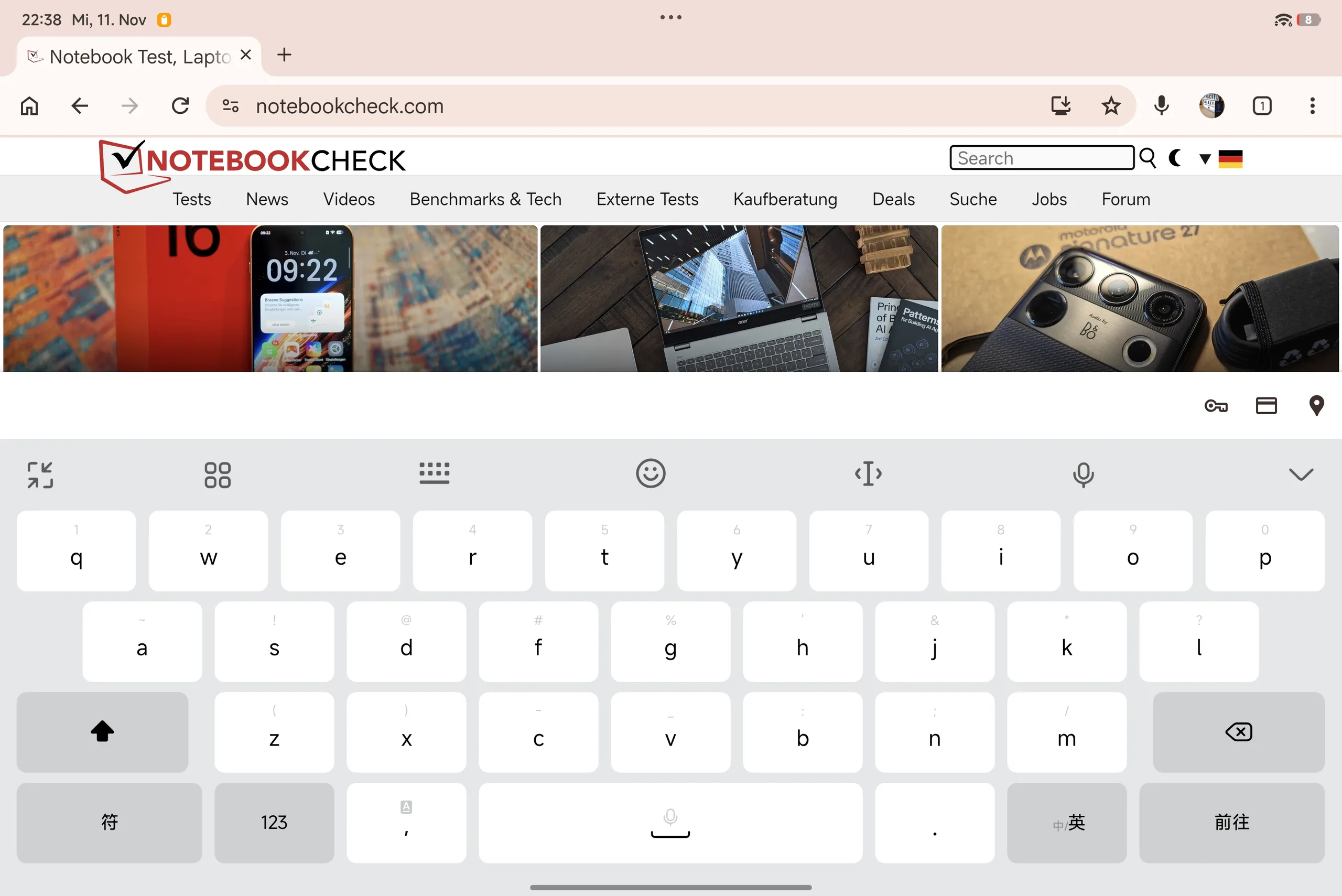
The Pad 9 Pro has a responsive touchscreen. Our finger inputs are registered accurately, and the high refresh rate makes operation very smooth.
Unlike the Pad 9, the Pro model has a fingerprint sensor in the power button. This is easy to reach with the left hand. The recognition rate and speed are first-rate. Insecure 2D facial recognition is also available for biometric security.
Display - Xiaomi opts against an OLED screen, but avoids PWM
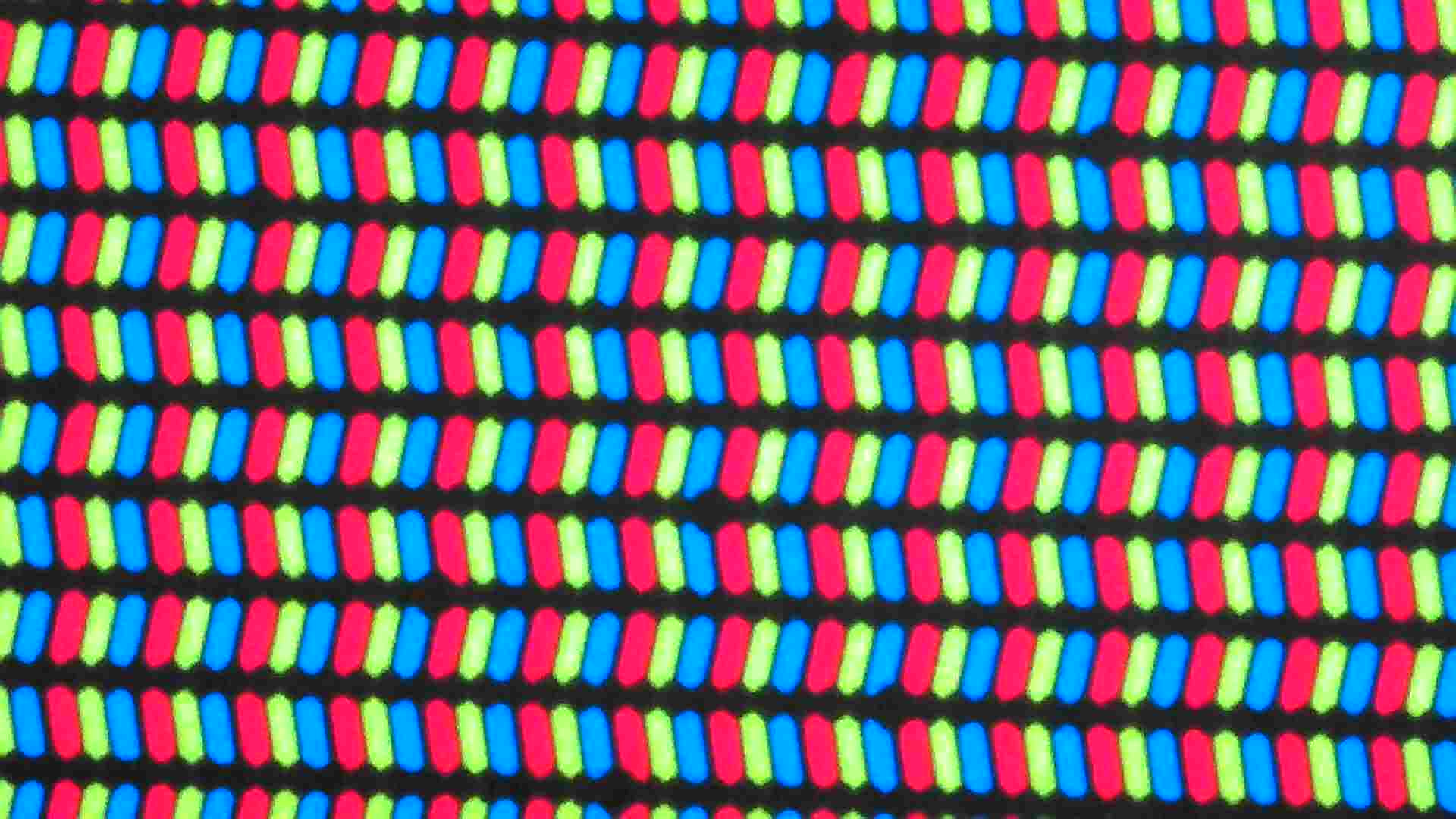
After the last two generations featured an 11.2-inch display, the new Pro model sports a larger screen. However, the LCD, now measuring 12.5 inches, still has a 2,136p resolution, resulting in a lower pixel density than last year. In everyday use, however, this is unlikely to be noticeable.
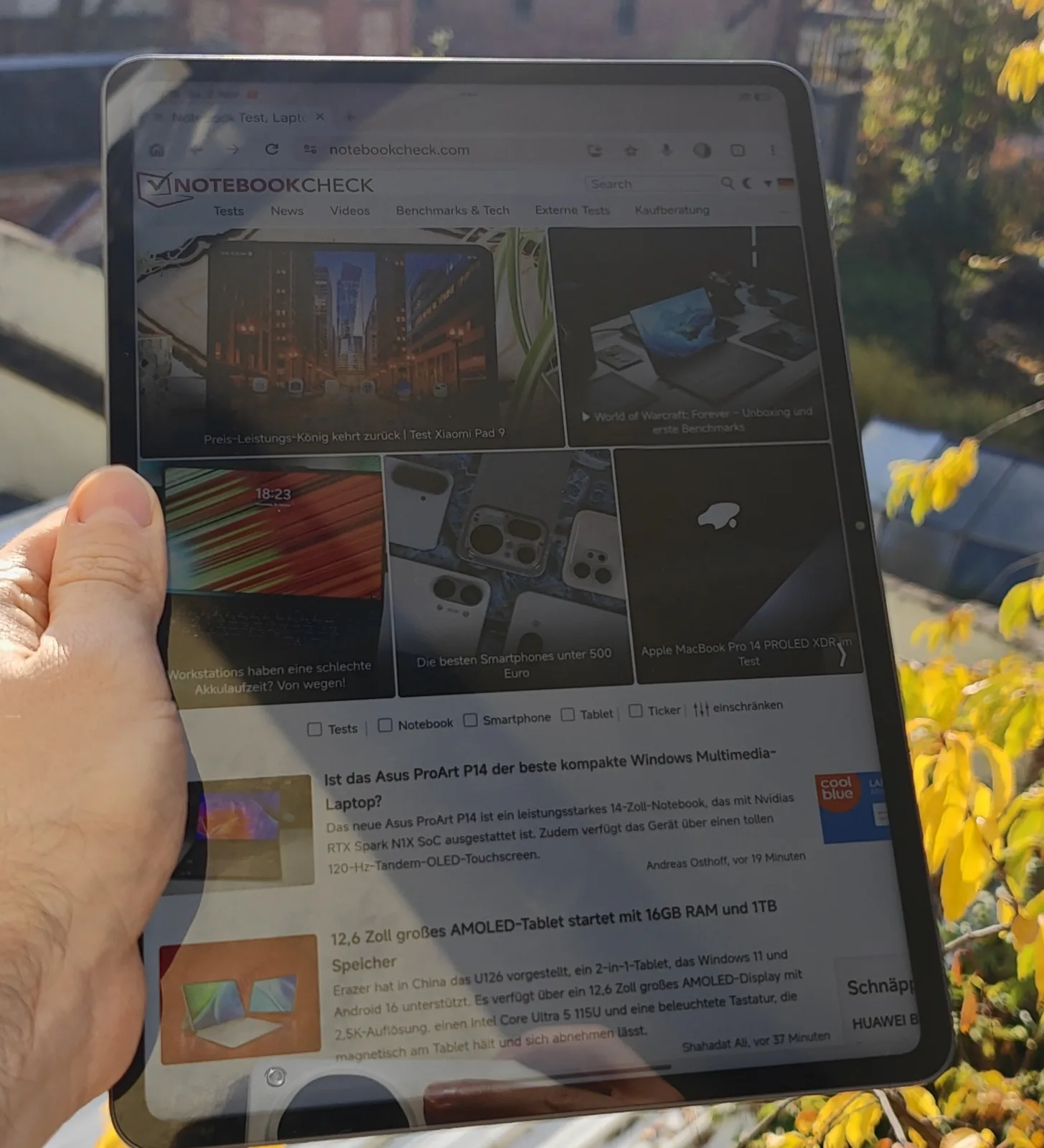
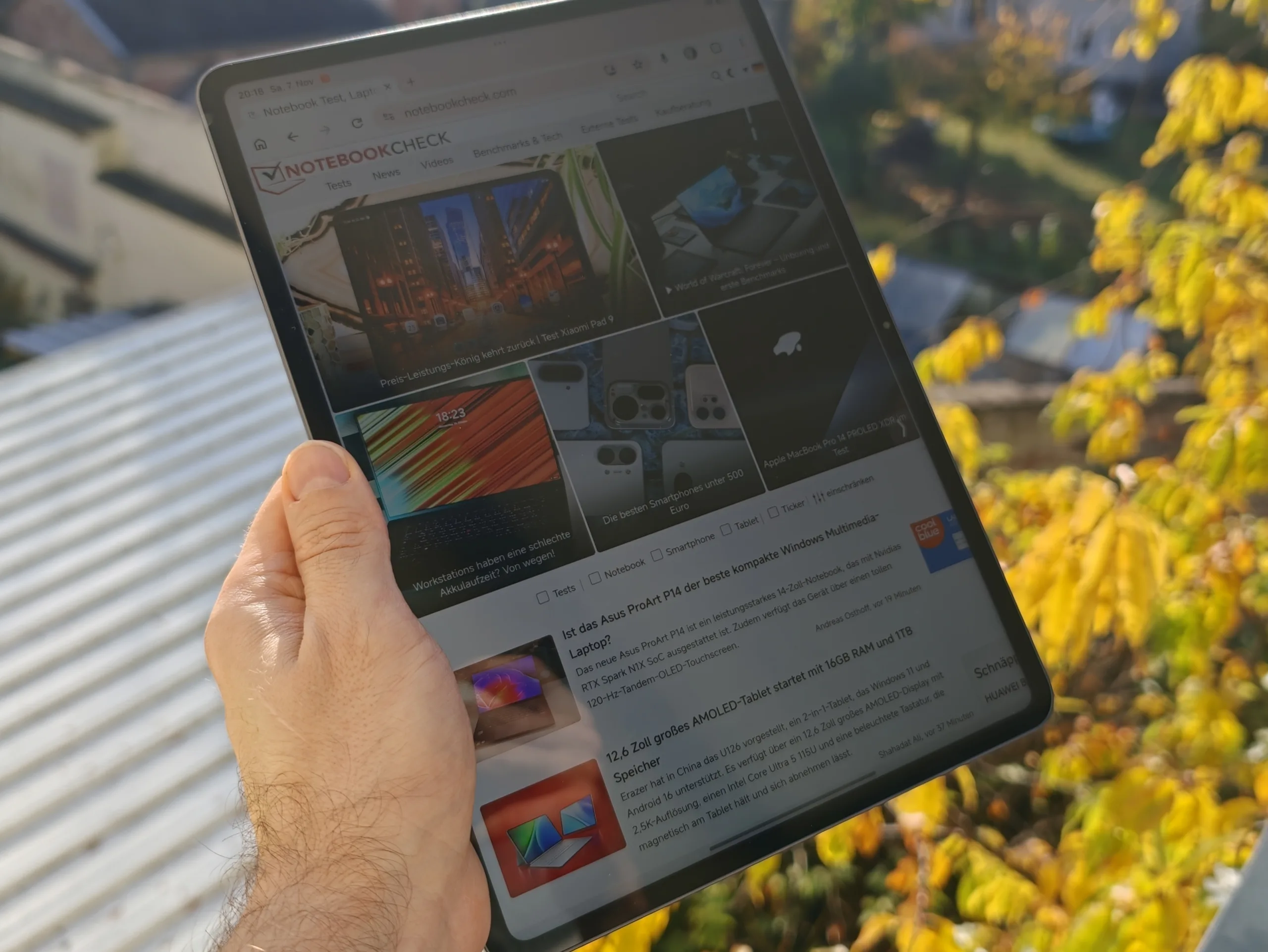
The higher brightness should be more relevant; according to the manufacturer, peak brightness reaches 1,000 nits. Pleasingly, our measurements with the APL18 pattern and when displaying HDR content yield very similar values. Compared with a MagicPad 4 , however, the brightness offered by the Pad 9 Pro is still only average.
On the other hand, Xiaomi does not use PWM flickering to control the display brightness. An advantage for sensitive users.
| |||||||||||||||||||||||||
Brightness Distribution: 95 %
Center on Battery: 852 cd/m²
Contrast: 1549:1 (Black: 0.55 cd/m²)
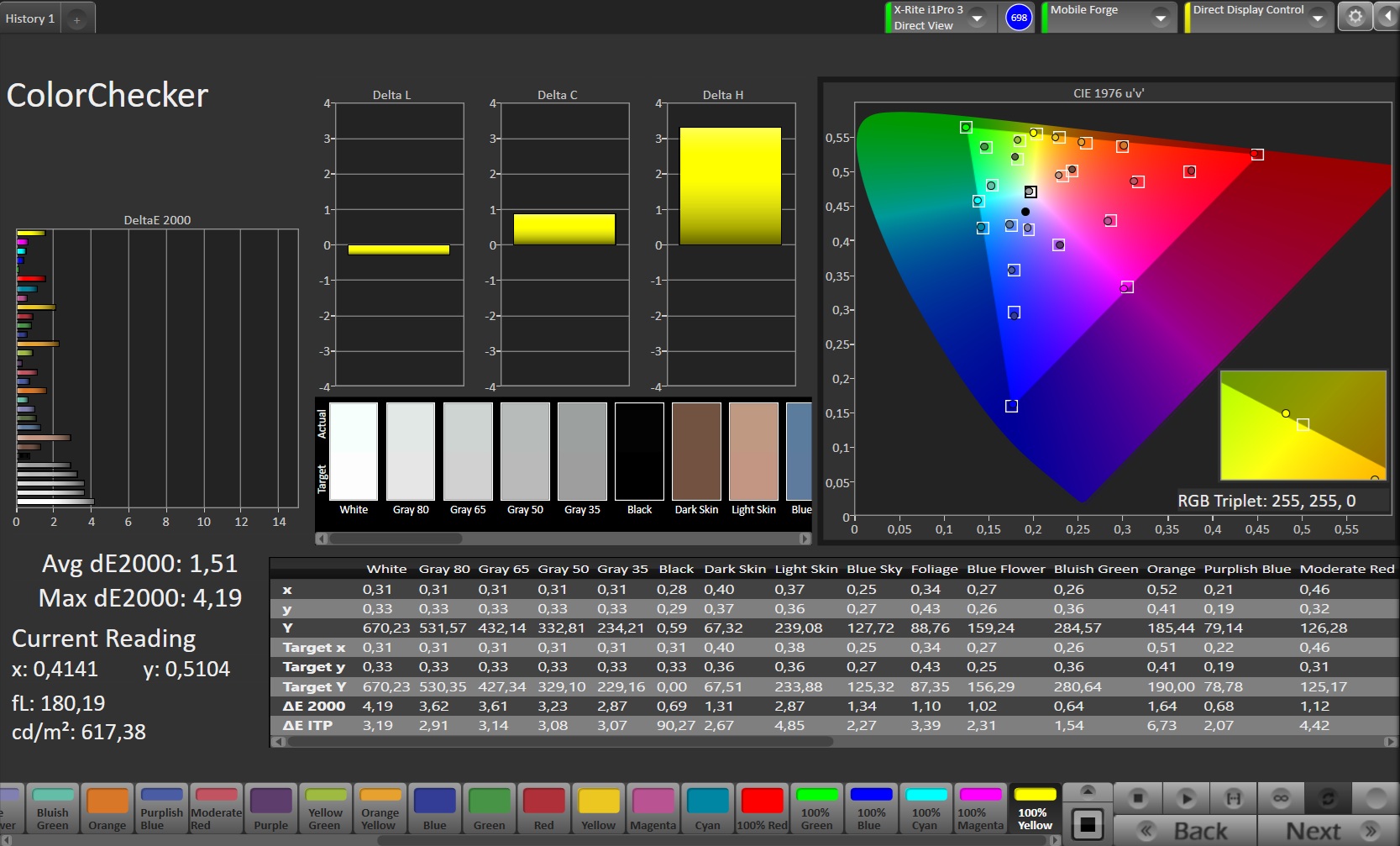
ΔE ColorChecker Calman: 1.51 | ∀{0.5-29.43 Ø4.68}
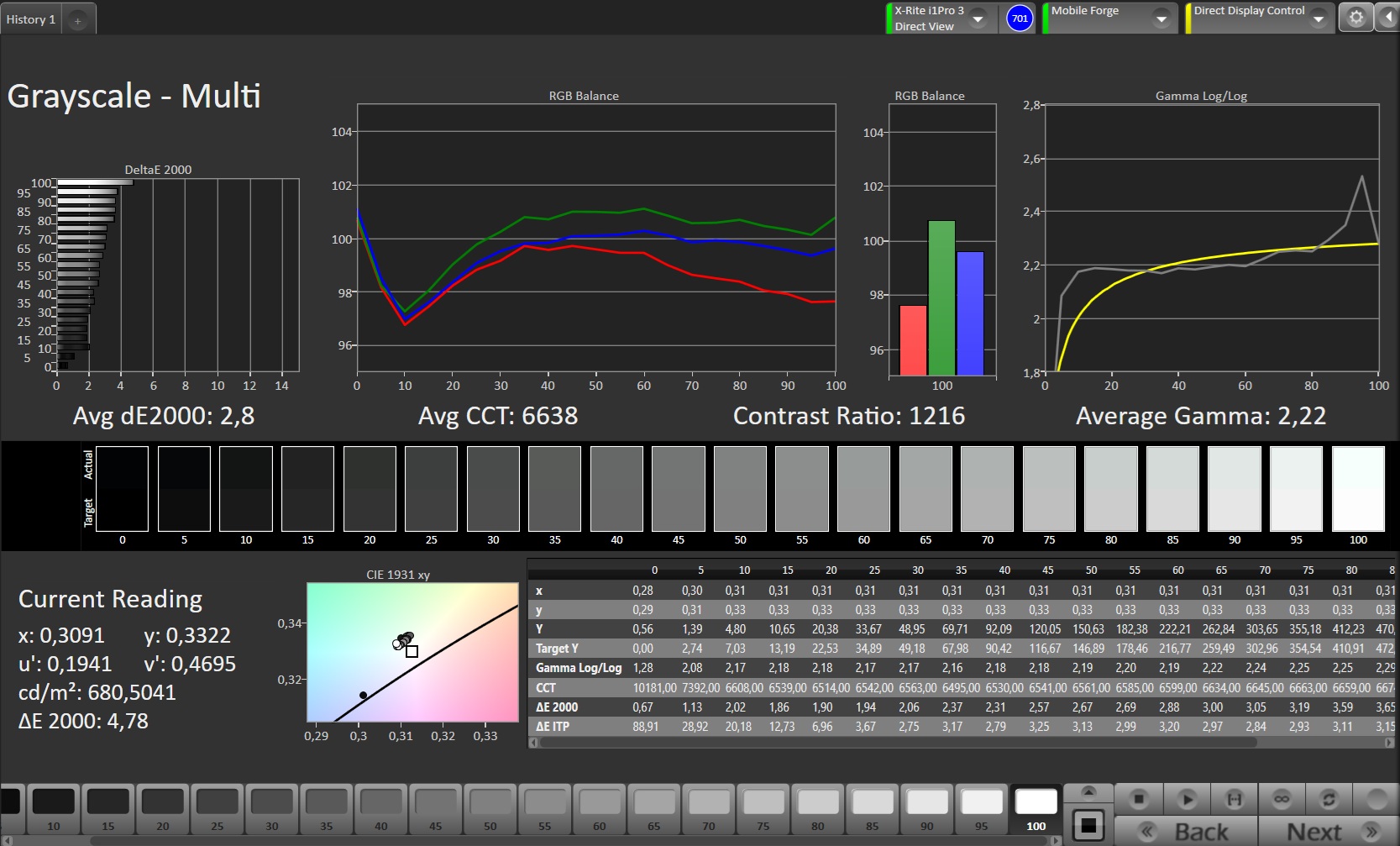
ΔE Greyscale Calman: 2.8 | ∀{0.09-98 Ø4.93}
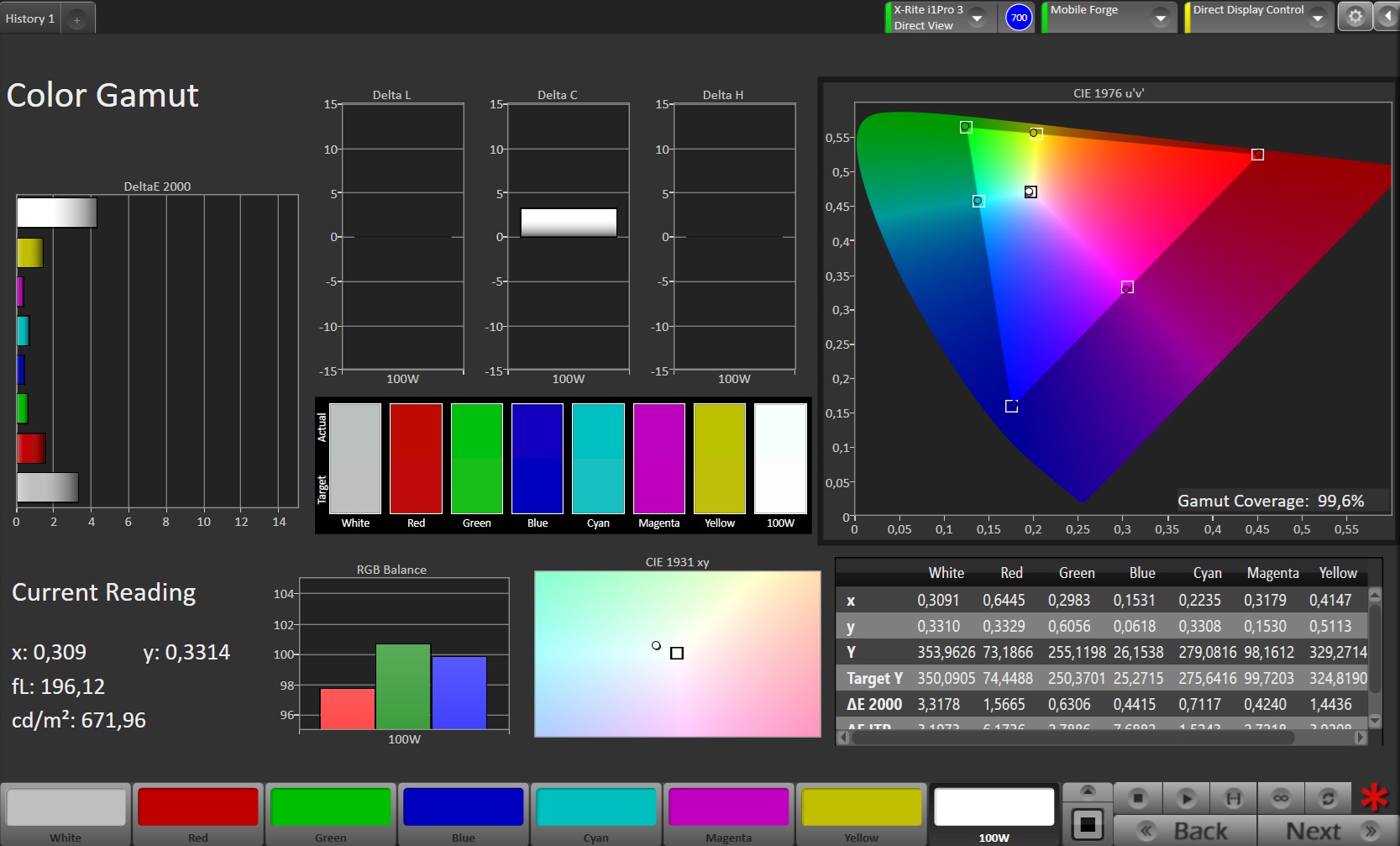
99.6% sRGB (Calman 2D)
Gamma: 2.22
CCT: 6638 K
| Xiaomi Pad 9 Pro LCD, 3200x2136, 12.5" | Honor MagicPad 4 OLED, 3000x1920, 12.3" | Huawei MatePad Air (2026) OLED, 2800x1840, 12" | Lenovo Yoga Tab Gen 2 IPS, 3840x2560, 11.1" | Xiaomi Pad 8 Pro LCD, 3200x2136, 11.2" | |
|---|---|---|---|---|---|
| Display | 175% | 19% | -19% | ||
| APL18 Peak Brightness (cd/m²) | 993 | 2337 135% | 1203 21% | 811 -18% | |
| HDR Peak Brightness (cd/m²) | 982 | 3084 214% | 1152 17% | 789 -20% | |
| Response Times | 68% | 95% | 14% | -11% | |
| Response Time Grey 50% / Grey 80% * (ms) | 27.6 ? | 16.6 ? 40% | 1.4 ? 95% | 26.1 ? 5% | 33.5 ? -21% |
| Response Time Black / White * (ms) | 22.6 ? | 0.91 ? 96% | 1.3 ? 94% | 17.6 ? 22% | 22.8 ? -1% |
| PWM Frequency (Hz) | 60 | 360 | |||
| PWM Amplitude * (%) | 16.05 | 15.23 | |||
| Screen | 24% | -0% | -7% | 1% | |
| Brightness middle (cd/m²) | 852 | 829 -3% | 777 -9% | 587 -31% | 626 -27% |
| Brightness (cd/m²) | 832 | 827 -1% | 768 -8% | 617 -26% | |
| Brightness Distribution (%) | 95 | 90 -5% | 96 1% | 96 1% | |
| Black Level * (cd/m²) | 0.55 | 0.38 31% | 0.3 45% | ||
| Contrast (:1) | 1549 | 1545 0% | 2087 35% | ||
| Colorchecker dE 2000 * | 1.51 | 0.9 40% | 1.6 -6% | 2.34 -55% | 1.64 -9% |
| Colorchecker dE 2000 max. * | 4.19 | 1.7 59% | 3.5 16% | 4.13 1% | 4.13 1% |
| Greyscale dE 2000 * | 2.8 | 1.3 54% | 2.7 4% | 2.5 11% | 3.1 -11% |
| Gamma | 2.22 99% | 2.25 98% | 2.23 99% | 1.896 116% | 2.2 100% |
| CCT | 6638 98% | 6601 98% | 6981 93% | 6322 103% | 6746 96% |
| Total Average (Program / Settings) | 89% /
63% | 38% /
23% | -4% /
-5% | -5% /
-1% |
* ... smaller is better
Screen Flickering / PWM (Pulse-Width Modulation)
| Screen flickering / PWM not detected | 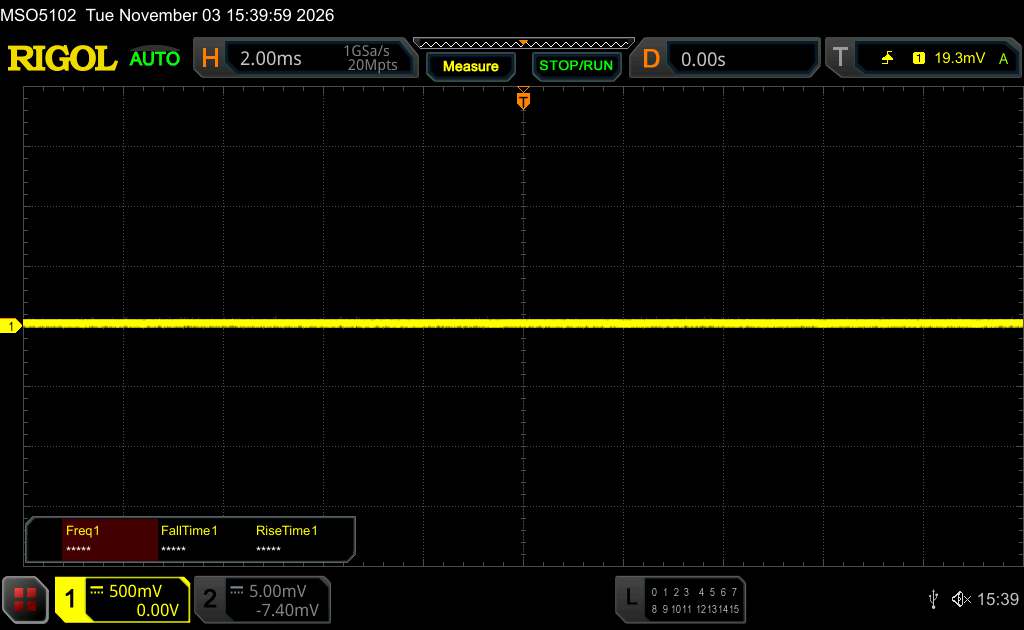 | ||
In comparison: 52 % of all tested devices do not use PWM to dim the display. If PWM was detected, an average of 7544 (minimum: 5 - maximum: 343500) Hz was measured. | |||
We examine the color calibration using the Calman analysis software. The deviations from the sRGB color space are very good for this price range, but Honor does a better job here too with its premium tablet. With a black level of 0.55 cd/m², blacks do not look anywhere near as deep as on an OLED panel.
Display Response Times
| ↔ Response Time Black to White | ||
|---|---|---|
| 22.6 ms ... rise ↗ and fall ↘ combined | ↗ 12 ms rise | 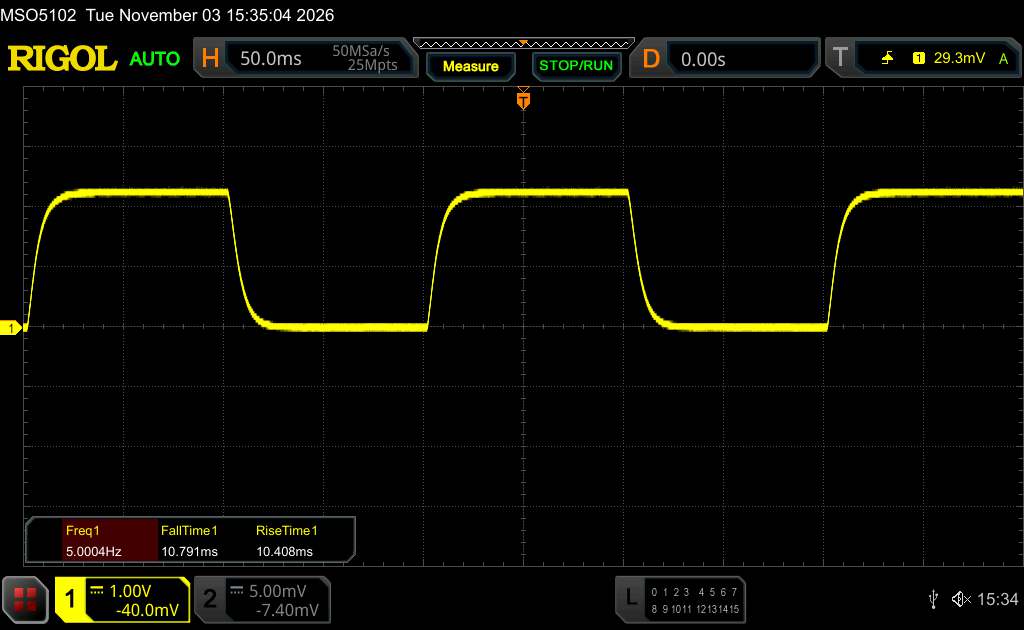 |
| ↘ 10.6 ms fall | ||
| The screen shows good response rates in our tests, but may be too slow for competitive gamers. In comparison, all tested devices range from 0.1 (minimum) to 240 (maximum) ms. » 52 % of all devices are better. This means that the measured response time is worse than the average of all tested devices (19.6 ms). | ||
| ↔ Response Time 50% Grey to 80% Grey | ||
| 27.6 ms ... rise ↗ and fall ↘ combined | ↗ 14.3 ms rise | 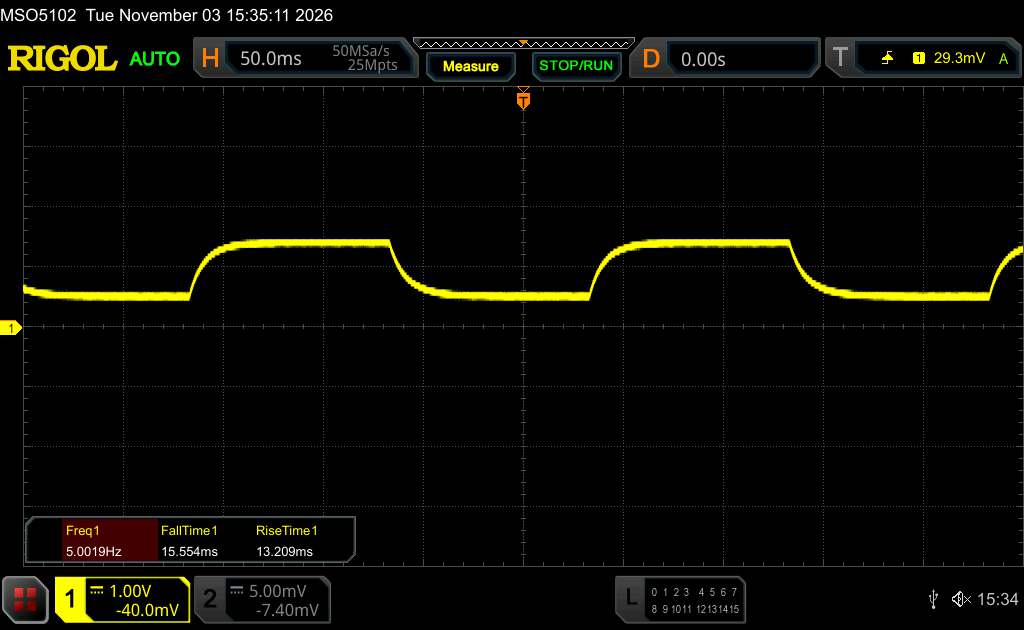 |
| ↘ 13.3 ms fall | ||
| The screen shows relatively slow response rates in our tests and may be too slow for gamers. In comparison, all tested devices range from 0.13 (minimum) to 636 (maximum) ms. » 38 % of all devices are better. This means that the measured response time is similar to the average of all tested devices (30.6 ms). | ||
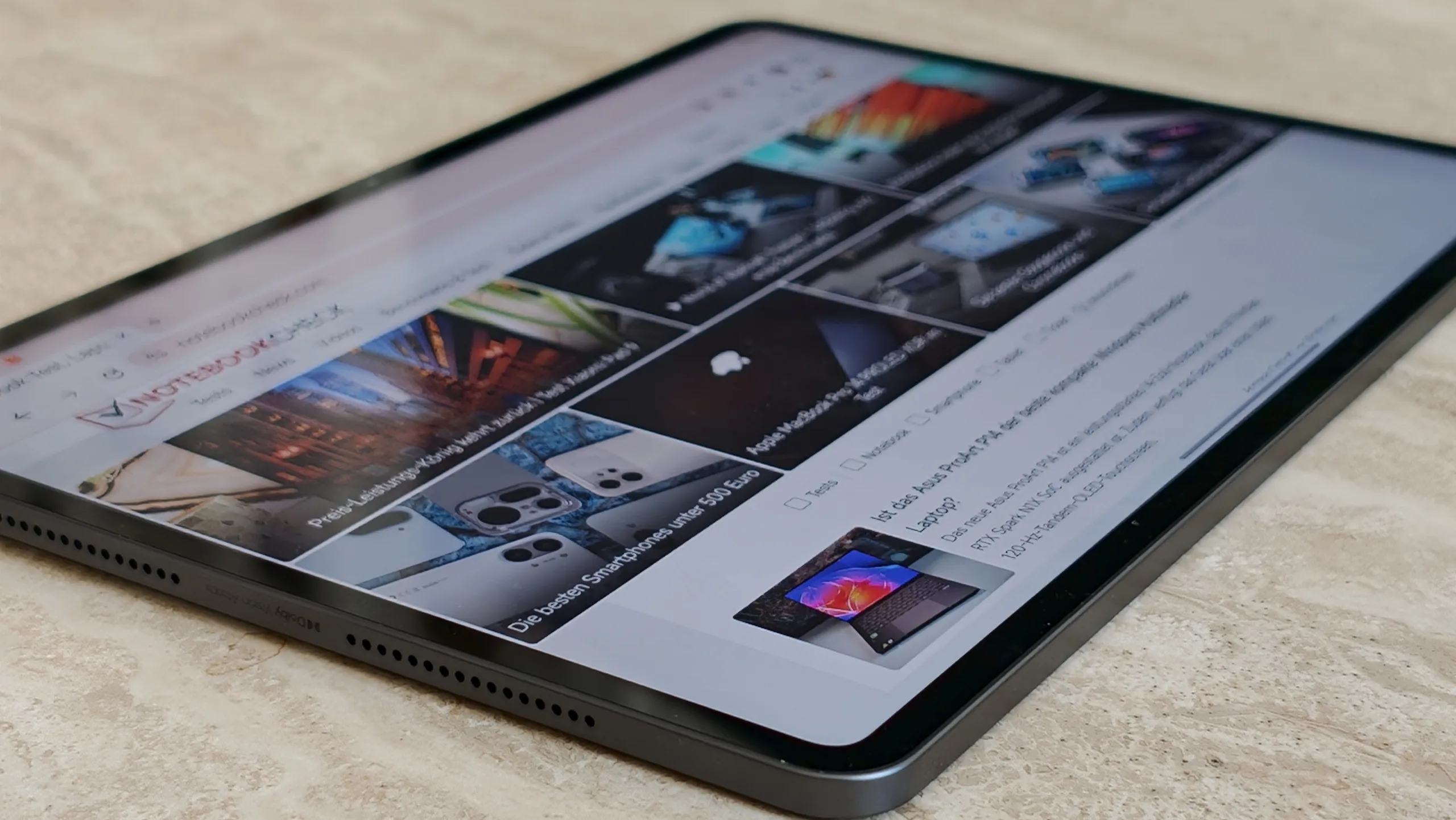
Performance - Premium mid-range opts for a powerful Snapdragon chip
With the Snapdragon 8 Gen 5 , the Pad 9 Pro does not use a current flagship SoC, but it still has a powerful chipset. However, it is not really any faster than the Snapdragon 8 Elite in its predecessor.
Our review unit with 12 GB of RAM ranks just behind the Pad 8 Pro in Geekbench 6's single-core test, but ahead of the MagicPad 4. The Pad 9 Pro does, however, struggle somewhat in the AI tests.
| UL Procyon AI Inference for Android - Overall Score NNAPI | |
| Average Qualcomm Snapdragon 8 Gen 5 (19754 - 22592, n=4) | |
| Honor MagicPad 4 | |
| Xiaomi Pad 9 Pro | |
| Average of class Tablet (3600 - 76852, n=55, last 2 years) | |
| Xiaomi Pad 8 Pro | |
| Huawei MatePad Air (2026) | |
| AI Benchmark - Score V7 | |
| Xiaomi Pad 9 Pro | |
| Average Qualcomm Snapdragon 8 Gen 5 (n=1) | |
| Average of class Tablet (446 - 19592, n=3, last 2 years) | |
| Huawei MatePad Air (2026) | |
| Antutu v12 - Score | |
| Xiaomi Pad 9 Pro | |
| Average Qualcomm Snapdragon 8 Gen 5 (n=1) | |
| Average of class Tablet (1176407 - 4798294, n=4, last 2 years) | |
| Huawei MatePad Air (2026) | |
The Qualcomm SoC's Adreno 829 is appealing for the price range and achieves 45 FPS in GFXBench's demanding 4K test. This is at least 2 frames per second better than the Pad 8 Pro, although not all of the Pad 9 Pro's benchmark results show a performance increase over its predecessor.
GFXBench (DX / GLBenchmark) 2.7: T-Rex Onscreen | 1920x1080 T-Rex Offscreen
GFXBench 3.0: on screen Manhattan Onscreen OGL | 1920x1080 1080p Manhattan Offscreen
GFXBench 3.1: on screen Manhattan ES 3.1 Onscreen | 1920x1080 Manhattan ES 3.1 Offscreen
GFXBench: on screen Car Chase Onscreen | 1920x1080 Car Chase Offscreen | on screen Aztec Ruins High Tier Onscreen | 2560x1440 Aztec Ruins High Tier Offscreen | on screen Aztec Ruins Normal Tier Onscreen | 1920x1080 Aztec Ruins Normal Tier Offscreen | 3840x2160 4K Aztec Ruins High Tier Offscreen
| 3DMark / Wild Life Extreme Unlimited | |
| Xiaomi Pad 8 Pro | |
| Xiaomi Pad 9 Pro | |
| Honor MagicPad 4 | |
| Lenovo Yoga Tab Gen 2 | |
| Huawei MatePad Air (2026) | |
| 3DMark / Wild Life Extreme | |
| Xiaomi Pad 8 Pro | |
| Xiaomi Pad 9 Pro | |
| Honor MagicPad 4 | |
| Lenovo Yoga Tab Gen 2 | |
| Huawei MatePad Air (2026) | |
| 3DMark / Wild Life Unlimited Score | |
| Xiaomi Pad 8 Pro | |
| Xiaomi Pad 9 Pro | |
| Honor MagicPad 4 | |
| Lenovo Yoga Tab Gen 2 | |
| Huawei MatePad Air (2026) | |
| 3DMark / Solar Bay Score | |
| Xiaomi Pad 8 Pro | |
| Xiaomi Pad 9 Pro | |
| Honor MagicPad 4 | |
| Lenovo Yoga Tab Gen 2 | |
| 3DMark / Solar Bay Unlimited Score | |
| Xiaomi Pad 8 Pro | |
| Xiaomi Pad 9 Pro | |
| Honor MagicPad 4 | |
| Lenovo Yoga Tab Gen 2 | |
| 3DMark / Solar Bay Extreme Score | |
| Xiaomi Pad 9 Pro | |
| Lenovo Yoga Tab Gen 2 | |
| 3DMark / Steel Nomad Light Unlimited Score | |
| Xiaomi Pad 8 Pro | |
| Xiaomi Pad 9 Pro | |
| Honor MagicPad 4 | |
| Huawei MatePad Air (2026) | |
| 3DMark / Steel Nomad Light Score | |
| Xiaomi Pad 8 Pro | |
| Honor MagicPad 4 | |
| Xiaomi Pad 9 Pro | |
| Huawei MatePad Air (2026) | |
| GFXBench (DX / GLBenchmark) 2.7 / T-Rex Onscreen | |
| Xiaomi Pad 8 Pro | |
| Xiaomi Pad 9 Pro | |
| Honor MagicPad 4 | |
| Huawei MatePad Air (2026) | |
| GFXBench (DX / GLBenchmark) 2.7 / T-Rex Offscreen | |
| Xiaomi Pad 8 Pro | |
| Honor MagicPad 4 | |
| Xiaomi Pad 9 Pro | |
| Huawei MatePad Air (2026) | |
| GFXBench 3.0 / Manhattan Onscreen OGL | |
| Xiaomi Pad 9 Pro | |
| Xiaomi Pad 8 Pro | |
| Honor MagicPad 4 | |
| Huawei MatePad Air (2026) | |
| GFXBench 3.0 / 1080p Manhattan Offscreen | |
| Xiaomi Pad 8 Pro | |
| Honor MagicPad 4 | |
| Xiaomi Pad 9 Pro | |
| Huawei MatePad Air (2026) | |
| GFXBench 3.1 / Manhattan ES 3.1 Onscreen | |
| Xiaomi Pad 8 Pro | |
| Xiaomi Pad 9 Pro | |
| Honor MagicPad 4 | |
| Huawei MatePad Air (2026) | |
| GFXBench 3.1 / Manhattan ES 3.1 Offscreen | |
| Xiaomi Pad 8 Pro | |
| Honor MagicPad 4 | |
| Xiaomi Pad 9 Pro | |
| Huawei MatePad Air (2026) | |
| GFXBench / Car Chase Onscreen | |
| Xiaomi Pad 8 Pro | |
| Honor MagicPad 4 | |
| Xiaomi Pad 9 Pro | |
| Huawei MatePad Air (2026) | |
| GFXBench / Car Chase Offscreen | |
| Xiaomi Pad 8 Pro | |
| Honor MagicPad 4 | |
| Xiaomi Pad 9 Pro | |
| Huawei MatePad Air (2026) | |
| GFXBench / Aztec Ruins High Tier Onscreen | |
| Honor MagicPad 4 | |
| Xiaomi Pad 8 Pro | |
| Xiaomi Pad 9 Pro | |
| Lenovo Yoga Tab Gen 2 | |
| Huawei MatePad Air (2026) | |
| GFXBench / Aztec Ruins High Tier Offscreen | |
| Honor MagicPad 4 | |
| Xiaomi Pad 9 Pro | |
| Xiaomi Pad 8 Pro | |
| Lenovo Yoga Tab Gen 2 | |
| Huawei MatePad Air (2026) | |
| GFXBench / Aztec Ruins Normal Tier Onscreen | |
| Xiaomi Pad 9 Pro | |
| Xiaomi Pad 8 Pro | |
| Honor MagicPad 4 | |
| Huawei MatePad Air (2026) | |
| Lenovo Yoga Tab Gen 2 | |
| GFXBench / Aztec Ruins Normal Tier Offscreen | |
| Xiaomi Pad 8 Pro | |
| Xiaomi Pad 9 Pro | |
| Honor MagicPad 4 | |
| Lenovo Yoga Tab Gen 2 | |
| Huawei MatePad Air (2026) | |
| GFXBench / 4K Aztec Ruins High Tier Offscreen | |
| Xiaomi Pad 9 Pro (es3.1) | |
| Honor MagicPad 4 (vulkan) | |
| Xiaomi Pad 8 Pro (es3.1) | |
| Lenovo Yoga Tab Gen 2 | |
| Huawei MatePad Air (2026) (vulkan) | |
| Jetstream 2 | |
| 2.0 Total | |
| Honor MagicPad 4 (Chrome 148) | |
| Average Qualcomm Snapdragon 8 Gen 5 (180.6 - 322, n=4) | |
| Average of class Tablet (48 - 420, n=51, last 2 years) | |
| 2.2 Total | |
| Honor MagicPad 4 (Chrome 148) | |
| Xiaomi Pad 9 Pro (Chrome 156) | |
| Lenovo Yoga Tab Gen 2 (Chrome 152) | |
| Xiaomi Pad 8 Pro (Chrome 141) | |
| Average Qualcomm Snapdragon 8 Gen 5 (165.4 - 338, n=6) | |
| Average of class Tablet (61.3 - 579, n=51, last 2 years) | |
| Huawei MatePad Air (2026) (Chrome 154) | |
| Octane V2 - Total Score | |
| Honor MagicPad 4 (Chrome 148) | |
| Xiaomi Pad 9 Pro (Chrome 156) | |
| Xiaomi Pad 8 Pro (Chrome 141) | |
| Average Qualcomm Snapdragon 8 Gen 5 (39707 - 90273, n=4) | |
| Average of class Tablet (4497 - 138481, n=69, last 2 years) | |
| Huawei MatePad Air (2026) (Chrome 154) | |
| Mozilla Kraken 1.1 - Total | |
| Average of class Tablet (243 - 13119, n=65, last 2 years) | |
| Huawei MatePad Air (2026) (Chrome 154) | |
| Average Qualcomm Snapdragon 8 Gen 5 (371 - 817, n=5) | |
| Xiaomi Pad 8 Pro (Chrome 141) | |
| Xiaomi Pad 9 Pro (Chrome 156) | |
| Honor MagicPad 4 (Chrome 148) | |
| WebXPRT 5 - Overall | |
| Honor MagicPad 4 (Chrome 148) | |
| Xiaomi Pad 9 Pro (Chrome 156) | |
| Average Qualcomm Snapdragon 8 Gen 5 (47 - 81, n=3) | |
| Average of class Tablet (19 - 102, n=13, last 2 years) | |
| Huawei MatePad Air (2026) (Chrome 154) | |
* ... smaller is better
| Xiaomi Pad 9 Pro | Honor MagicPad 4 | Huawei MatePad Air (2026) | Lenovo Yoga Tab Gen 2 | Xiaomi Pad 8 Pro | Average 256 GB UFS 4.1 Flash | Average of class Tablet | |
|---|---|---|---|---|---|---|---|
| AndroBench 3-5 | -31% | -4% | -42% | -24% | -15% | -48% | |
| Sequential Read 256KB (MB/s) | 3985.4 | 1978.75 -50% | 3863.8 -3% | 3530.2 -11% | 4083.3 2% | 3532 ? -11% | 2260 ? -43% |
| Sequential Write 256KB (MB/s) | 3784.09 | 1752.63 -54% | 2563.7 -32% | 1707.6 -55% | 3252.32 -14% | 3238 ? -14% | 1834 ? -52% |
| Random Read 4KB (MB/s) | 481.65 | 513.85 7% | 448.3 -7% | 348.1 -28% | 332.87 -31% | 430 ? -11% | 289 ? -40% |
| Random Write 4KB (MB/s) | 776.51 | 574.85 -26% | 982.3 27% | 195.8 -75% | 383.77 -51% | 601 ? -23% | 351 ? -55% |
Emissions - Xiaomi Pad 9 Pro only gets hot in one spot
Temperature
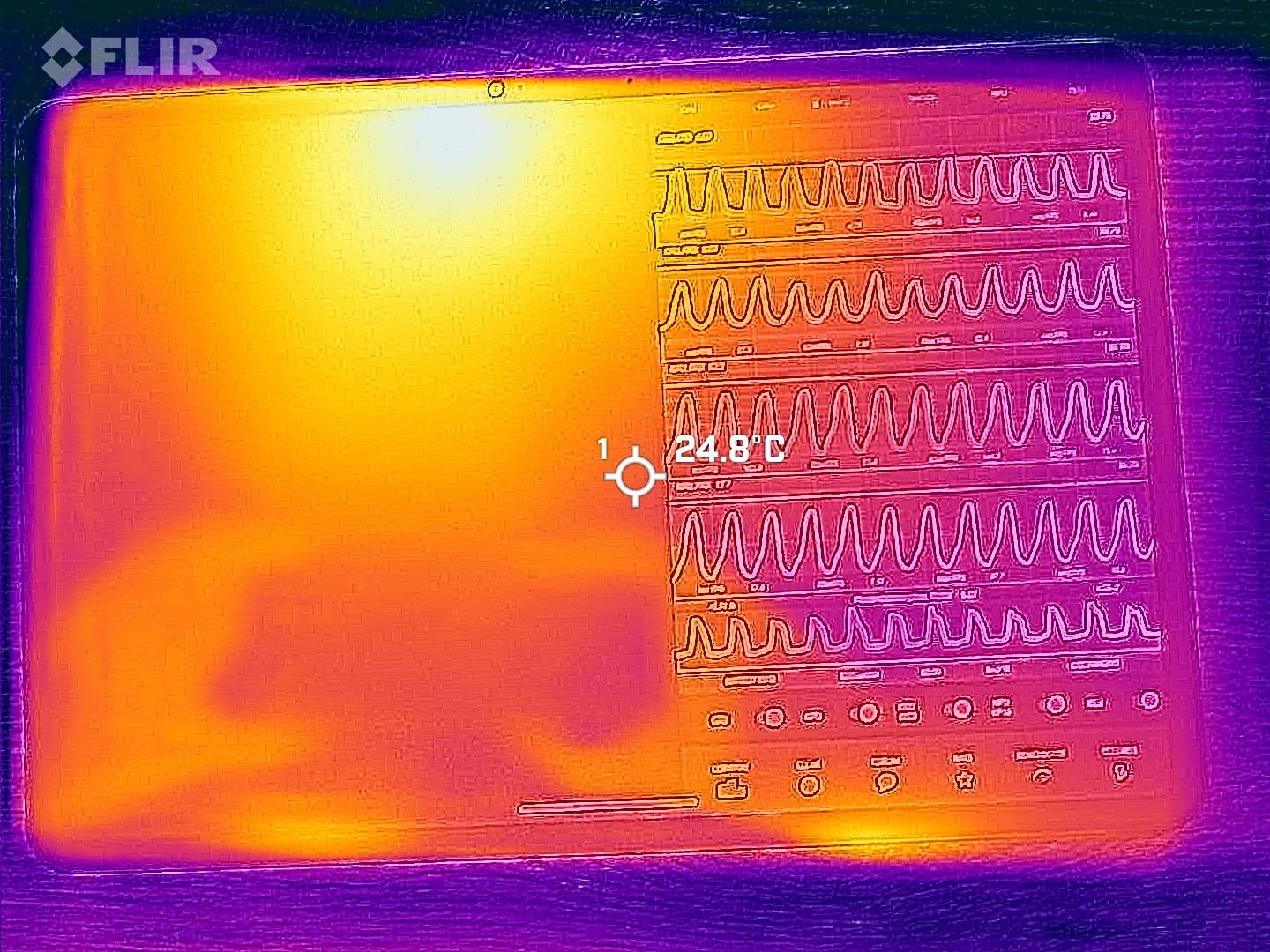
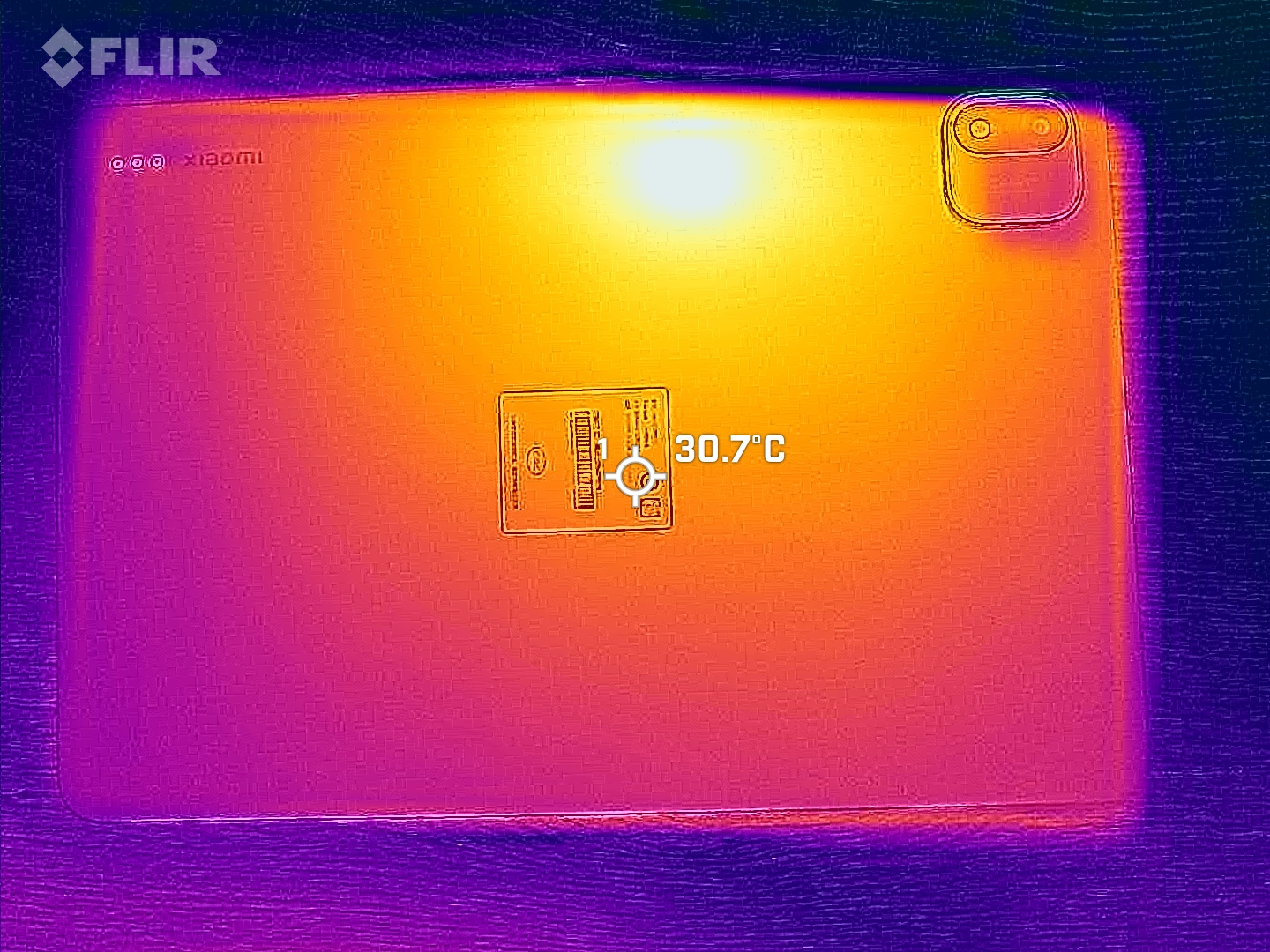
The case of Xiaomi's mid-range tablet does not get particularly hot under sustained load, but it warms up somewhat unevenly. The Pad 9 Pro gets noticeably warmer around the SoC.
The 3DMark tests show that performance drops peak at around 15 percent under prolonged load. SoC throttling is therefore not very pronounced, but still somewhat greater than on the Pad 8 Pro.
(+) The maximum temperature on the upper side is 36.5 °C / 98 F, compared to the average of 33.9 °C / 93 F, ranging from 20.7 to 307 °C for the class Tablet.
(±) The bottom heats up to a maximum of 42.8 °C / 109 F, compared to the average of 33.2 °C / 92 F
(+) In idle usage, the average temperature for the upper side is 23.4 °C / 74 F, compared to the device average of 30 °C / 86 F.
3DMark Stress Tests
| 3DMark | |
| Wild Life Stress Test Stability | |
| Honor MagicPad 4 | |
| Xiaomi Pad 8 Pro | |
| Xiaomi Pad 9 Pro | |
| Huawei MatePad Air (2026) | |
| Lenovo Yoga Tab Gen 2 | |
| Wild Life Extreme Stress Test | |
| Huawei MatePad Air (2026) | |
| Honor MagicPad 4 | |
| Xiaomi Pad 8 Pro | |
| Xiaomi Pad 9 Pro | |
| Lenovo Yoga Tab Gen 2 | |
| Solar Bay Stress Test Stability | |
| Honor MagicPad 4 | |
| Xiaomi Pad 8 Pro | |
| Lenovo Yoga Tab Gen 2 | |
| Steel Nomad Light Stress Test Stability | |
| Huawei MatePad Air (2026) | |
| Xiaomi Pad 9 Pro | |
Loudspeaker
Although Xiaomi has cut back on the speaker system according to the spec sheet, the sound quality in everyday use is still good to very good. The six speakers – down from eight in the predecessor - show a wave-like frequency response in the mids and highs in the pink noise test. Bass is perceptible, however.
Audio content can be output via the USB-C port, while Bluetooth 6.0 is available for wireless connections with a decent selection of audio codecs.
Xiaomi Pad 9 Pro audio analysis
(+) | speakers can play relatively loud (85 dB)
Bass 100 - 315 Hz
(±) | reduced bass - on average 9.7% lower than median
(±) | linearity of bass is average (10.8% delta to prev. frequency)
Mids 400 - 2000 Hz
(+) | balanced mids - only 4.4% away from median
(±) | linearity of mids is average (7.8% delta to prev. frequency)
Highs 2 - 16 kHz
(±) | higher highs - on average 5.5% higher than median
(±) | linearity of highs is average (7.8% delta to prev. frequency)
Overall 100 - 16.000 Hz
(+) | overall sound is linear (11.8% difference to median)
Compared to same class
» 15% of all tested devices in this class were better, 5% similar, 80% worse
» The best had a delta of 7%, average was 21%, worst was 130%
Compared to all devices tested
» 9% of all tested devices were better, 3% similar, 88% worse
» The best had a delta of 4%, average was 23%, worst was 136%
Honor MagicPad 4 audio analysis
(±) | speaker loudness is average but good (79.2 dB)
Bass 100 - 315 Hz
(±) | reduced bass - on average 6.7% lower than median
(-) | bass is not linear (16.4% delta to prev. frequency)
Mids 400 - 2000 Hz
(+) | balanced mids - only 2.2% away from median
(+) | mids are linear (6.9% delta to prev. frequency)
Highs 2 - 16 kHz
(+) | balanced highs - only 3.2% away from median
(+) | highs are linear (6.9% delta to prev. frequency)
Overall 100 - 16.000 Hz
(+) | overall sound is linear (8.7% difference to median)
Compared to same class
» 2% of all tested devices in this class were better, 2% similar, 96% worse
» The best had a delta of 7%, average was 21%, worst was 130%
Compared to all devices tested
» 3% of all tested devices were better, 1% similar, 96% worse
» The best had a delta of 4%, average was 23%, worst was 136%
Battery life - Android tablet with fast charging and a large battery
Energy intake
Despite its slim chassis, the Xiaomi Pad 9 Pro packs a large 11,000 mAh battery that can be charged at up to 67 watts. With the included power adapter, the battery is fully recharged in around 1.5 hours.
The Pad 9 Pro's power consumption is quite efficient, especially when compared directly with a Pad 8 Pro, which has a significantly smaller LCD.
| Off / Standby |   0.1 / 0.2 Watt |
| Idle |  1.6 / 1.7 / 1.9 Watt |
| Load |
8.6 / 14.8 Watt |
    
| |
Key:
min: ,
med: ,
max: Metrahit Energy | |
| Xiaomi Pad 9 Pro 11000 mAh | Honor MagicPad 4 10100 mAh | Huawei MatePad Air (2026) 10100 mAh | Lenovo Yoga Tab Gen 2 11000 mAh | Xiaomi Pad 8 Pro 9200 mAh | Average Qualcomm Snapdragon 8 Gen 5 | Average of class Tablet | |
|---|---|---|---|---|---|---|---|
| Power Consumption | -93% | 26% | 7% | -7% | -13% | -56% | |
| Idle Minimum * (Watt) | 1.6 | 3.53 -121% | 0.59 63% | 1.3 19% | 1.5 6% | 1.606 ? -0% | 2.17 ? -36% |
| Idle Average * (Watt) | 1.7 | 4.77 -181% | 1.55 9% | 1.6 6% | 2 -18% | 2.11 ? -24% | 3.76 ? -121% |
| Idle Maximum * (Watt) | 1.9 | 4.86 -156% | 1.64 14% | 2 -5% | 2.6 -37% | 2.41 ? -27% | 4.16 ? -119% |
| Load Average * (Watt) | 8.6 | 11.21 -30% | 6.18 28% | 6.7 22% | 10 ? -16% | 8.86 ? -3% | |
| Load Maximum * (Watt) | 14.8 | 11.67 21% | 12.52 15% | 15.7 -6% | 14.5 ? 2% | 14.7 ? 1% |
* ... smaller is better
Power consumption: Geekbench (150 cd/m²)
Power consumption: GFXbench (150 cd/m²)
Battery life
The Xiaomi tablet's battery life in our real-world Wi-Fi test with the display brightness set to 150 cd/m² is really good at almost 22.5 hours. A comparable iPad Air lasts over 9 hours less here.
| Xiaomi Pad 9 Pro 11000 mAh | Honor MagicPad 4 10100 mAh | Huawei MatePad Air (2026) 10100 mAh | Lenovo Yoga Tab Gen 2 11000 mAh | Xiaomi Pad 8 Pro 9200 mAh | |
|---|---|---|---|---|---|
| Battery runtime | |||||
| WiFi v1.3 (h) | 22.3 | 13.1 -41% | 14.8 -34% | 24.1 8% | 20.4 -9% |
Notebookcheck Overall Rating
The Xiaomi Pad 9 Pro offers a strong overall package for around US$ 600. However, anyone looking for the best display in this price range should opt for the MagicPad 4 instead.

Xiaomi Pad 9 Pro
- 11/11/2026 v8
Marcus Herbrich
 Total Sustainability Score:
Possible alternatives compared
Image | Model / Review | Price | Weight | Drive | Display |
|---|---|---|---|---|---|
1. 88.8%  | Xiaomi Pad 9 Pro Qualcomm Snapdragon 8 Gen 5 ⎘ Qualcomm Adreno 829 ⎘ 12 GB Memory, 256 GB UFS 4.x | Amazon: 1. $649.00 XIAOMI Pad 8 Pro Ai WiFi Ver... 2. $650.75 XIAOMI Pad 8 Pro Ai WiFi Ver... 3. $624.99 XIAOMI Pad 8 Pro Ai WiFi Ver... List Price: 560€ | 580 g | 256 GB UFS 4.1 Flash | 12.50" 3200x2136 308 PPI LCD |
2. 89.6%  | Honor MagicPad 4 Qualcomm Snapdragon 8 Gen 5 ⎘ Qualcomm Adreno 829 ⎘ 12 GB Memory, 256 GB UFS 4.x | Amazon: 1. $916.00 HONOR MagicPad4 (12.3 Inch, ... 2. $793.00 HONOR MagicPad4 (12.3 Inch, ... 3. $1,029.00 HONOR MagicPad4 (12.3 Inch, ... List Price: 600€ | 450 g | 256 GB UFS 4.0 Flash | 12.30" 3000x1920 290 PPI OLED |
3. 85.3%  | Huawei MatePad Air (2026) HiSilicon Kirin T93C ⎘ HiSilicon Maleoon 935B ⎘ 12 GB Memory, 256 GB UFS 4.x | 509 g | 256 GB UFS 4.0 Flash | 12.00" 2800x1840 279 PPI OLED | |
4. 87.4%  | Lenovo Yoga Tab Gen 2 Mediatek Dimensity 9500s ⎘ ARM Immortalis-G925 MC11 ⎘ 8 GB Memory, 256 GB UFS 4.x | Amazon: 1. $899.00 Lenovo Yoga Tab Plus Gen 2 1... 2. $427.99 Lenovo Idea Tab Pro Gen 2 Ta... 3. $619.99 Lenovo Yoga Tab AI Tablet, 1... List Price: 649€ | 480 g | 256 GB UFS 4.0 Flash | 11.10" 3840x2560 416 PPI IPS |
5. 89.2%  | Xiaomi Pad 8 Pro Qualcomm Snapdragon 8 Elite ⎘ Qualcomm Adreno 840 ⎘ 16 GB Memory, 512 GB UFS 4.x | Amazon: 1. $649.00 XIAOMI Pad 8 Pro Ai WiFi Ver... 2. $540.00 XIAOMI Pad 8 Pro Ai WiFi Ver... 3. $535.80 XIAOMI Pad 8 Pro Ai WiFi Ver... List Price: 600€ | 485 g | 512 GB UFS 4.1 Flash | 11.20" 3200x2136 344 PPI LCD |
Transparency
The selection of devices to be reviewed is made by our editorial team. The test sample was provided to the author as a loan by the manufacturer or retailer for the purpose of this review. The lender had no influence on this review, nor did the manufacturer receive a copy of this review before publication. There was no obligation to publish this review. As an independent media company, Notebookcheck is not subjected to the authority of manufacturers, retailers or publishers.
This is how Notebookcheck is testing
Every year, Notebookcheck independently reviews hundreds of laptops and smartphones using standardized procedures to ensure that all results are comparable. We have continuously developed our test methods for around 20 years and set industry standards in the process. In our test labs, high-quality measuring equipment is utilized by experienced technicians and editors. These tests involve a multi-stage validation process. Our complex rating system is based on hundreds of well-founded measurements and benchmarks, which maintains objectivity. Further information on our test methods can be found here.
 Add as a preferred source on Google


