




AMD Ryzen 7 PRO 4750U vs Intel Core i5-1335U vs Intel Core i3-1315U
AMD Ryzen 7 PRO 4750U
► remove from comparison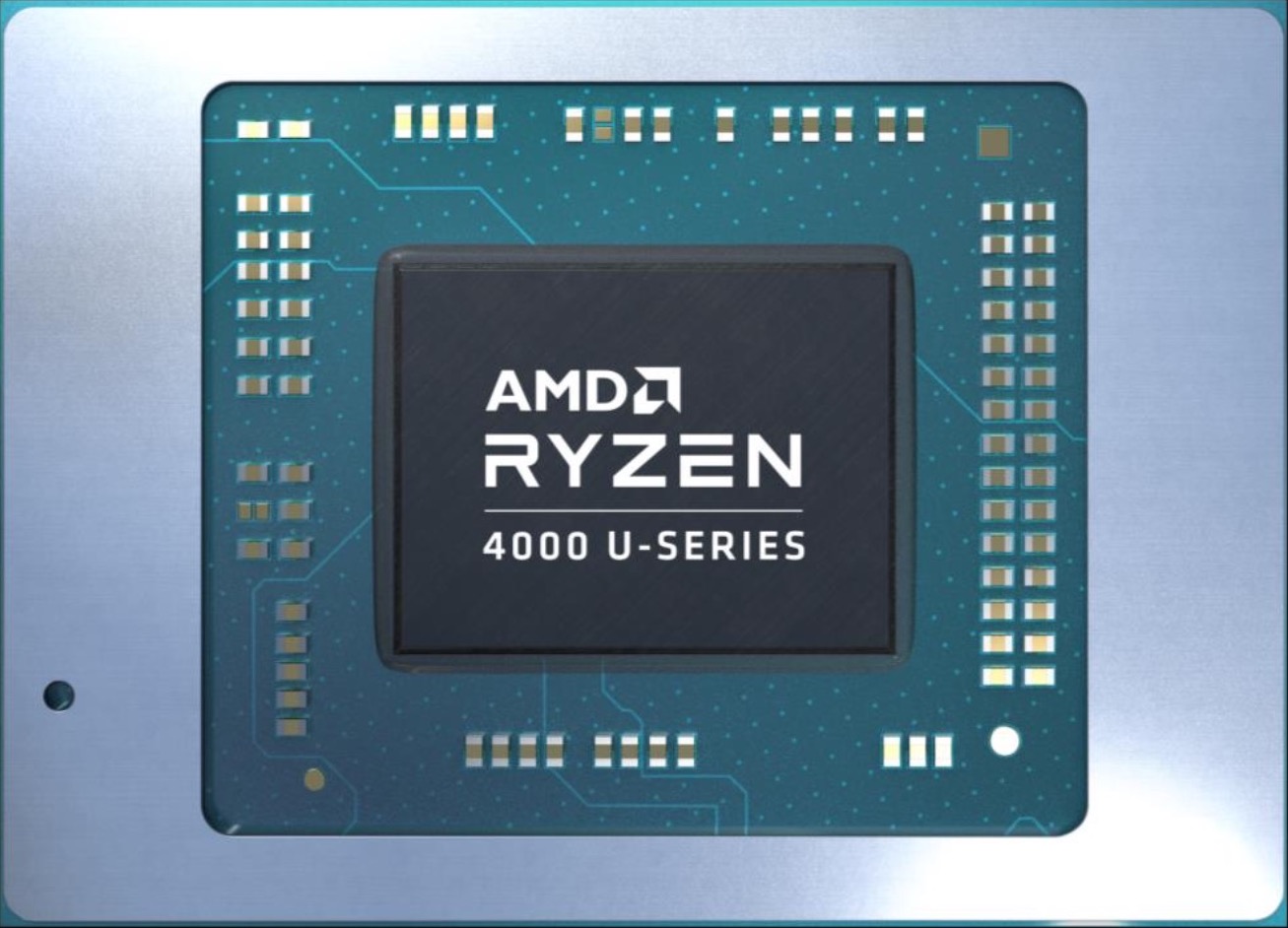
The AMD Ryzen 7 PRO 4750U is a processor for thin and light laptops based on the Renoir architecture. The PRO 4750U integrates all eight cores based on the Zen 2 microarchitecture. They are clocked at 1.7 (guaranteed base clock) to 4.1 GHz (Turbo) with SMT / Hyperthreading support (16 threads). The chip is manufactured in the modern 7 nm process at TSMC and partly thanks to it AMD advertises a 2x improved performance per Watt for the Renoir chips. Compared to the faster consumer R7 4800U, the PRO 4750U offers lower boost clock speeds.
The PRO processors offer a range of business features like hardware security (e.g., AMD Memory Guard), manageability (e.g., support for Microsoft Endpoint Manager), and longer availability and software stability.
Thanks to the SMT support, the Ryzen 7 PRO 4750U should be slightly faster in some workloads than the consumer Ryzen 7 4700U. However, as the base clock speed is lower, there can be some workloads that are executed slower.
In addition to the eight CPU cores, the APU also integrates a Radeon RX Vega 7 integrated graphics card with 7 CUs and up to 1600 MHz. The dual channel memory controller supports DDR4-3200 and energy efficient LPDDR4-4266 RAM. Furthermore, 8 MB level 3 cache can be found on the chip. See our hub page on the Renoir Processors for more information.
The TDP of the APU is specified at 15 Watt (default) and can be configured from 10 to 25 Watt by the laptop vendor. That means the chip is intended for thin and light laptops (but with fans).
Intel Core i5-1335U
► remove from comparison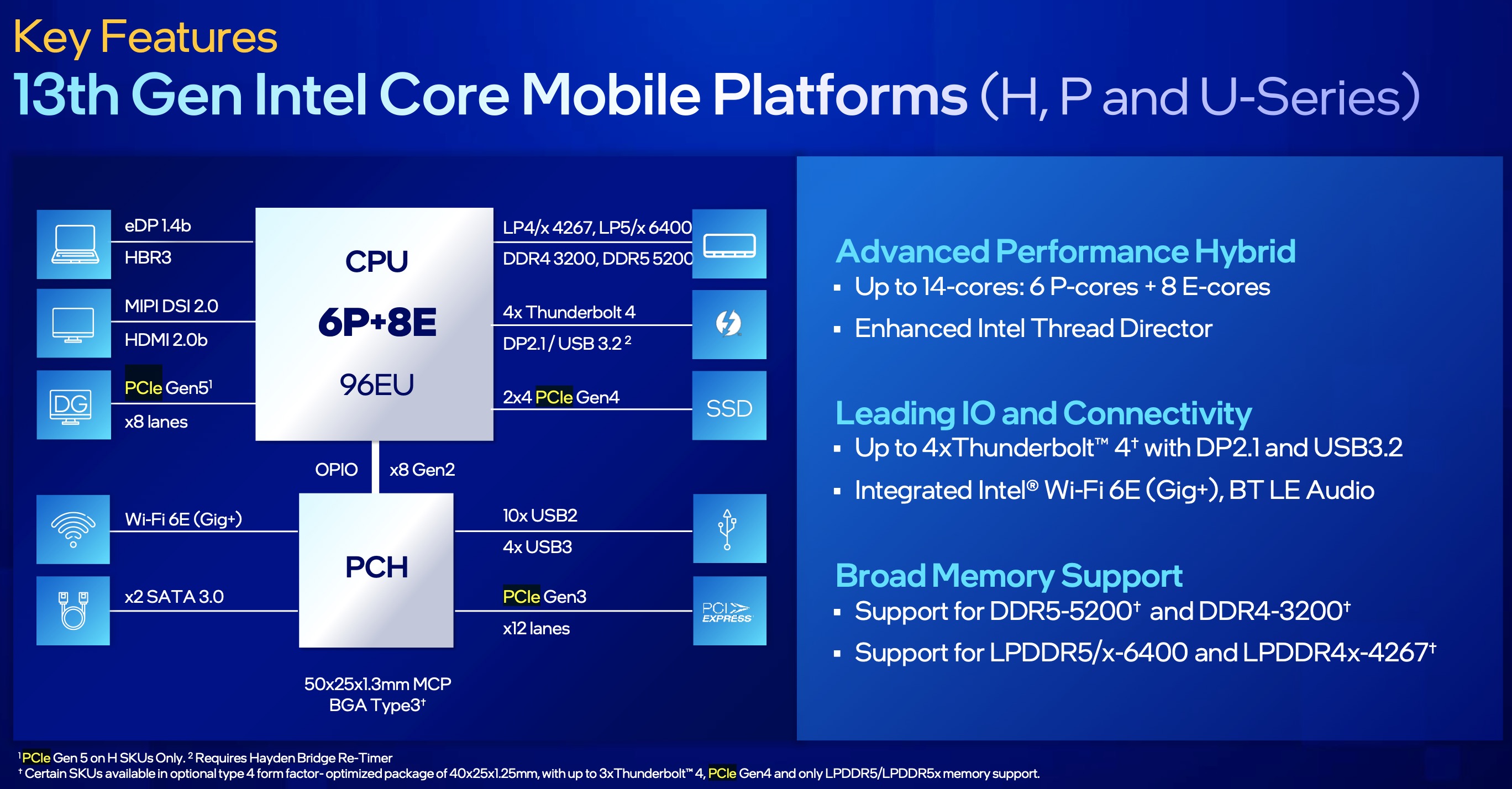
The Intel Core i5-1335U is a mid-range mobile CPU for thin and light laptops based on the Alder Lake architecture (Raptor Lake-U / RPL-U series). It was announced in early 2023 and offers 2 performance cores (P-cores, Golden Cove architecture) and 8 efficient cores (E-cores, Gracemont architecture). The P-cores support Hyper-Threading leading to 12 supported threads when combined with the E-cores. The clock rate ranges from 1.3 to 4.6 GHz on the performance cluster and 0.9 to 3.4 GHz on the efficient cluster. The performance of the E-cores should be similar to old Skylake cores (compare to the Core i7-6700HQ). All cores can use up to 12 MB L3 cache. The CPU supports only "Essentials" vPro management features. Compared to the P-series (28W) or H-series (45W), the 15W TDP may limit the sustained performance.
Performance
Thanks to the similar clock speed, the Core i5-1335U is very similar to the older Core i7-1250U (+100 MHz P-Cores base clock rate). The faster i7 like the i7-1365U models offer only higher clock rates (and a faster iGPU).
Architecture
The integrated memory controller supports various memory types up to LPDDR5-6400. The Thread Director (in hardware) can support the operating system to decide which thread to use on the performance or efficient cores for the best performance. For AI tasks, the CPU also integrates GNA 3.0 and DL Boost (via AVX2). Quick Sync in version 8 is the same as in the Rocket Lake CPUs and supports MPEG-2, AVC, VC-1 decode, JPEG, VP8 decode, VP9, HEVC, and AV1 decode in hardware. The CPU still only supports PCIe 4.0 x8 for a GPU and two PCIe 4.0 x4 for SSDs.
The integrated graphics card is based on the Xe-architecture and offers 80 of the 96 EUs (Execution Units) operating at up to 1.25 GHz.
Power consumption
This Core i5 CPU is rated at a TDP of 15W (base power, PL1) and a maximum turbo power of 55W (PL2). The RPL-U processors are built in a further improved Intel 7 process (10nm SuperFin) that allows higher clock rates.
Intel Core i3-1315U
► remove from comparison
The Intel Core i3-1315U is a mid-range mobile CPU for thin and light laptops based on the Raptor Lake-U series. It was announced in early 2023 and offers 2 performance cores (P-cores, Golden Cove architecture) and 4 efficient cores (E-cores, Gracemont architecture). The P-cores support Hyper-Threading leading to 8 supported threads when combined with the E-cores. The clock rate ranges from 1.2 to 4.5 GHz on the performance cluster and 0.9 to 3.3 GHz on the efficient cluster. The performance of the E-cores should be similar to old Skylake cores (compare to the Core i7-6700HQ). All cores can use up to 10 MB L3-cache. Compared to the faster i5 and i7 models, the i3 does not include vPro features.
Performance
Thanks to the 100 MHz higher Boost clock speed of the P-Cores, the i3-1315U should be slightly faster than the old i3-1215U.
Features
The integrated memory controller supports various memory types up to DDR5-4800, DDR4-3200, LPDDR5-5200, and LPDDR4x-4267. The Thread Director (in hardware) can support the operating system to decide which thread to use on the performance or efficient cores for the best performance. For AI tasks, the CPU also integrates GNA 3.0 and DL Boost (via AVX2). Quick Sync in version 8 is the same as in the Rocket Lake CPUs and supports MPEG-2, AVC, VC-1 decode, JPEG, VP8 decode, VP9, HEVC, and AV1 decode in hardware. The CPU only supports PCIe 4.0 (x8 for a GPU and two x4 for SSDs).
The integrated graphics card is based on the Xe-architecture and offers 64 of the 96 EUs (Execution Units) operating at up to 1.25 GHz.
The CPU is rated at 15 W base power (TDP, PL1) and 55 W max. Turbo power (PL2) and the whole SoC is manufactured in a further improved 10nm SuperFin process at Intel, which is known as Intel 7.
| Model | AMD Ryzen 7 PRO 4750U | Intel Core i5-1335U | Intel Core i3-1315U | ||||||||||||||||||||||||||||||||||||||||||||||||||||||||||||||||||||||||
| Codename | Renoir-U PRO (Zen 2) | Raptor Lake-U | Raptor Lake-U | ||||||||||||||||||||||||||||||||||||||||||||||||||||||||||||||||||||||||
| Series | AMD Renoir (Ryzen 4000 APU) | Intel Raptor Lake-U | Intel Raptor Lake-U | ||||||||||||||||||||||||||||||||||||||||||||||||||||||||||||||||||||||||
| Series: Raptor Lake-U Raptor Lake-U |
|
|
| ||||||||||||||||||||||||||||||||||||||||||||||||||||||||||||||||||||||||
| Clock | 1700 - 4100 MHz | 900 - 4600 MHz | 900 - 4500 MHz | ||||||||||||||||||||||||||||||||||||||||||||||||||||||||||||||||||||||||
| L1 Cache | 512 KB | 928 KB | 544 KB | ||||||||||||||||||||||||||||||||||||||||||||||||||||||||||||||||||||||||
| L2 Cache | 4 MB | 9.5 MB | 5 MB | ||||||||||||||||||||||||||||||||||||||||||||||||||||||||||||||||||||||||
| L3 Cache | 8 MB | 12 MB | 10 MB | ||||||||||||||||||||||||||||||||||||||||||||||||||||||||||||||||||||||||
| Cores / Threads | 8 / 16 | 10 / 12 | 6 / 8 2 x 4.5 GHz Intel Golden Cove P-Core 4 x 3.3 GHz Intel Gracemont E-Core | ||||||||||||||||||||||||||||||||||||||||||||||||||||||||||||||||||||||||
| TDP | 15 Watt | 15 Watt | 15 Watt | ||||||||||||||||||||||||||||||||||||||||||||||||||||||||||||||||||||||||
| Technology | 7 nm | 10 nm | 10 nm | ||||||||||||||||||||||||||||||||||||||||||||||||||||||||||||||||||||||||
| max. Temp. | 105 °C | 100 °C | 100 °C | ||||||||||||||||||||||||||||||||||||||||||||||||||||||||||||||||||||||||
| Socket | FP6 | BGA1700 | BGA1700 | ||||||||||||||||||||||||||||||||||||||||||||||||||||||||||||||||||||||||
| Features | DDR4-3200/LPDDR4-4266 RAM, PCIe 3, PRO, MMX, SSE, SSE2, SSE3, SSSE3, SSE4A, SSE4.1, SSE4.2, AVX, AVX2, BMI2, ABM, FMA, ADX, SMEP, SMAP, SMT, CPB, AES-NI, RDRAND, RDSEED, SHA, SME | Thread Director | Thread Director | ||||||||||||||||||||||||||||||||||||||||||||||||||||||||||||||||||||||||
| iGPU | AMD Radeon RX Vega 7 ( - 1600 MHz) | Intel Iris Xe Graphics G7 80EUs ( - 1250 MHz) | Intel UHD Graphics 64EUs (Alder Lake 12th Gen) ( - 1250 MHz) | ||||||||||||||||||||||||||||||||||||||||||||||||||||||||||||||||||||||||
| Architecture | x86 | x86 | x86 | ||||||||||||||||||||||||||||||||||||||||||||||||||||||||||||||||||||||||
| Announced | |||||||||||||||||||||||||||||||||||||||||||||||||||||||||||||||||||||||||||
| Manufacturer | www.amd.com | www.intel.com | www.intel.com |
Benchmarks

Average Benchmarks AMD Ryzen 7 PRO 4750U → 100% n=5
Average Benchmarks Intel Core i5-1335U → 127% n=5
Average Benchmarks Intel Core i3-1315U → 121% n=5
 - Average benchmark values for this graphics card
* Smaller numbers mean a higher performance
1 This benchmark is not used for the average calculation


