




AMD Ryzen 3 5300U vs Intel Core i5-1235U
AMD Ryzen 3 5300U
► remove from comparison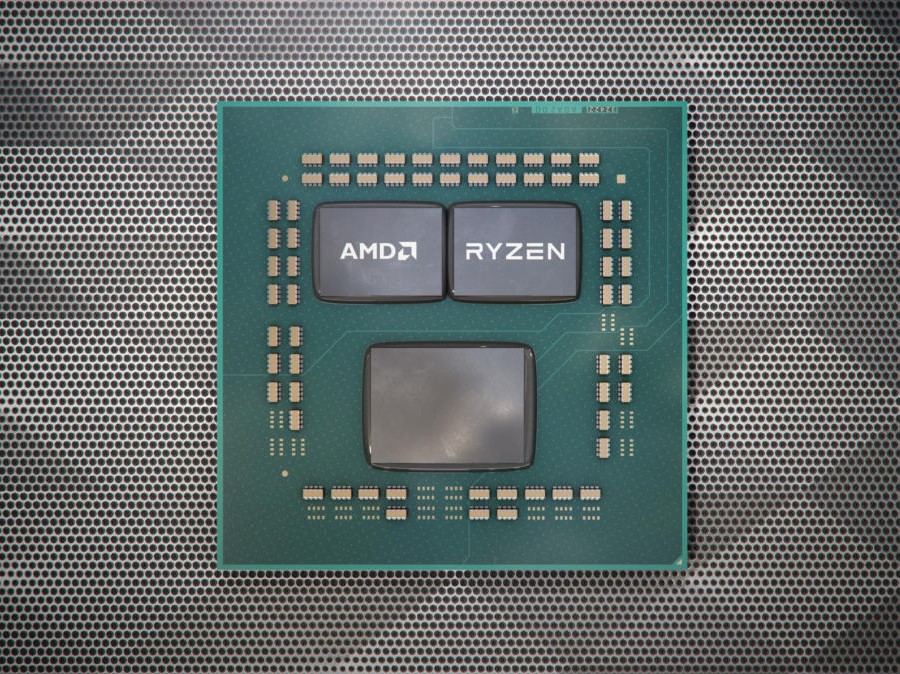
The AMD Ryzen 3 5300U (not to be confused with the A4-5300, a CPU released in 2012) is a Lucienne family processor designed for use in thin and light laptops. The R3 5300U integrates four cores (quad core) based on the Zen 2 microarchitecture. They are clocked at 2.6 (guaranteed base clock) to 3.8 GHz (Turbo) and support SMT for a total of 8 threads. The chip is manufactured on the modern 7 nm TSMC process. Compared to the older and similar Ryzen 3 4300U (Renoir), the Ryzen 3 5300U offers SMT and slightly higher clock speeds. The faster Ryzen 3 5400U is based on the newer Zen 3 architecture. See our hub page on the Renoir Processors for more information on the Lucienne / Renoir architecture.
In addition to the four CPU cores, the APU also integrates a Radeon RX Vega 6 integrated graphics adapter with 6 CUs at up to 1500 MHz. The dual channel memory controller supports DDR4-3200 and energy efficient LPDDR4-4266 RAM. Furthermore, 4 MB level 3 cache can be found on the chip.
Performance
The average 5300U in our database matches the Core i5-11300H, the Core i7-11375H and also the Ryzen 5 4500U in multi-thread performance, making it an outstandingly good chip as far as sub-US$700 laptops go.
Your mileage may vary depending on how high the CPU power limits are and how competent the cooling solution of your system is.
Power consumption
The Ryzen 3 series chip has a default TDP of 15 W, a value that laptop makers are allowed to change to anything between 10 W and 25 W with clock speeds and performance changing accordingly as a result. By going for the lowest value possible, it will be possible to build a passively cooled system around the chip, however, most companies will do the opposite to achieve higher performance levels.
The AMD Ryzen 3 5300U is built with TSMC's 7 nm manufacturing process for average, as of mid 2023, energy efficiency.
Intel Core i5-1235U
► remove from comparison
The Intel Core i5-1235U is a mid-range mobile CPU for thin and light laptops based on the Alder Lake architecture. It was announced in early 2022 and offers 2 performance cores (P-cores, Golden Cove architecture) and 8 efficient cores (E-cores, Gracemont architecture). The P-cores support Hyper-Threading leading to 12 supported threads when combined with the E-cores. The clock rate ranges from 1.3 to 4.4 GHz on the performance cluster and 0.9 to 3.3 GHz on the efficient cluster. The performance of the E-cores should be similar to old Skylake cores (compare to the Core i7-6700HQ). All cores can use up to 12 MB L3 cache. Compared to the i5-1245U, the 1235U offers lower base clock speeds and only "Essentials" vPro management features. Compared to the P-series (28W) or H-series (45W), the 15W TDP may limit the sustained performance.
Performance
The average 1235U in our database is in the same league as the Ryzen 5 PRO 5650U and also, surprisingly enough, the i7-1250U and the i7-1260U, as far as multi-thread benchmark scores are concerned. This is a very respectable result, as of mid 2023.
Thanks to its decent cooling solution and a long-term CPU power limit of 27 W, the Beelink SEi12 is among the fastest systems built around the 1235U that we know of. It can be twice as fast in CPU-bound workloads as the slowest system featuring the same chip in our database, as of August 2023.
Architecture
The integrated memory controller supports various memory types up to DDR5-4800, DDR4-3200, LPDDR5-5200, and LPDDR4x-4267. The Thread Director (in hardware) can support the operating system to decide which thread to use on the performance or efficient cores for the best performance. For AI tasks, the CPU also integrates GNA 3.0 and DL Boost (via AVX2). Quick Sync in version 8 is the same as in the Rocket Lake CPUs and supports MPEG-2, AVC, VC-1 decode, JPEG, VP8 decode, VP9, HEVC, and AV1 decode in hardware. The CPU only supports PCIe 4.0 (x8 for a GPU and two x4 for SSDs).
The integrated graphics card is based on the Xe-architecture and offers 80 of the 96 EUs (Execution Units) operating at up to 1.2 GHz.
Power consumption
This ULV processor has a Base power consumption of 15 W (also known as the long-term power limit), with 55 W being its maximum Intel-recommended Turbo power consumption. Both values are too high to allow for passively cooled designs.
Core i5-1235U is manufactured on Intel's fourth-gen 10 nm process marketed as Intel 7 for decent, as of mid-2022, energy efficiency.
| Model | AMD Ryzen 3 5300U | Intel Core i5-1235U | ||||||||||||||||||||||||||||||||||||||||||||||||||||||||||||||||||||
| Codename | Lucienne-U (Zen 2) | Alder Lake-U | ||||||||||||||||||||||||||||||||||||||||||||||||||||||||||||||||||||
| Series | AMD Lucienne (Zen 2, Ryzen 5000) | Intel Alder Lake-M | ||||||||||||||||||||||||||||||||||||||||||||||||||||||||||||||||||||
| Series: Alder Lake-M Alder Lake-U |
|
| ||||||||||||||||||||||||||||||||||||||||||||||||||||||||||||||||||||
| Clock | 2600 - 3800 MHz | 900 - 4400 MHz | ||||||||||||||||||||||||||||||||||||||||||||||||||||||||||||||||||||
| L1 Cache | 256 KB | 928 KB | ||||||||||||||||||||||||||||||||||||||||||||||||||||||||||||||||||||
| L2 Cache | 2 MB | 9.5 MB | ||||||||||||||||||||||||||||||||||||||||||||||||||||||||||||||||||||
| L3 Cache | 4 MB | 12 MB | ||||||||||||||||||||||||||||||||||||||||||||||||||||||||||||||||||||
| Cores / Threads | 4 / 8 | 10 / 12 | ||||||||||||||||||||||||||||||||||||||||||||||||||||||||||||||||||||
| TDP | 25 Watt | 15 Watt | ||||||||||||||||||||||||||||||||||||||||||||||||||||||||||||||||||||
| Technology | 7 nm | 10 nm | ||||||||||||||||||||||||||||||||||||||||||||||||||||||||||||||||||||
| max. Temp. | 105 °C | 100 °C | ||||||||||||||||||||||||||||||||||||||||||||||||||||||||||||||||||||
| Socket | FP6 | BGA1744 | ||||||||||||||||||||||||||||||||||||||||||||||||||||||||||||||||||||
| Features | DDR4-3200/LPDDR4-4266 RAM, PCIe 3, MMX, SSE, SSE2, SSE3, SSSE3, SSE4A, SSE4.1, SSE4.2, AVX, AVX2, BMI2, ABM, FMA, ADX, SMEP, SMAP, SMT, CPB, AES-NI, RDRAND, RDSEED, SHA, SME | DDR4-3200/LPDDR4x-4266/DDR5-4800/LPDDR5-5200 RAM, PCIe 4, Thr. Dir., DL Boost, GNA, vPro Ess., MMX SSE, SSE2, SSE3, SSSE3, SSE4.1, SSE4.2, AVX, AVX2, BMI2, ABM, FMA, ADX, SMEP, SMAP, EIST, TM1, TM2, HT, Turbo, SST, AES-NI, RDRAND, RDSEED, SHA | ||||||||||||||||||||||||||||||||||||||||||||||||||||||||||||||||||||
| iGPU | AMD Radeon RX Vega 6 (Ryzen 4000/5000) ( - 1500 MHz) | Intel Iris Xe Graphics G7 80EUs ( - 1200 MHz) | ||||||||||||||||||||||||||||||||||||||||||||||||||||||||||||||||||||
| Architecture | x86 | x86 | ||||||||||||||||||||||||||||||||||||||||||||||||||||||||||||||||||||
| Announced | ||||||||||||||||||||||||||||||||||||||||||||||||||||||||||||||||||||||
| Manufacturer | www.amd.com | ark.intel.com |

Benchmarks

Average Benchmarks AMD Ryzen 3 5300U → 100% n=27
Average Benchmarks Intel Core i5-1235U → 139% n=27
 - Average benchmark values for this graphics card
* Smaller numbers mean a higher performance
1 This benchmark is not used for the average calculation


