




Microsoft executive addresses whether all Xbox games will launch day one on PS5 like Fable
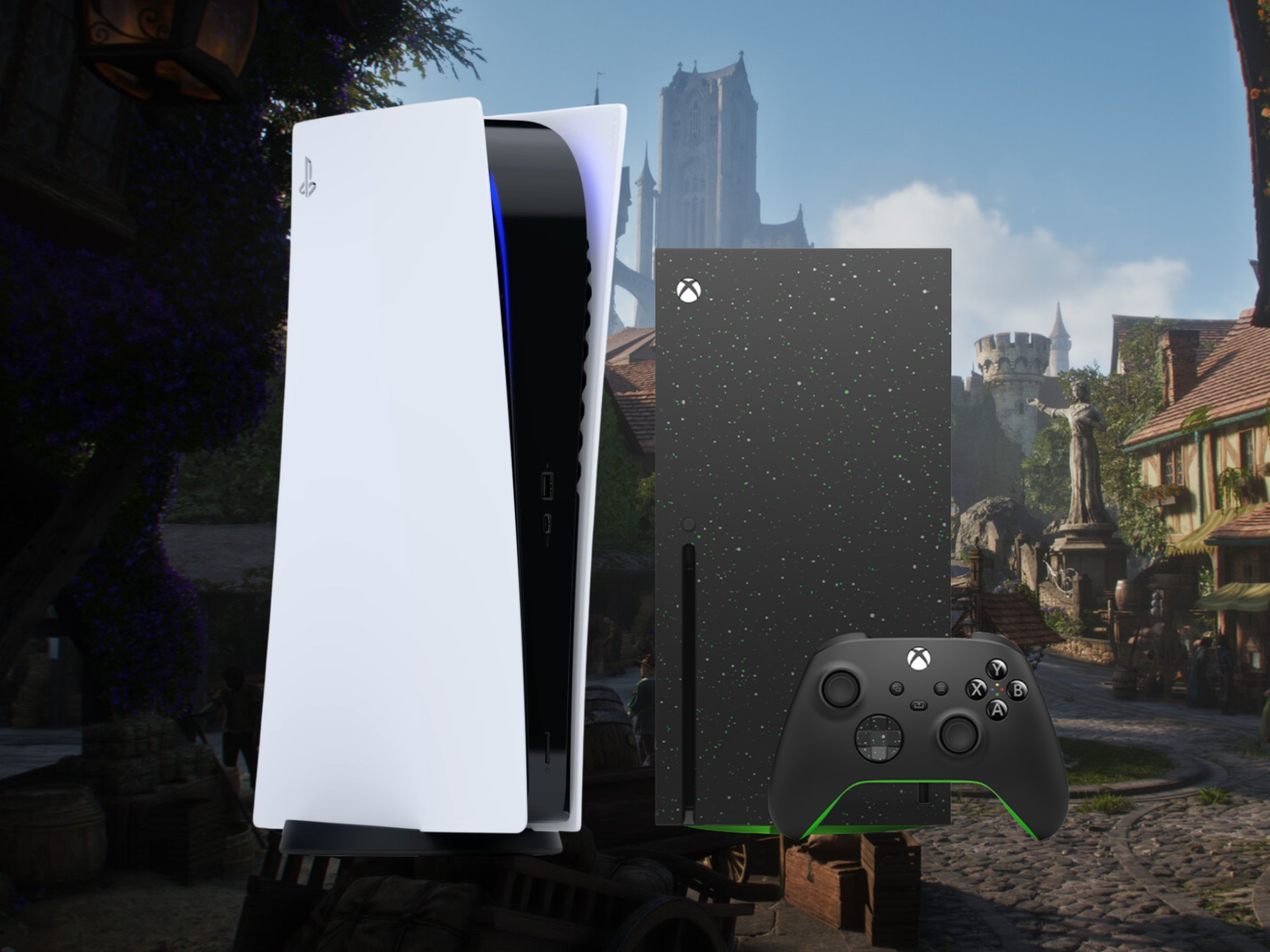
The Xbox Developer Direct announced that the Fable reboot will debut in the fall on multiple platforms. However, Forza Horizon 6 is launching as an Xbox exclusive before arriving on the PS5. Confused Series X|S owners are wondering if the console will still have platform-specific benefits. GamesRadar talked to Xbox lead Craig Duncan, who tried to clarify Microsoft’s strategy.
Limited platform exclusivity persists
Duncan was asked about how Microsoft determines which titles will ship day one on other systems. Echoing the comments of CEO Phil Spencer, he said, “We want our games to reach the most players that we can.”
He acknowledged that porting Sea of Thieves and Forza Horizon 5 to PlayStation expanded their audiences. Yet even as 2026 begins, certain projects arrive initially as Xbox exclusives. The executive admitted that its cross-platform approach is not always consistent.
Factors like the amount of resources studios have can affect release dates. Developers also need extra time to optimize games for different systems. For instance, the DualSense controller offers unique and immersive haptic feedback. Even so, that hasn’t prevented the competition from immediately accommodating multiple consoles.
Other reasons for Xbox to delay PS5 ports
Forza Horizon 6 and the Fable reboot are both being overseen by Playground Games. It’s possible that even the well-funded developers couldn’t pull off a day one release for Xbox consoles, PC, and PS5. Still, Microsoft could want to preserve an incentive for racing game fans to subscribe to Game Pass.
Duncan reveals that the publisher will “maintain optionality” when deciding which platforms to prioritize. According to the Xbox head, “Some games we might go PC first, others we might go console first.” He references Grounded 2, but an early-access title may not be the best example.
Sadly, the interview may not leave fans with a clearer vision of Microsoft’s plans. The article notes that the publisher already brought six first-party Xbox games to the rival PS5 in 2025. That number will likely continue to grow, but when temporary exclusivity might die completely is up for debate.
Source(s)
 Add as a preferred source on Google


