Best smartphones for heavy users for the start of 2026, from budget to premium

In 2025, smartphones weren't just focused on camera and display technology, but also on performance and battery life. Larger battery capacities and more efficient SoCs have significantly improved battery life.
In our overview, we take a close look at the battery heavyweights in the smartphone sector for different price ranges. The cheapest smartphone costs less than $150 euros, while our front-runner has an RRP of over $1,000.
To ensure comparability, we focused on the values of our practical battery test with an adjusted display brightness of 150 cd/m². You can find all the information on charging speeds and energy management in the individual reviews.
Oppo Find X9 Pro with an incredible 34 hours and 19 minutes
The Oppo Find X9 Pro impressed in our review with its remarkable battery life. The smartphone's battery contains a silicon-carbon anode, enabling a very high capacity of 7,500 mAh. For comparison, an Apple iPhone 17 Pro Max, despite weighing only 7 grams more, has a battery capacity of approximately 5,000 mAh.
Thanks to its large energy storage and efficient chipset manufactured using modern 3 nm technology, the Oppo flagship reaches an outstanding runtime of over 34 hours in our practical battery test at an adjusted display brightness of 150 cd/m². A Galaxy S25 Ultra manages "only" 22 hours here, a value that was still top of the range a few years ago.

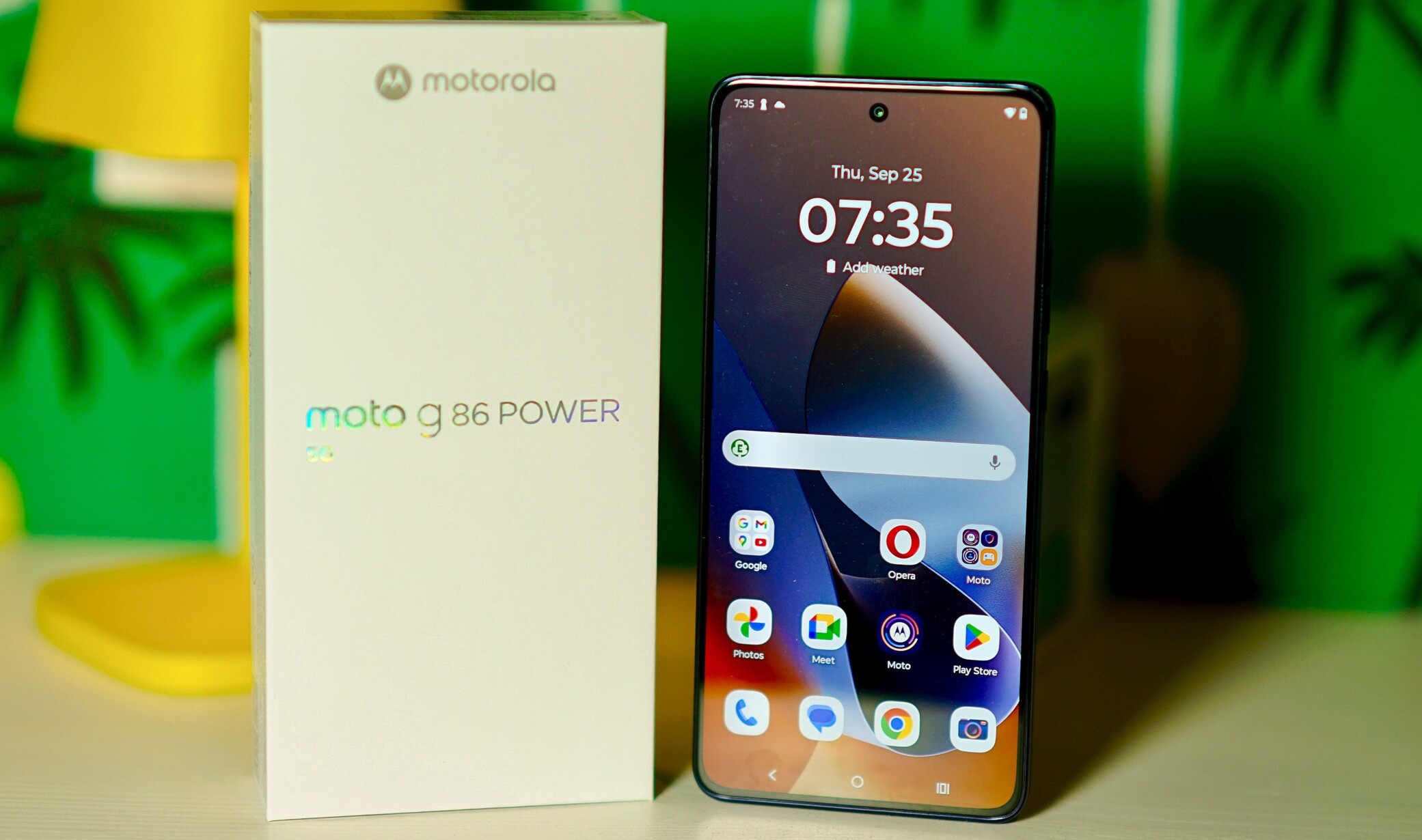
Motorola Moto G86 Power with 27 hours and 2 minutes
In the case of the Motorola Moto G86 Power, the name says it all. The extra-large 6,720 mAh battery in this mid-range phone is arguably the highlight of the Moto G86 Power.
In our Wi-Fi test, the Android phone lasted over 27 hours, meaning users can use the Moto G86 Power for two days without the need for charging.
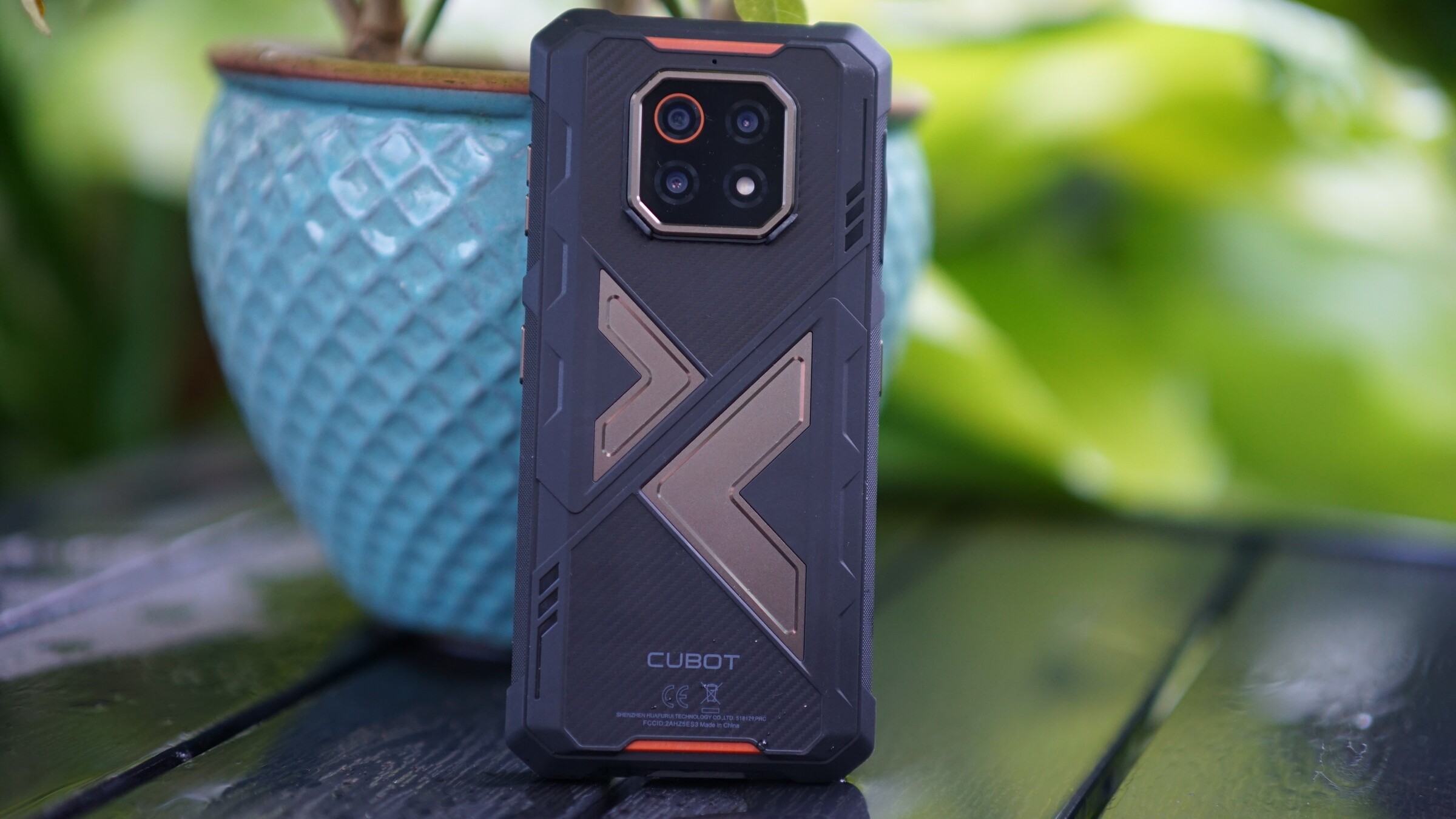
Cubot KingKong ES3 with 25 hours and 55 minutes
In the entry-level segment, a relatively unknown manufacturer leads our rankings: Cubot. In our review, its KingKong ES3 reaches a runtime of almost 26 hours in our Wi-Fi test, which should allow light users to operate the device for several days away from a power socket.
However, the KingKong ES3 is significantly less efficient than the other two smartphones from Oppo and Motorola. Due to its huge 10,200 mAh battery, the entry-level phone is not only heavy, but also comparatively thick and bulky.
Source(s)
Notebookcheck reviews
 Add as a preferred source on Google