Honor Magic 8 RSR: First pictures, specs and numerous camera samples of the Porsche Design Edition
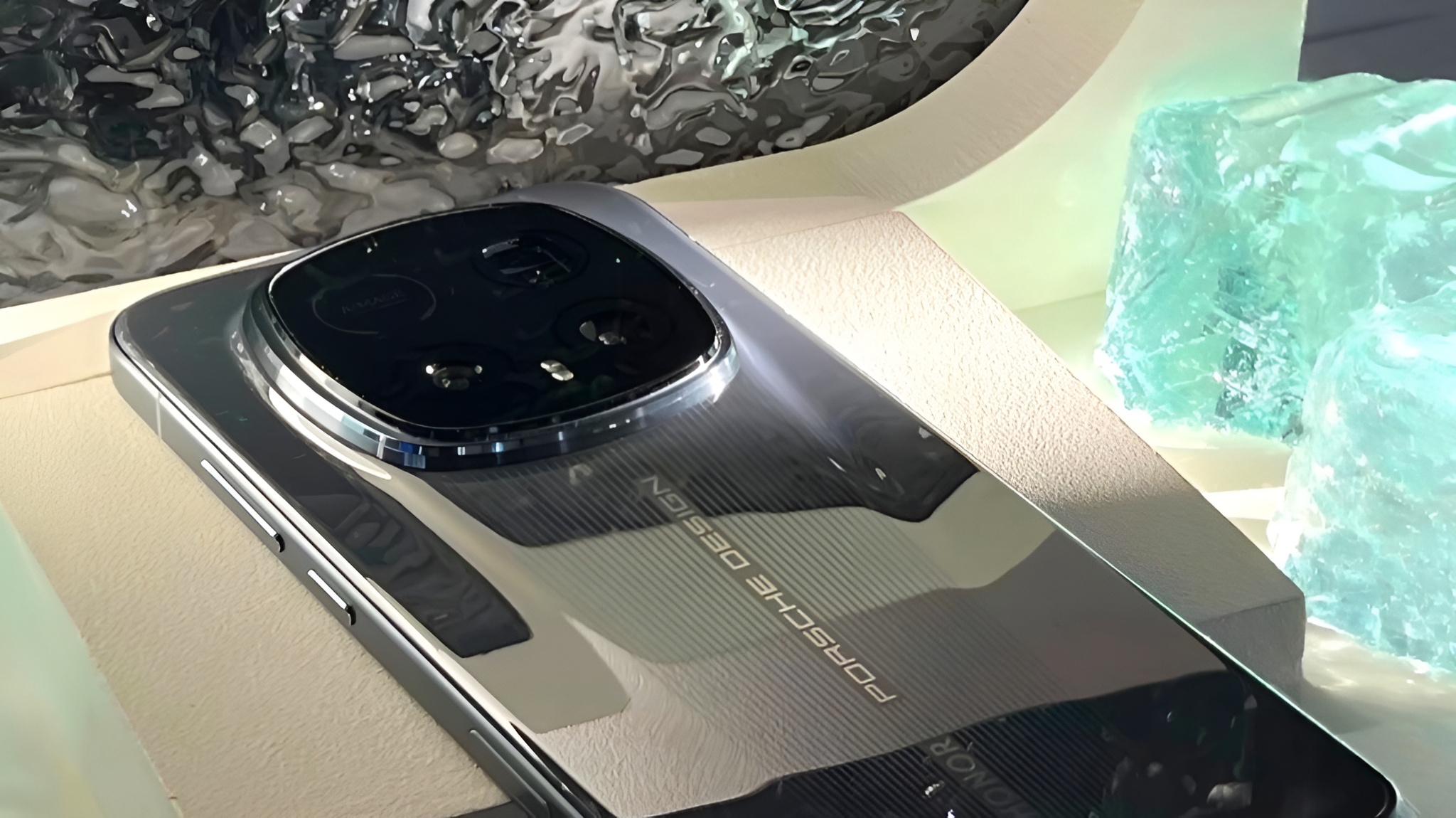
This year, Honor has apparently decided to add an Honor Magic8 Pro Air alongside the Honor Magic8 Lite and Honor Magic 8 Pro, as well as the Honor Magic8 RSR, but not a Magic8 Ultimate. The appearance of the Porsche Design Edition has remained a secret until now, but it has appeared several times in recent days on Chinese social network Weibo, where the three real-life images above and below are circulating.
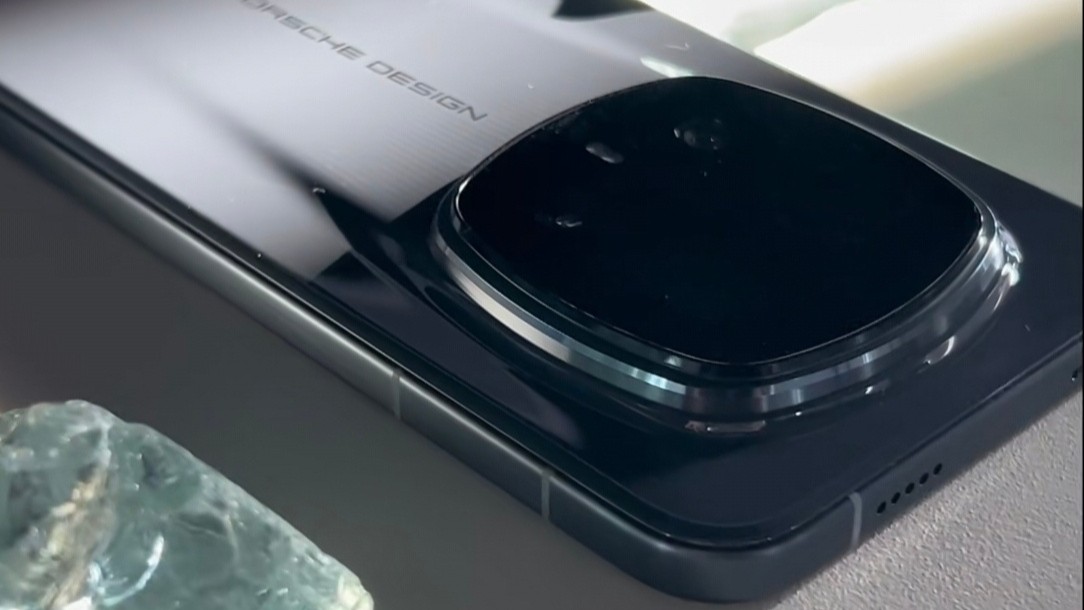
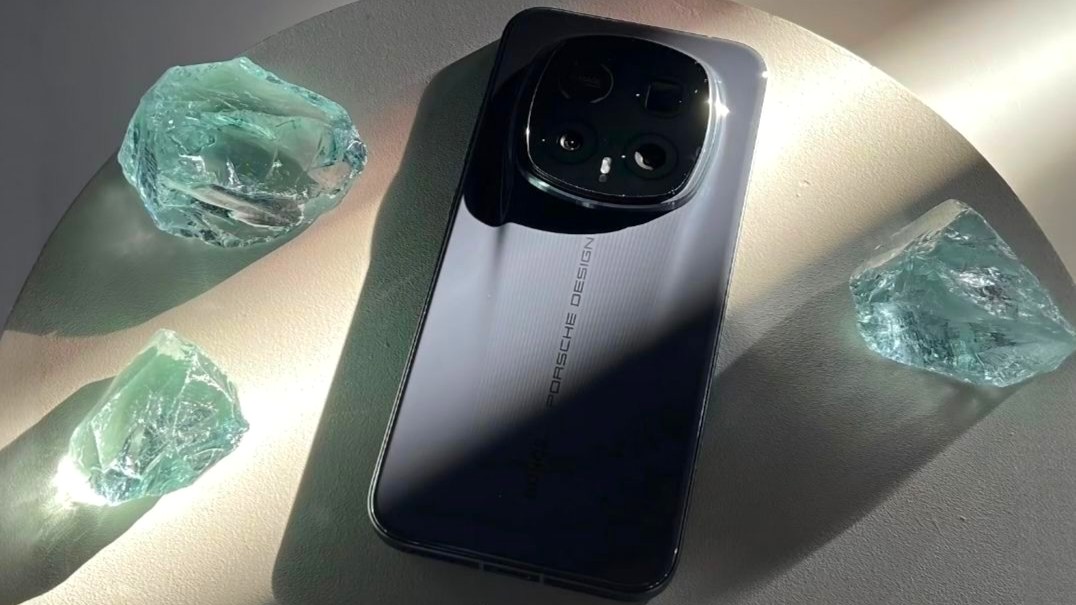
Honor Magic8 group photo reveals Magic 8 RSR
A recent Honor Magic8 family photo reveals the Magic8 RSR alongside the Magic8 Pro Air. The Porsche Edition features a slightly modified design compared to last year's Honor Magic7 RSR. While the sleek Porsche Design logo remains, Honor has replaced the angular hexagonal camera module with a rounded look, though it's noticeably elongated compared to the round camera on the regular Honor Magic 8.

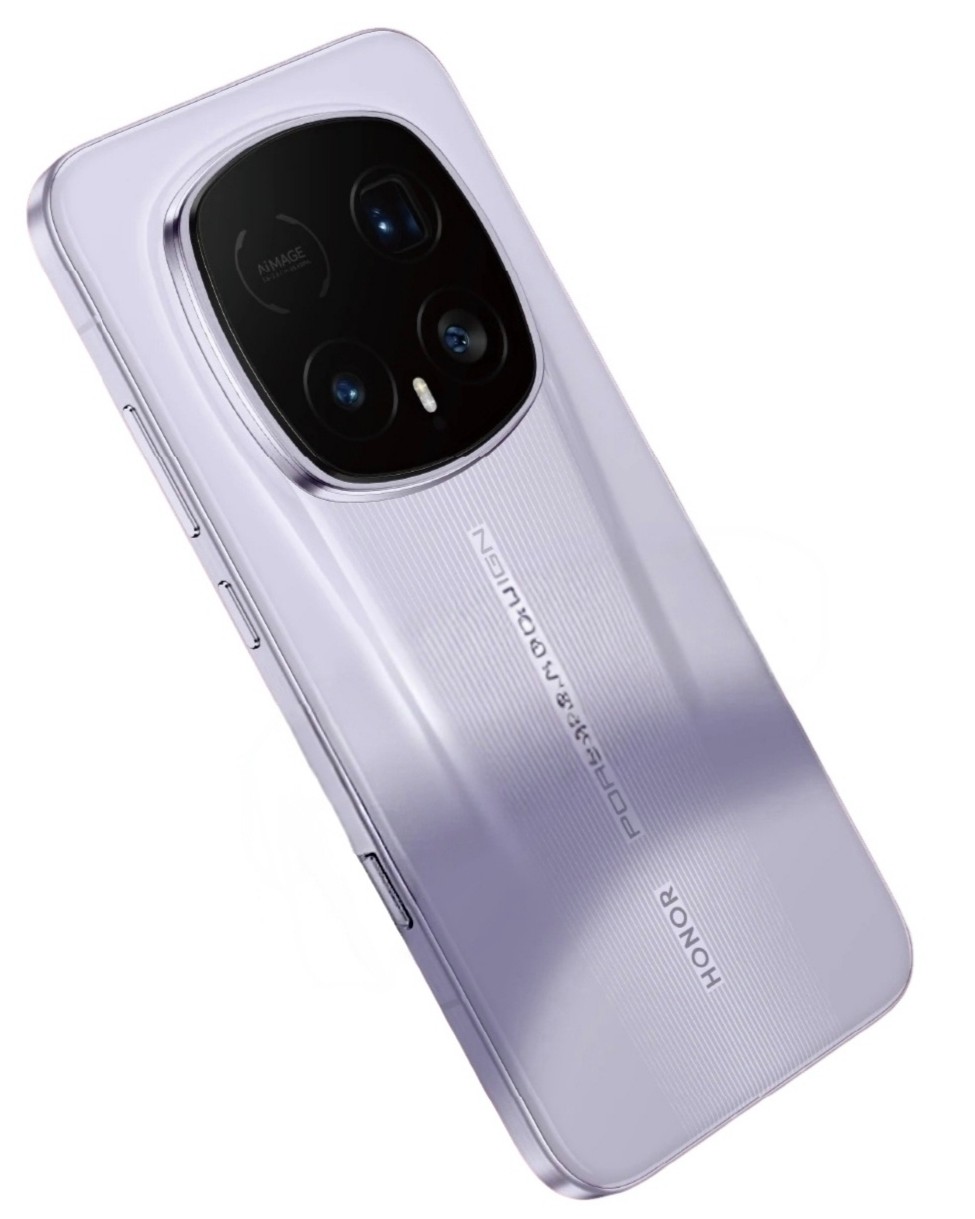
Honor Magic8 RSR: Some specs leaked
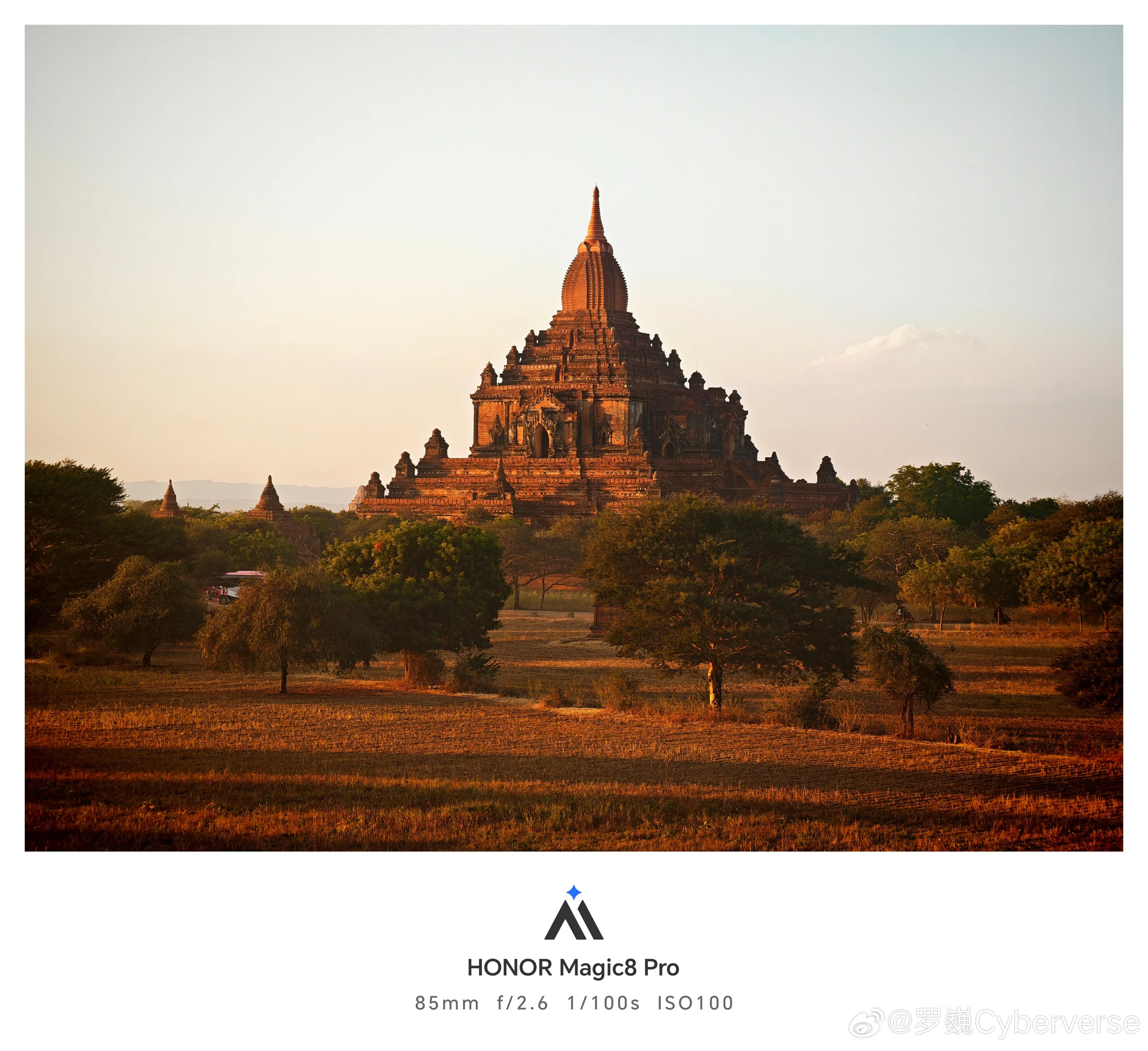
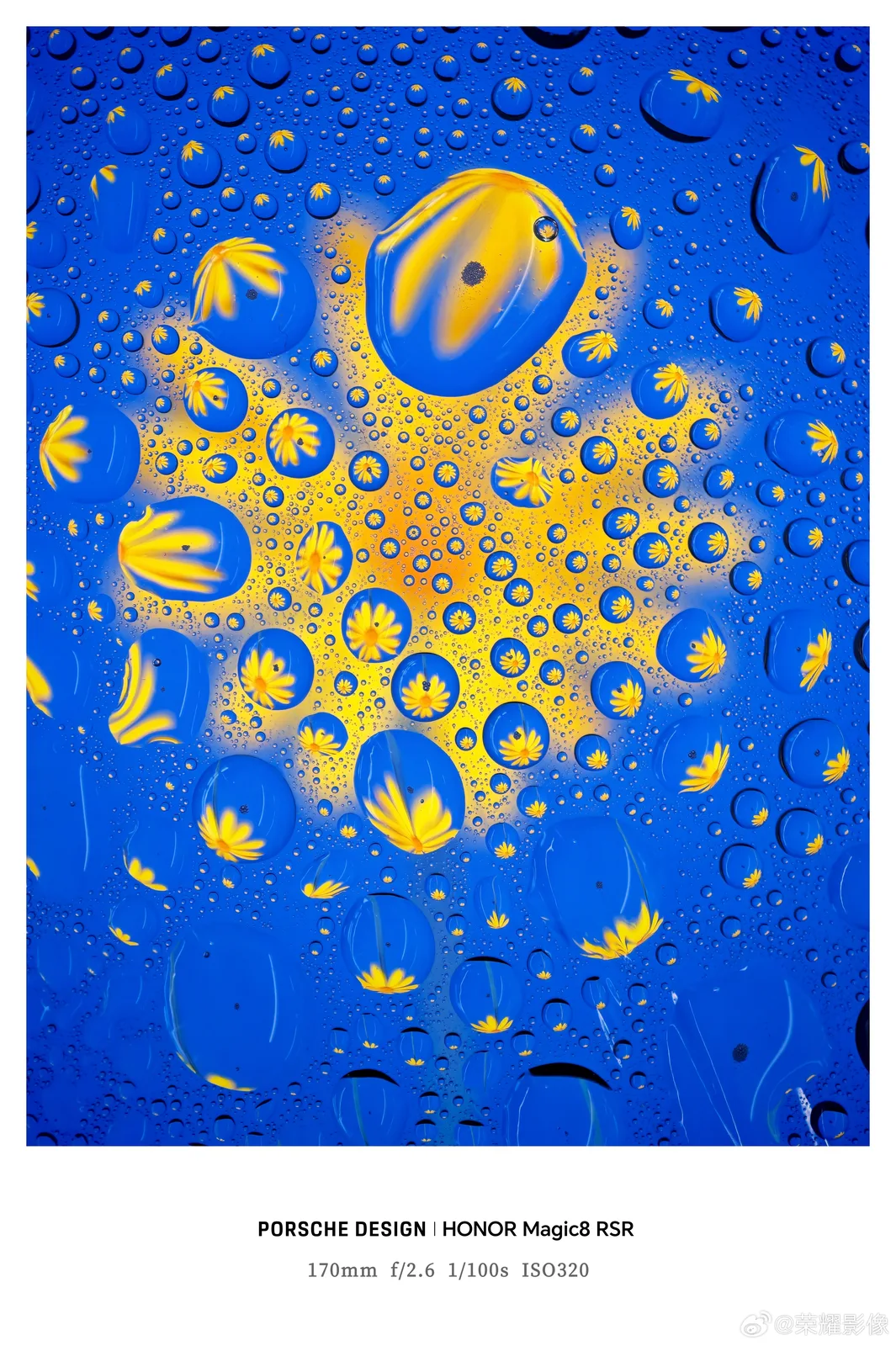
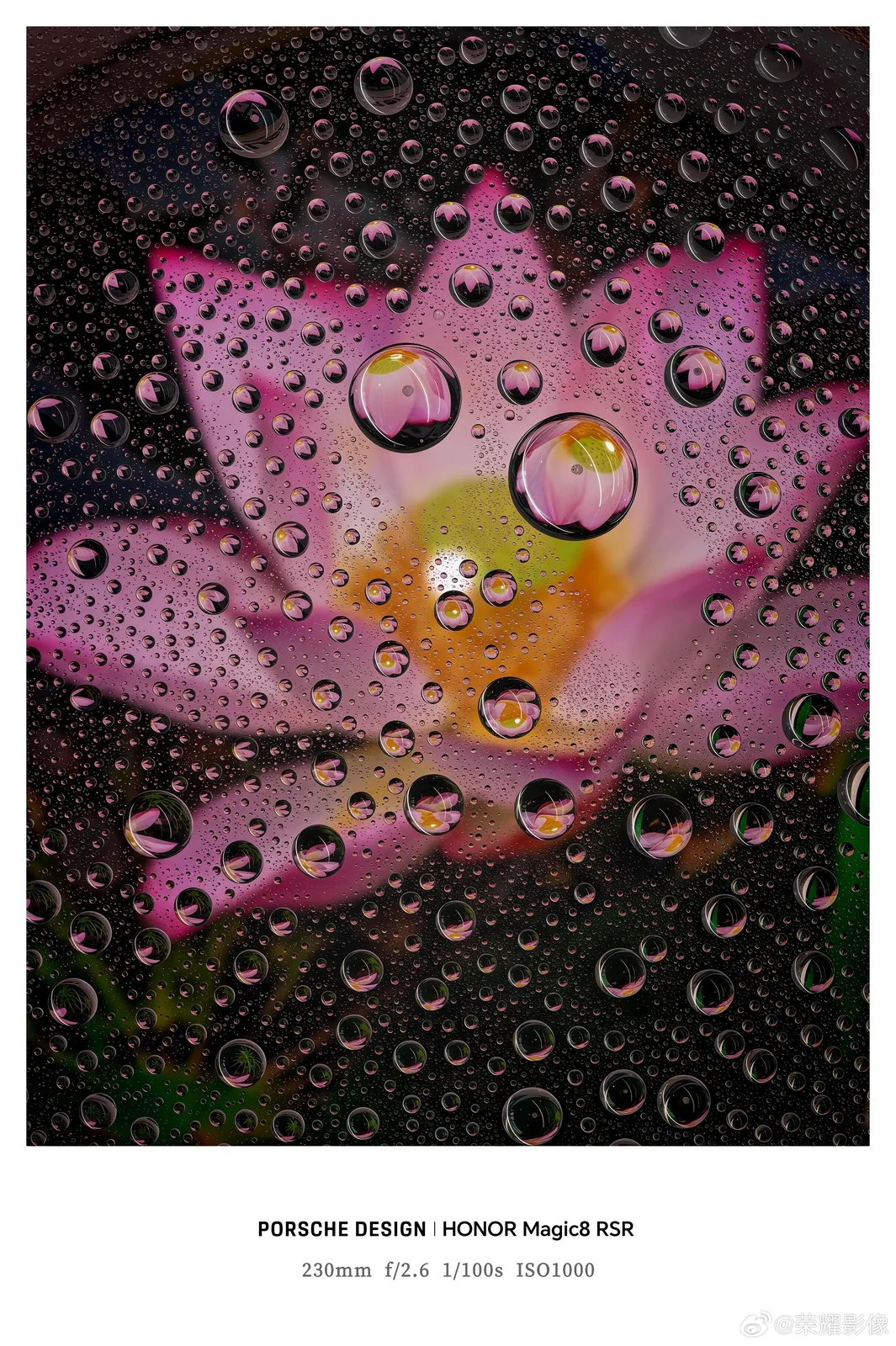
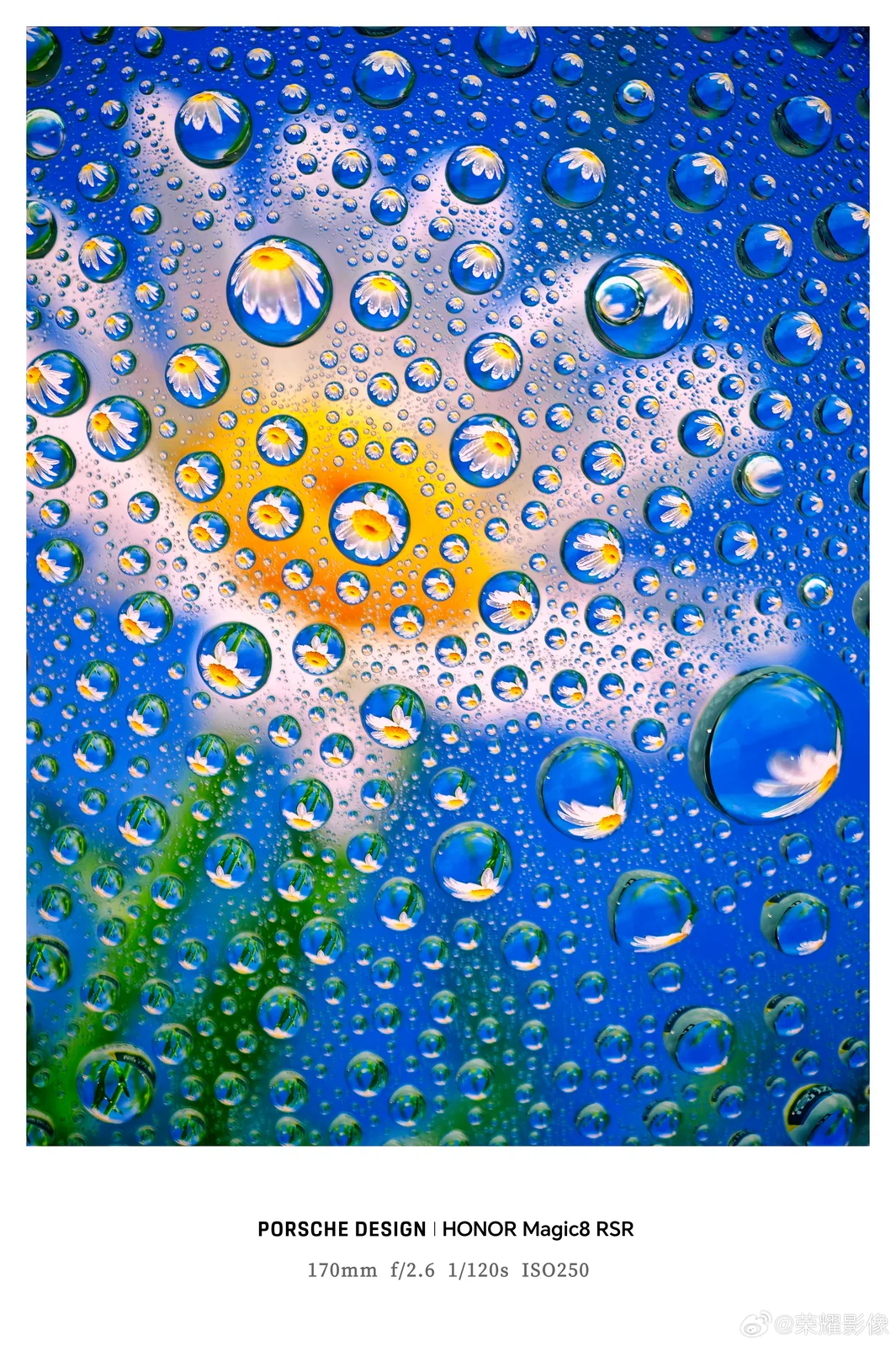
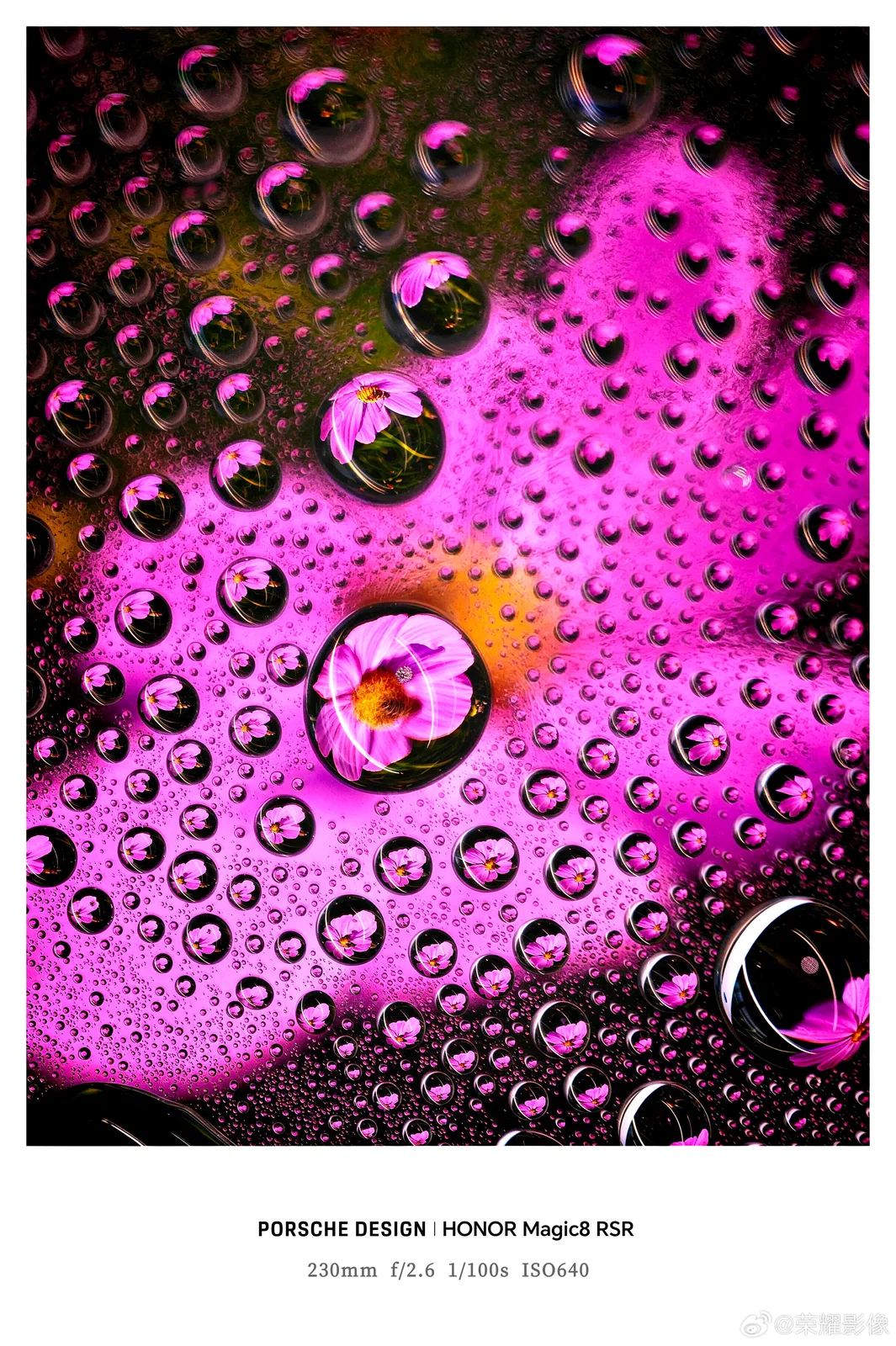
According to reliable leaker Digital Chat Station, the Magic8 RSR also features a Snapdragon 8 Elite Gen 5 and a 7,200 mAh battery with 120-watt fast charging. The metal case has a camera button on the side. Some camera specs are also already known, after early Magic8 RSR users and Honor itself shared photos from the cameras on Chinese network Weibo. The 200 MP telephoto lens has an equivalent 85mm focal length with an F/2.6 aperture and supports telemacro functions. The main camera is a 23mm shooter, apparently with an F/1.6 aperture. Like the regular Magic8 Pro, Honor is potentially doing away with the variable aperture of its predecessor between F/1.4 and F/2.0.
First photos from the Magic8 RSR camera
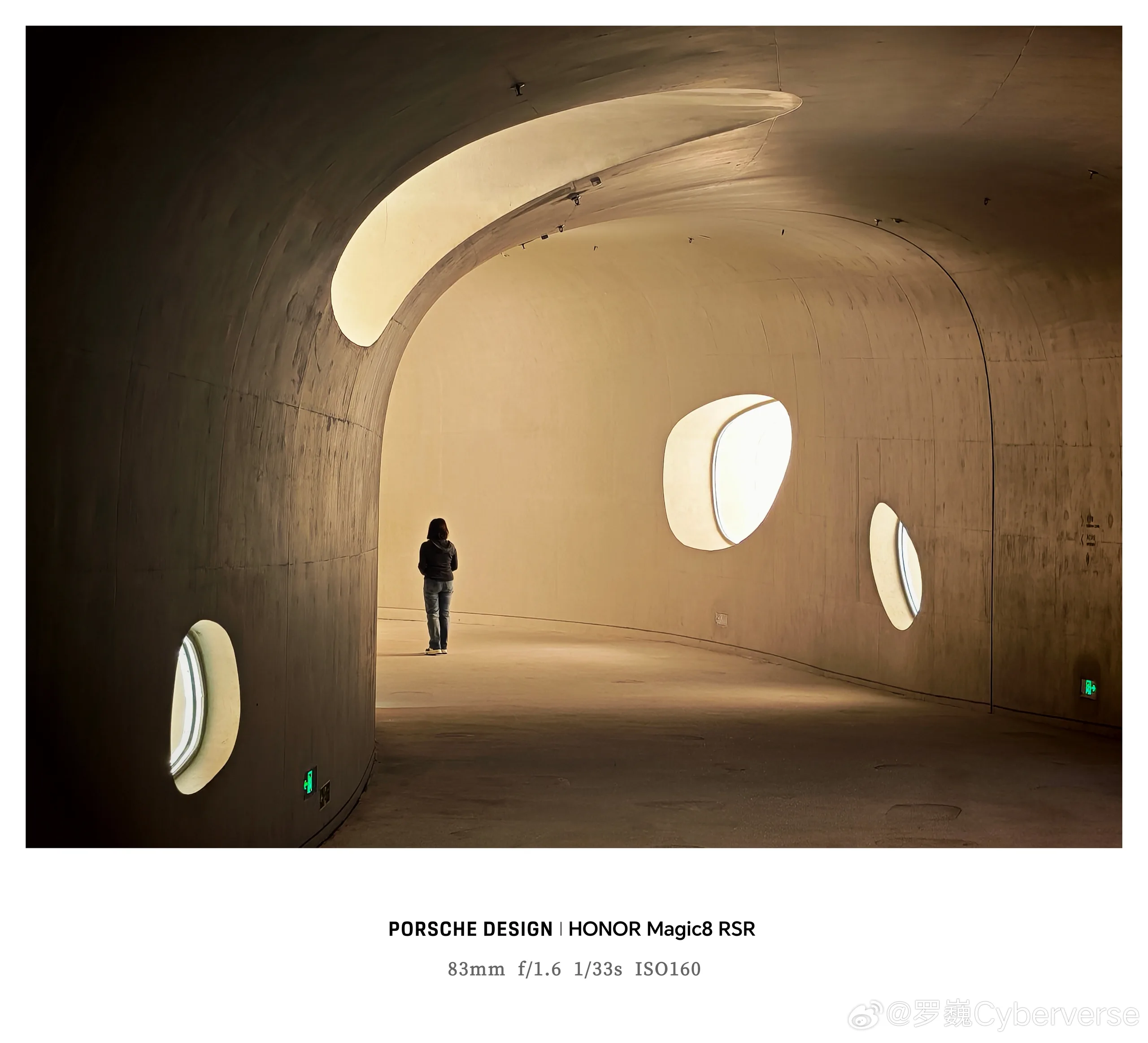
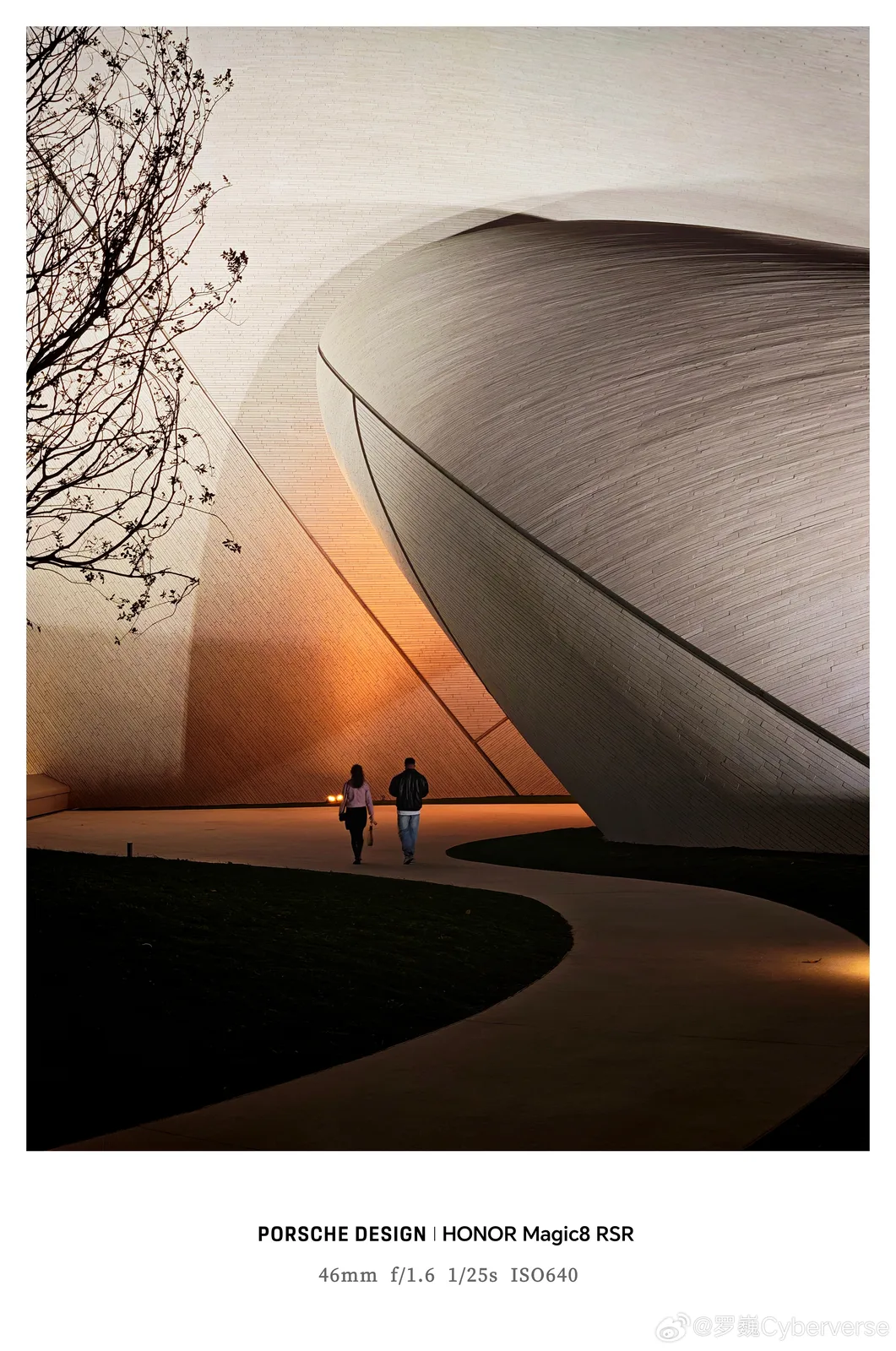
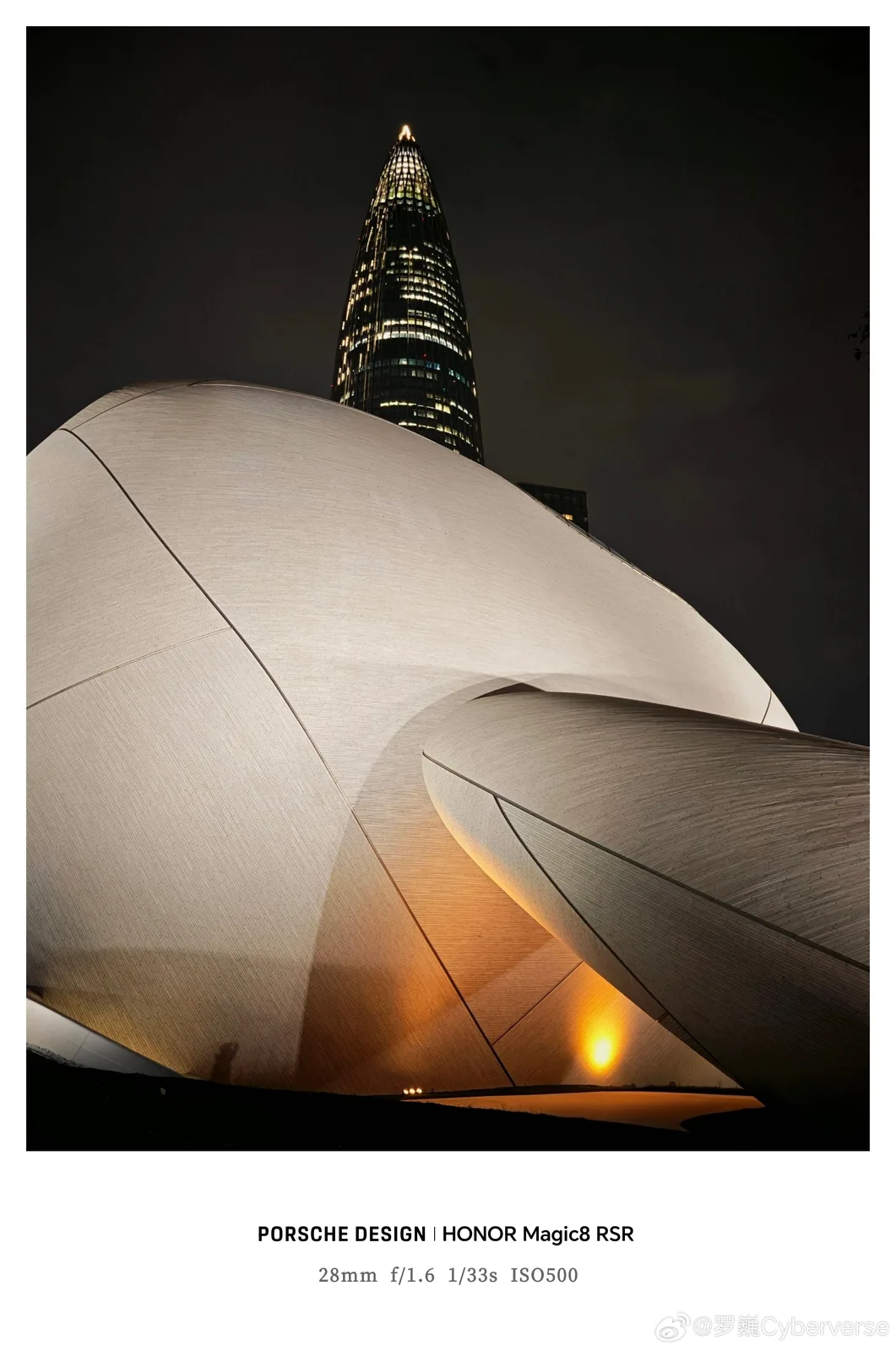
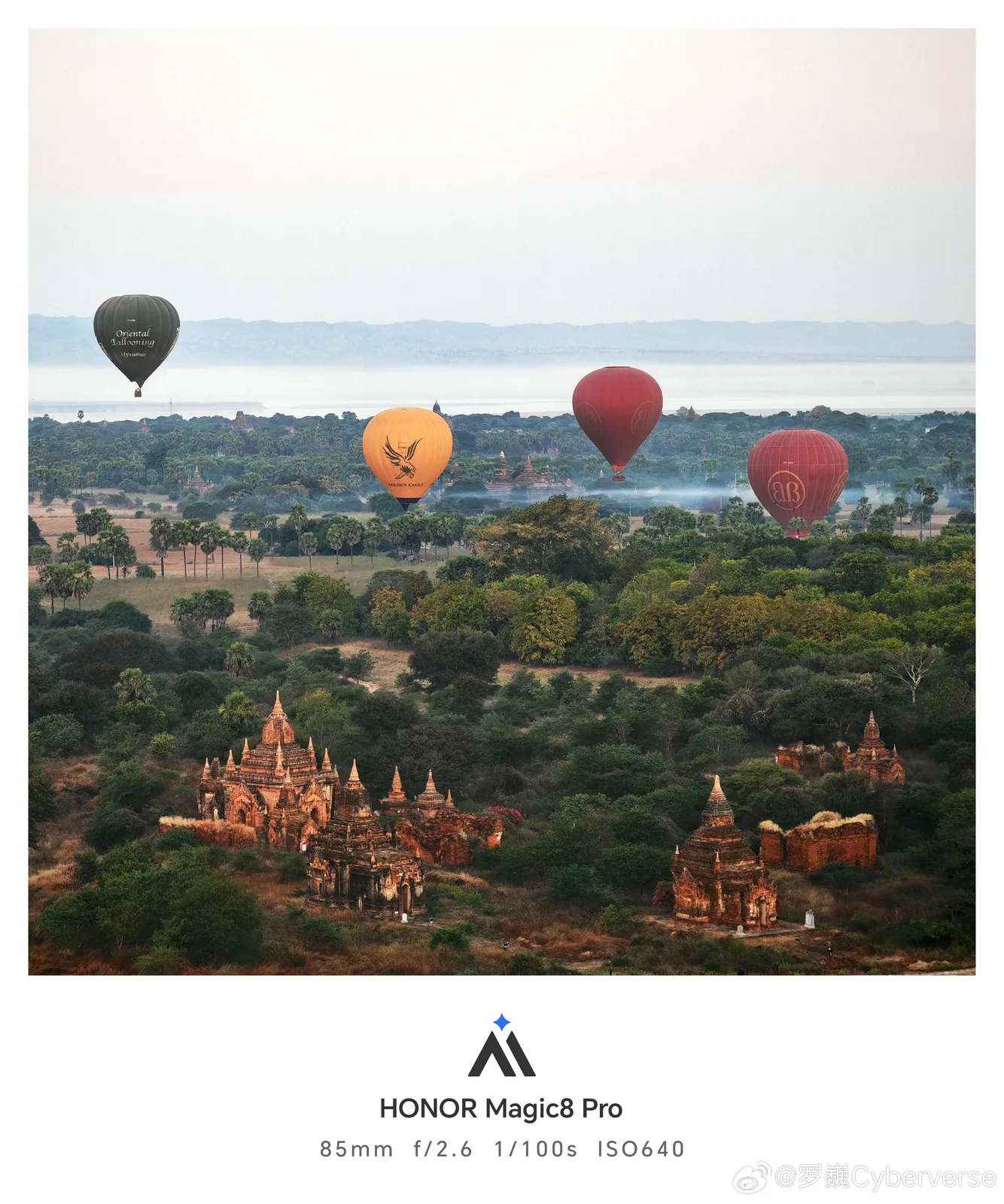
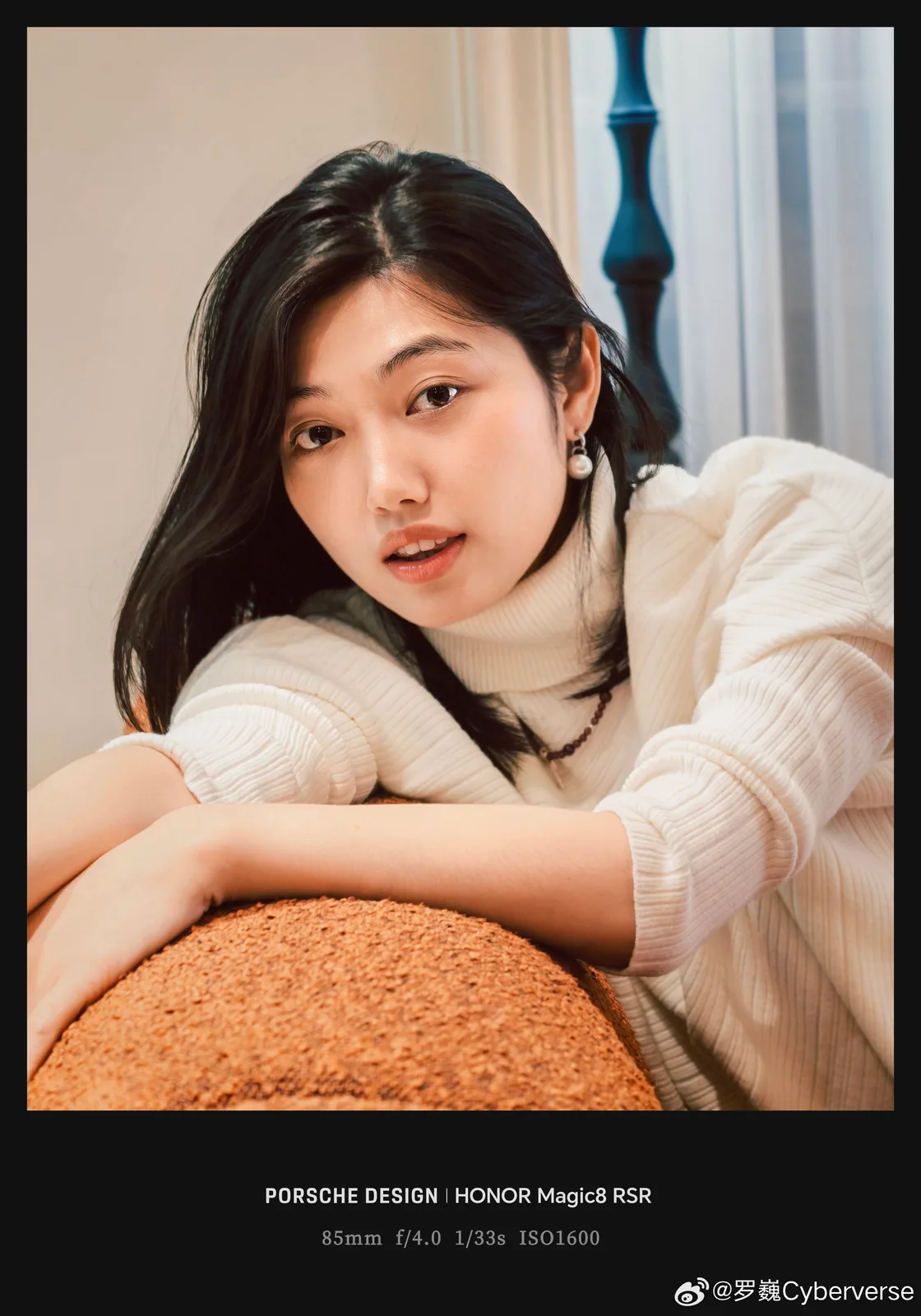
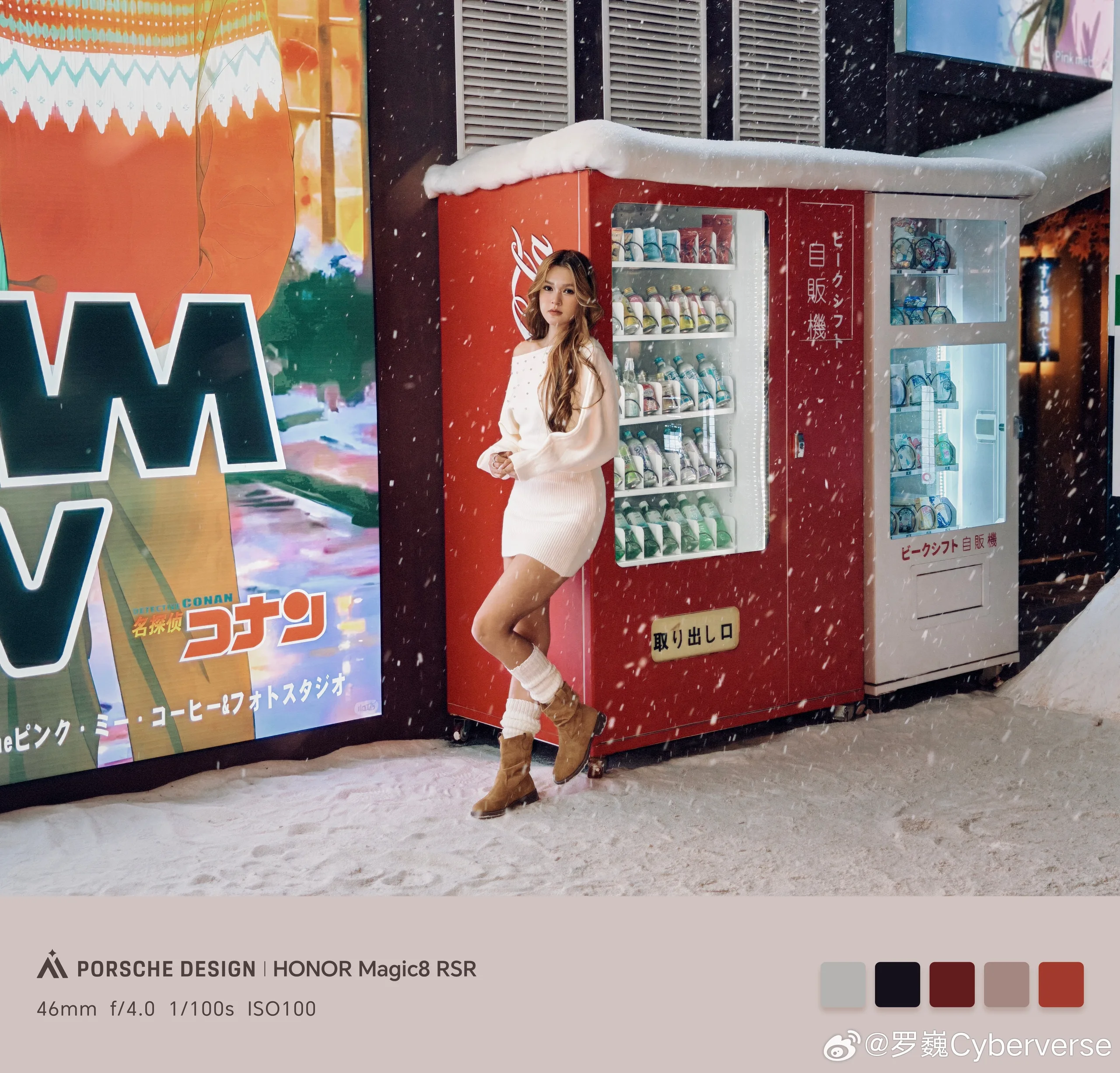
Anyone wanting to get a first impression of the quality of the RSR camera can view a lot of pictures on Weibo, including some telemacro examples. Apparently, Honor has allowed early testers to publish their photos before the launch. We have embedded a few examples below. You can find a few more on Weibo using this search term. Some of the portrait shots below also show other aperture values, specifically around F/4.0. However, these are likely to be the result of the portrait software and not the actual physical aperture values.

 Add as a preferred source on Google