





Verdict on the Samsung Galaxy Watch9
The ninth-generation Galaxy Watch delivers a strong overall package, but compared with its predecessor, it is a relatively modest upgrade. In fact, the new chipset is really the only major change that stands out on the Watch9. Samsung is no longer using its own SiP and instead relies on Qualcomm’s Snapdragon Wear Elite. In our benchmarks, this results in a substantial performance jump over the Exynos W1000.
Battery life, however, is disappointing. The 20% increase in battery capacity advertised by Samsung applies only to the smaller 40 mm model. On our larger version with its 1.5-inch OLED display, however, we did not notice any improvement in battery life from the optimizations in the new One UI 9 and Wear OS 7. On the contrary, battery life currently even appears to be slightly worse than on the Watch8.
The continued restriction of ECG, blood pressure, and sleep apnea measurements to Samsung smartphones is also frustrating for Android users. Otherwise, the Galaxy Watch9 performs very well in everyday use, with an extremely bright display, very good performance, and plausible health data. In our testing, we measured hardly any differences from our reference devices for heart rate, oxygen saturation, and blood pressure.
Pros
Cons
Price and Availability of the Samsung Galaxy Watch9
The suggested retail prices for the Samsung Galaxy Watch9 models vary by case size. The 40 mm Watch9 starts at €409, while the 44 mm model starts at €439. Both are available from Amazon.de, directly from the manufacturer, and other retailers.
Translator's note: In the US, customers can purchase the smartwatch from various online retailers. Amazon US lists the 40 mm model at around $380 and the 44 mm model at around $410.

Table of Contents
- Verdict on the Samsung Galaxy Watch9
- Case and Features – The Samsung smartwatch is significantly lighter and thinner than an Apple Watch Series 11
- Setup and Operation - Samsung smartwatch with an incredible variety of Galaxy watch faces
- Health and Fitness - Galaxy smartwatch with numerous health features
- Display - Bright OLED screen on the Samsung Galaxy Watch9
- Performance and Battery Life — The new Galaxy smartwatch is significantly faster than the Apple Watch and Galaxy Watch8
- Comparison of possible alternatives
Case and Features – The Samsung smartwatch is significantly lighter and thinner than an Apple Watch Series 11
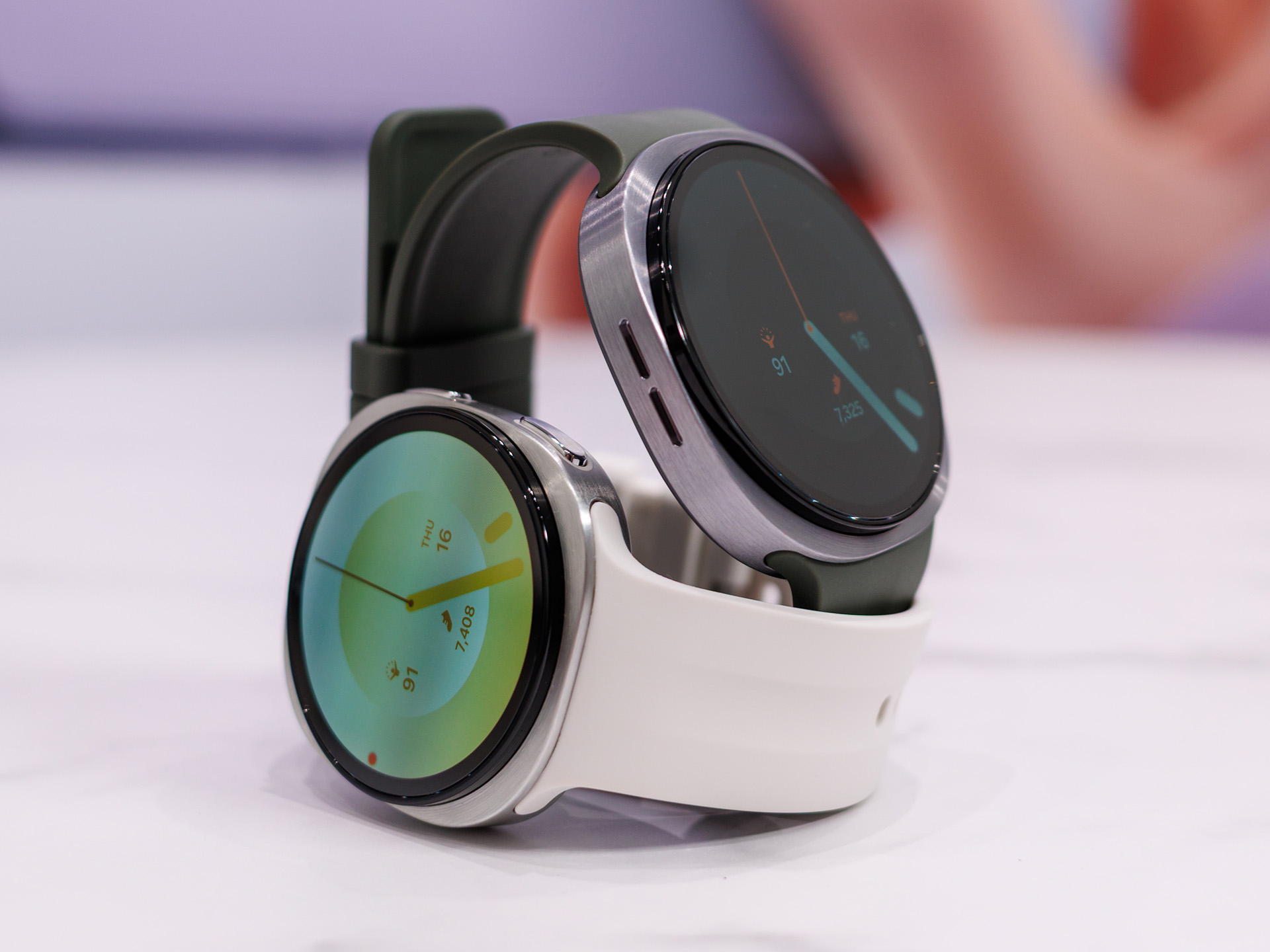
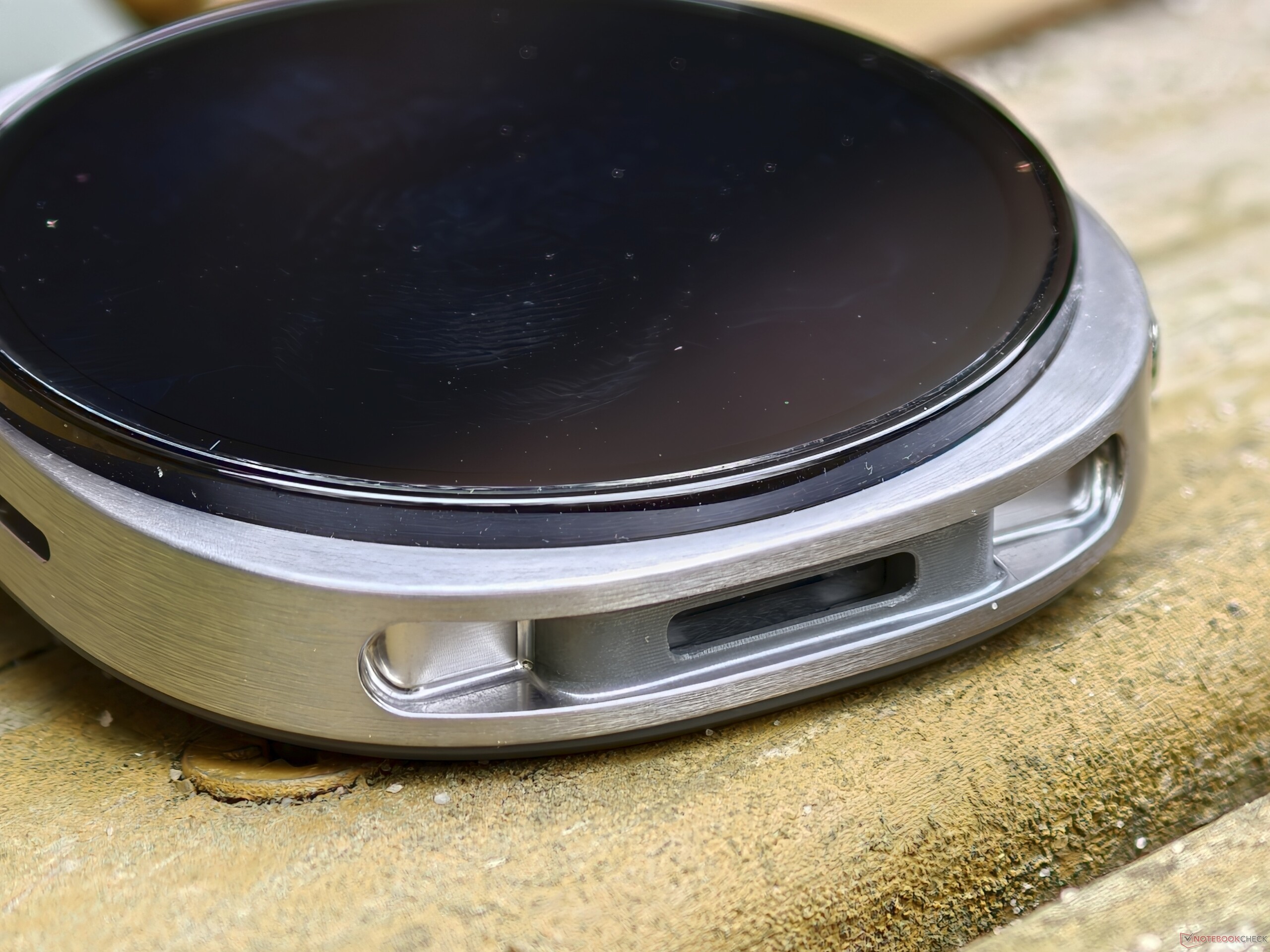
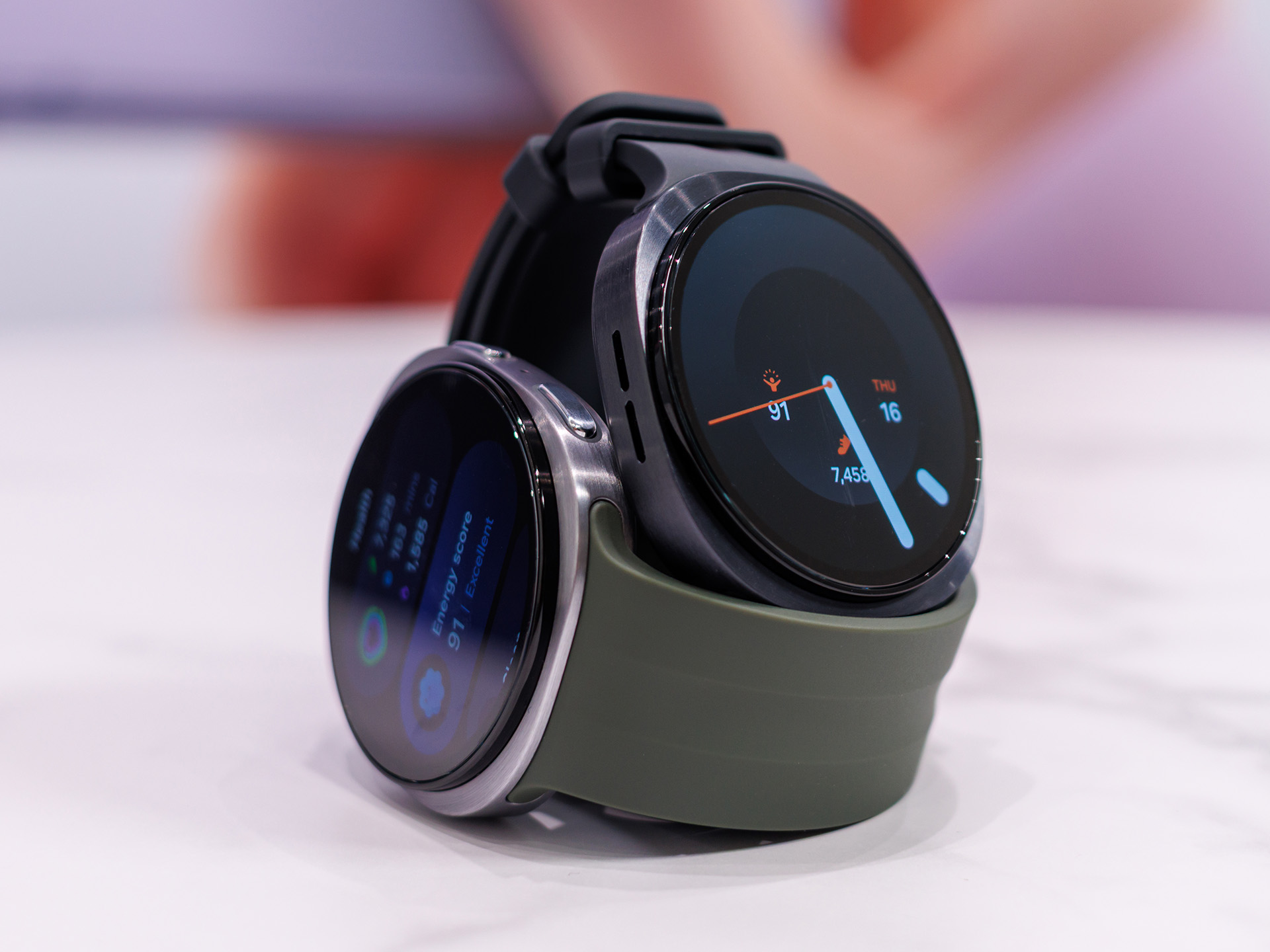
Samsung once again uses a round or rounded watch case for the Watch9, made of brushed aluminum. Unlike the Galaxy Watch Ultra2, there is no titanium version. Samsung also omits a physically rotating bezel on the Watch9 and instead uses the touch-sensitive edge of the display.
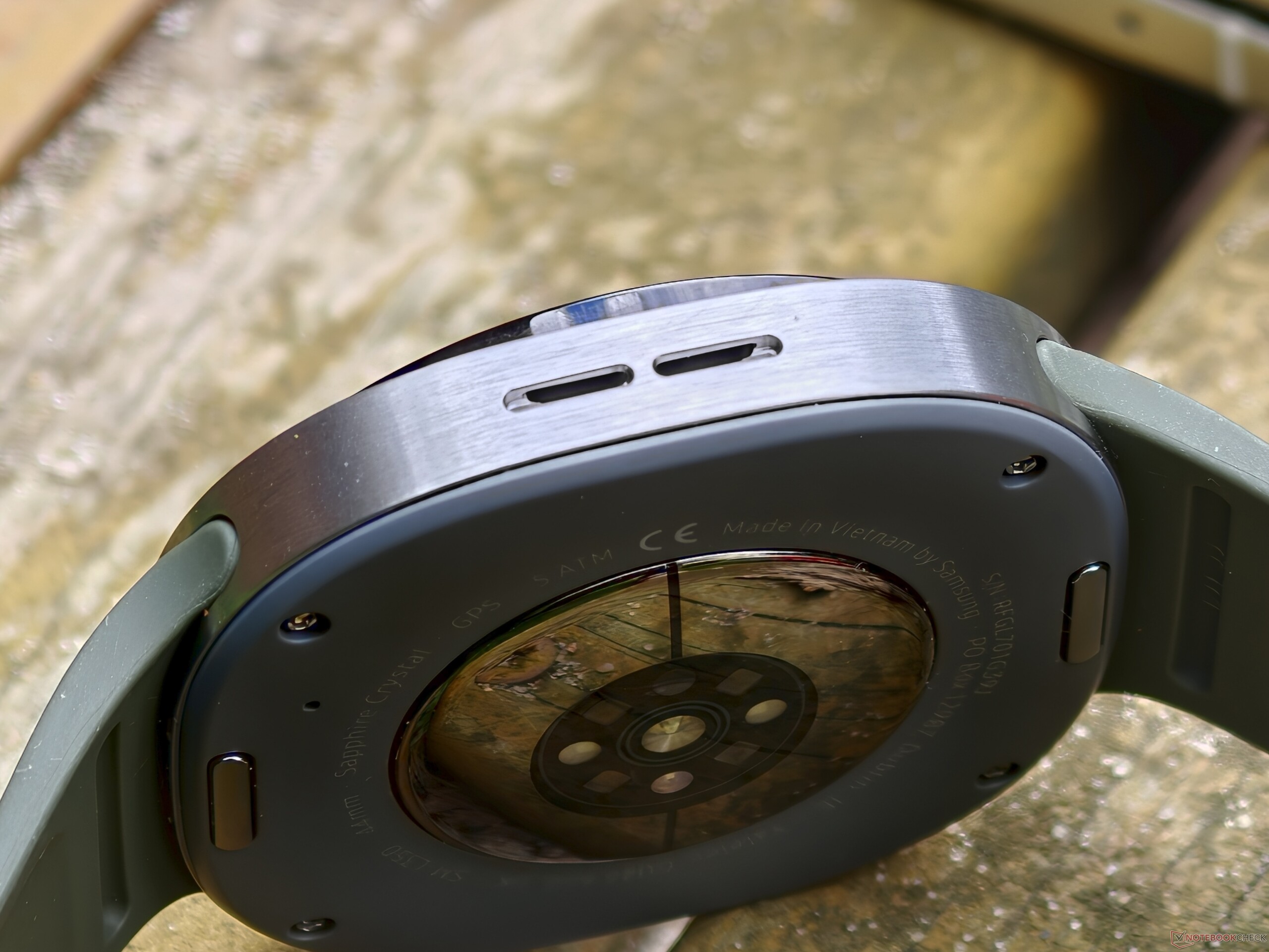
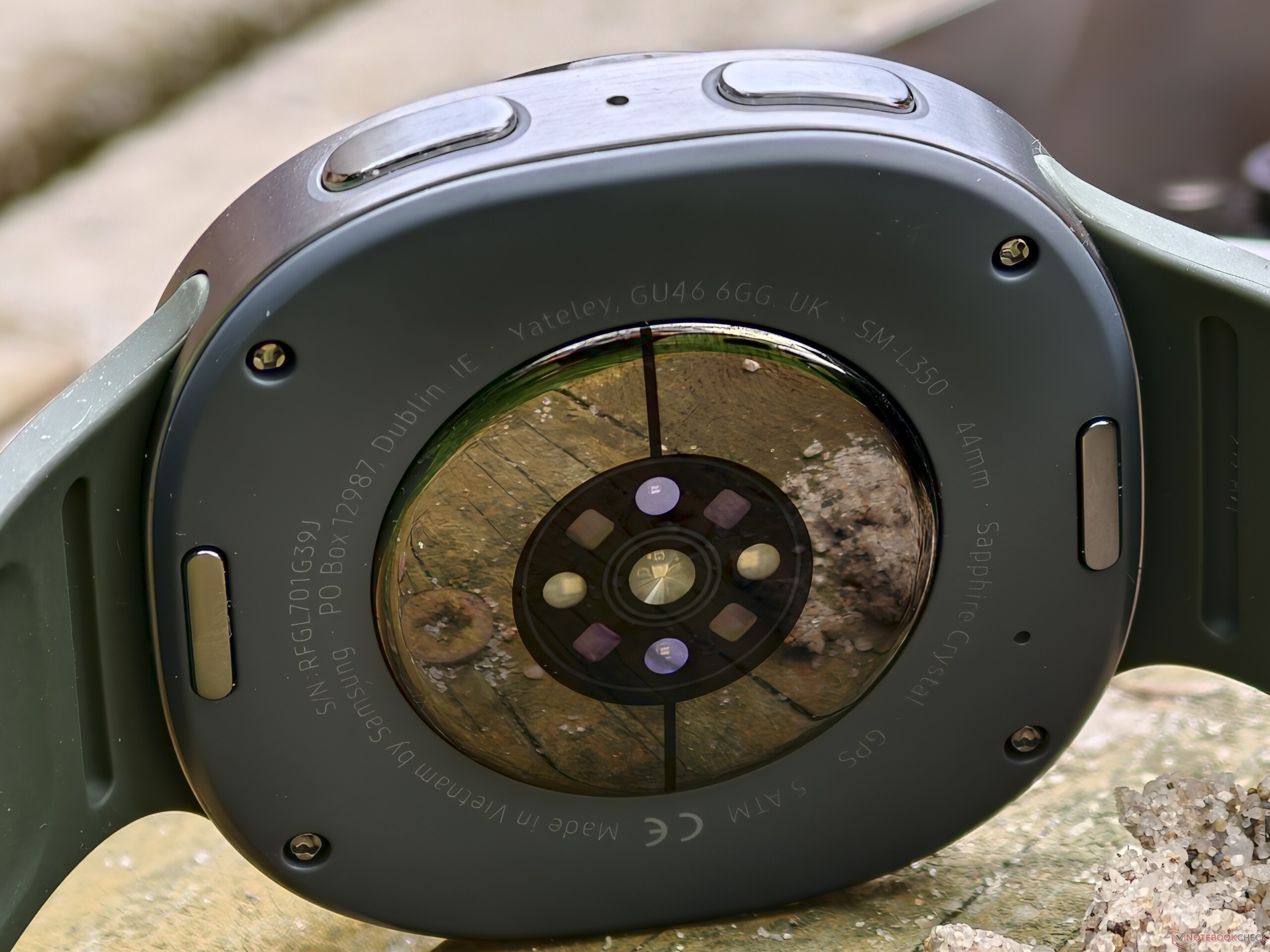
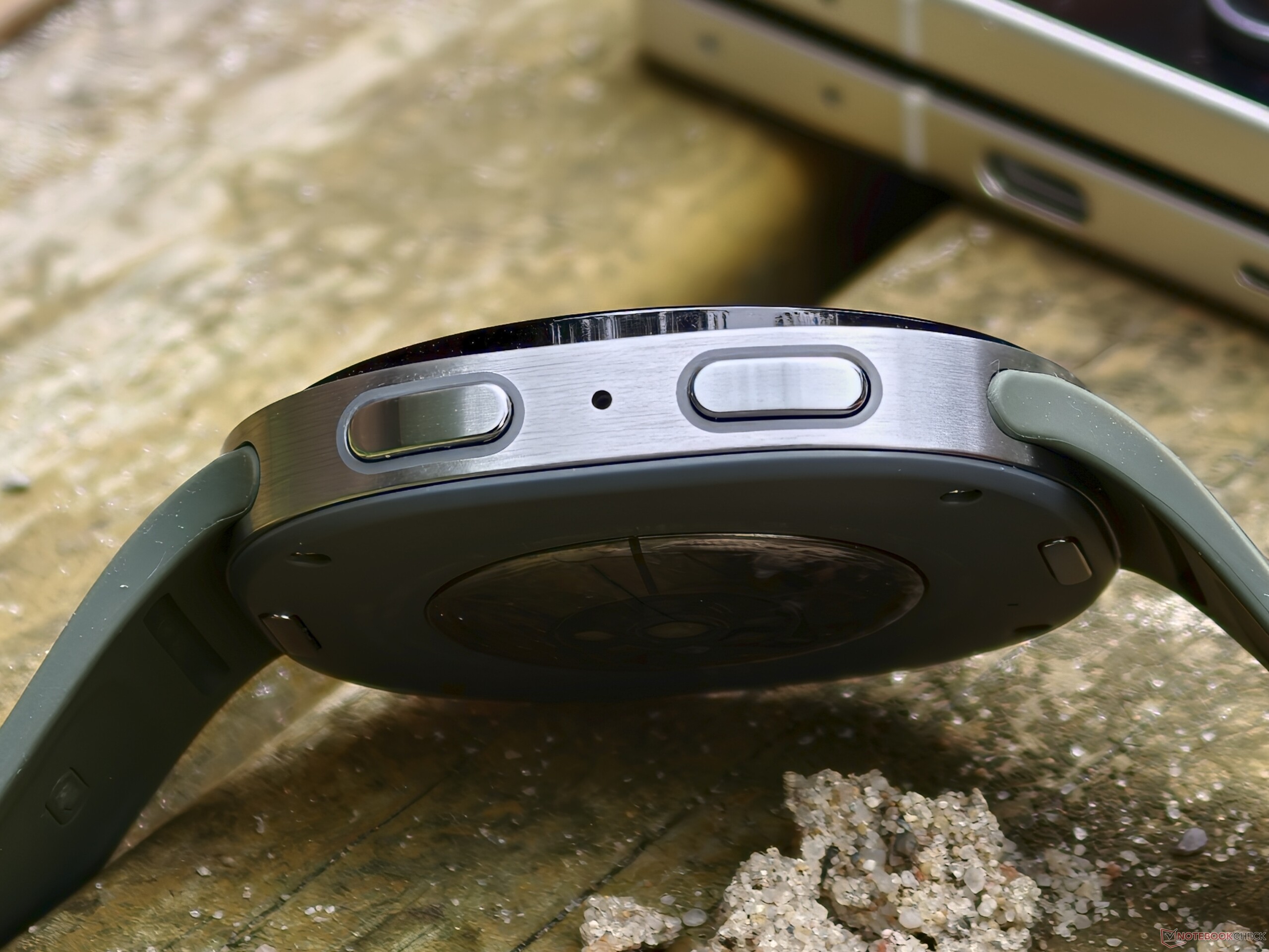
The BioActive sensor is located on the underside and is housed within a plastic element. The watch back also features buttons that allow the straps to be removed without tools. Samsung uses its own fastening system here.
The Galaxy Watch9 feels well made and is pleasantly light. Thanks to its 5 ATM, MIL-STD-810H, and IP68 ratings, it is also well protected against water and dust. Showering and swimming with the smartwatch are therefore perfectly safe, while scuba diving or jumping from a 10-meter platform are generally not recommended.
Sustainability - Samsung Galaxy Watch 9 without information on its carbon footprint
Unlike with smartphones and tablets, Samsung does not provide any information on the carbon footprint of its smartwatches or details about the materials used and their recyclability.
Setup and Operation - Samsung smartwatch with an incredible variety of Galaxy watch faces
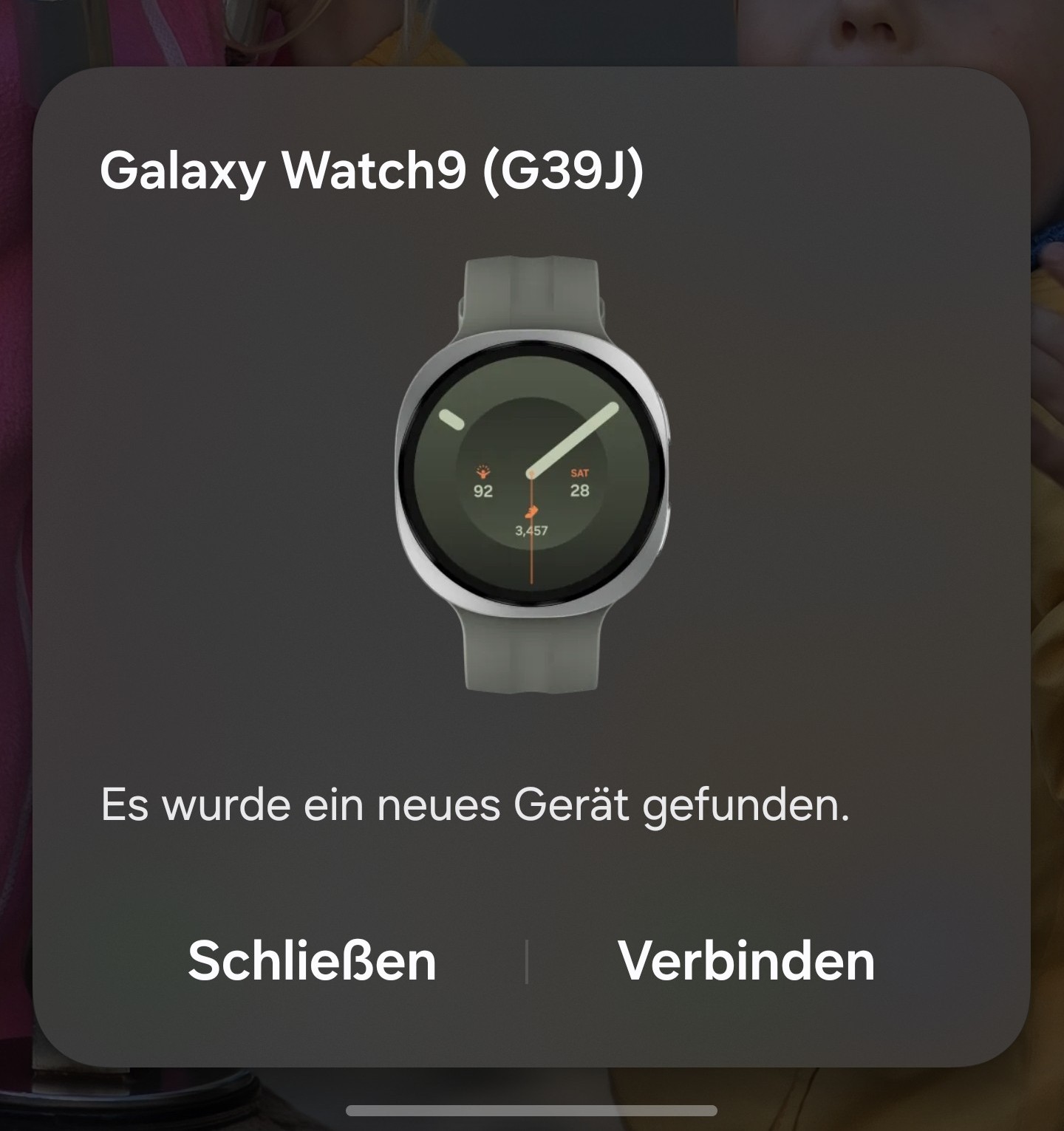
To set up and manage the Galaxy smartwatch, you need the Galaxy Wearable app from the Play Store. In our test, the Galaxy Watch9 was recognized by our Galaxy S25 Ultra immediately after it was turned on. The entire setup process is handled through the companion smartphone.
The Galaxy Wearable app features a well-structured, easy-to-navigate dashboard with shortcuts to all important settings. This is certainly a matter of taste, but we find the app visually appealing and intuitive. Tiles and the quick menu can be customized. Samsung also provides a very large selection of free watch faces, many of which offer extensive customization options. Owners of the LTE version can also set up their eSIM here.
Some settings, such as notifications, display options, and gestures, can be configured either through the smartphone app or directly on the smartwatch.
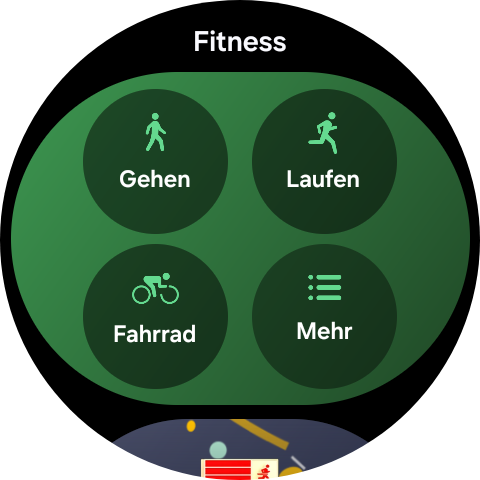
All health and fitness data is recorded in Samsung Health. The app provides a wealth of information on measured data such as heart rate and sleep. The Fitness section also offers numerous workout options, ranging from yoga to strength training. However, some content comes from third-party providers and requires payment.
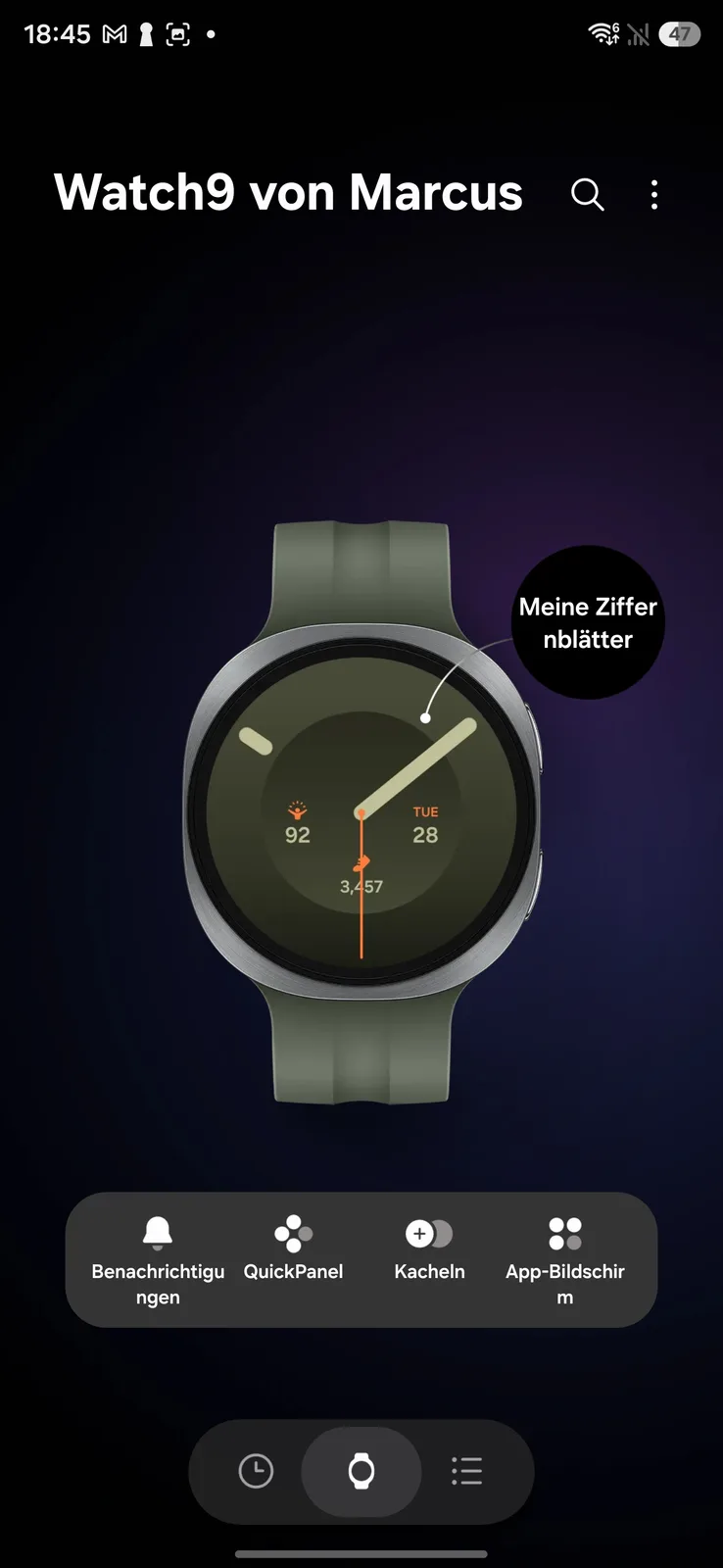
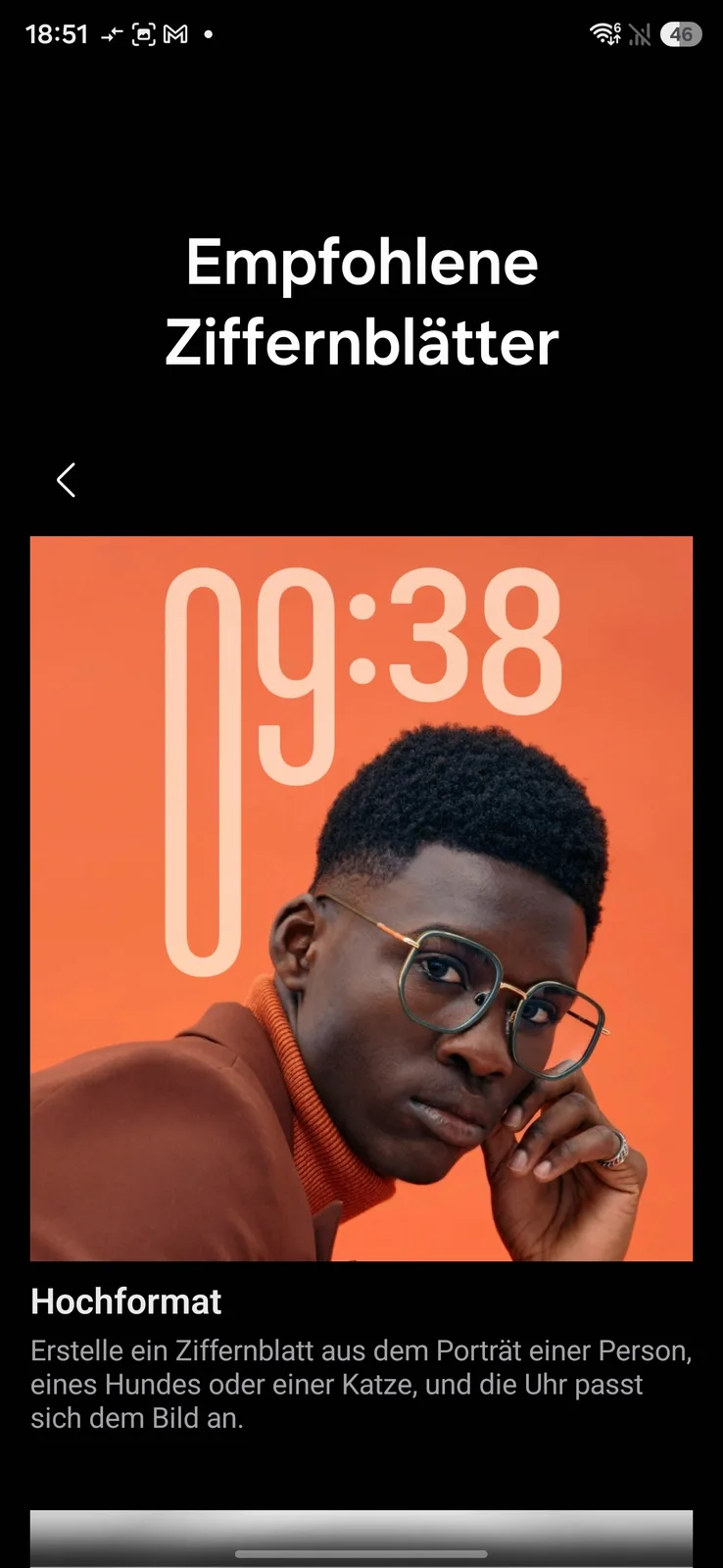
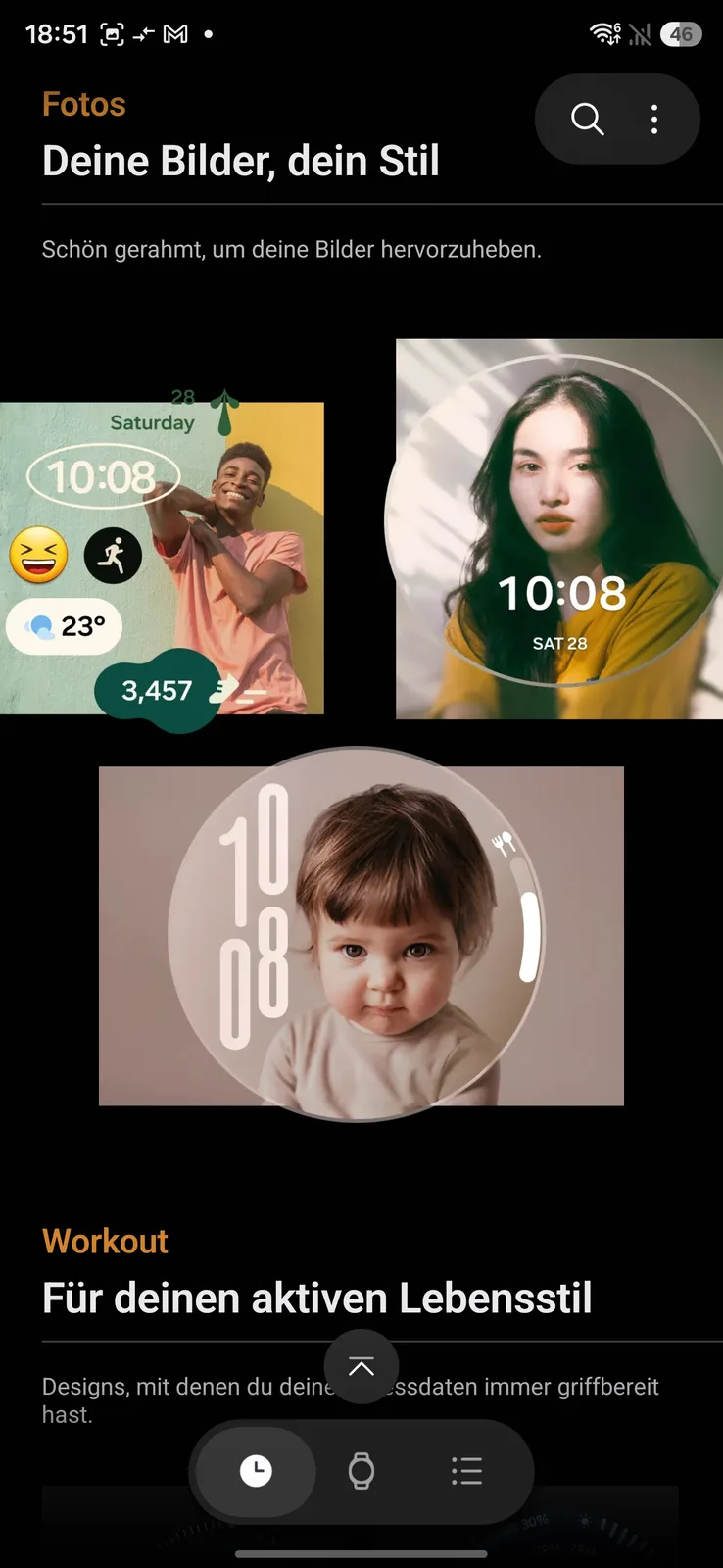
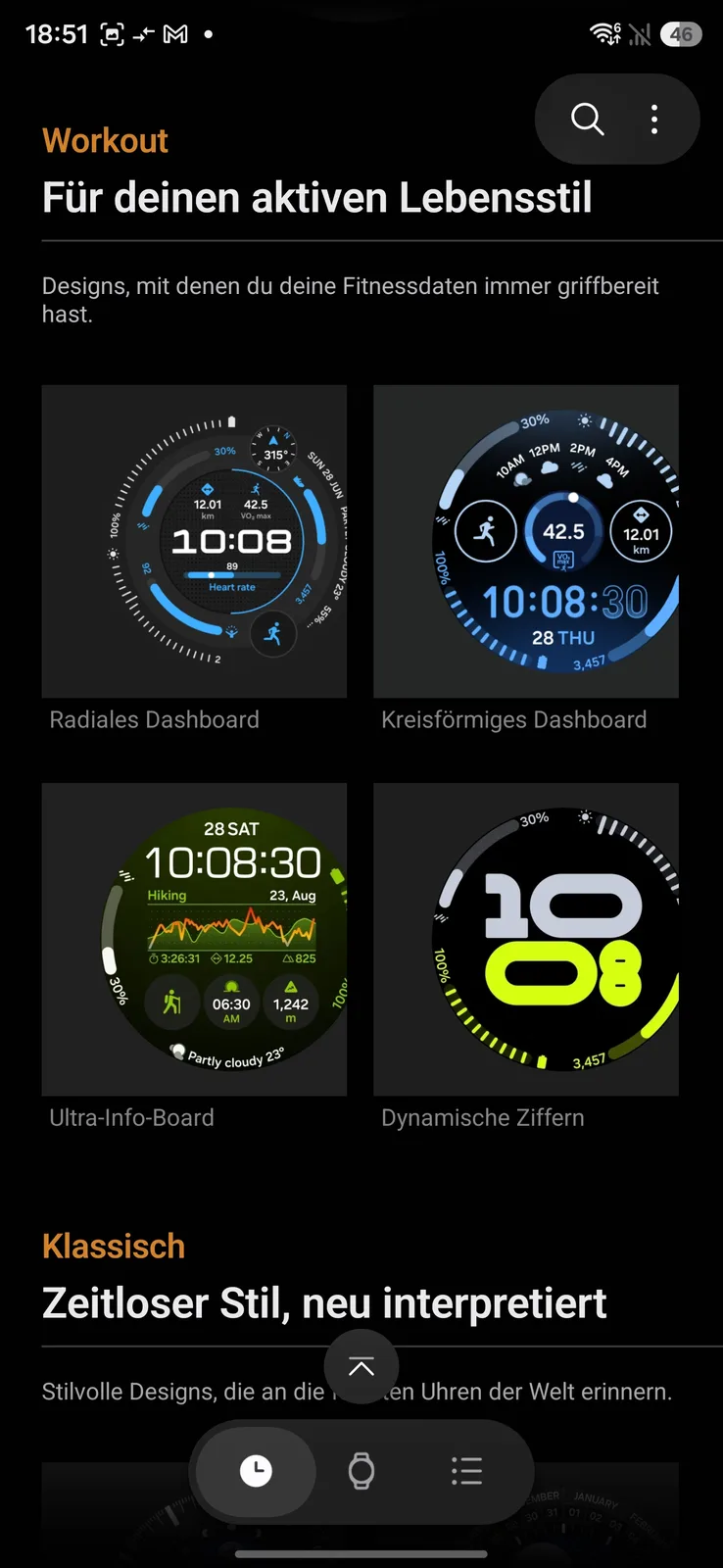
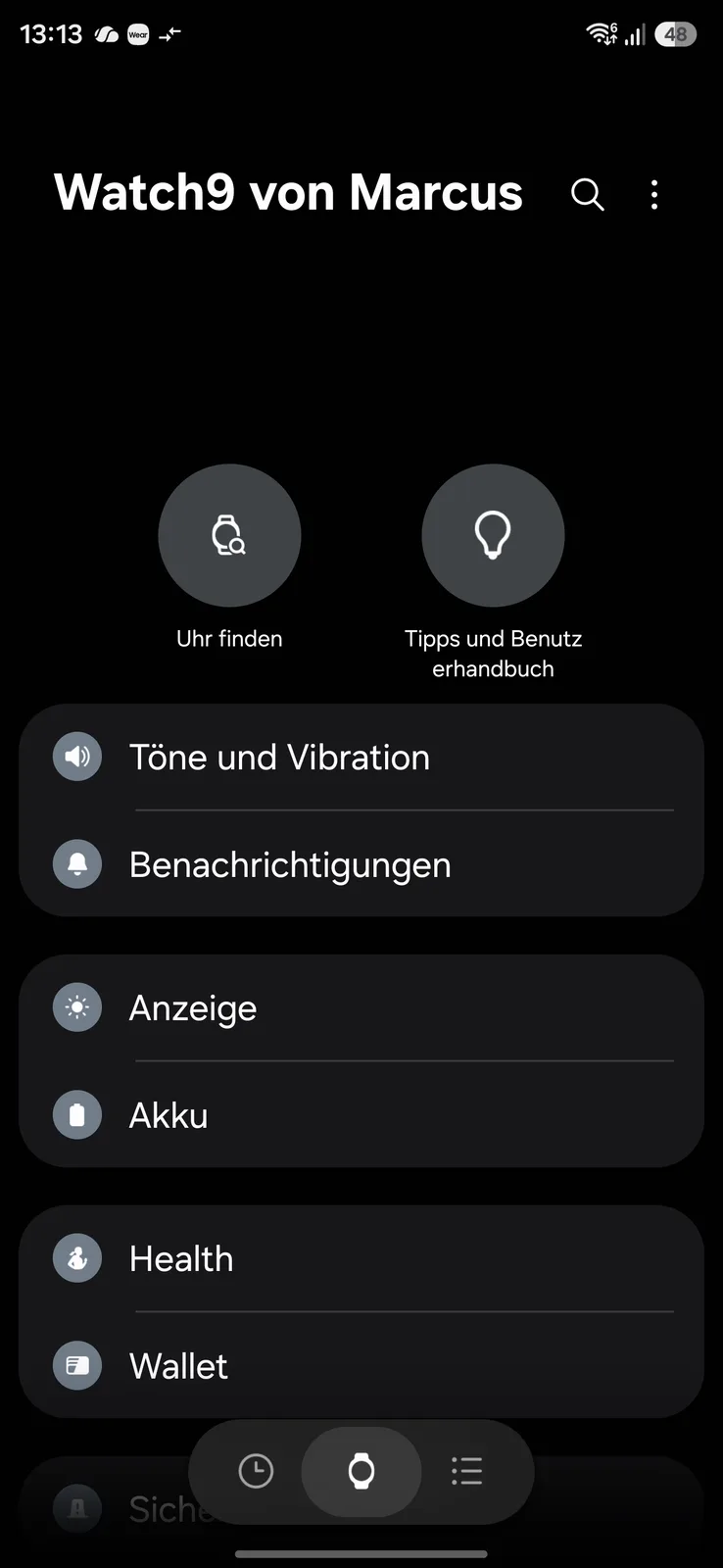
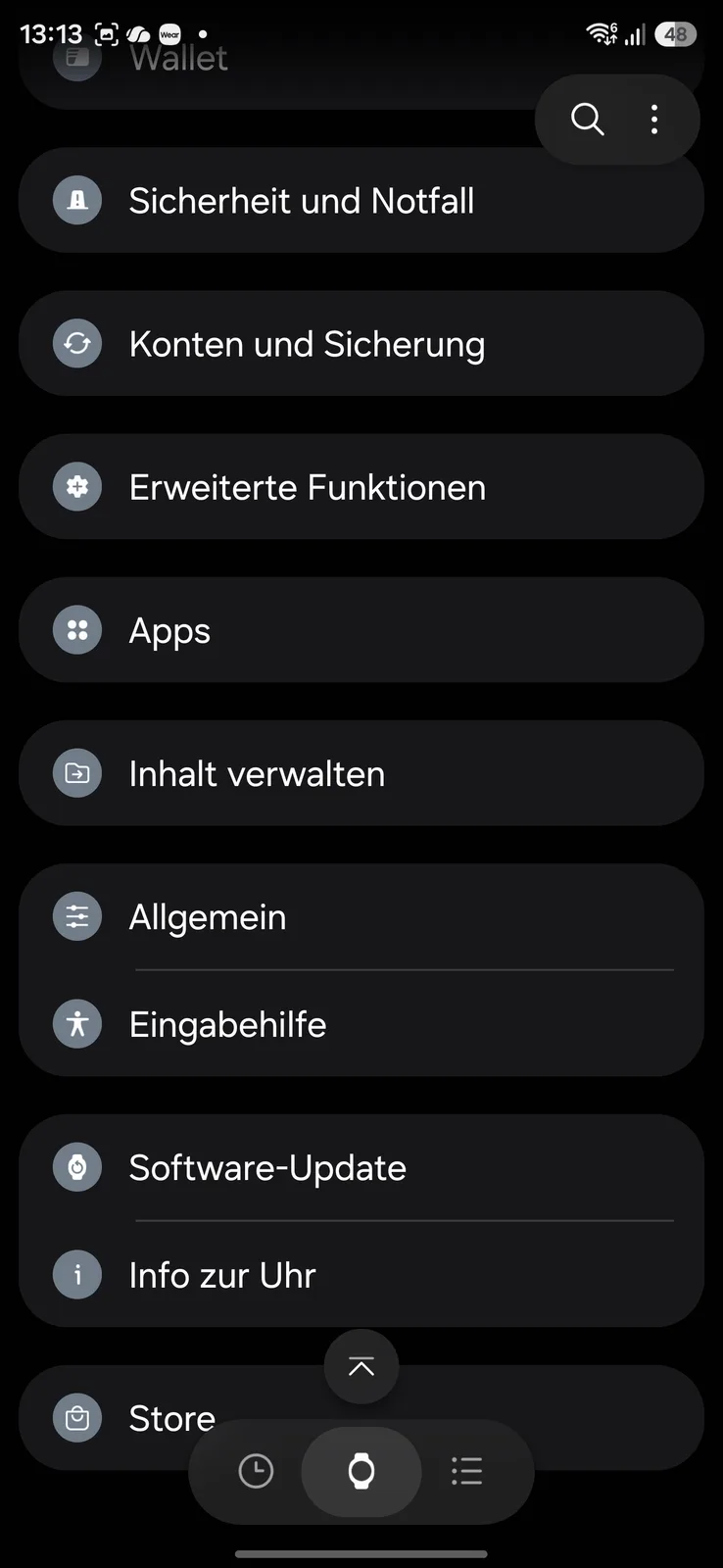
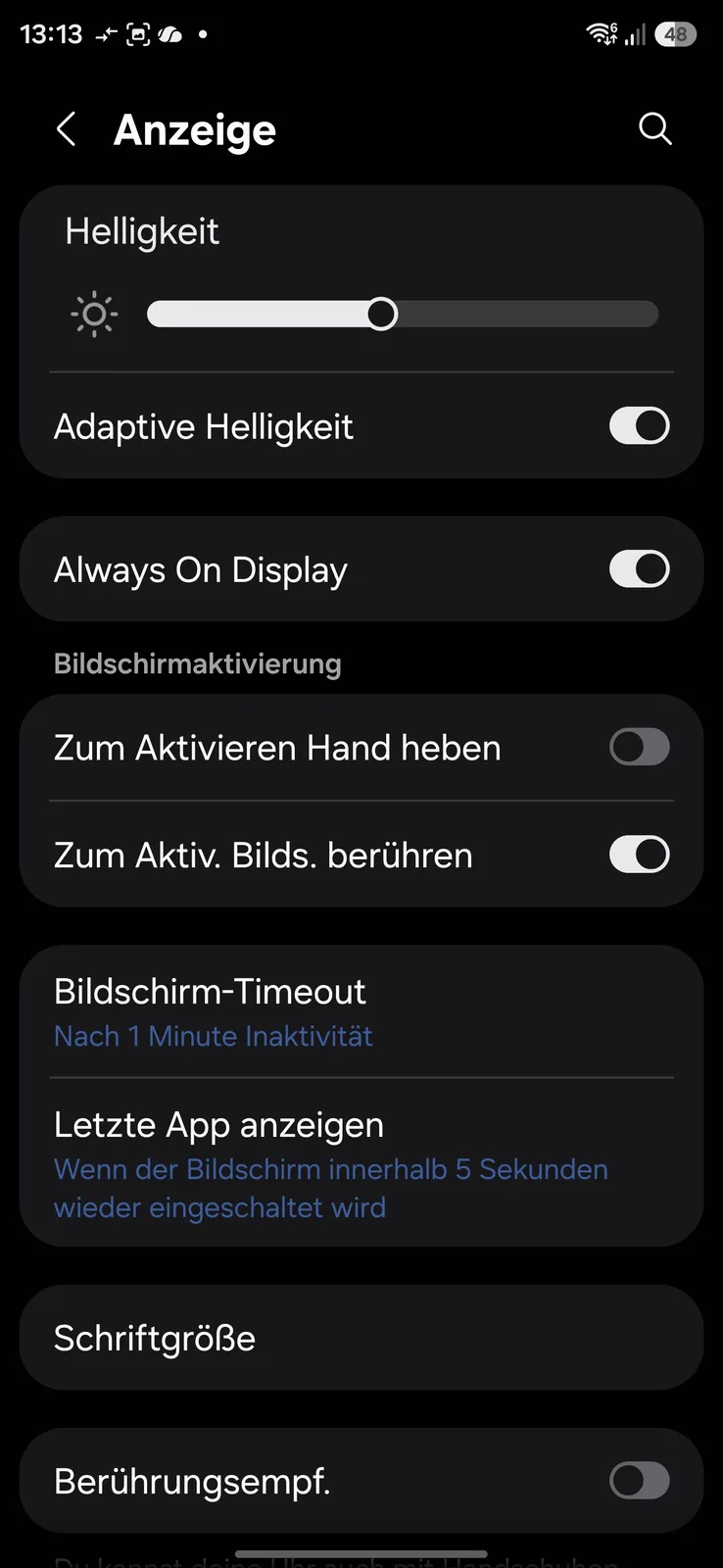
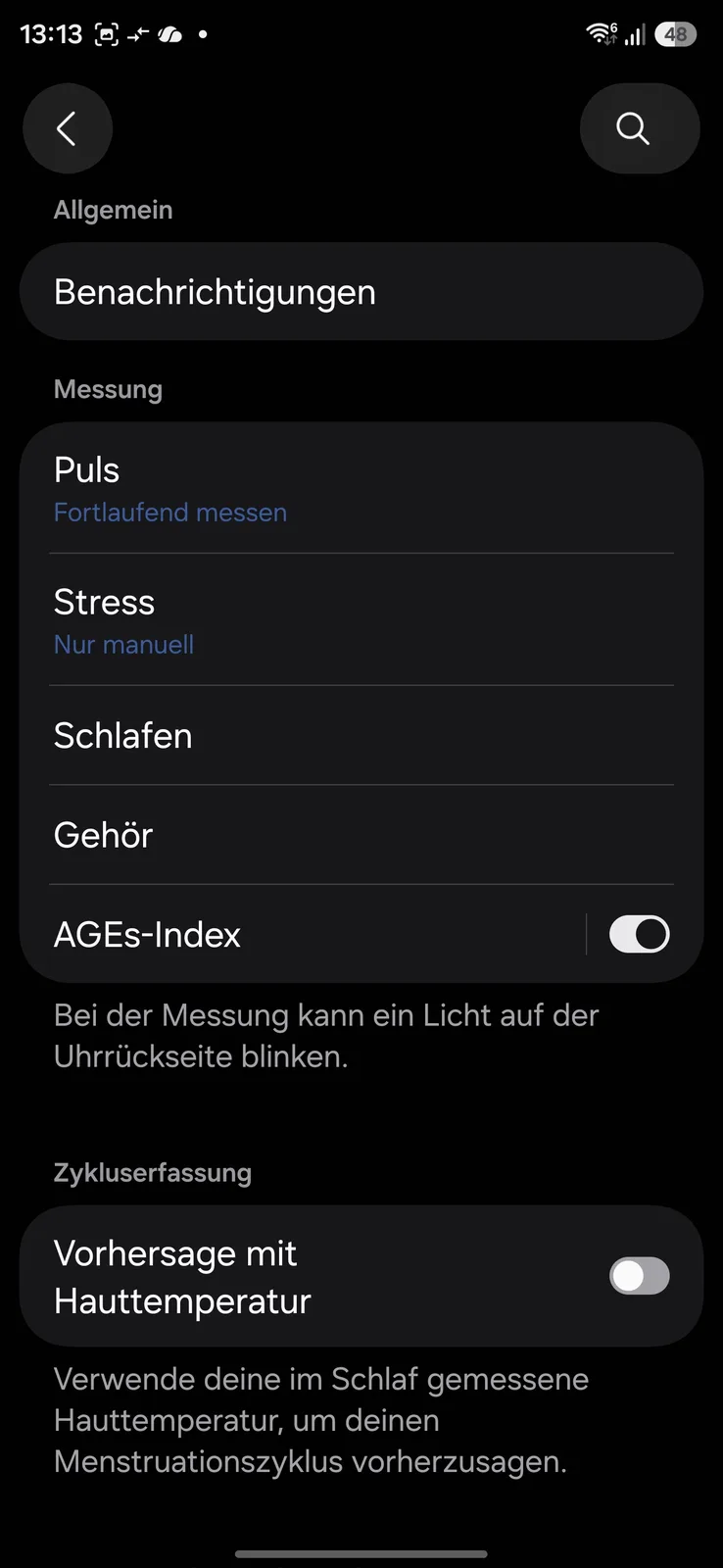
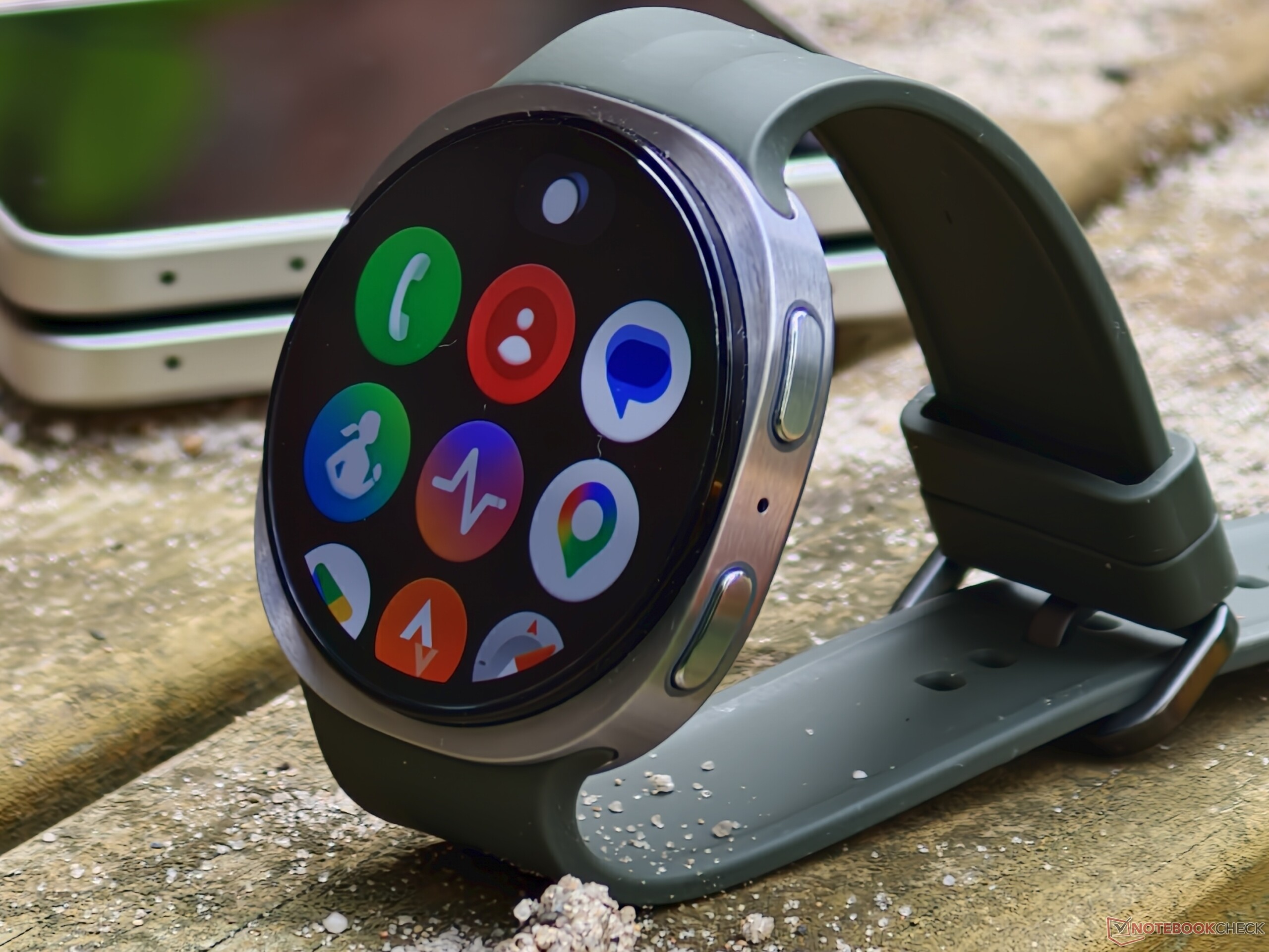
The Galaxy Watch9 is operated via an OLED display—in our case, a 1.5-inch panel—and two buttons. The digital bezel detects movements along the edge of the display, allowing users to scroll through menus.
Navigation is primarily handled through swipe gestures. Swiping from the left opens the notification center, while swiping from the right brings up the customizable information tiles. Swiping down from the top opens the quick settings menu, while swiping up from the bottom opens the app overview.
There are also two buttons on the right side of the case. The Home button returns to the watch face, opens the most recently used app with a double press, and launches the voice assistant with a long press. The Back button goes back one step or, by default, opens Samsung Wallet with a long press.
The smartwatch also supports a double-tap gesture with the thumb and index finger. Its function depends on the context and can be used, for example, to control music playback or end a call. In our testing, gesture recognition worked reliably.
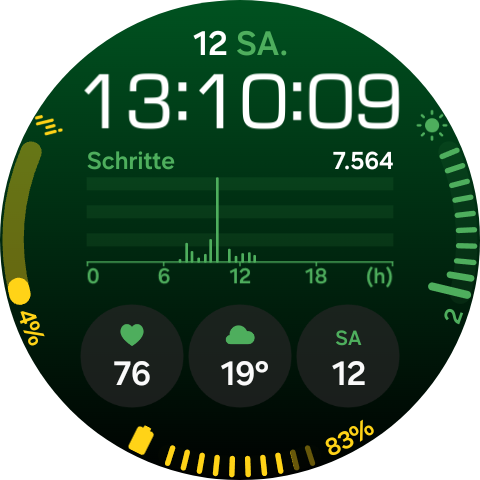
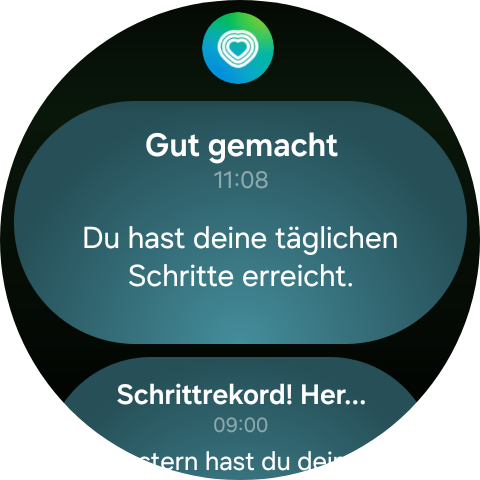
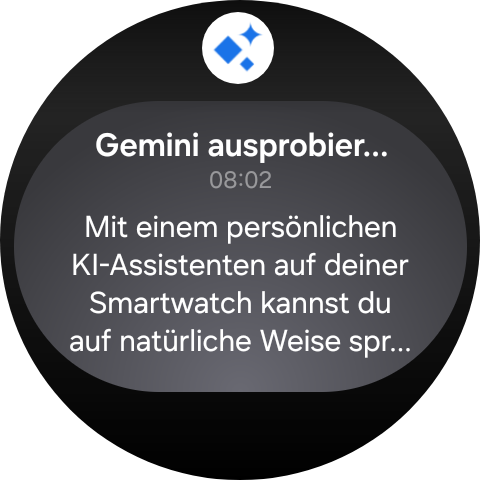
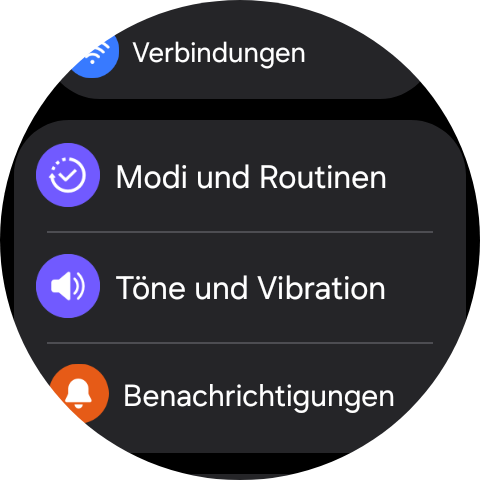
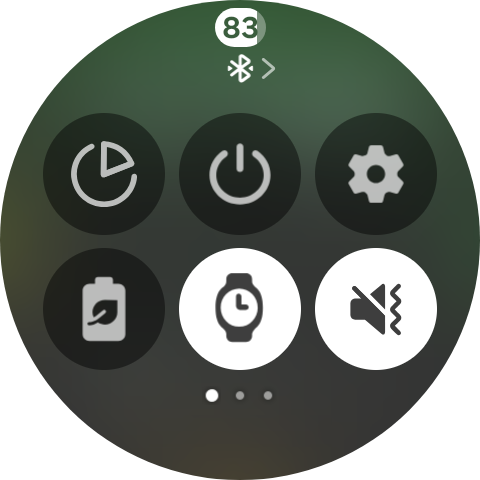
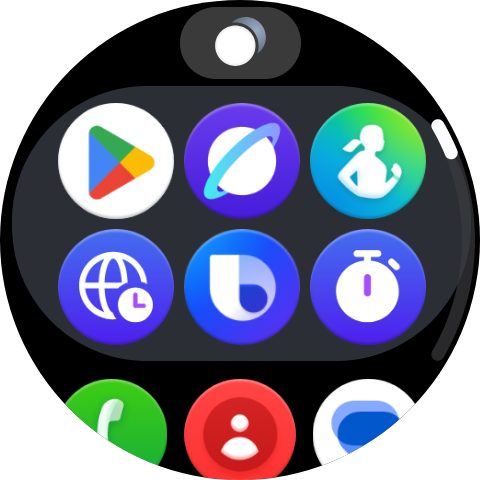
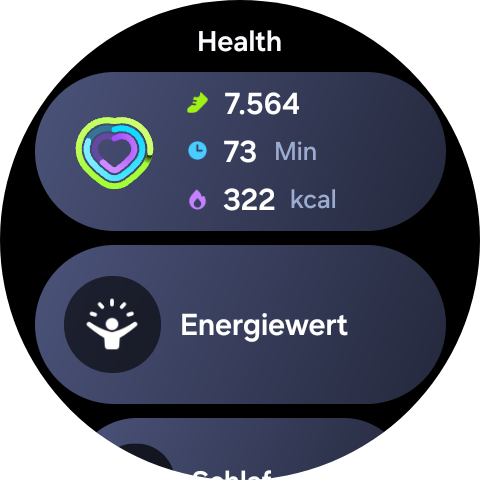

Phone Calls and Notifications — Thanks to eSIM, the LTE version of the Galaxy Watch9 can make calls without a paired smartphone
The Galaxy Watch9 features a speaker and microphone, allowing calls to be made directly from the Samsung smartwatch. In our testing, call quality was convincing, with sufficient volume and clear voice reproduction—our call partners even praised the audio quality. For short calls, the Watch9 is therefore a useful alternative to a paired smartphone.
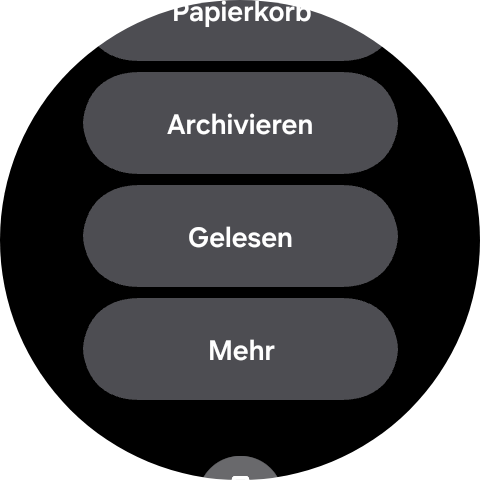
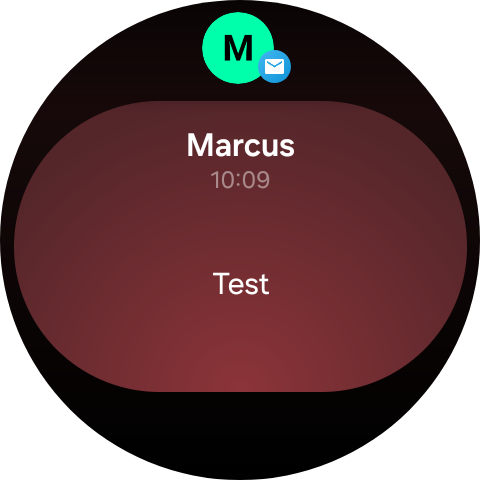
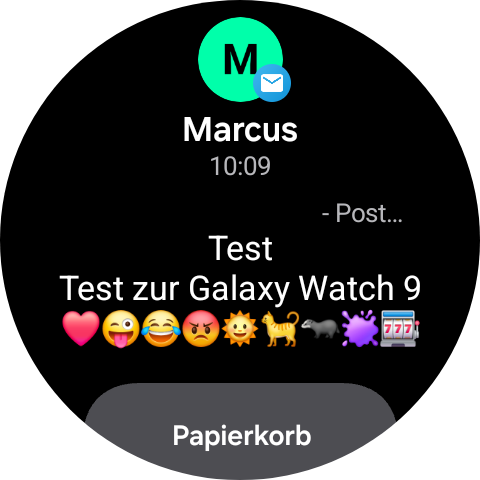
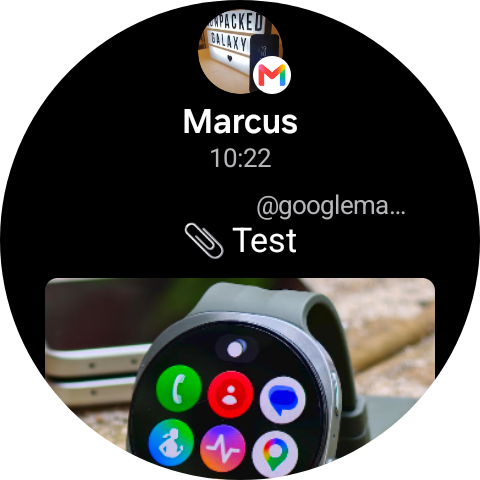
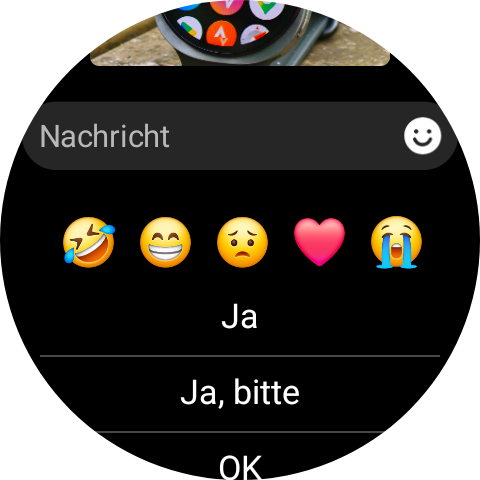
The Phone app provides access to contacts, call logs, and a keypad for manual dialing. Notifications, including emojis, are displayed reliably. However, images are not always shown on the smartwatch, and replies via quick responses, voice input, or the reasonably usable keyboard are only supported by certain apps. For example, emails are displayed without image attachments by default. After installing the Gmail app, however, emails from a Google account can also include photos and reply options.
WhatsApp is available as a standalone app, allowing chats to be started directly from the watch.
Voice Assistant - Samsung relies on Bixby for its smartwatch
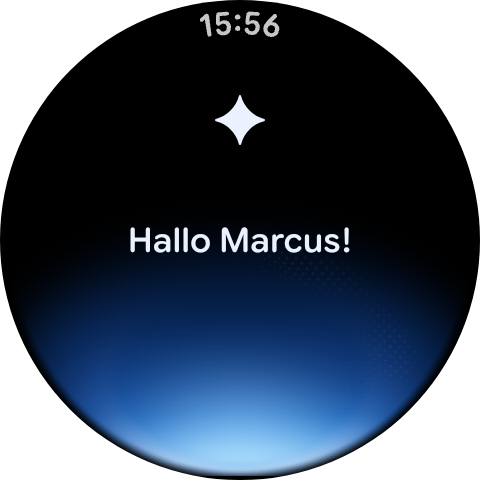
The Galaxy Watch9 comes with Samsung’s Bixby voice assistant preinstalled. Thanks to Wear OS, however, Google Assistant and Amazon Alexa can also be used.
Health and Fitness - Galaxy smartwatch with numerous health features
The data collected by the Galaxy Watch9 is processed in the Samsung Health app. The home screen provides an overview of health metrics such as steps, sleep data, body composition—including muscle mass, fat, and water—as well as vital and activity data.
Continuously recorded heart rate and nighttime blood oxygen readings are displayed only as a range. This makes it more difficult to analyze heart rate trends over the course of the day and night. Measurement errors, such as inaccurate nighttime blood oxygen readings caused by the smartwatch shifting on the wrist, are therefore difficult to identify.
Activity Goals - Samsung with a heart
Samsung visualizes progress toward activity goals using its familiar heart-shaped chart, which fills up as progress is made. The colors represent steps, active time, and calories burned. The Health app also displays additional details, such as workout highlights.
In addition to health data, the Health app offers breathing and mindfulness exercises as well as various “coaches,” for example for sleep and running. The latter is also intended to benefit from Galaxy AI, with recorded data being used to create personalized workouts.
Heart Rate, Heart Rhythm, and Blood Oxygen Saturation—Watch9 with accurate data
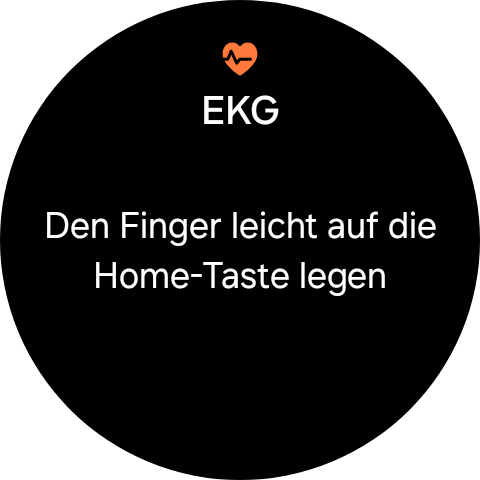
In addition to heart rate and blood oxygen saturation, the Galaxy Watch9 can also measure ECG and blood pressure. However, these features require a Samsung smartphone and the Samsung Health Monitor app; otherwise, ECG and blood pressure measurements are unavailable.
Since blood pressure is determined optically and is therefore an estimate, the Galaxy Watch9 must be calibrated with a blood pressure monitor at least once every four weeks. As a result, the absolute readings are only as reliable as the accuracy of the cuff-based blood pressure measurement used for calibration. For users who want to measure blood pressure with a smartwatch, we recommend our review of the Huawei Watch D3.
For comparison, we used a Braun ExacFit 5 Connect as our reference device. It is certified for a deviation of ±3 mmHg. Based on the average of three measurements, the systolic reading showed a deviation of 1.1%, while the diastolic reading deviated by an average of 0.4%. There was no clear tendency toward either overestimation or underestimation. However, you can read this article to learn more about the limitations of smartwatch testing.
For blood oxygen saturation measurements, we used a Braun Pulse Oximeter 1 as our reference device. Across our three measurements, the average deviation was 0.7%, with the Watch9 differing from the pulse oximeter in only one measurement, by -2%.
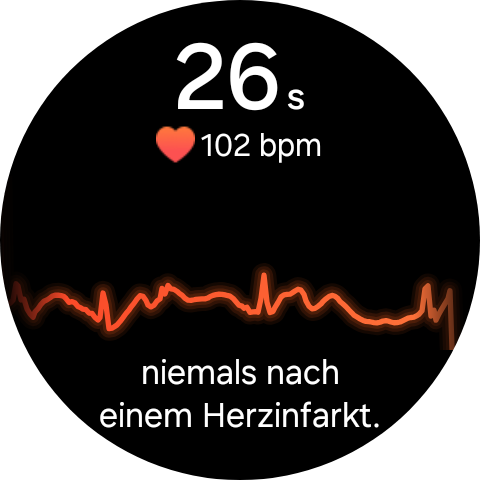
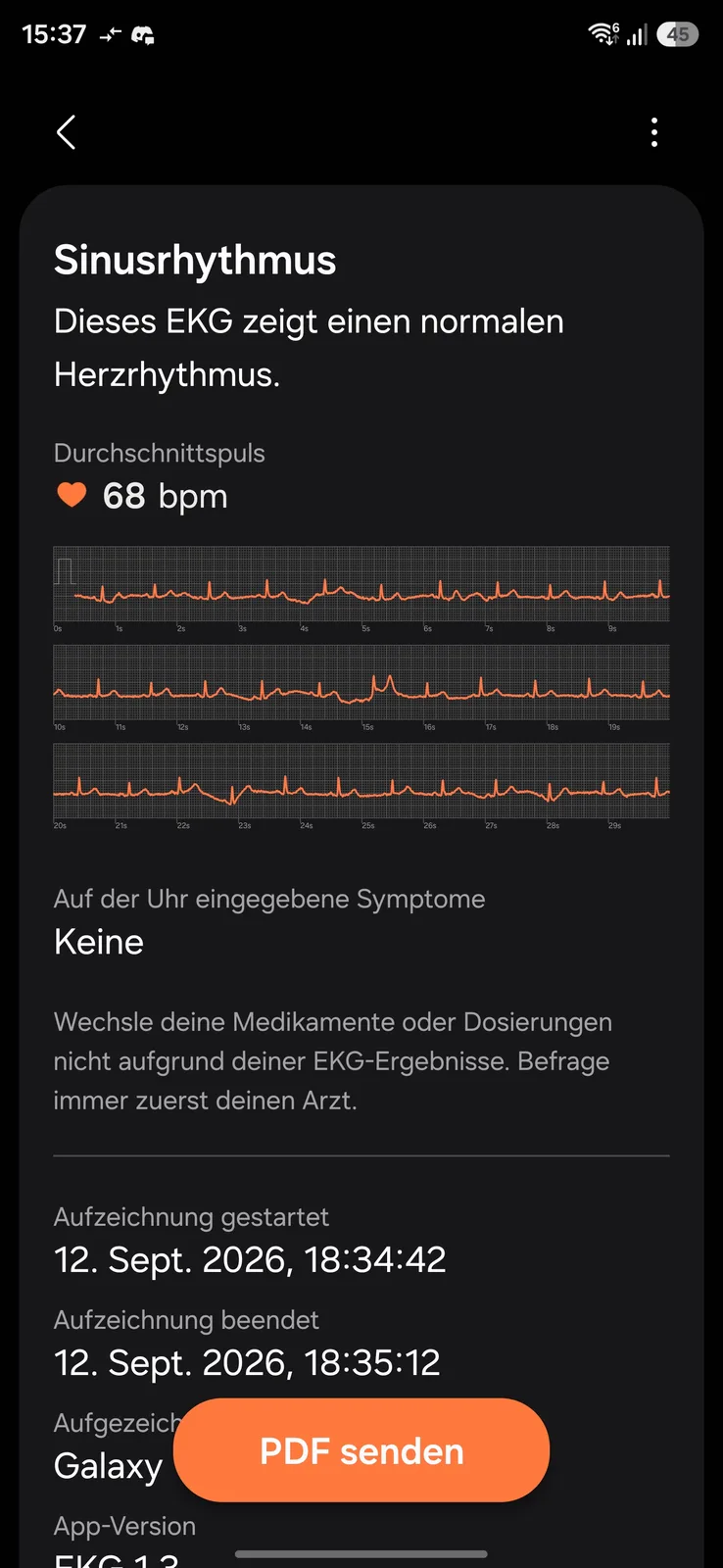
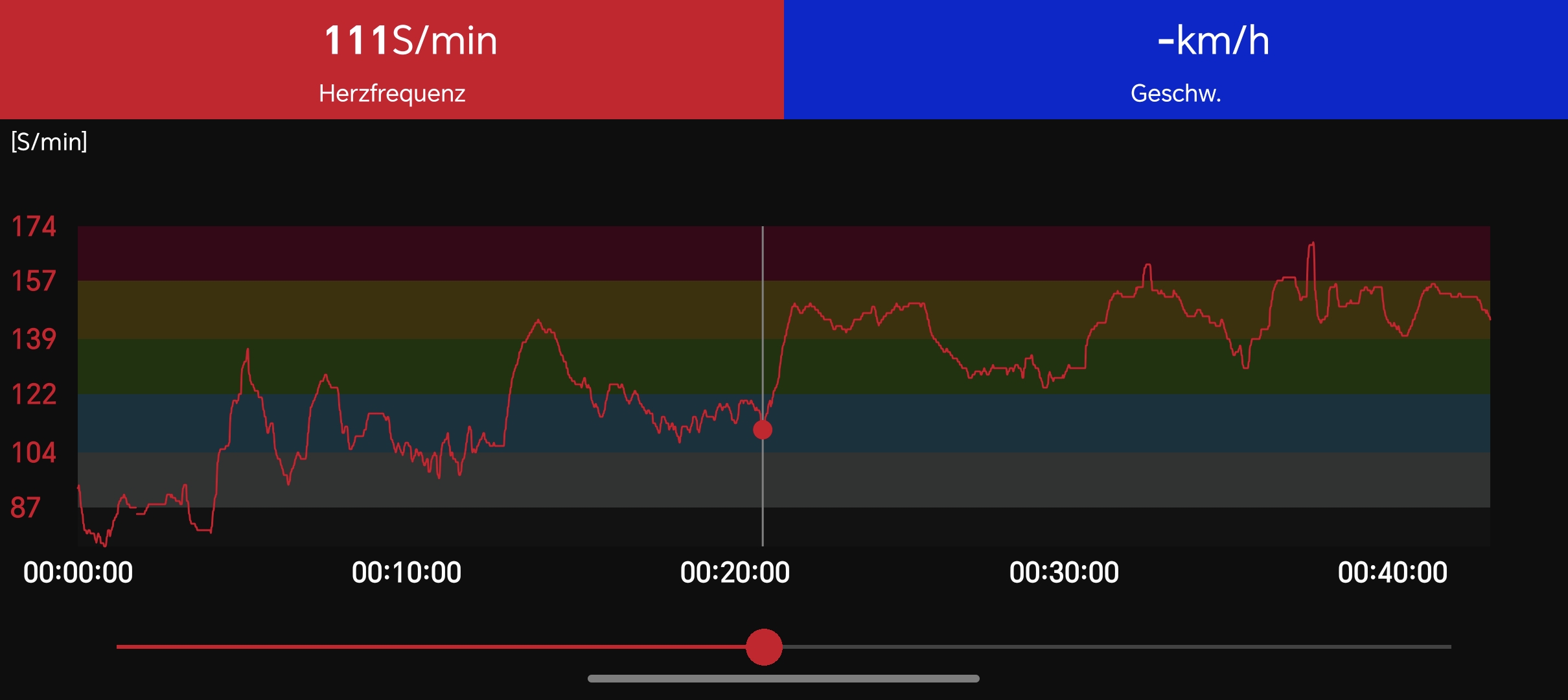
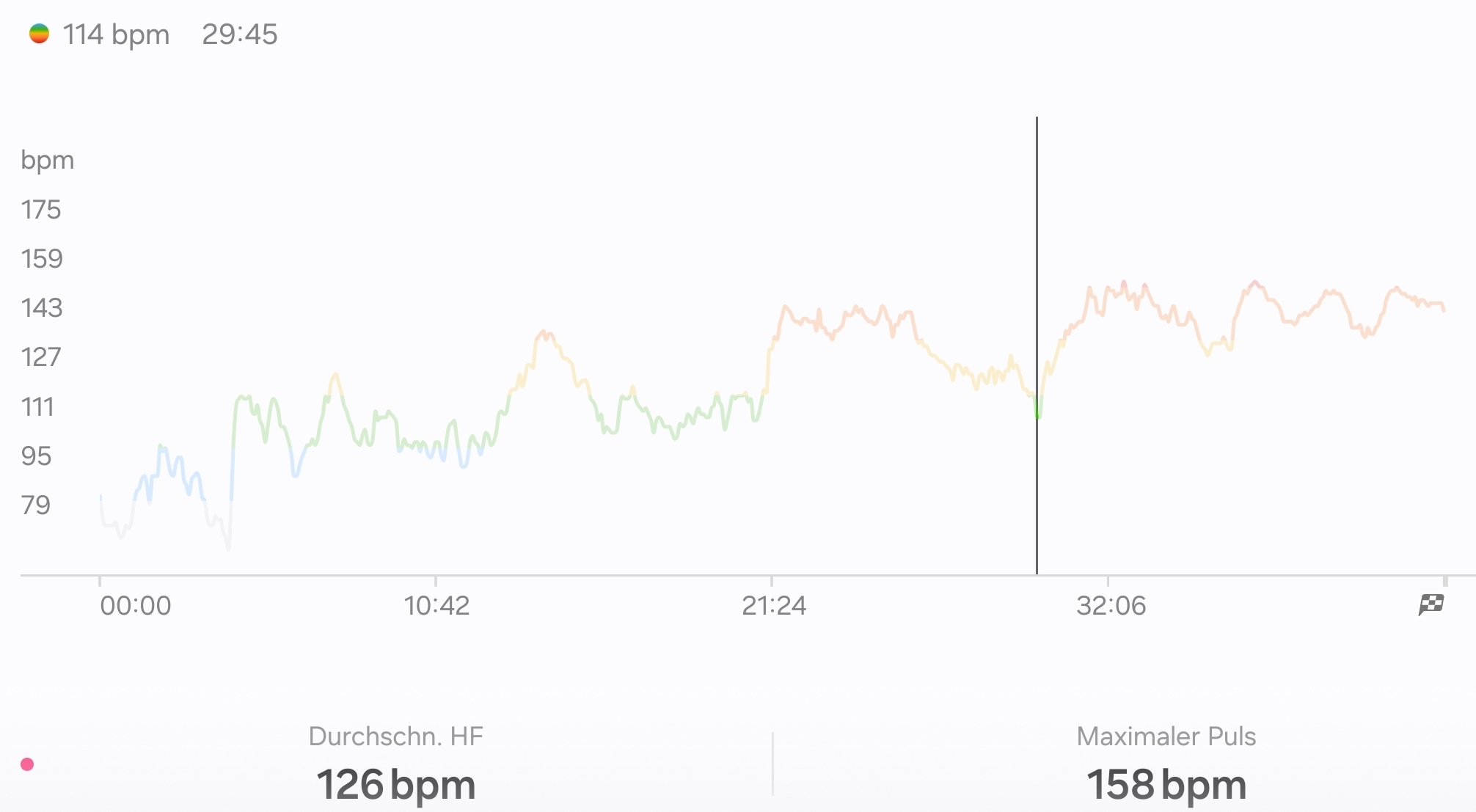
Finally, we took a closer look at the heart rate data. To better assess the measurements, we compared the data recorded by the Samsung smartwatch with readings from a Polar H10 chest strap.
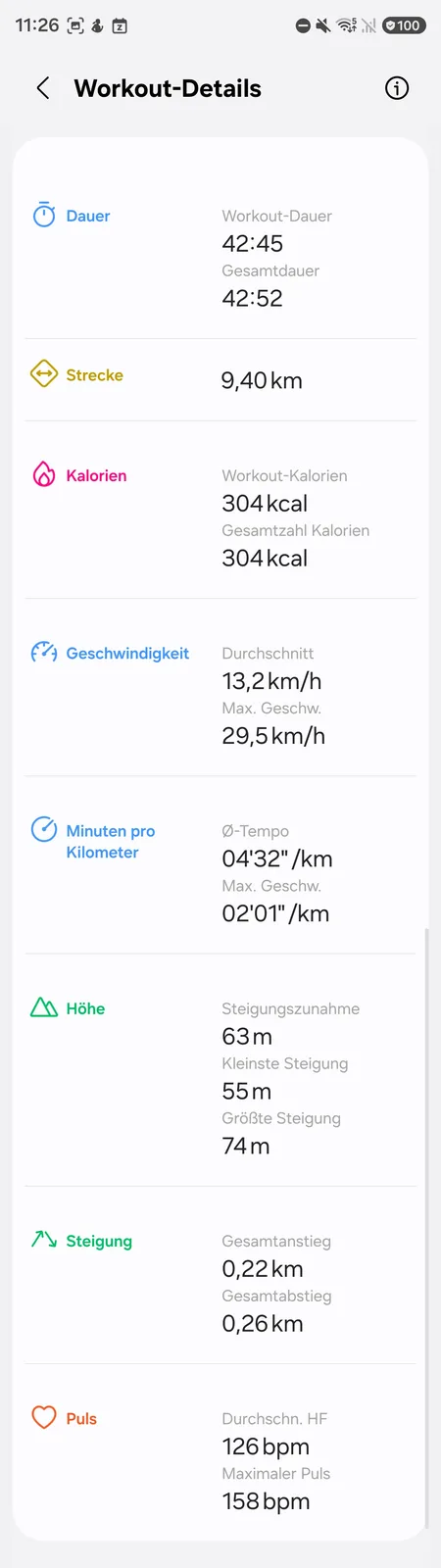
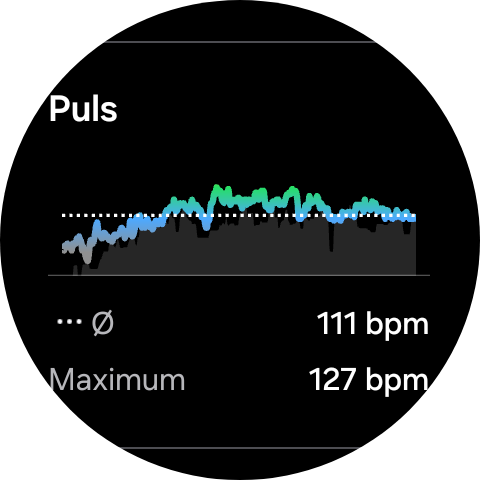
We measured exercise heart rate during a bike ride. The average deviation was 4.3 beats per minute, or 1.5% (n=3). At rest, the readings were identical.

Sleep Tracking - Samsung smartwatch with extensive sleep data
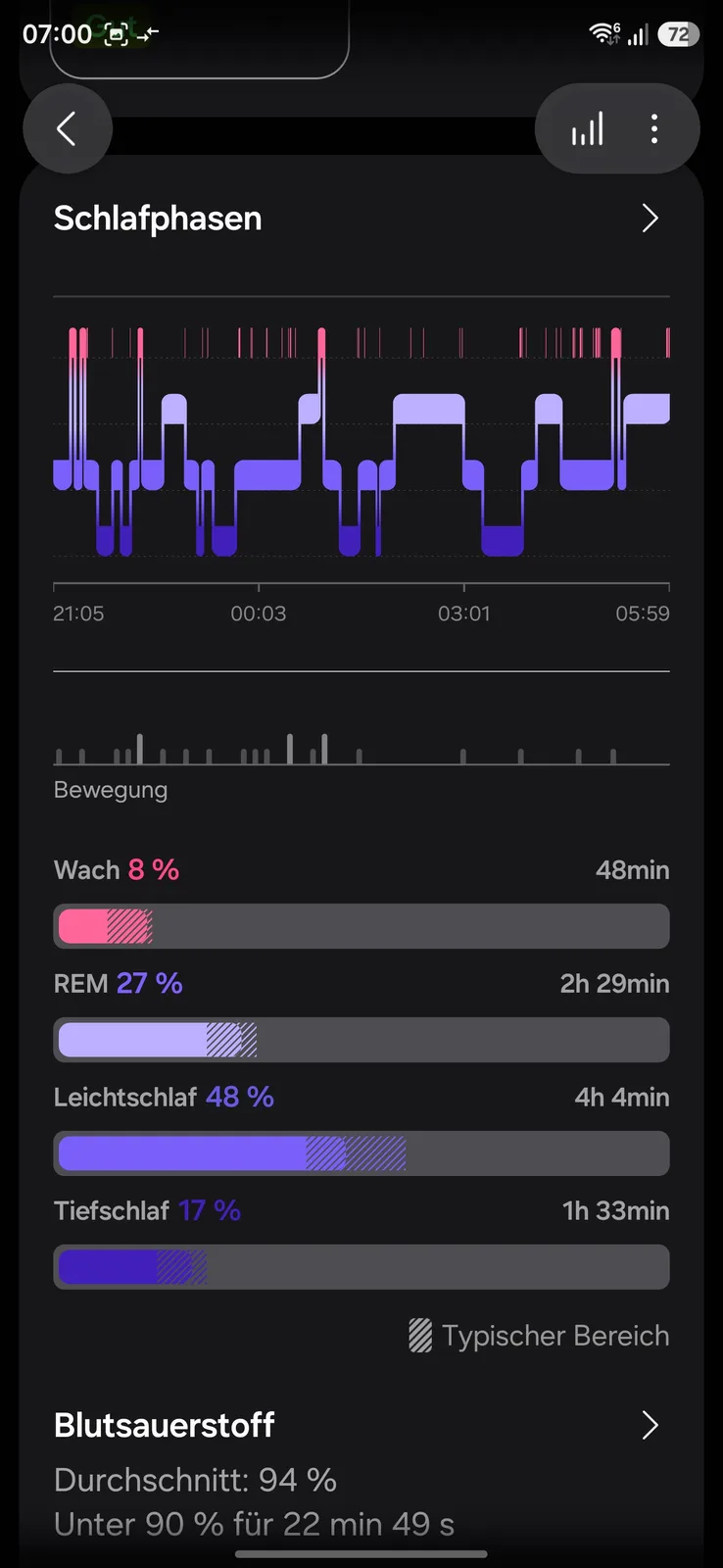
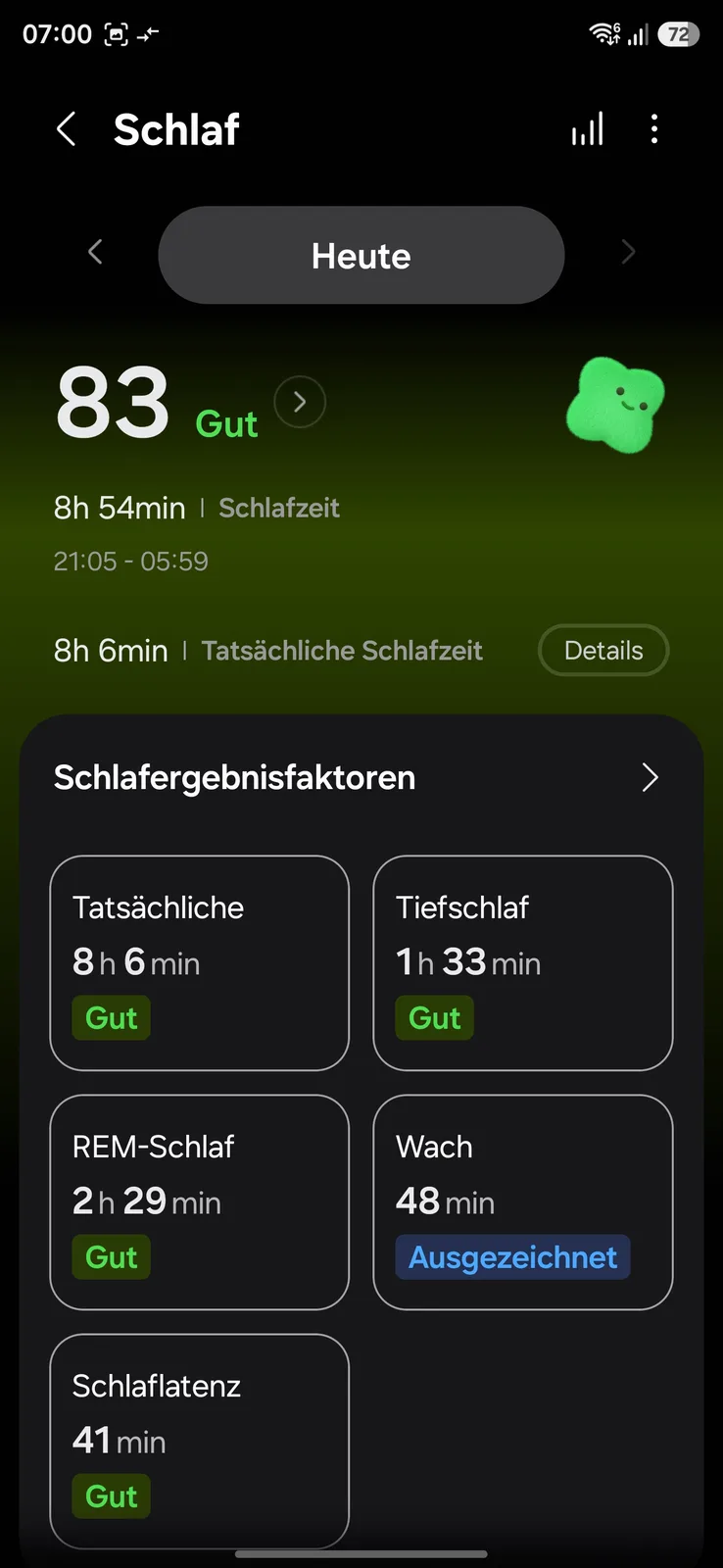
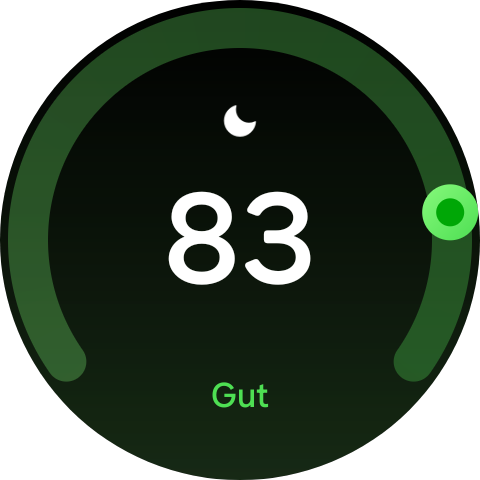
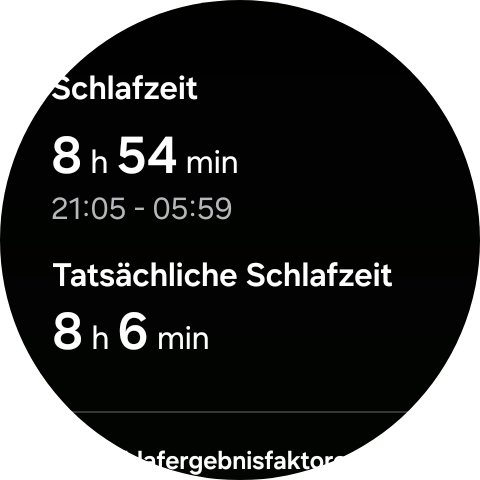
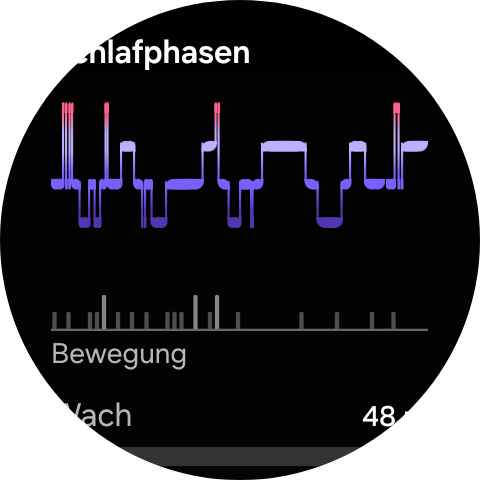
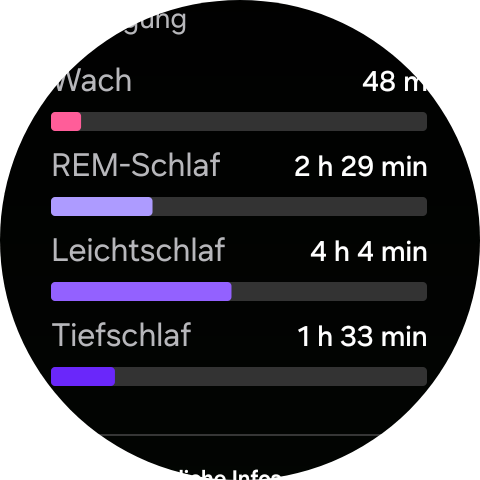
As with its predecessor, sleep tracking on the Galaxy Watch9 is quite comprehensive. It records sleep duration as well as light, deep, and REM sleep stages. Even brief periods of wakefulness were reliably detected in our test. However, the recorded sleep start and end times are not always accurate.
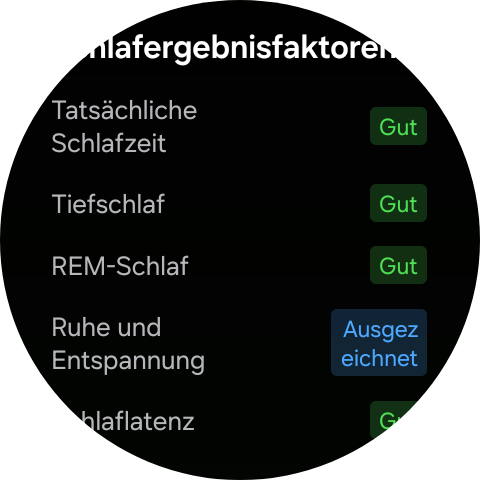
To assess sleep quality, Samsung assigns a sleep score from 0 to 100, which is also compared with those of users in the same age group. The assessment takes into account sleep duration, physical and mental recovery, rest periods, and sleep cycles.
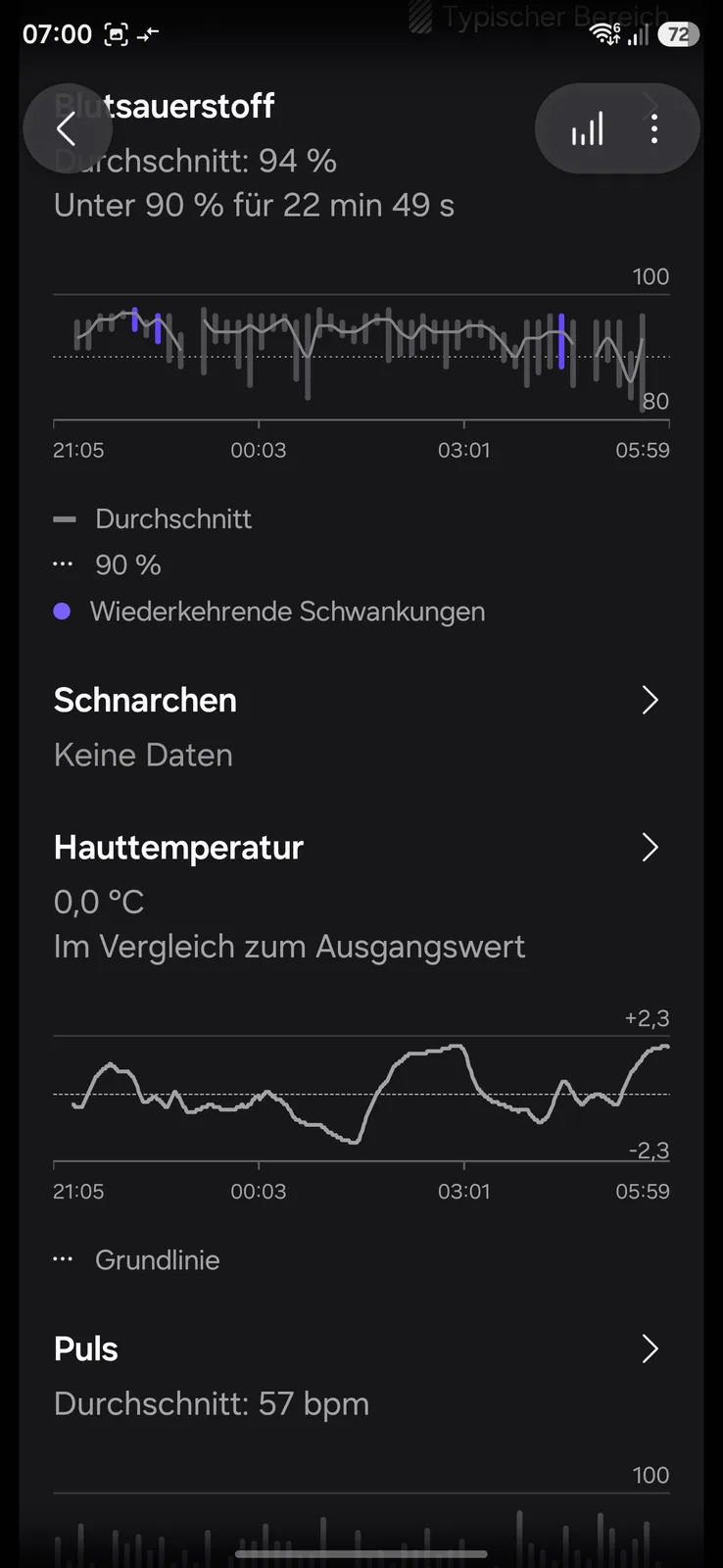
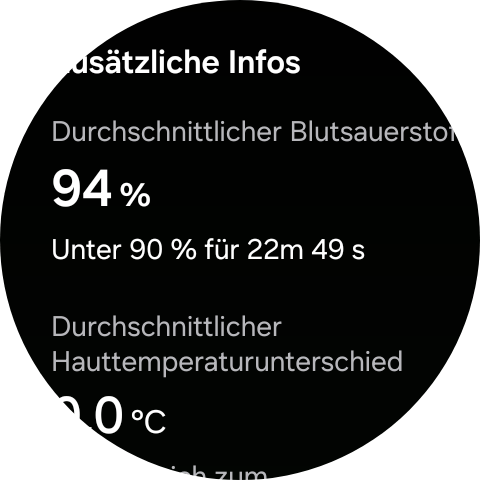
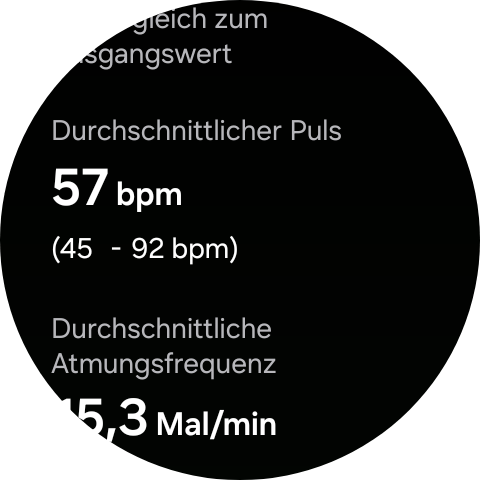
If enabled by the user, the smartwatch also measures blood oxygen saturation, skin temperature, heart rate, and respiratory rate during sleep. Snore detection is also available, but it requires a paired smartphone to be placed near the bed at night. Samsung smartphone owners can also use the Monitor app to monitor possible sleep apnea.
With the update to the new One UI 9.0 Watch, the recorded measurements are now combined after waking and evaluated as part of a vital-signs analysis. If significant deviations are detected, the Watch9 issues a notification to help users better recognize changes in their well-being.
Workout Tracking - Over 100 different workouts with the Galaxy Watch 9
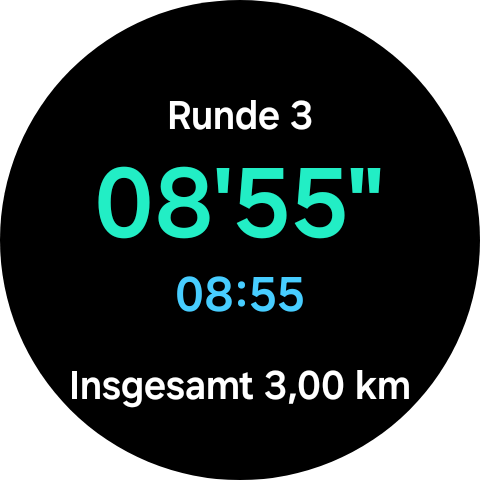
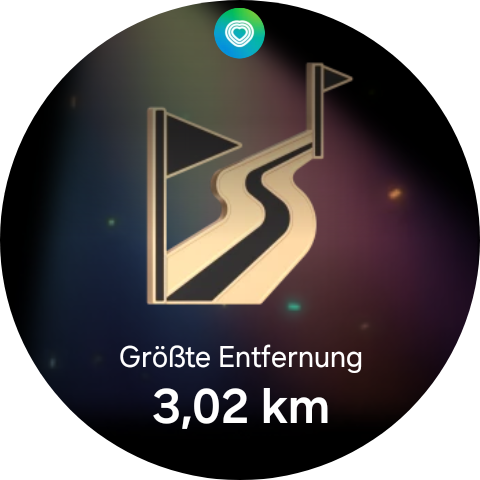
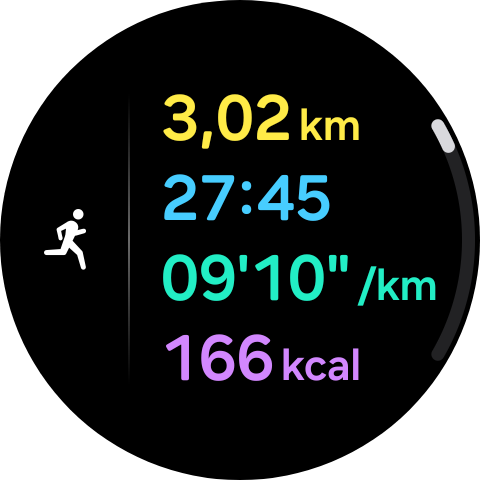
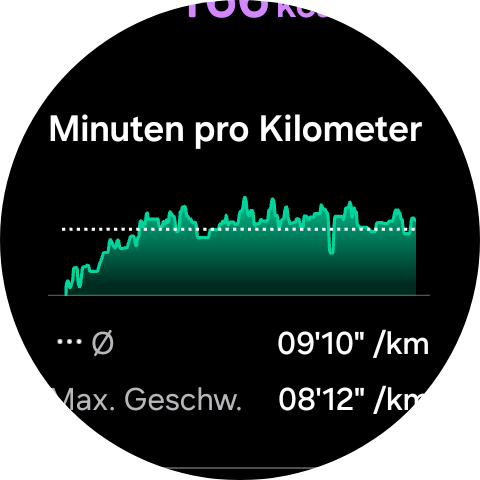
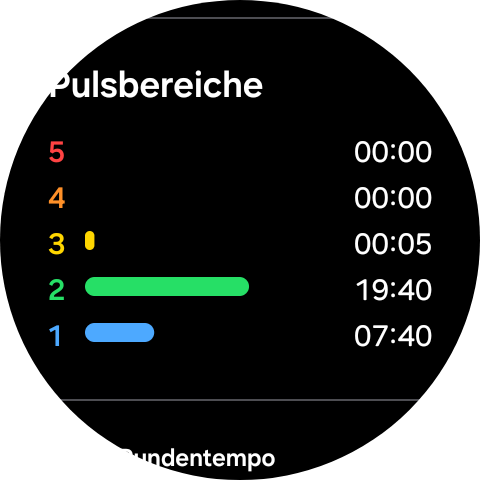
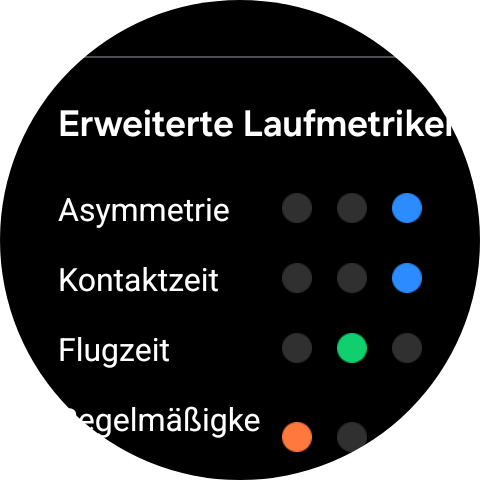
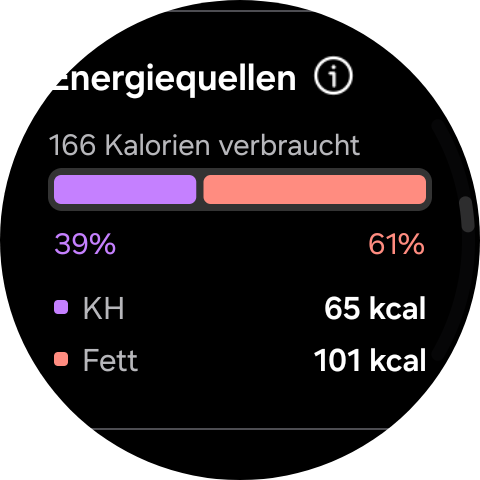
The Watch9 supports tracking for more than 100 different workouts and sports, along with the familiar automatic detection of core activities such as walking, running, cycling, and elliptical training. In our test, the first two activities were detected quite reliably and recognized on the smartwatch after 10 minutes.
A new feature is the Fitness Index, which is intended to help users better track their training progress. To do this, the Watch9 analyzes heart rate, maximum oxygen uptake (VO₂max), and daily step count. Based on this data, it identifies areas for improvement and sets personalized goals.

GPS and Navigation
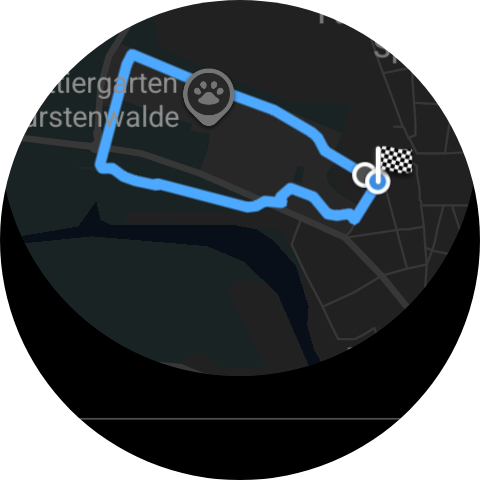
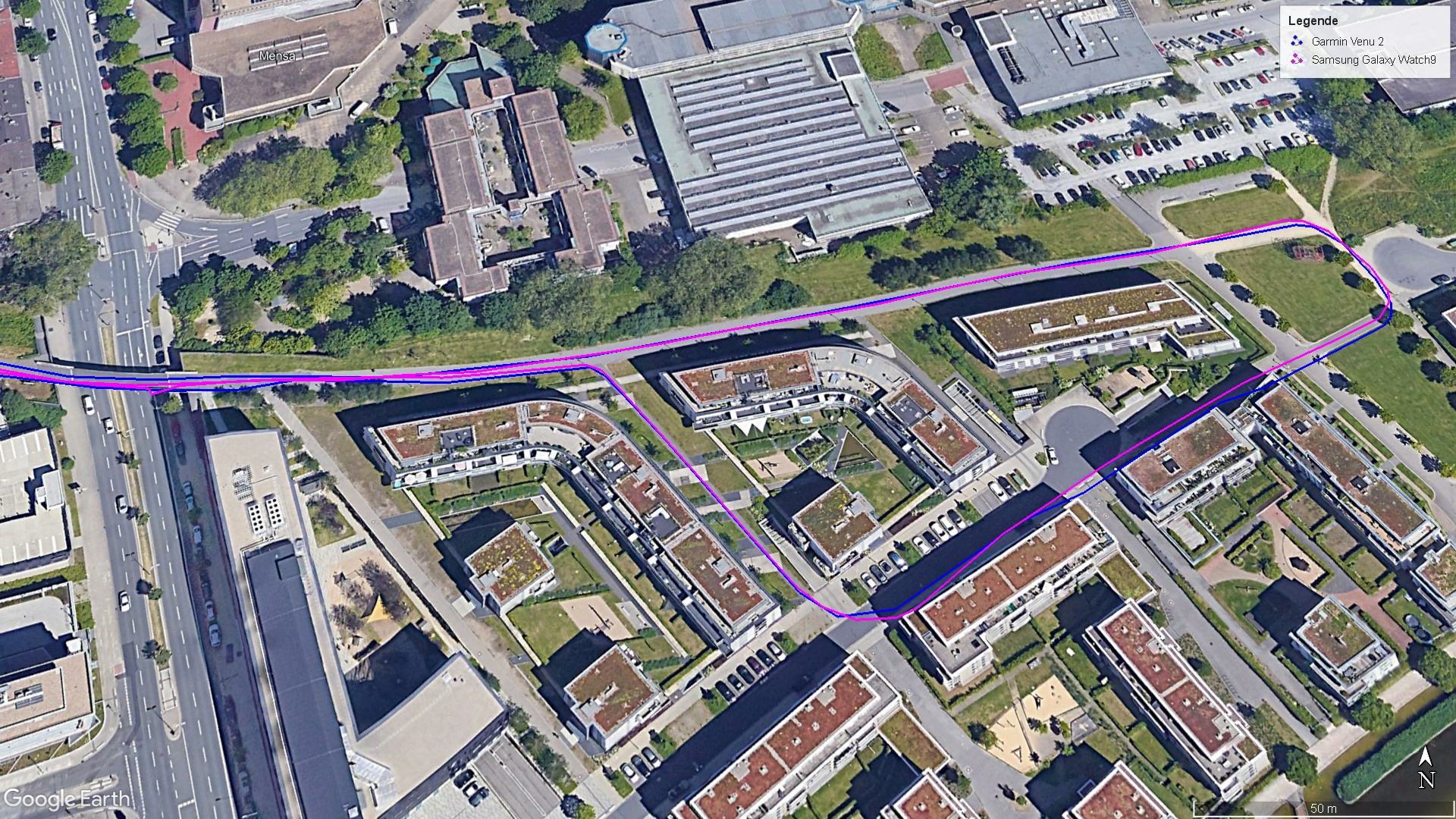
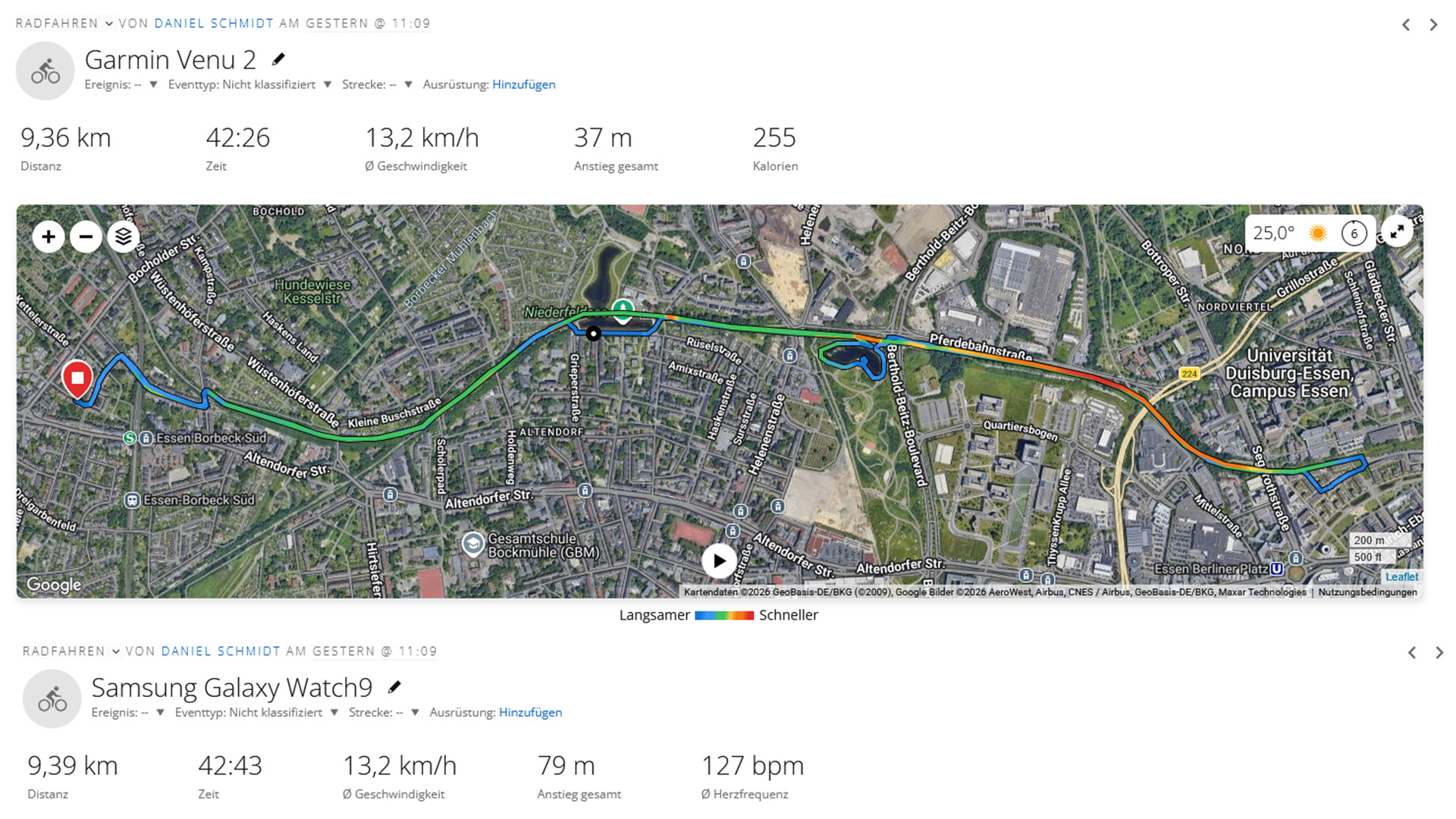
The Samsung smartwatch is very well suited for navigation. Google Maps and Komoot run directly on the Galaxy Watch9, which supports all major satellite systems, including dual-band GPS. Compared with a Garmin Venu 2, the route from our bike ride was recorded very accurately overall. Minor inaccuracies were sometimes visible on the Samsung Watch and sometimes on the Venu 2.
Routes recorded during manually started workouts can subsequently be exported as GPX files.

Display - Bright OLED screen on the Samsung Galaxy Watch9

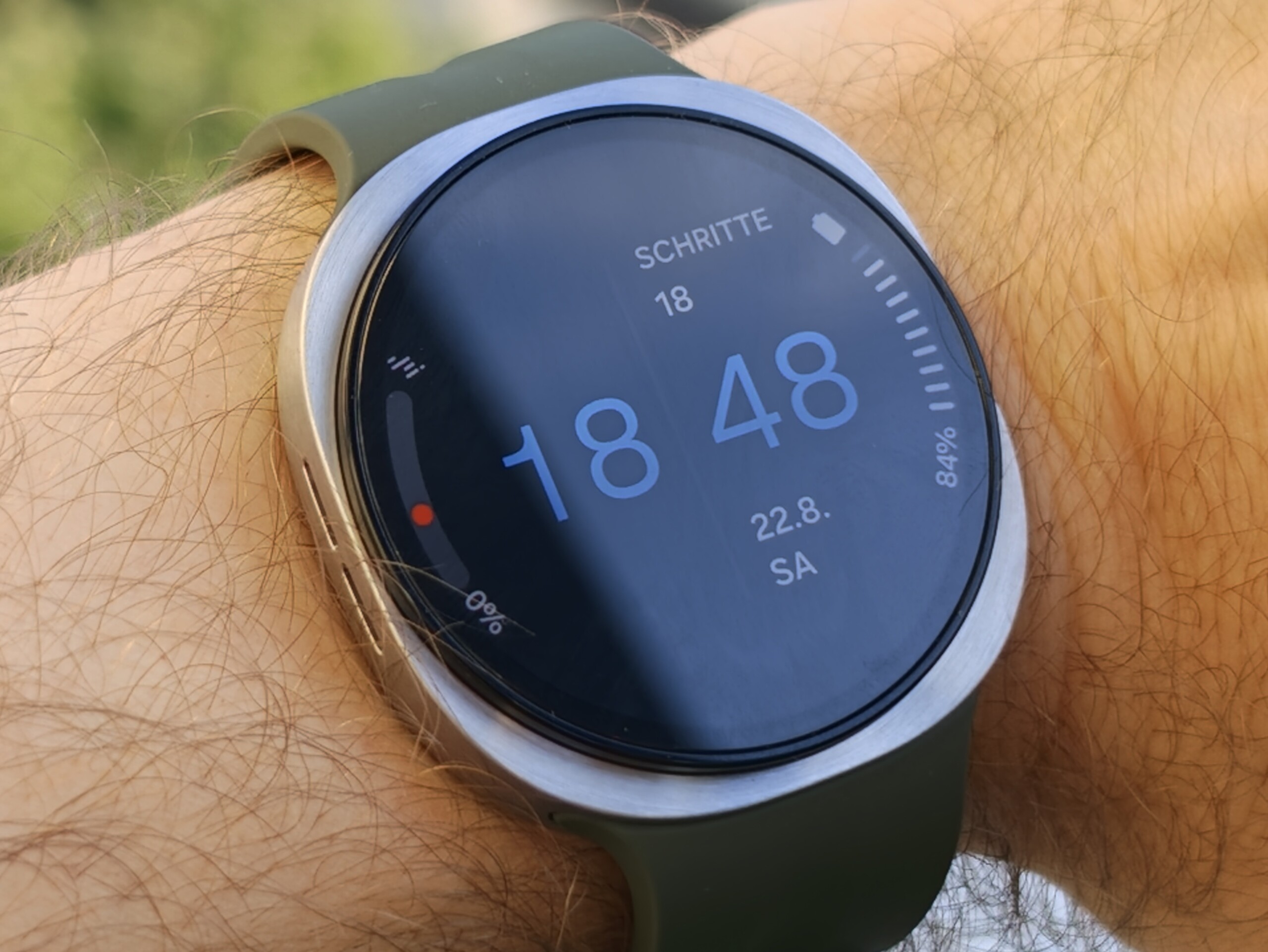
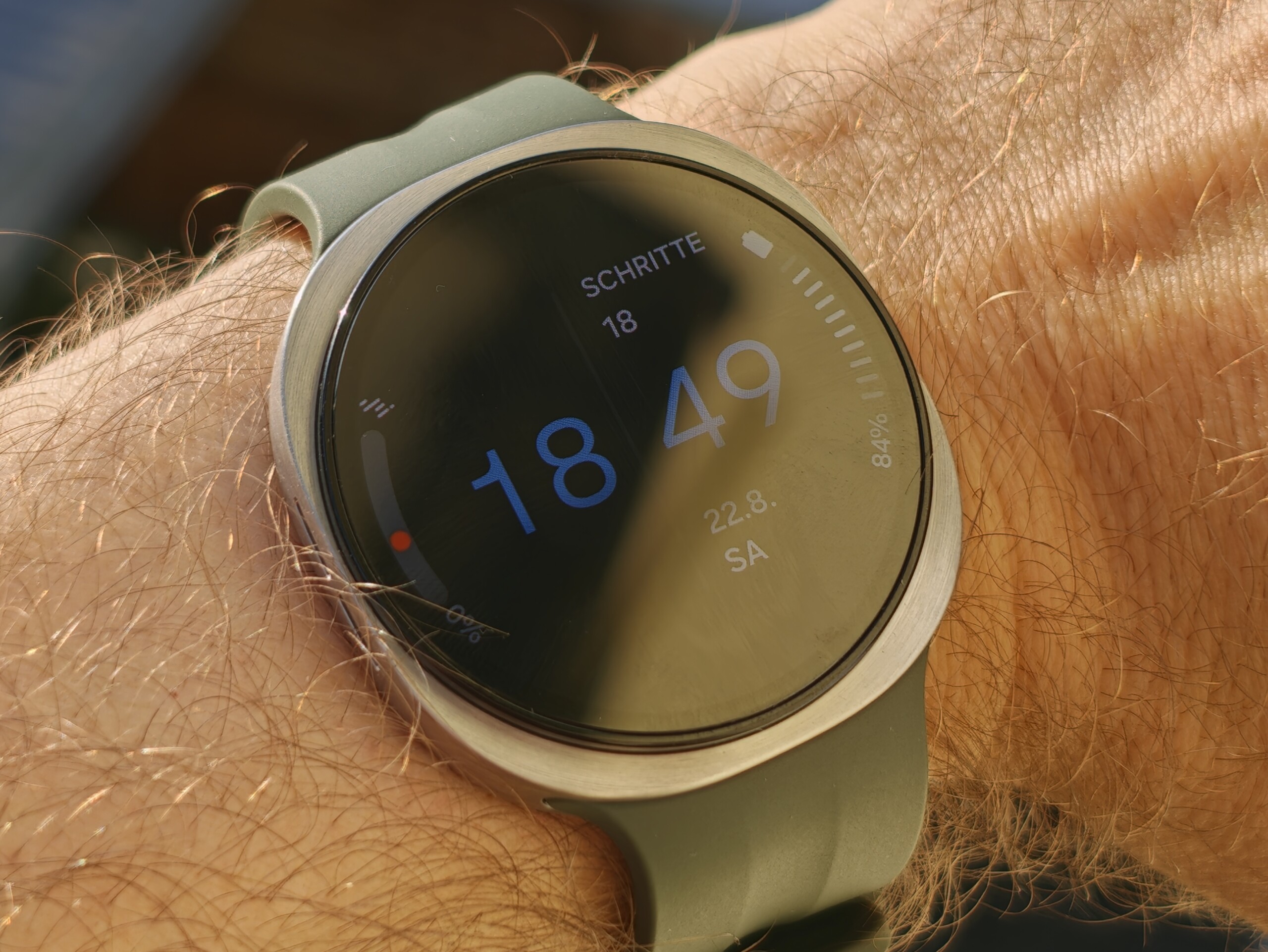
Protected by sapphire glass, the Samsung smartwatch offers very good readability in everyday use. The 1.5-inch Super AMOLED display on our 44 mm Watch9 reaches a maximum brightness of over 3,000 cd/m² with the ambient light sensor enabled. Without the sensor, however, we measured only 591 cd/m².
Since the watch uses an OLED panel, we also detected PWM. The frequency is only 60 Hz. Since most users are likely to look at their smartwatch only briefly at a time, health issues caused by screen flickering are likely to be negligible. The panel’s refresh rate is also limited to 60 Hz.
| Samsung Galaxy Watch9 | Huawei Watch GT 7 | Apple Watch Series 11 42mm | Samsung Galaxy Watch8 | Xiaomi Watch S5 | |
|---|---|---|---|---|---|
| Response Times | |||||
| PWM Frequency (Hz) | 60 | 60 | 60 | 60 | 60 |
| Screen | -6% | -33% | -3% | -21% | |
| Brightness middle (cd/m²) | 3162 | 2970 -6% | 2117 -33% | 3052 -3% | 2488 -21% |
| Black Level * (cd/m²) | |||||
| Total Average (Program / Settings) | -6% /
-6% | -33% /
-33% | -3% /
-3% | -21% /
-21% |
* ... smaller is better
Screen Flickering / PWM (Pulse-Width Modulation)
| Screen flickering / PWM detected | 60 Hz | 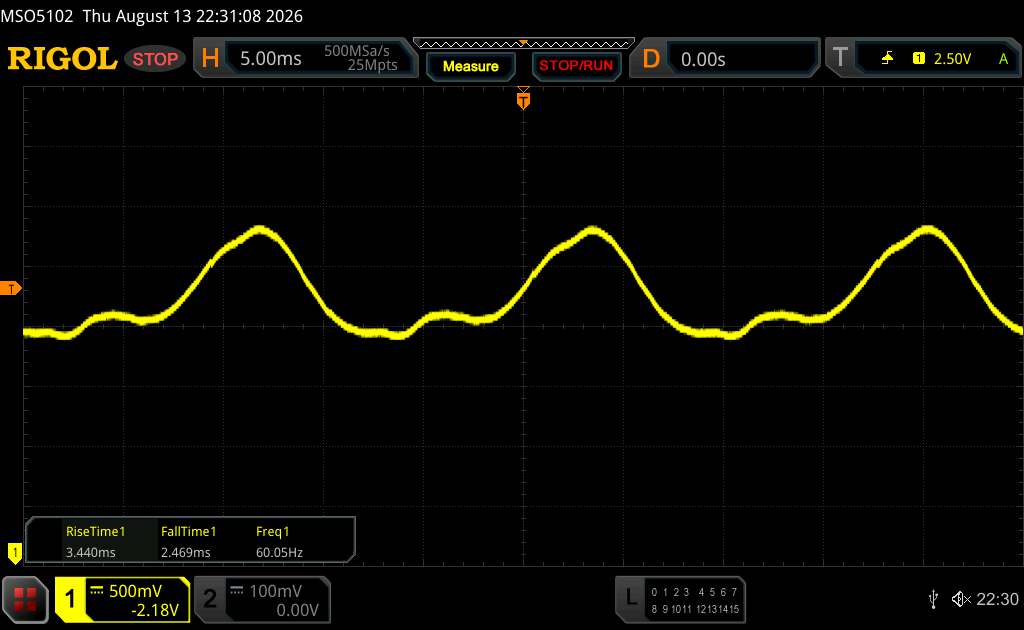 | |
The display backlight flickers at 60 Hz (worst case, e.g., utilizing PWM) . The frequency of 60 Hz is very low, so the flickering may cause eyestrain and headaches after extended use. In comparison: 52 % of all tested devices do not use PWM to dim the display. If PWM was detected, an average of 7632 (minimum: 5 - maximum: 343500) Hz was measured. | |||
Performance and Battery Life — The new Galaxy smartwatch is significantly faster than the Apple Watch and Galaxy Watch8
The Watch9 is the first model to feature the Snapdragon Wear Elite (SW6100). Qualcomm’s SiP replaces the previous Exynos chip and delivers a massive jump in benchmark performance. We measured gains of up to 65% compared with the Watch8. Even the Apple Watch 11 does not come close in these benchmarks.
The Watch9 also comes with 2 GB of RAM and 32 GB of storage. Together with the Snapdragon Wear Elite, this combination provides smooth operation in everyday use, although minor delays are still noticeable from time to time.
| Octane V2 - Total Score | |
| Samsung Galaxy Watch9 (Samsung Browser V5.2) | |
| Average Qualcomm Snapdragon Wear Elite SW6100 (n=1) | |
| Samsung Galaxy Watch8 (Samsung Internet Browser 4.2.) | |
| Apple Watch Series 11 42mm (Apple Watch) | |
| Sunspider - 1.0 Total Score | |
| Apple Watch Series 11 42mm (Apple Watch) | |
| Samsung Galaxy Watch8 (Samsung Internet Browser 4.2.) | |
| Samsung Galaxy Watch9 (Samsung Browser V5.2) | |
| Average Qualcomm Snapdragon Wear Elite SW6100 (n=1) | |
| Mozilla Kraken 1.1 - Total | |
| Apple Watch Series 11 42mm (Apple Watch) | |
| Samsung Galaxy Watch8 (Samsung Internet Browser 4.2.) | |
| Average Qualcomm Snapdragon Wear Elite SW6100 (n=1) | |
| Samsung Galaxy Watch9 (Samsung Browser V5.2) | |
| Speedometer 2.0 - Result 2.0 | |
| Samsung Galaxy Watch9 (Samsung Browser V5.2) | |
| Average Qualcomm Snapdragon Wear Elite SW6100 (n=1) | |
| Apple Watch Series 11 42mm (Apple Watch) | |
| Samsung Galaxy Watch8 (Samsung Internet Browser 4.2.) | |
* ... smaller is better
Battery life
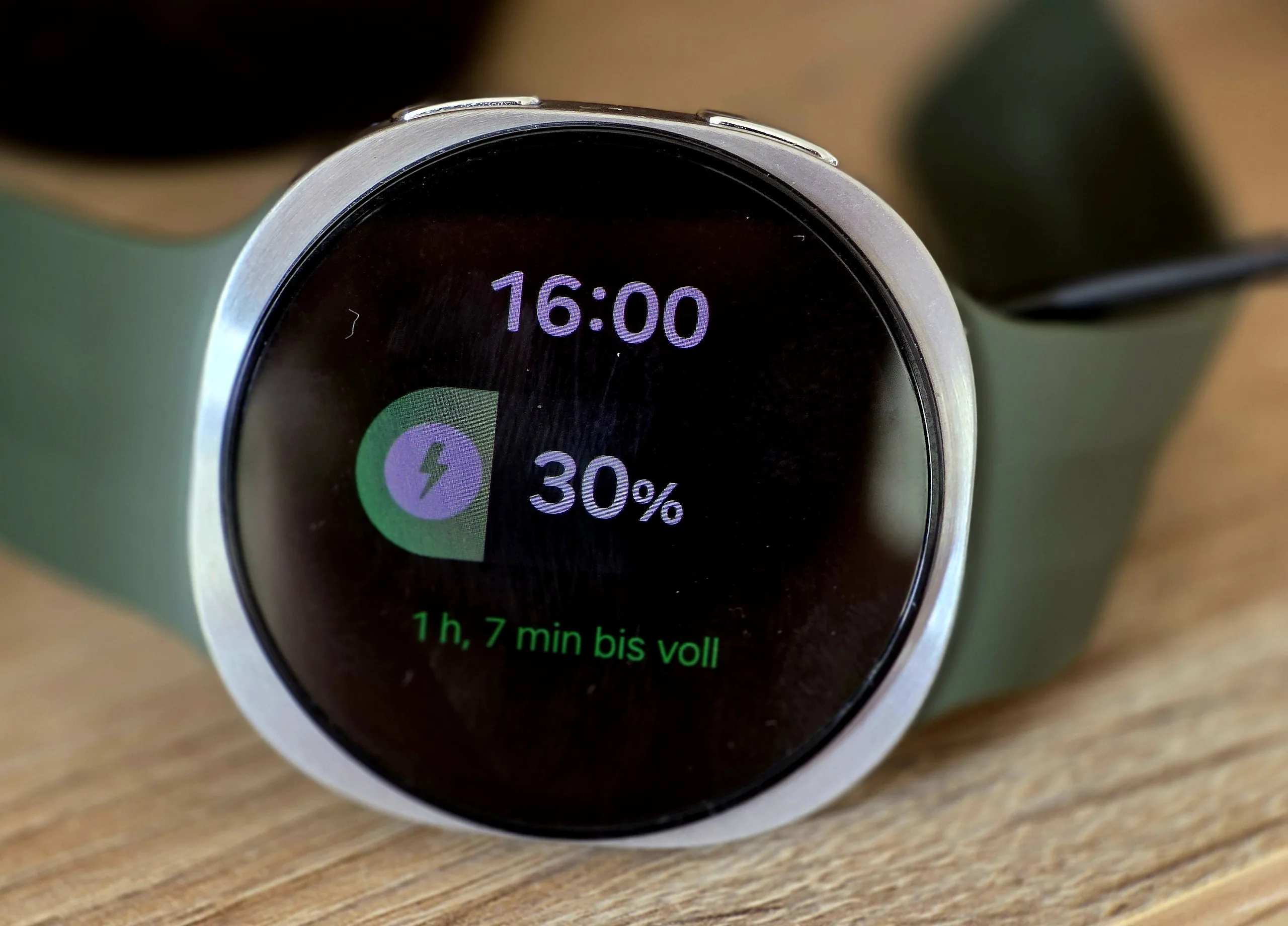
Our 44 mm version of the Galaxy Watch9 is equipped with a 445 mAh battery, an increase of 10 mAh over the Watch8. Only the smaller version, which now has a 390 mAh battery, benefits from the 20% increase in capacity advertised by Samsung.
In our test, we used the Always-On Display along with all health features and automatic workout detection. Without eSIM and manually started workouts, battery consumption in everyday use (6 a.m. to 9 p.m.) was around 40% to 50%. Users who also track workouts—with the resulting increase in satellite activity—or use the Samsung smartwatch for sleep tracking will need to charge it almost every day. With sleep tracking enabled, we measured battery consumption of around 60% to 70% over 24 hours.
Those who charge the Watch9 overnight are unlikely to have a problem with its relatively low power consumption. However, users who also wear the smartwatch while sleeping may find the amount of time it needs to spend on the charger less than ideal. Briefly charging the Watch9 while showering in the morning is nowhere near enough to get it through the day. A fully discharged Watch9 takes almost 1.5 hours to recharge completely.
Comparison of possible alternatives
Image | Model | Price | Size | Weight | Battery Capacity | Display |
|---|---|---|---|---|---|---|
1.  | Samsung Galaxy Watch9 Snapdragon Wear Elite SW6100 | List Price: 439€ | 1.50" | 34 g | 445 mAh | 1.50" 480x480 Super AMOLED |
2.  | Huawei Watch GT 7 | Amazon: | 1.47" | 51.3 g | 867 mAh | 1.47" 466x466 317 PPI AMOLED |
3. 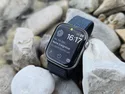 | Apple Watch Series 11 42mm S10 | List Price: 449€ | 1.27" | 37.7 g | 327 mAh | 1.27" 374x446 326 PPI OLED |
4.  | Samsung Galaxy Watch8 Exynos W1000, Mali-G68 MP2 | Amazon: List Price: 459€ | 1.50" | 52.1 g | 435 mAh | 1.50" 480x480 AMOLED |
5.  | Xiaomi Watch S5 | Amazon: $180.49 List Price: 200€ | 1.48" | 46 g | 815 mAh | 1.48" 480x480 323 PPI AMOLED |
Transparency
The selection of devices to be reviewed is made by our editorial team. The test sample was provided to the author as a loan by the manufacturer or retailer for the purpose of this review. The lender had no influence on this review, nor did the manufacturer receive a copy of this review before publication. There was no obligation to publish this review. As an independent media company, Notebookcheck is not subjected to the authority of manufacturers, retailers or publishers.
This is how Notebookcheck is testing
Every year, Notebookcheck independently reviews hundreds of laptops and smartphones using standardized procedures to ensure that all results are comparable. We have continuously developed our test methods for around 20 years and set industry standards in the process. In our test labs, high-quality measuring equipment is utilized by experienced technicians and editors. These tests involve a multi-stage validation process. Our complex rating system is based on hundreds of well-founded measurements and benchmarks, which maintains objectivity. Further information on our test methods can be found here.
 Add as a preferred source on Google


