




Incomplete ecosystem? Where the Samsung Galaxy Watch9 falls short in our first review impressions

For our Galaxy Watch9 review, we received not only the new Samsung smartwatch but also the manufacturer’s latest foldable flagship, the Galaxy Z Fold 8 Ultra. Immediately after the initial setup, we took both devices with us to an appointment.
In real-world use, a familiar scenario emerged: if the smartwatch runs out of battery while you're away from home and the charging puck is sitting on your desk, things quickly become inconvenient. Since Galaxy smartphones feature “Wireless PowerShare,” it would be a huge advantage in everyday life if the wearable could be charged wirelessly using power from the Samsung phone. This would be especially useful because the feature was available on older generations of the watch.
Is the smartwatch sensor more important than the ecosystem?
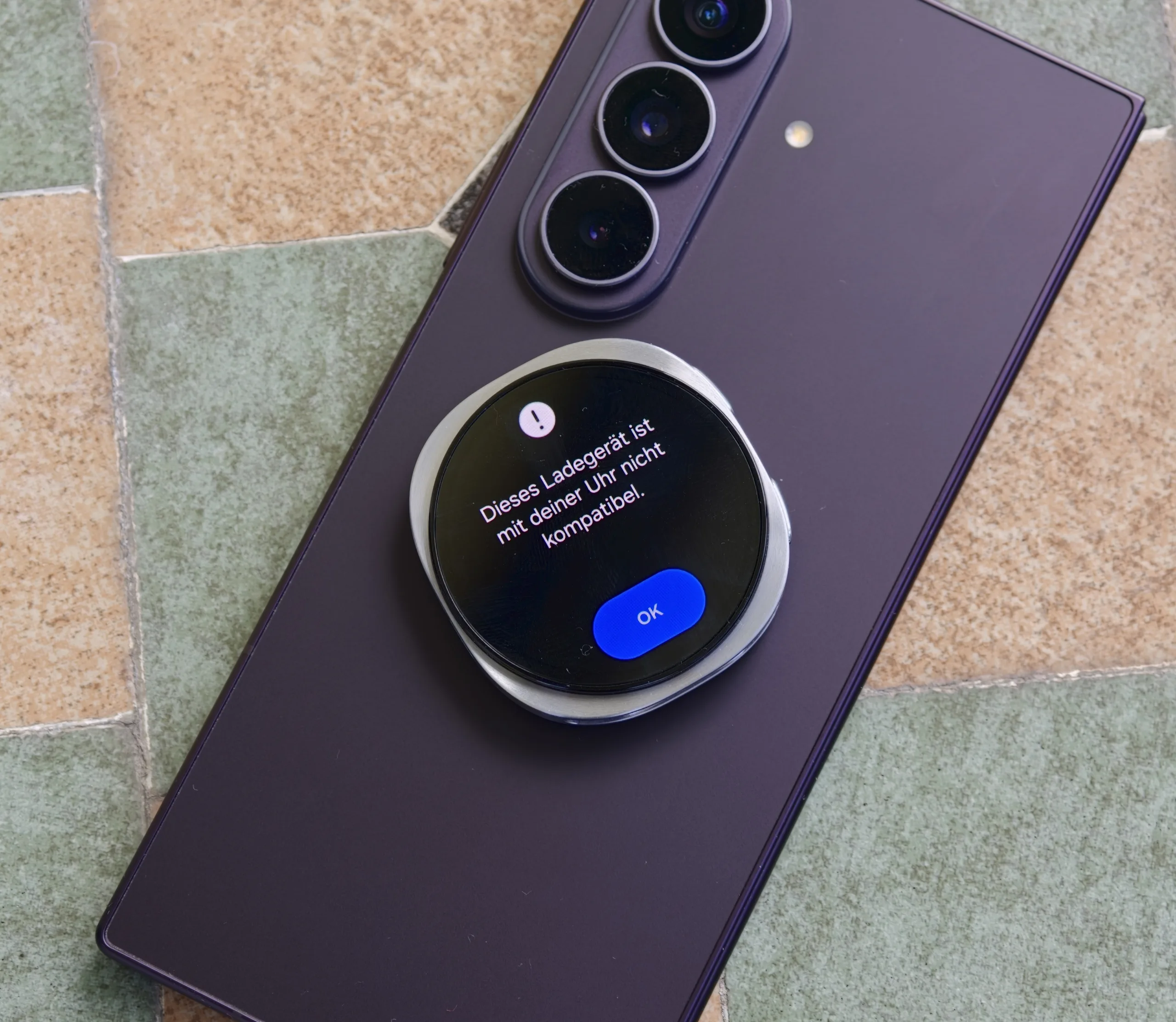
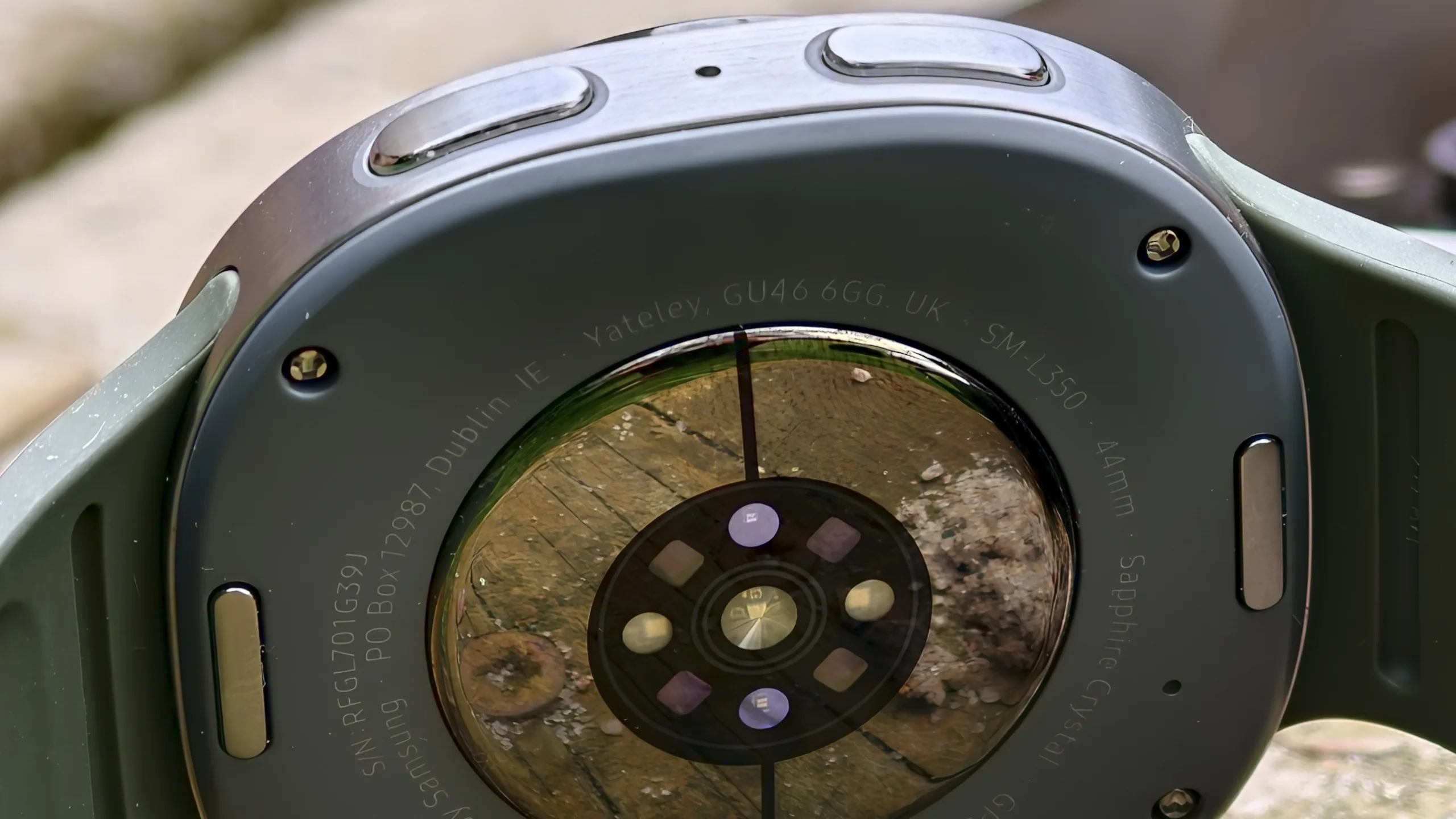
Unfortunately, the Watch9 does not charge on the back of the Fold 8 Ultra. However, this problem isn’t new, and it’s no less frustrating in the current generation when the smartwatch shuts down on the go without access to a power source, especially since battery life is a major shortcoming with the Watch9. The incompatibility with “Wireless PowerShare” dates back to the Galaxy Watch 7. The new BioActive sensor increased the distance between the charging coil and the case.
As a result, the Fold 8 Ultra cannot bridge this distance wirelessly. It’s technically understandable that third-party devices can’t be charged wirelessly by Samsung smartphones due to proprietary standards. But the fact that the company’s top-of-the-line smartwatch can’t be charged by its flagship smartphone is frustrating. Restoring this convenience feature in successors to the Galaxy Watch9 would be highly desirable, as Wireless PowerShare could prevent the smartwatch from accidentally shutting down while on the go. After all, few users will always carry the charging pad. Without this compatibility, Wireless PowerShare loses some of its intended utility in everyday life.
Samsung’s ecosystem promise is only partially fulfilled
A premium ecosystem should ensure that flagship products (prices start around $400, available at Amazon.com) work seamlessly together across generations. For future generations of the Galaxy Watch, a technical adjustment that once again enables charging via a Samsung smartphone, despite the use of modern sensors, would be desirable.
Source(s)
Review of the Galaxy Watch9
 Add as a preferred source on Google


No comments for this article
