




Another useless smart ring? Nova Ring launches on Kickstarter
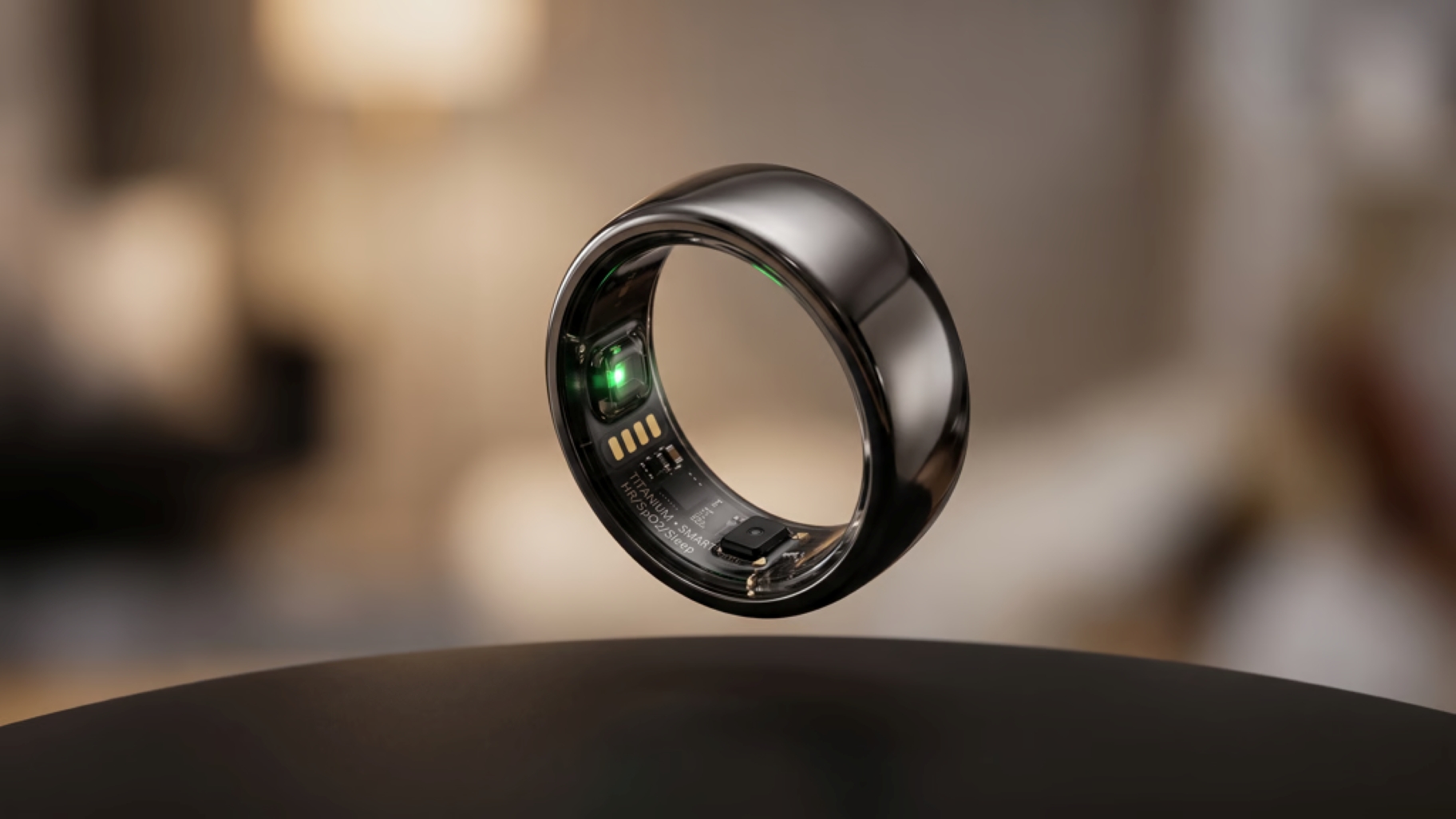
There is no doubt that interesting projects regularly appear on Kickstarter. In recent weeks, for example, we have reported on magnetic mobile gaming controllers and particularly bright 4K projectors. However, a current project in the technology category shows why crowdfunding projects often warrant extra caution.
Under the name "Nova Ring", project creator "Maksim Romanyuk Kulbaba", allegedly from Madrid, Spain, is trying to convince potential backers to support his smart ring. He almost succeeds, as the project looks very promising at first glance. The closer you look, however, the more inconsistencies become apparent.
The ring can do absolutely everything
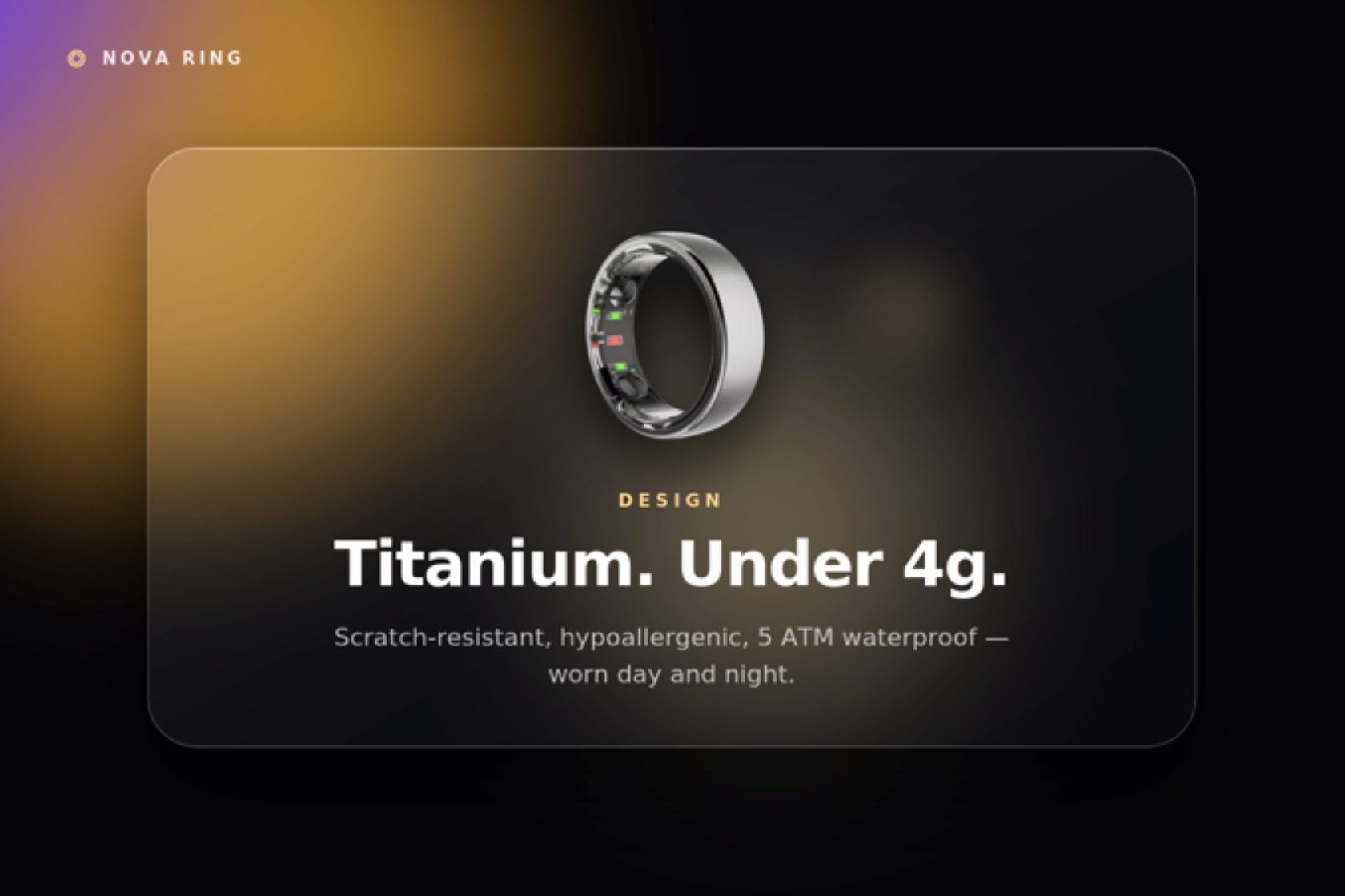
For example, there is certainly no shortage of specifications and features that the ring is supposed to offer. The device is said to be made of titanium, weigh less than 4 grams, be water-resistant to 5 ATM, include sensors to measure heart rate, blood oxygen, body temperature, sleep cycles and stress levels, among other things, and still deliver five to seven days of battery life. It might also provide blood pressure and blood sugar data, although this cannot be promised yet. What is promised, however, is that you will never need a subscription.
Incidentally, all of this is supposed to be achieved with a minimum funding target of around USD 11.200. For comparison, even companies worth millions, such as Samsung and Oura, have not yet managed to combine all these features in such a small device.
"White-label" rebranding at a premium price
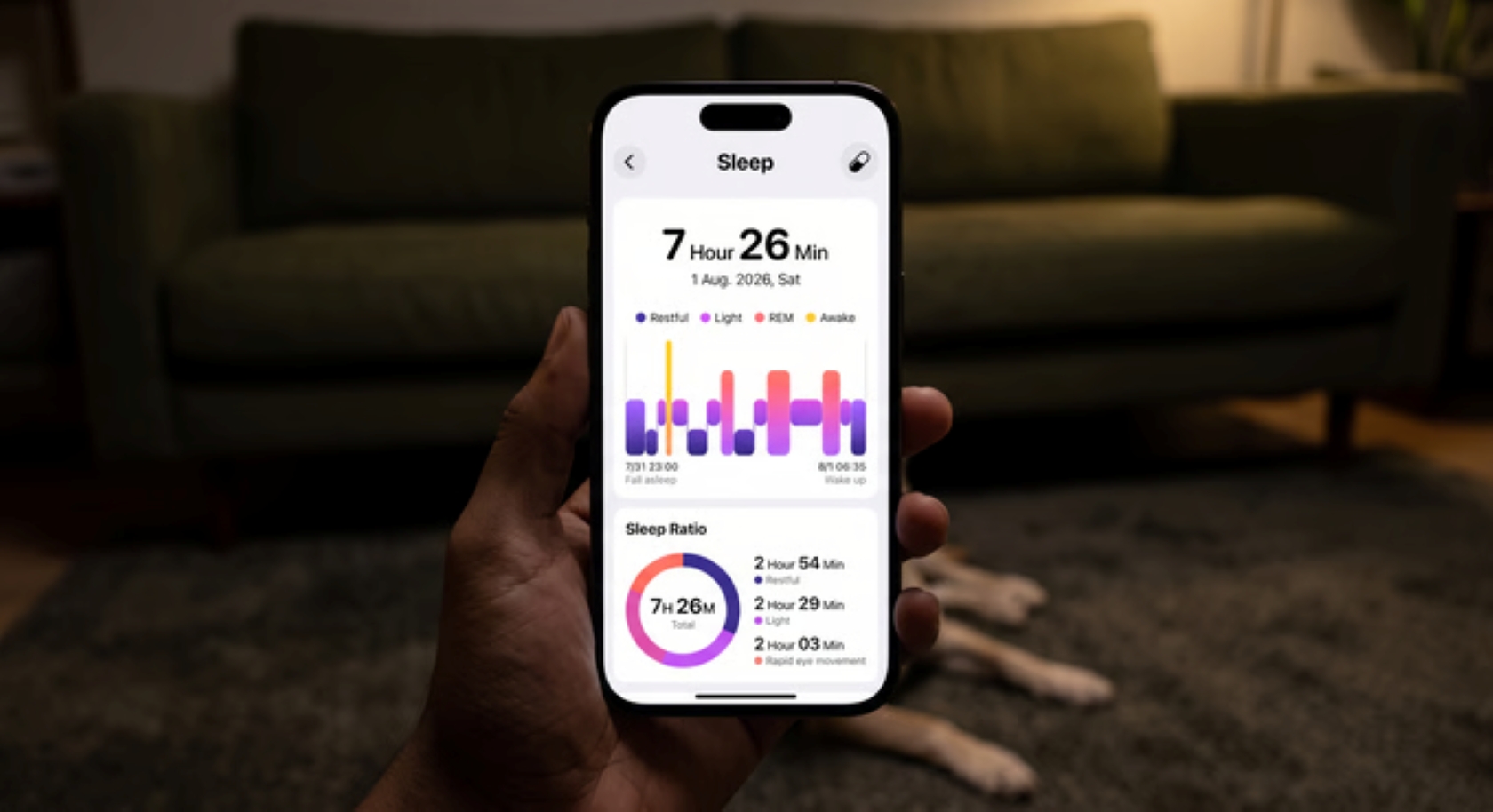
Another concern is that, apart from a video lasting just nine seconds in which an arbitrary ring is briefly held up to the camera, all the marketing material is AI-generated. That is not particularly creative, nor is the name. "Nova" rings have repeatedly appeared in the past, only to turn out to be cheap imports.
Backers of this campaign are likely to face a similar fate. The risk of receiving rebranded off-the-shelf hardware is particularly high with this project. One reason is that "white-label" smart rings are now available very cheaply on platforms such as Alibaba and Aliexpress, often for USD 30 to 50 each. The prospect of making a profit by rebranding these rings, pairing them with an AI-generated and AI-powered app that works only moderately well, and reselling them for around USD 160, as with this product, probably seems very tempting to some.
Alternatives
Anyone genuinely looking for a smart ring can instead opt for the popular rings from Oura. Although the latest generation costs at least around USD 400 (for example on Amazon) and advanced features require a subscription, you do get the promised features. The similarly widespread models from Samsung (see Amazon) and RingConn do not require a subscription. Unlike the Kickstarter project, these are worth a closer look.
Source(s)
 Add as a preferred source on Google


