




Ultrahuman Ring Pro: First test results reveal major strengths and weaknesses
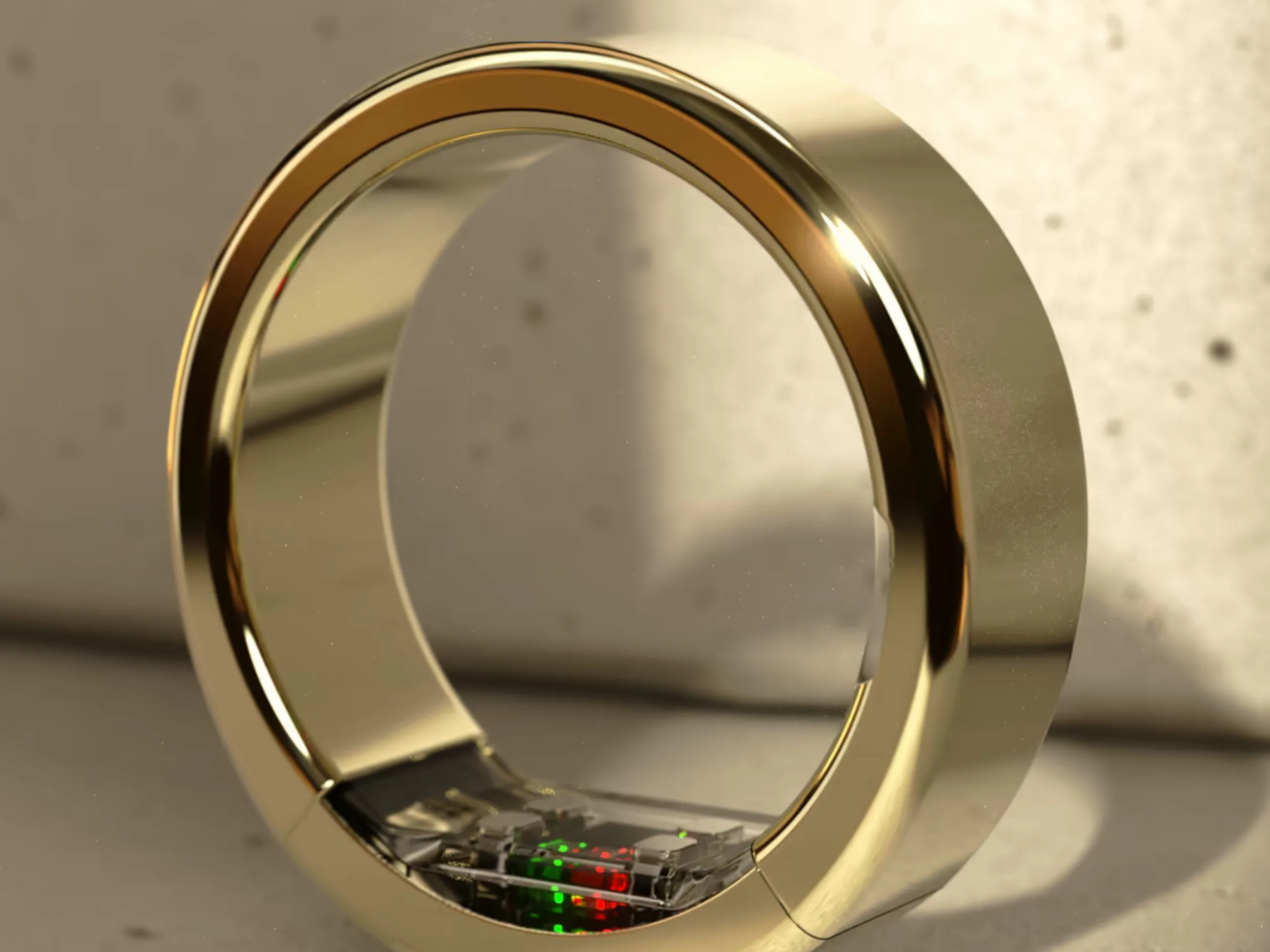
For $479, the Ultrahuman Ring Pro offers a titanium body, sleep and recovery tracking as well as an unusually wide range of health metrics – in addition to standard data such as resting heart rate, HRV, skin temperature and sleep stages, there are also specialized features like Ultra Age for calculating biological age, Pulse Age for assessing blood flow and Brain Waste Clearance for evaluating cognitive recovery during sleep. T3 has now reviewed the smart ring and praises the wealth of data, but criticizes some metrics for being difficult to understand and offering little practical value.
Battery life appears to be the Ring Pro's biggest strength. According to T3, 53% of the battery remained after nearly nine days in the power-saving Chill Mode. Even after switching to the more power-hungry Turbo Mode, the projected battery life still came to more than twelve days. This suggests that the advertised 15 days could indeed be realistic, at least under favorable conditions. For comparison, the Oura Ring 5 lasted around six days with SpO₂ tracking enabled in a two-month test by Wareable. The Ring Pro therefore lasted significantly longer in T3's testing.
Another advantage is the lack of a mandatory subscription. Basic features such as sleep tracking, recovery analysis and the evaluation of key health data do not incur monthly fees. However, the software offering isn't entirely free: Jade Pro, the paid version of the AI health assistant, and some PowerPlugs – additional analysis and health modules – come with extra fees. According to T3, users who subscribe to several add-ons could ultimately end up paying more than they would for an Oura subscription.
Problems with fitness tracking, bulky design
The Ultrahuman Ring Pro's fitness tracking doesn't appear to work quite as well yet. According to T3's test results, several walks were either not detected at all or tracked unreliably. In some cases, activities also appeared to be rounded to five-minute blocks. T3 sees the Oura Ring 5 as the better option, particularly when it comes to automatic activity detection.
T3's review also discusses the design of Ultrahuman's new smart ring. At 2.65 mm thick and weighing between 3.3 and 4.8 grams, the Ring Pro is heavier and bulkier than the Ring Air and, according to the review, also looks comparatively bulky next to the Oura Ring 5. The build quality of the titanium body, on the other hand, receives praise. Overall, T3 sees the Ultrahuman Ring Pro primarily as a strong sleep and recovery tracker with excellent battery life. However, according to T3's assessment, the overall package still doesn't quite match the Oura Ring 5.
Source(s)
Image source: Ultrahuman
 Add as a preferred source on Google


No comments for this article
