




Huawei watch D3: Hands-on with medical-grade blood pressure monitoring and new features
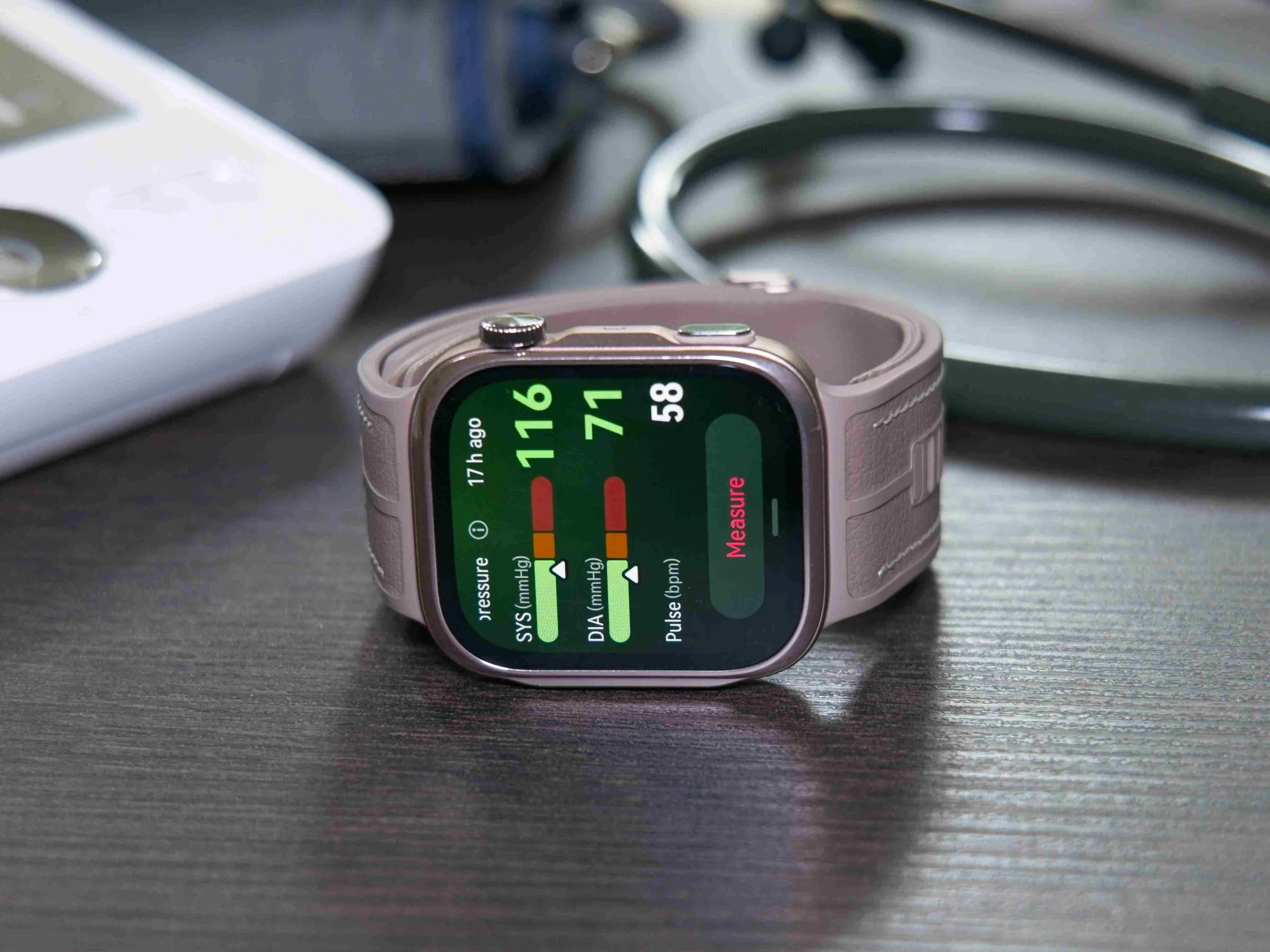
The Huawei Watch D series offers genuine, cuff-based blood pressure monitoring that relies on the exact same physiological principle as a dedicated wrist monitor. Like its predecessors, the Huawei Watch D3 we tested carries full medical device certification, and its performance in practice matches those credentials.
Compared to a clinical unit like the Omron RS4, the Watch D3's integrated pump operates far more quietly, generating inflation pressure that feels considerably gentler on the wrist. The strap does not need to be pulled uncomfortably tight to yield accurate readings. While this high level of comfort improves everyday spot checks, it proves to be a decisive advantage during automated overnight tracking.
The values are correct—as far as we can tell
Disclaimer & Preliminary Note First off: The true clinical diagnostic precision of the Huawei Watch D3 as a medical device cannot be conclusively assessed in a non-lab environment. Nevertheless, we conducted comparative testing against an Omron RS4 wrist monitor, taking three alternating measurements on each device. With average readings of 118 to 74 mmHg (systolic and diastolic averaged across all runs), the Watch D3's mean systolic figure was just 0.5% lower than the Omron RS4's.
Accounting for expected measurement variances, the two devices yielded virtually identical results. The Watch D3 did overestimate diastolic pressure by roughly 11%, though systolic pressure remains the medically higher-value metric. Even closer parity was observed in a separate test using the Braun ExactFit 5 Connect upper-arm monitor, whose comparative data was evaluated during our standalone review of the Watch D3. Furthermore, both the smartwatch display and the companion app actively flag suboptimal measurement conditions—such as a loose strap or improper arm posture—along with corrective feedback.
Very convenient: overnight measurement
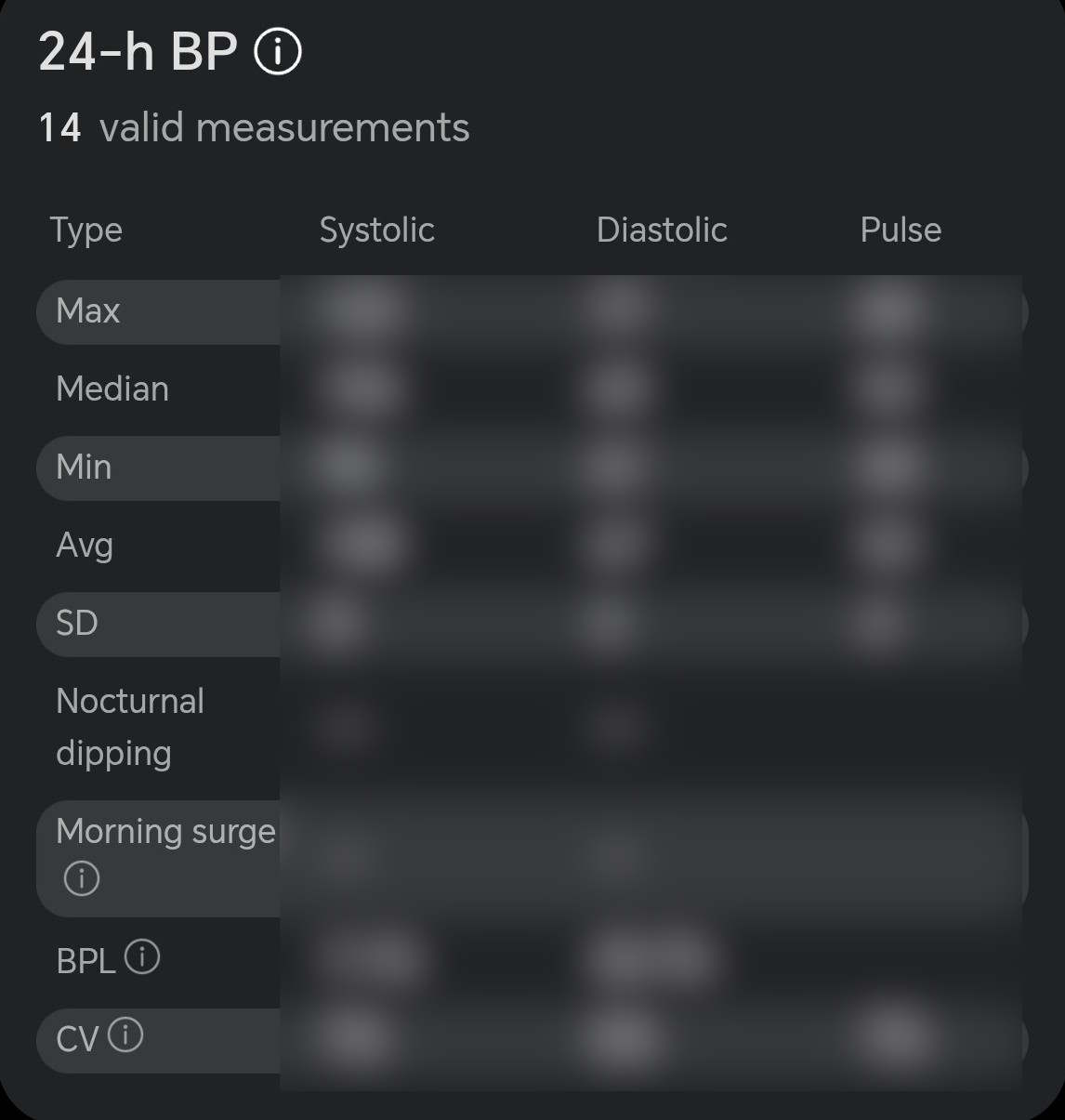
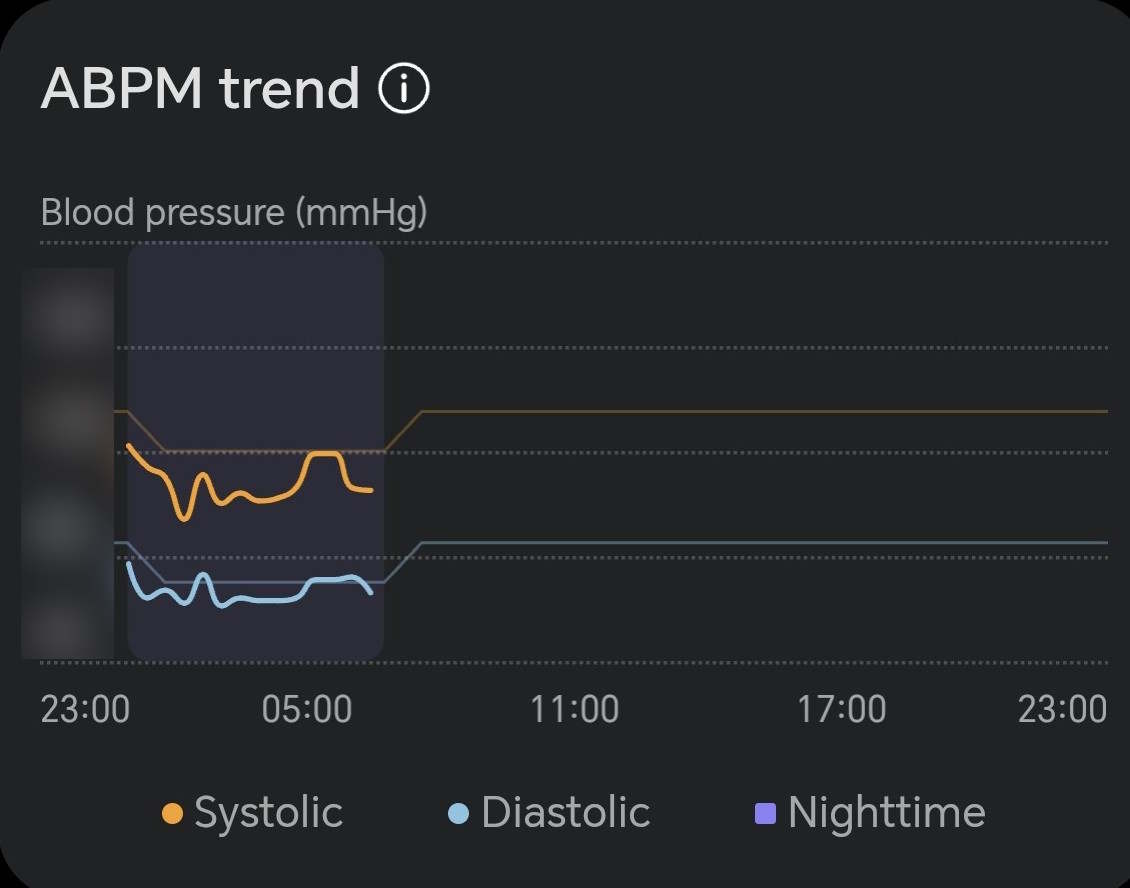
The Huawei Watch D3’s automatic overnight blood pressure monitoring proved surprisingly seamless. While traditional 24-hour ambulatory blood pressure monitoring frequently disrupts sleep, readings taken by the Watch D3 went virtually unnoticed. The detailed analysis also clearly captured the typical nocturnal dipping pattern. The companion app presents long-term trends clearly, allowing reports to be easily exported for medical consultations.
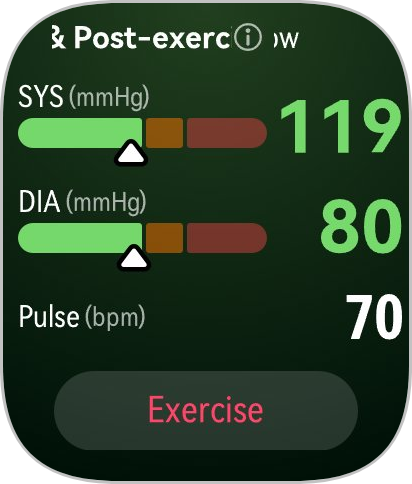
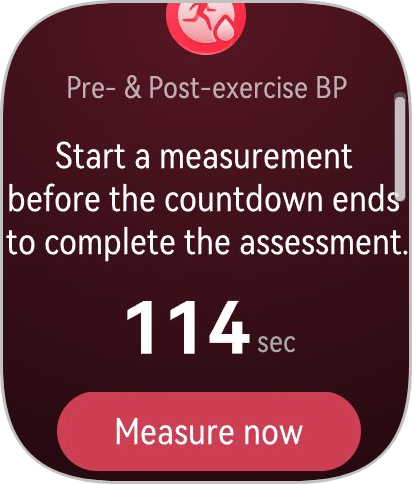
A new addition is the option to log blood pressure immediately before and after a workout. While inherently useful, this feature is currently restricted to select activity profiles, including indoor and outdoor running, walking, and cycling. Following a session, the watch instantly displays whether the post-exercise blood pressure response remains within normal physiological limits.
 Add as a preferred source on Google


No comments for this article
