




Huawei Watch D3 – The D Series Remains Unmatched
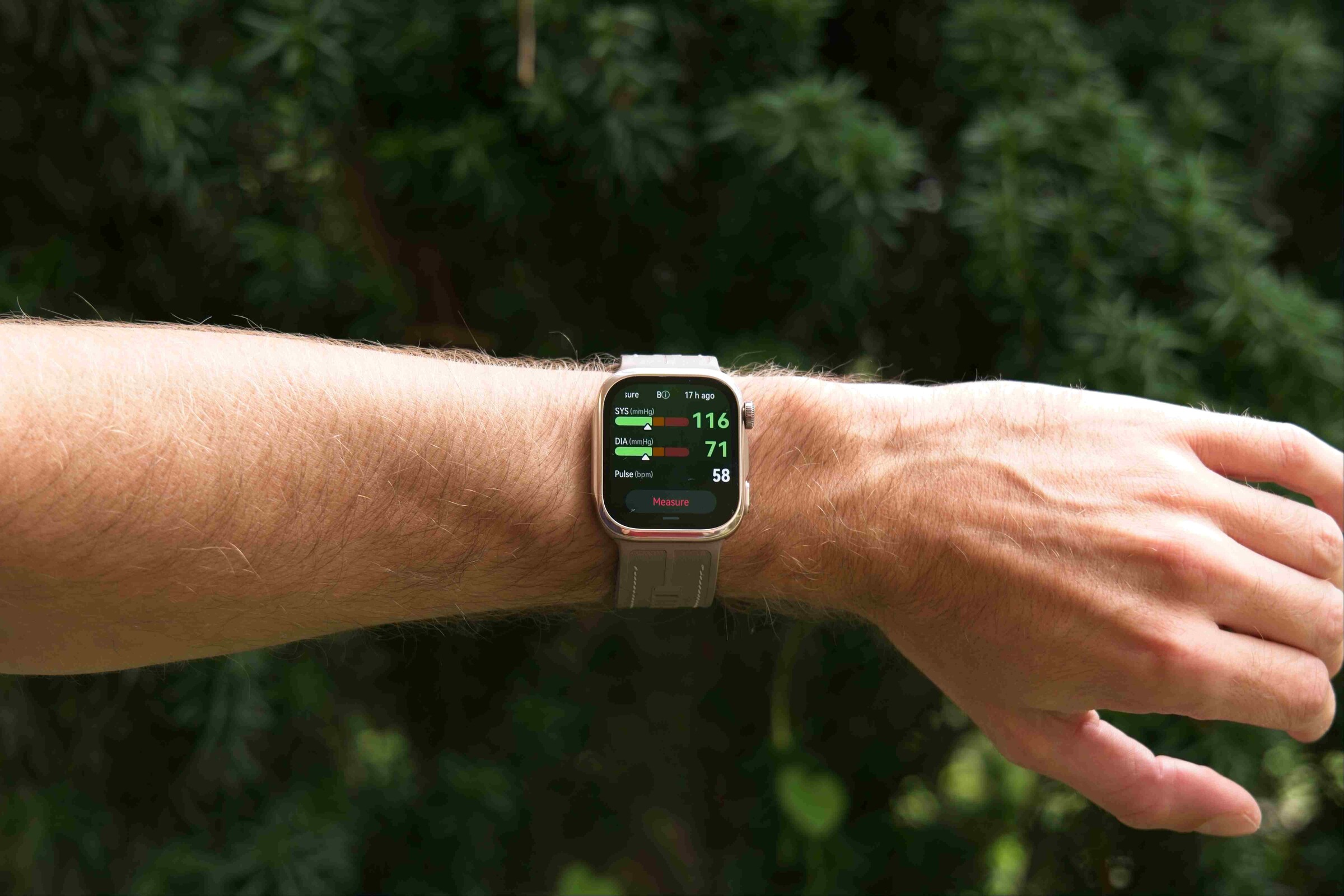
The Huawei Watch D3 is a compelling, health-focused smartwatch. It features a bright, high-resolution display, offers smooth performance, and its wrist-based blood pressure measurement remains a unique selling point—delivering both accuracy and comfort. Additionally, the watch serves as a reliable, portable single-channel electrocardiograph.
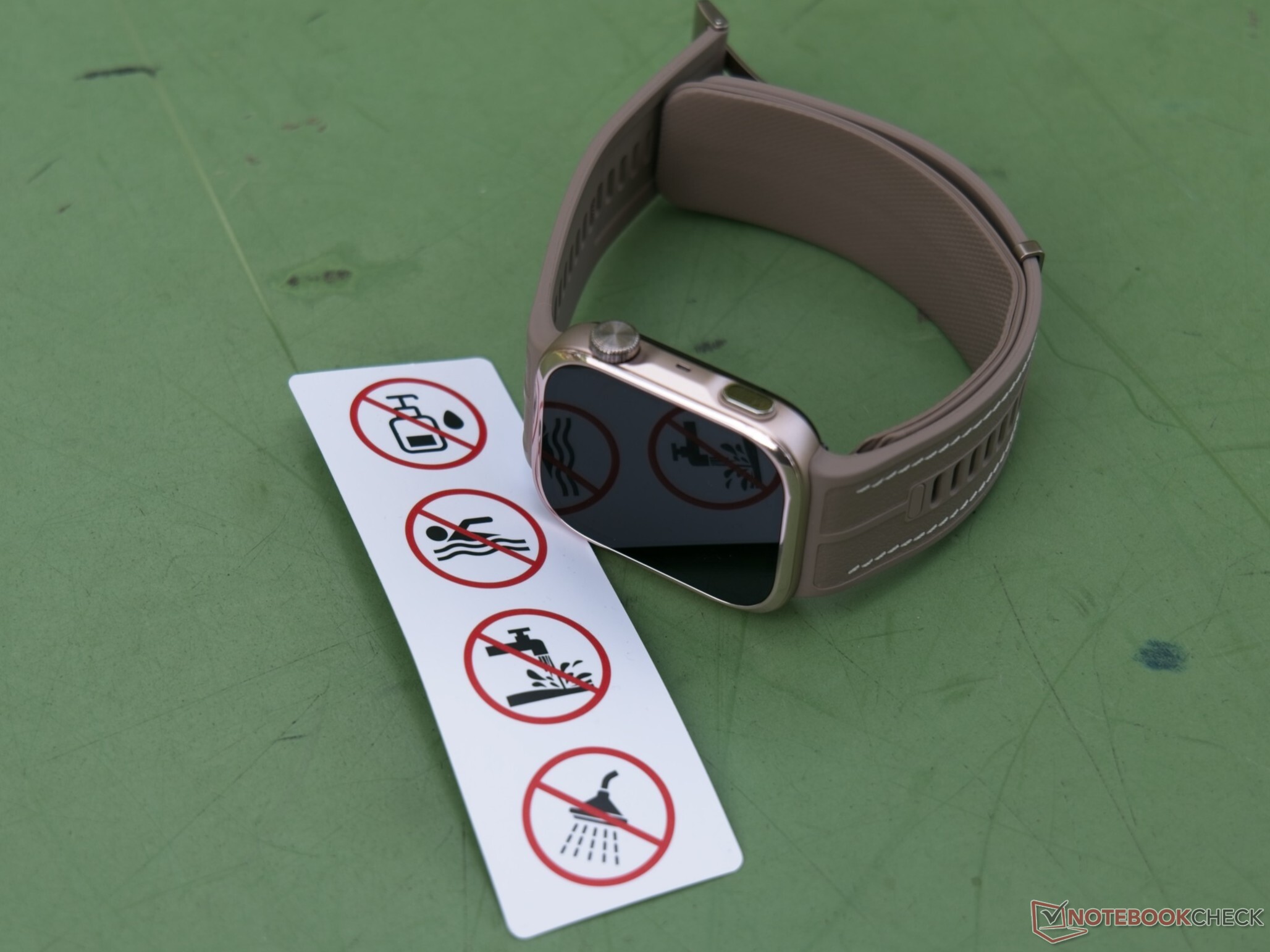
However, its focus as a medical wearable comes with clear trade-offs: the Watch D3 is not waterproof and must not be worn while showering or swimming. Compared to its predecessor, the case is slimmer and the display is larger. Overall, Huawei has delivered an iterative refinement rather than a revolution; meaningful innovations, particularly regarding ECG functionality, would have been welcome.
Nevertheless, for anyone seeking genuine blood pressure monitoring on their wrist, the Watch D series remains virtually unrivaled, making the Watch D3 an excellent choice. At €449, the price is reasonable, though the Watch D2—available for €80 less—will likely remain the more sensible option for most buyers.
Pros
Cons
Price and Availability
The Huawei Watch D3 is available directly from the manufacturer for 449 euros. Currently, the FreeBuds SE 4 ANC or the Huawei Scale 3 body fat scale are still included for free.

- $44.99Smart Watch for Huawei Honor 30 Pro+ - with LED Flashlight, 1.43" AMOLED Display, Outdoor Smartwatch with Compass/Altitude/Air Pressure, Waterproof Fitness Tracker Watch
- $34.99Smart Watch for Huawei Mate 30 - Fitness Tracker Watches for Men Women, IP67 Waterproof HD Touch Screen Smartwatch for Android/iOS Phones, 24 Sports, Activity Tracker - Black
- $9.88BOVUGAC [3 Pack] Tempered Glass Film for HUAWEI Watch D3 Watch,9H Hardness.
Table of Contents
The Huawei Watch D3 builds on the key unique selling point of its predecessors, the Watch D and D2: true wrist-based blood pressure monitoring. Equipped with a bright 1.92-inch display, the D3 is engineered to deliver even greater measurement accuracy. Huawei offers the smartwatch in multiple color options directly through its online store for €449, with a choice between a rubber strap and a hybrid leather-rubber composite.
Thinner case, excellent feel
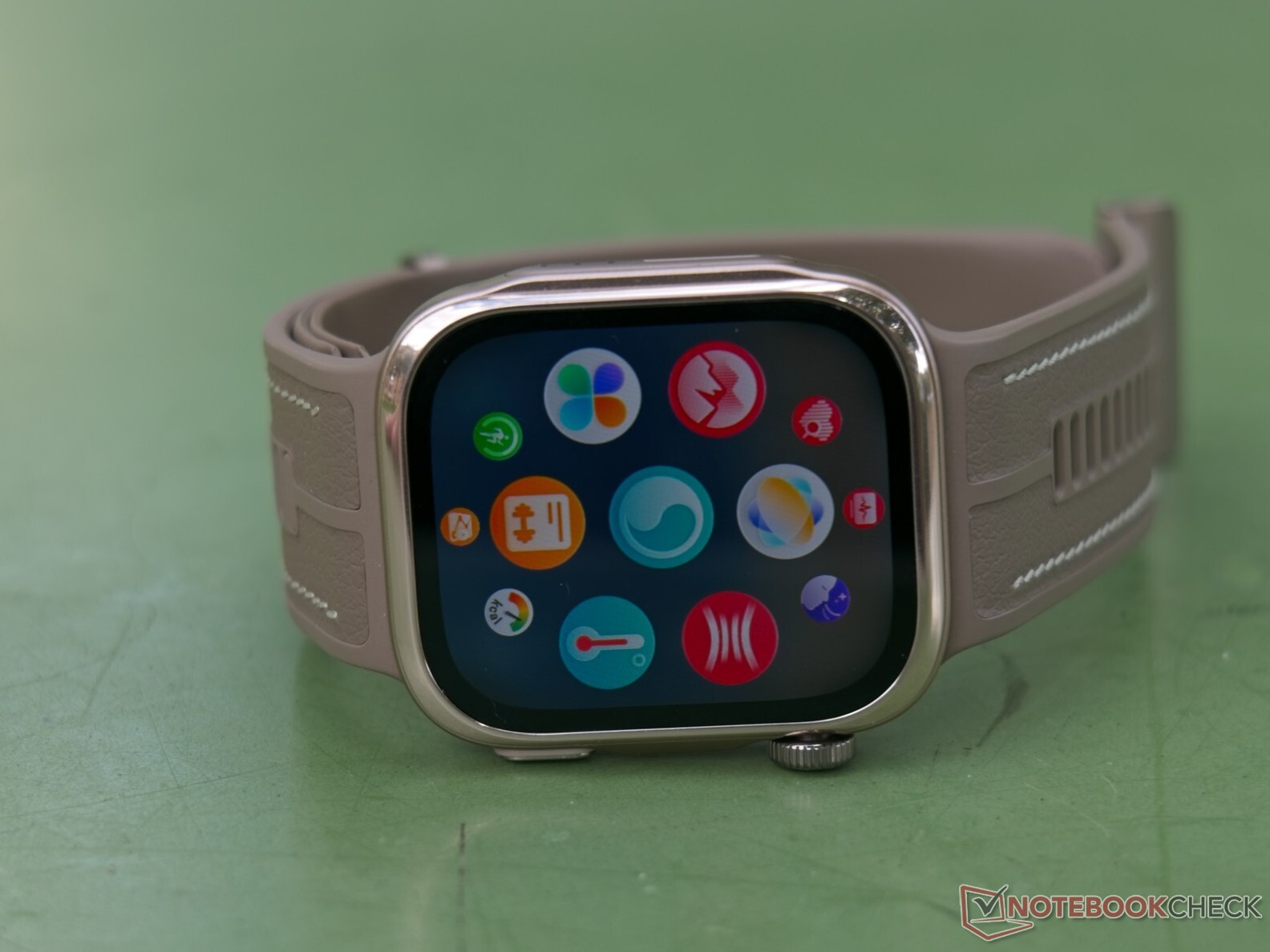
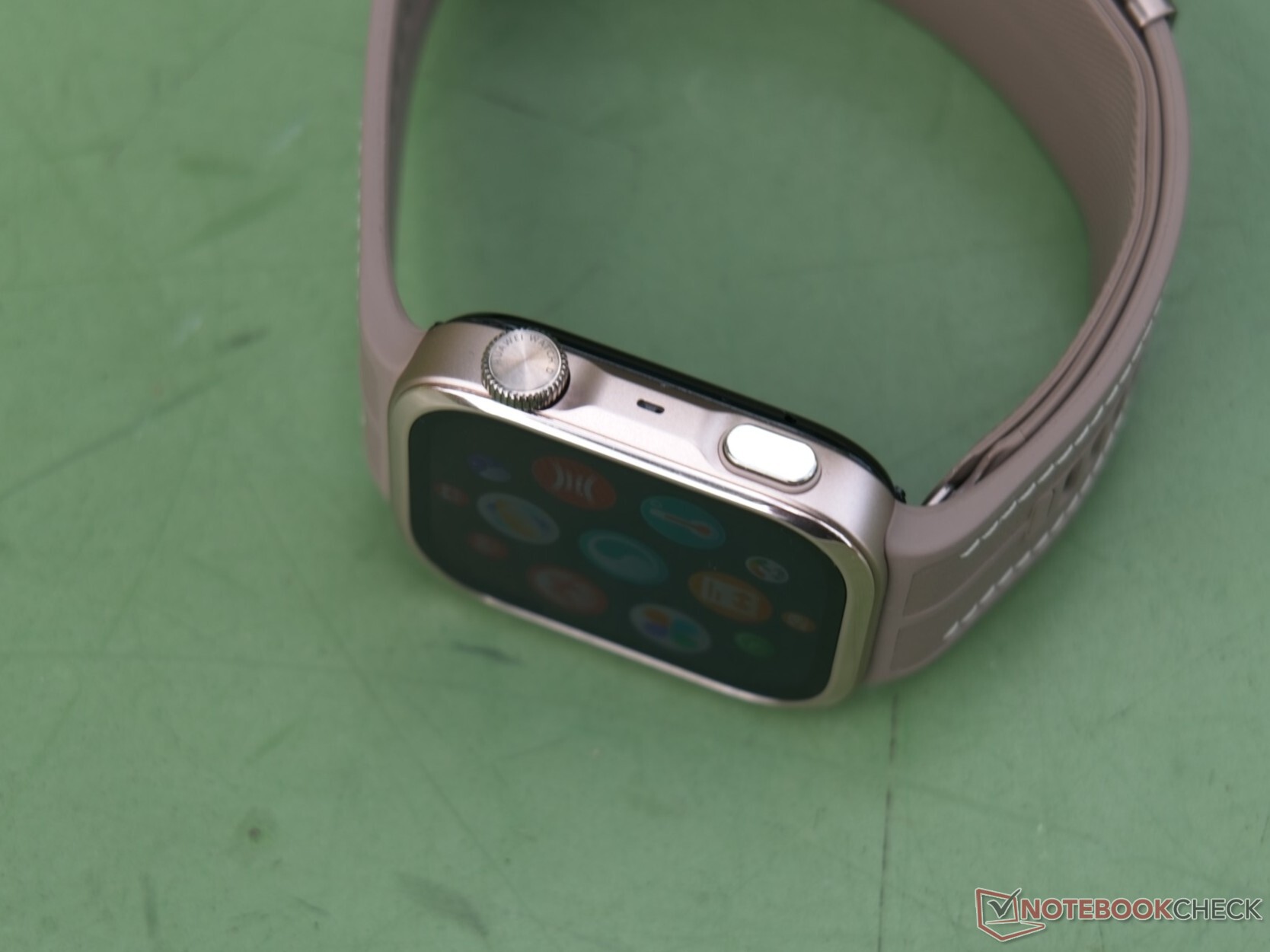
When it comes to hardware, Huawei has focused on targeted refinements. At 11.3 millimeters, the smartwatch is noticeably thinner than its predecessor and features a 1.92-inch AMOLED display that—with a peak brightness of up to 3,000 cd/m²—is twice as bright as before. Build quality is top-notch, with a solid, robust case. One noticeable detail, reminiscent of the Huawei Watch GT 7, is the relatively wide display bezel, though this is at most a minor aesthetic drawback.
Crucially, despite its IP68 certification, the Watch D3 should not be worn while swimming or showering—a limitation Huawei explicitly highlights in an included insert. Should the watch get wet, it must be wiped clean and dried before taking a blood pressure reading. This requirement stems from the blood pressure cuff integrated directly into the strap, reinforcing the D3's status as a specialized medical wearable rather than a general-purpose sports watch.
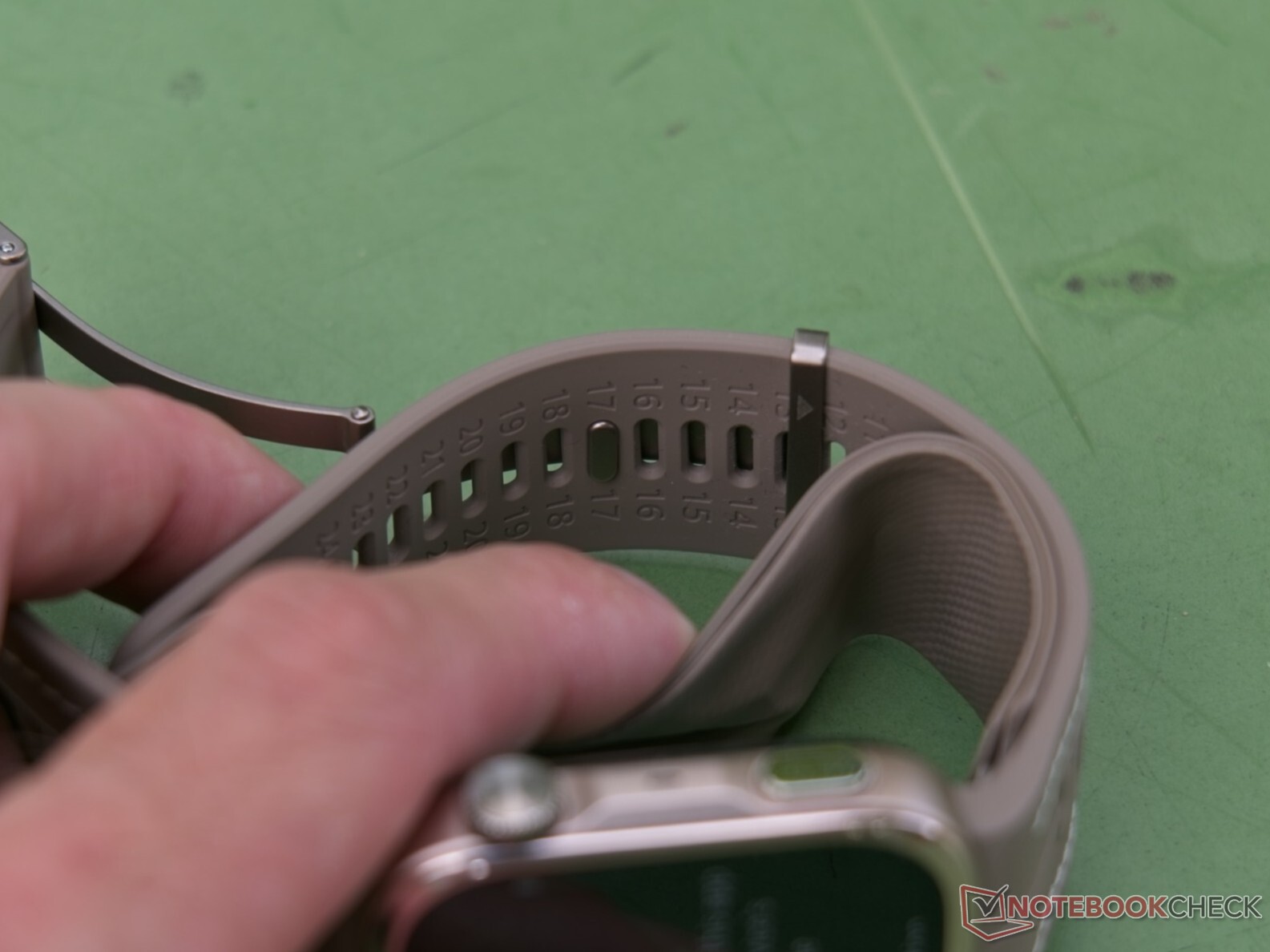
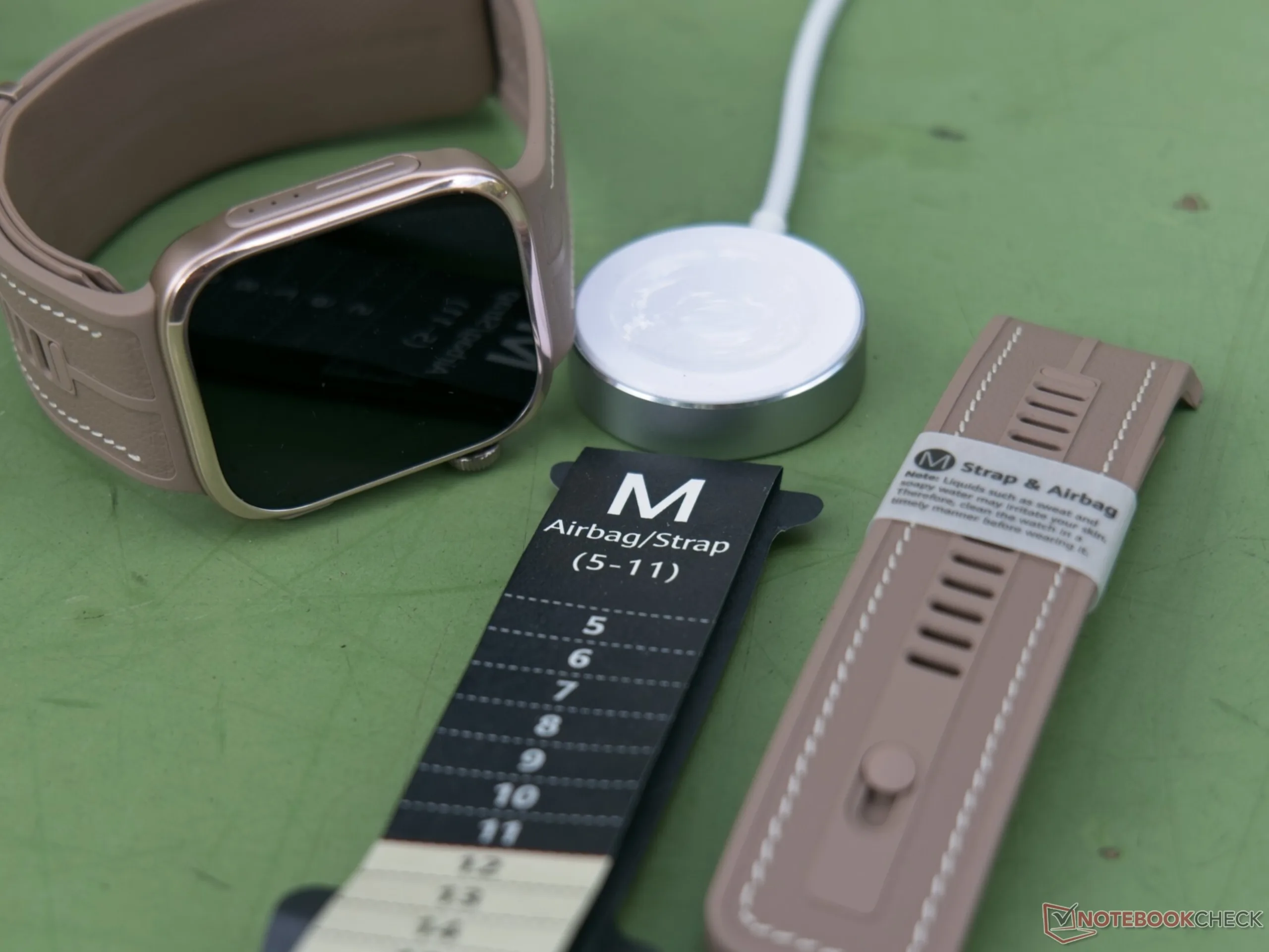
For blood pressure tracking, the inside of the strap features an inflatable air cushion. Huawei includes two strap sizes in the box alongside a paper measuring strip to help users select the right fit. Adjusting the length is simple, relying on a metal peg that snaps into place. Throughout testing, the fit proved entirely problem-free.
Sustainability
The Huawei Watch D3 arrives in a cardboard box, though the inner packaging still relies on coated liners and foam. According to the manufacturer, the included plastic bags are at least partially compostable. On the sustainability front, standard industry rules apply: the device is not designed for user repairs or straightforward battery replacement.
Setup is also available via APK, but not through the Play Store
The companion app of choice is the Huawei Health app. Because it remains unavailable on the Google Play Store, initial setup on Android requires a work-around if you do not use alternative software repositories or Huawei’s own AppGallery: scanning a QR code displayed on the Watch D3 downloads the APK file directly to your smartphone for manual installation.
This requires granting permission to install apps from unknown sources in your Android settings. Once installed, pairing is effortless—the app automatically detects nearby devices without requiring another QR scan, operating completely problem-free during testing.
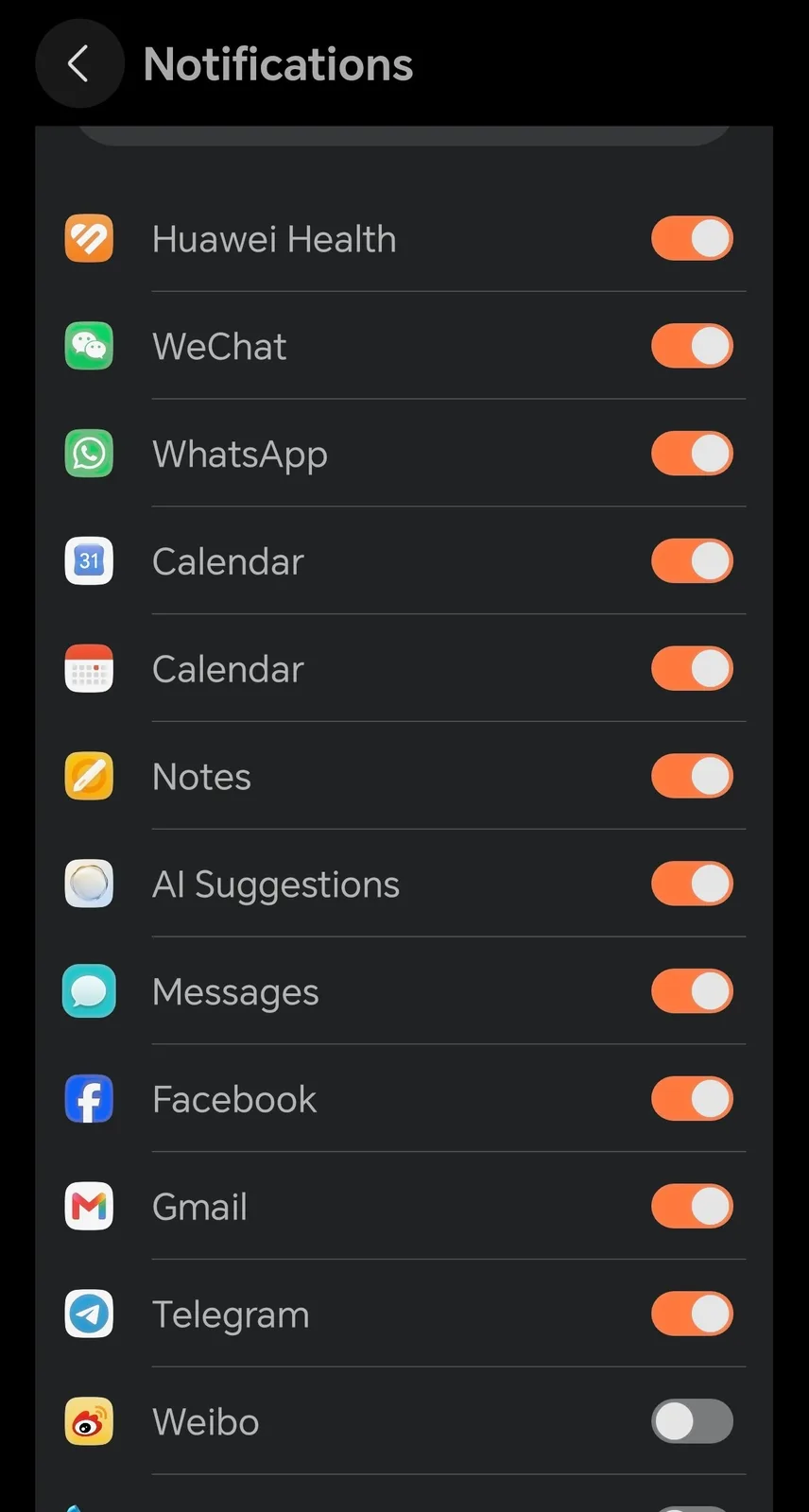
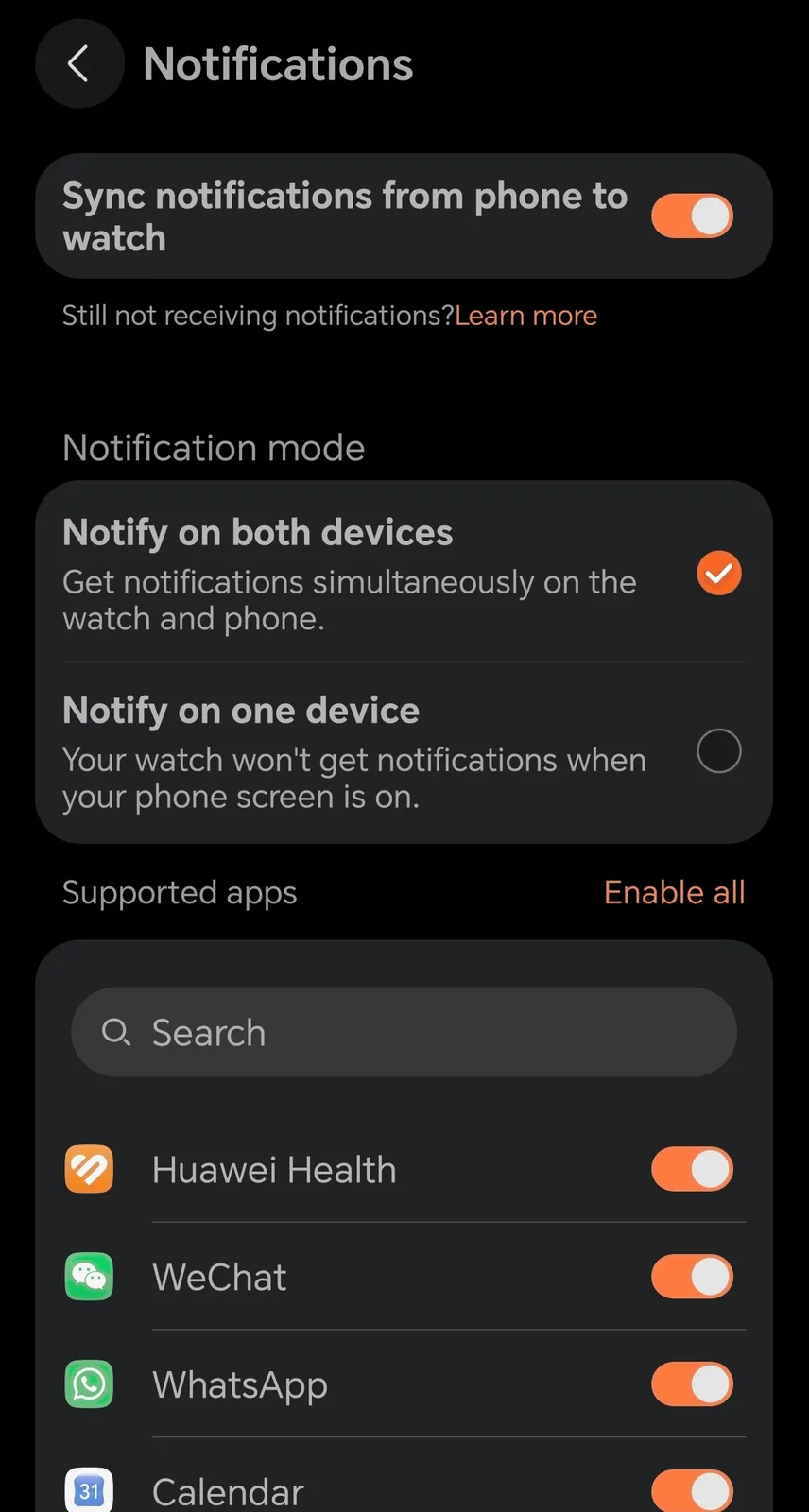
Notification management on Android offers impressive depth. Users can selectively enable alerts for specific applications, such as WhatsApp, and send quick replies directly from the wrist. A thoughtful feature mutes smartwatch notifications whenever the smartphone is actively in use.
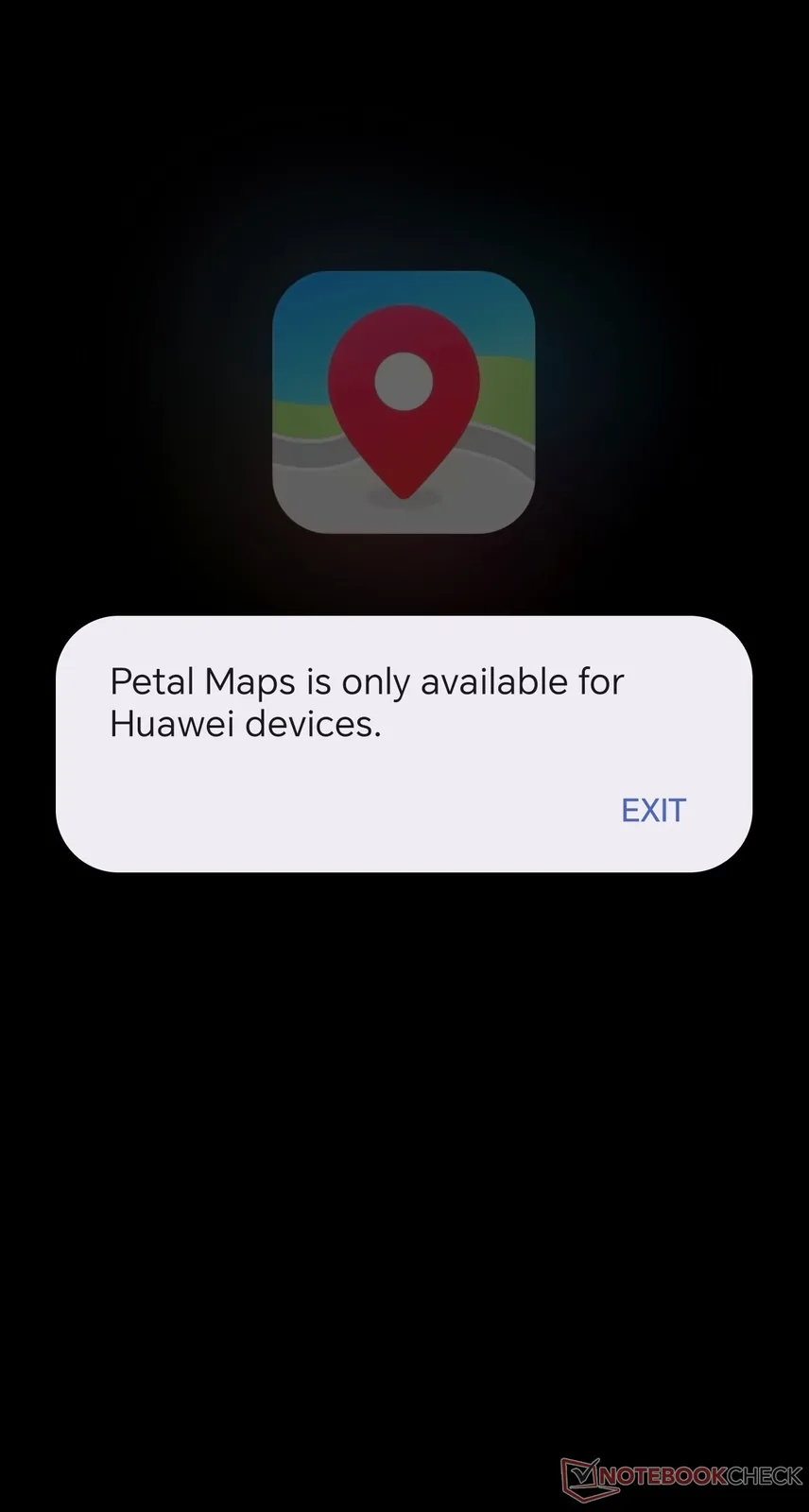
However, non-Huawei users face notable trade-offs. Turn-by-turn map navigation via Petal Maps, for instance, remains exclusive to Huawei devices, while iOS users encounter even stricter functional limitations—a topic we explore in greater detail in our review of the Huawei Watch GT 7. Contactless payments are supported via NFC using the Curve service platform.
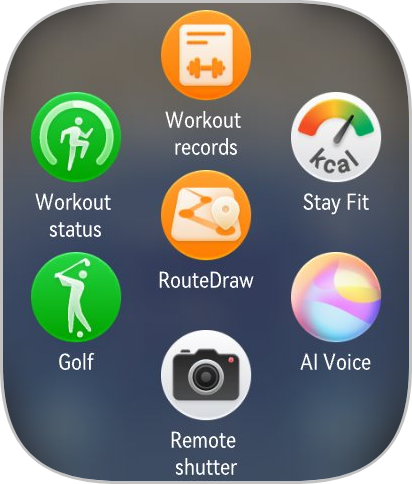
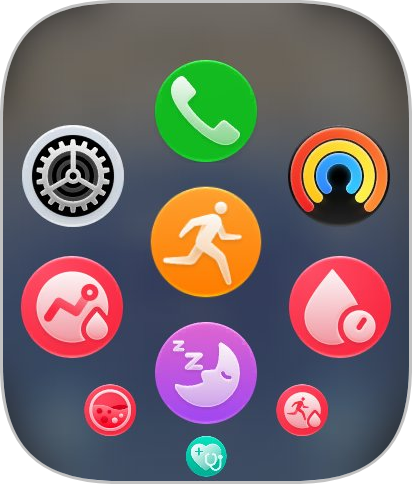
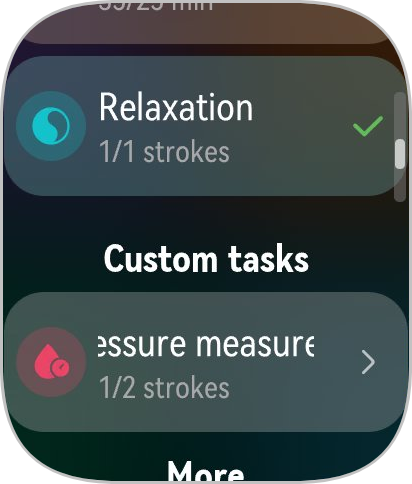
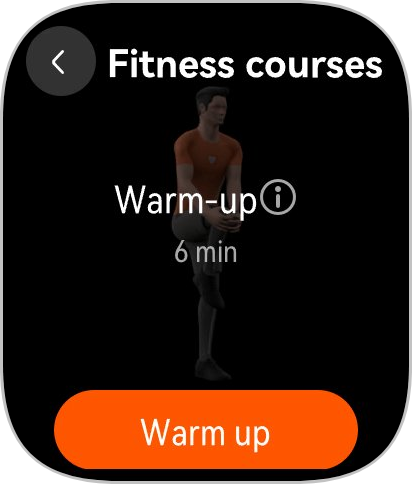
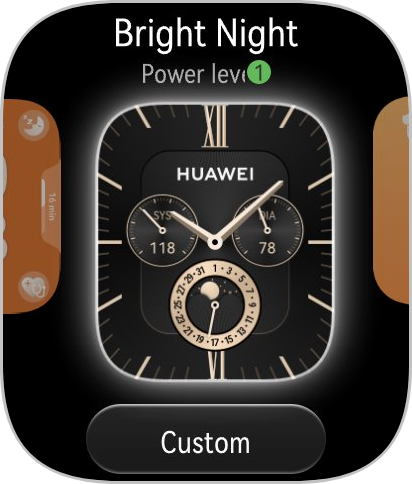
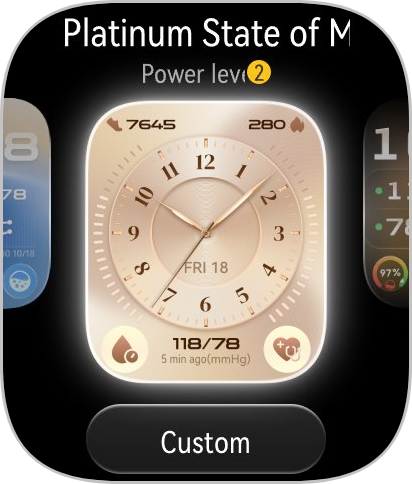
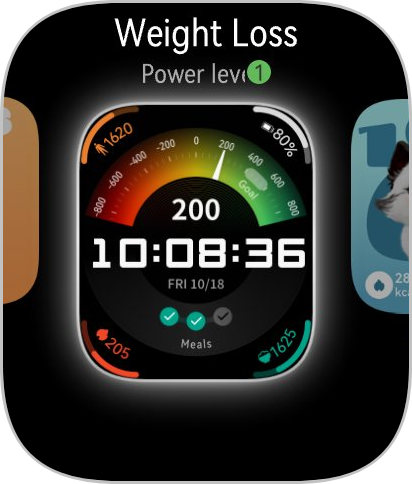
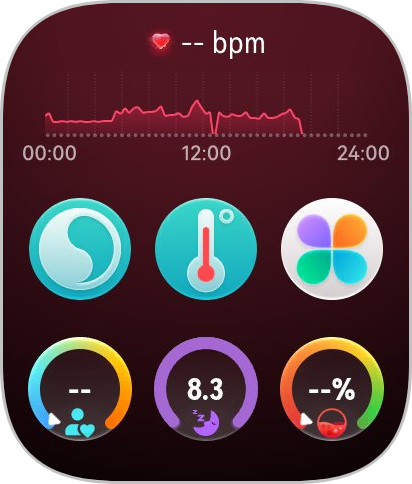
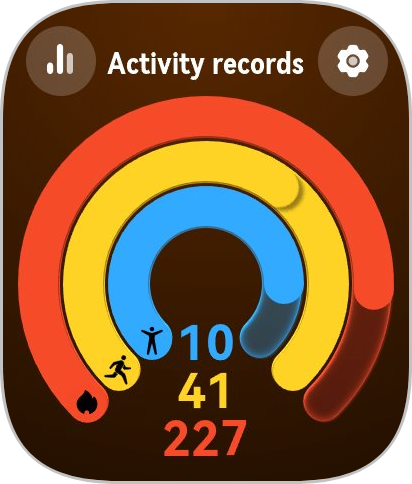
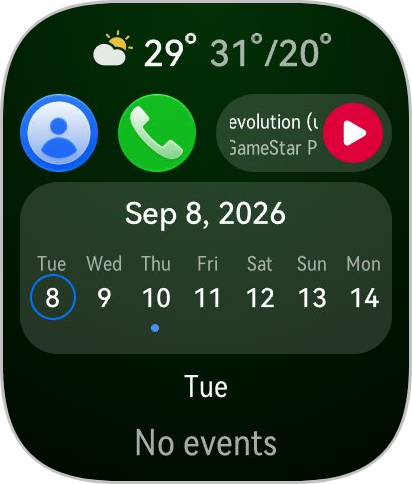
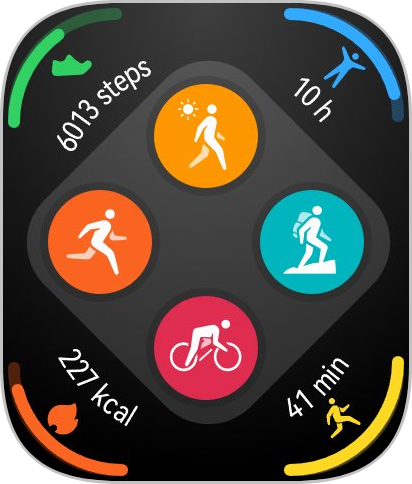
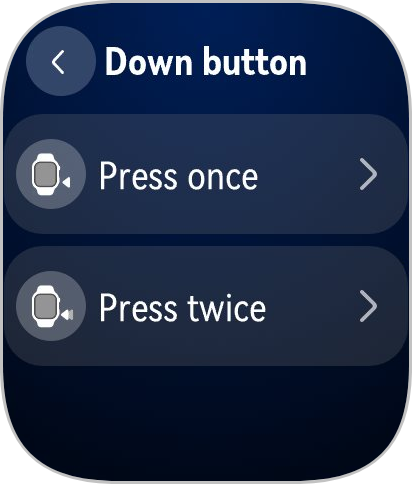
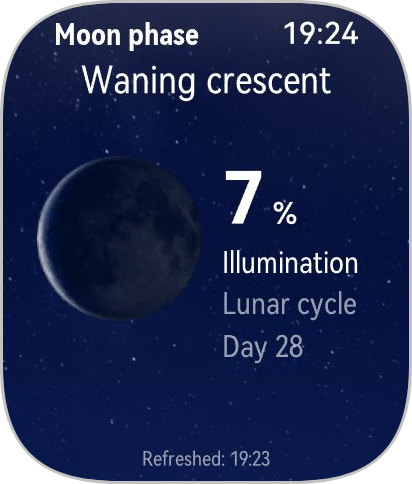
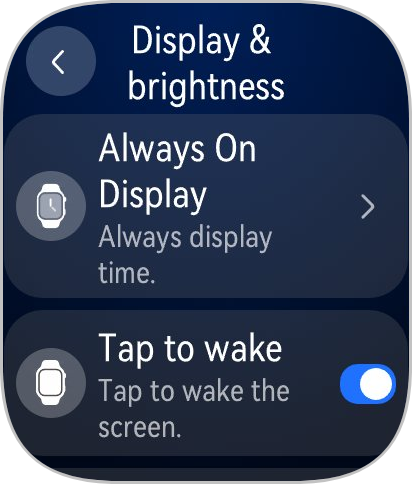
For controls, Huawei relies on a pressable rotating crown alongside a second physical button. The crown makes scrolling through menus exceptionally smooth, while the lower button can be customized for both single and double presses. Alternatively, the smartwatch can be navigated entirely via touch, though combining screen taps with crown inputs feels much more natural in daily use. That said, an additional button on the left side of the case would have further improved ergonomics.
Phone Calls and Notifications - Watch D3 is a Bluetooth hands-free device
The Huawei Watch D3 features an integrated speaker and microphone, allowing it to function as a Bluetooth hands-free device. Voice transmission and playback quality are solid, making it convenient to take calls without reaching for a smartphone. Calls can be both answered and initiated directly from the wrist: the watch synchronizes contacts once granted permission, while a built-in dial pad allows for manual number entry.
Incoming notifications can be answered using pre-configured quick replies or directly via an on-screen keyboard. One notable omission, however, is the lack of a voice-to-text dictation feature for messaging—a capability found on competitors like the Amazfit Cheetah 2 Pro.
Language Assistant
The Celia voice assistant can be easily triggered by holding down the lower right function button. While its overall capabilities are somewhat basic, it handles everyday tasks well: checking the weather is just as reliable as triggering system functions like initiating a blood pressure reading or starting a workout.
Health and Fitness—Stay Strong with ECG and Blood Pressure Monitoring
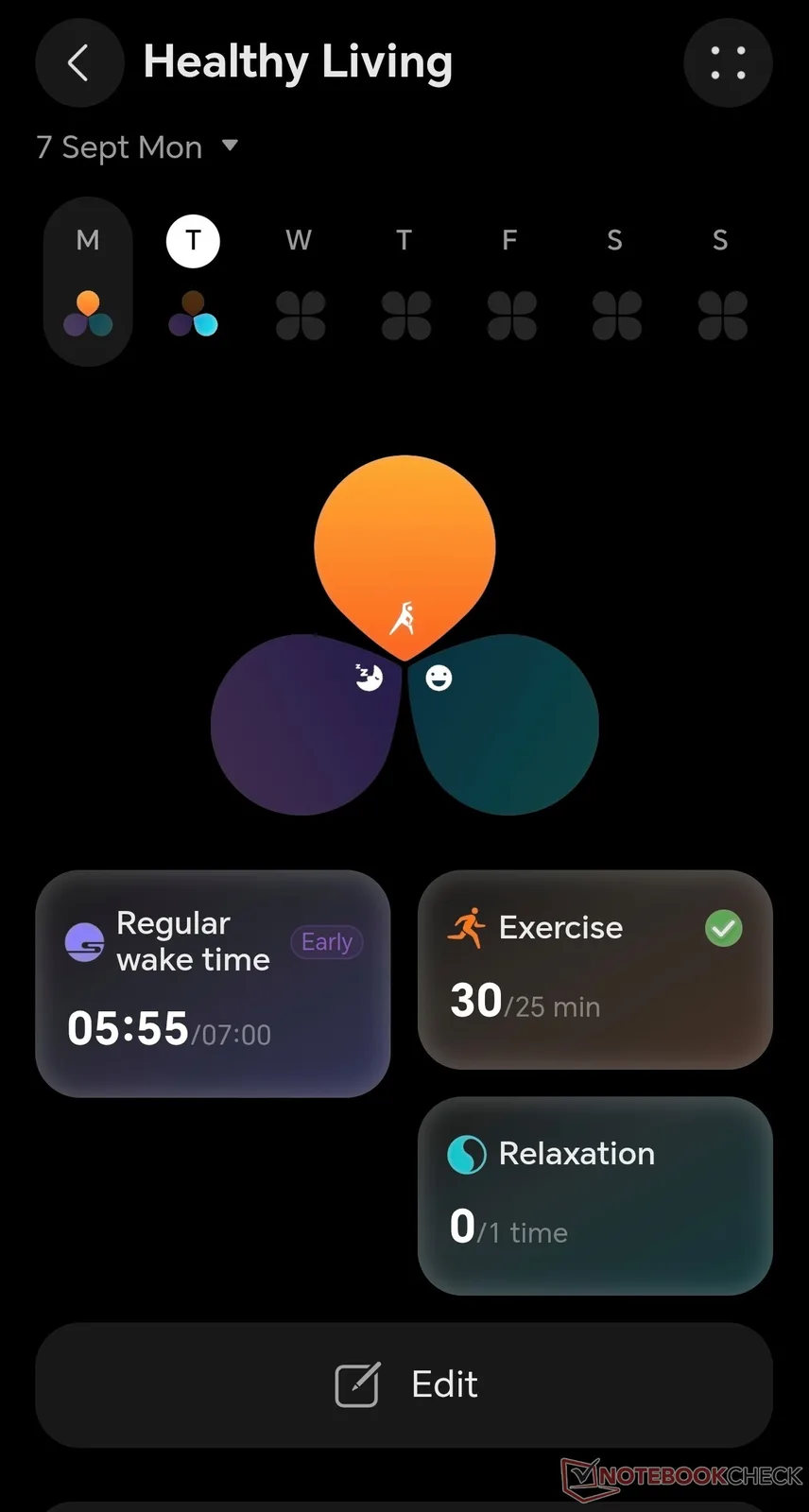
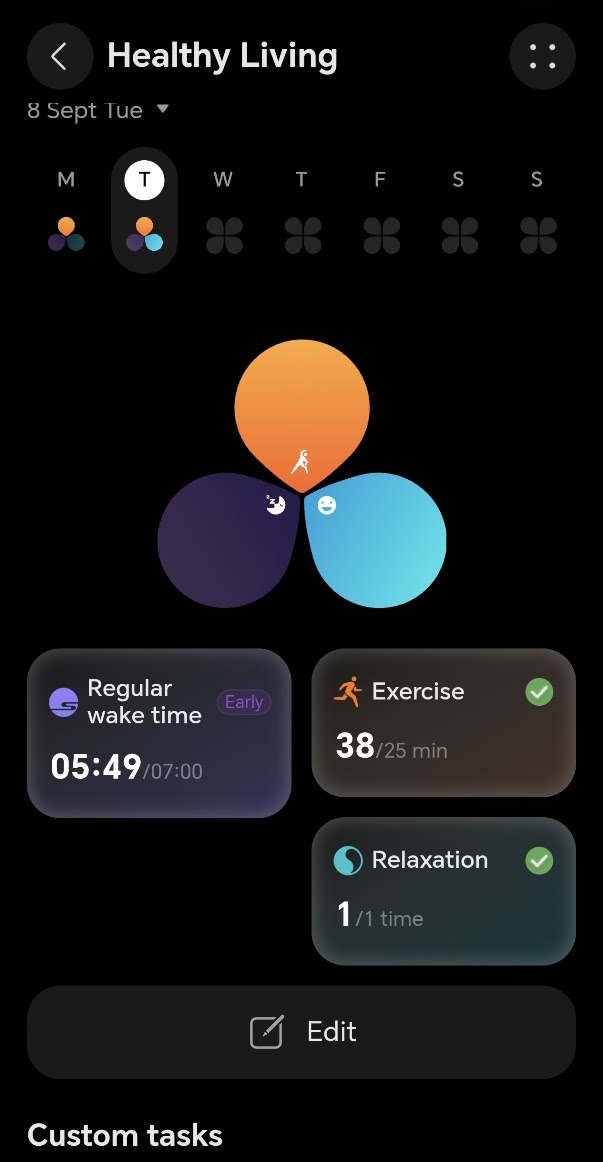
The Huawei Health app organizes activity and biometric data into a clean, intuitive layout. At its center are three "flower" progress icons representing sleep, exercise, and stress recovery—a visual system that proved particularly clear during testing. Tapping into individual categories reveals detailed statistics, trend charts, and context for health metrics. Extra features, such as guided relaxation tracks, require a paid "VIP" subscription.
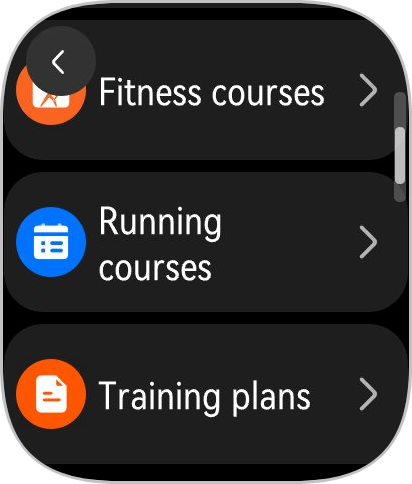
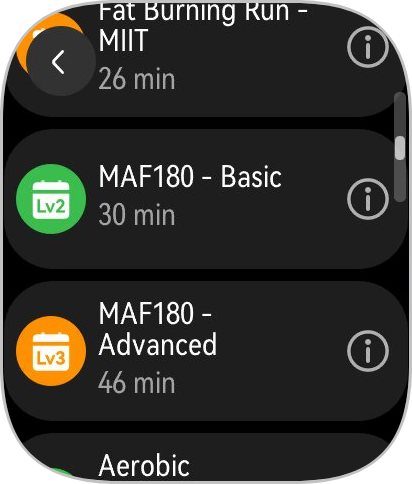
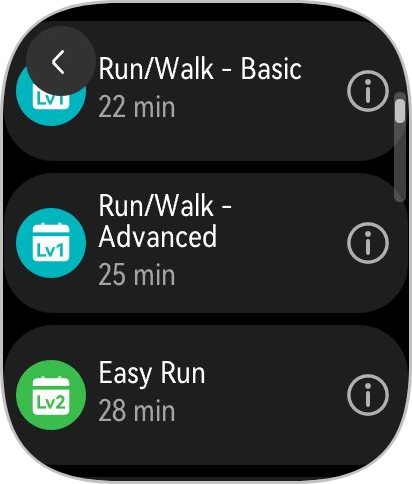
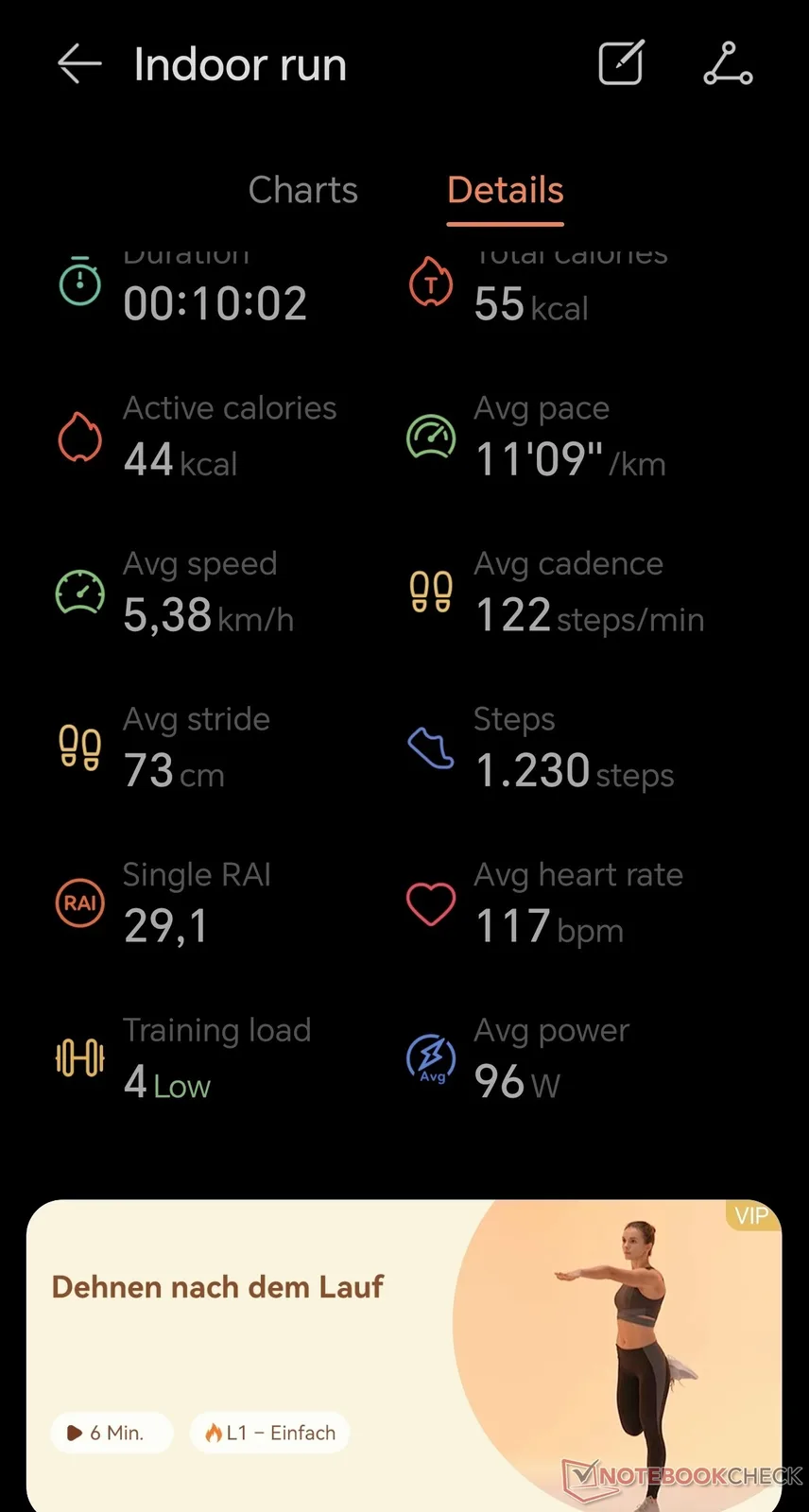
For sports tracking, the Watch D3 is surprisingly capable despite its health-centric focus. Workout screens are fully customizable with multiple data fields—including running form metrics—alongside real-time heart rate zones and live map views. Pre-built training plans also cater well to beginner runners. Direct integration with Google Health (Health Connect), however, still relies on third-party companion apps.
Heart Rate, Heart Rhythm, and Blood Oxygen Saturation
To evaluate measurement accuracy, we compared the Huawei Watch D3 against a chest strap during workouts and a dedicated upper-arm monitor for blood pressure readings. A brief note on methodology: while these real-world comparisons offer valuable guidance, they are not a substitute for a medical lab setting. We delve deeper into testing conditions and specific limitations in separate articles on our measurement methodology and blood pressure measurement with the Watch D3.
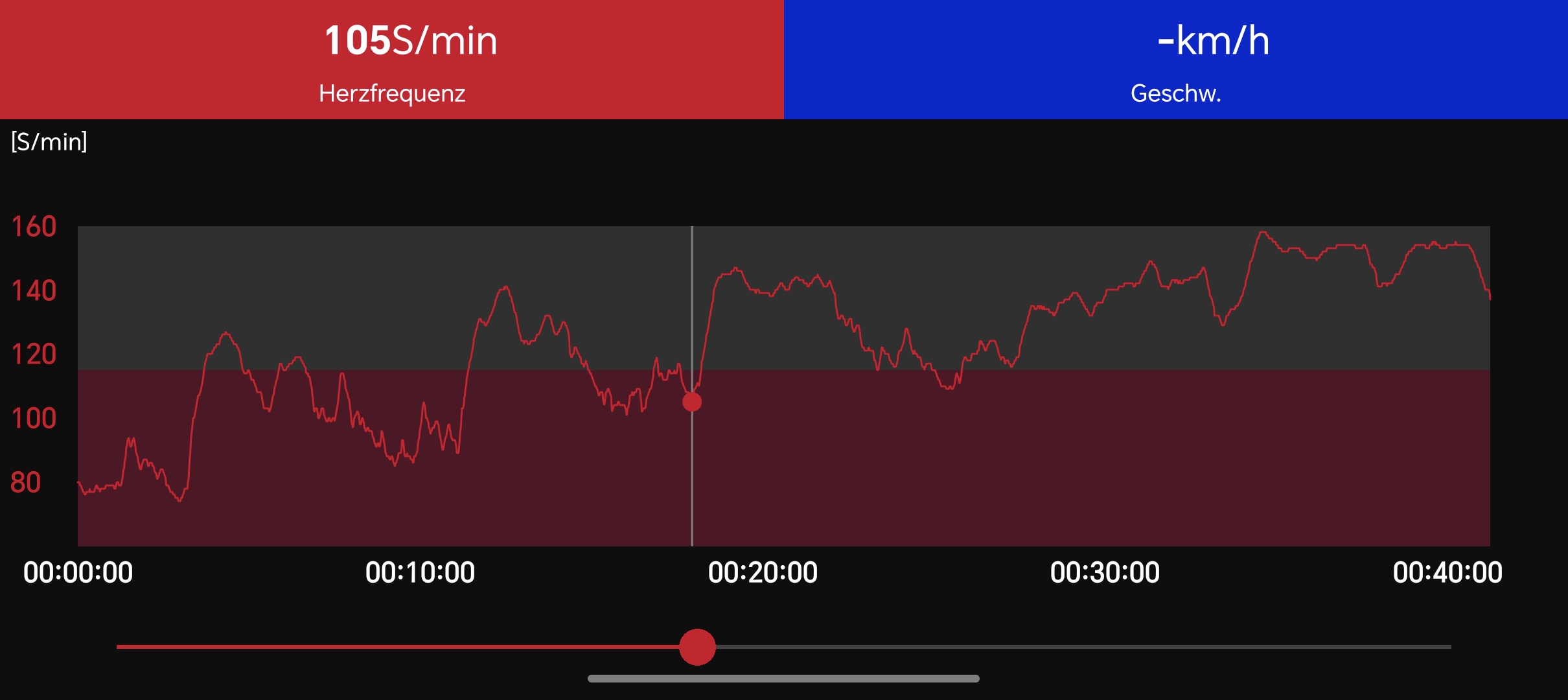
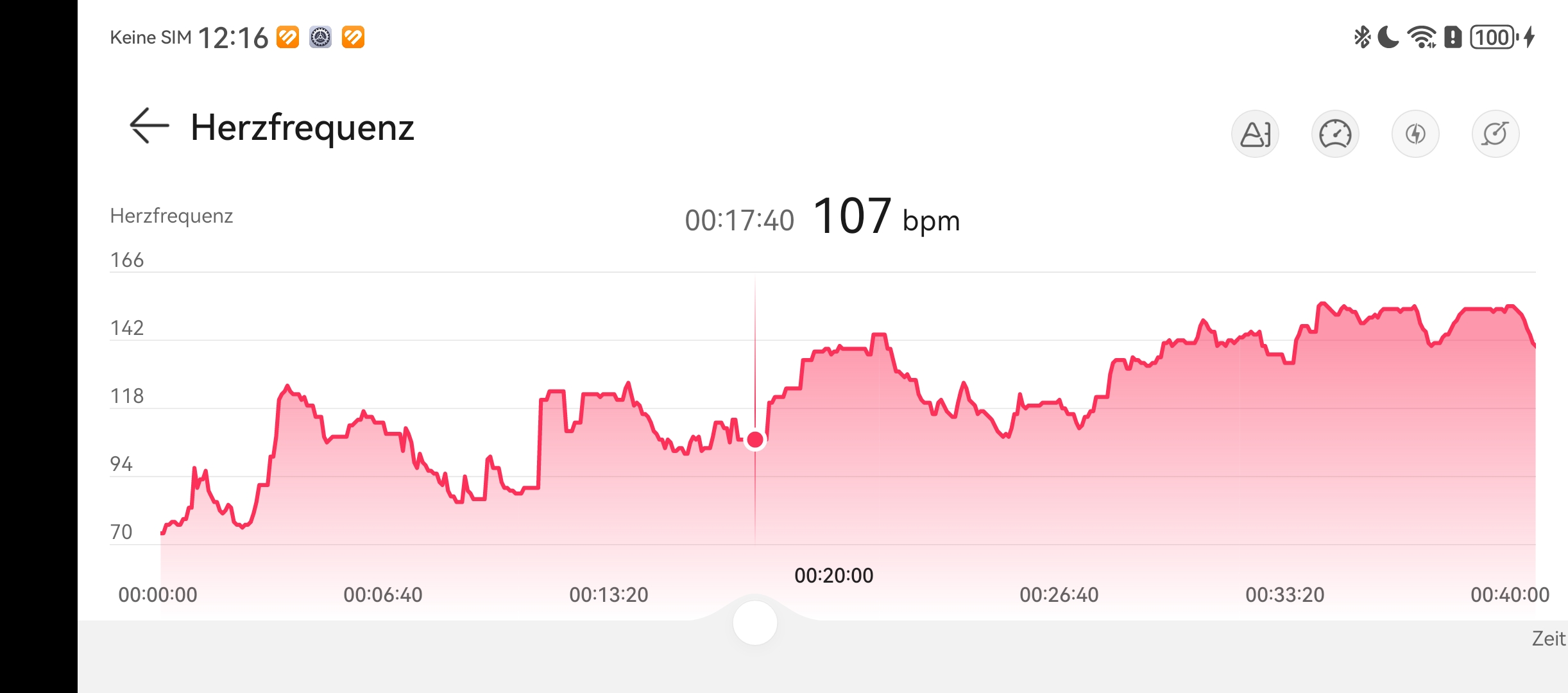
The Watch D3 tracks heart rate reliably during workouts. Compared to our reference Polar H10 chest strap, resting heart rate values matched perfectly. Even during intense cycling sessions, the readings remained remarkably close: the Watch D3 recorded average and peak heart rates of 107 and 155 bpm, respectively, versus 105 and 158 bpm on the reference device—a negligible deviation in practice.
However, a closer look at the heart rate curve reveals occasional artificial plateaus and abrupt, double-digit jumps between consecutive data points. While not ideal, these artifacts have minimal impact on overall average and peak readings. Blood oxygen saturation (SpO₂) was tested against a Braun Pulse Oximeter 1 Connect, yielding an average deviation of just 1.02 percentage points across three measurements—a figure well within the margin of error for consumer-grade pulse oximeters.
Blood Pressure Measurement: The Key Differentiator
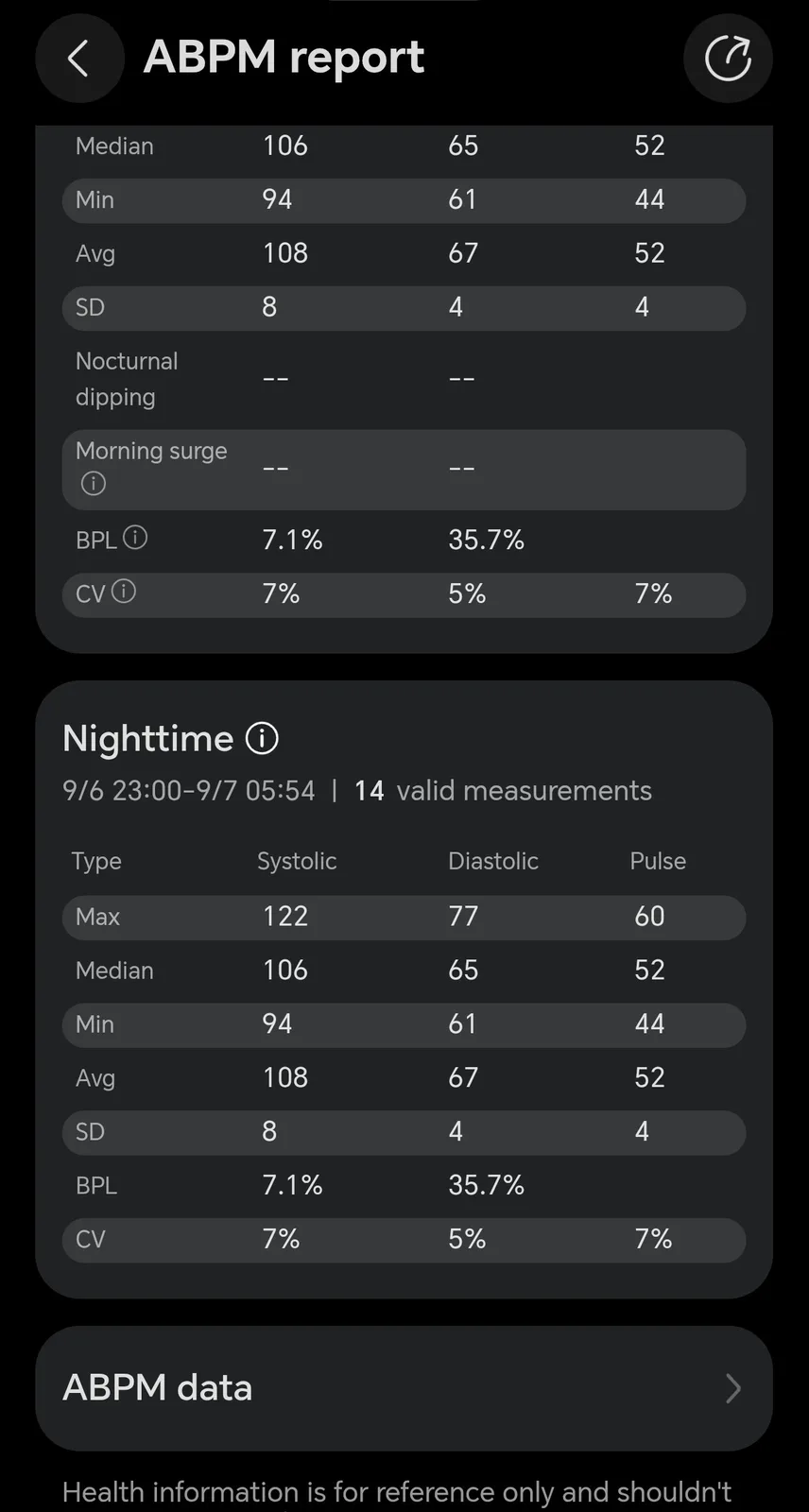
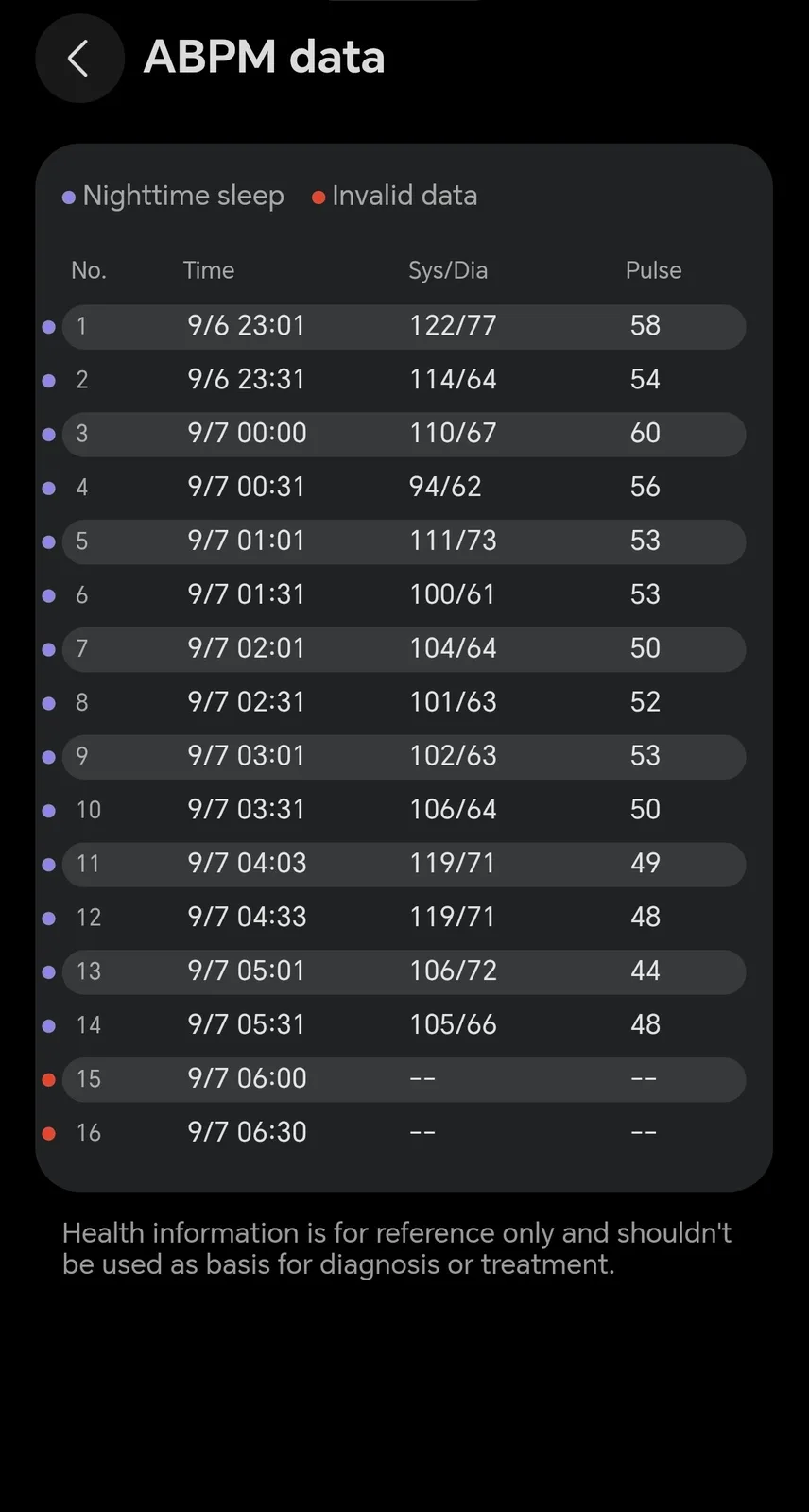
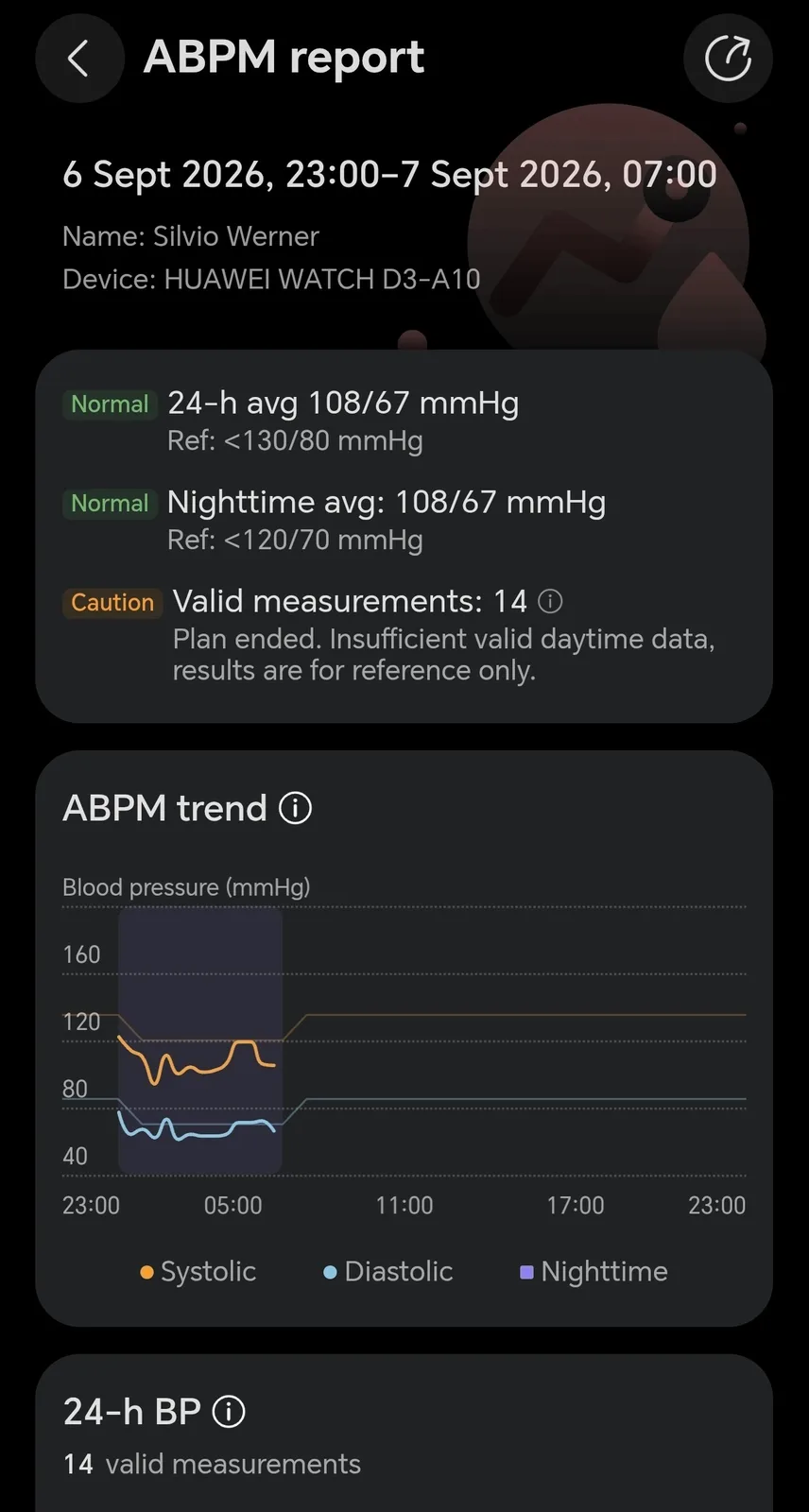
We will cover a detailed analysis of blood pressure measurements in a separate, dedicated article. However, one thing is already clear: when worn correctly, the Watch D3 delivers readings with relatively small deviations compared to dedicated devices like the Braun ExactFit 5 Connect (upper-arm cuff) and the Omron RS4 (wrist measurement). In a direct comparison with the Braun ExactFit 5 Connect, the average deviation across three measurements was +3.7 percent for systolic blood pressure and -2.86 percent for diastolic blood pressure. The average absolute deviation for the systolic value was 4.6 mmHg (or 5 mmHg rounded)—for context, Braun specifies a tolerance of ±3 mmHg for the ExactFit 5 Connect.
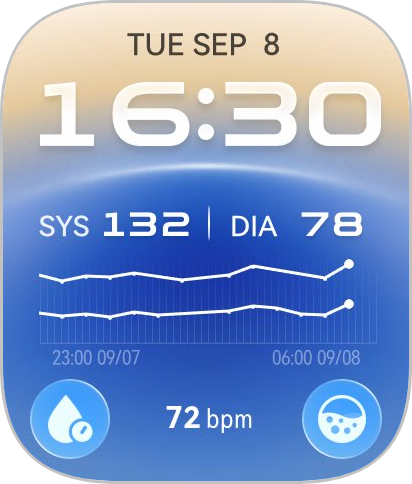
This serves as a comparative observation rather than a definitive verdict: in our testing, the Huawei Watch D2 exhibited slightly higher deviations. Huawei has also expanded the feature set: blood pressure can now be measured directly before and after exercise for comparison, and automated overnight tracking runs seamlessly. These night readings rarely disrupt sleep, as the built-in micropump operates almost silently. Overall, the Watch D3’s blood pressure monitoring is impressive across the board—it is precise, convenient, and easily the standout selling point of the Watch D series.
ECG Without Real Innovations
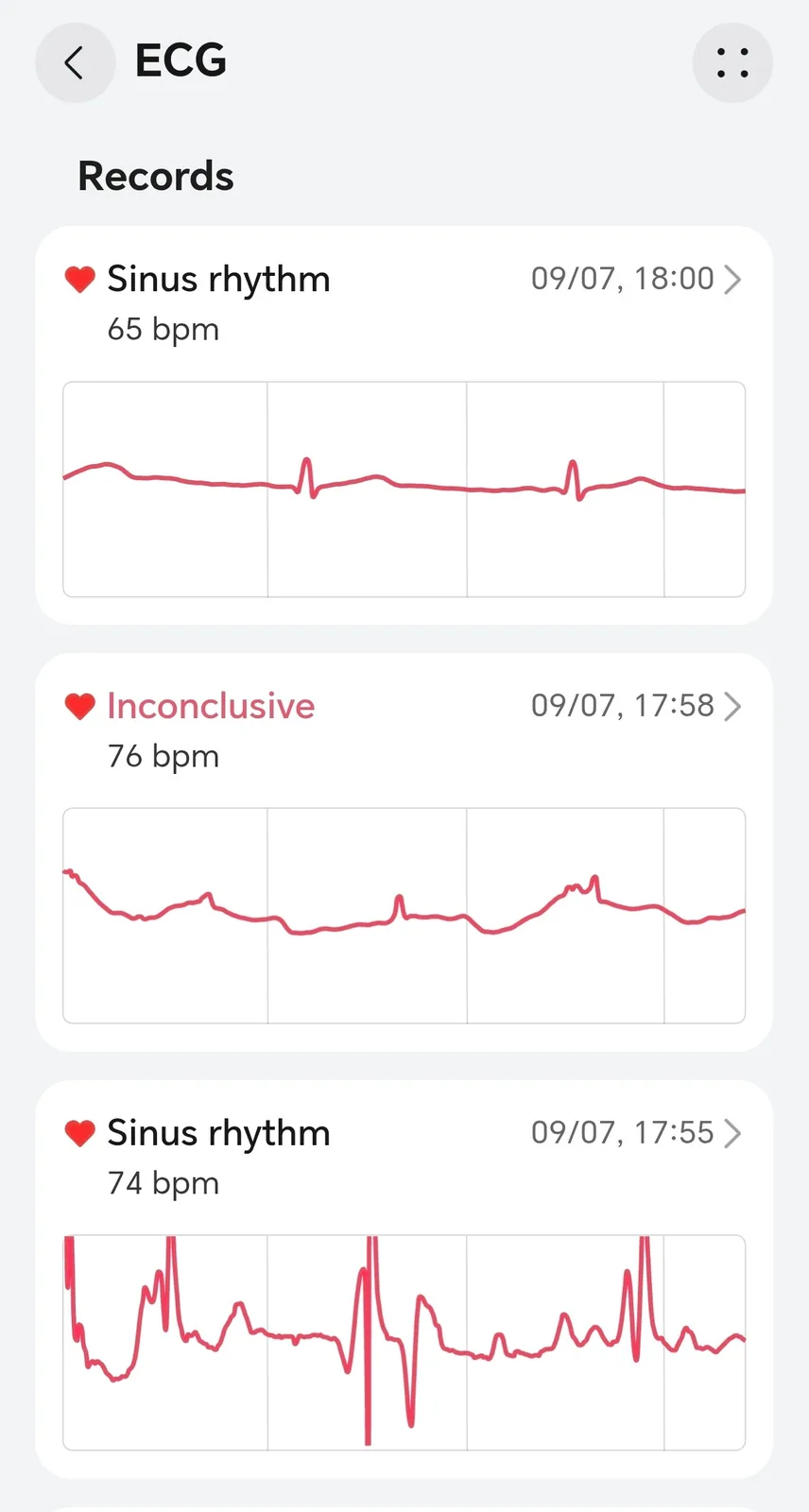
The Huawei Watch D3 can record a single-channel electrocardiogram and analyze it automatically—we explore the specific capabilities and limitations of single-lead ECGs and the Watch D3 in a separate article. Results can be exported as a PDF for easy sharing with a physician, and recording quality is solid. Given its certification as a medical device, reliable detection of cardiac arrhythmias is expected, though we were unable to test this with an affected subject in practice.
However, across a small sample size of two testers, no false-positive alerts occurred during our evaluation. It is somewhat disappointing that Huawei missed the opportunity to elevate the ECG feature: a clip-on electrode for additional leads or continuous overnight monitoring would have provided genuine added value. As it stands, the implementation remains standard fare with a typical single-channel ECG and a 30-second measurement duration.
Sleep Tracking
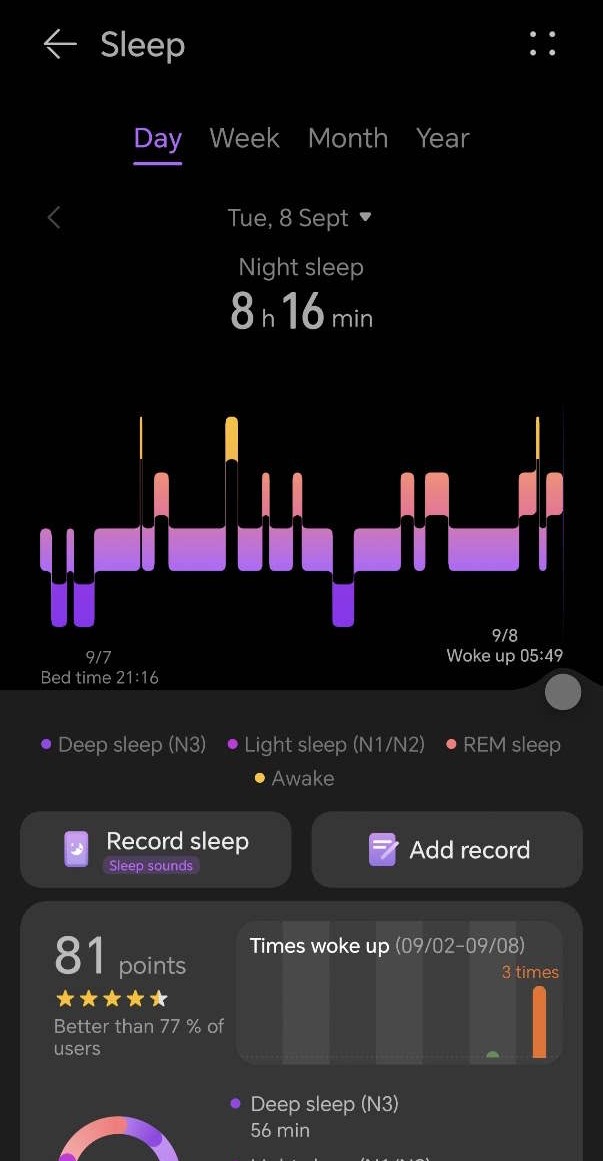
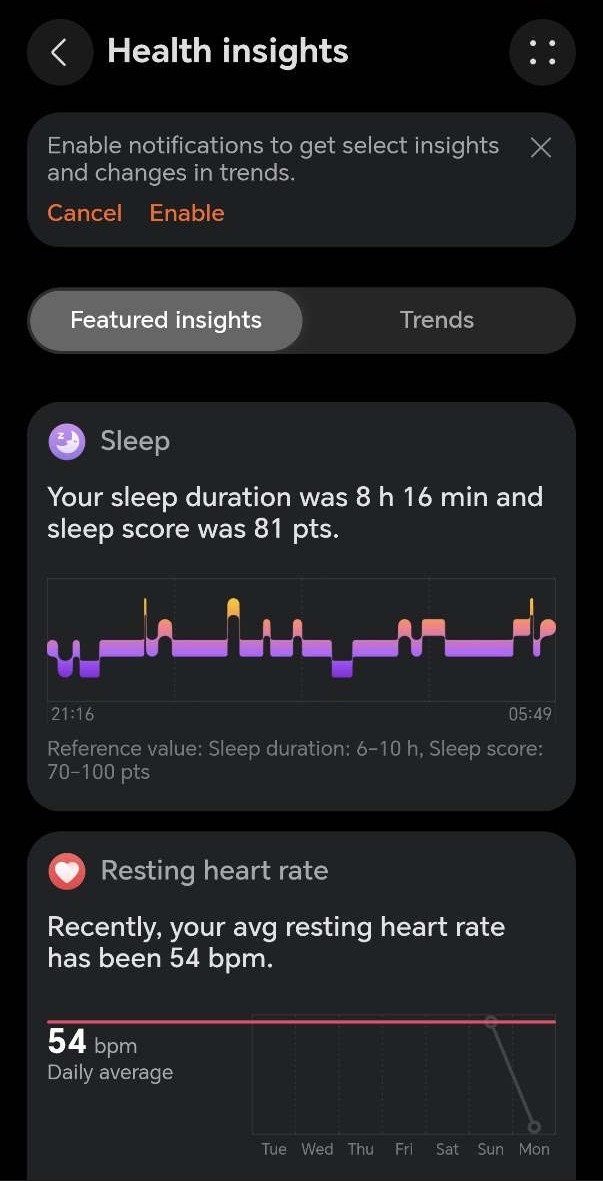
Evaluating sleep tracking without access to a specialized sleep laboratory is inherently challenging. In everyday testing, however, the Watch D3 reliably captures bedtimes, wake-up times, and nocturnal awakenings. While verifying the absolute precision of its sleep-stage breakdown (light, deep, and REM sleep) requires clinical equipment, all collected metrics are neatly organized in the companion app's intuitive charts. Furthermore, Huawei claims the sensor suite can monitor nighttime respiratory patterns and flag potential breathing irregularities.
GNSS and Navigation
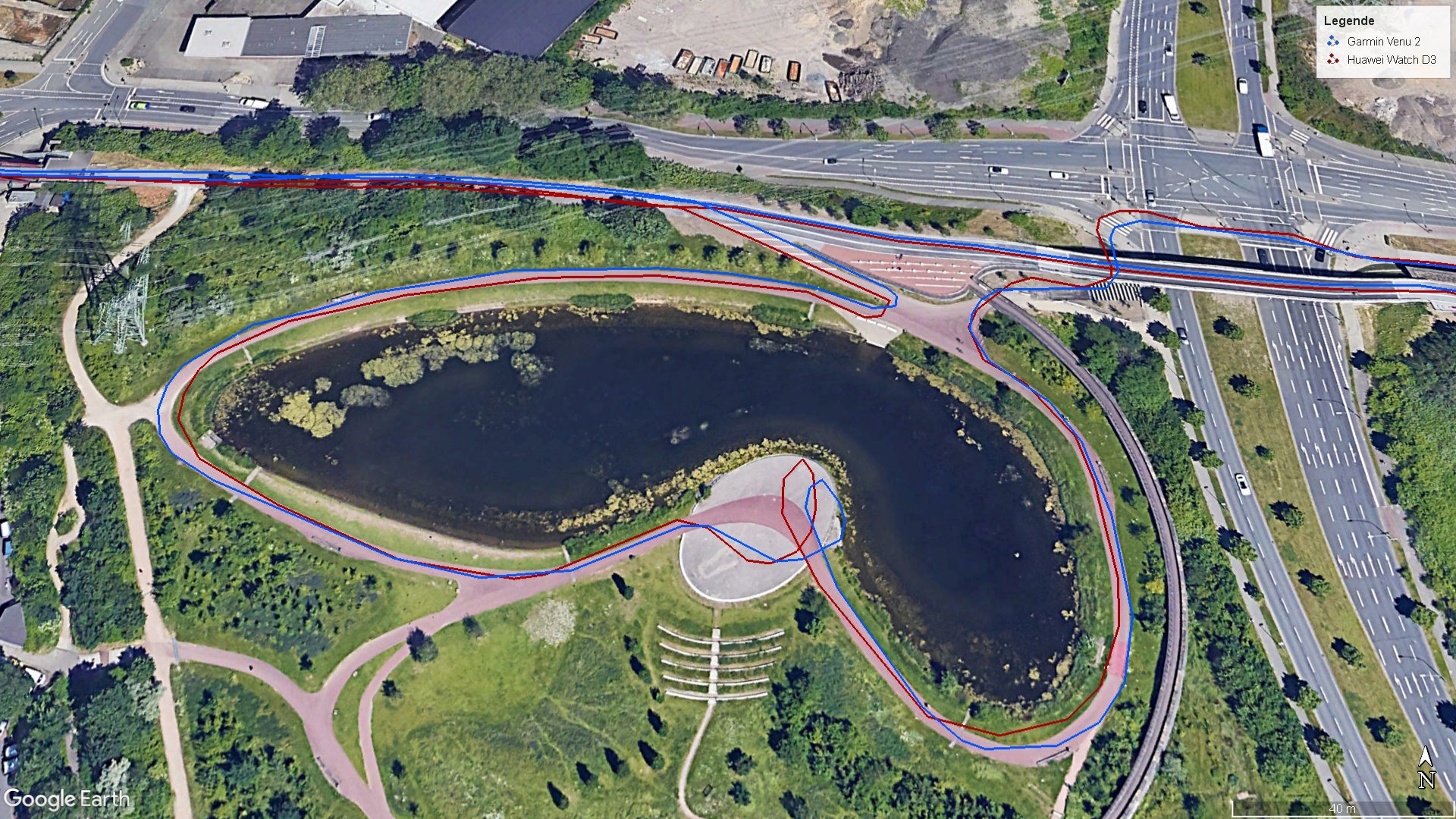
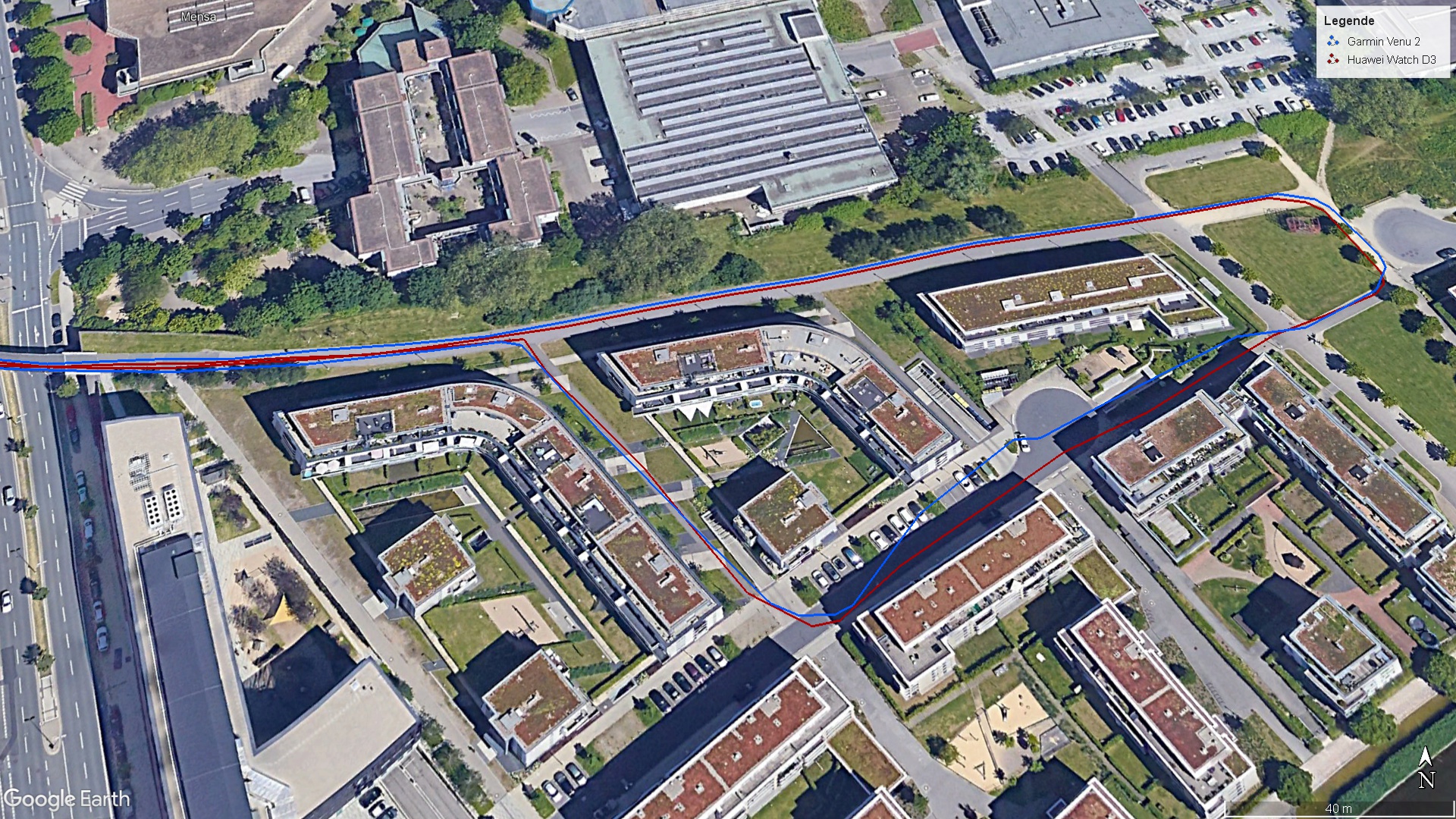
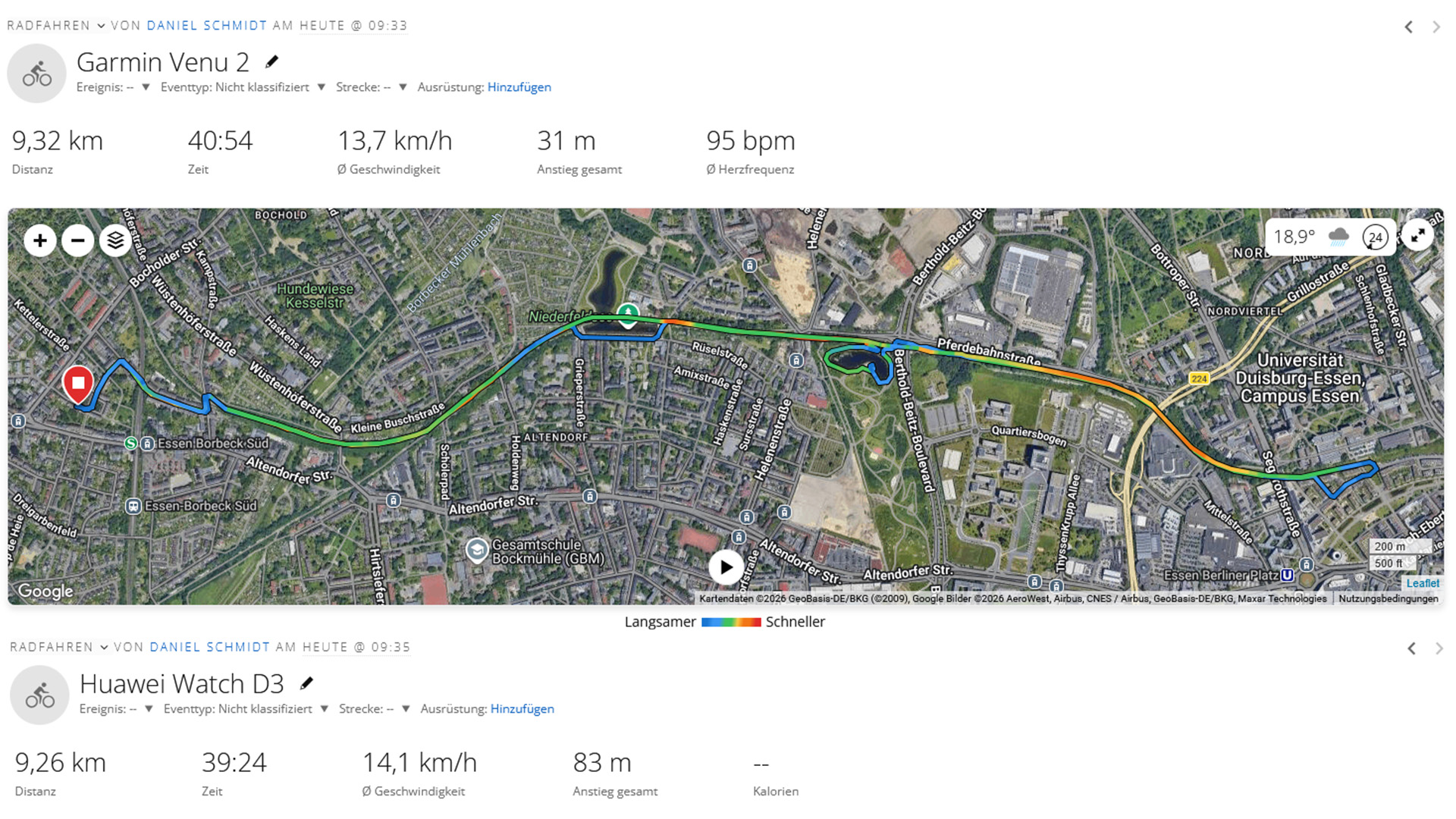
Huawei remains tight-lipped regarding the specific GNSS technology powering the device. In our test route, it logged a distance discrepancy of 60 meters—roughly 0.6%—compared to the Garmin Venu 2 (which serves as a practical baseline rather than a strict reference standard), a negligible variance in real-world use. The Watch D3 handles cornering and curved paths smoothly, exhibiting no noticeable tracking errors, signal drops, or aggressive route-smoothing artifacts.
Display - Larger and brighter

The Huawei Watch D3 is equipped with a 1.92-inch AMOLED display featuring a resolution of 408 × 480 pixels. With automatic brightness control active, we measured a peak luminance of 3,150 cd/m² under intense lighting—an impressive figure that guarantees crisp legibility even in direct sunlight. Under manual control, the panel achieves up to 582 cd/m². In dark environments, the display can be dimmed down to 5.34 cd/m², providing a glare-free viewing experience that remains easy on the eyes.
| Huawei Watch D3 | Huawei Watch D2 | Samsung Galaxy Watch9 | Apple Watch Series 11 42mm | |
|---|---|---|---|---|
| Response Times | ||||
| PWM Frequency (Hz) | 60 | 60 | 60 | 60 |
| PWM Amplitude * (%) | 85 | |||
| Screen | -60% | 0% | -33% | |
| Brightness middle (cd/m²) | 3150 | 1265 -60% | 3162 0% | 2117 -33% |
| Black Level * (cd/m²) | ||||
| Total Average (Program / Settings) | -60% /
-60% | 0% /
0% | -33% /
-33% |
* ... smaller is better
Screen Flickering / PWM (Pulse-Width Modulation)
| Screen flickering / PWM detected | 60 Hz | 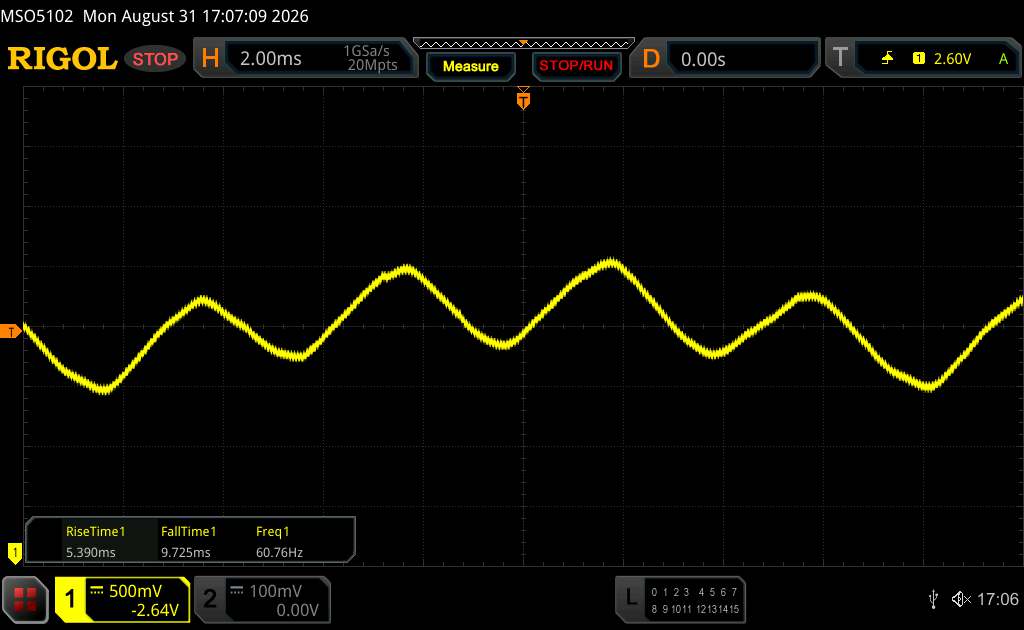 | |
The display backlight flickers at 60 Hz (worst case, e.g., utilizing PWM) . The frequency of 60 Hz is very low, so the flickering may cause eyestrain and headaches after extended use. In comparison: 52 % of all tested devices do not use PWM to dim the display. If PWM was detected, an average of 7656 (minimum: 5 - maximum: 343500) Hz was measured. | |||
Performance and Runtime
Huawei does not disclose the specific SoC powering the Watch D3. In practice, however, performance is consistently smooth throughout system navigation, and map rendering runs without a hitch.
Good battery life even with frequent measurements
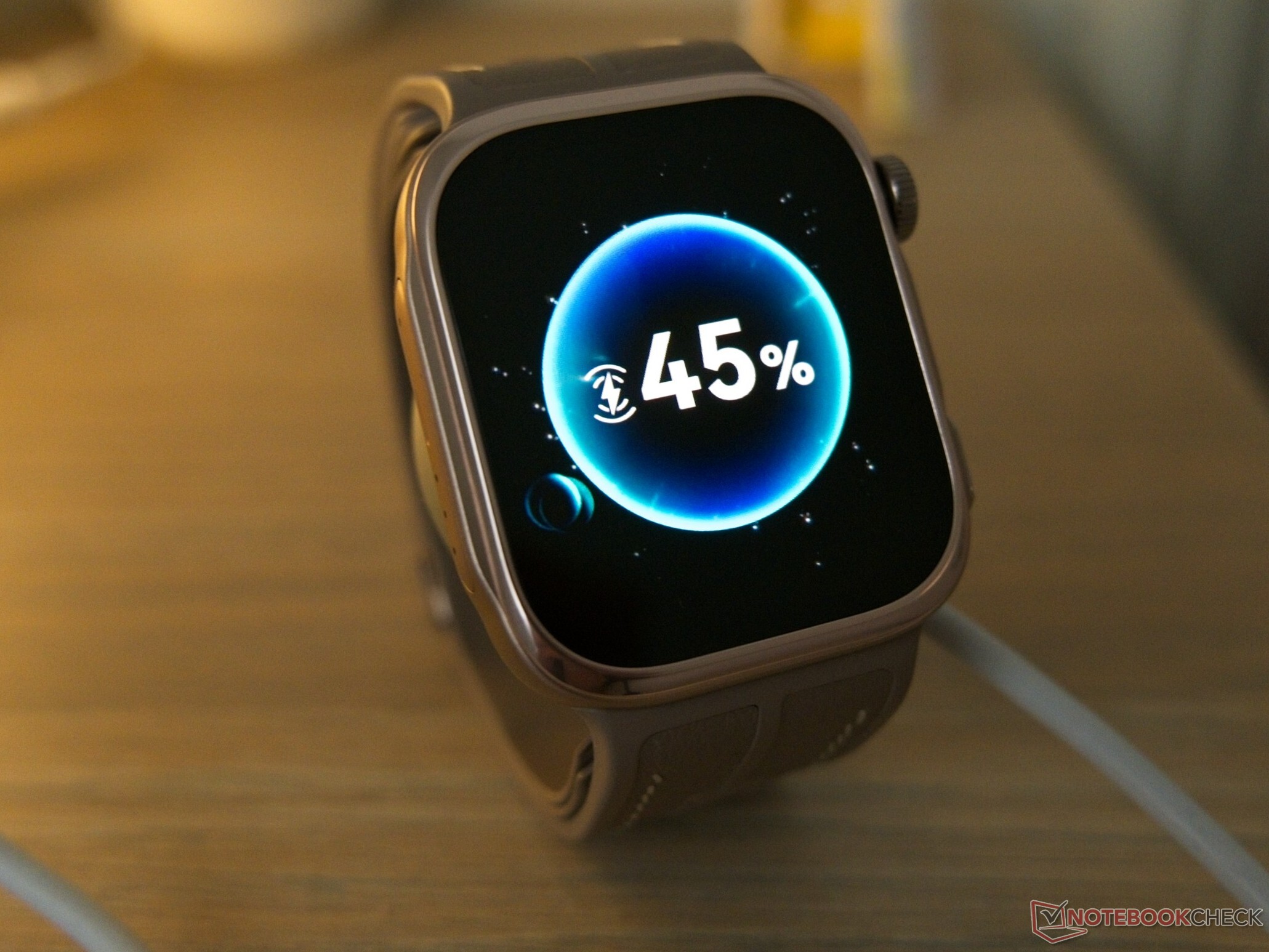
Huawei rates the typical battery life at up to six days—a figure that proves realistic in practice. In our testing, the Watch D3 held out for four full days with 15 percent remaining, even with continuous heart-rate tracking enabled, an hour of GPS-monitored workouts, two strength-training sessions, and over 60 blood-pressure readings. Fast charging is equally impressive: the battery reached 50 percent capacity in just 16 minutes, while a full charge from 15 percent took under an hour.
Comparison of Possible Alternatives
Image | Model | Price | Size | Weight | Battery Capacity | Display |
|---|---|---|---|---|---|---|
1.  | Huawei Watch D3 | List Price: 449€ | 1.92" | 76 g | 540 mAh | 1.92" 480x408 328 PPI |
2.  | Huawei Watch D2 | List Price: 399€ | 1.82" | 83 g | 524 mAh | 1.82" 408x480 347 PPI AMOLED |
3.  | Huawei Watch D | List Price: 399€ | 1.64" | 41 g | 451 mAh | 1.64" 456x280 326 PPI OLED |
4.  | Apple Watch Series 7 41 mm S7 | Amazon: 1. $155.00 Apple Watch Series 7 (GPS, 4... 2. $179.99 Apple Watch Series 7 [GPS + ... 3. $161.46 Apple Watch Series 8 [GPS, 4... List Price: 479€ | 1.61" | 32 g | 284 mAh | 1.61" 352x430 333 PPI Retina LTPO OLED |
5.  | Huawei Watch GT 7 | Amazon: | 1.47" | 51.3 g | 867 mAh | 1.47" 466x466 317 PPI AMOLED |
Transparency
The selection of devices to be reviewed is made by our editorial team. The test sample was provided to the author as a loan by the manufacturer or retailer for the purpose of this review. The lender had no influence on this review, nor did the manufacturer receive a copy of this review before publication. There was no obligation to publish this review. As an independent media company, Notebookcheck is not subjected to the authority of manufacturers, retailers or publishers.
This is how Notebookcheck is testing
Every year, Notebookcheck independently reviews hundreds of laptops and smartphones using standardized procedures to ensure that all results are comparable. We have continuously developed our test methods for around 20 years and set industry standards in the process. In our test labs, high-quality measuring equipment is utilized by experienced technicians and editors. These tests involve a multi-stage validation process. Our complex rating system is based on hundreds of well-founded measurements and benchmarks, which maintains objectivity. Further information on our test methods can be found here.
 Add as a preferred source on Google


