




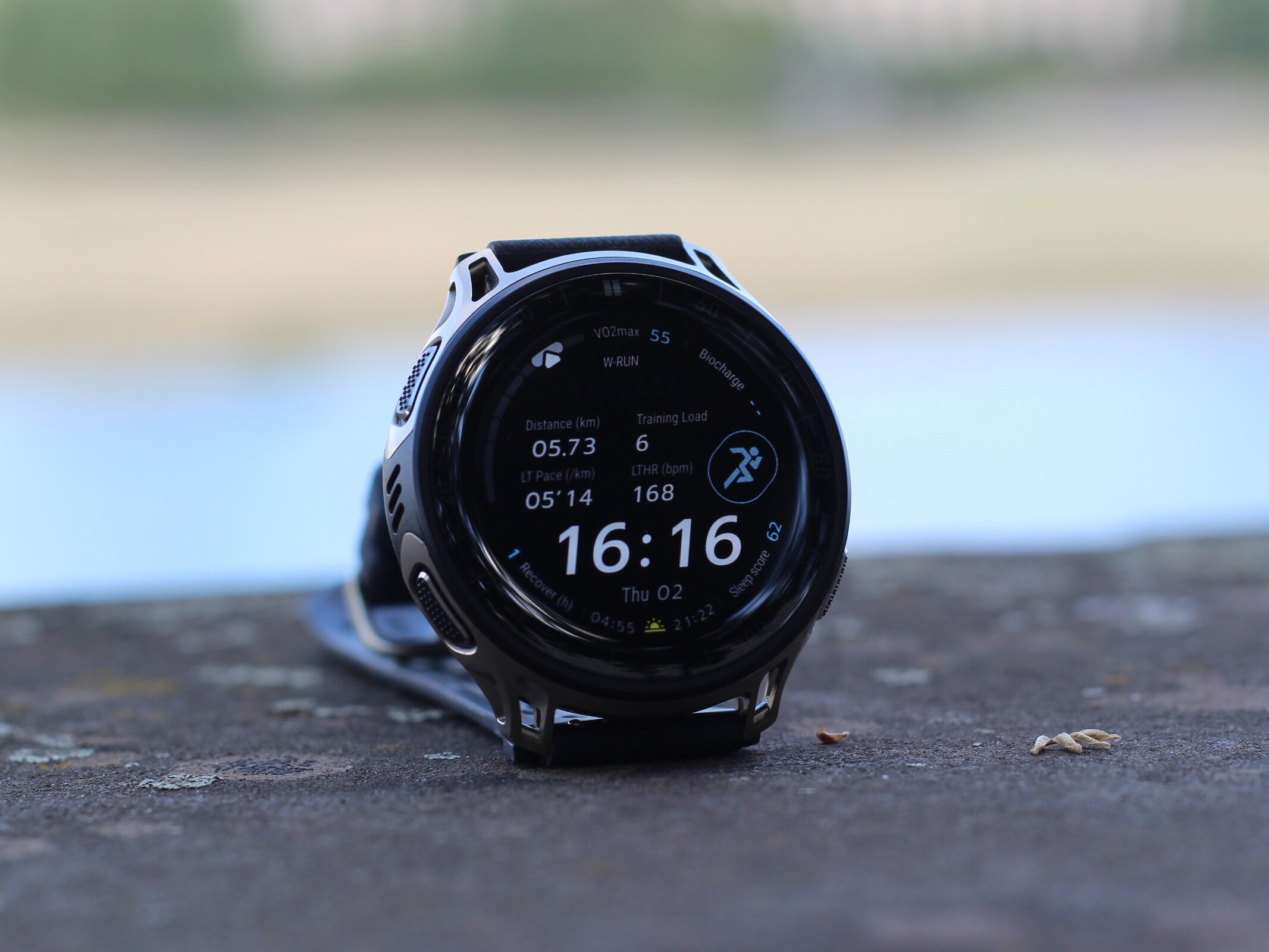
A very good smartwatch without any real innovations
With the Amazfit Cheetah 2 Pro, Amazfit offers a smartwatch with a distinctive design and a very bright AMOLED display. Its feature set is extensive, including not only numerous functions for workout tracking and management, but also navigation directly on the wrist. Battery life is also convincing, even with the always-on display enabled.
The watch uses sapphire glass and is partially made of titanium, giving it a very robust impression. Whether the Cheetah 2 Pro is the right choice, however, depends heavily on personal requirements, particularly when it comes to design. The bezel lettering looks somewhat unusual, and Amazfit has also decided against using a rotating crown. At €449 (approx. $512), the Cheetah 2 Pro is also likely to have a difficult position within Amazfit’s own lineup. Aside from its materials and design, it lacks genuine distinguishing features such as an ECG function. For less ambitious athletes, the Amazfit Active 2 could therefore already be the more attractive alternative.
Pros
Cons
Price and Availability
The Amazfit Cheetah 2 Pro is available directly from the manufacturer for €450 and is also sold through Amazon.

Table of Contents
- A very good smartwatch without any real innovations
- Case and Features - Titanium and sapphire crystal provide a pleasant feel
- Setup and Operation - Easy to get started with, but quite complex
- Health and fitness - Suitable for sports and everyday use
- The Cheetah 2 Pro's display exceeds 3,000 cd/m²
- Performance and runtime - A brief delay only when viewing maps
- Comparison of possible alternatives
The Amazfit Cheetah 2 Pro is a premium smartwatch that Amazfit clearly positions for ambitious athletes. Compared with its predecessor, it uses four separate buttons instead of a rotating crown. The display is also smaller, measuring 1.32 inches rather than 1.45 inches.
Case and Features - Titanium and sapphire crystal provide a pleasant feel
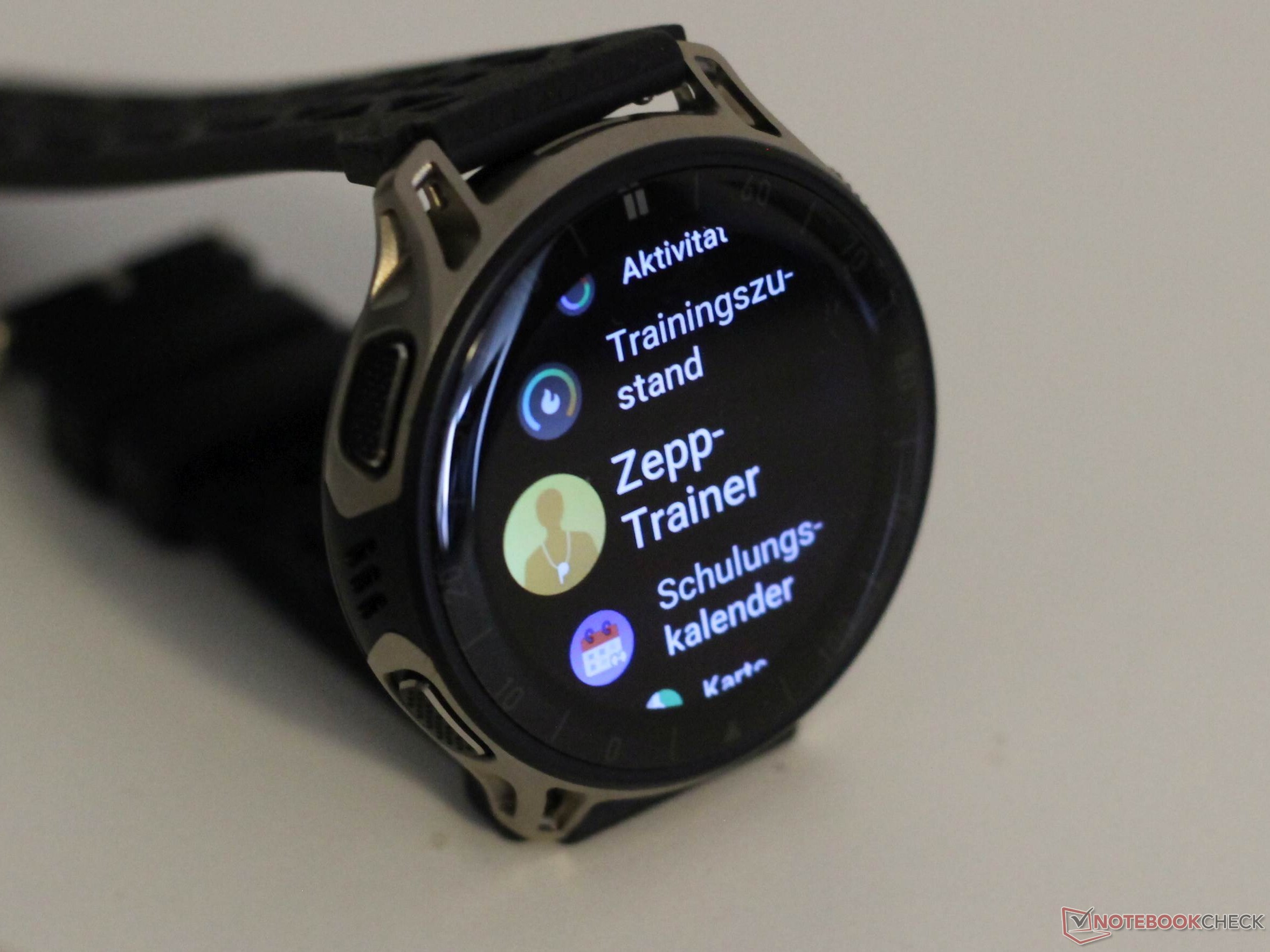
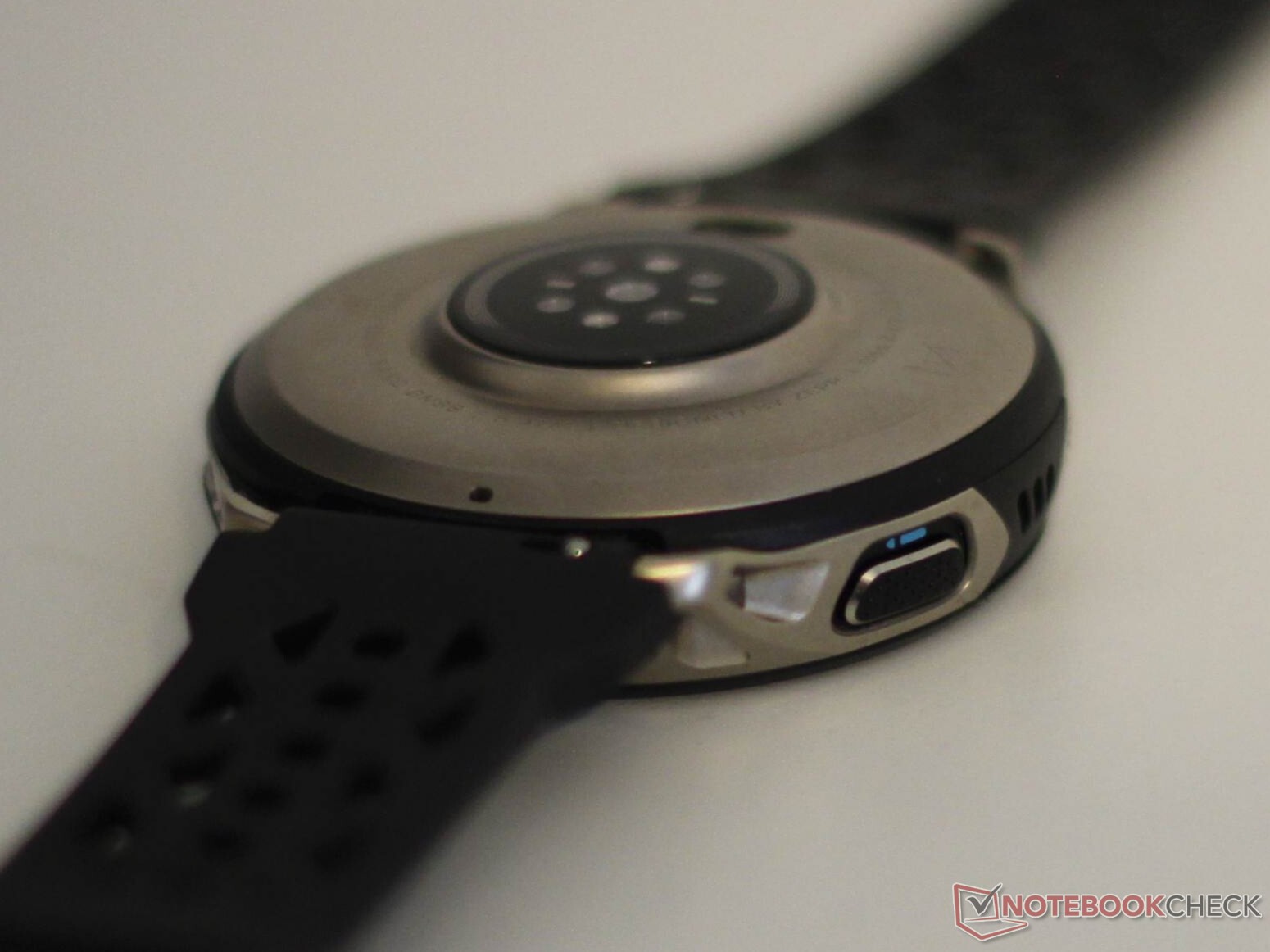
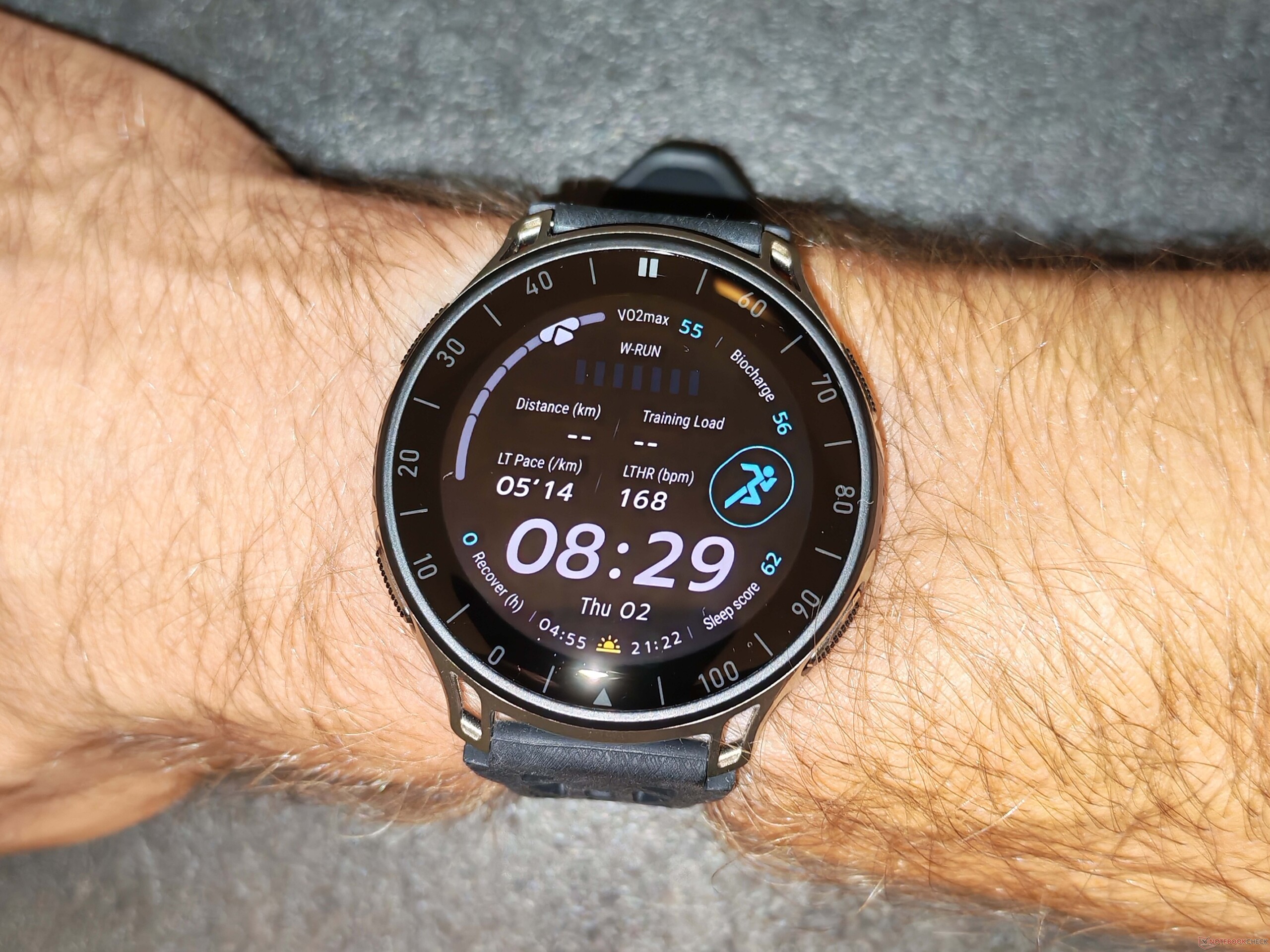
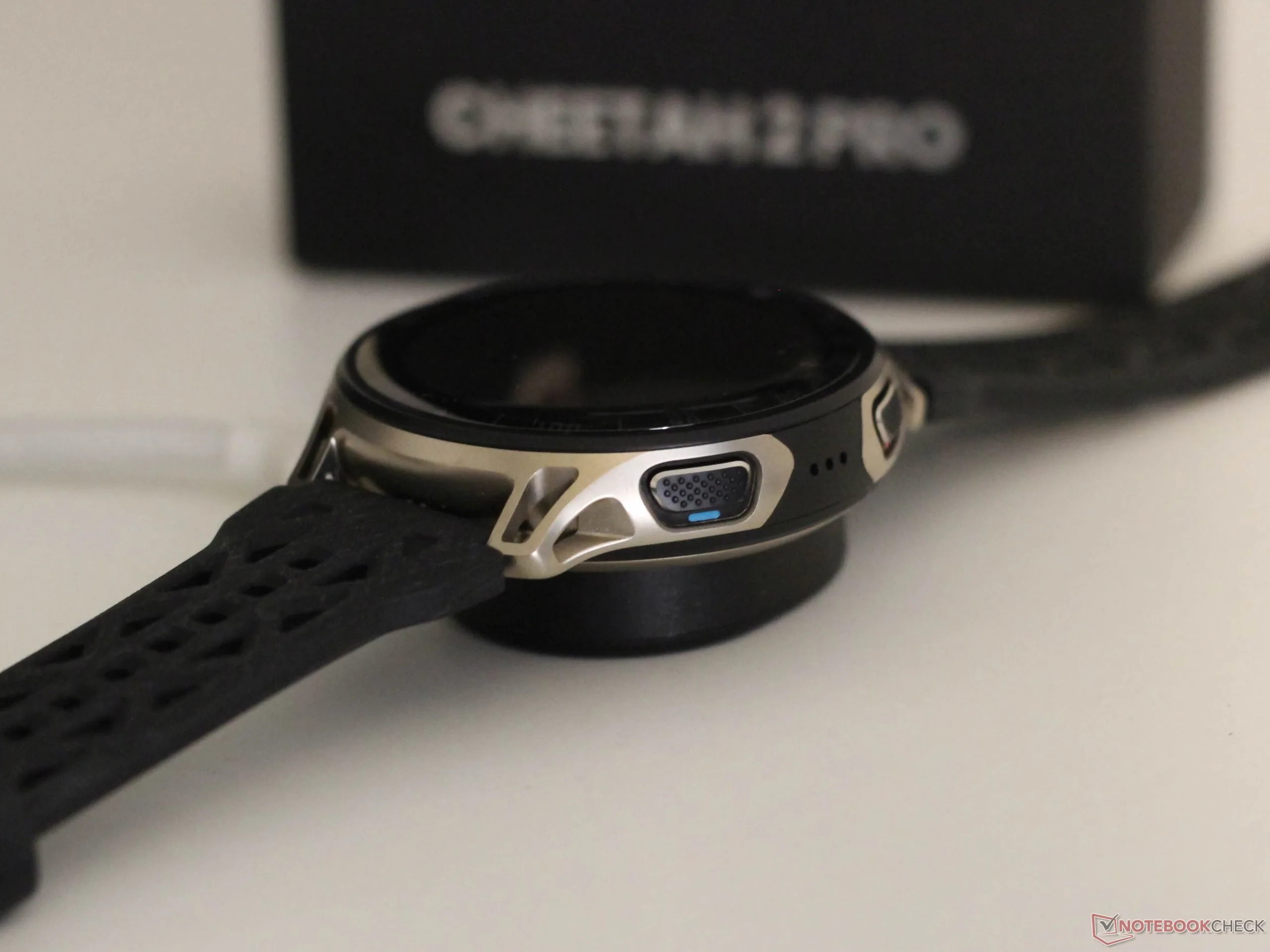
Overall, the Amazfit Cheetah 2 Pro has a rather understated appearance, but its distinctively shaped lugs add a noticeable accent. They are visibly integrated into the design and connect the case and strap not only functionally, but also visually. Whether this is appealing is ultimately a matter of taste.
The bezel leaves us somewhat perplexed. It features numbers whose purpose is unclear to both us and Amazfit’s PR team; apparently, they are merely a design element. The sapphire crystal is slightly curved, which improves the watch’s tactile feel. At the same time, the bezel takes up some display space without, as on the Amazfit T-Rex 3 Pro, making a significant contribution to structural stability.
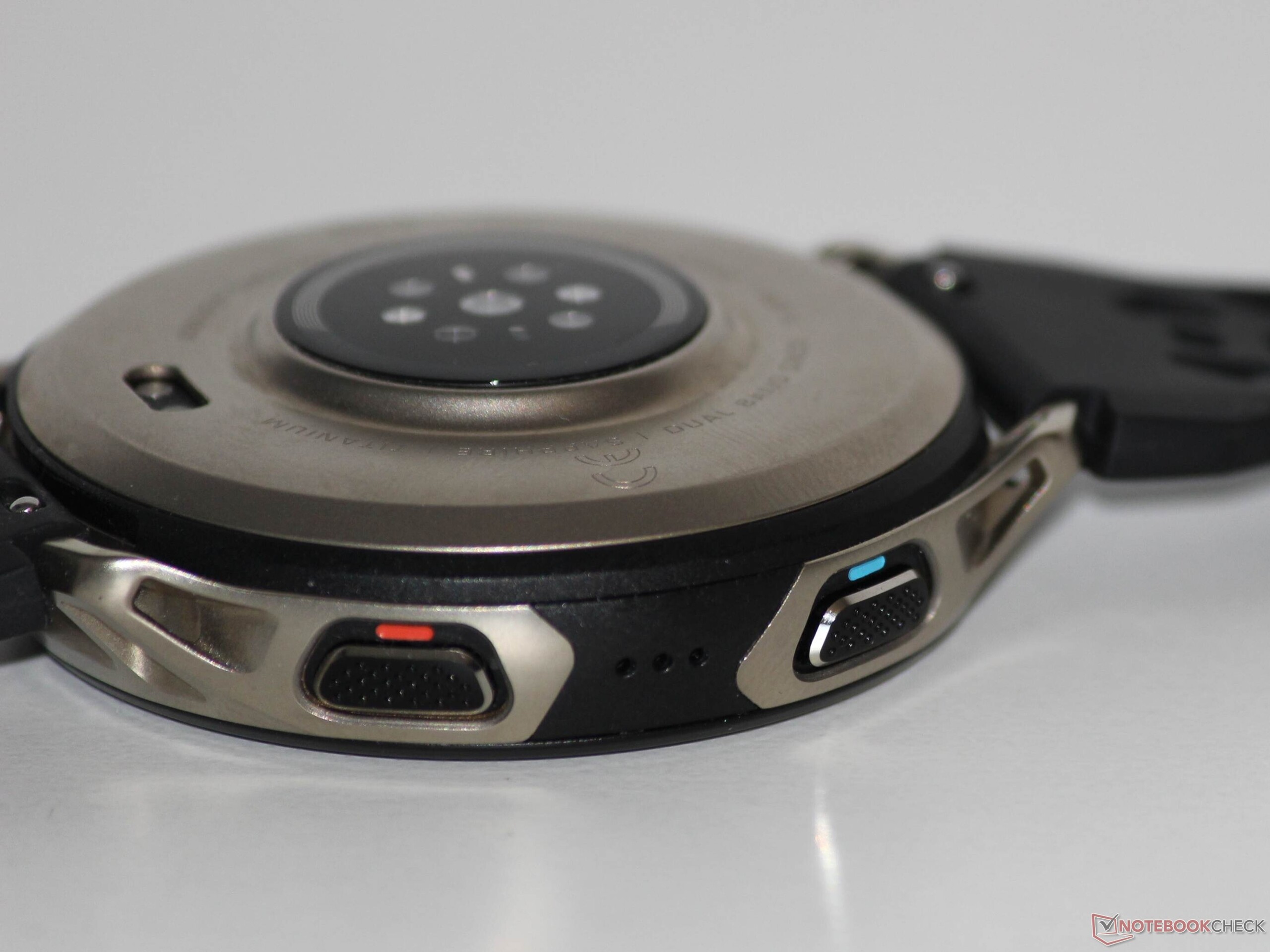
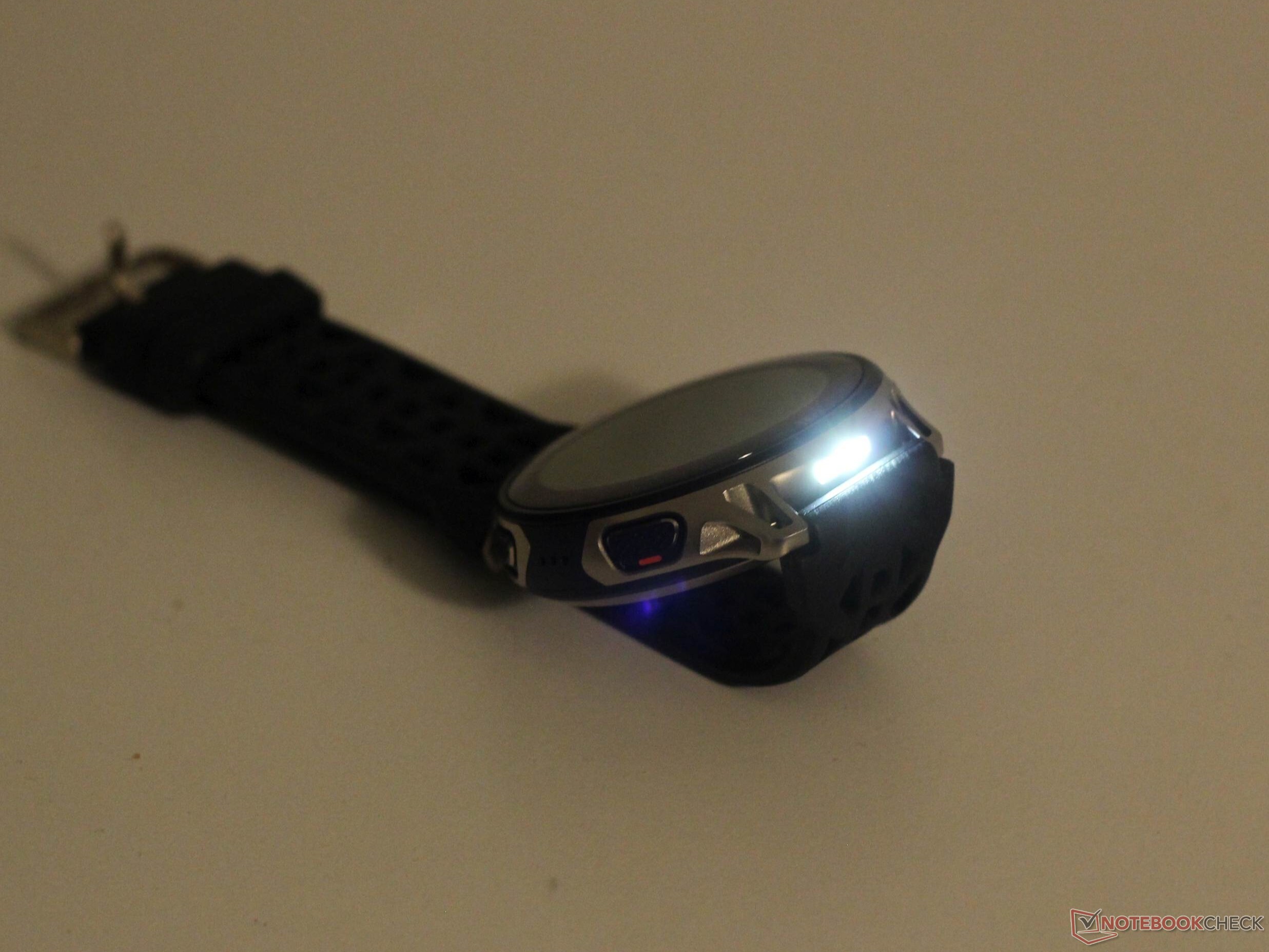
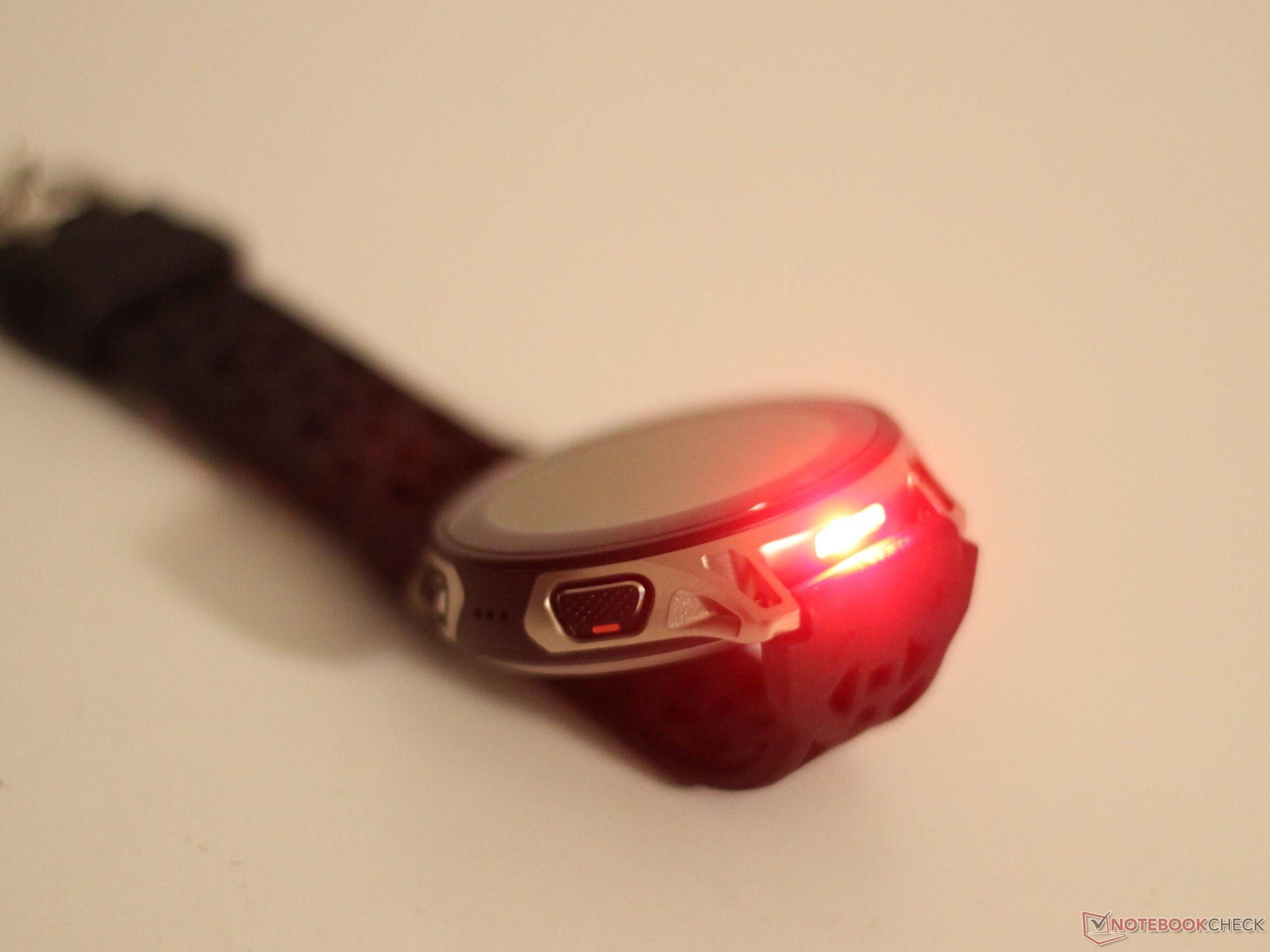
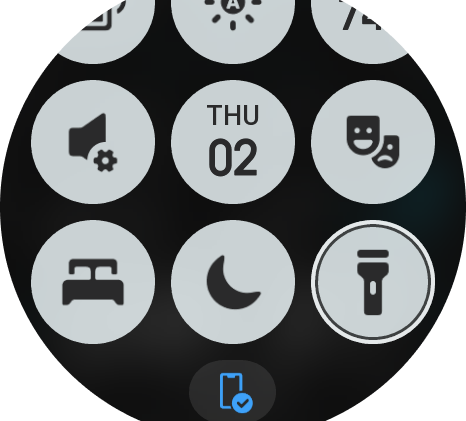
The Cheetah 2 Pro’s build quality gives no cause for criticism. The watch weighs 46 grams without the strap and 60 grams with the included strap. The strap can be changed without tools. The black plastic strap is ventilated, stays securely in place, and was comfortable to wear during testing. There are two buttons on each side. They responded reliably in testing and have a textured surface. A flashlight is also integrated into the top of the case, while the microphone and speaker are located on the side.
Sustainability
Although Amazfit maintains its own sustainability page, the manufacturer does not provide specific information, such as CO₂ emissions from production. According to Amazfit, the packaging is fully recyclable and uses mineral oil-free printing inks. Amazfit largely avoids foam, although the inner packaging could also have been made from uncoated, unprinted cardboard.
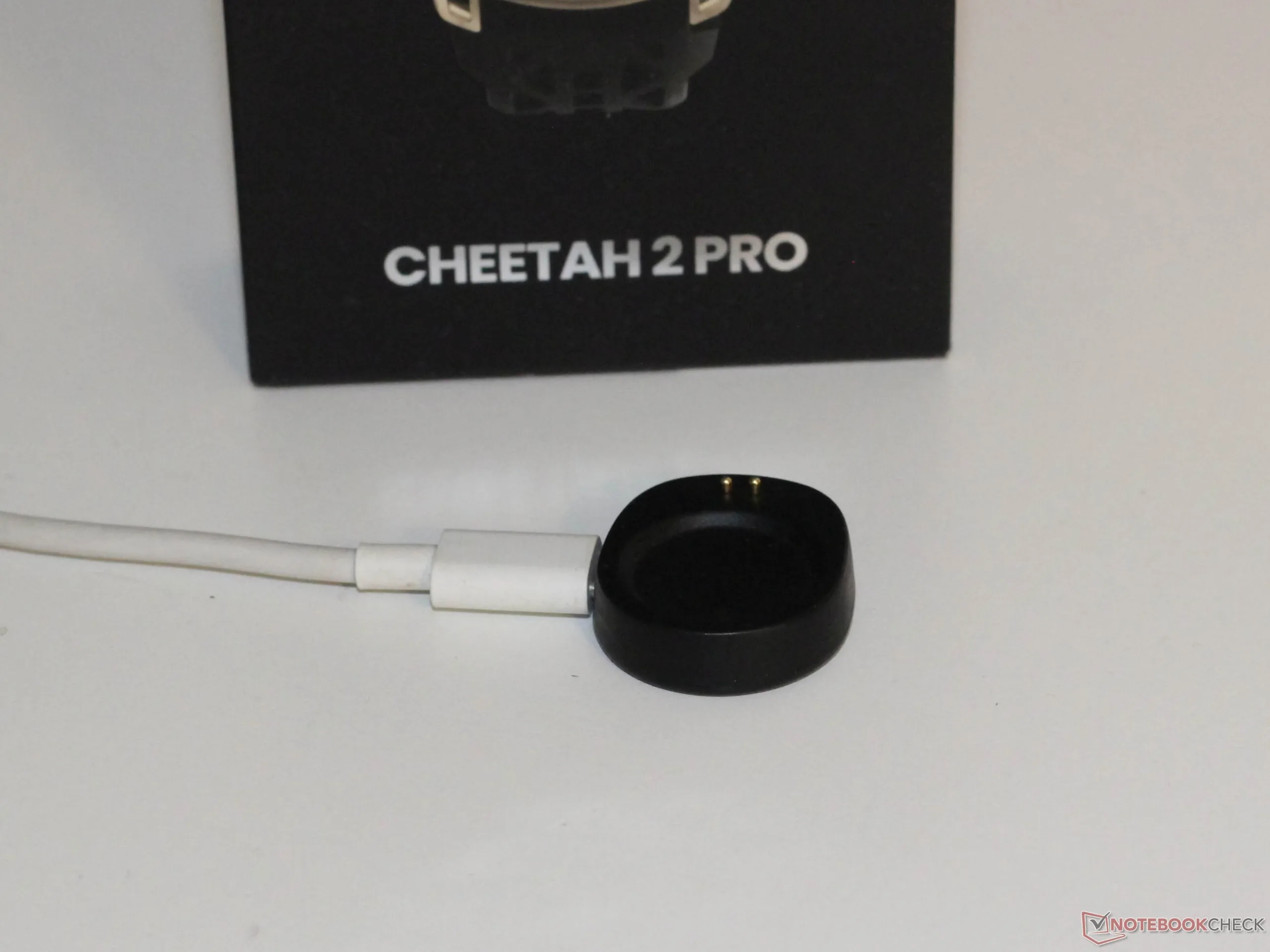
A two-year manufacturer’s warranty is included. The supplied magnetic charging clip is powered via USB-C, but Amazfit does not include a compatible cable. The Amazfit Cheetah 2 Pro is scheduled to receive security updates through April 2029. Based on past experience, Amazfit also rolls out new features to devices already on the market.
Setup and Operation - Easy to get started with, but quite complex
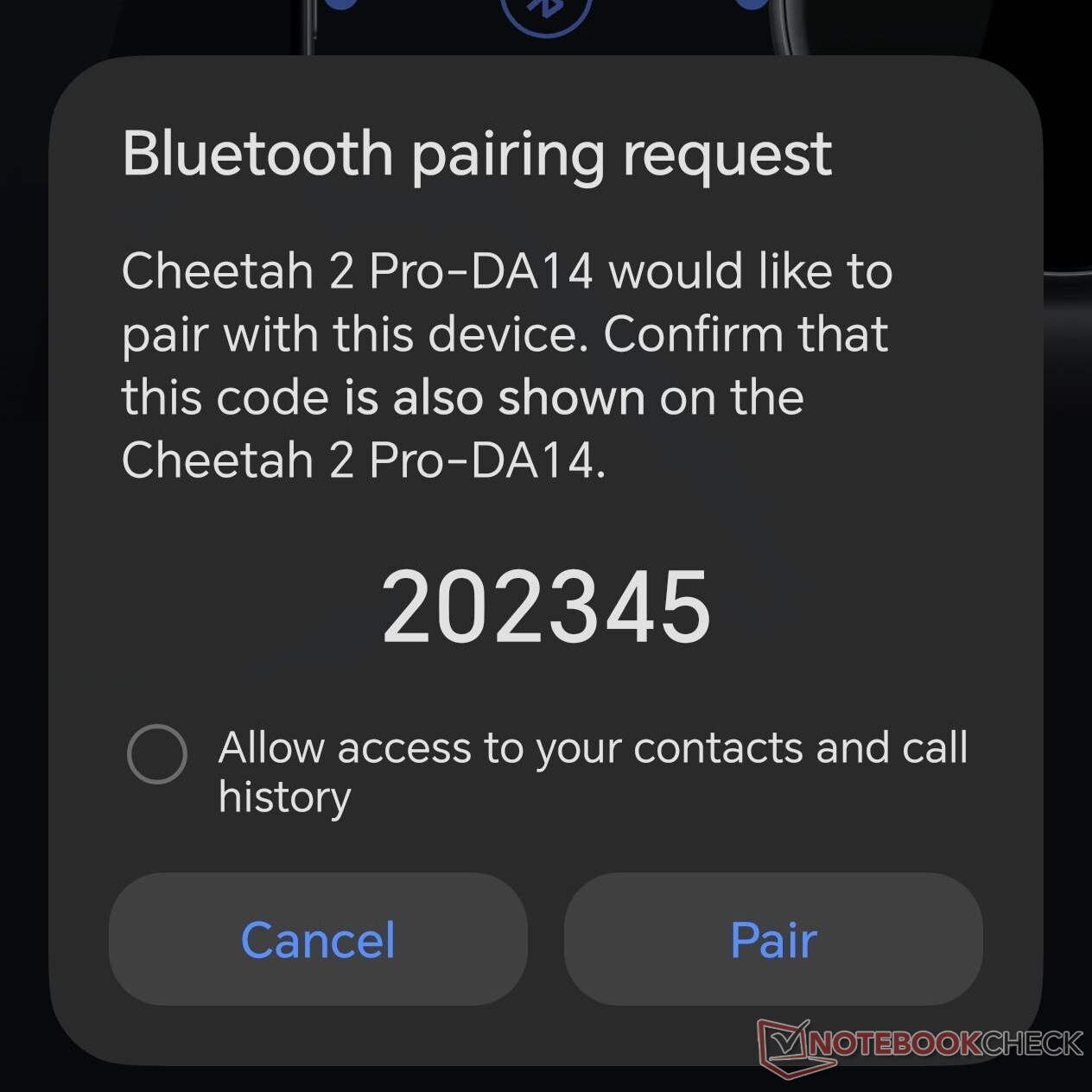
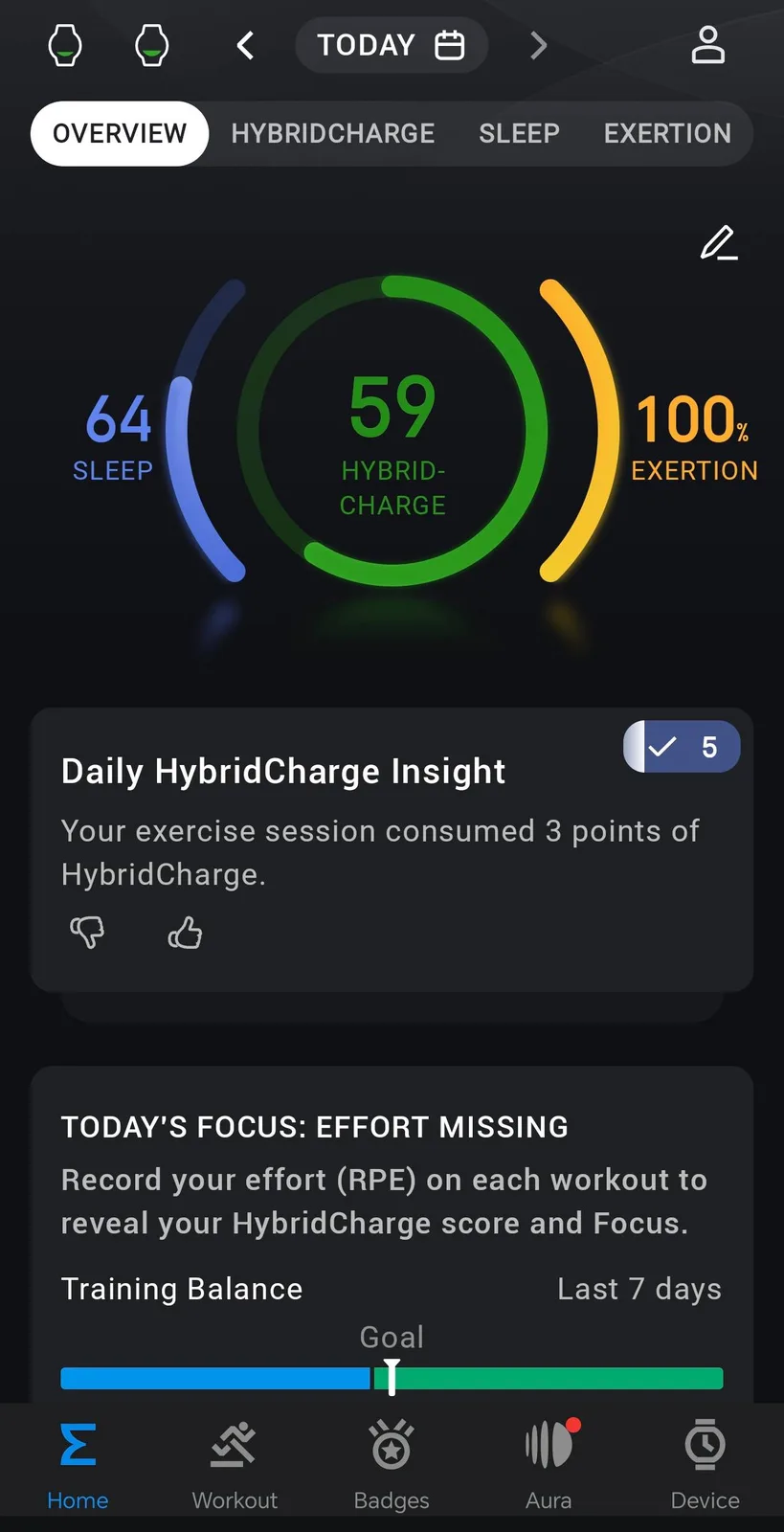
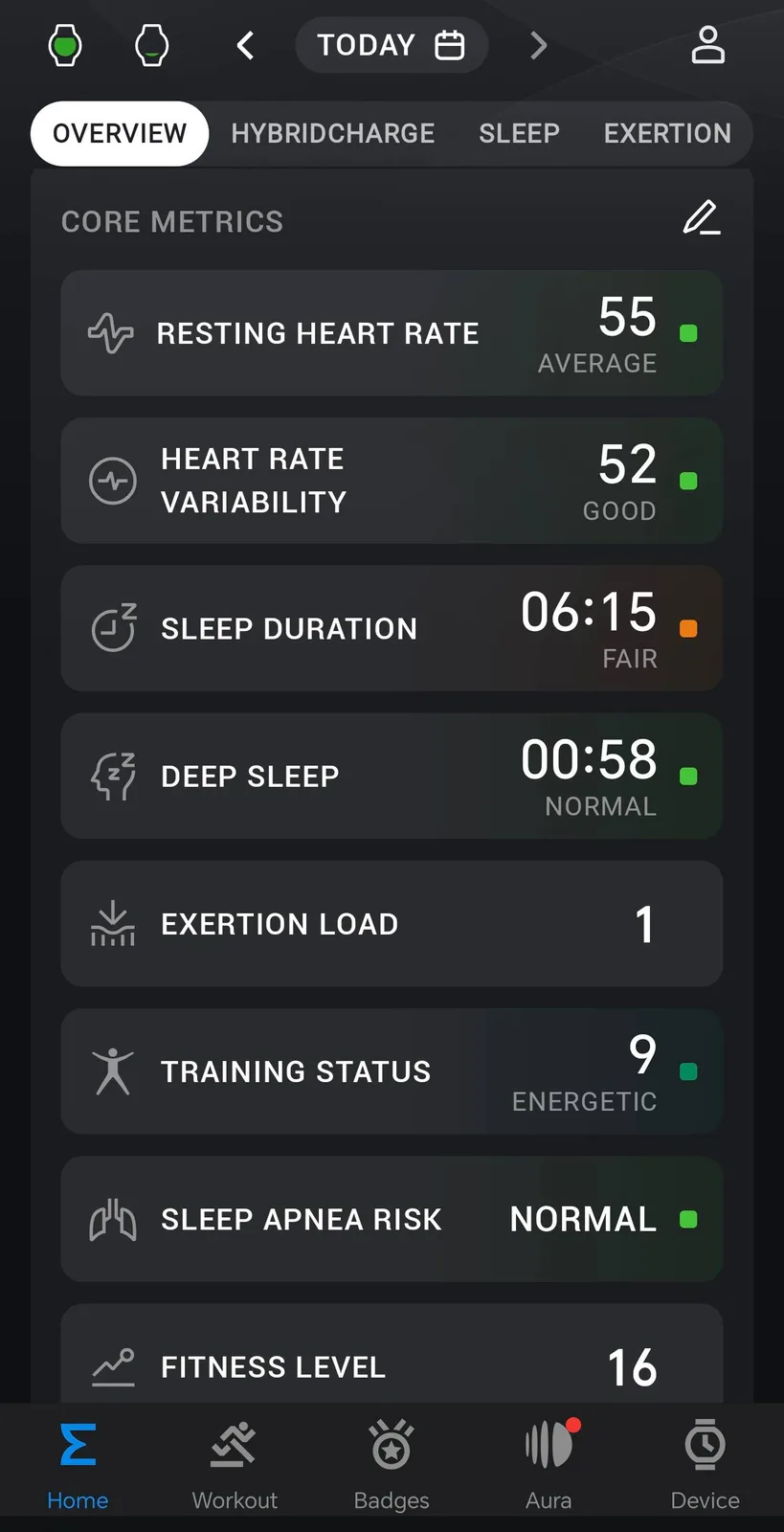
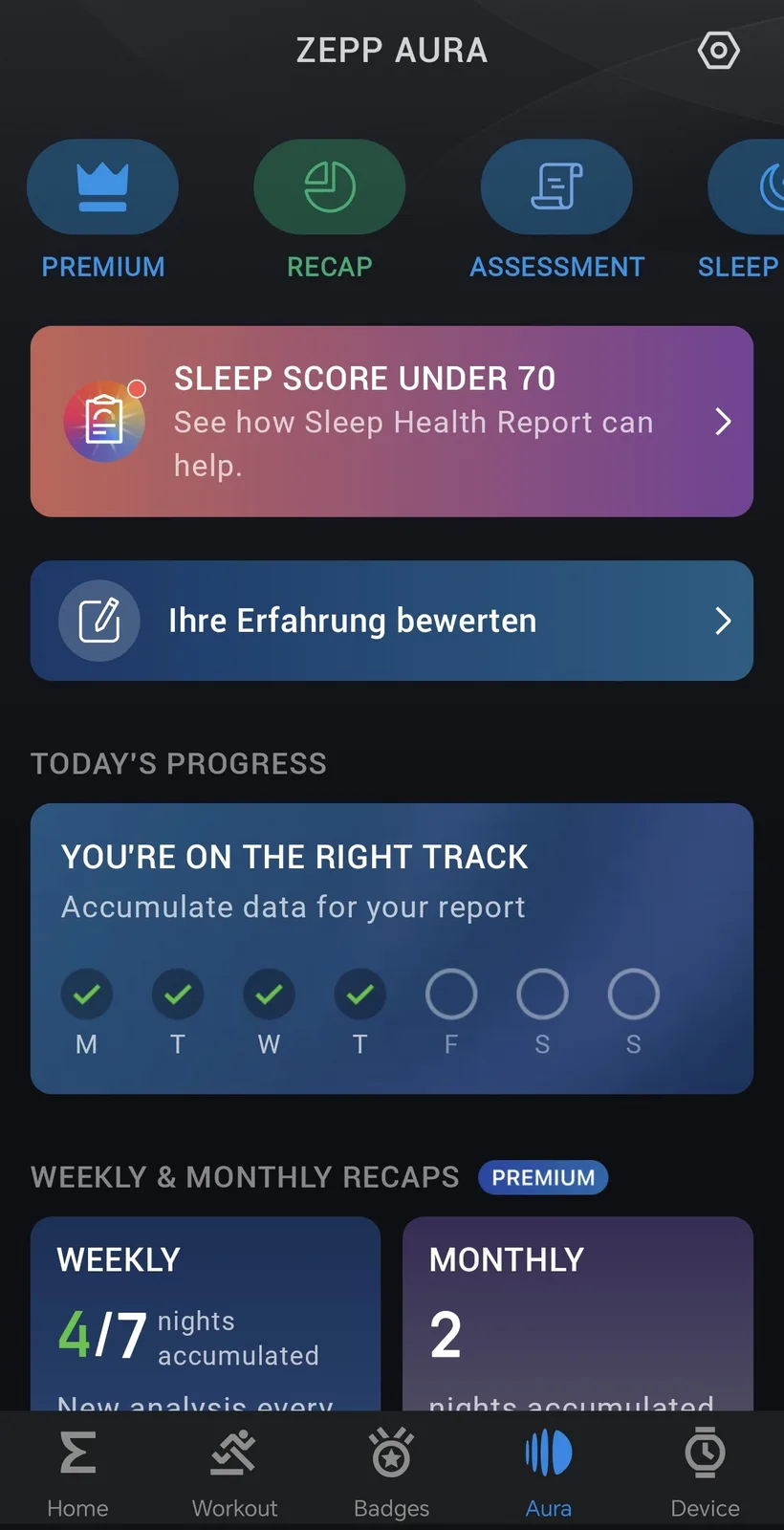
Amazfit uses a comprehensive smartphone app for setup, control, and viewing training data and statistics. Pairing via QR code is quick and reliable, and a tutorial makes getting started easier. Still, it takes some time to become fully familiar with the app - not only because of its wide range of features, but also because parts of its structure are somewhat nested. The Home tab can be customized extensively and offers presets for different user groups, including lifestyle users as well as strength and endurance athletes. It displays HybridCharge, sleep quality, and weight trends, among other information.
The position of the individual cards can be adjusted. Additional options, such as route creation, are available under “More.” The Workout tab shows recently completed activities, the number of workouts in the current week, and provides access to the training overview. Training plans can also be activated and tracked here. The weekly report is another useful feature. “Badges” displays earned awards and is intended to support motivation; challenges are supported as well.


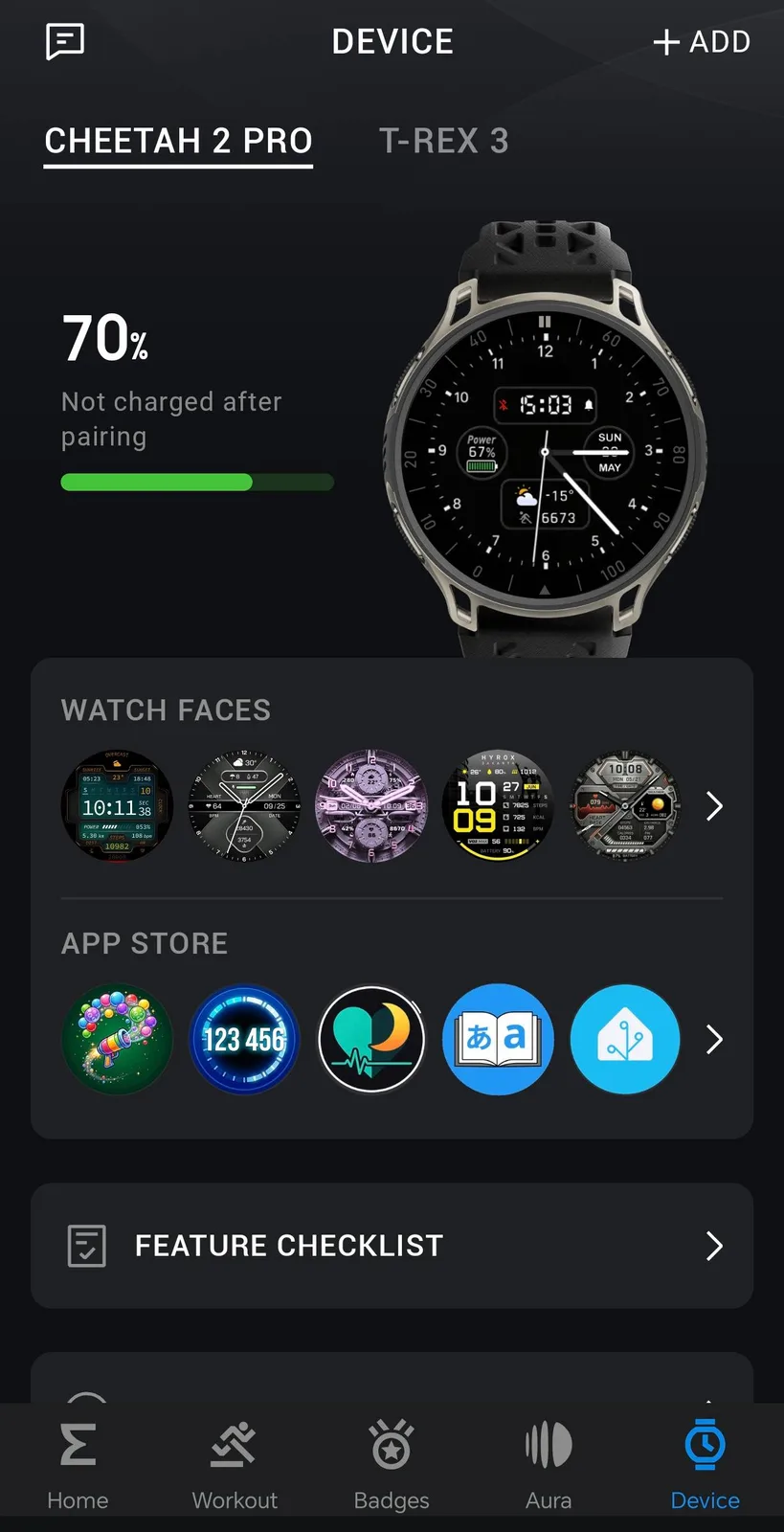
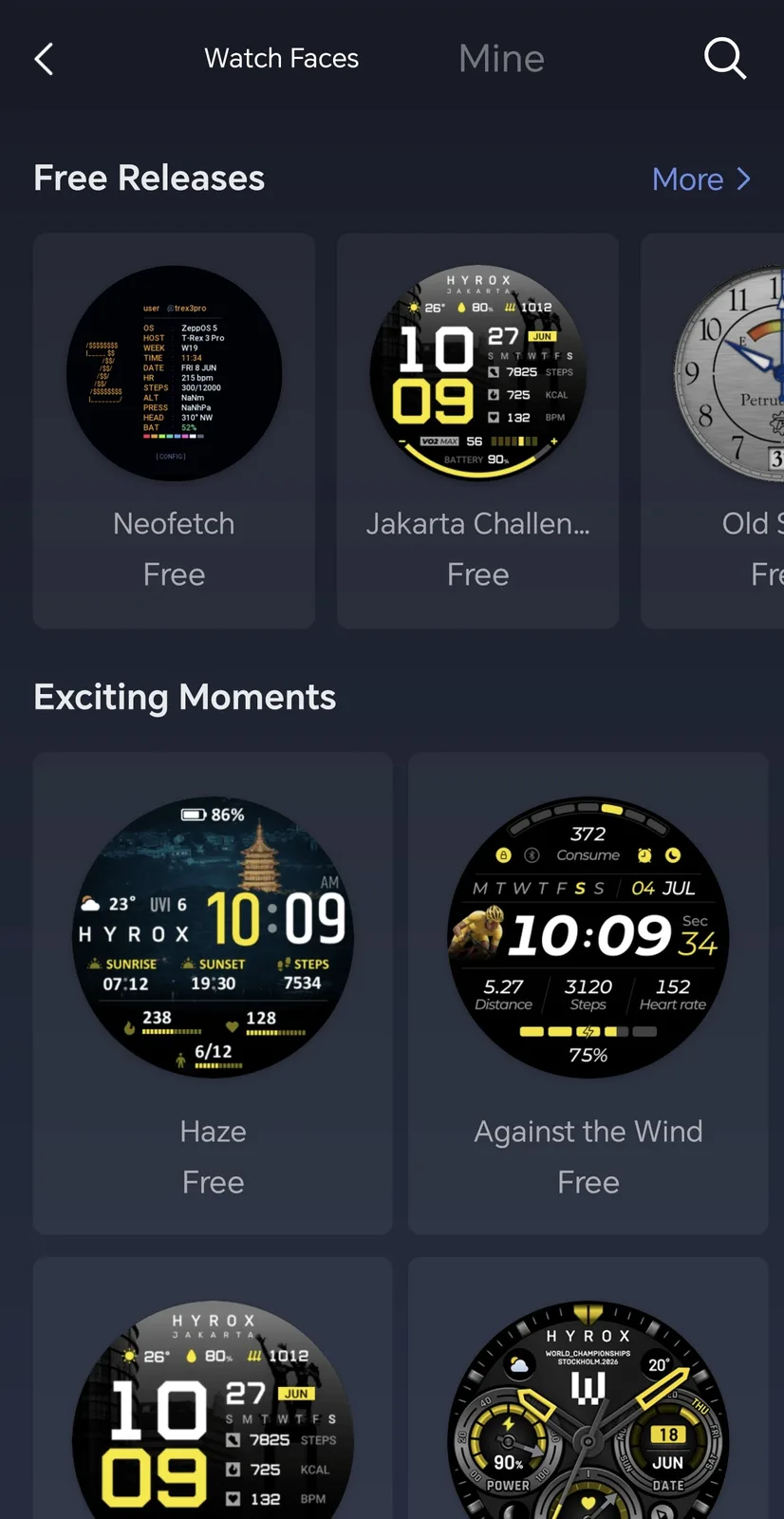
The Aura tab provides analyses from the paid Aura AI service. Under "Devices," users can manage the smartwatch’s settings. Here, they can change the watch face, open the app store, and configure notifications in detail, among other options. Alarms can also be set up.
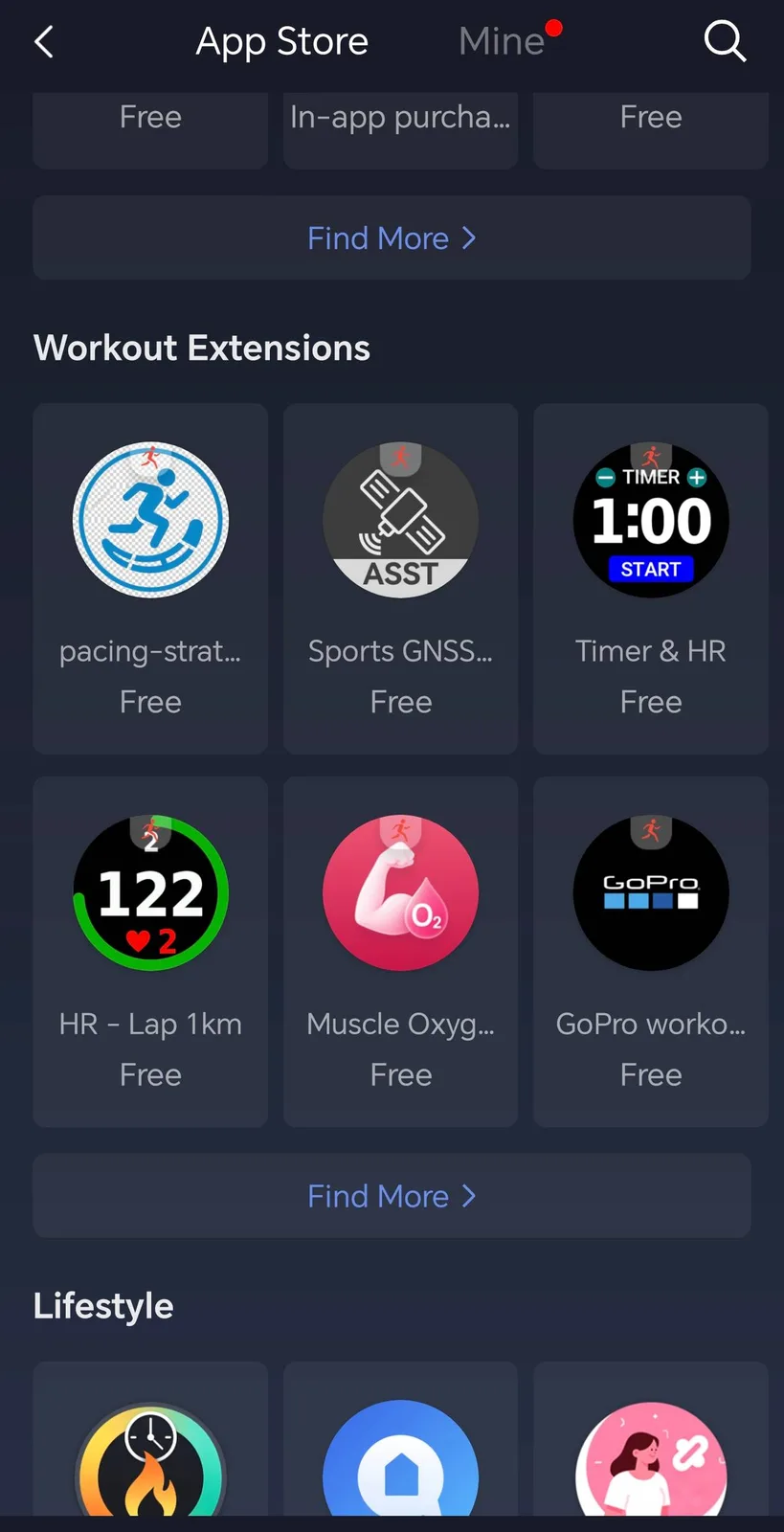
The app store is now well-stocked and forms a small ecosystem. However, official apps from major providers such as Spotify are still missing. In addition to a few games, it also includes productivity apps for tasks such as taking notes or controlling a smart home.
Phone calls and notifications - With emojis and speech recognition
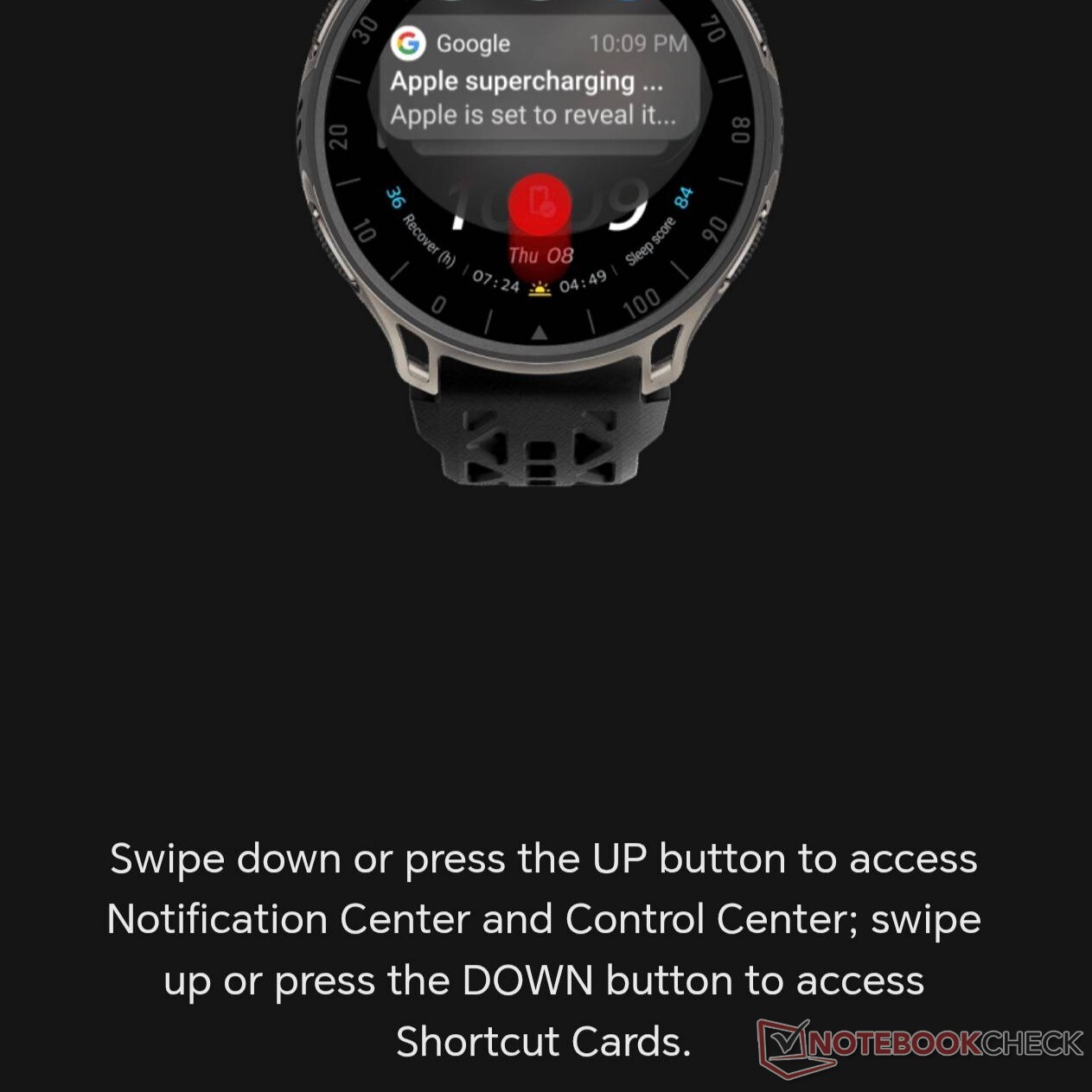
Thanks to its built-in microphone and speaker, the watch can also be used to make and receive phone calls directly. Call quality is decent, meaning there is often no need to reach for a smartphone. Calls can both be accepted and initiated from the watch. Notifications can be limited to specific apps; in our test, we focused on WhatsApp messages.
Messages are displayed with emojis, but read status is not synchronized, so the notification remains on the smartphone. The AI-powered summary of multiple messages is a useful feature; on request, it can even suggest a reply immediately. Quick replies are supported, and free-text input is also possible, although it is rather cumbersome on the small display. Speech recognition helps here. Emoji reactions are supported as well. Voice messages, however, cannot be played back.
The voice assistant is useful
Zepp Flow is generally a useful voice assistant, although it occasionally takes a short moment to process requests. It can be used, among other things, to call contacts, request information such as the current weather, or retrieve an overview of recent workouts.
Health and fitness - Suitable for sports and everyday use
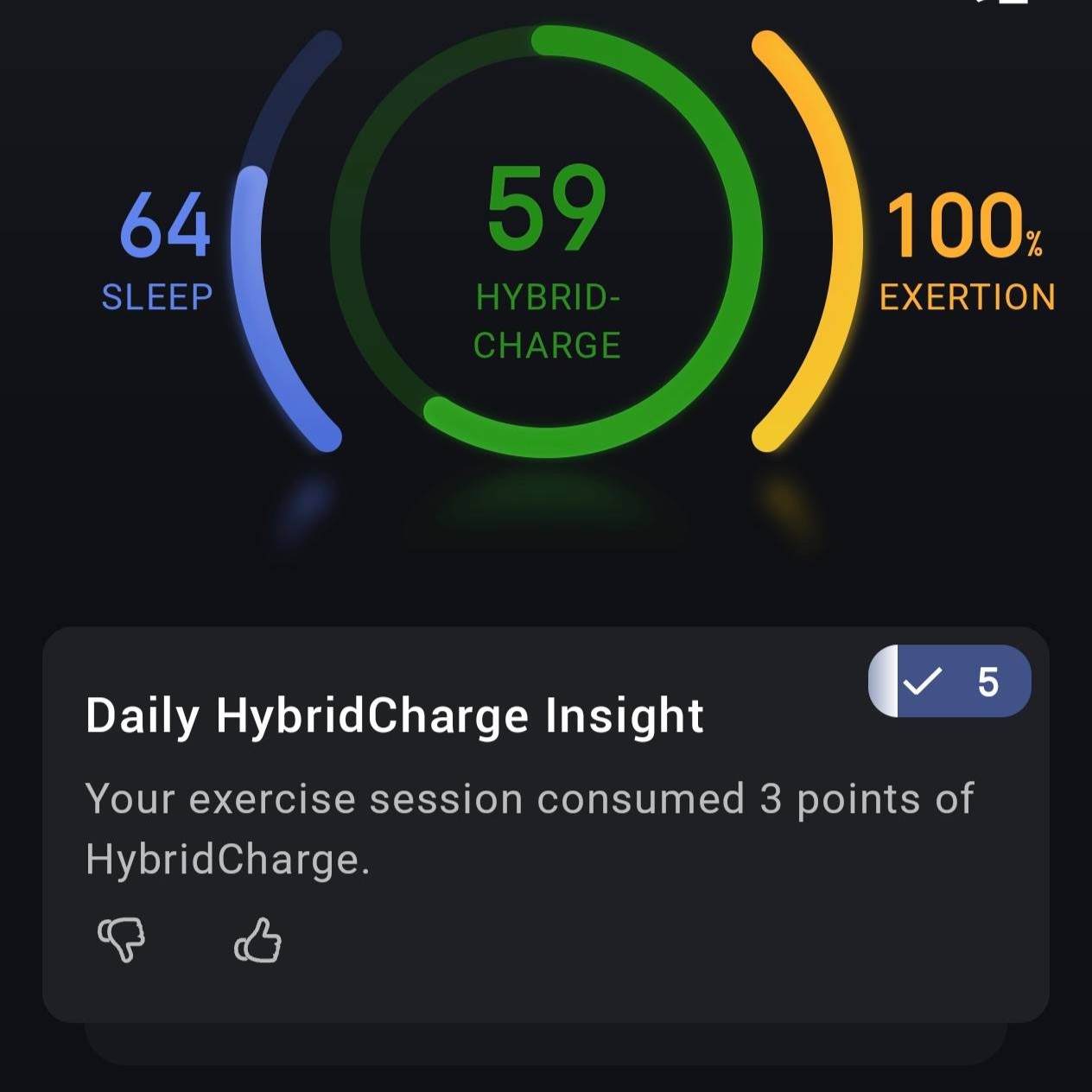
Amazfit recently replaced BioCharge with HybridCharge. This metric is intended to summarize physical readiness for further exertion in a single value and help users better assess training load without risking overtraining. HybridCharge can also be displayed over the course of a week. Various factors are included in the calculation, with sleep playing a particularly important role.
A single test is not sufficient to conclusively assess how reliable the metric is in practice. However, during testing, it showed a fairly clear correlation with subjective perception on at least one day.
The Zepp app works well with third-party services. For example, synchronization with Google Fit is possible, while Intervals.icu, Apple Health, and Strava are also supported. Komoot is also widely used within the Amazfit ecosystem. As a result, route import is convenient and does not require the extra step of using GPX files.
Activity goals
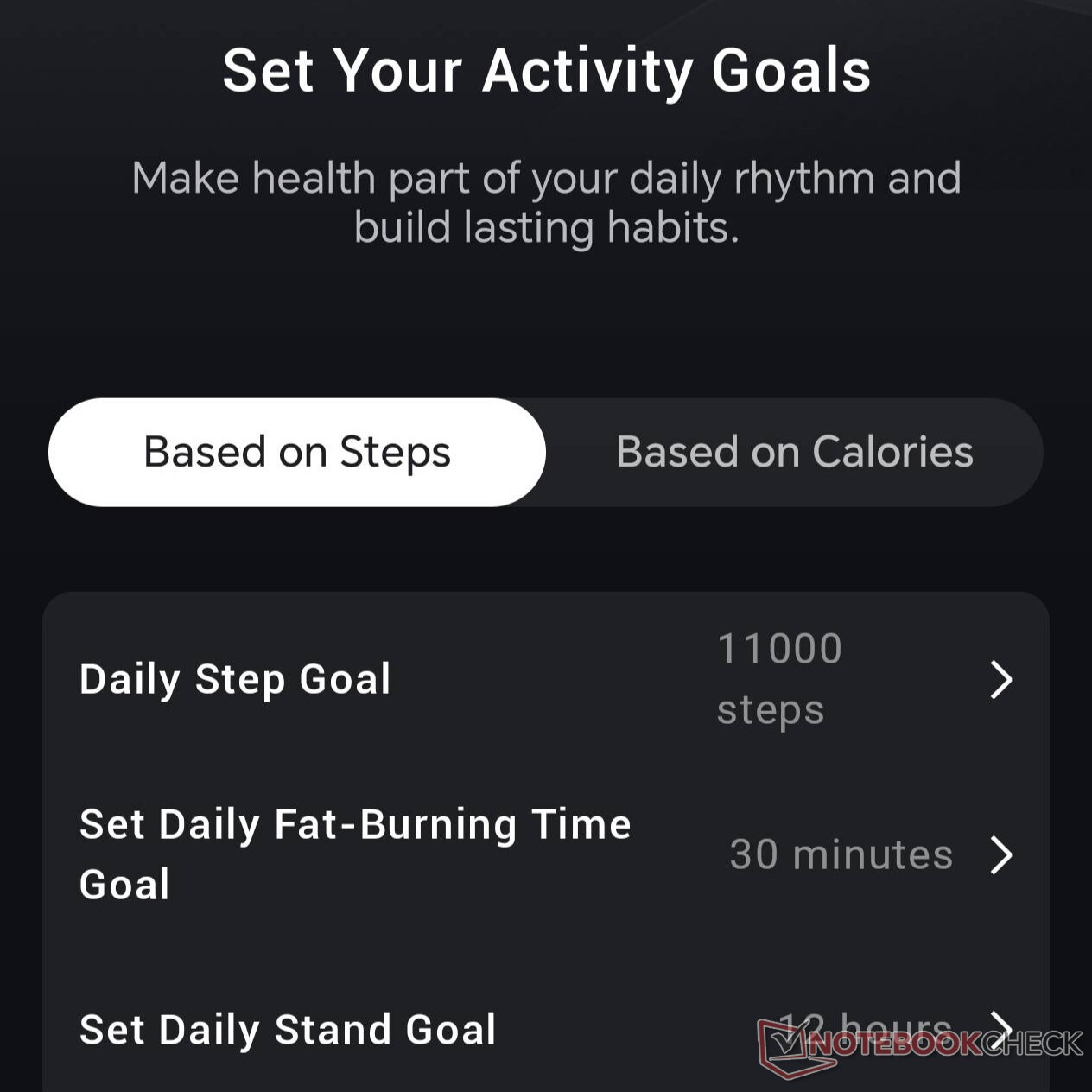
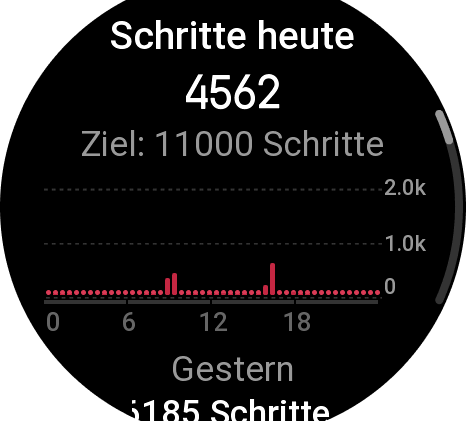
Various activity goals can be tracked across several areas. In addition to step count, there are targets for time spent in specific heart rate zones, including the intensity range often referred to - somewhat misleadingly - as the “fat-burning zone.”
Badges can also provide long-term motivation. For example, they can be unlocked at several levels based on completed running distances. VO₂max can be estimated without a dedicated assessment run; this metric is particularly useful for evaluating performance development over the medium term.
Heart rate, heart rhythm, and blood oxygen saturation
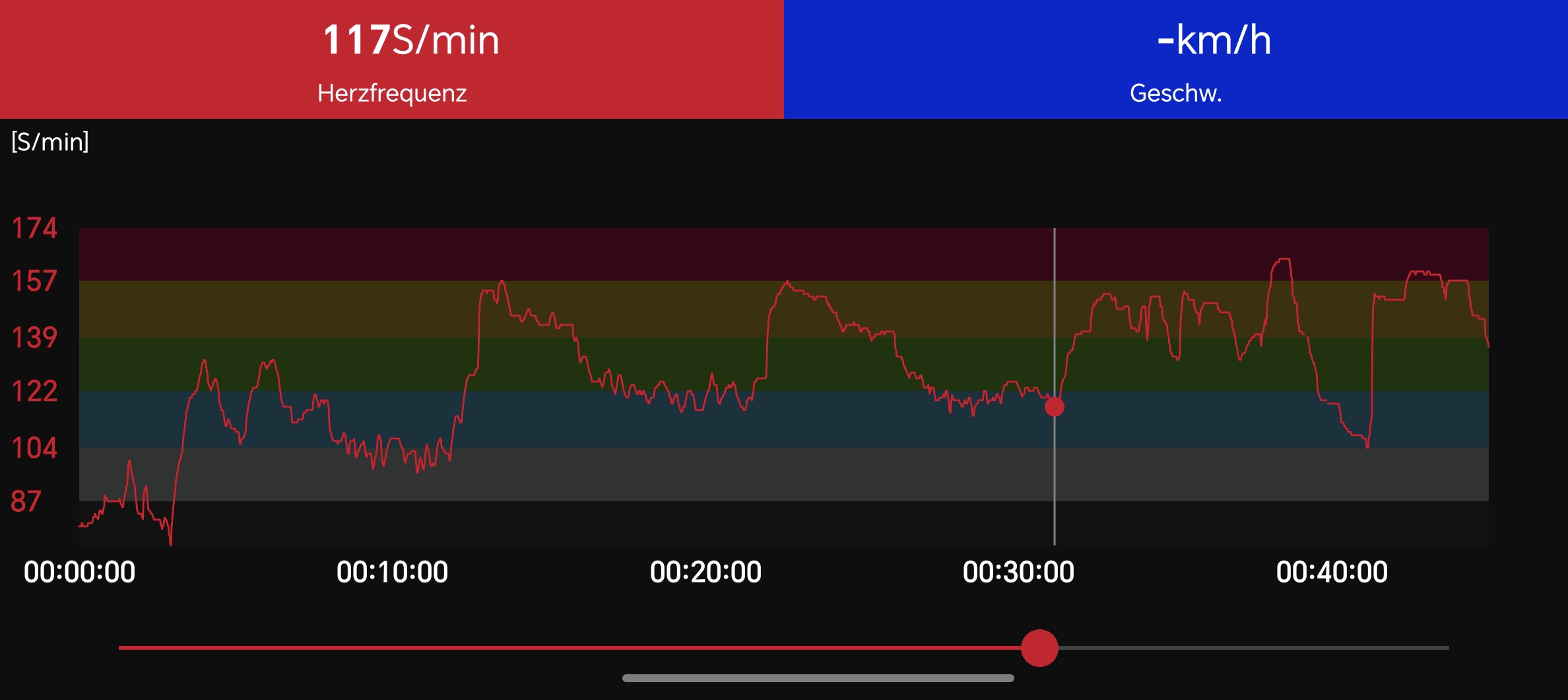
We compared the Amazfit Cheetah 2 Pro with the Polar H10 chest strap in our test. For resting heart rate, the deviation was just one beat per minute and was therefore practically negligible. During an activity, however, more pronounced differences emerged: Minimum and maximum heart rates still differed relatively little, but the average heart rate recorded by the Cheetah 2 Pro was noticeably lower than the value measured by the Polar H10.
This is relevant because the average value plays an important role in determining training load and training effect. Very ambitious athletes who specifically manage their intervals based on heart rate will therefore likely continue to prefer a chest strap. The deviations visible in the measured values are also reflected in the heart rate curve.
The results are more favorable for relative oxygen saturation. The average deviation was 2.07 percent. Taking into account the measurement uncertainty of the Braun Pulse Oximeter 1 as well as the limited sample size, no statistically significant difference between the two measurement systems could be identified. In a detailed article, we also discuss typical challenges involved in evaluating such measurements and explain the difference between heart rate and pulse rate.

Sleep tracking
Overall, sleep tracking is quite comprehensive and provides data on individual sleep stages in addition to sleep onset and wake-up times. In our assessment, total sleep duration is detected reliably; however, a robust reference is lacking for a precise evaluation of the individual sleep stages. The same applies to the assessment of sleep quality. We were able to confirm wake-up detection based on a single data point.
Thanks to the reliably recorded sleep times, the “Sleep Regularity” feature is also useful. It visualizes sleep times over the past week or month and can therefore help improve sleep hygiene. Naps are also detected reliably, and the device is intended to track hypopneas as well. However, it is not medically certified, so the data should not be considered a substitute for a medical diagnosis.
Workout recording - With live feedback and a workout library
The Amazfit Cheetah 2 Pro also performs well in workout tracking, management, and planning. Training plans are available for different fitness levels and goals, while personalized suggestions are generated even without a fixed plan. The watch also includes a workout library as a practical resource. In addition, specific programs are available, such as plans for half-marathon preparation. Zepp Coach also provides adaptive training guidance.
GNSS and navigation- Nearly on par with the Garmin Fenix
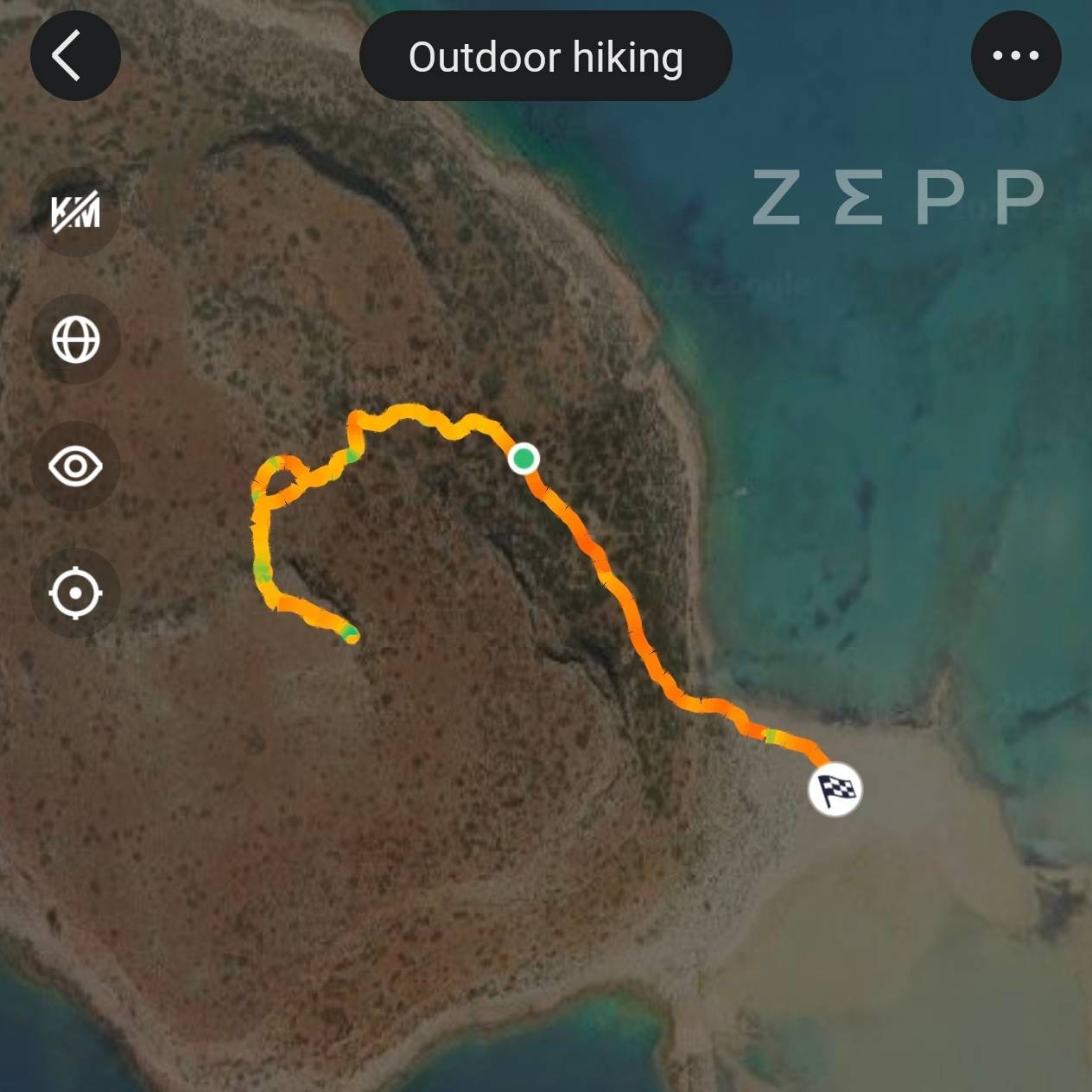
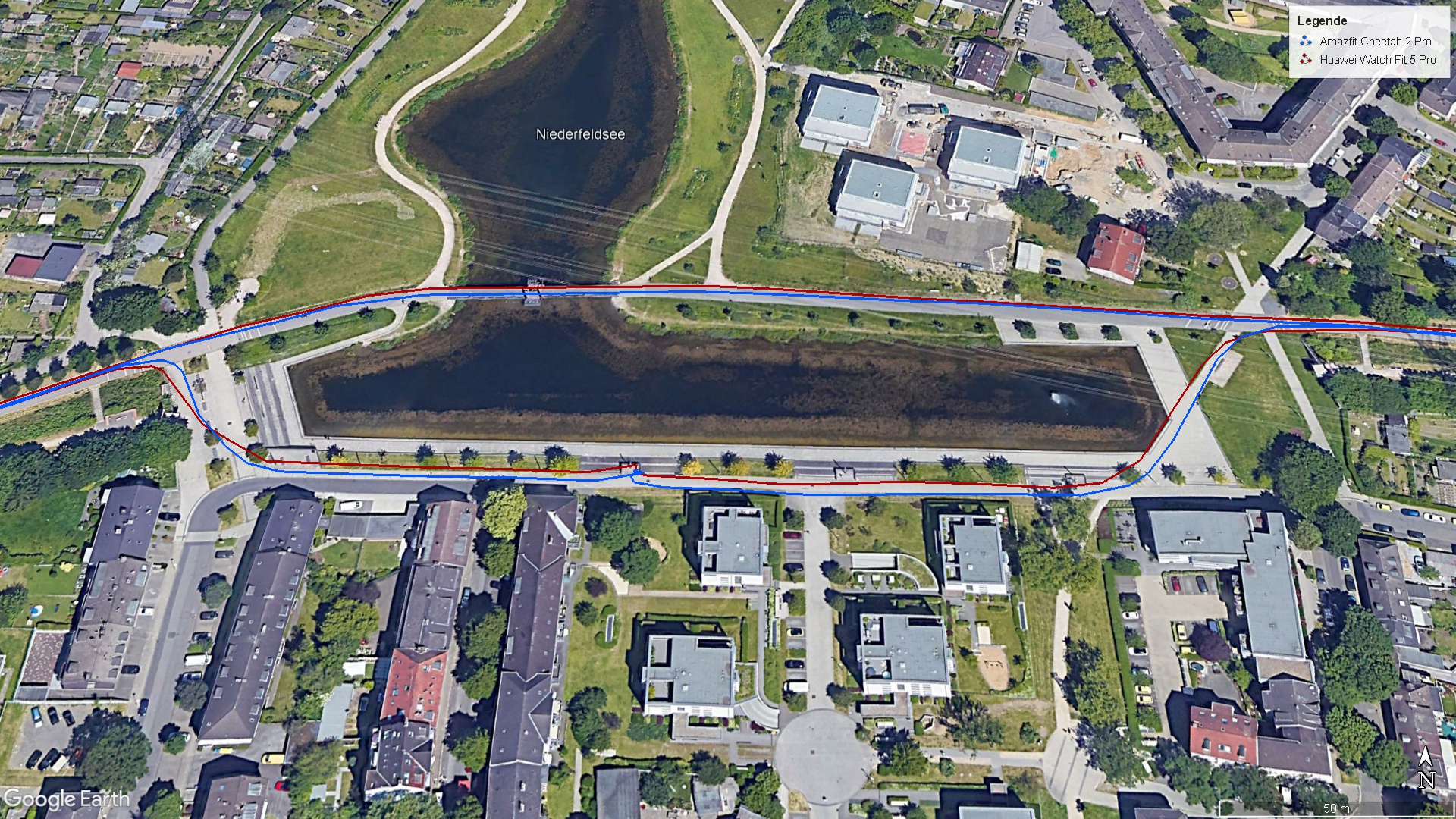
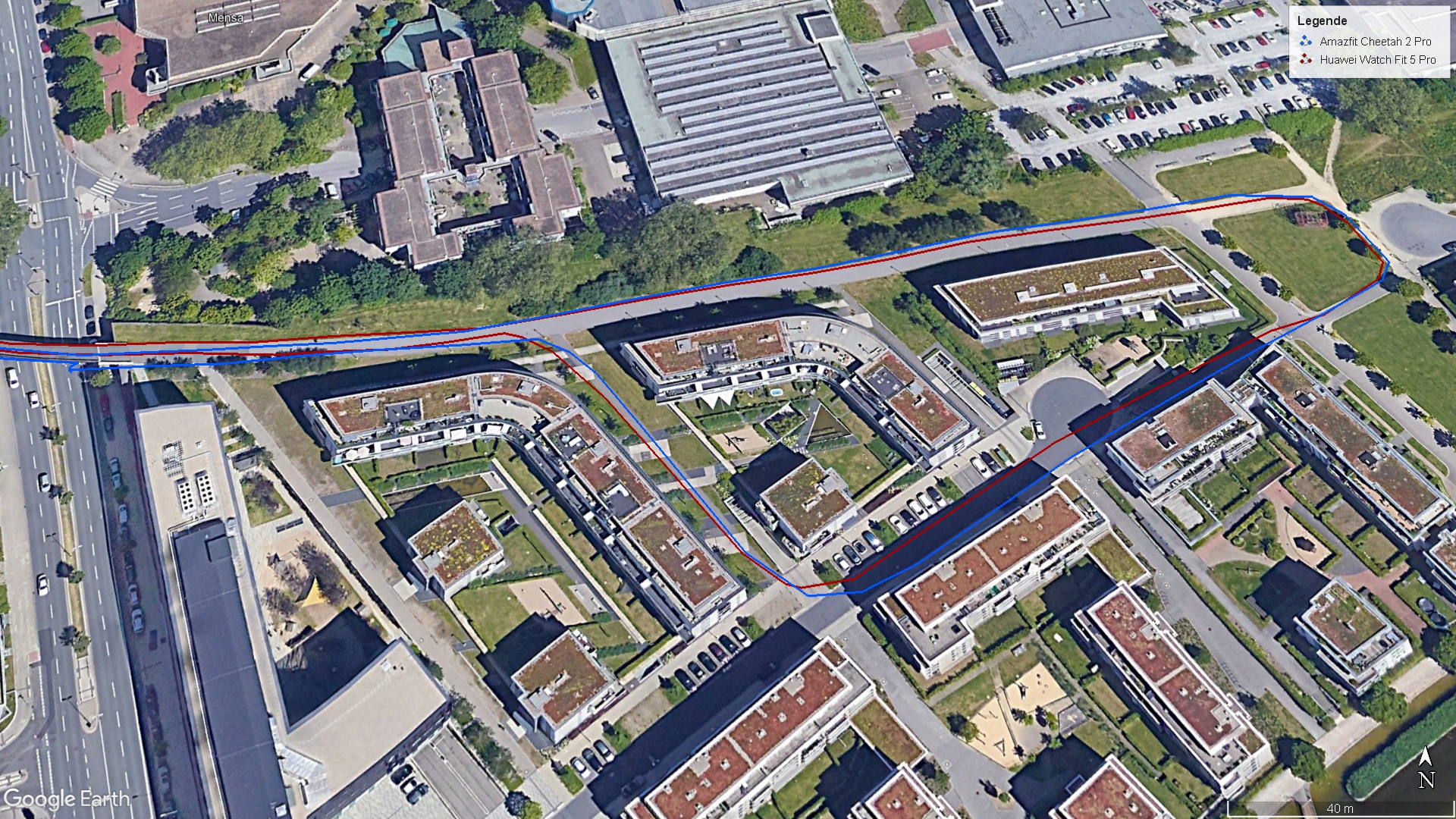
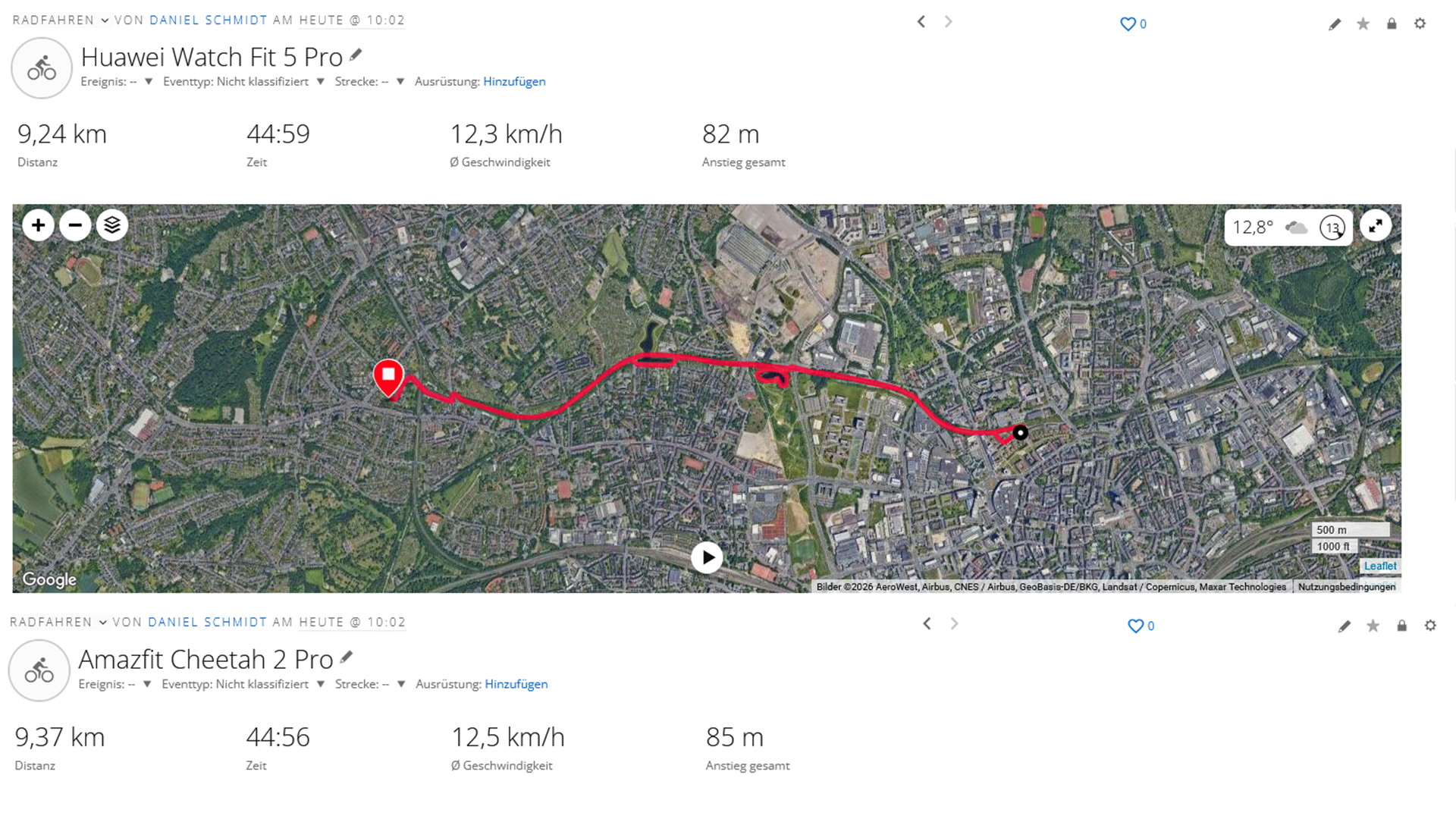
The Amazfit Cheetah 2 Pro supports six satellite navigation systems as well as dual-band GNSS and delivered fast, stable positioning in our test. Compared with the Huawei Watch Fit 5 Pro, overall tracking quality was similar, with no obvious outliers caused by inaccurate GPS points.
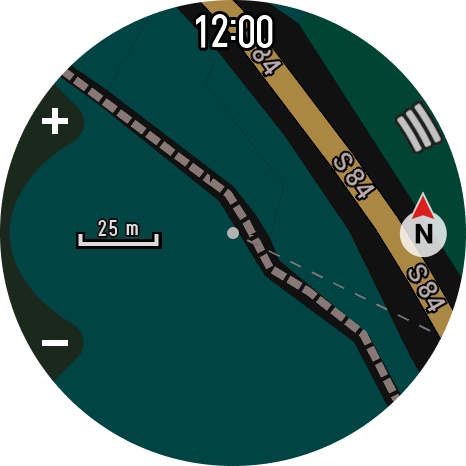
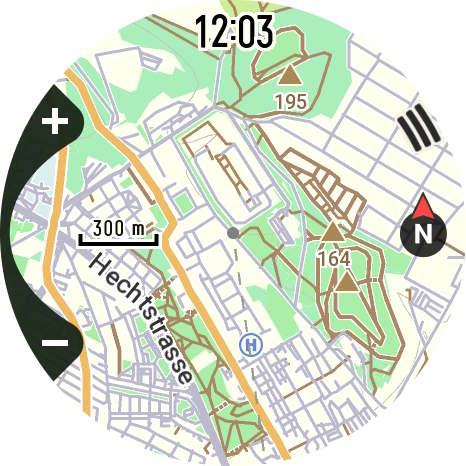
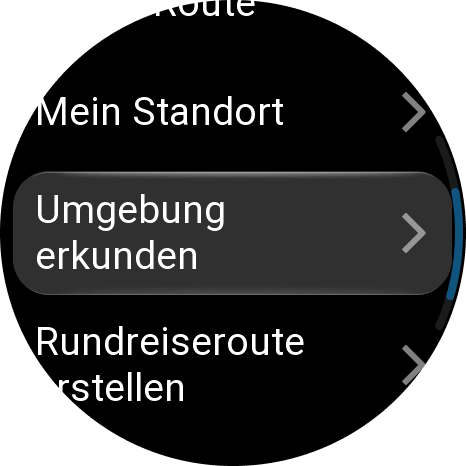
The navigation features are extensive and can also be used without a paired smartphone. Once the maps have been downloaded, reliable turn-by-turn navigation is available directly on the watch. The map material also includes POIs that can show the way to the nearest supermarket or park, for example. Loop routes can be created based on distance and compass direction, which is particularly useful while on the go.
In addition to roads and bike paths, hiking trails are also included. Unlike Garmin, Amazfit does not offer a web interface, so route planning must be done either on a smartphone or directly on the watch unless third-party services are used. Turn-by-turn directions and off-route alerts worked reliably in testing.
The Cheetah 2 Pro's display exceeds 3,000 cd/m²
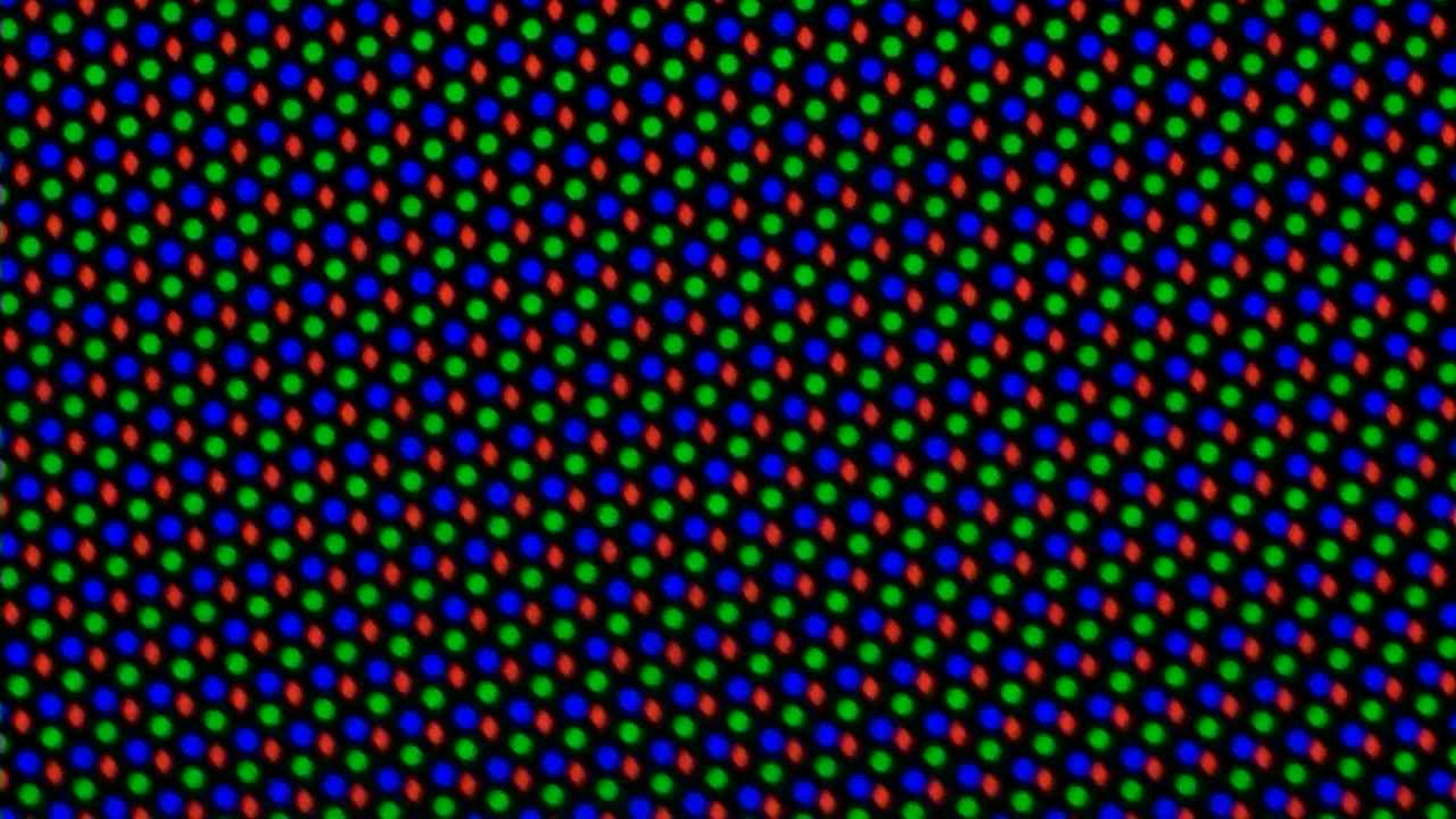
With a measured peak brightness of 3,173 cd/m², the Amazfit Cheetah 2 Pro has an extremely bright display that remains very easy to read even in direct sunlight—provided that automatic brightness control is enabled. We measured a minimum brightness of 19.56 cd/m². Without automatic adjustment, brightness reached 592 cd/m². The PWM frequency is 60 Hz, which is only half that of the Huawei Watch Fit 3 or the first-generation Amazfit Active. Very sensitive users may notice the difference, but for a smartwatch, it is unlikely to matter much in everyday use.
| Amazfit Cheetah 2 Pro | Huawei Watch Ultimate 2 | Samsung Galaxy Watch Ultra | Samsung Galaxy Watch8 Classic | Huawei Watch Fit 3 | Amazfit Active | |
|---|---|---|---|---|---|---|
| Response Times | ||||||
| PWM Frequency (Hz) | 60 | 60 | 60 | 60 | 120 | 120 |
| PWM Amplitude * (%) | 25.32 | 18.33 | ||||
| Screen | 16% | 1% | -4% | -77% | -83% | |
| Brightness middle (cd/m²) | 3173 | 3675 16% | 3192 1% | 3050 -4% | 745 -77% | 546 -83% |
| Black Level * (cd/m²) | ||||||
| Total Average (Program / Settings) | 16% /
16% | 1% /
1% | -4% /
-4% | -77% /
-77% | -83% /
-83% |
* ... smaller is better
Screen Flickering / PWM (Pulse-Width Modulation)
| Screen flickering / PWM detected | 60 Hz | 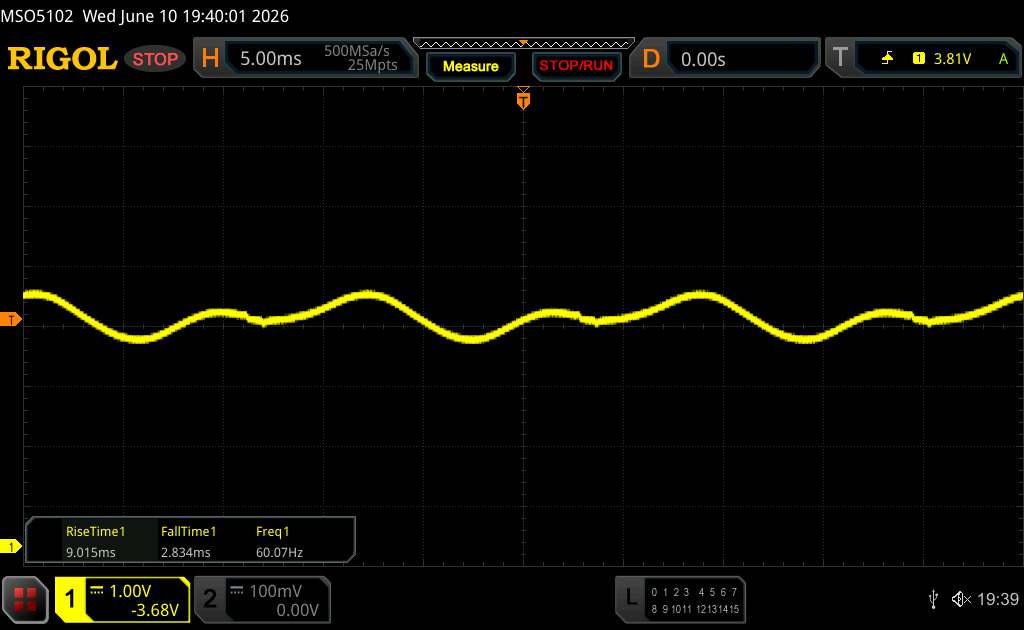 | |
The display backlight flickers at 60 Hz (worst case, e.g., utilizing PWM) . The frequency of 60 Hz is very low, so the flickering may cause eyestrain and headaches after extended use. In comparison: 52 % of all tested devices do not use PWM to dim the display. If PWM was detected, an average of 7622 (minimum: 5 - maximum: 343500) Hz was measured. | |||
Performance and runtime - A brief delay only when viewing maps
In terms of performance, the Amazfit Cheetah 2 Pro is unremarkable; Amazfit does not provide specific information about the installed SoC. There is no stuttering during use, and operation is smooth overall. There is only one minor limitation when using maps: While delays when zooming are barely noticeable, the watch takes a brief moment to respond when panning, especially at higher zoom levels. Internal storage capacity is 32 GB.
Battery life
The manufacturer rates the 540 mAh battery for up to 20 days of typical use. In precise GPS mode, battery life is rated at up to 31 hours. In a worst-case scenario - with the display permanently enabled, brightness set to maximum, navigation active, and precise GNSS enabled - the battery level dropped by 5 percent within 35 minutes. While this scenario is unrealistic in everyday use, it illustrates the substantially higher power consumption caused by this combination.
In our test, with the Always-on Display enabled, multiple GPS activities, strength-training sessions, and maximum screen brightness at all times, the watch lasted six days with 10 percent battery remaining. Charging from 10 to 40 percent took 21 minutes. After one hour, the battery had reached 87 percent, and it took another 20 minutes to reach a near-full charge of 98 percent.
Comparison of possible alternatives
Image | Model | Price | Size | Weight | Battery Capacity | Display |
|---|---|---|---|---|---|---|
| Amazfit Cheetah 2 Pro | List Price: 450€ | 1.32" | 45.6 g | 1.32" 466x466 353 PPI | ||
2.  | Huawei Watch Ultimate 2 | List Price: 999€ | 1.50" | 80.5 g | 867 mAh | 1.50" 466x466 310 PPI AMOLED |
3.  | Garmin Fenix 8 Solar | Amazon: $829.95 List Price: 1299€ | 1.40" | 95 g | 1.40" 280x280 283 PPI MIP colour display | |
4.  | Samsung Galaxy Watch Ultra Exynos W1000, Mali-G68 MP2 | List Price: 699€ | 1.50" | 93 g | 590 mAh | 1.50" 480x480 AMOLED |
5.  | Samsung Galaxy Watch8 Classic Exynos W1000, Mali-G68 MP2 | 1.30" | 87.3 g | 445 mAh | 1.30" 438x438 Super AMOLED |
Transparency
The selection of devices to be reviewed is made by our editorial team. The test sample was given to the author by the manufacturer free of charge for the purposes of review. There was no third-party influence on this review, nor did the manufacturer receive a copy of this review before publication. There was no obligation to publish this review. As an independent media company, Notebookcheck is not subjected to the authority of manufacturers, retailers or publishers.
This is how Notebookcheck is testing
Every year, Notebookcheck independently reviews hundreds of laptops and smartphones using standardized procedures to ensure that all results are comparable. We have continuously developed our test methods for around 20 years and set industry standards in the process. In our test labs, high-quality measuring equipment is utilized by experienced technicians and editors. These tests involve a multi-stage validation process. Our complex rating system is based on hundreds of well-founded measurements and benchmarks, which maintains objectivity. Further information on our test methods can be found here.
 Add as a preferred source on Google


