




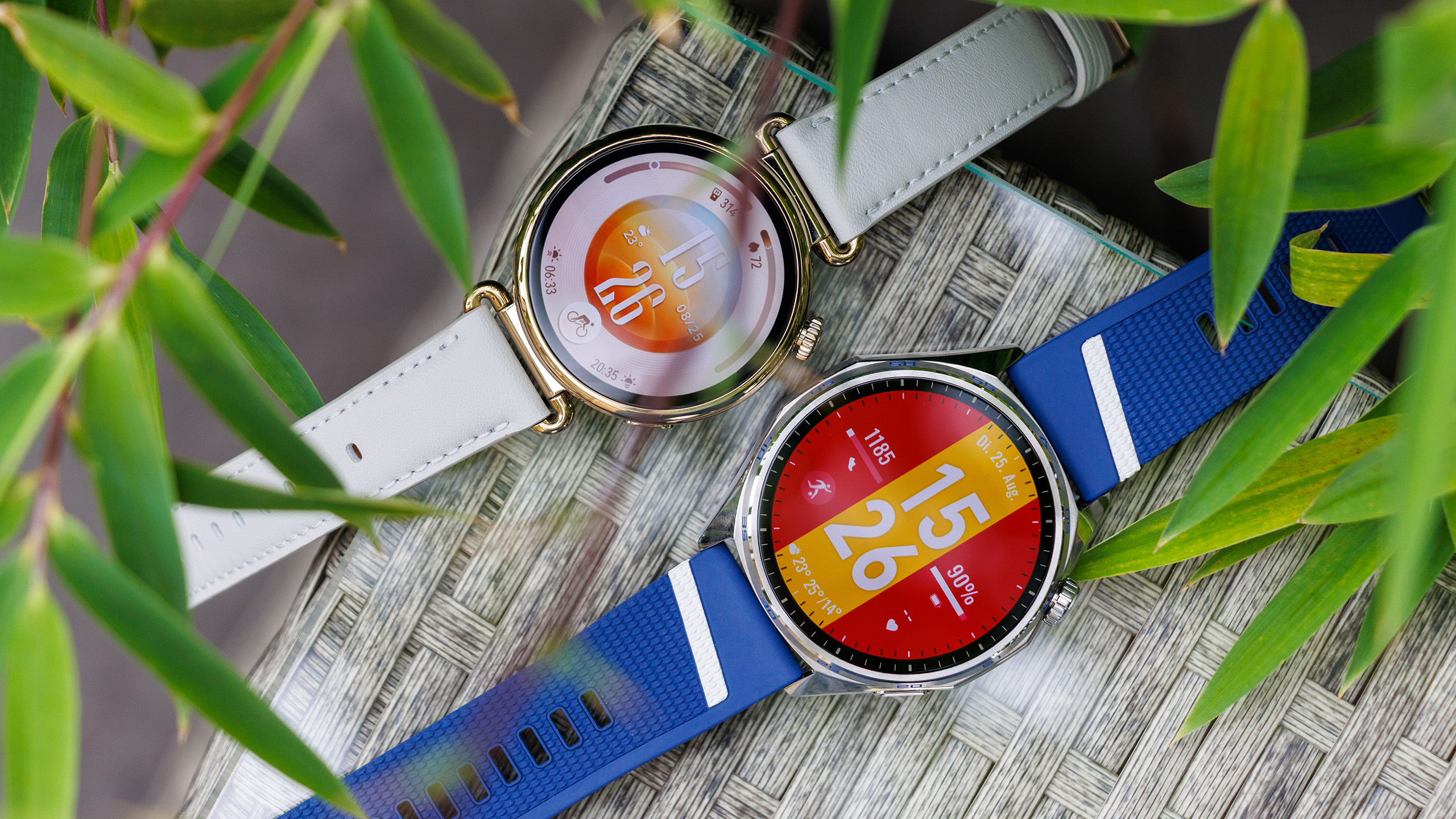
Conclusion on the Huawei Watch GT 7
The Huawei Watch GT 7 is a high-quality, everyday-use smartwatch that comes in two sizes and features robust IP69 certification and sapphire glass. While Android users can take advantage of the full range of features, including precise heart rate monitoring, robust calling capabilities, and AI-powered Health Insights the watch remains limited in certain areas when used with iOS.
For most users, despite a moderate price increase, the model represents an attractive and well-rounded package, even if the functional changes compared to its direct predecessor are ultimately minor.
Pros
Cons
Price and Availability
The Huawei Watch GT 7 is available in both sizes and all color variants at the Huawei Online Store.

- $65.17For Huawei Watch GT 7 Pro 6Pro 46mm Replace Specialized Titanium Bracelet | Men's and Women's Business Band Adjustable Bracelet(Titanium gray,For GT7 Pro 46mm)
- $5.99Suttkue Compatible For Huawei Watch GT 6/GT 7 41mm screen protector, Anti-Scratch Tempered Glass flim, Case Friendly, HD Ultra, 3 PACK
- $89.99AMAZTIM Smart Watch for Men, 1.85" Large Display, 35-Day Daily Use Battery
Table of Contents
- Conclusion on the Huawei Watch GT 7
- Body and features - GT 7 with a classic design and new colors
- Setup and operation - Cross-platform use of the Watch GT 7 is possible
- Health and fitness - AI analysis for more detailed metrics in the Watch GT 7
- Display - The Watch GT 7 has a brightness of up to 3,000 nits
- Performance and Runtime - The GT 7 lasts a long time
- Comparison of possible alternatives
With the Watch GT 7, Huawei takes its popular smartwatch to the next generation and once again offers it in two sizes: 41 and 46 millimeters. In this review, we take a closer look at both models and determine whether it’s worth upgrading from the previous model, the Watch GT 6.
For those looking for even more features, the Watch GT 7 Pro offers an alternative. Among other things, it features higher-quality materials, a more robust design, and additional functions. The GT 7, on the other hand, is slimmer and better suited for everyday use, and is likely to offer the more attractive overall package for many users.
Body and features - GT 7 with a classic design and new colors
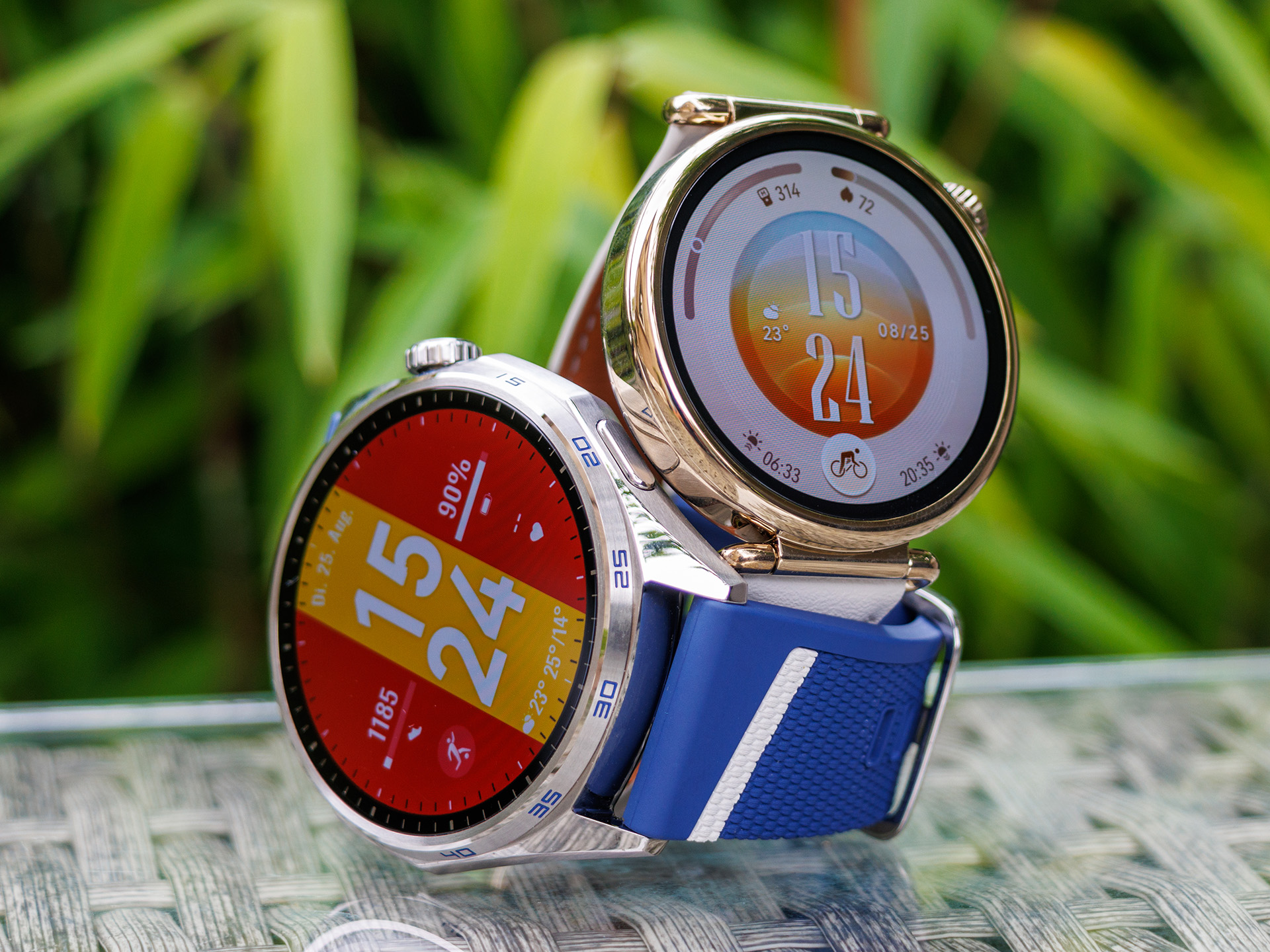
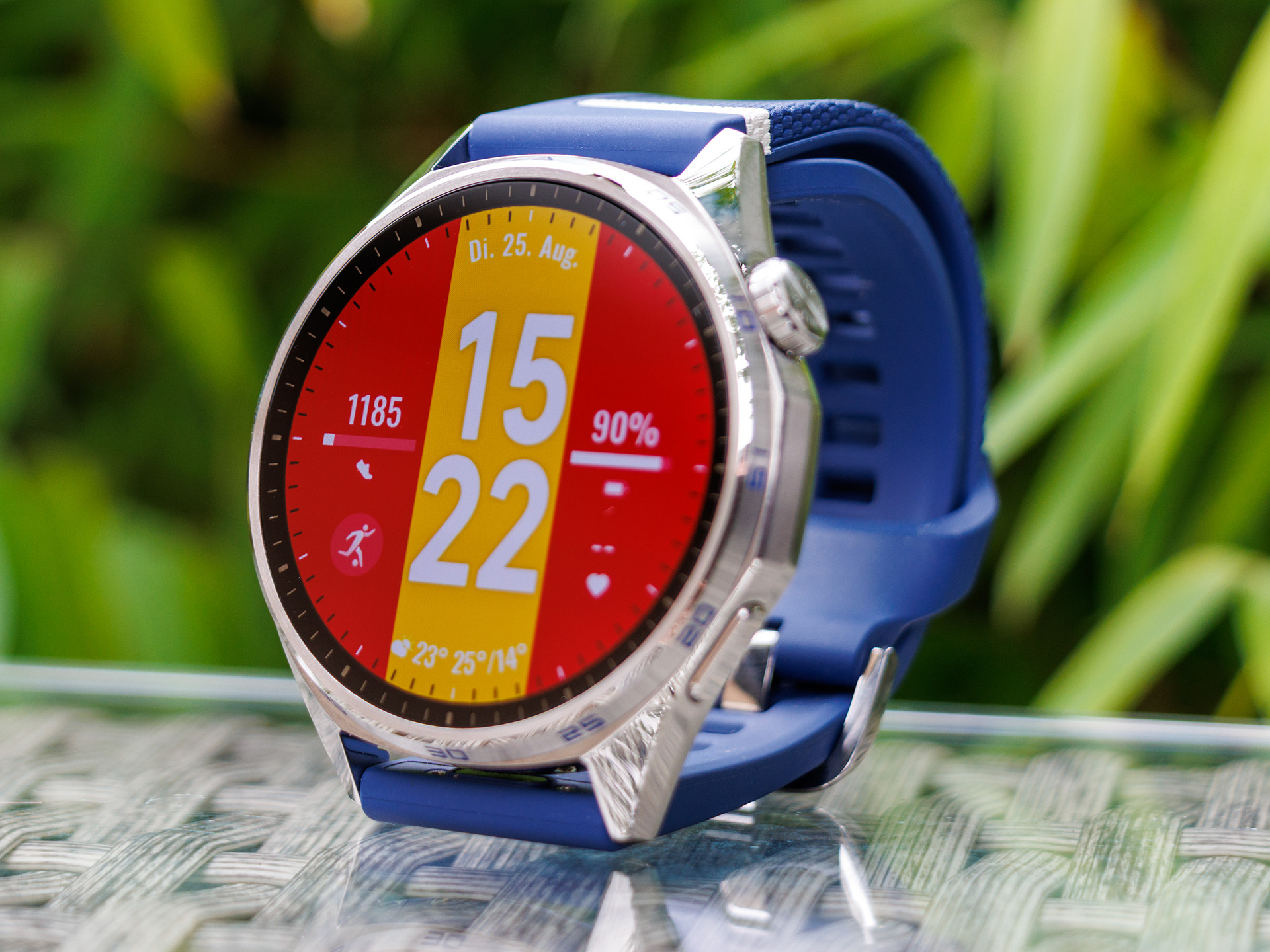
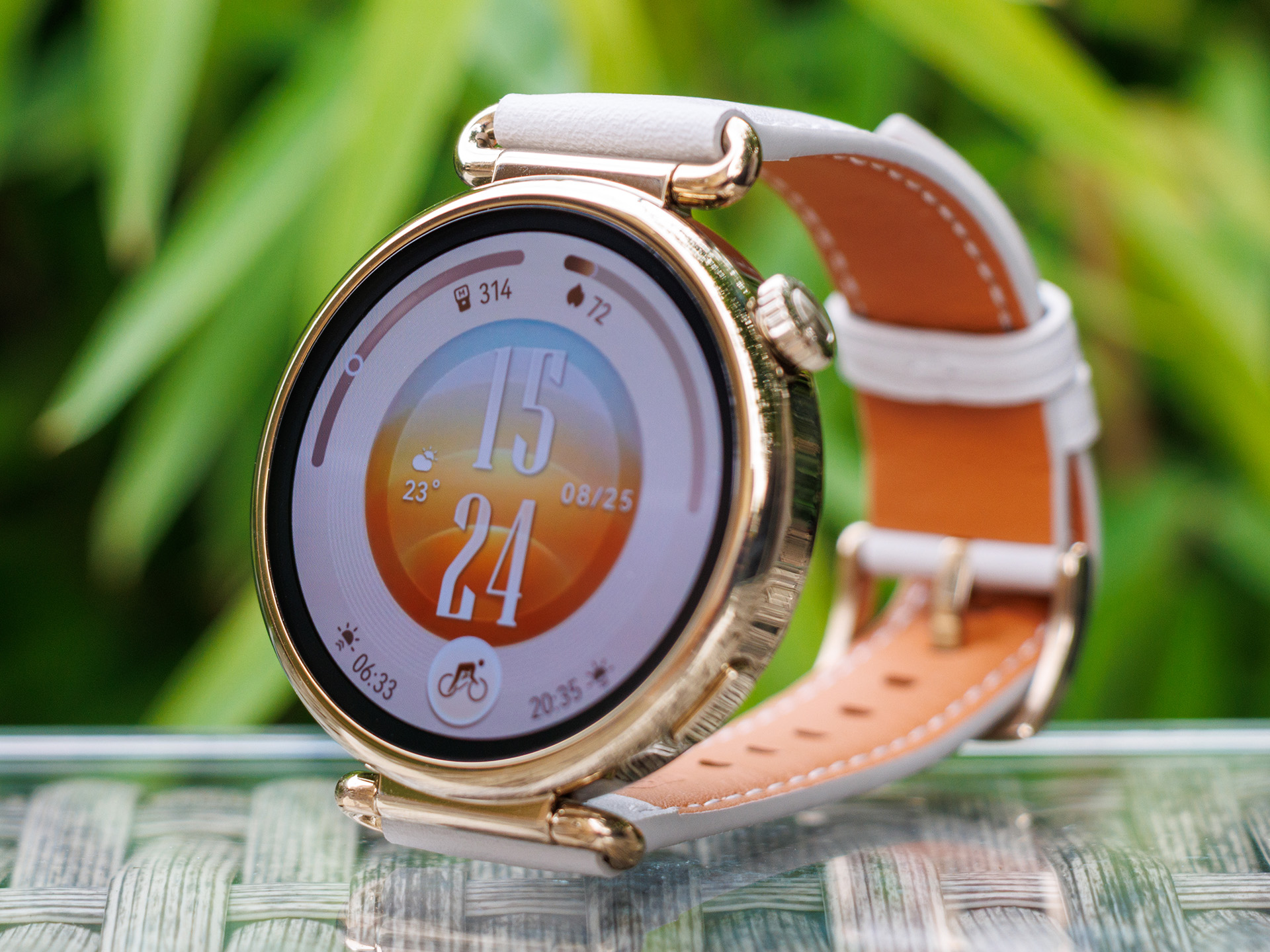
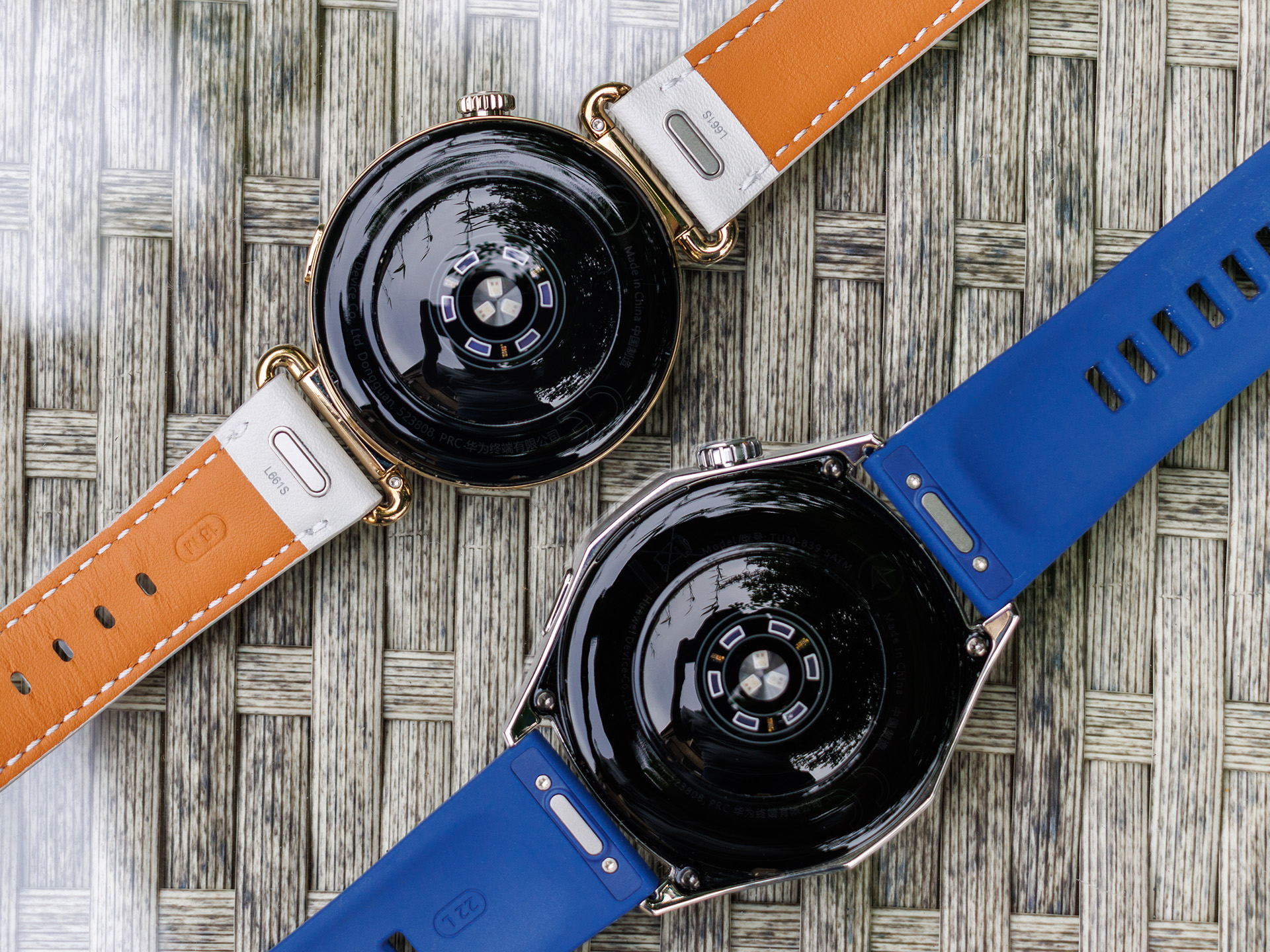
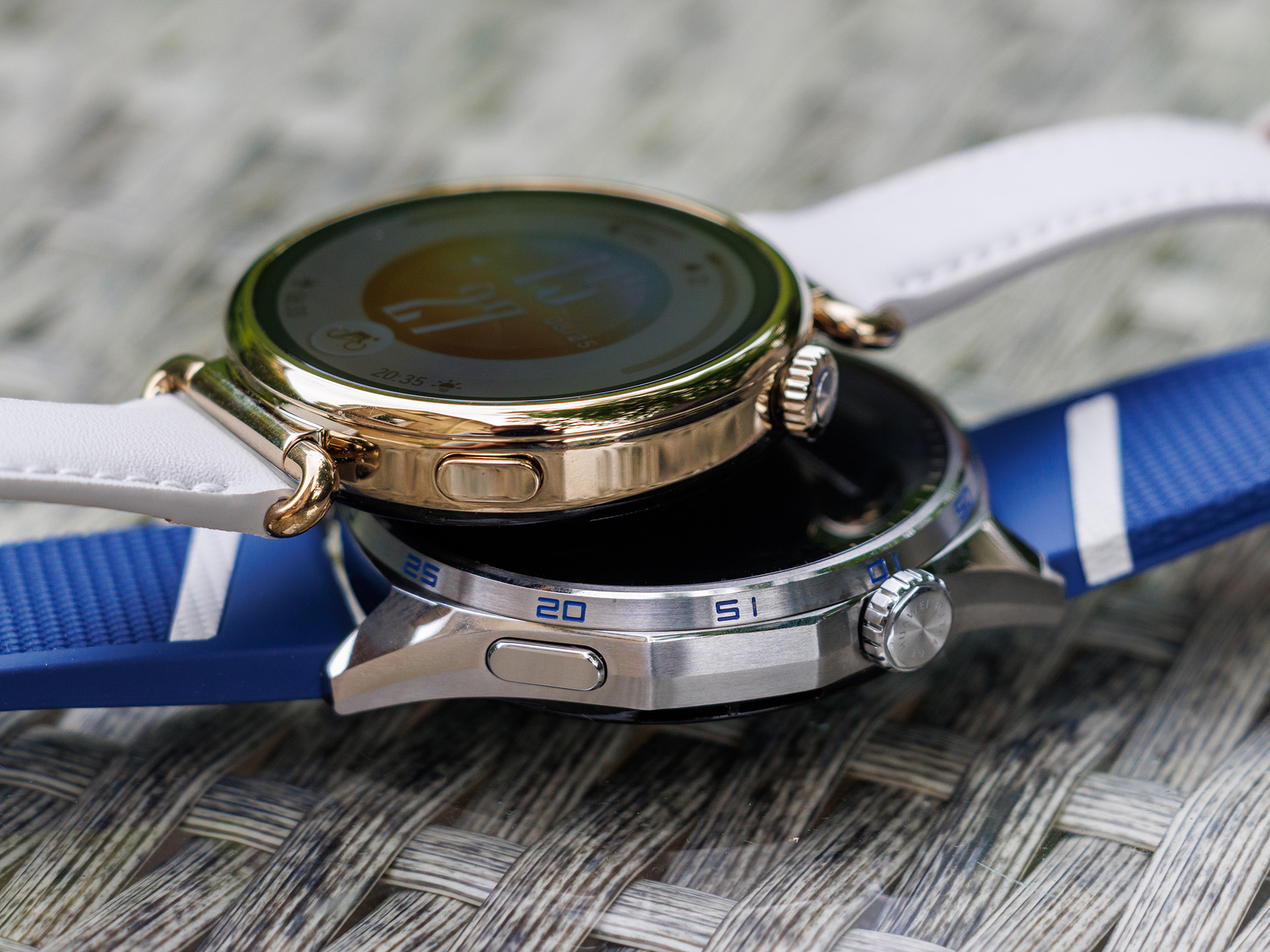
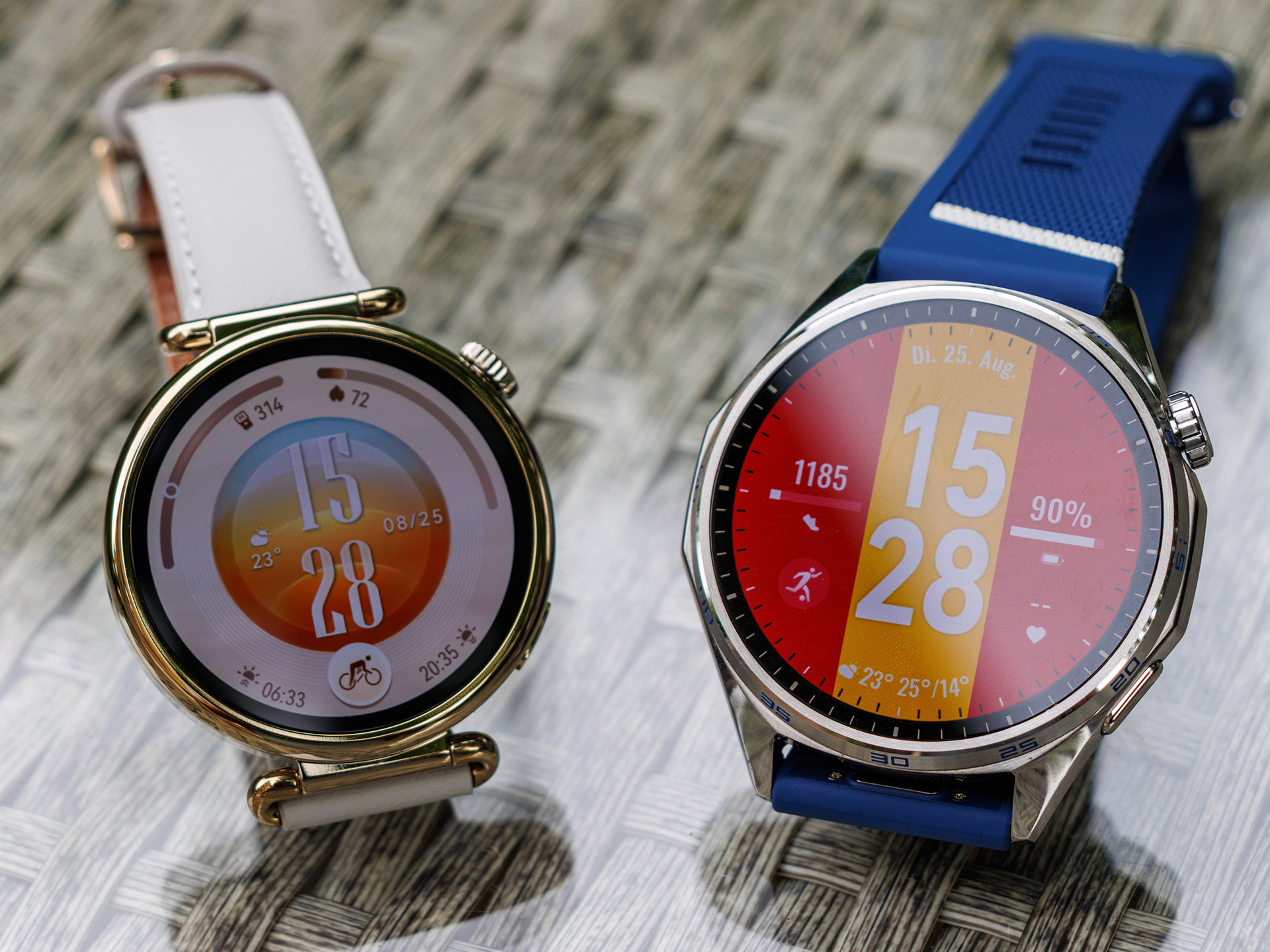
The Huawei Watch GT 7 is once again available in two sizes: 41 and 46 mm. While the latter features a classic chronograph design, the 41-mm model is narrower, sleeker, and has a more feminine look. All models feature a high-quality stainless steel case with a sapphire crystal cover and a plastic back.
The build quality is excellent, and it feels premium. All gaps are precisely fitted, and the underside is easy to clean. For the straps, Huawei once again uses tool-free quick-release buckles with strap widths of 22 mm (46 mm) and 18 mm (41 mm), respectively.
Both smartwatches are both dustproof and waterproof and, in accordance with IP69 certification, are additionally protected against high-pressure and steam jet cleaning. Even without dive mode, the GT 7 is water-resistant up to 5 ATM.
The 46-mm model is available in black, yellow, blue, and gray, while the 41-mm model comes in white, gray, pink, and light blue. The colors always refer to the included straps; the case may be a different color.
Sustainability
The Huawei Watch GT 7 comes in a rather opulent box that is completely sealed in plastic film. Inside, Huawei has largely avoided the use of plastics.
The smartwatches are not repairable by users. Huawei does not provide any specific details regarding sustainability.
Setup and operation - Cross-platform use of the Watch GT 7 is possible
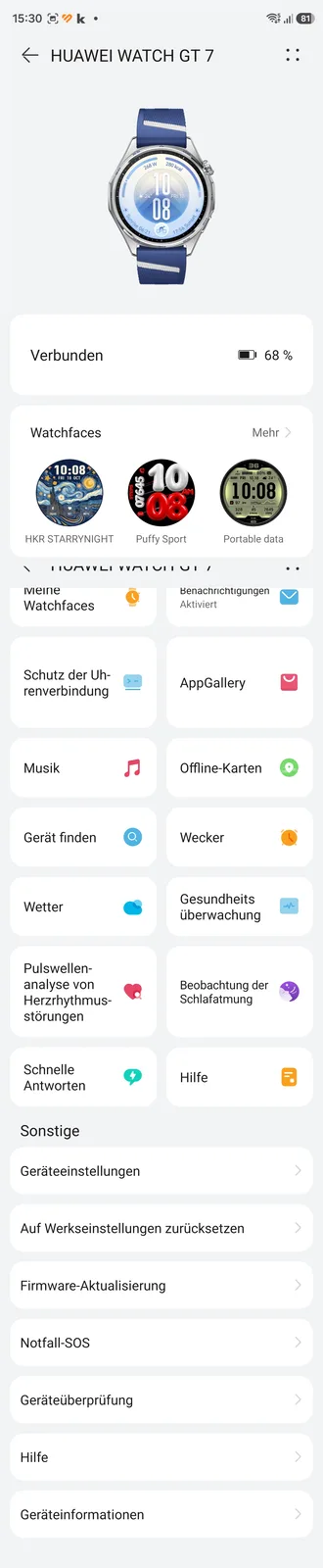
To connect a Huawei Watch GT 7 to your smartphone, you must first install the Huawei Health app. This app is usually preinstalled on Huawei smartphones, such as the Pura 80 Ultra or the Mate X7. It can be downloaded directly from most app stores, including the Apple App Store, Samsung Galaxy Store, Xiaomi App Mall, Vivo V-Appstore, and, of course, Huawei’s AppGallery. It is not available in the Google Play Store or the Oppo App Market. There are now many fake apps in the Play Store. We strongly advise against installing them. Alternatively, Huawei Health can also be downloaded directly as an APK using the QR code on the packaging.
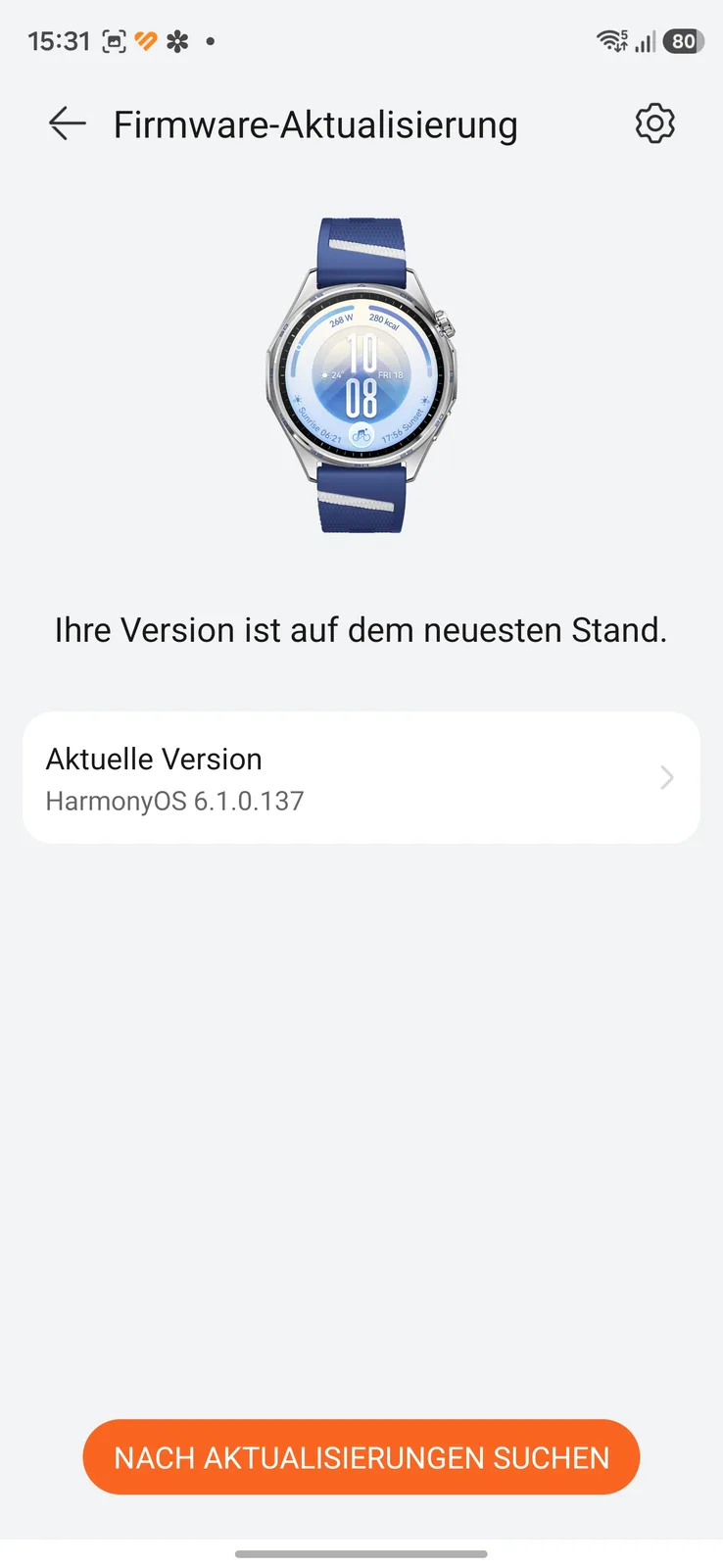
Once the app is installed, you can connect a new device under “Devices.” The app will then scan the area for available devices; all you need to do is make sure the GT 7 is turned on. Alternatively, you can scan the QR code on the watch using the app. The app will then guide you step by step through the setup process.
The Huawei Watch GT 7 is primarily controlled via the touchscreen, but also through the rotatable and pressable crown. There is also an additional button that can be customized.
On iOS, the Watch GT 7 remains noticeably limited. Notifications cannot be configured as precisely, and it’s not possible to reply to messages directly from the watch. Since the AppGallery is also missing, Petal Maps cannot be installed, so navigation via the smartwatch is also unavailable on iOS.
Payments via NFC and the British payment service Curve Pay have been greatly simplified and work seamlessly in practice. This integration is now also available for older models and only requires HarmonyOS 5.1.


Telephony and notifications
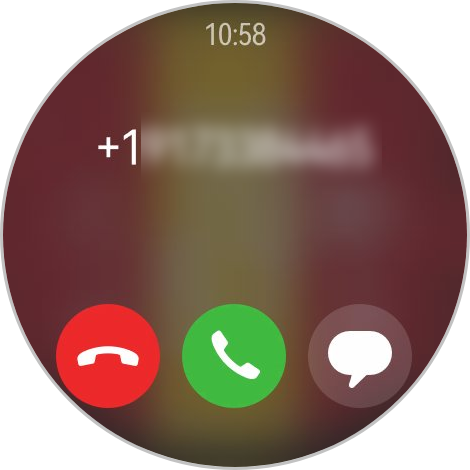
Thanks to its built-in speaker and microphone, the Huawei Watch GT 7 can be used to make phone calls as long as a paired smartphone is within Bluetooth range. In our test, incoming calls were reliably displayed. In addition, the smartwatch accesses all contacts, displays the call log, and offers a number pad for manual entry.
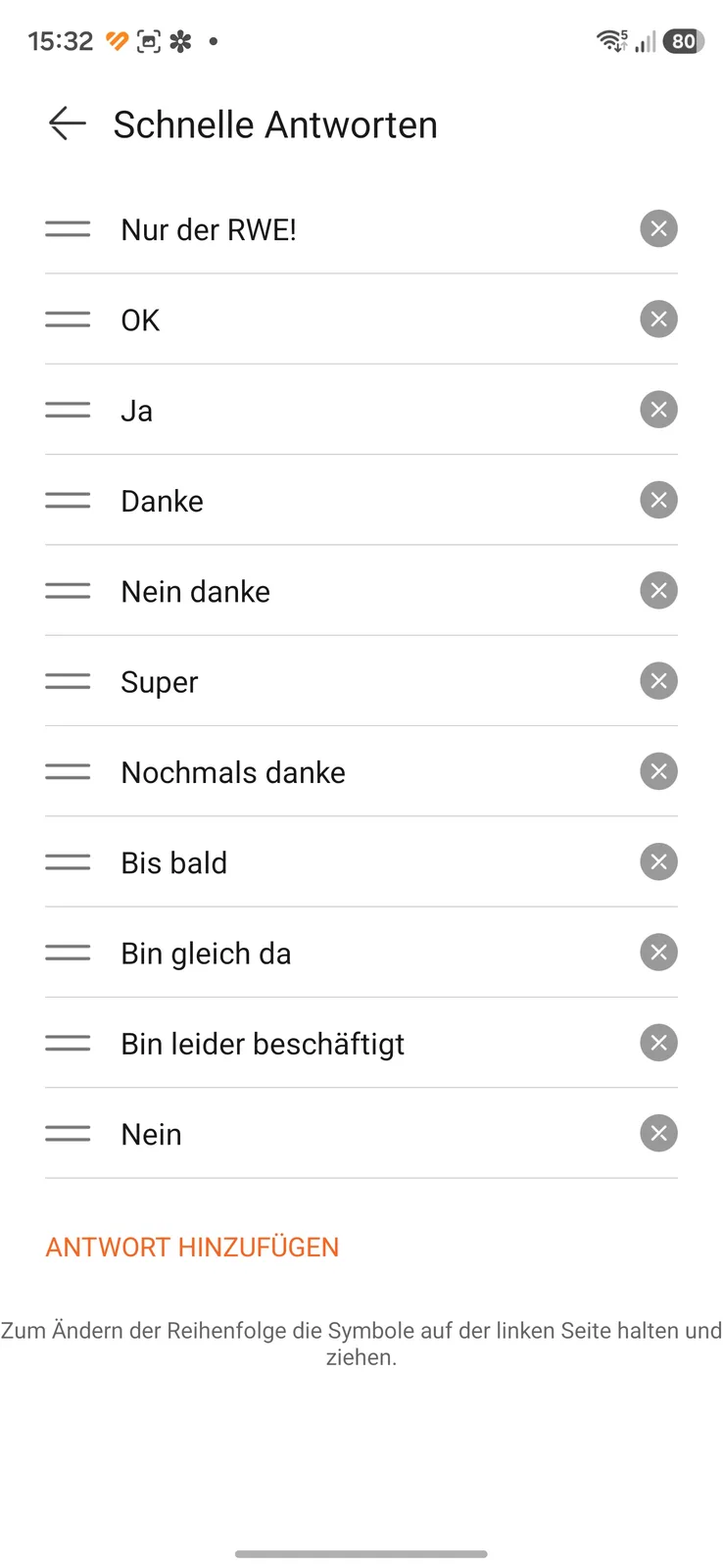
Call quality is impressive: The speaker is loud enough to clearly reproduce the other person’s voice. In our testing, the wearer’s voice sounded noise-free and had only minimal echo. In chats, the Huawei Watch GT 7 displays emojis but not images. Emails are displayed in full during testing. The reply options are well designed: The Watch GT 7 allows you to reply using emojis or the keyboard.
Smart assistant
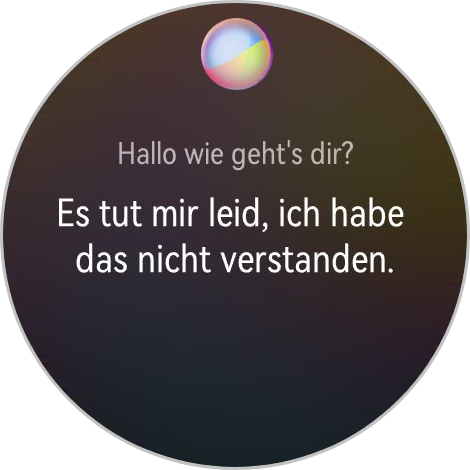
The voice assistant Celia is now available for all Android smartphones, but it offers only a very limited range of features, lacks voice output, and is cumbersome to launch.
Health and fitness - AI analysis for more detailed metrics in the Watch GT 7
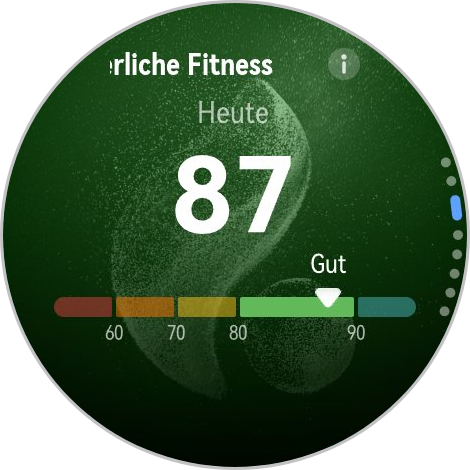
Health Insight is once again included in the Huawei Watch GT 7. The health platform consolidates data from various sensors and the health metrics they track. It not only lists these metrics separately but also analyzes them in relation to one another. These include, among other things, heart rate, HRV, sleep, stress, and activity. This data is then used to generate a comprehensive health and fitness analysis, such as a “Physical Fitness” score, which is intended to reflect recovery and performance readiness.
The “Family Community” is a group of up to 20 linked individuals who can share parts of their health data with one another and compete against each other in sports challenges. Unfortunately, this feature was not yet available at the time of testing.


Activity goals and data collection
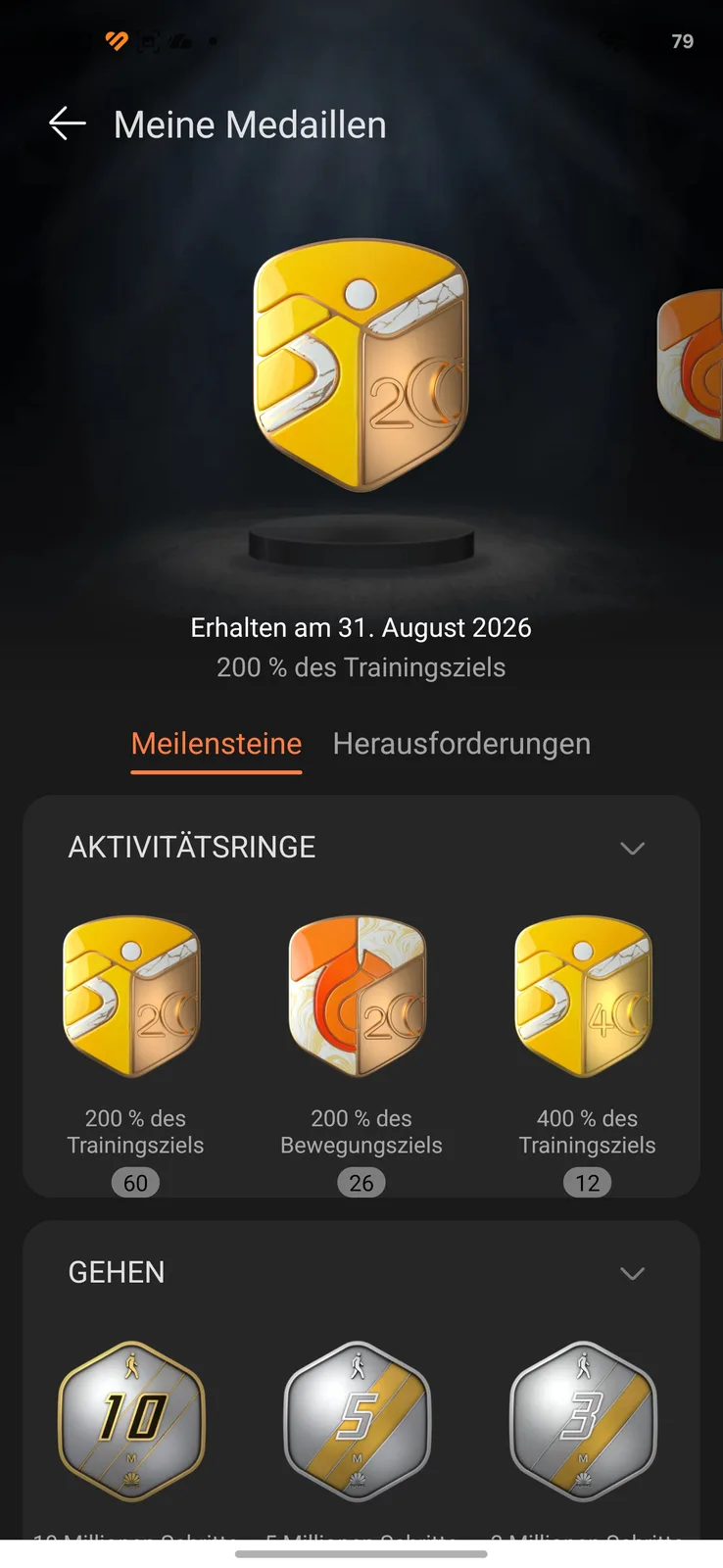
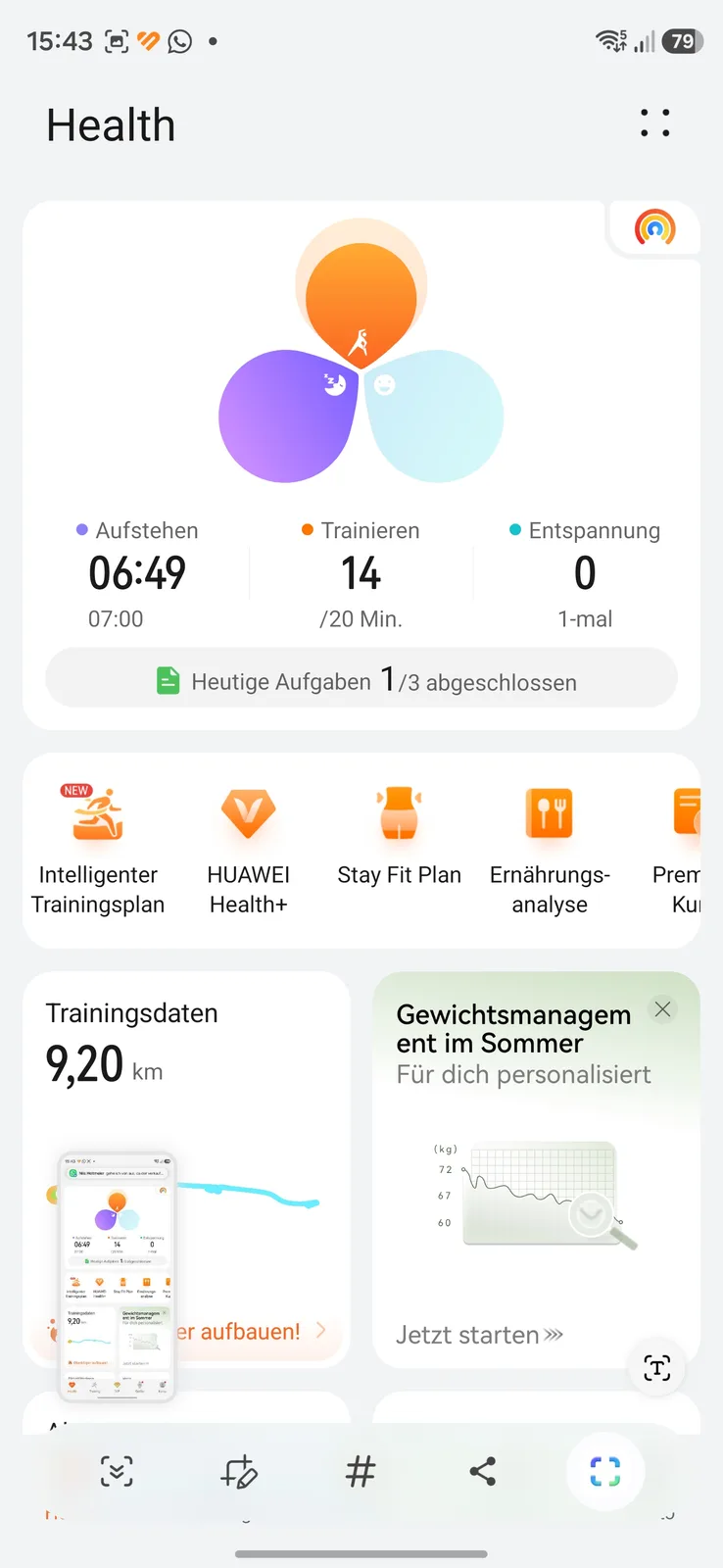
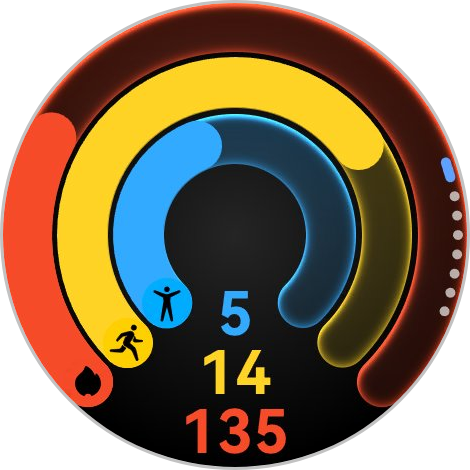
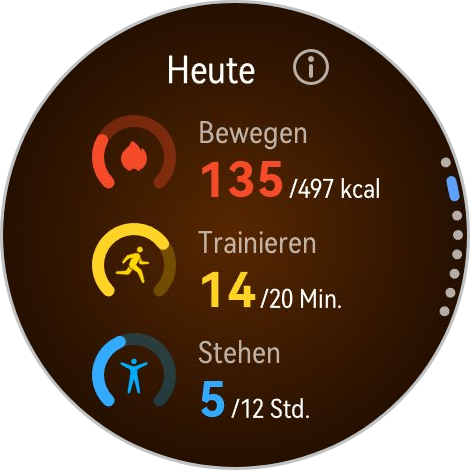
Both on the smartwatch and in the Huawei Health app, you can track your activity goals using the classic three rings: Movement, Exercise, and Standing. In addition, Huawei offers a three-leaf clover that distinguishes between Sleep, Exercise, and Recovery. The goals can be customized. Medals are awarded for special milestones, such as “5 million steps” or “200% of the workout goal.” These aren’t fixed; instead, there are occasional promotional medals that can be earned.
The Huawei Watch GT 7 also tracks the number of steps taken, the corresponding distance, elevation gain, and calories burned. Based on this data and your workouts, the watch also calculates athletic performance metrics such as a training index, VO₂ max, Running Ability Index, time predictions, lactate thresholds for running, and cycling FTP. It also identifies trends and notifies you of any changes.
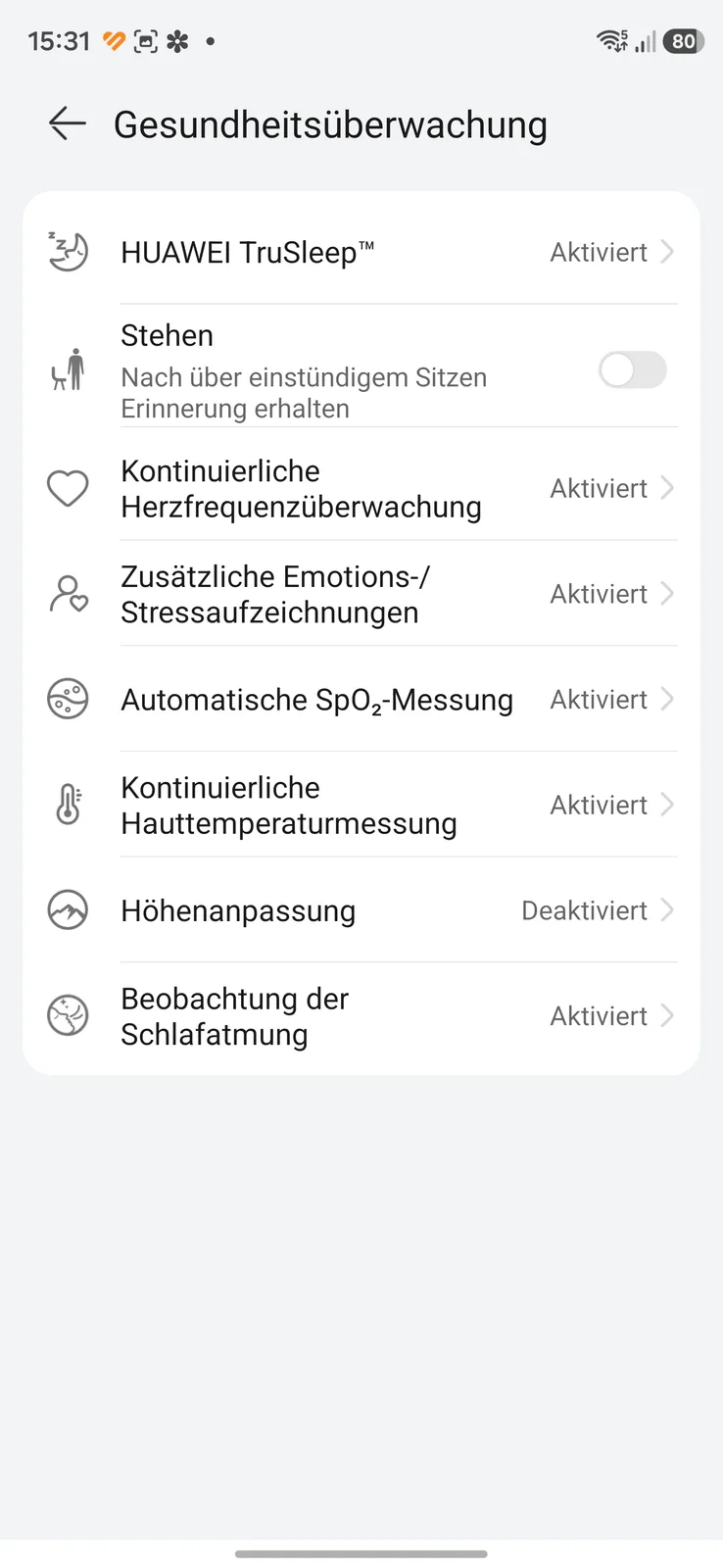
Health metrics that can be measured include heart rate, HRV, pulse wave analysis, sleep tracking with respiration monitoring, stress levels, blood oxygen (SpO2), and skin temperature. Height and weight can be entered manually; the latter can also be updated regularly using a Huawei smart scale. The watch does not include blood pressure measurement, which is reserved for the Watch D series, arterial stiffness detection, or an ECG function. The latter two features are reserved for the GT 7 Pro. However, blood pressure readings can also be entered manually into the app.
Heart rate, heart rhythm, and blood oxygen saturation
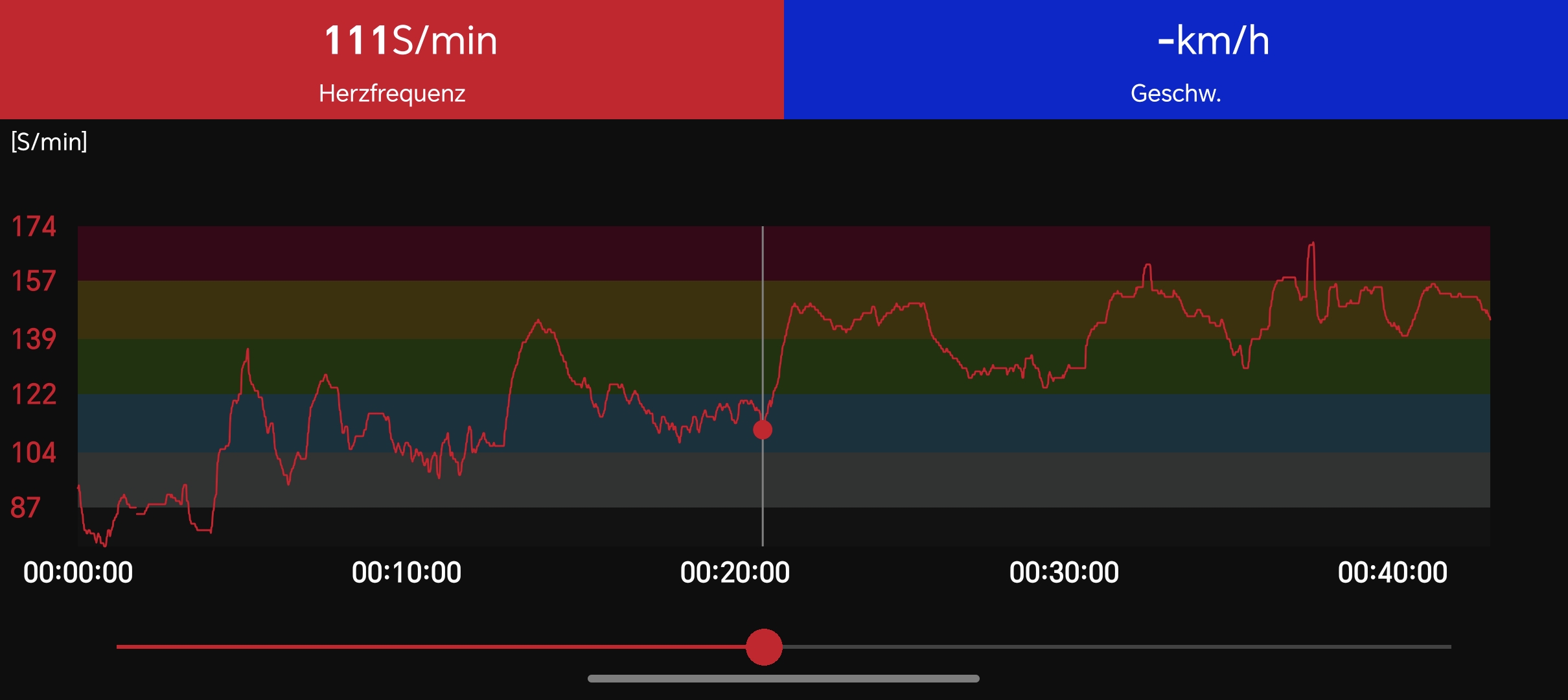
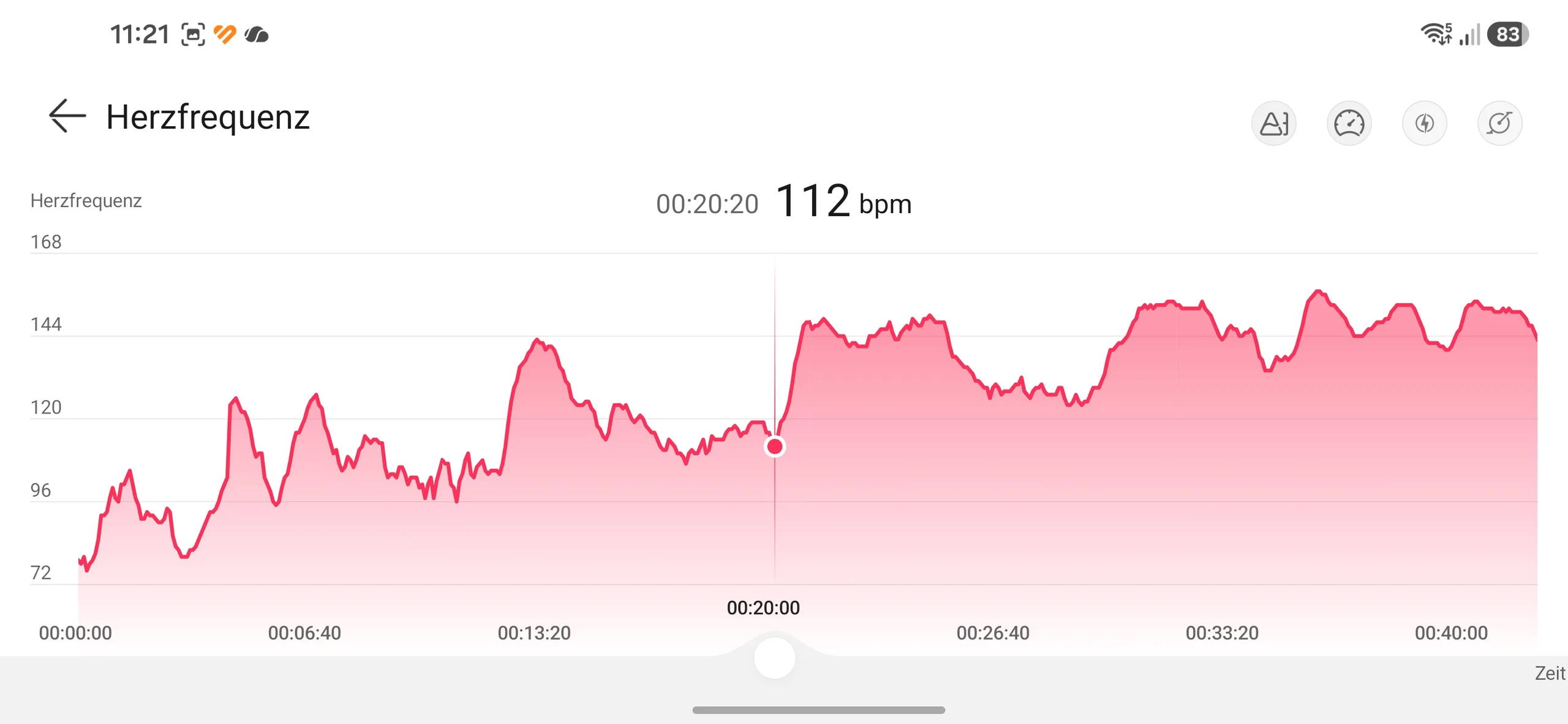
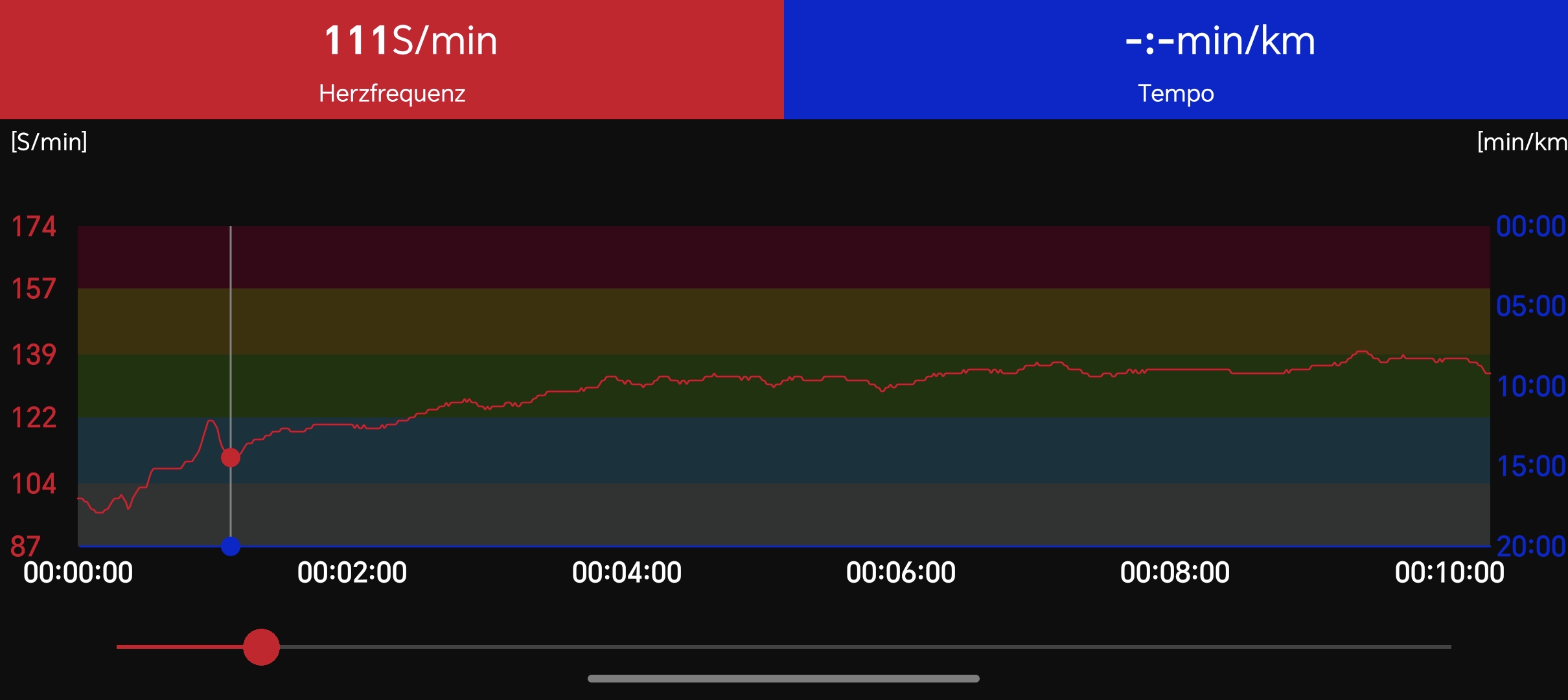
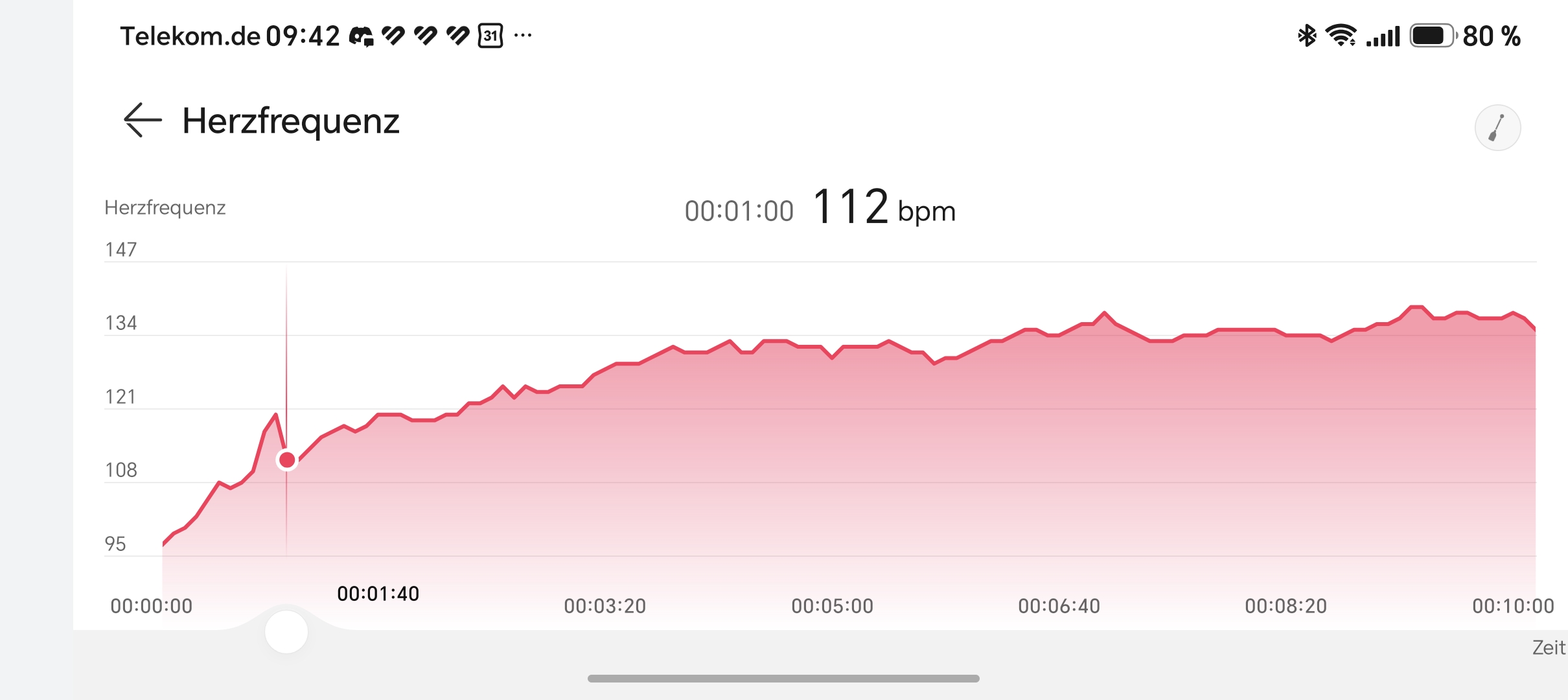
To better assess the accuracy of the Huawei Watch GT 7, we’re comparing it to reference devices.
Both models measure heart rate with nearly identical results. The resting heart rate differs by only one beat from our reference, the Polar H10 chest strap. However, this may also be due to the sensor’s lower responsiveness; at the very least, the Watch GT 7 updated the value less frequently than the chest strap during the measurements. During a bike ride with the 46mm model and while rowing with the 41mm model, the deviations were also minimal, ranging within one heartbeat. Thanks to the TruSense sensor suite, the GT 7 can also detect an irregular heart rhythm (pulse wave arrhythmia).
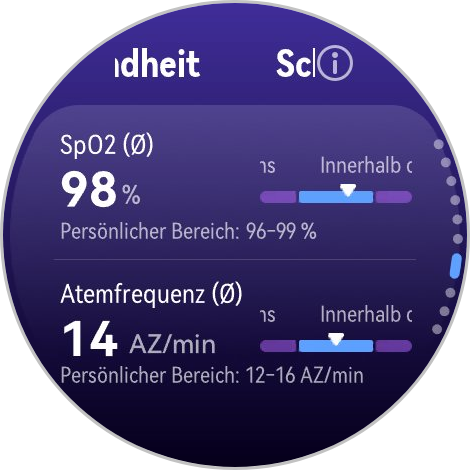
We compared blood oxygen saturation readings with a Braun pulse oximeter 1. Here, too, the Watch GT 7 models provided very similar readings in most cases, they were even identical.
Sleep Tracking
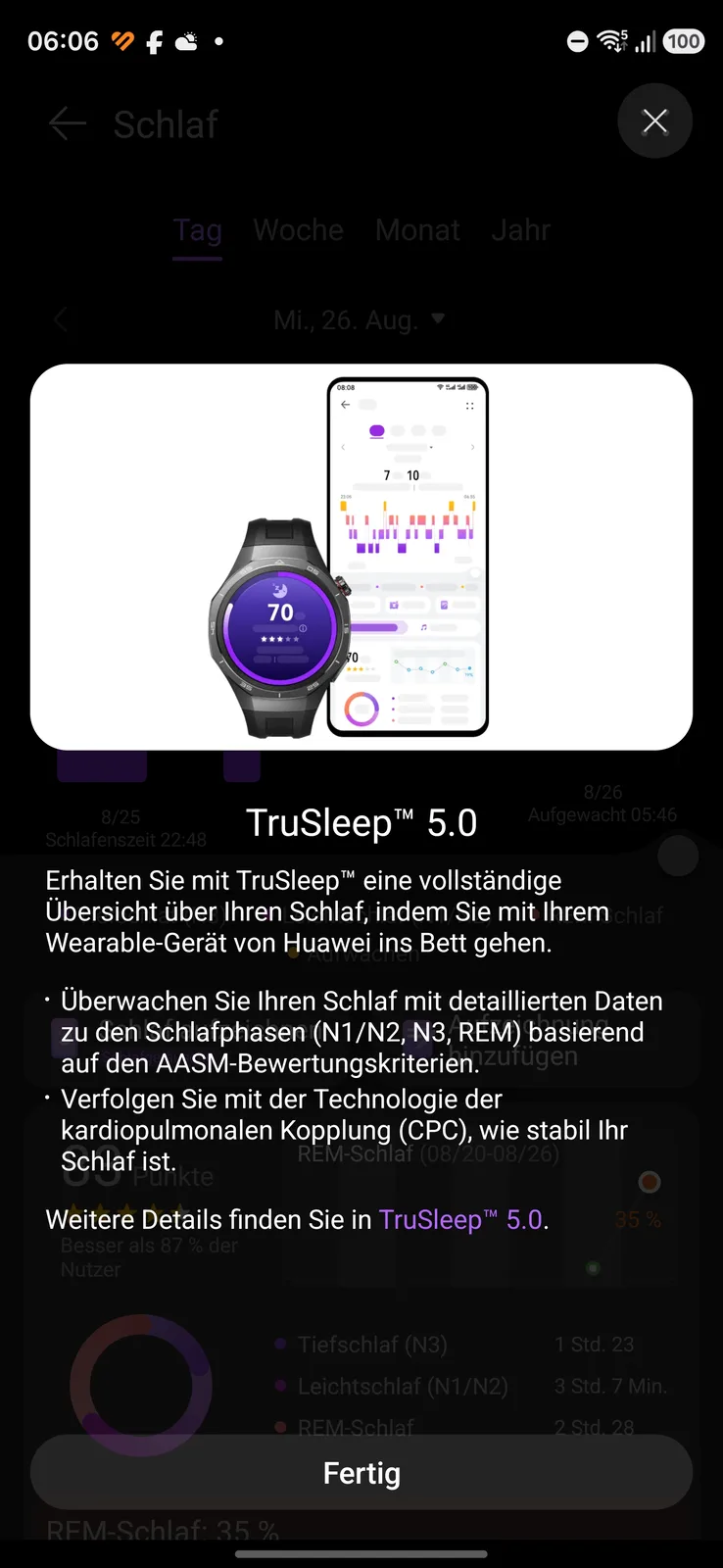
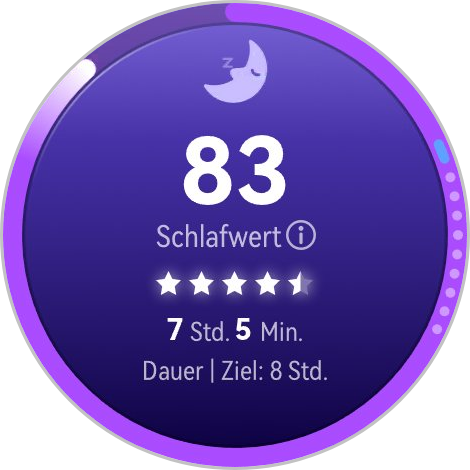
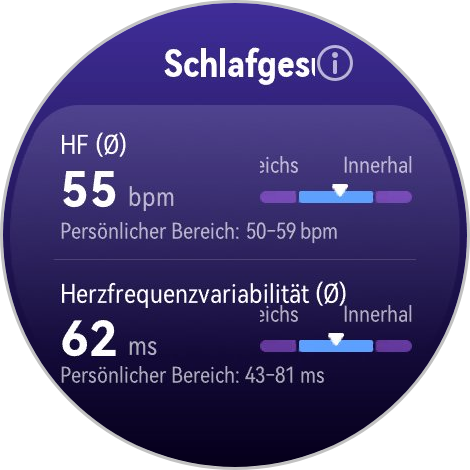
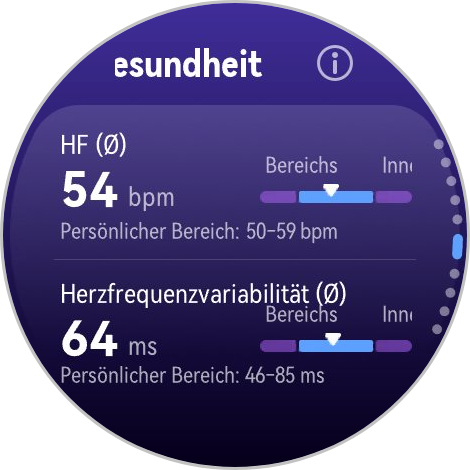
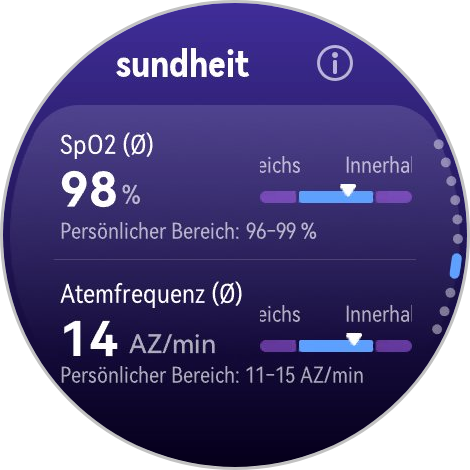
Huawei claims to have further improved its sleep tracking. To determine a user’s personal range, the watch must first be worn for a few nights; once it has, it not only measures resting heart rate, heart rate variability (HRV), blood oxygen saturation, and respiratory rate, but also relates these metrics to the user’s personal range.
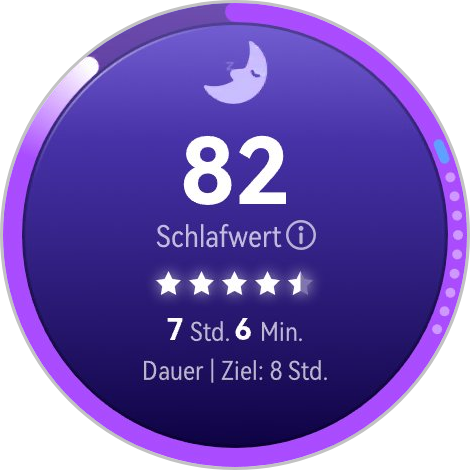
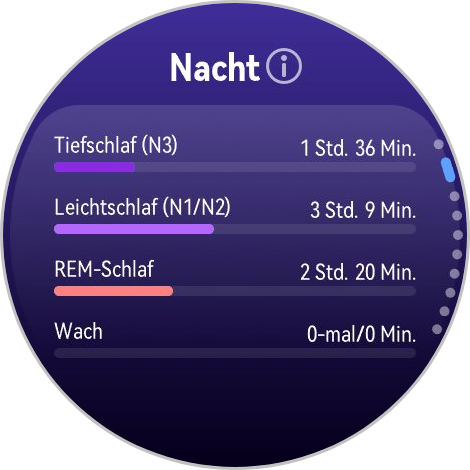
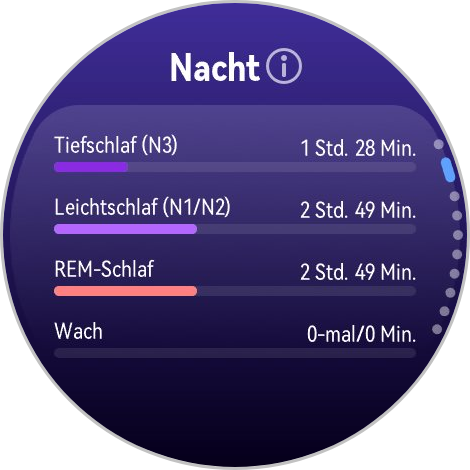
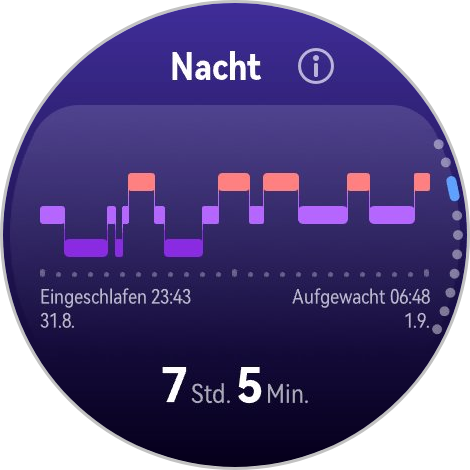
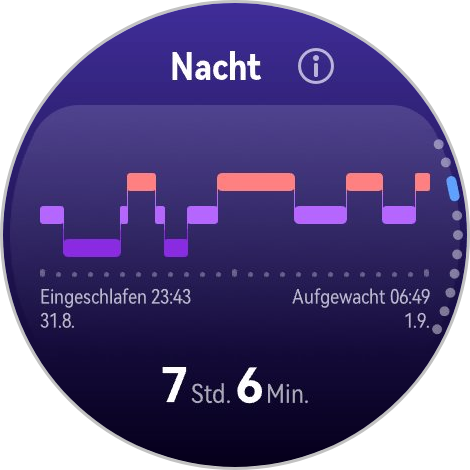
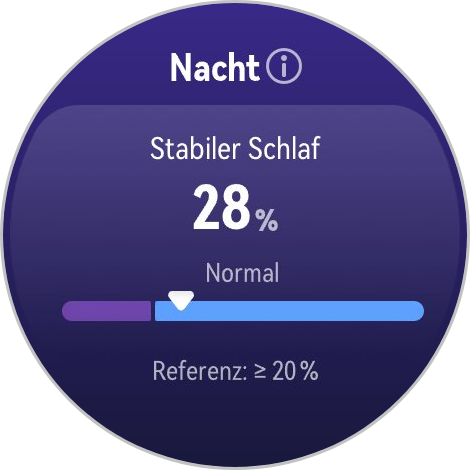
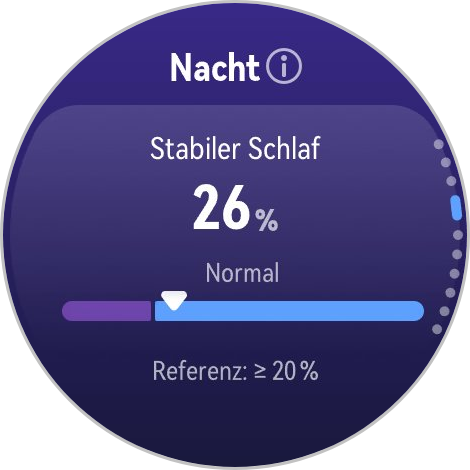
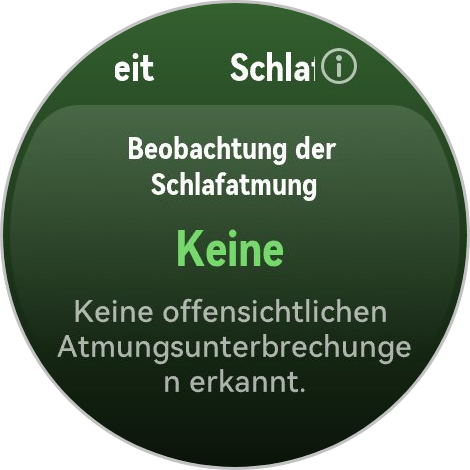
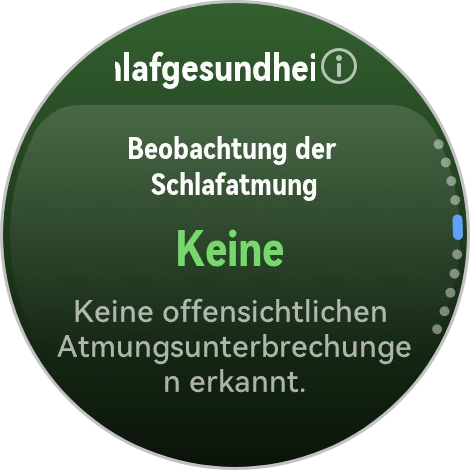
Sleep stages are categorized as light sleep (N1 / N2), deep sleep (N3), REM sleep, and wakefulness. The smartwatch is also designed to detect short naps, though we were unable to test this feature due to a lack of opportunities for napping. Overall, the sleep log seems quite comprehensive and reliable to us; only wake periods aren’t detected optimally. They’re only recognized when there’s actually significant movement. Optionally, sleep breathing can also be monitored to check for potential breathing interruptions.
We wore both Watch GT 7 models at the same time to check the consistency of the data. The scores differed slightly at first, but after several days, they gradually converged. The differences can also be explained by the fact that the watches were worn on different wrists. Overall, however, the values are at the same level.
Training recording
The Huawei Watch GT 7 can track over 100 sports, but only a handful are available for automatic workout detection. Unlike the Apple Watch, it doesn’t track continuously in the background, so when automatic detection is triggered, the distance isn’t recorded from the start but only from the moment the workout begins. Since this can take up to ten minutes, a significant portion of the distance is lost in this case. The automatic pause detection, on the other hand, works great.
Huawei has once again revamped its winter sports features. In addition to indoor skiing and snowboarding, both sports can now be tracked outdoors using GNSS. Outdoors, the app distinguishes between downhill skiing and cross-country skiing. Additionally, maps of ski resorts are now available, including the locations of ski lifts. However, this feature will be added in a future update.
The power meter for cycling is also back, which we’re already familiar with from the GT 6. The Watch GT 7 can now also distinguish between city cycling, road cycling, and long-distance cycling. Routes can also still be imported and displayed directly on the smartwatch.
For those who sit a lot, there’s not only a reminder to stand up but also short micro-workouts that can be done right at your desk in the office.


GNSS and Navigation
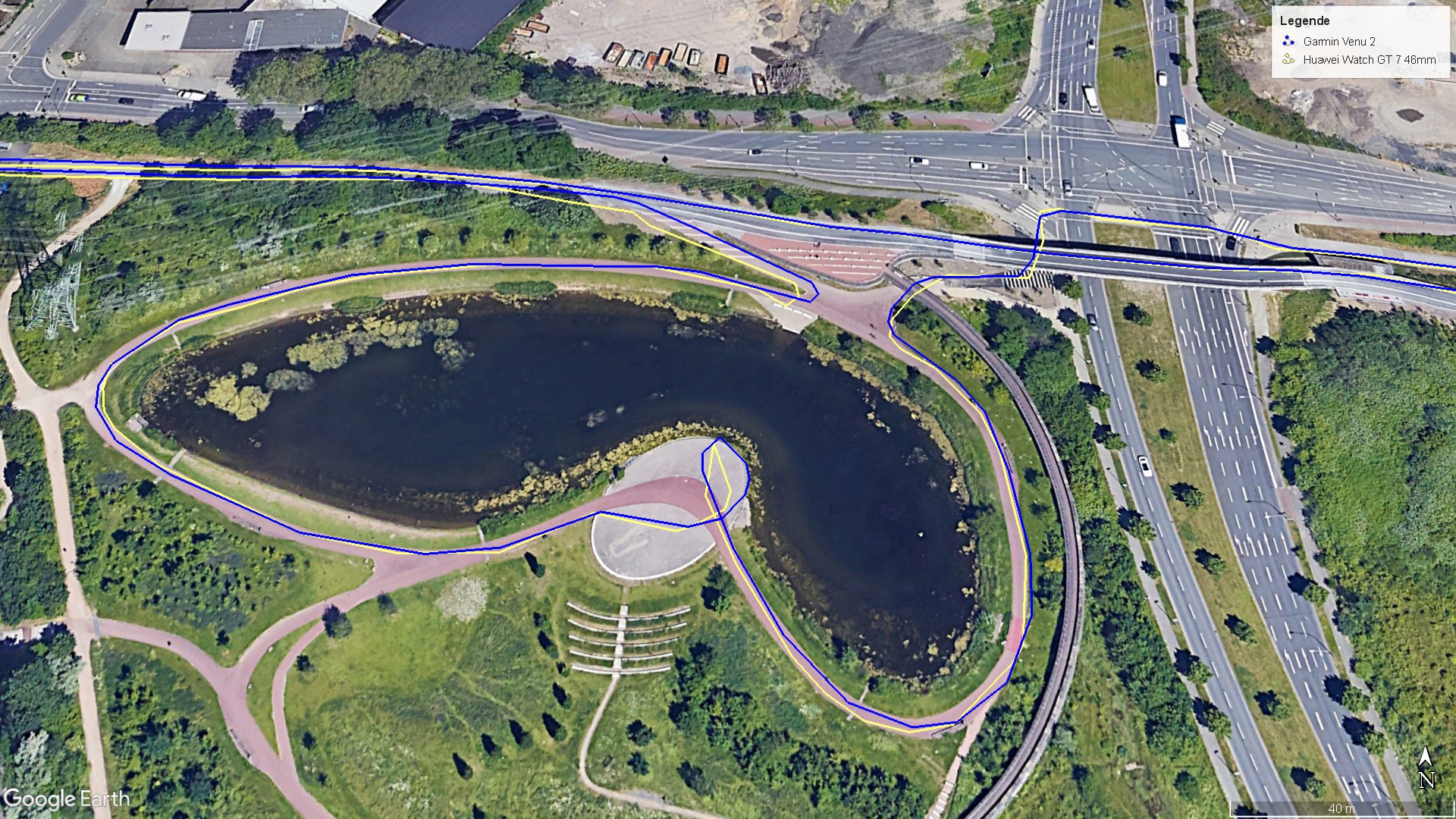
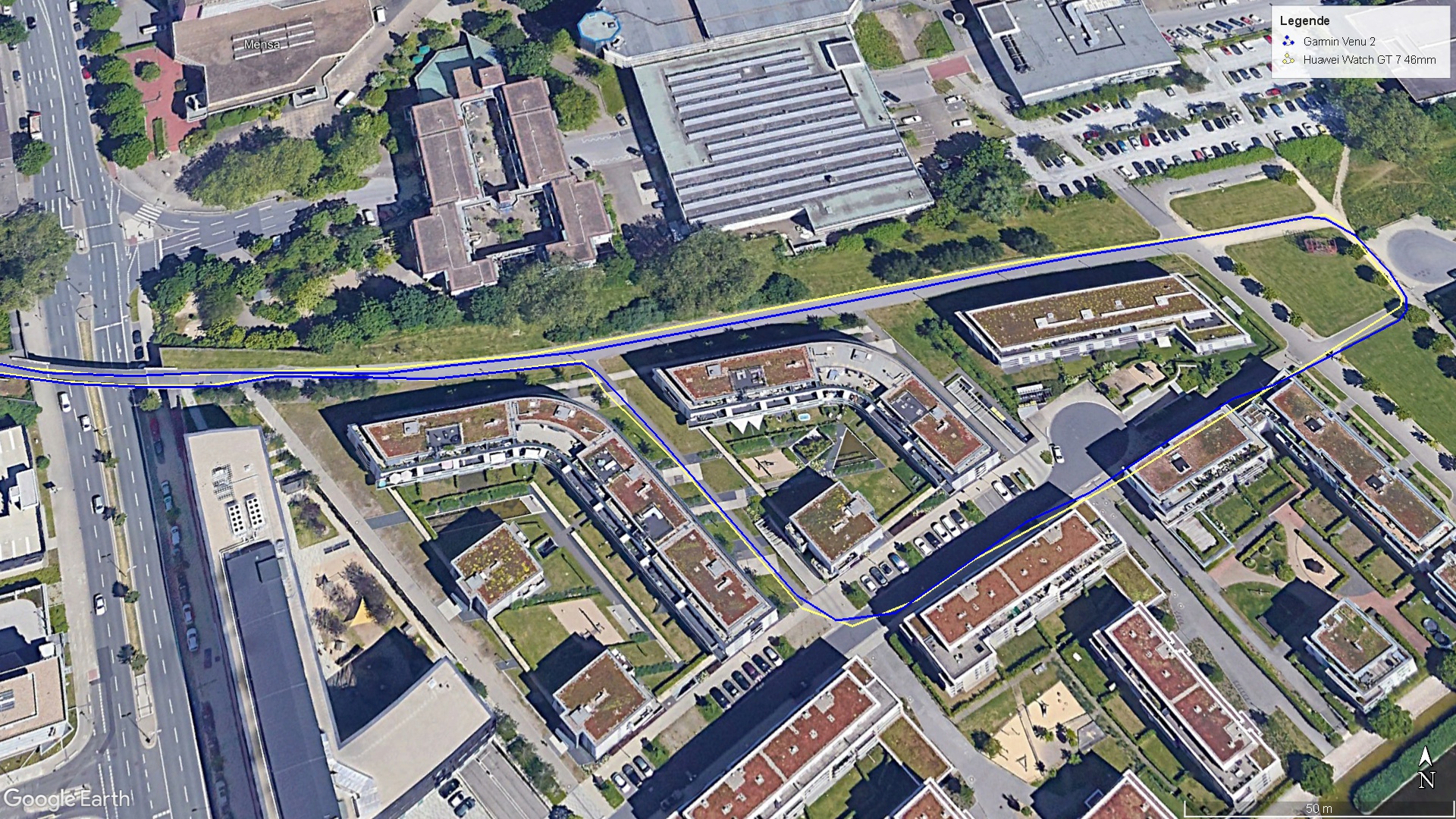
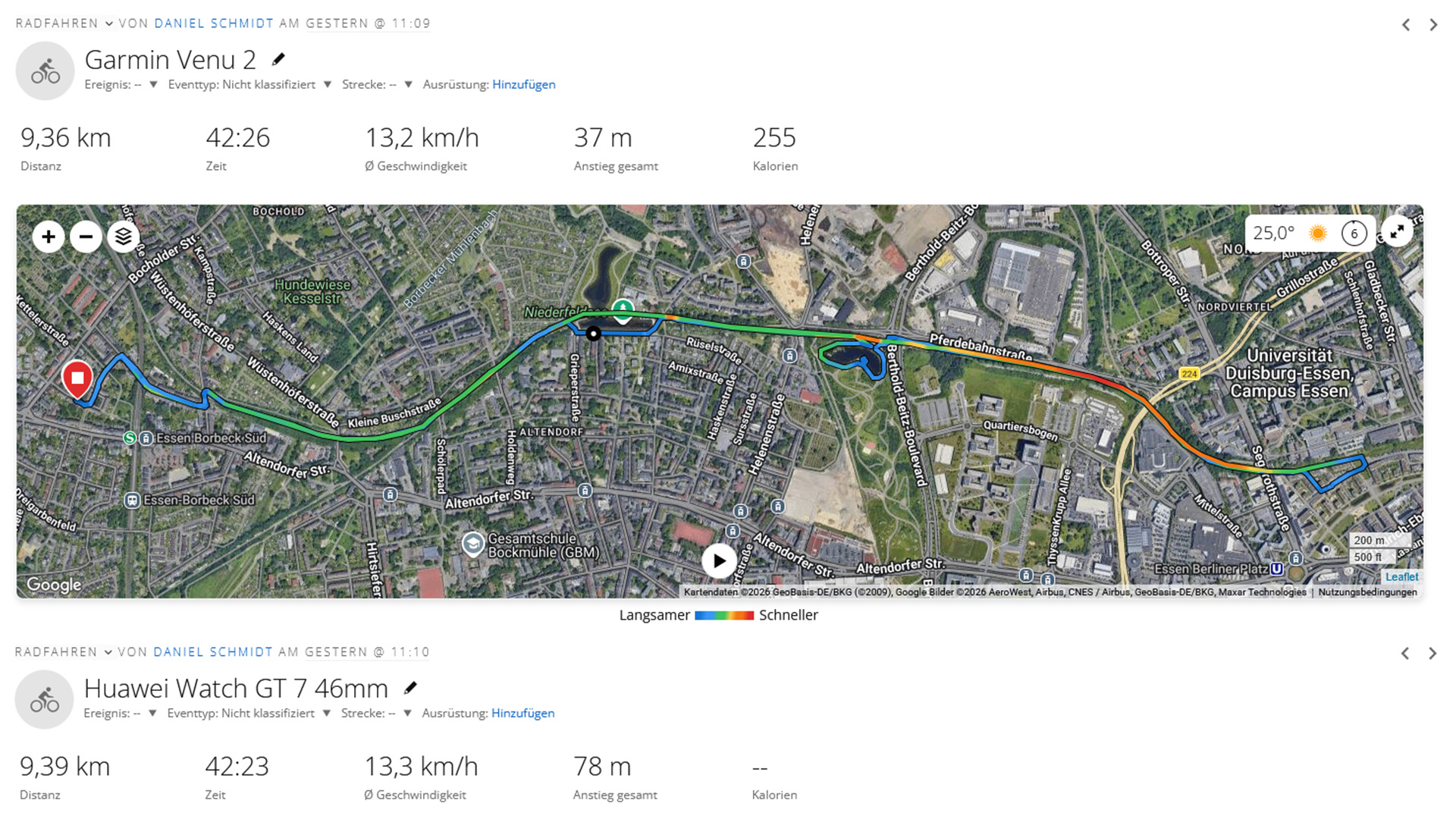
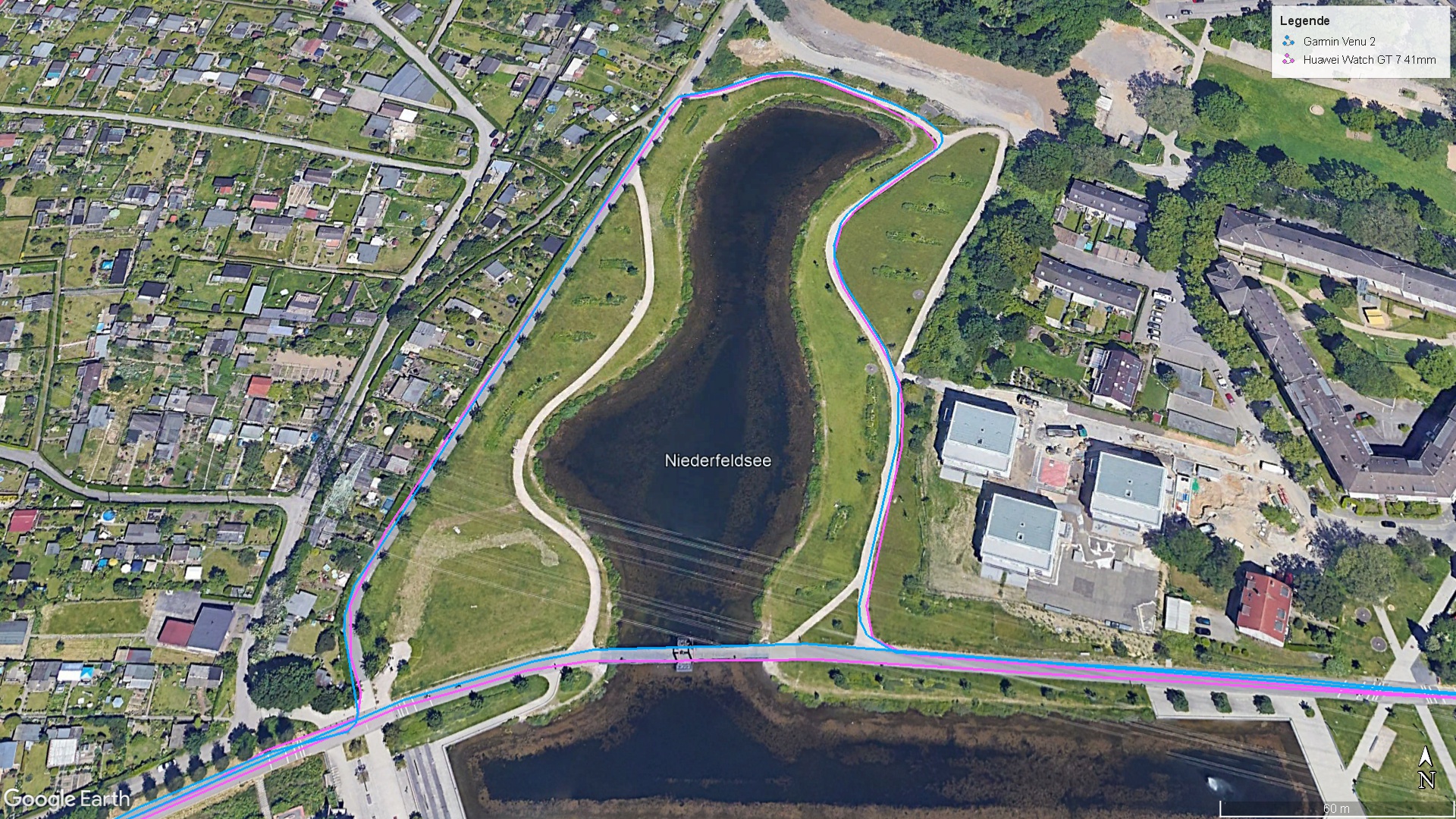
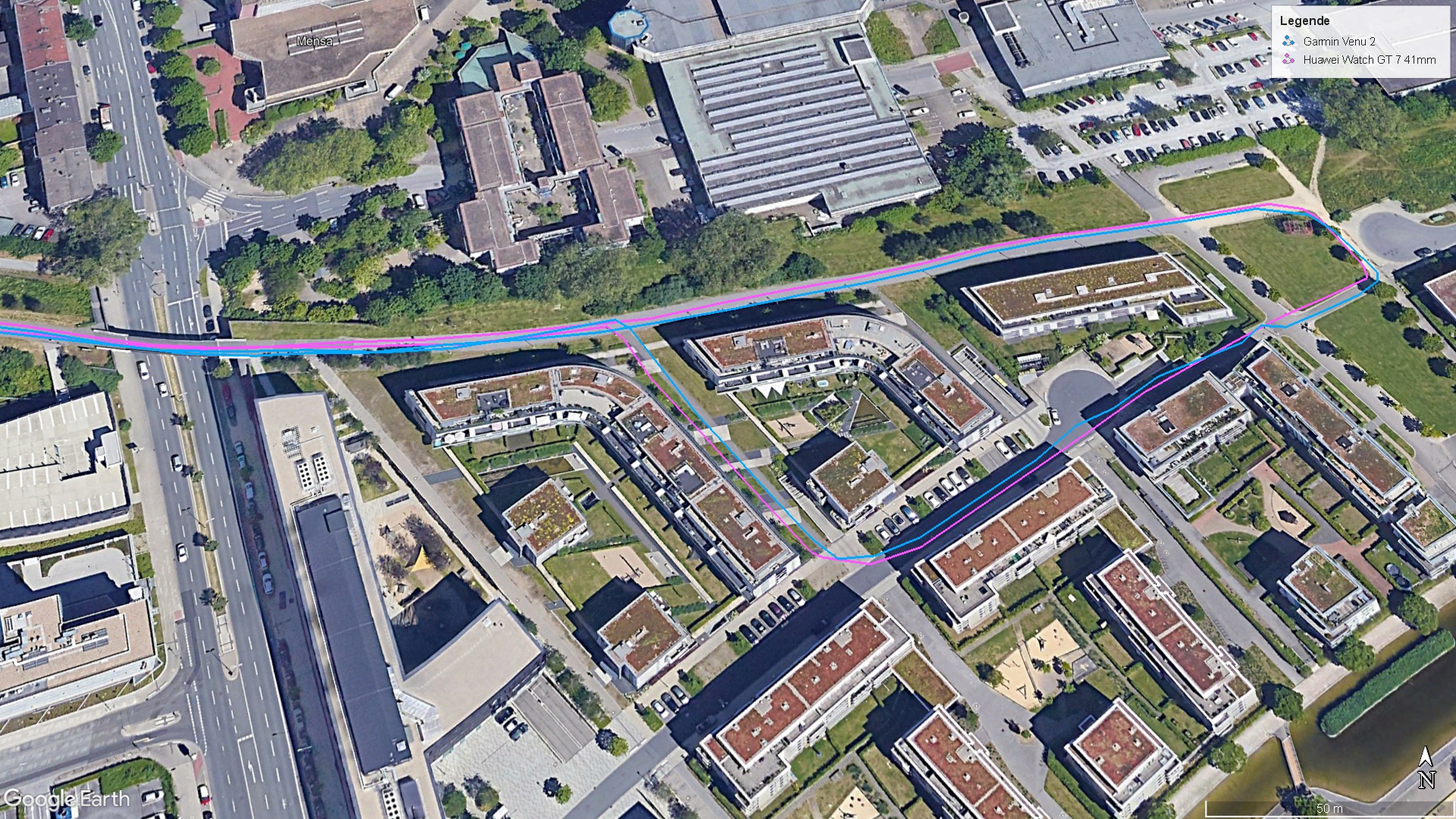
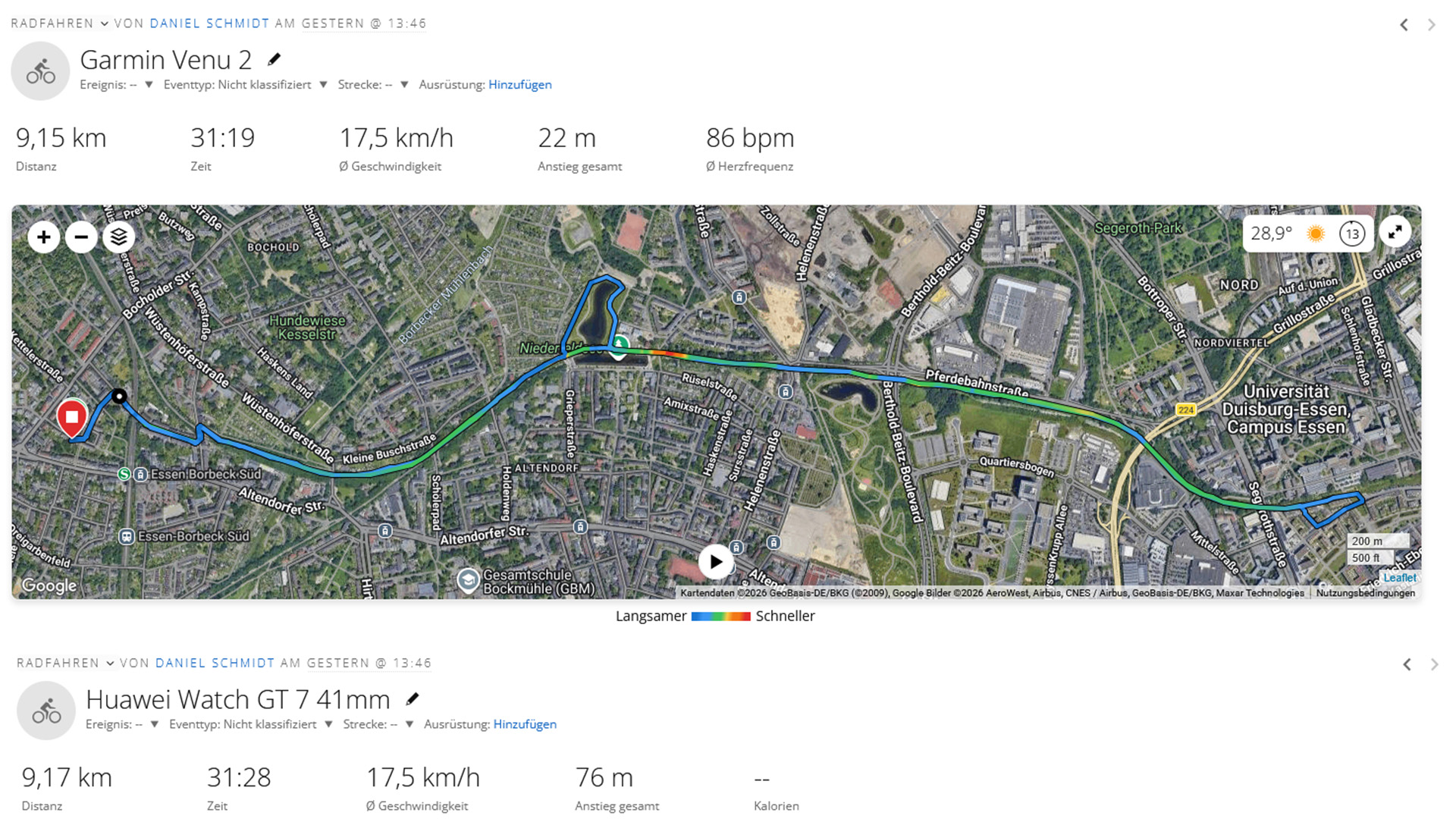
Both Watch GT 7 smartwatches use dual-band GNSS for positioning. During a bike ride, we compared them to the Garmin Venu 2, which performs slightly better only on tight turns. Otherwise, Huawei delivers very good results here.
Display - The Watch GT 7 has a brightness of up to 3,000 nits
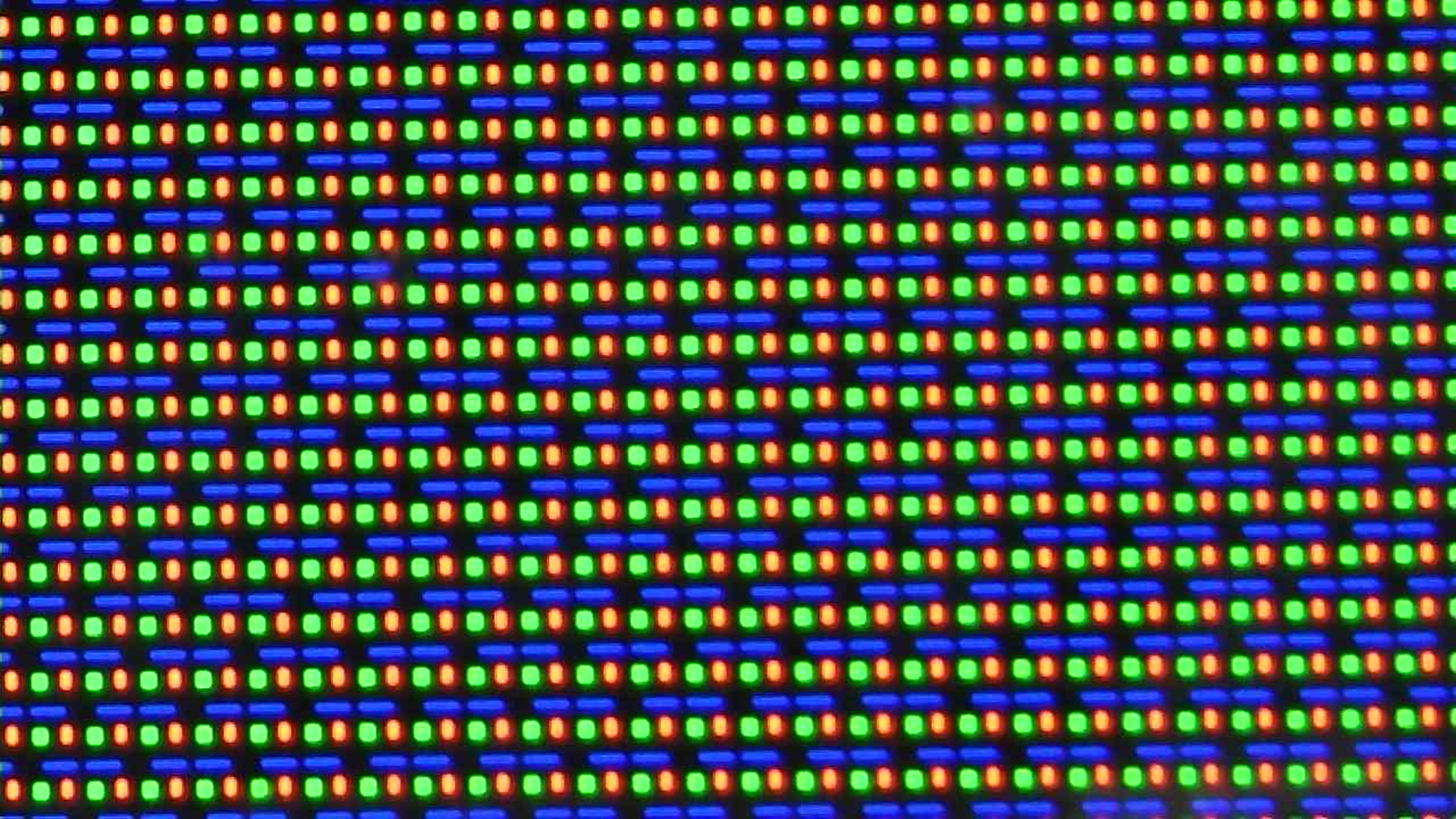
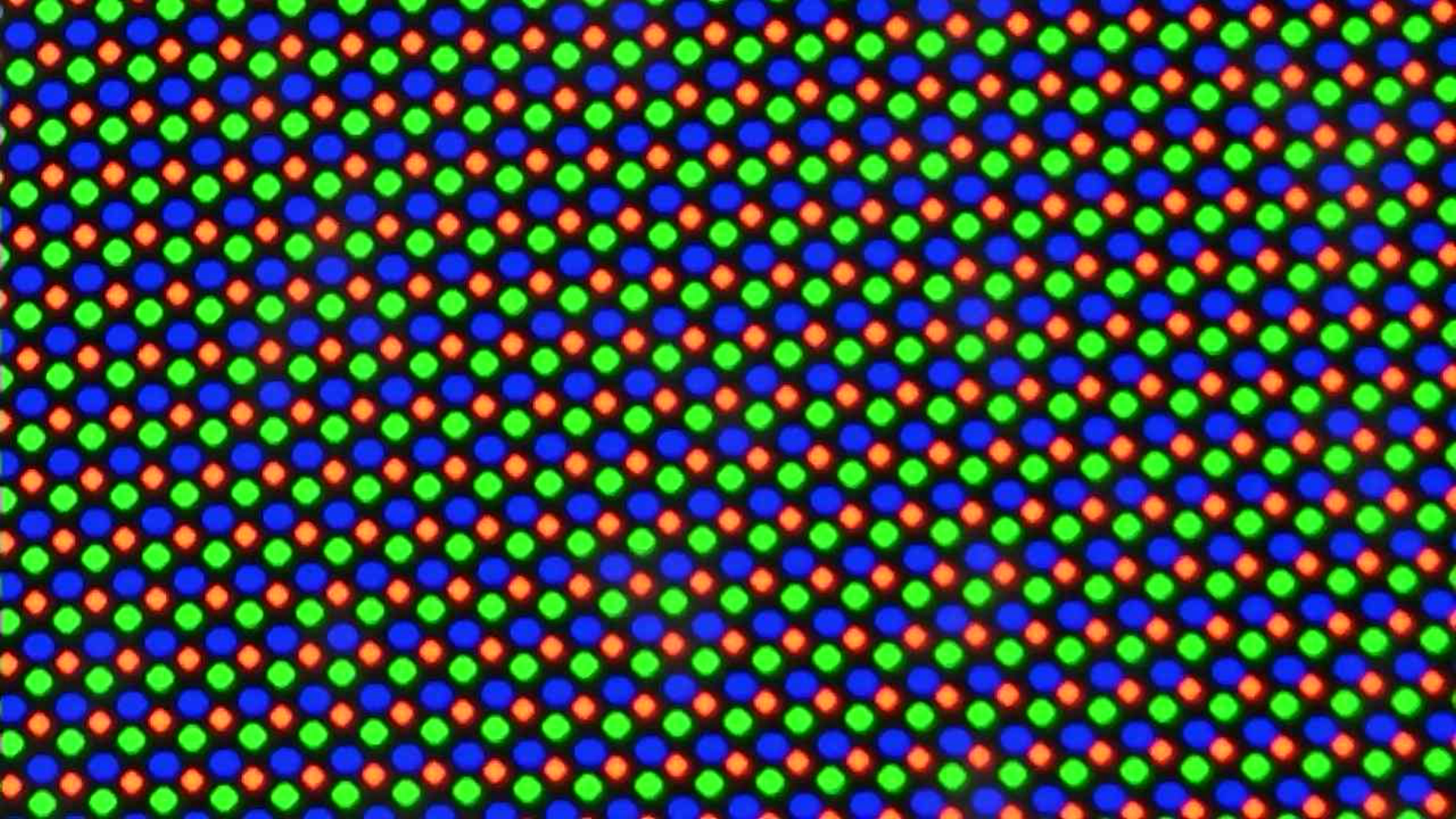
To achieve the same pixel count despite a smaller display, Huawei must use a different subpixel structure for the 41-mm version.
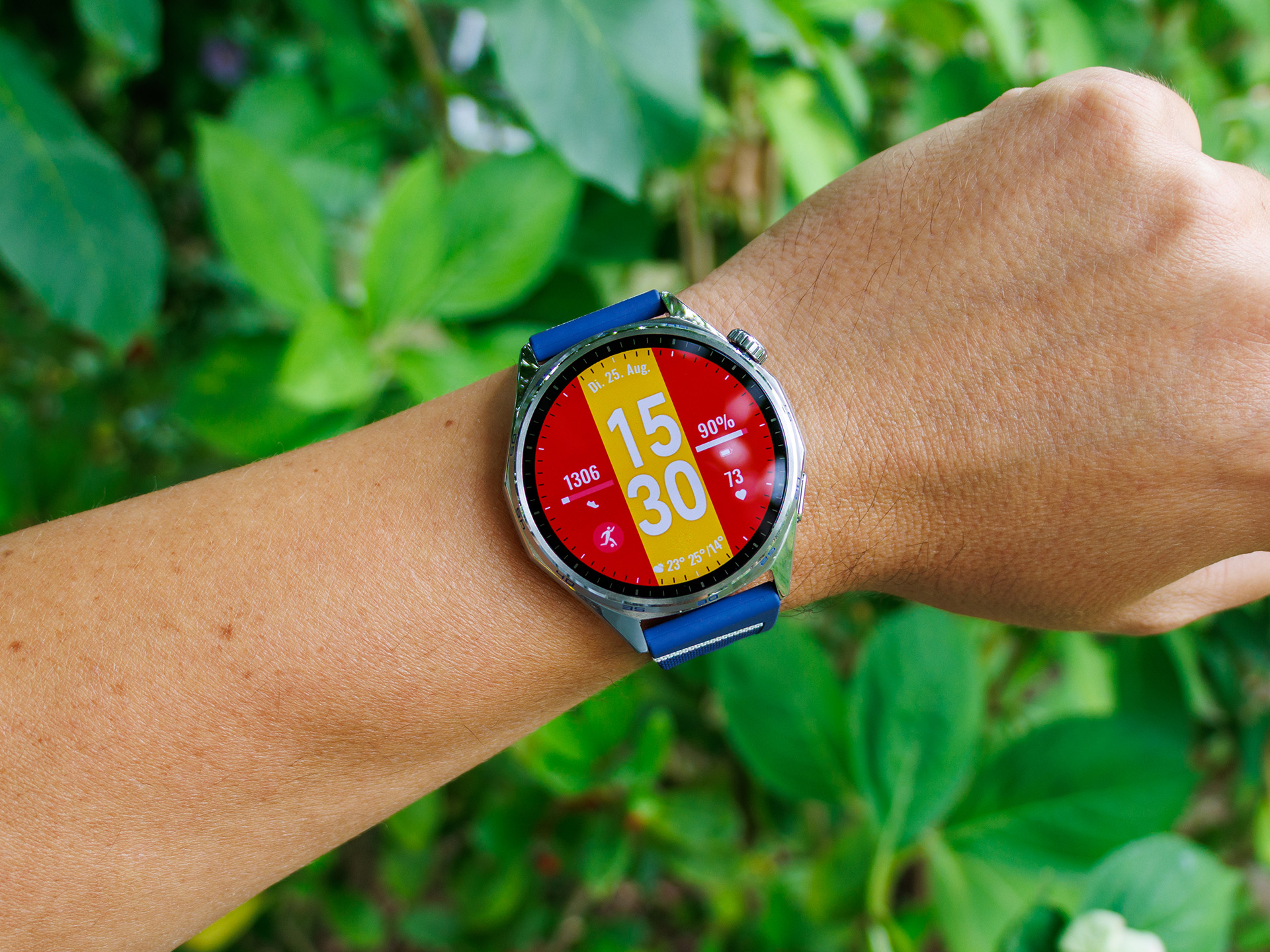
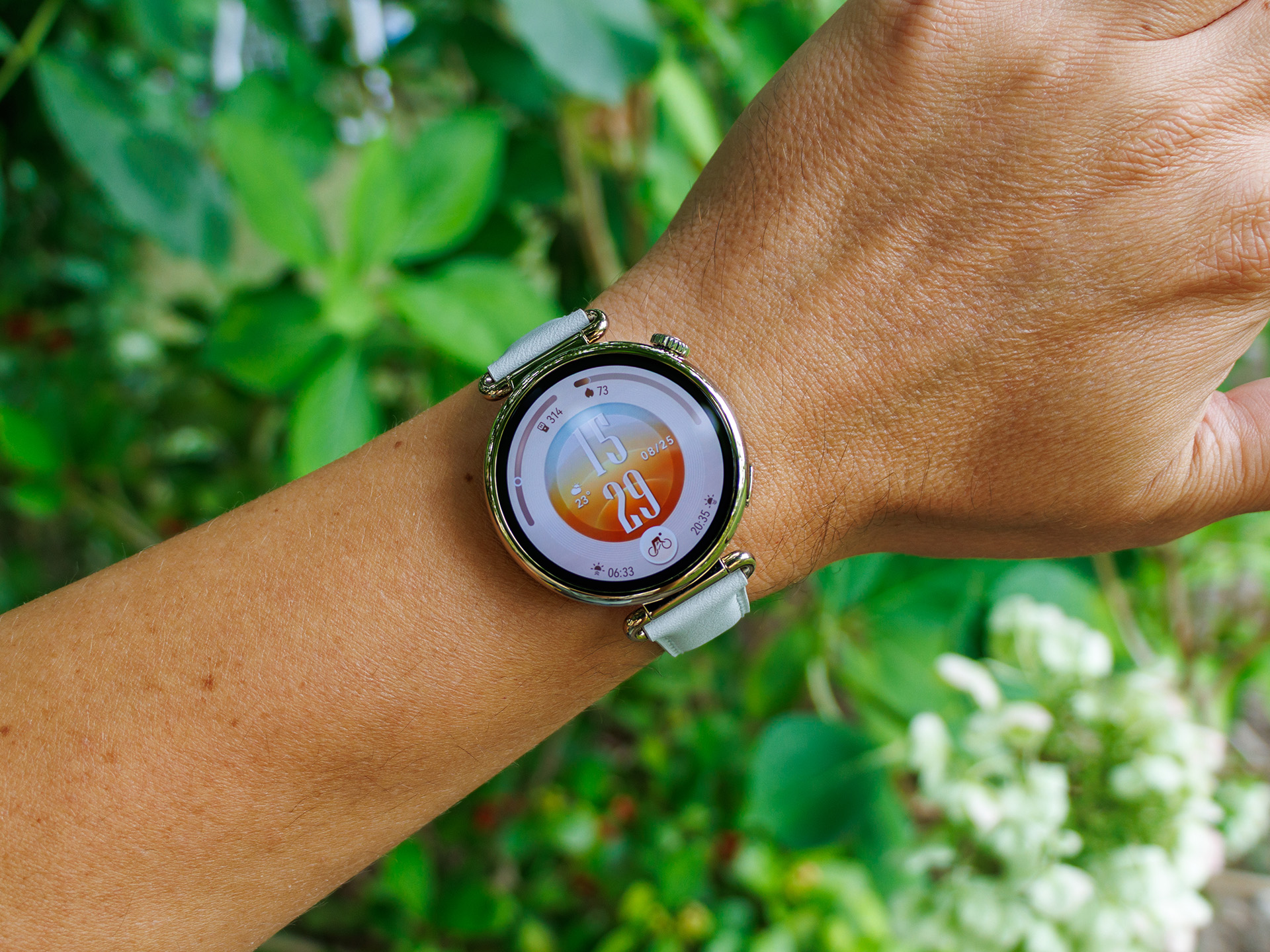
Both smartwatches offer excellent brightness and remain easy to read outdoors at all times.
| Huawei Watch GT 7 | Huawei Watch GT 7 | Samsung Galaxy Watch9 | Apple Watch Series 11 42mm | |
|---|---|---|---|---|
| Response Times | ||||
| PWM Frequency (Hz) | 60 | 60 | 60 | 60 |
| Screen | 10% | 6% | -29% | |
| Brightness middle (cd/m²) | 2970 | 3269 10% | 3162 6% | 2117 -29% |
| Black Level * (cd/m²) | ||||
| Total Average (Program / Settings) | 10% /
10% | 6% /
6% | -29% /
-29% |
* ... smaller is better
Screen Flickering / PWM (Pulse-Width Modulation)
| Screen flickering / PWM detected | 60 Hz | 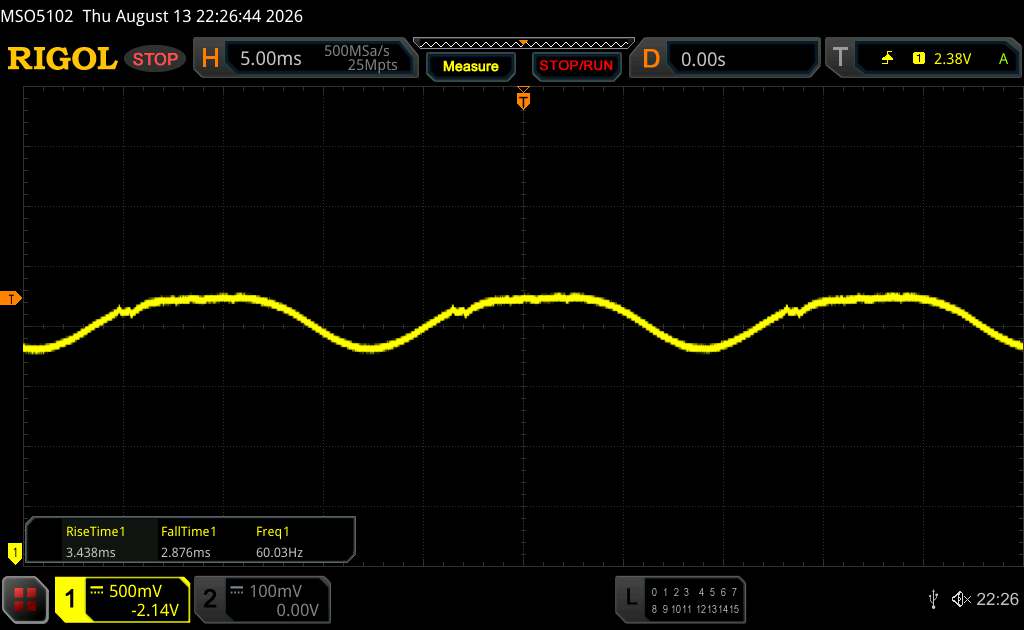 | |
The display backlight flickers at 60 Hz (worst case, e.g., utilizing PWM) . The frequency of 60 Hz is very low, so the flickering may cause eyestrain and headaches after extended use. In comparison: 52 % of all tested devices do not use PWM to dim the display. If PWM was detected, an average of 7588 (minimum: 5 - maximum: 343500) Hz was measured. | |||
Performance and Runtime - The GT 7 lasts a long time
Huawei does not provide details on the SiP. However, the smartwatch operates smoothly at all times during everyday use.
The batteries in the Huawei Watch GT 7 are just as powerful as those in its predecessor, so it comes as no surprise that Huawei offers the same battery life here. This should again allow for up to 21 days of use in power-saving mode, and 12 days with typical use (41 mm: 14 / 7 days).
In our test, with all health features enabled and the always-on display disabled, the GT 7 (46 mm) even lasted two weeks. The battery life figures for the smaller version are also realistic and can even be exceeded, depending on usage scenarios.
Both models are charged wirelessly on the included charging pad. In our test, a full charge took about 90 minutes (46 mm) and 80 minutes (41 mm), respectively.
Comparison of possible alternatives
Image | Model | Price | Size | Weight | Battery Capacity | Display |
|---|---|---|---|---|---|---|
1. 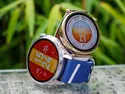 | Huawei Watch GT 7 | Amazon: | 1.47" | 51.3 g | 867 mAh | 1.47" 466x466 317 PPI AMOLED |
2. | Huawei Watch GT 7 | Amazon: | 1.32" | 37.5 g | 540 mAh | 1.32" 466x466 352 PPI AMOLED |
3. 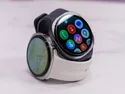 | Samsung Galaxy Watch9 Snapdragon Wear Elite SW6100 | List Price: 439€ | 1.50" | 34 g | 445 mAh | 1.50" 480x480 Super AMOLED |
4. 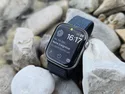 | Apple Watch Series 11 42mm S10 | List Price: 449€ | 1.27" | 37.7 g | 327 mAh | 1.27" 374x446 326 PPI OLED |
Transparency
The selection of devices to be reviewed is made by our editorial team. The test sample was provided to the author as a loan by the manufacturer or retailer for the purpose of this review. The lender had no influence on this review, nor did the manufacturer receive a copy of this review before publication. There was no obligation to publish this review. As an independent media company, Notebookcheck is not subjected to the authority of manufacturers, retailers or publishers.
This is how Notebookcheck is testing
Every year, Notebookcheck independently reviews hundreds of laptops and smartphones using standardized procedures to ensure that all results are comparable. We have continuously developed our test methods for around 20 years and set industry standards in the process. In our test labs, high-quality measuring equipment is utilized by experienced technicians and editors. These tests involve a multi-stage validation process. Our complex rating system is based on hundreds of well-founded measurements and benchmarks, which maintains objectivity. Further information on our test methods can be found here.
 Add as a preferred source on Google


