BOE showcases 1.39-inch micro-LED smartwatch with massive 6,000 nits brightness
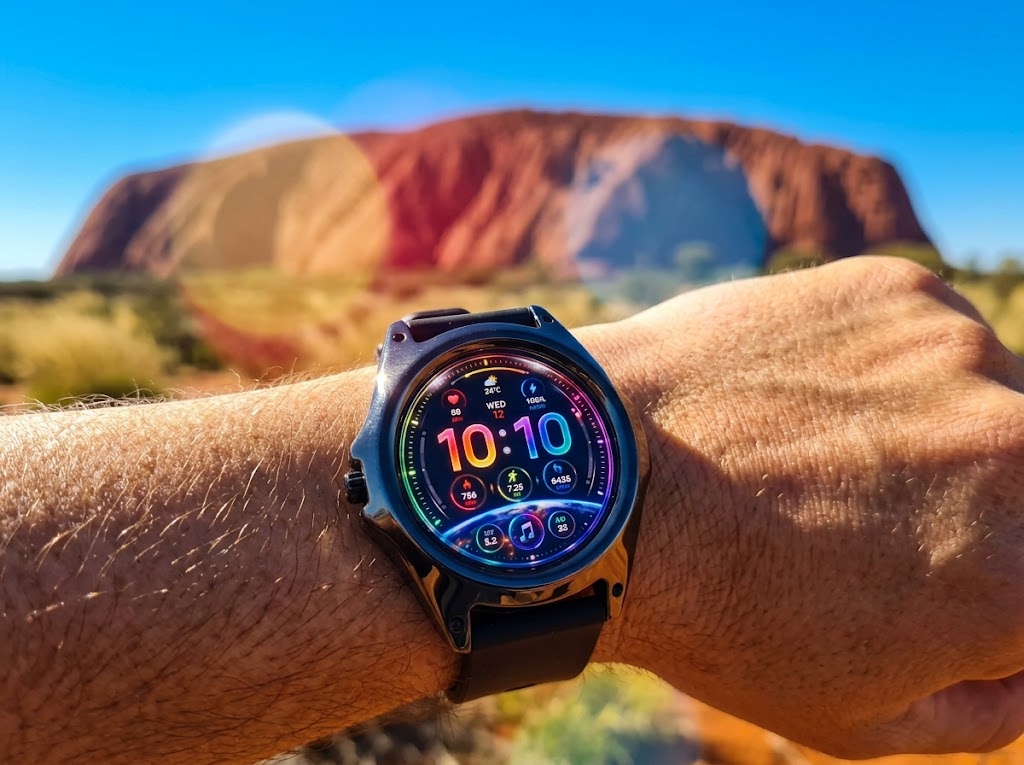
Late last month, BOE's presentation of a 1.39-inch smartwatch panel with 326 PPI, a peak brightness of 6,000 nits and a power consumption of 165 mW at 350 nits at the Display Innovation China (DIC) Expo 2026 seems to have slipped under the radar of many. A keynote from a Chinese Academy of Sciences academic framed micro LED as the "ultimate display technology," pointing to promising applications beyond screens, including optical communications and computing. However, the technology is still maturing, with Chinese manufacturers working to bring down still-high production costs.
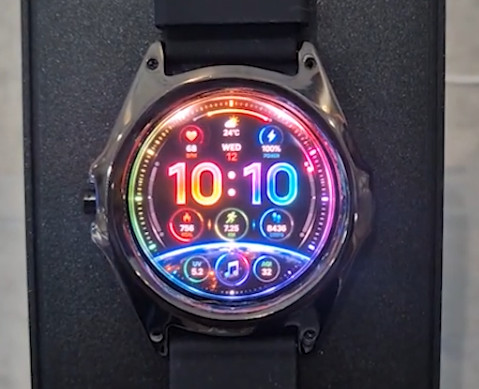
This is not the first time that a peak brightness of 6,000 has made headlines. BOE's impressive figure matches a similarly bright prototype Samsung Display demonstrated back in 2025, and both numbers exceed what outdoor use realistically demands. Under full, direct sunlight, this lies somewhere between 2,500–4,000+ nits. Smartwatches such as the Samsung Galaxy Watch9, Google Pixel Watch 5, Garmin fēnix 9 Pro or the Amazfit Active Max fall within this ballpark range, with 3,000 nits.
Furthermore, the power requirements and real-world costs of such technology present considerable drawbacks. Garmin's Fenix 8 Pro MicroLED, for example, runs at a lower 4,500 nits and only about a quarter as long as its AMOLED counterpart. Garmin quietly cut the model's US price by $300 earlier this year (from $1,999 to $1699; it has since dropped even further to $1,255), conceding that weak power efficiency remains the technology's current limiting factor.
Source(s)
 Add as a preferred source on Google