




Is the Huawei Watch D3 a worthy successor?
A little less bulky
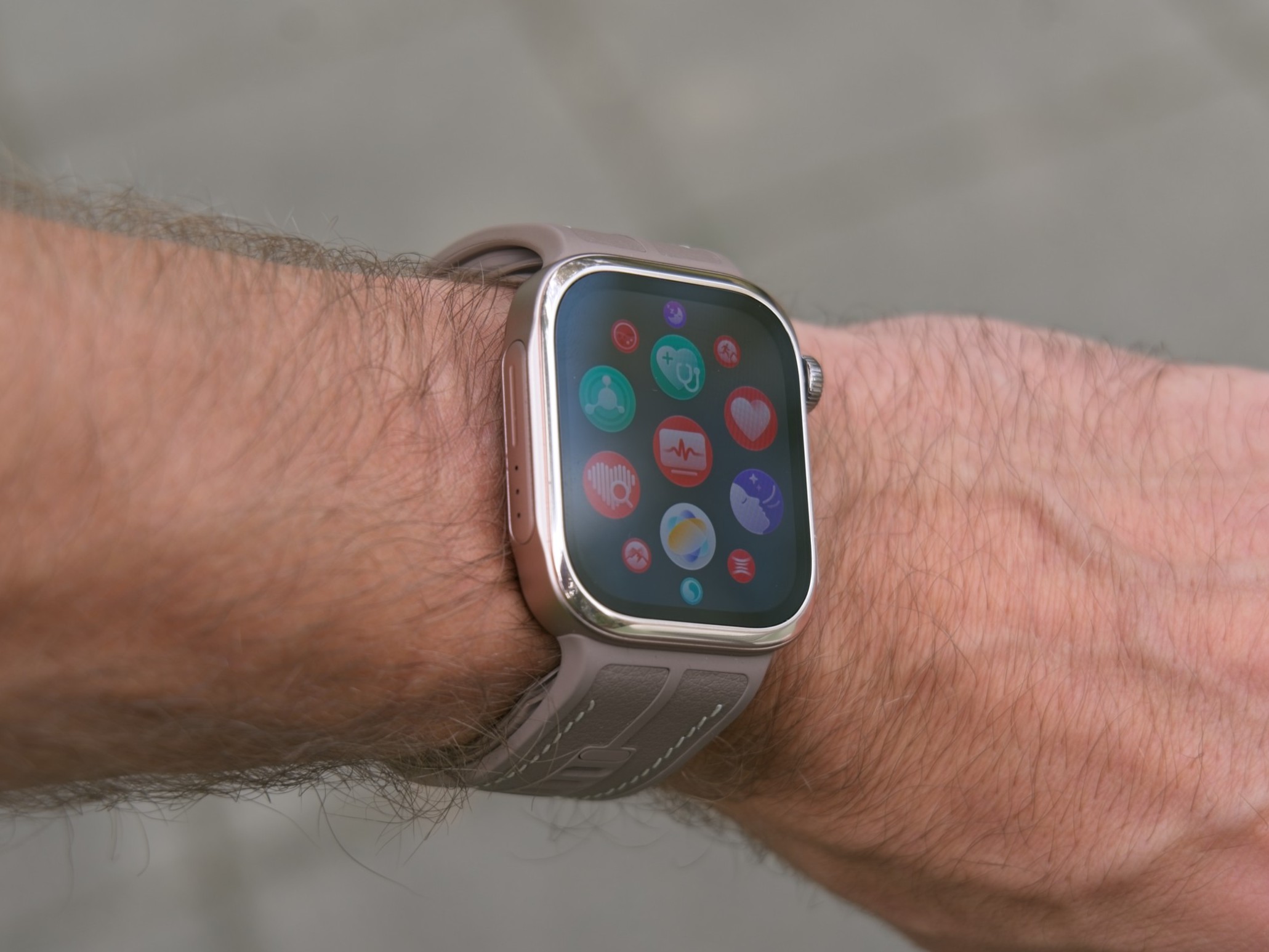
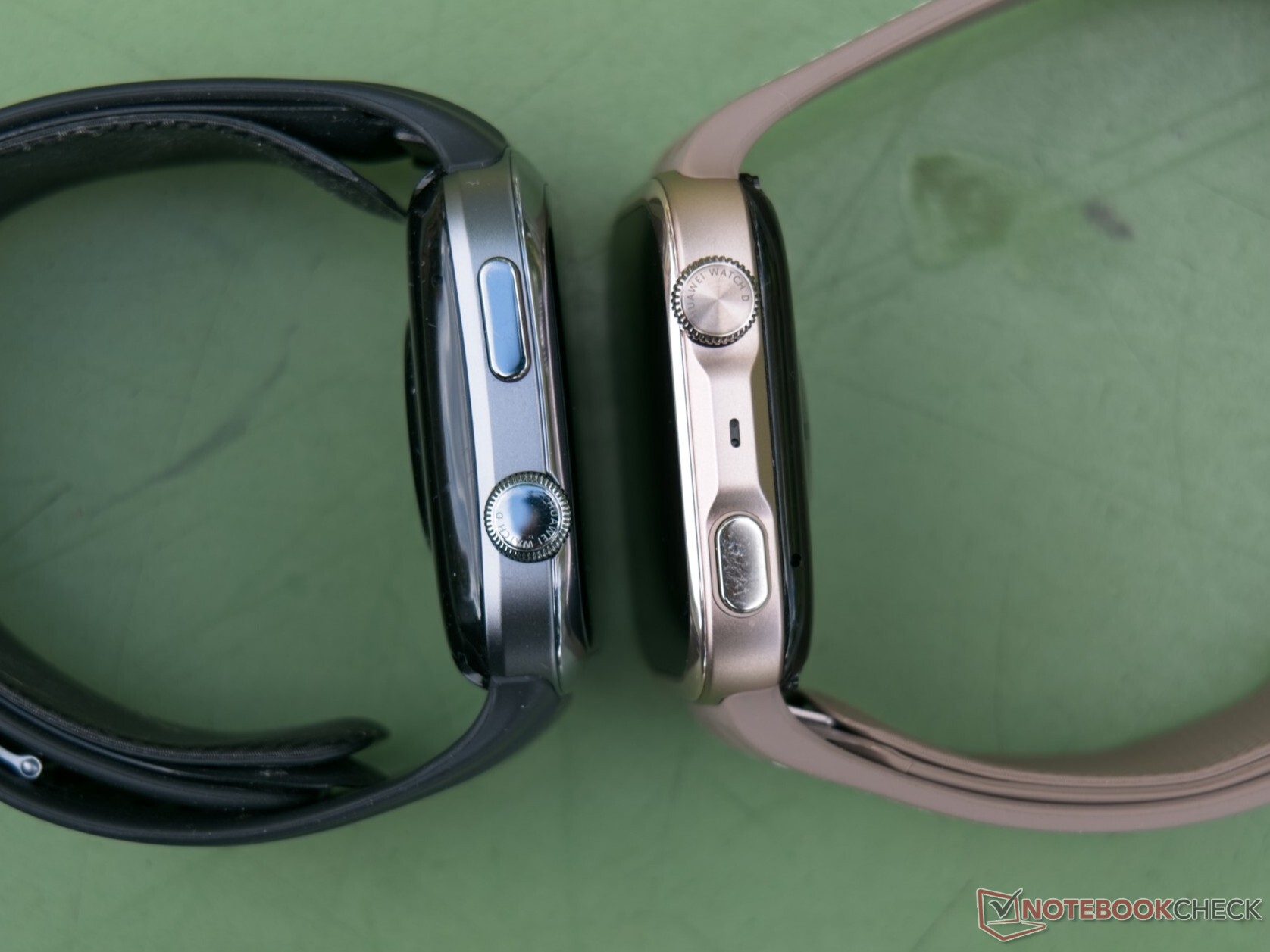
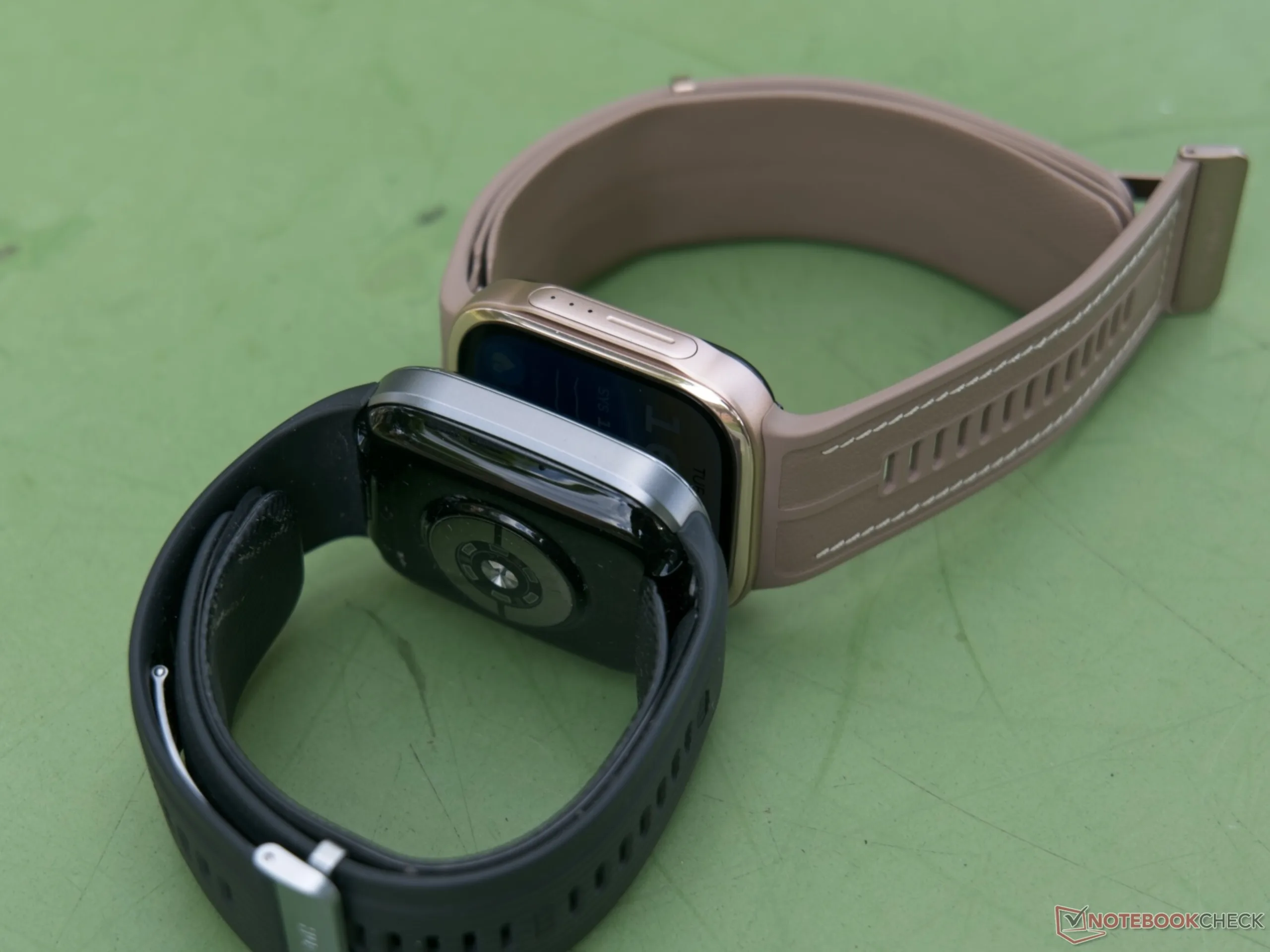
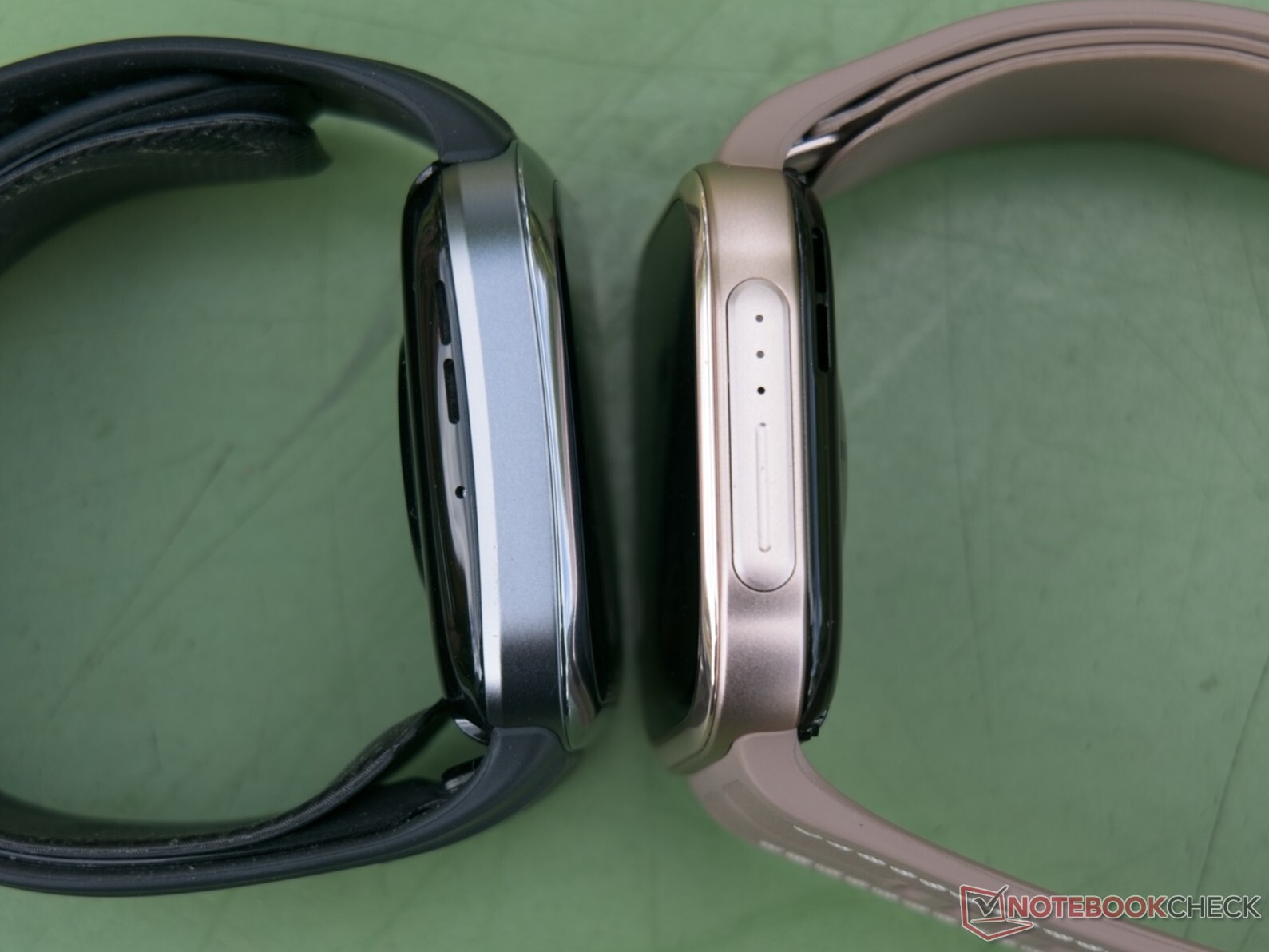
While there are few fundamental hardware differences between the Huawei Watch D2 and Watch D3, they feel noticeably distinct in daily use. Using a calibrated caliper, we measured a total thickness (from the display glass to the sensor base) of 13.57 mm (0.53 in) for the Watch D3 and 15.36 mm (0.60 in) for the Watch D2. Huawei advertises a case thickness (excluding the sensor array) of 11.3 mm (0.44 in) compared to the predecessor's 13.3 mm (0.52 in), which aligns with our findings. Although modest on paper, this difference is immediately palpable—driven both by the lower profile and a subtly refined case geometry. Weight drops from 83 g (2.93 oz) to 76 g (2.68 oz). Consequently, the Huawei Watch D3 feels substantially more compact and less bulky on the wrist, despite the display expanding from 1.82 inches to 1.92 inches thanks to slimmer bezels. The screen also gets a massive upgrade in peak brightness, which more than doubled in our measurements.
Functionally more iterative than revolutionary
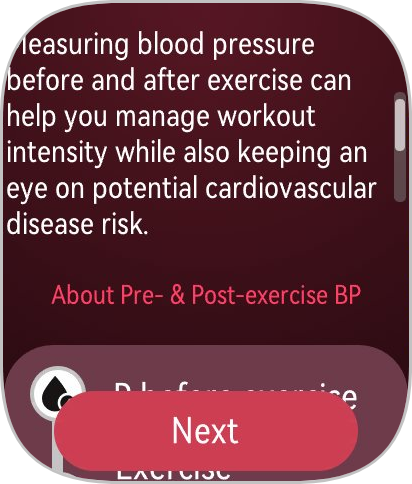
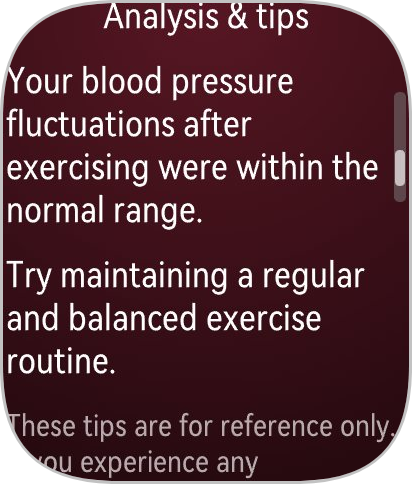
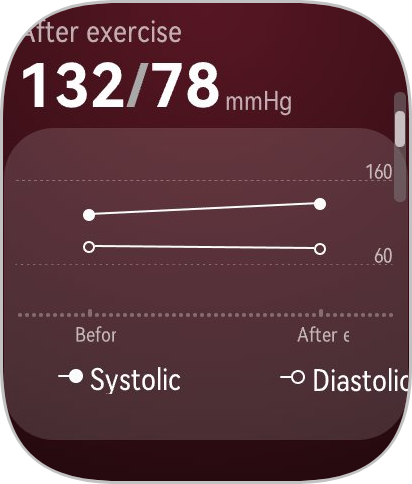
In functional terms, the differences are fairly subtle. Health Insights has been revamped and now incorporates blood pressure data, offering additional options for tracking progress in detail. A new feature allows for blood pressure measurements taken both immediately before and after a workout—something we will explore in greater depth in a dedicated article. Huawei is also highlighting improvements to its sleep tracking suite. For electrocardiograms, the manufacturer continues to rely on a single-channel ECG, which remains the standard in the wearable market.
Ultimately, the Huawei Watch D3 stands out primarily through its tangible design and haptic refinements—and while these upgrades are noticeable, existing Huawei Watch D2 owners will find little reason to feel compelled to upgrade.
 Add as a preferred source on Google


No comments for this article
