




Open-Source Kinesis reverse-engineers Meta’s Neural Band for muscle Mac controls
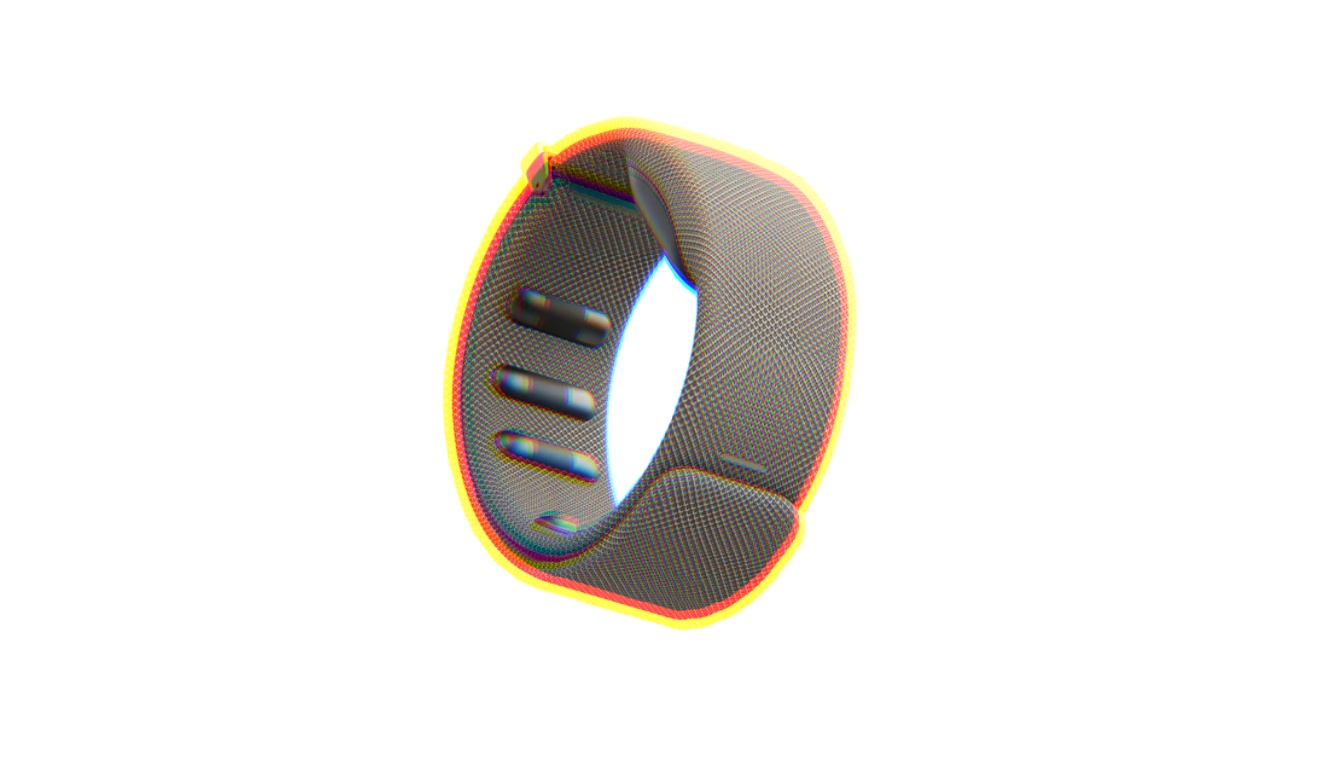
Meta originally engineered the "Neural Band" as the input device for its Ray-Ban Display augmented reality glasses. Instead of relying on cameras to track hands in midair, the wristband uses surface electromyography (sEMG) to read the tiny electrical signals the user's nervous system sends down the arm. Whenever it detects a twitching finger or a thumb pinch, sensors against the skin detect the motor impulses before the finger even completes the physical motion, creating an invisible, low-fatigue controller that works when hands are in a natural position. However, this technology was limited to Meta's own hardware until recently.
Kinesis, an open-source project published on GitHub by developer callbacked, reverse-engineered the wristband's unencrypted Bluetooth Low Energy (BLE) packet stream. The Kinesis menu bar utility pairs directly with the hardware over Bluetooth, bypassing Meta's proprietary daemons and cloud servers entirely. By translating raw neuromuscular sensor spikes into macOS system events, a thumb-to-index pinch registers as a mouse click, rolling fingers dials system volume, and a small wrist flick switches between virtual desktop spaces in Mission Control.
Right now, deployment of Kinesis is limited to macOS. However, broad cross-platform support appears virtually certain. Because the developer mapped out the band's raw BLE protocol rather than relying on proprietary Apple frameworks, porting the decoder to Linux or Windows is straightforward and could open the door for open-source neural desktop navigation across any operating system. You can find more information on Kinesis in the link below.
Source(s)
 Add as a preferred source on Google


No comments for this article
