




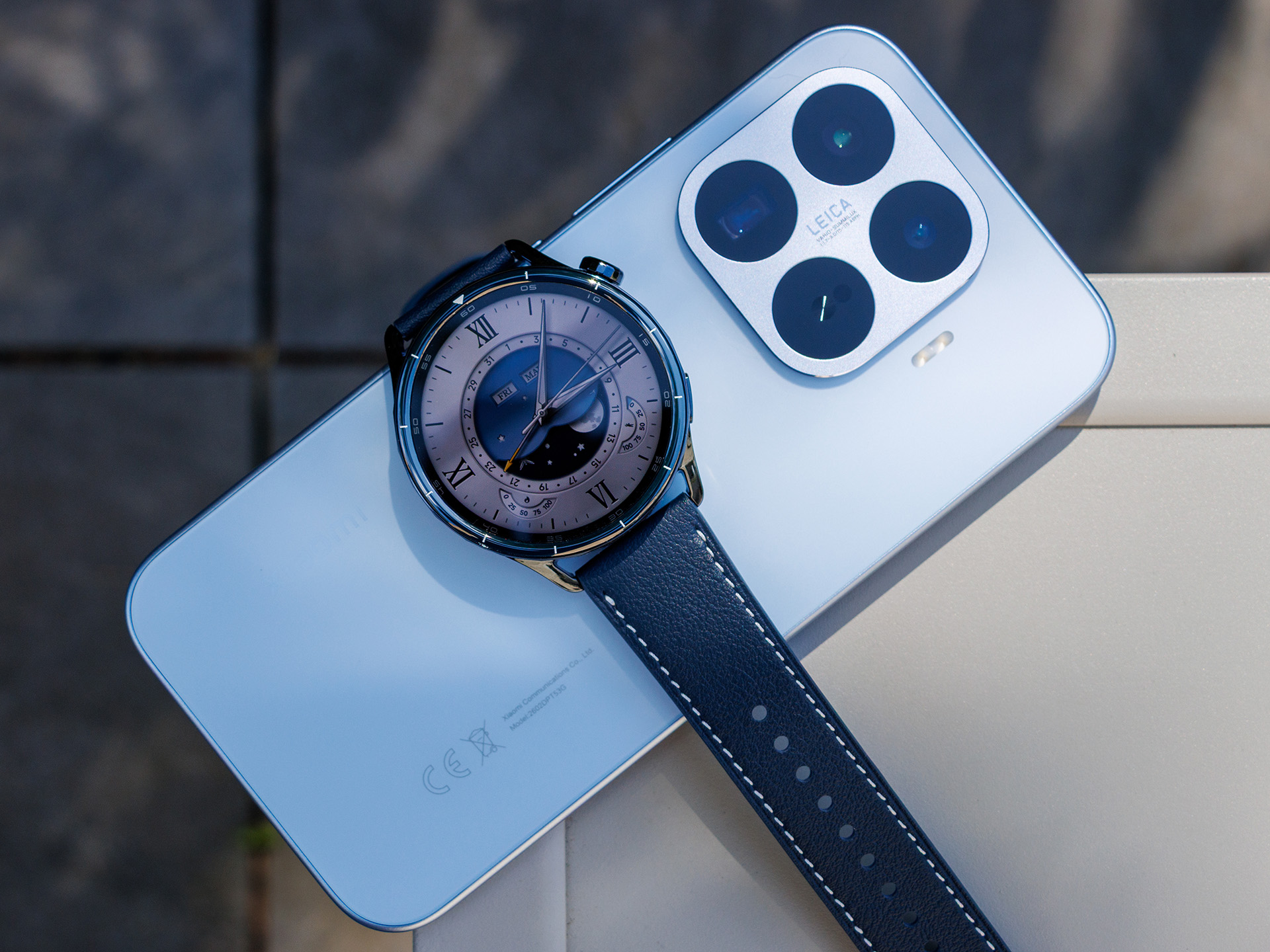
Verdict on the Xiaomi Watch S5
In testing, the Xiaomi Watch S5 proves to be, above all, a long-lasting sports and fitness watch with a high-quality case, a good display, and convincing sensor performance. Heart rate monitoring, in particular, delivers very good results compared with the Polar H10, and SpO₂ measurements are also impressive. The dual-band GNSS performs reliably, although the recorded track does not always follow the actual route exactly. With more than 150 sports modes and extensive training data, the S5 also offers a broad range of options for different activities.
Battery life is a major strength: Even with health features and sleep tracking enabled, the Watch S5 lasted 15 days in our testing. With the always-on display enabled, it still managed 10 days. The bright AMOLED display, smooth operation, and the ability to use the watch with an iPhone are additional points in the S5’s favor.
As a conventional smartwatch, however, the Xiaomi Watch S5 is less convincing. You can read notifications but not reply to them, third-party apps cannot be installed, and there are also limitations in navigation and workout planning. For more serious athletes, the lack of support for chest straps is another drawback. Smaller weaknesses can also be found in GNSS accuracy, the translation of some interface elements, and navigation.
The Xiaomi Watch S5 is therefore best suited to users who prioritize long battery life, sports tracking, and basic smartwatch features. Those looking for a more versatile smartwatch experience with apps and extensive interaction options, however, will have to accept significant compromises with the S5.
Pros
Cons
Price and Availability
The Xiaomi Watch S5 (46 mm) is available in four colors, with a suggested retail price of €180 for the Silver and Black versions and €200 for Ceramic Blue and Jungle Green. It is available directly from Xiaomi, as well as from other retailers, including Amazon.

Table of Contents
- Verdict on the Xiaomi Watch S5
- Case and features - Stylish, lightweight, and versatile
- Setup and operation - The S5 also works with the iPhone
- Health and fitness - Watch S5 with over 150 sports modes
- Display - Xiaomi Watch S5 with up to 2,500 nits
- Performance and battery life — Endurance is its trump card
- Comparison of possible alternatives
With the Watch S5, Xiaomi is introducing a smartwatch designed to stand out primarily for its battery life and sports features. Its high-quality case, bright AMOLED display, and dual-band GNSS are promising, as is the claimed battery life of up to several weeks. At the same time, the watch remains comparatively limited when it comes to conventional smartwatch features. We tested how well the Xiaomi Watch S5 actually performs in everyday use and during workouts.
Case and features - Stylish, lightweight, and versatile
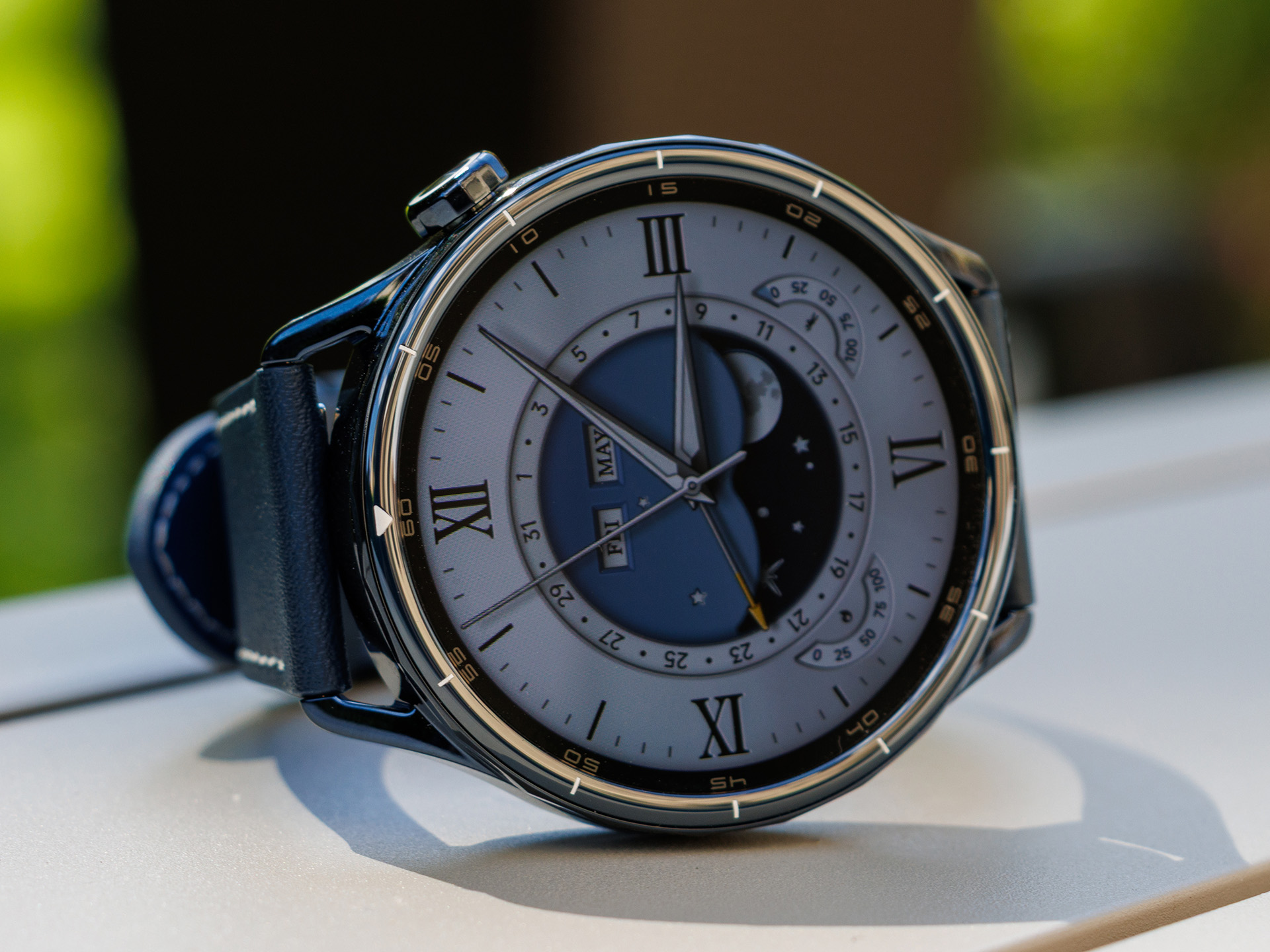
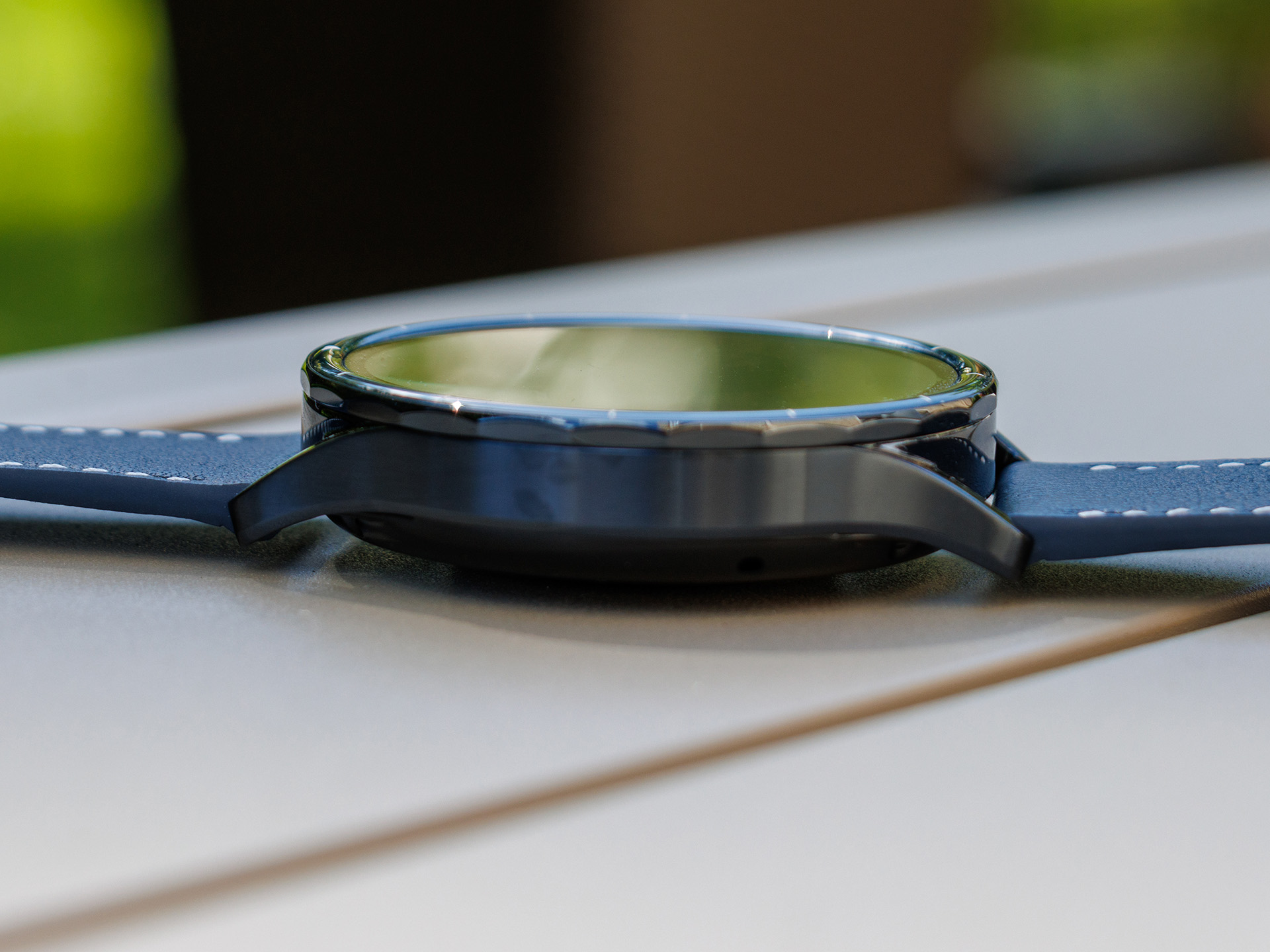
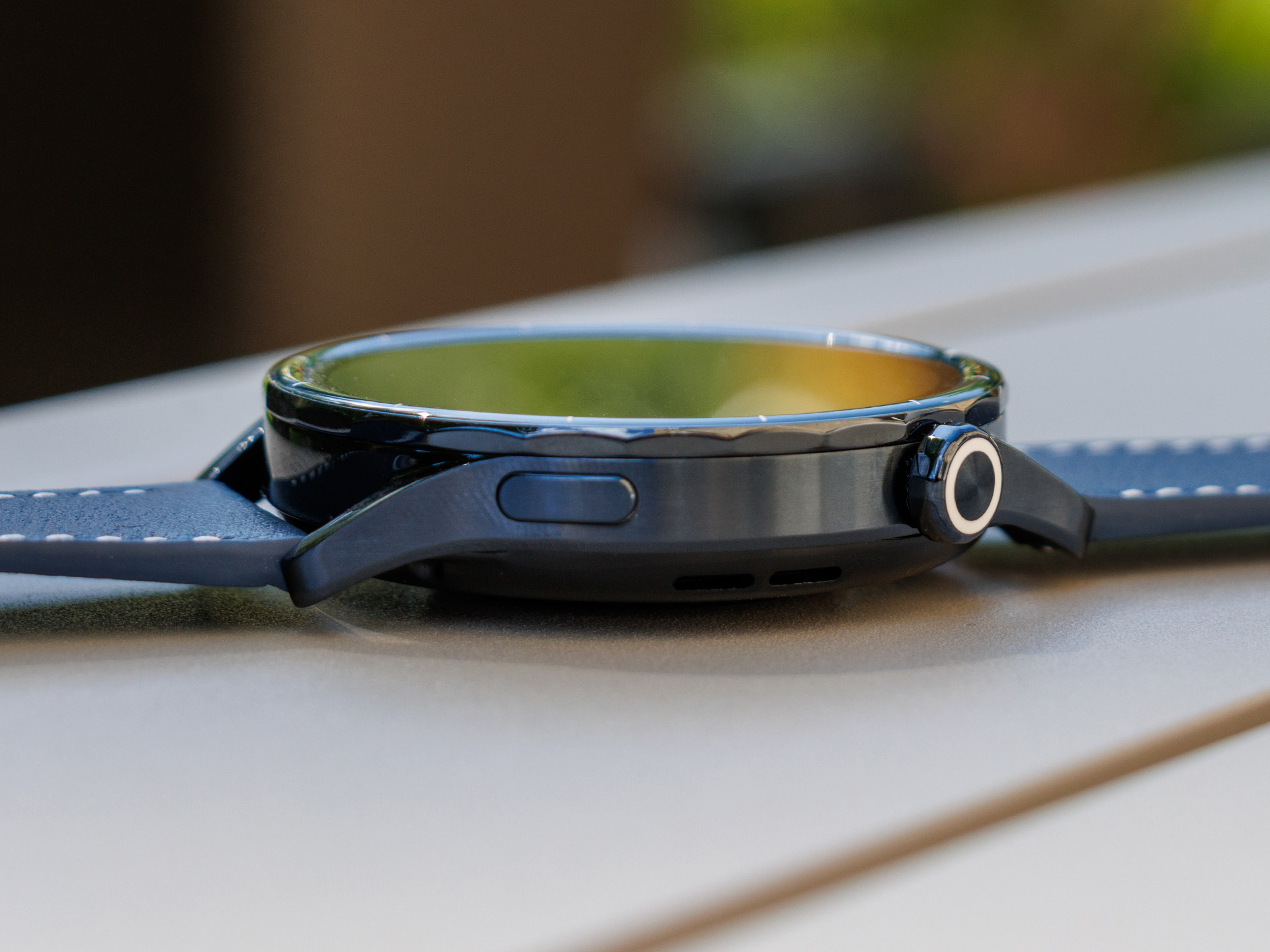
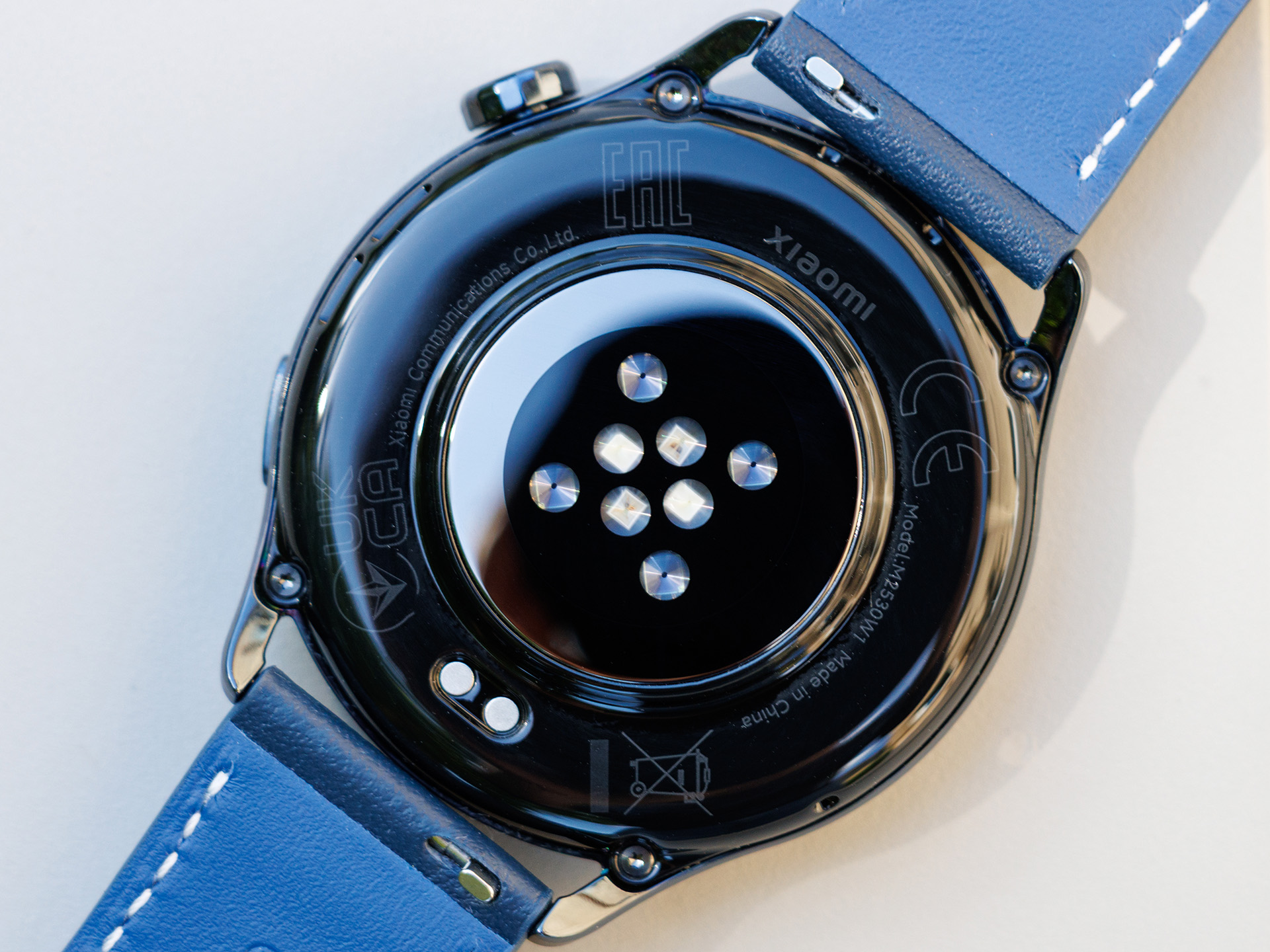
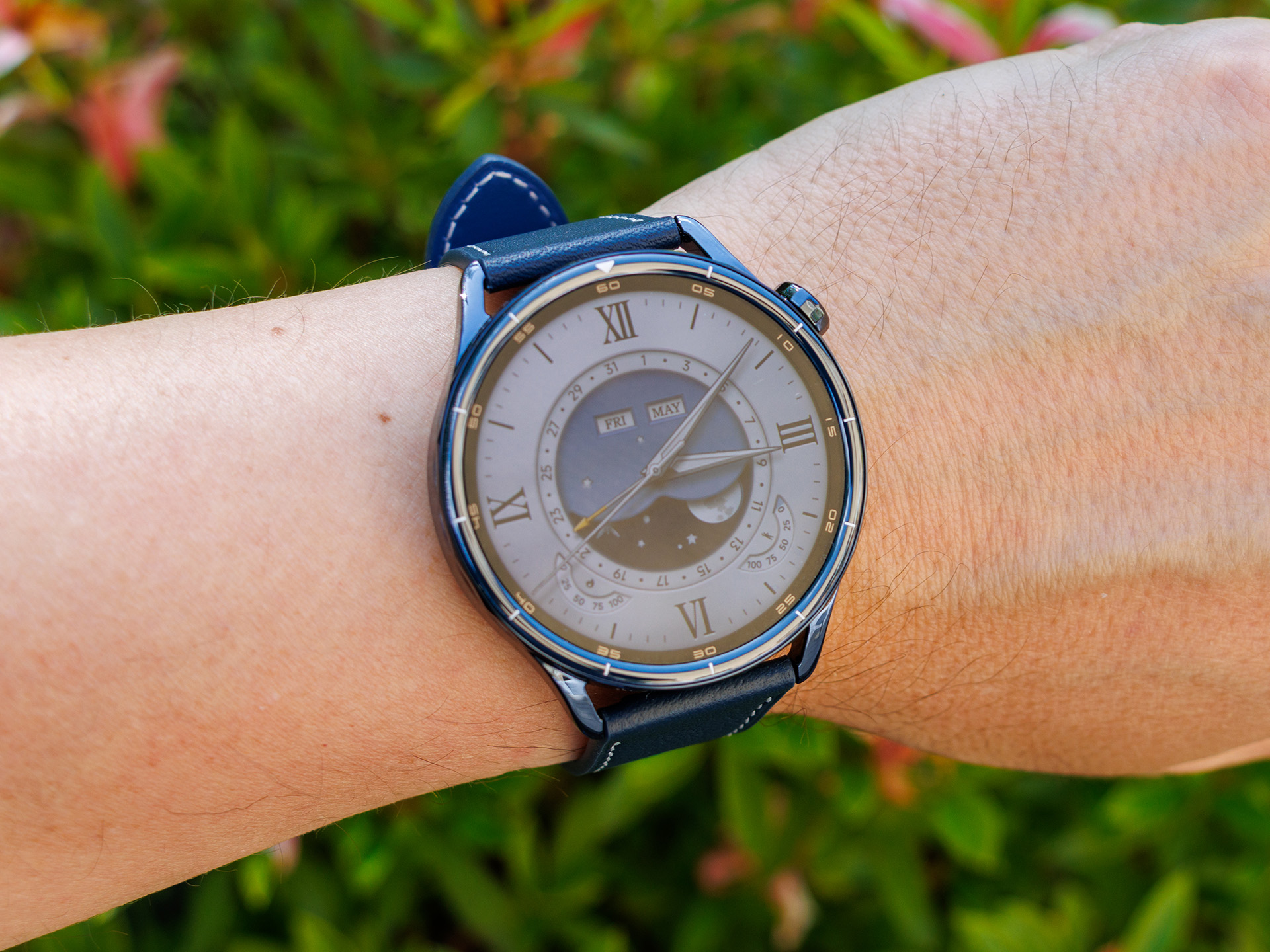
The Xiaomi Watch S5 features a round 46 mm stainless steel case, giving it a premium and relatively classic appearance. The build quality leaves little to criticize, and the rotating crown and two buttons also feel solid.
Its technical features include dual-band GNSS with GPS, Galileo, GLONASS, BeiDou, and QZSS, along with sensors for heart rate, blood oxygen, motion, ambient light, compass, and air pressure. The watch is water-resistant to 5 ATM and also includes a microphone, speaker, and NFC. Without the strap, the case weighs around 46 grams.
Sustainability
The outer packaging of the Xiaomi Watch S5 is largely plastic-free, although it is completely shrink-wrapped in plastic film. Xiaomi does not provide any detailed information on sustainability. The device is not designed to be repaired by users.
Setup and operation - The S5 also works with the iPhone
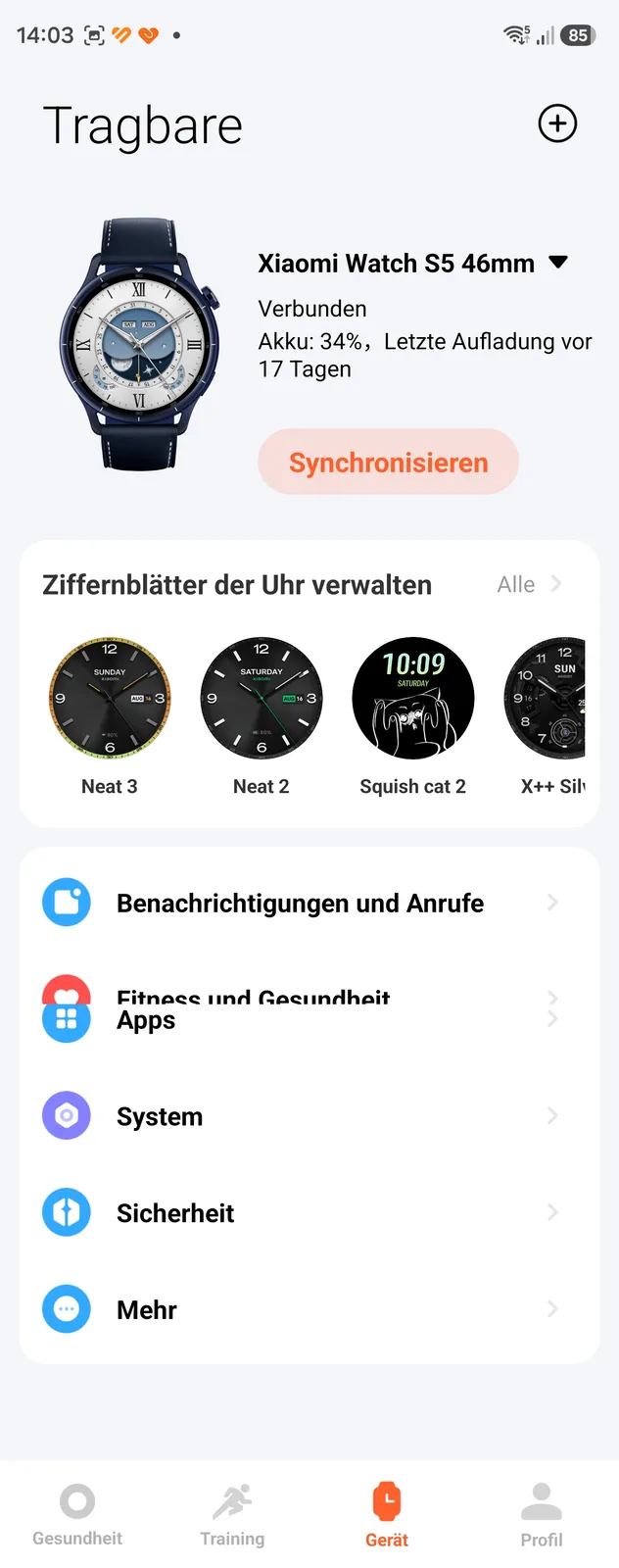
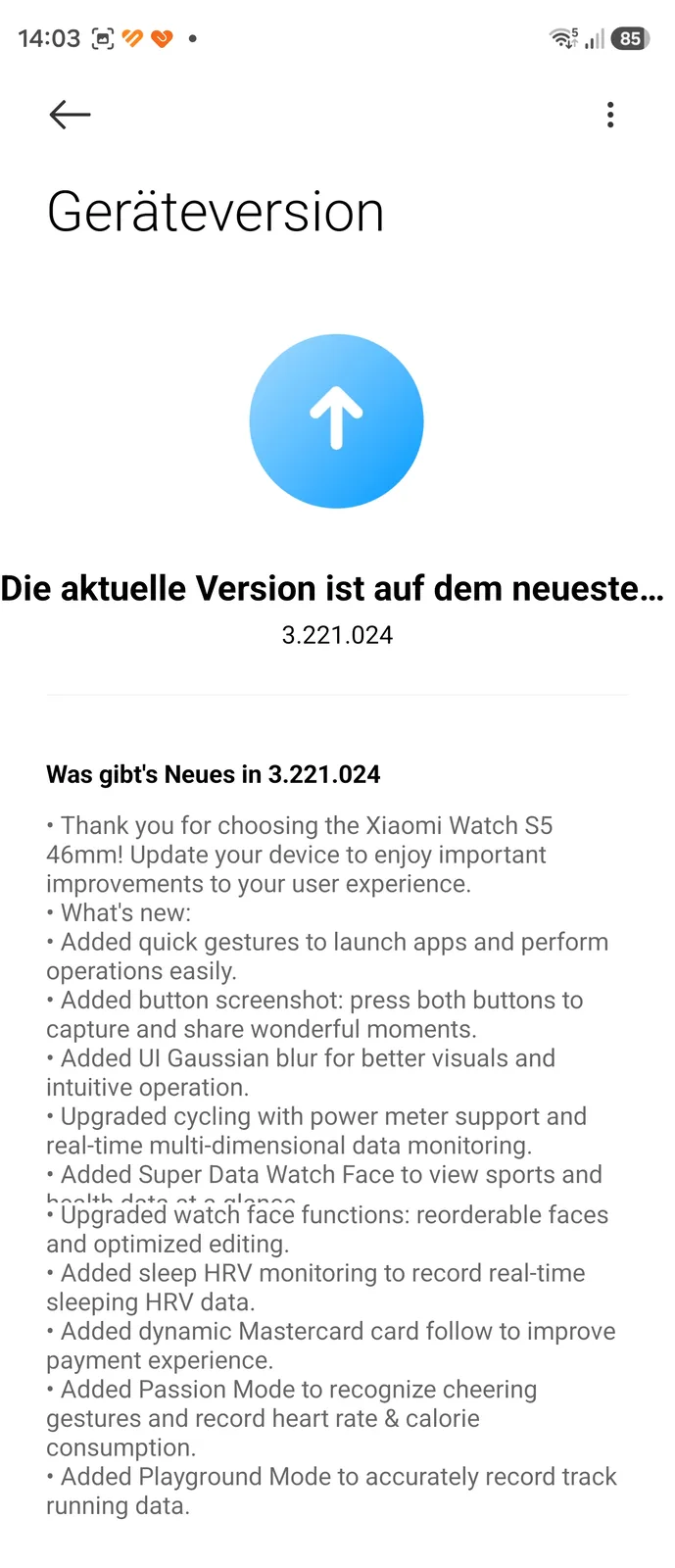
Setting up the Xiaomi Watch S5 is quite straightforward using the Mi Fitness app, which is available in all major app stores. Using the watch with an iPhone is also no problem.
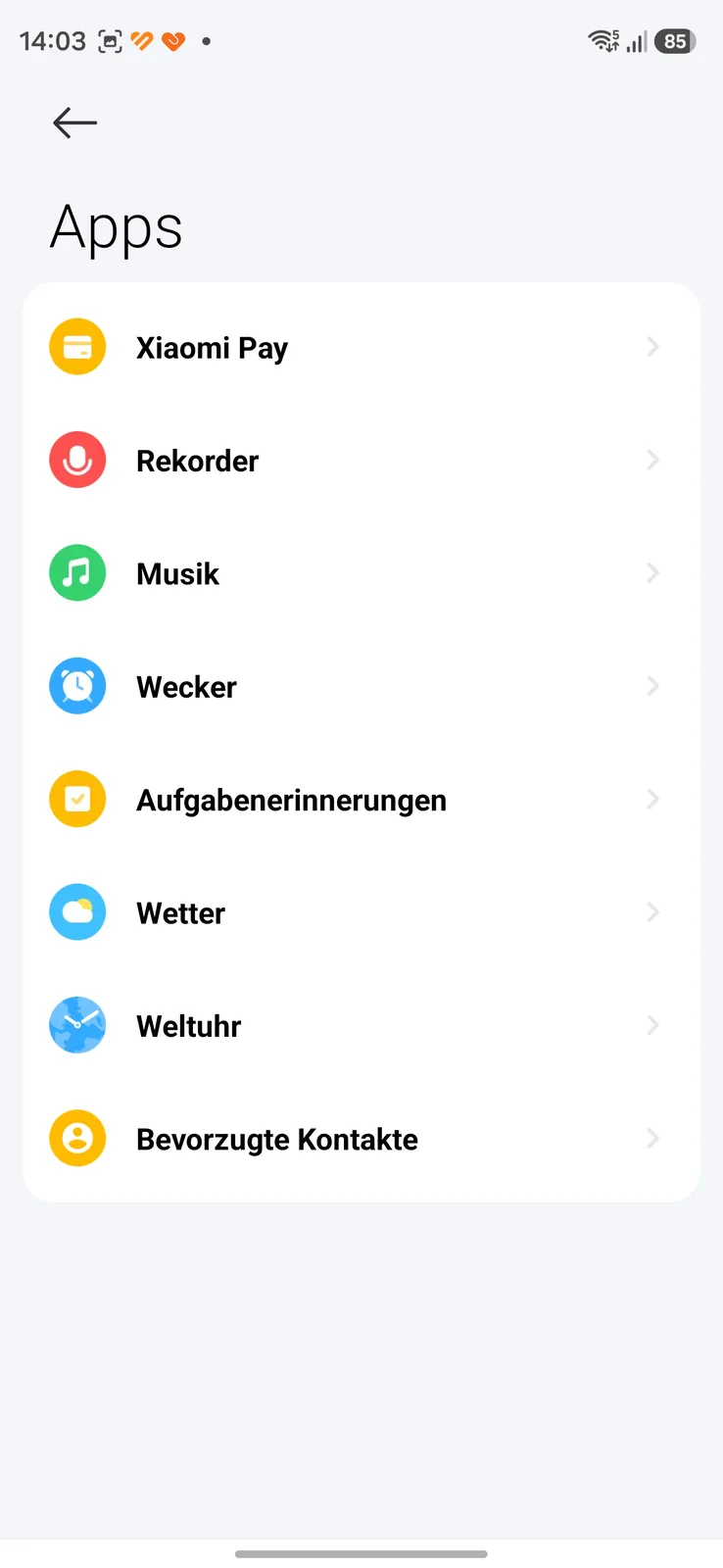
The Xiaomi Watch S5 is controlled via the touchscreen, a crown that can be rotated and pressed, and an additional button. The combination works intuitively in everyday use: swipe gestures provide access to notifications and widgets, pressing the crown opens the app overview, and the second button, depending on the configuration, opens the workout menu or quick settings. The crown rotates with satisfying precision and provides haptic feedback.
The HyperOS interface is well organized and generally responds smoothly, although it feels less consistent in some areas than the user interfaces of established smartwatch platforms.
Telephony and notifications
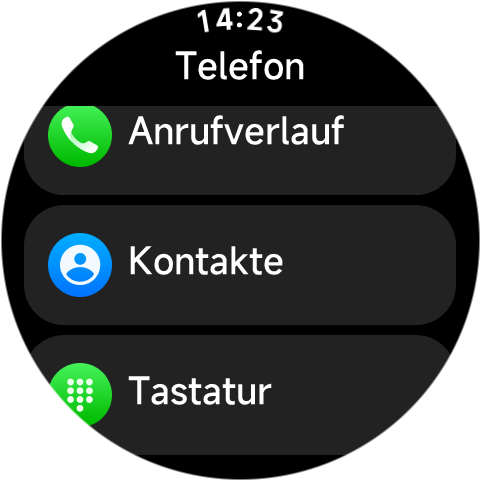
Thanks to its built-in microphone and speaker, the Xiaomi Watch S5 can also be used for phone calls as long as it is connected to a smartphone via Bluetooth. Call quality is decent for short conversations, although the watch should be kept as close to your mouth as possible. Incoming calls can be answered or rejected directly from your wrist.
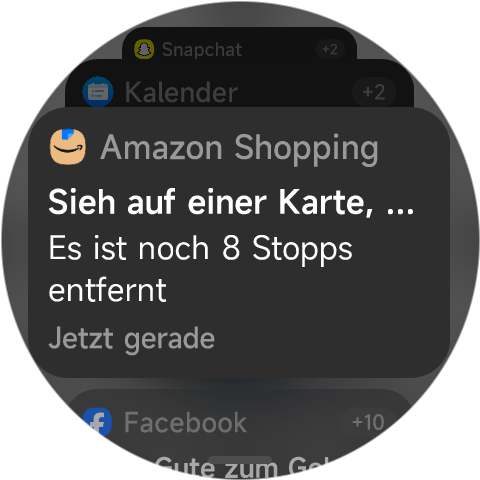
The Watch S5 reliably displays smartphone notifications on its screen. Messages can be read but not replied to. There is no keyboard, voice input, or option for quick replies. This limits its usefulness in everyday use compared with full-featured smartwatches.
Health and fitness - Watch S5 with over 150 sports modes
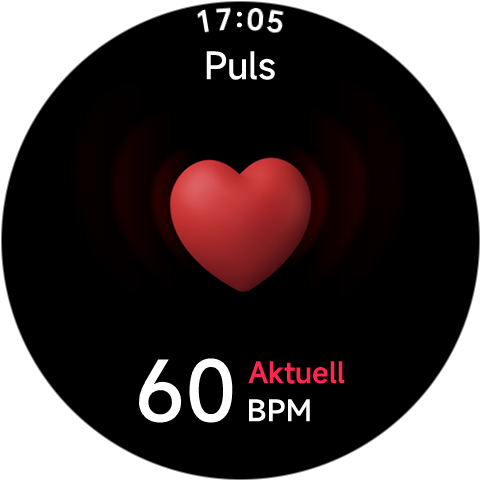
The Xiaomi Watch S5 offers a broad range of health and fitness features. Among other things, it tracks heart rate, blood oxygen saturation (SpO₂), sleep, stress, and heart rate variability (HRV).
More than 150 workout modes are available for sports activities, including running, cycling, and swimming. For selected sports, the watch provides additional training data such as training load, recovery time, and VO₂ max. Thanks to dual-band GNSS, the S5 can also record outdoor activities without a smartphone. However, the Watch S5 does not support ECG, blood pressure, or temperature measurements.
Cycle tracking is also available. However, the S5 uses a calendar-based system and does not measure skin temperature. The feature is therefore primarily suited to documenting and roughly predicting the menstrual cycle, but provides less personalized data than systems that also incorporate temperature measurements.
Activity goals
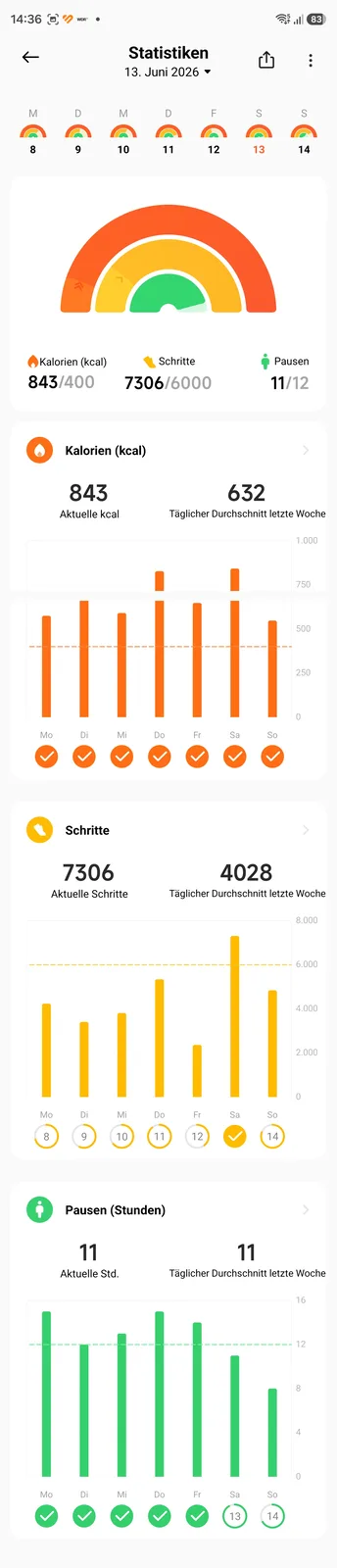
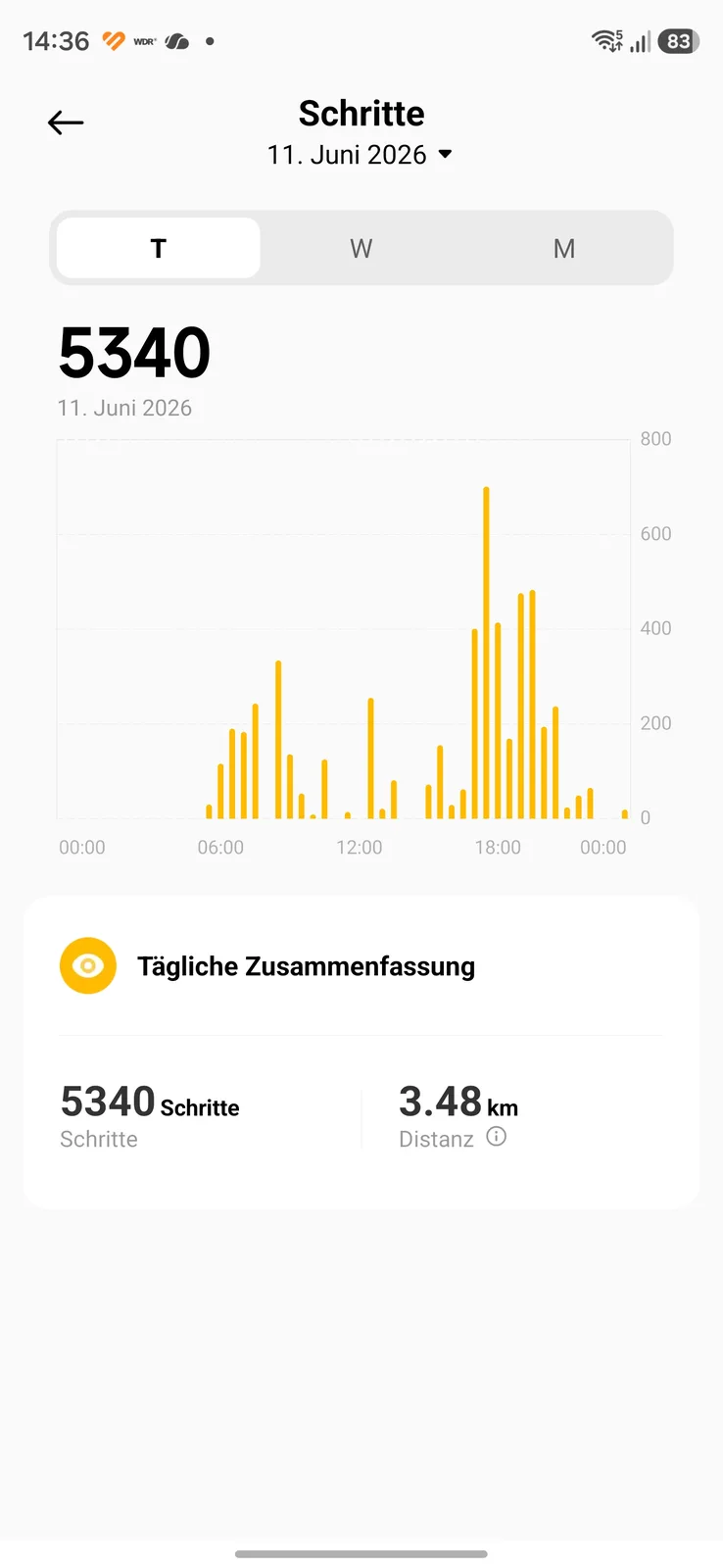
The Xiaomi Watch S5 tracks a wide range of activity data in everyday use and presents it clearly both on the watch and in the Mi Fitness app. This includes steps, distance traveled, calories burned, and stress levels.
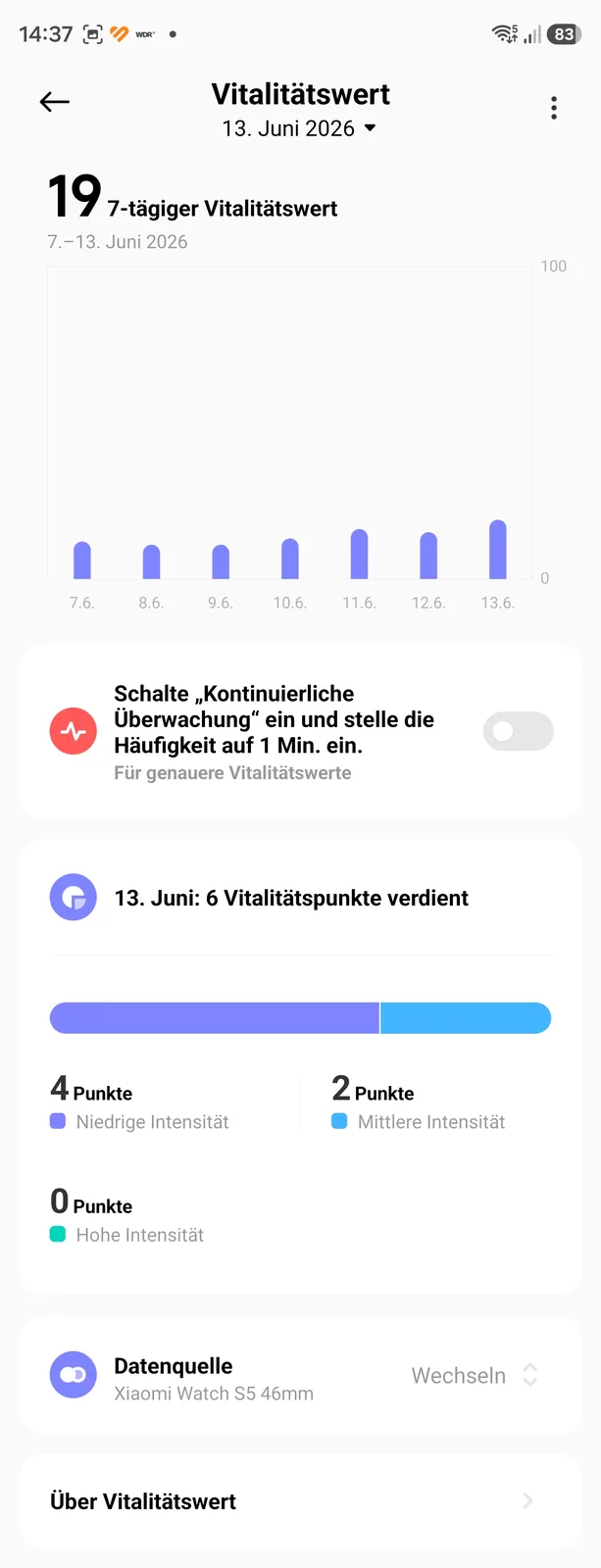
Daily activity goals can be monitored on the watch or in the app, providing a quick overview of your overall activity. An energy monitor is also available, summarizing current energy expenditure and exertion. For more serious athletes, VO₂ max and additional training metrics may also be useful.
Heart rate, heart rhythm, and blood oxygen saturation
To better assess the sensor accuracy of the Xiaomi Watch S5, we compared its readings with those of reference devices. For more information on how to interpret these measurements, see this article.
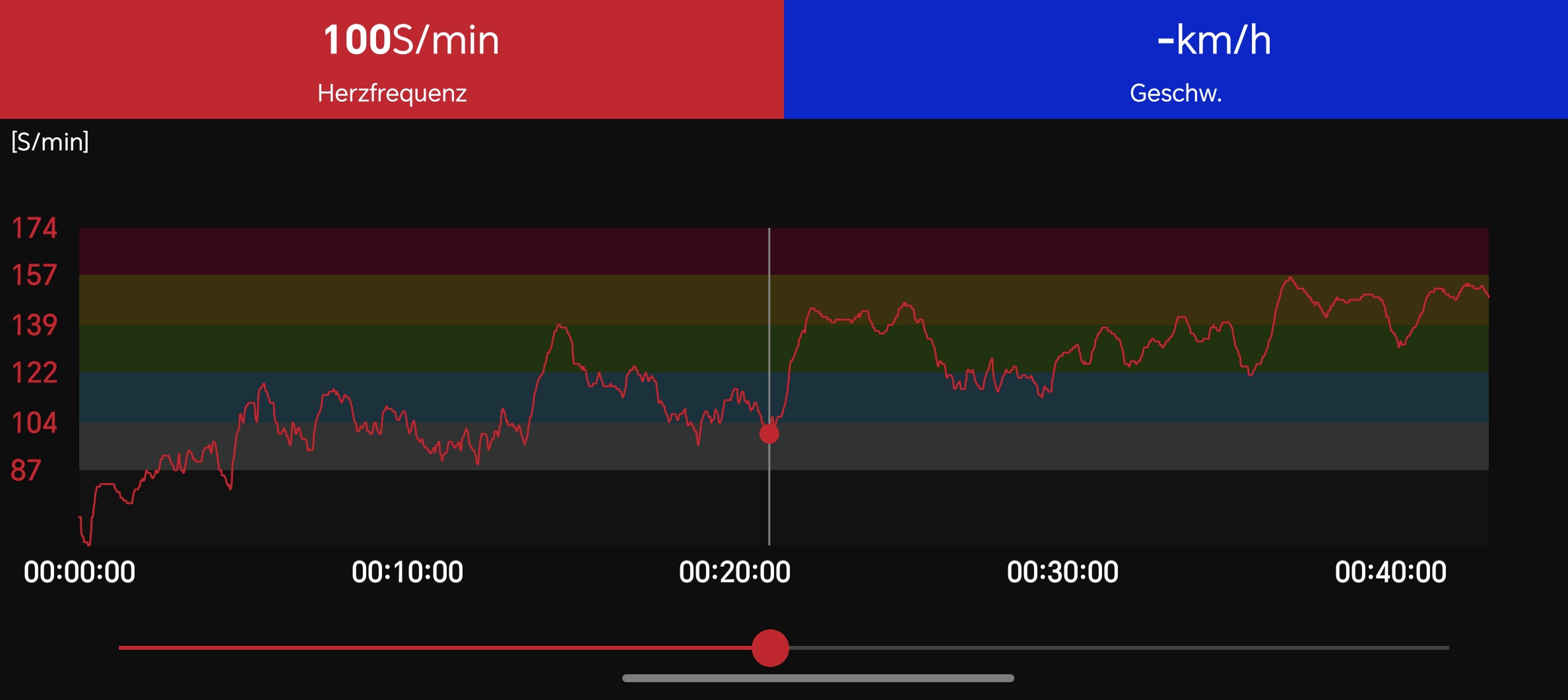
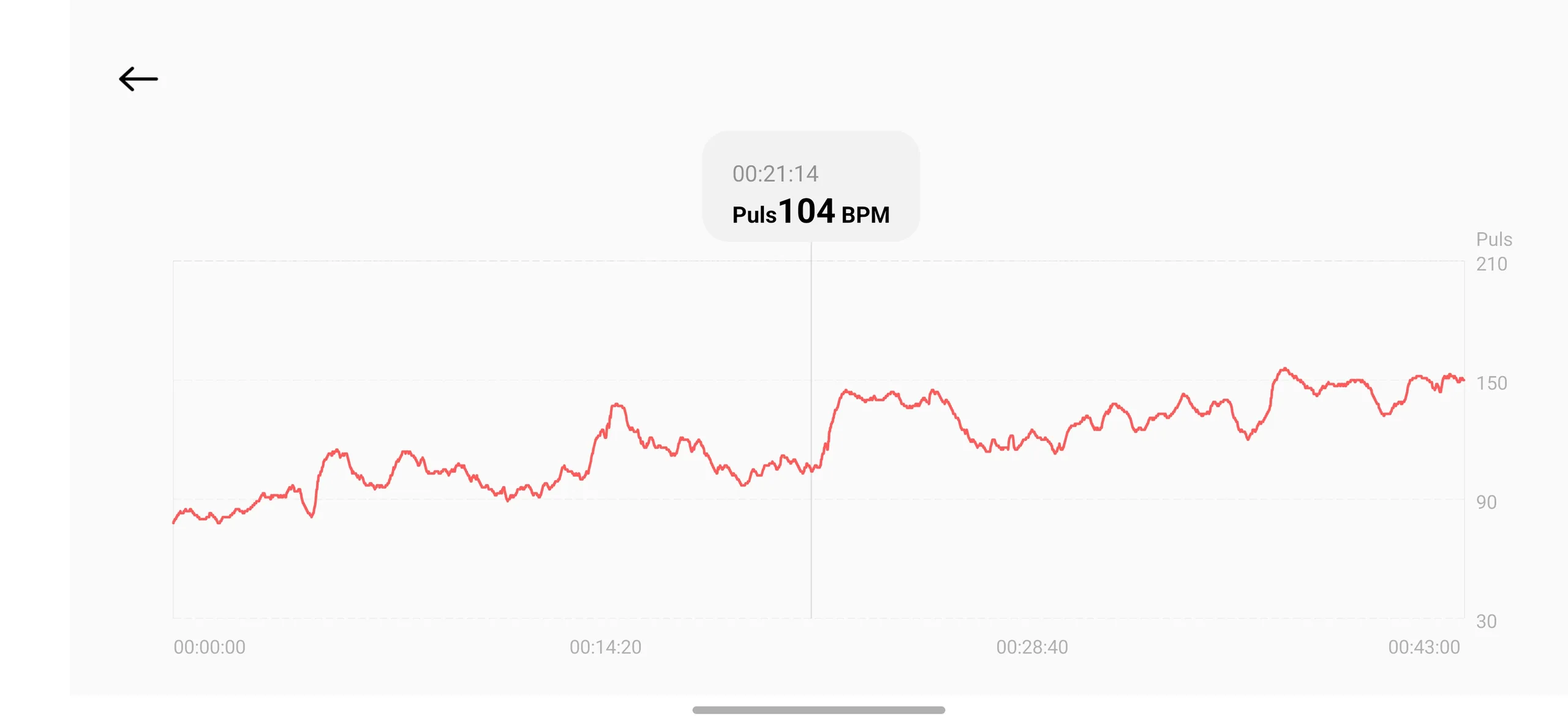
For heart rate measurements, we use the Polar H10 as our reference device. We compared it with the Xiaomi Watch S5 during a bike ride. The resting heart rate was identical on both devices, as was the average heart rate during the ride. Even the peak heart rate was the same. What does stand out, however, is the sensor’s slower response to changes in heart rate.
The blood oxygen measurements also compare well with our reference device, the Braun Pulse Oximeter 1. Two of the three readings were identical, while the small deviation in the third was well within the expected range.
Sleep tracking
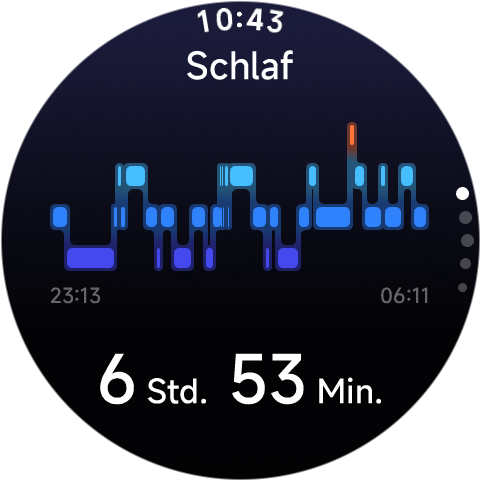
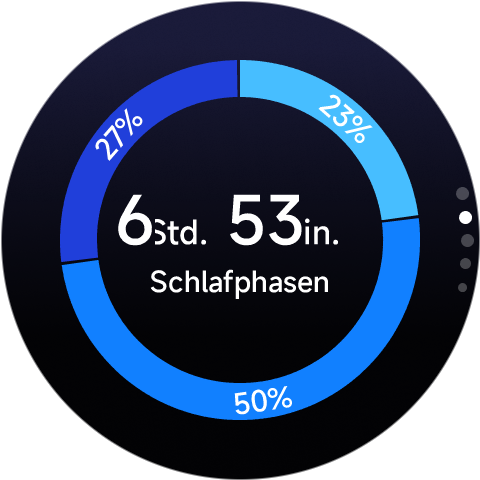
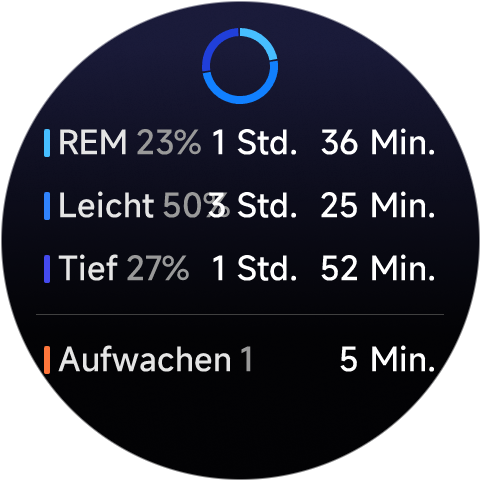
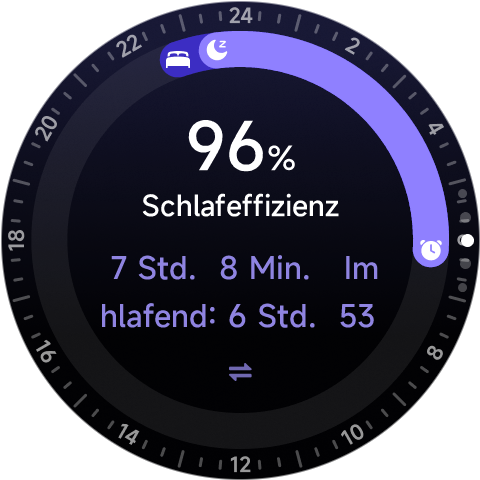
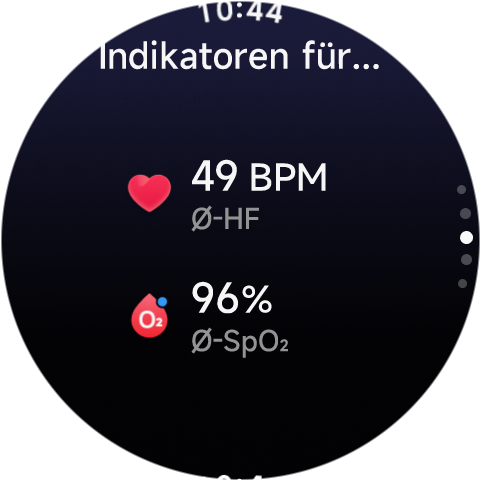
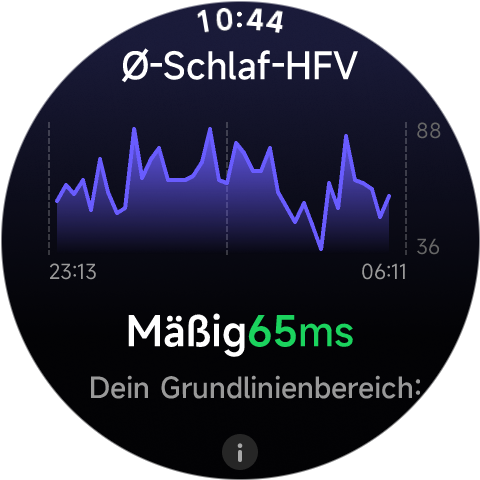
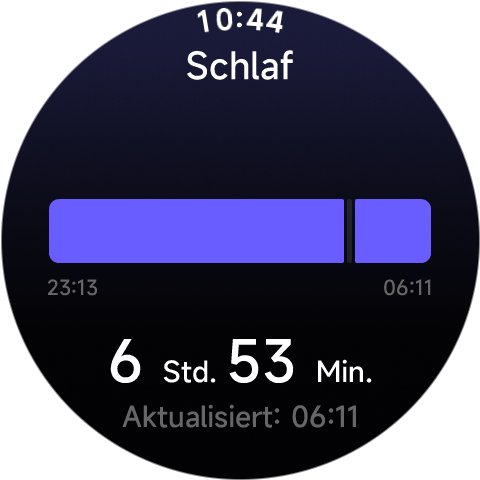
When tracking sleep, the Xiaomi Watch S5 records sleep duration and the various sleep stages, then presents the data in detail in the Mi Fitness app. In addition to light, deep, and REM sleep, the app also analyzes heart rate, blood oxygen saturation, and respiratory data recorded during the night. The presentation is clear and, beyond the raw measurements, also provides insights into sleep quality.
A more playful feature is the “sleep animal”: Based on the recorded sleep patterns, the app assigns the user an animal profile. This adds a bit of motivation and makes the sleep data easier to engage with, but for actual analysis, it is more of a gimmick.

Training recording
For workout tracking, the Xiaomi Watch S5 offers a wide selection of more than 150 sports modes. When running, cycling, or hiking, it records distance, pace, heart rate, and other training data; thanks to dual-band GNSS, workouts can also be tracked without a smartphone.
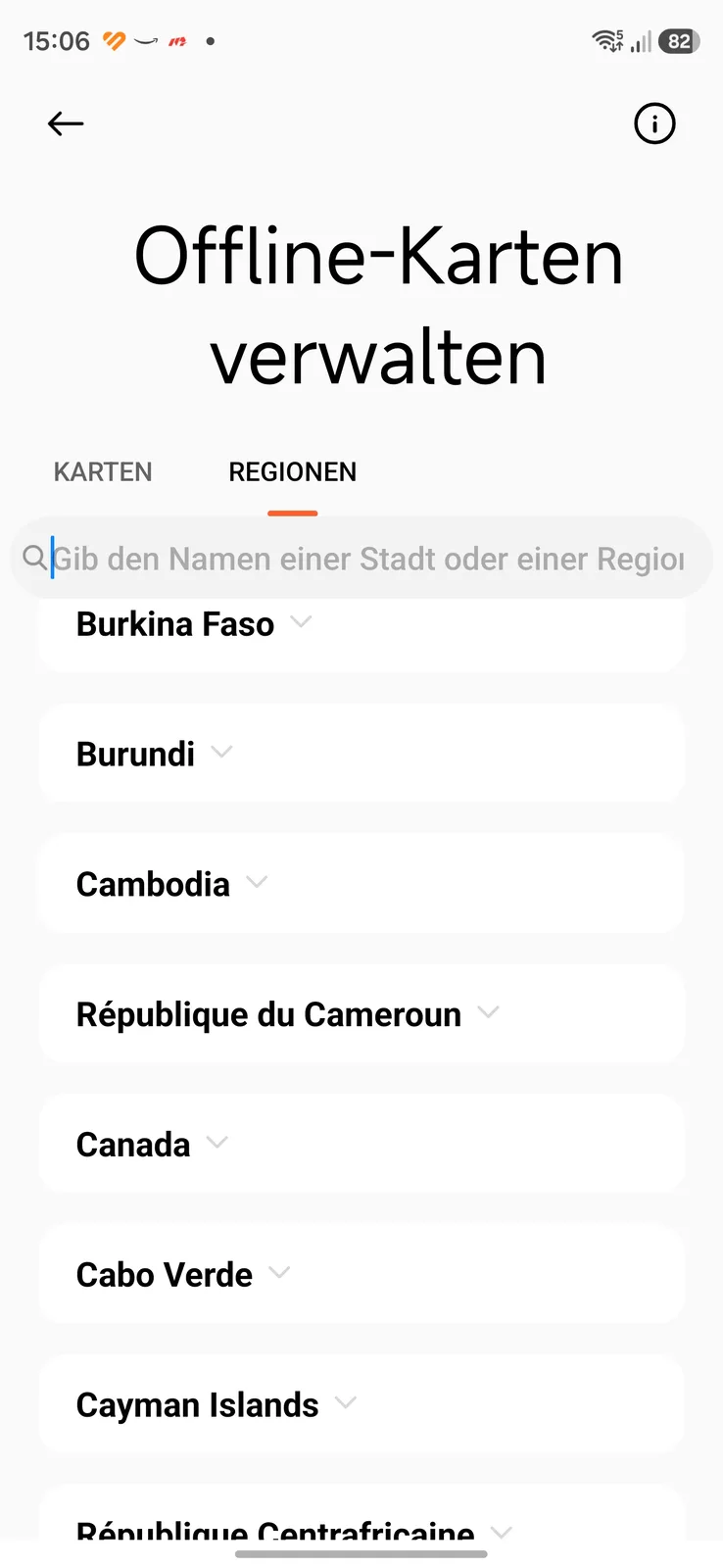
Depending on the sport, additional metrics such as VO₂ max, training load, and recovery time are available. More serious athletes, however, will encounter some limitations: The S5 cannot be paired with a chest strap, and its options for structured workout planning and navigation fall short of those offered by dedicated sports watches. The offline maps are also fairly basic and, for example, lack detailed hiking trails and points of interest. In addition, the search function within the app works poorly, and some interface elements are not fully translated.
Recorded workouts can be exported as GPX, KML, or TCX files.

GNSS and navigation
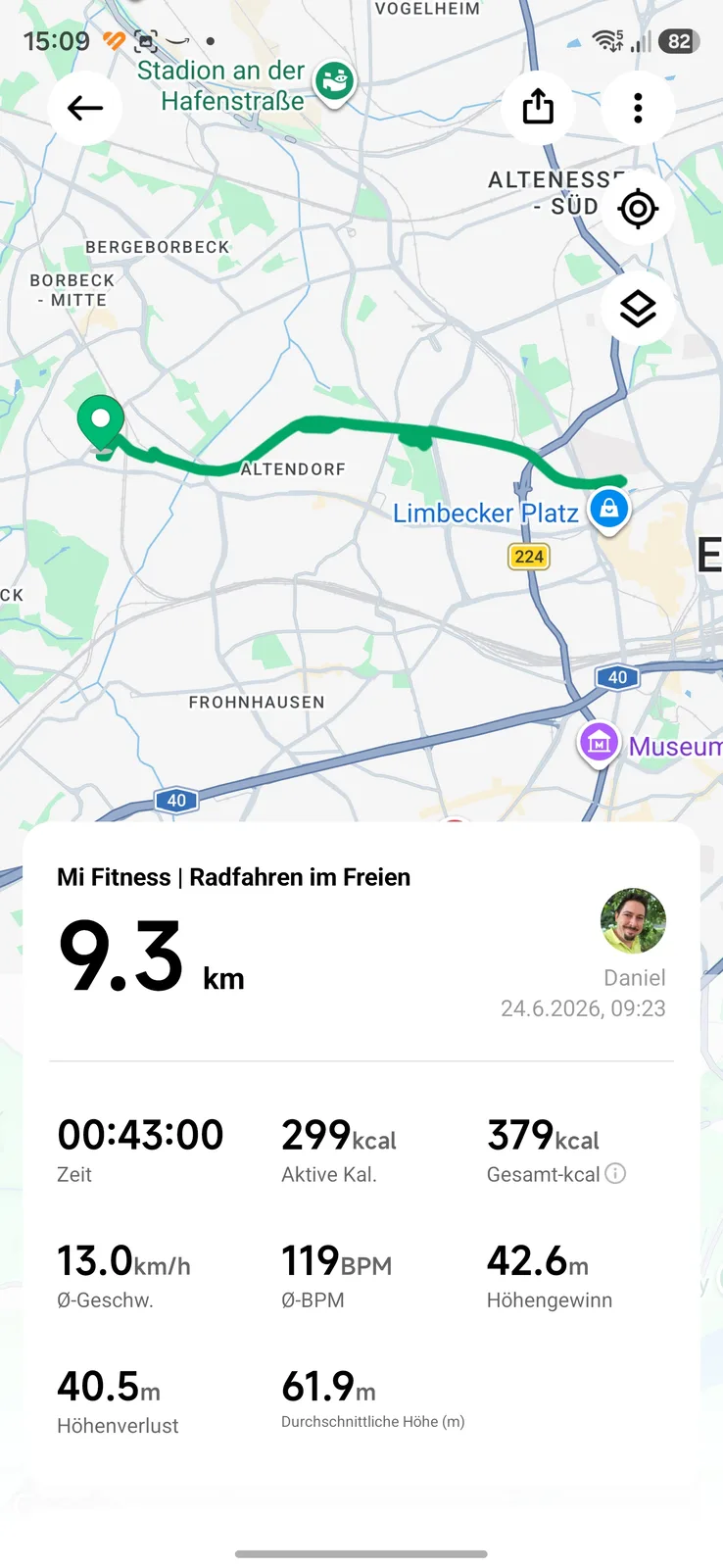
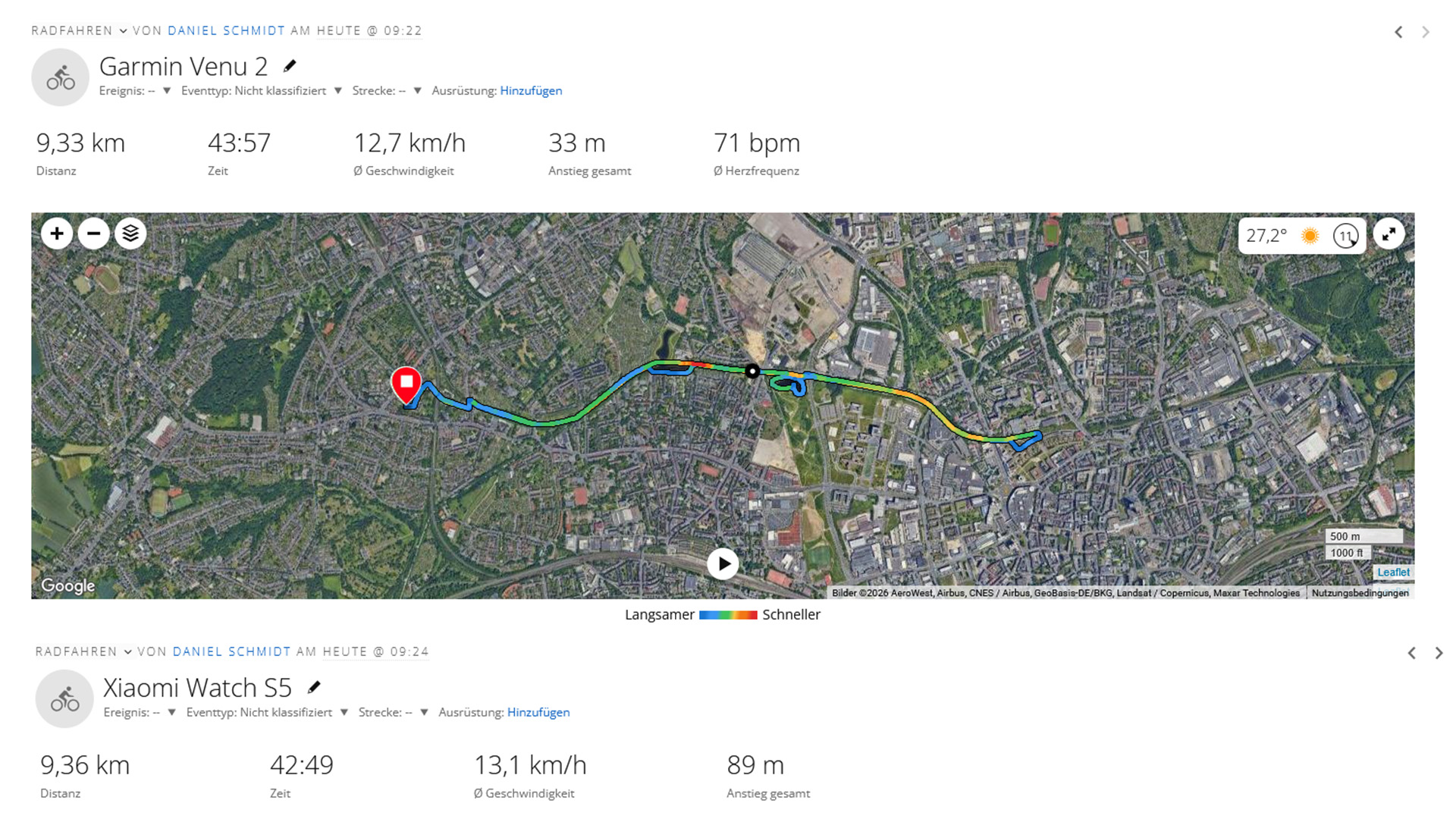
On a bike ride, we compared the Xiaomi Watch S5 with the Garmin Venu 2. Thanks to dual-band GNSS, the Xiaomi smartwatch tracks the route quite reliably, although the recorded track occasionally deviates slightly from the actual route.


Display - Xiaomi Watch S5 with up to 2,500 nits
The Xiaomi Watch S5 is rated for a peak brightness of up to 2,500 cd/m². In our testing, it falls slightly short of that figure, but not by much. With manual brightness control, the maximum available brightness is 602 cd/m². At 7.02 cd/m², the minimum display brightness is relatively high and can be somewhat glaring at night.
Outdoors, the smartwatch remains easy to read under most lighting conditions.
| Xiaomi Watch S5 | Apple Watch Series 11 42mm | Huawei Watch GT 7 | Samsung Galaxy Watch9 | |
|---|---|---|---|---|
| Response Times | ||||
| PWM Frequency (Hz) | 60 | 60 | 60 | 60 |
| Screen | -15% | 19% | 27% | |
| Brightness middle (cd/m²) | 2488 | 2117 -15% | 2970 19% | 3162 27% |
| Black Level * (cd/m²) | ||||
| Total Average (Program / Settings) | -15% /
-15% | 19% /
19% | 27% /
27% |
* ... smaller is better
Screen Flickering / PWM (Pulse-Width Modulation)
| Screen flickering / PWM detected | 60 Hz | 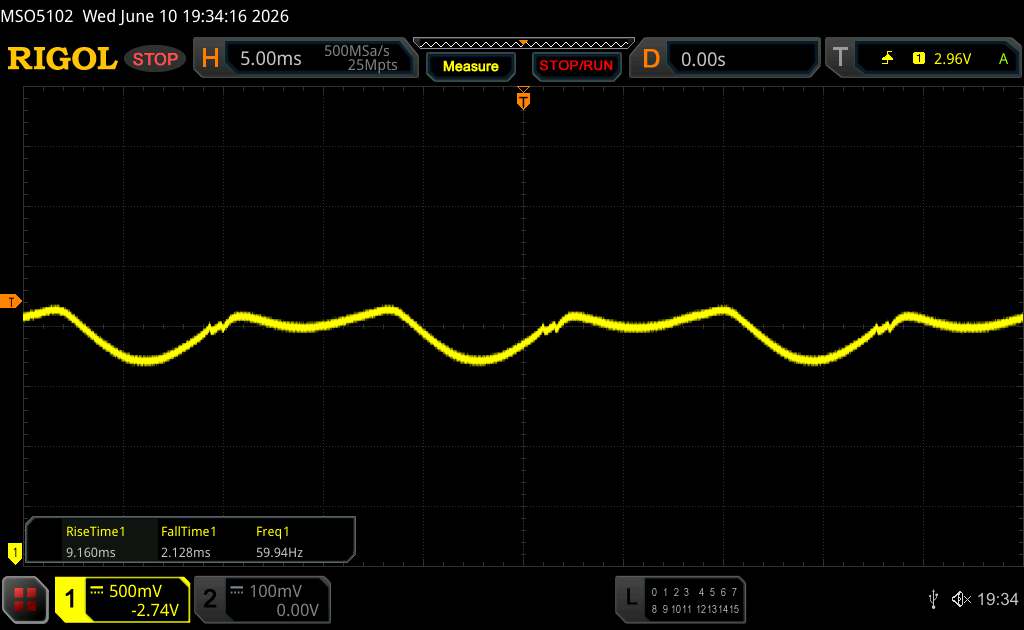 | |
The display backlight flickers at 60 Hz (worst case, e.g., utilizing PWM) . The frequency of 60 Hz is very low, so the flickering may cause eyestrain and headaches after extended use. In comparison: 52 % of all tested devices do not use PWM to dim the display. If PWM was detected, an average of 7632 (minimum: 5 - maximum: 343500) Hz was measured. | |||
Performance and battery life — Endurance is its trump card
Xiaomi does not provide any details about the SiP used. Everyday performance is good, however, with only occasional minor stutters.
Battery life
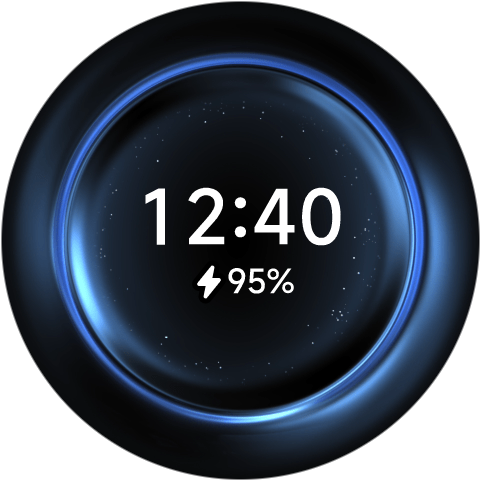
The Xiaomi Watch S5 has a relatively large 815 mAh battery that is rated to last up to 21 days. In everyday use with all health features and sleep tracking enabled, the smartwatch lasted 15 days in our testing, with 13% charge remaining. With the always-on display enabled, battery life dropped to 10 days, with 12% remaining.
When the battery level reaches 20%, the Watch S5 alerts the user that it is time to recharge. In our testing, charging from 13% to 95% took 64 minutes.
Comparison of possible alternatives
Image | Model | Price | Size | Weight | Battery Capacity | Display |
|---|---|---|---|---|---|---|
1.  | Xiaomi Watch S5 | Amazon: $189.99 List Price: 200€ | 1.48" | 46 g | 815 mAh | 1.48" 480x480 323 PPI AMOLED |
2.  | Apple Watch Series 11 42mm S10 | List Price: 449€ | 1.27" | 37.7 g | 327 mAh | 1.27" 374x446 326 PPI OLED |
3.  | Huawei Watch GT 7 | Amazon: | 1.47" | 51.3 g | 867 mAh | 1.47" 466x466 317 PPI AMOLED |
4. 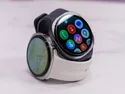 | Samsung Galaxy Watch9 Snapdragon Wear Elite SW6100 | List Price: 439€ | 1.50" | 34 g | 445 mAh | 1.50" 480x480 Super AMOLED |
Transparency
The selection of devices to be reviewed is made by our editorial team. The test sample was given to the author by the manufacturer free of charge for the purposes of review. There was no third-party influence on this review, nor did the manufacturer receive a copy of this review before publication. There was no obligation to publish this review. As an independent media company, Notebookcheck is not subjected to the authority of manufacturers, retailers or publishers.
This is how Notebookcheck is testing
Every year, Notebookcheck independently reviews hundreds of laptops and smartphones using standardized procedures to ensure that all results are comparable. We have continuously developed our test methods for around 20 years and set industry standards in the process. In our test labs, high-quality measuring equipment is utilized by experienced technicians and editors. These tests involve a multi-stage validation process. Our complex rating system is based on hundreds of well-founded measurements and benchmarks, which maintains objectivity. Further information on our test methods can be found here.
 Add as a preferred source on Google


