




Steam Frame could get full-body tracking via a supercharged Base Station that doesn't need a PC
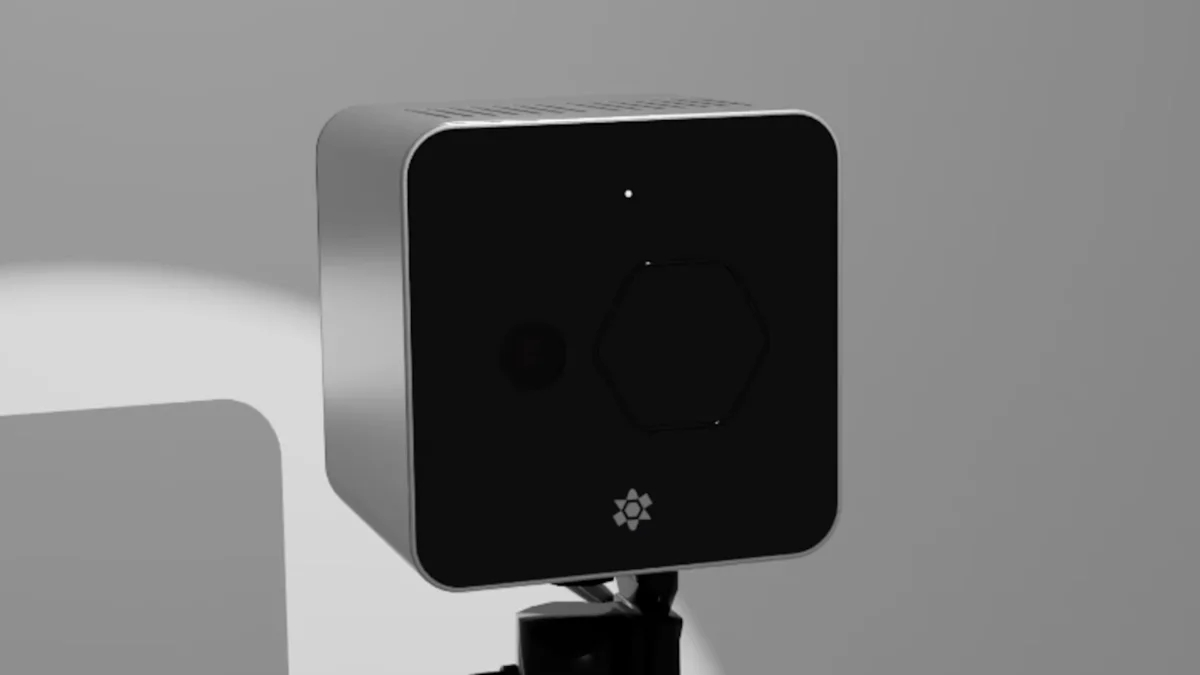
Valve's Steam Frame has a problem that anyone who's spent time in VRChat will spot immediately. The headset uses inside-out tracking, which is fantastic for room-scale freedom and ditching messy base stations, but it leaves out full-body tracking. Korean startup Soulart thinks it has the answer.
A powerful full-body tracking solution
The company's device is called “Station”, and it is essentially a base station, potentially with delusions of grandeur. It looks like a Valve or HTC Vive Lighthouse, but it doesn't need a PC to function. Instead, it packs its own neural processing unit and runs motion tracking entirely on-device. From there, it connects directly to SteamVR and works with any game that supports full-body tracking.
Station covers up to 50 square meters and runs at up to 120 Hz. It uses machine learning to interpret your movements, which Soulart openly admits can lead to "slightly higher latency and error" compared to traditional tracker-based setups. One Station is technically enough to get started, though (somewhat conveniently) the company says multiple units will deliver better results.
A pricey proposition that is unclear on final costs
That vague "under $400" price tag is doing a lot of heavy lifting here. Soulart is still in early production and has not finalized pricing, with a Kickstarter campaign planned to fund the next stage. If you want proper full-body tracking for VR games, two or three Stations will add up quickly. Still, it is considerably cheaper than some existing alternatives, and the markerless approach means you don't have to wear a constellation of motion-tracking pucks strapped to your limbs.
The real kicker is Soulart's confirmation that it is working on standalone support specifically for the Steam Frame. The company posted on X that it is developing this capability, which would cut out the need for a PC entirely. Since the Steam Frame runs SteamOS on an Arm-based Snapdragon chip, this combination would be genuinely compelling for VRChat regulars who want a wireless, standalone setup without sacrificing body tracking.
The current comparable setup is Fluxpose, which uses a collection of rechargeable 6DOF trackers you attach to your body. It works in SteamVR and achieves the same goal of mapping your full-body movements in VRChat, but it requires wearing hardware, which is exactly what Soulart is trying to avoid.
The Steam Frame itself is already pricey, starting at $1,059 for the 256 GB model and climbing to $1,299 for 1 TB, with no power adapter in the box, even as e-commerce giants like Amazon only list accessories thanks to a reservation system Valve implemented. Adding a $400 full-body tracking solution on top of that makes for an expensive entry into virtual body-mapping. But for the VRChat faithful, that is probably a price they are willing to pay.
Source(s)
 Add as a preferred source on Google


No comments for this article
