Lenovo launches new 14-inch laptop globally with over 50% longer battery life than older model
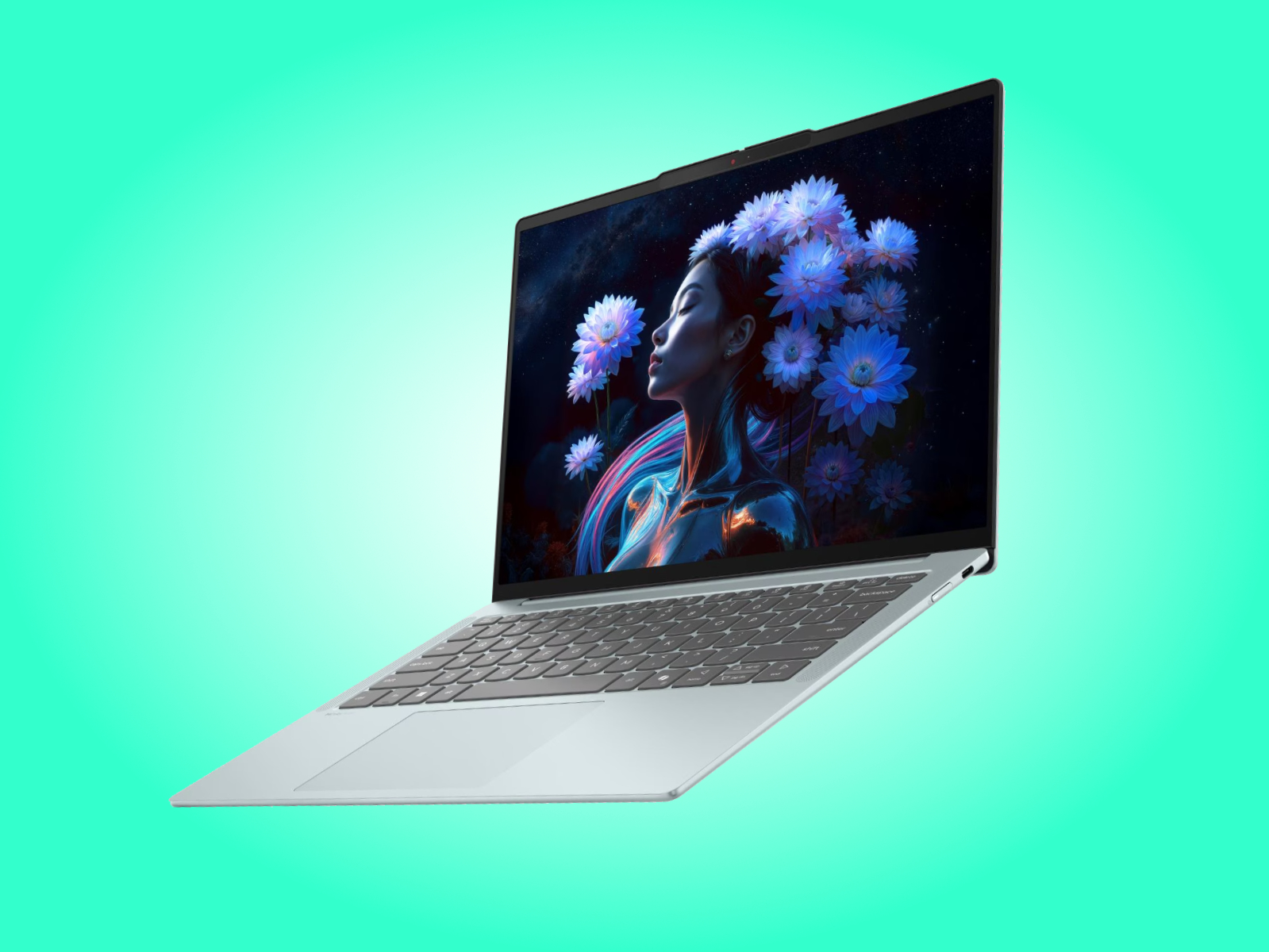
Lenovo has updated its IdeaPad Slim 5 series with a new Ultra-branded model. To recap, the company announced the IdeaPad Slim 5 Ultra 14ILL11 in March during MWC 2026. While Lenovo went on to release the 14-inch laptop internationally in June, it waited until early July before bringing it to the US (curr. $1,199 on Amazon).
Now, the company has refreshed the IdeaPad Slim 5 Ultra with Intel's newer Wildcat Lake architecture. On PSREF, Lenovo clarifies that the new 14-inch laptop will be available with a choice of Core 3 304, Core 5 315, Core 5 320 or Core 7 350 processors. Moreover, the company claims that these processors achieve the following runtimes from the laptop's 65 Wh battery:
- MobileMark 30 at 250 nits: 18.6 hours (IPS panel)
- MobileMark 30 at 250 nits: 18.4 hours (OLED panel)
- 1080p local video playback at 150 nits: 26.1 hours (IPS panel)
- 1080p local video playback at 150 nits: 30.1 hours (OLED panel)
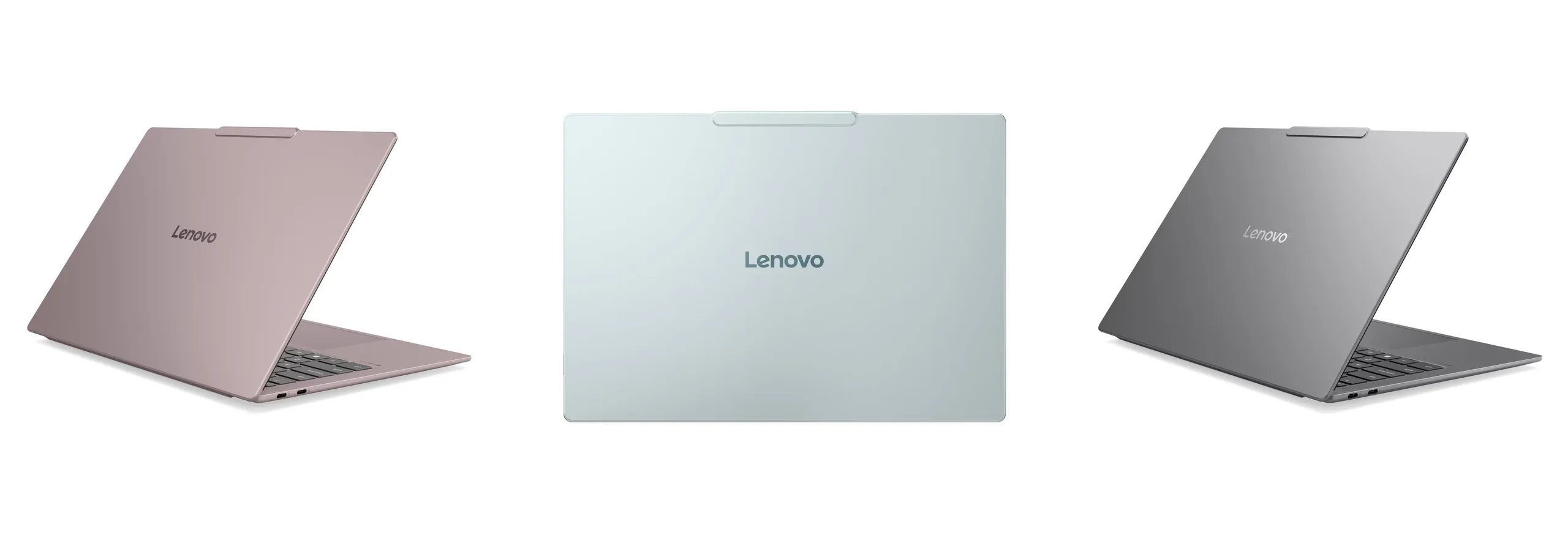
For reference, these runtimes range between 12% and 54% longer than the IdeaPad Slim 5 Ultra 14ILL11. Unfortunately, longer battery life comes at the expense of weaker CPU and GPU performance. In our benchmarks, even the most powerful CPU on offer for the 14IWC11 trails the weakest option underpinning the 14ILL11.
Specifically, the Core 7 350 falls around 5% short of the Core Ultra 5 226V in CPU benchmarks. However, a much bigger gap exists between the pair's iGPUs in the Core Ultra 5 226V's favour. The IdeaPad Slim 5 Ultra 14IWC11 contains 8 GB or 16 GB of LPDDR5X-7467 RAM too, compared to 16 GB or 32 GB of LPDDR5X-8533 RAM inside the IdeaPad Slim 5 Ultra 14ILL11.
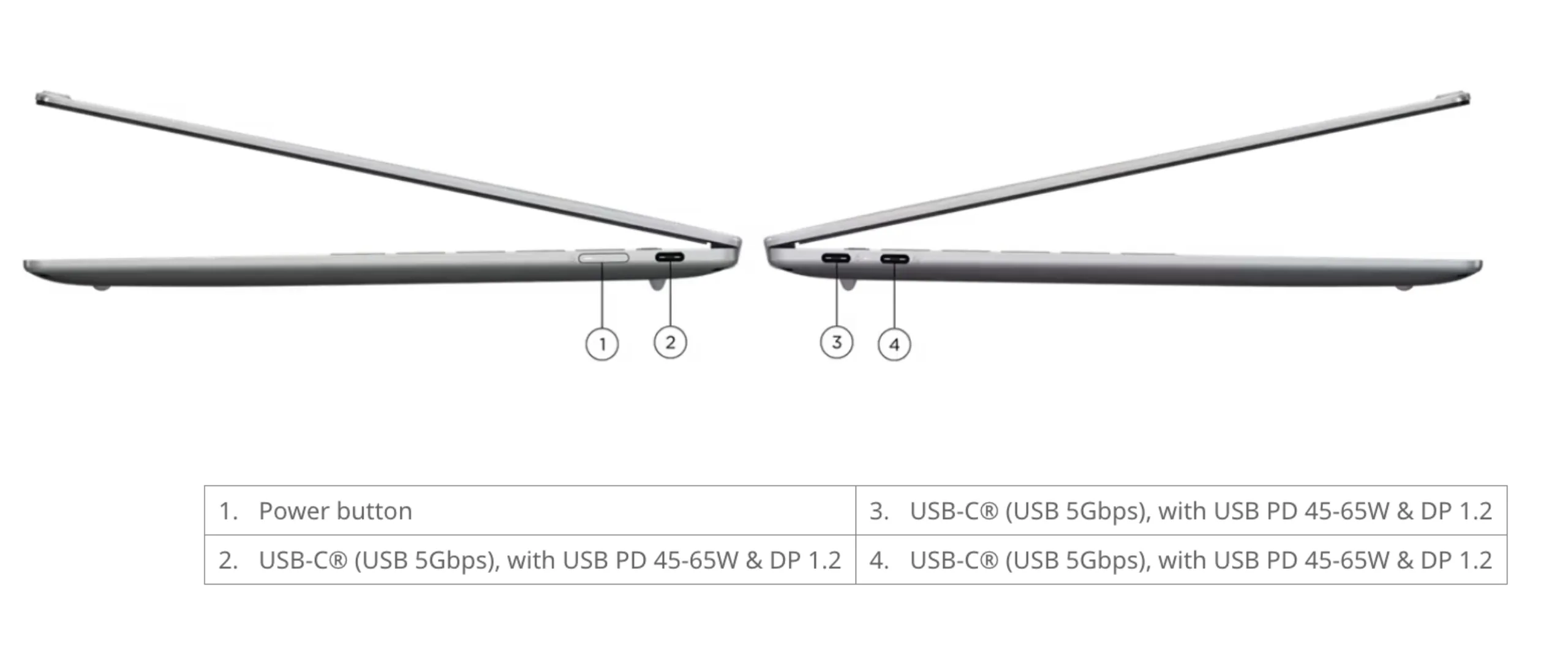
Furthermore, Lenovo has dropped the secondary M.2 SSD slot from the IdeaPad Slim 5 Ultra 14IWCLL, which is present on its Lunar Lake-based counterpart. The two laptops contain identical ports though, as well as the same display options. Weight remains unchanged at 1.06 kg for OLED models and 1.14 kg for IPS alternatives. Pricing and availability remain unknown for now. The full list of display options is as follows:
| Resolution | Touch | Type | Brightness | Surface | Aspect Ratio | Contrast Ratio | Color Gamut | Refresh Rate | Viewing Angle (L/R/U/D) |
|---|---|---|---|---|---|---|---|---|---|
| WUXGA (1,920x1,200) | Multi-touch | IPS | 500 nits | Anti-glare | 16:10 | 1500:1 | 100% sRGB | 60 Hz | 89°/89°/89°/89° |
| WUXGA (1,920x1,200) | Non-touch | OLED | 300 nits | Glossy | 16:10 | 100,000:1 | 100% DCI-P3 | 60 Hz | 85°/85°/85°/85° |
| WQXGA (2560x1600) | Non-touch | IPS | 400 nits | Anti-glare | 16:10 | 1500:1 | 100% sRGB | 120 Hz | 89°/89°/89°/89° |
 Add as a preferred source on Google