




Sony Xperia 10 VIII: More expensive, barely better
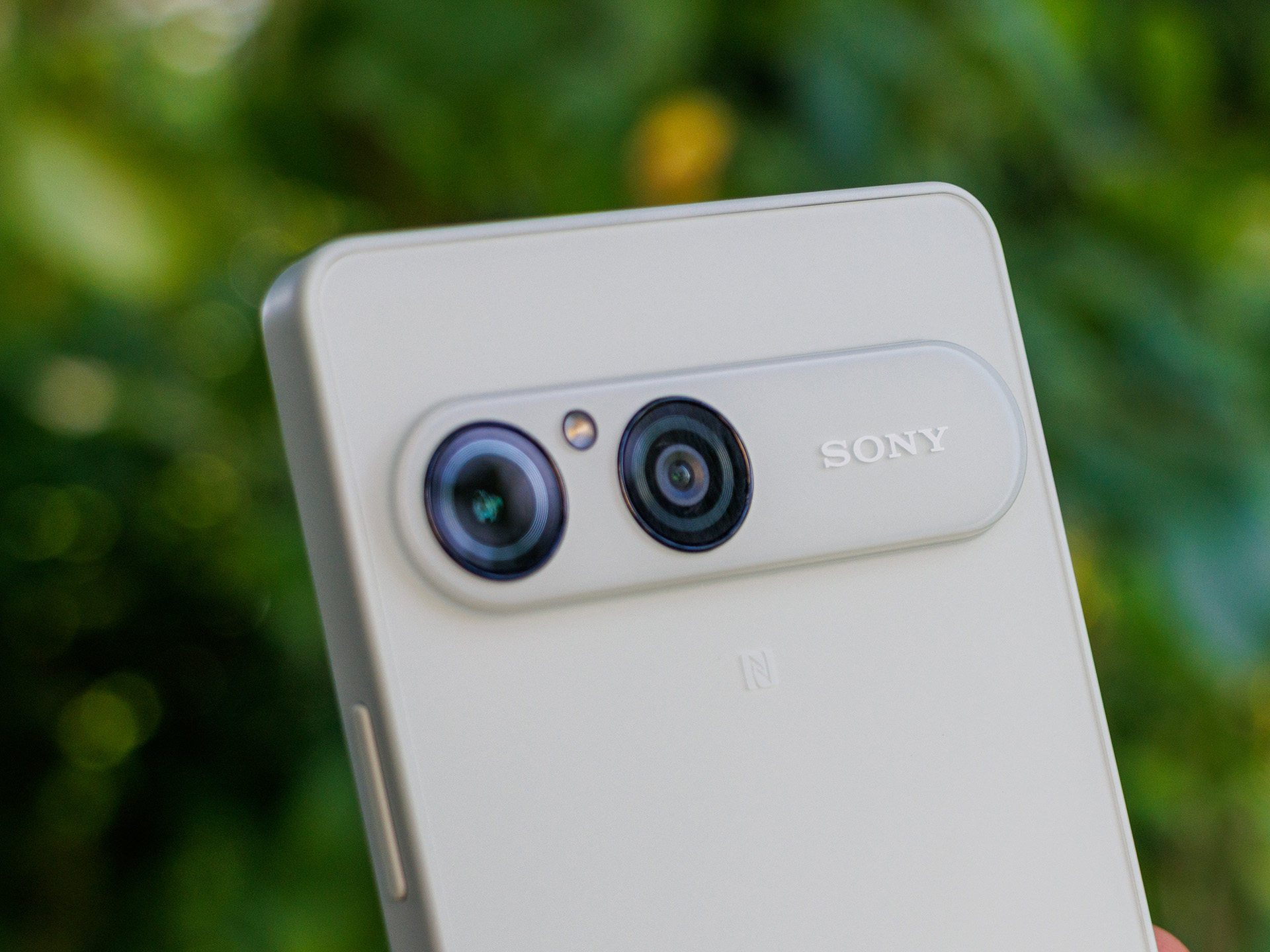
At 168 grams, the Sony Xperia 10 VIII is one of the lighter and more manageable smartphones around. Build quality is convincing, and the chassis carries an IP68 rating. While the wide display bezels look somewhat dated, the screen remains free of notches and punch-hole cutouts. The tool-free microSD slot and increasingly rare 3.5 mm headphone jack are also practical additions. However, with just 128 GB of internal storage and USB 2.0, the feature set feels rather unambitious considering the price. The 6.1-inch OLED display represents the biggest improvement over the Xperia 10 VII. Sony has increased brightness by around 50%, which makes a noticeable difference outdoors. Color reproduction is good, although HDR is not supported. The PWM frequency of 480 Hz could also cause discomfort for sensitive users.
Performance is another area where little has changed: Sony once again uses the Snapdragon 6 Gen 3. It is fast enough for everyday tasks, but occasional stutters are noticeable. Demanding games quickly push the Adreno 710 to its limits. Under sustained load, the Xperia also gets noticeably warm and throttles somewhat. Sony has carried over the cameras from the previous model as well. The main camera delivers natural white balance and still produces decent images in low light, although its dynamic range could be better. The ultrawide camera loses noticeable sharpness toward the edges. The main camera can record video at up to Ultra HD resolution at 30 fps.
On the positive side, the Xperia offers accurate positioning, fast 6 GHz Wi-Fi, and decent call quality. The stereo speakers also sound respectable, although they tend to distort slightly at maximum volume. The 5,000 mAh battery delivers almost 20 hours of runtime in our testing and takes 69 minutes to fully recharge. The Xperia 10 VIII therefore remains an unusual smartphone thanks to its headphone jack, microSD support, good battery life, and bright OLED display. However, there is very little progress over the Xperia 10 VII. Considering the substantial price increase, the aging SoC, USB 2.0, 128 GB of storage, and unchanged cameras are difficult to overlook.
 Add as a preferred source on Google


No comments for this article
