




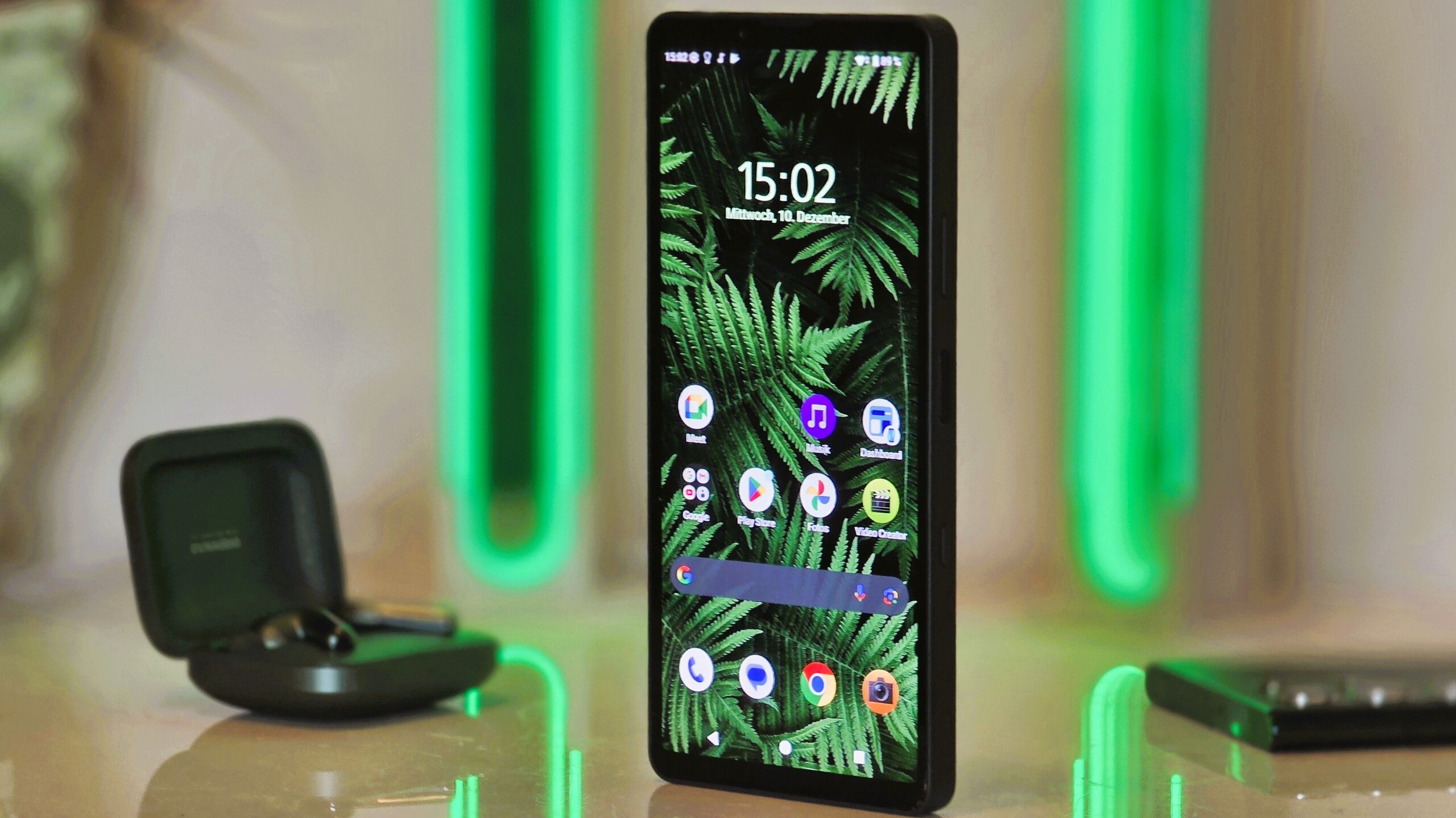
Verdict
The Sony Xperia 10 VII proves to be a solid mid-range smartphone with a modern design and a slightly improved camera in our review sensors. With the Snapdragon 6 Gen 3 in particular, however, the manufacturer fails to provide a noticeable upgrade to its mid-range model, as performance remains similar to its predecessor, leaving system performance very limited. The Sony mid-range doesn't feel really fast. The front appearance should also be improved in the next generation. A Motorola Edge 60 Neo looks much more modern here.
The very long battery life for a compact phone, the microSD slot, and the 3.5 mm jack should be emphasized. The Xperia 10 VII also has quite long updates and good stereo speakers to its credit.
Pros
Cons
Price and availability of the Sony Xperia 10 VII
Sony has set an RRP of 449 euros (approximately US$525) for the Xperia 10 VII. The mid-range phone is available directly from the manufacturer or at Amazon.de. Interested parties can select black, white, or turquoise color versions.

Table of Contents
- Verdict
- Specifications of the Sony Xperia 10 VII
- Case - Dust and waterproof Android phone
- Features - Smartphone with microSD support
- Software - Sony Xperia with long updates
- Communication and GNSS - Android phone with 5G, but without WiFi 7
- Phone functions and voice quality - Affordable smartphone with dual SIM
- Camera - Sony relies on hybrid OIS/EIS stabilization
- Accessories and warranty - Xperia phone comes without power adapter
- Input devices and operation - Inexpensive smartphone with fingerprint sensor
- Display - OLED screen comes in a new aspect ratio
- Performance - Android phone with Qualcomm chip
- Emissions - Sony phone does not get hot
- Battery life - Android phone without wireless charging
- Notebookcheck overall rating
- Possible alternatives in comparison
With the Xperia 10 VII, Sony presents its completely revamped mid-range phone based on a Snapdragon 6 Gen 3. There are major upgrades to the affordable Xperia phone, particularly in design, display, and cameras. The latter has not only been updated visually, but Sony has also equipped the successor to the Xperia 10 VI with sensor upgrades.
Specifications of the Sony Xperia 10 VII
Case - Dust and waterproof Android phone
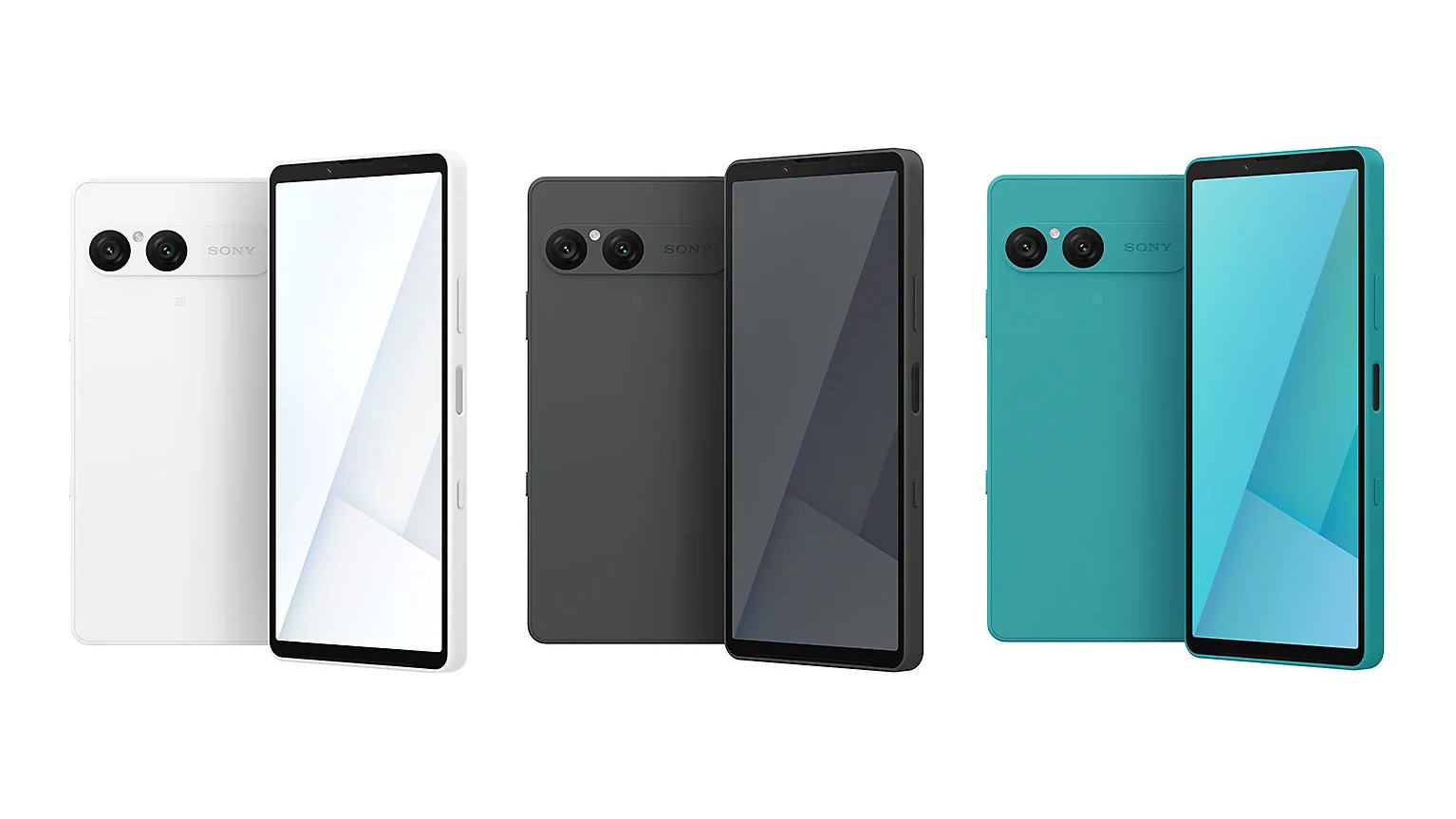
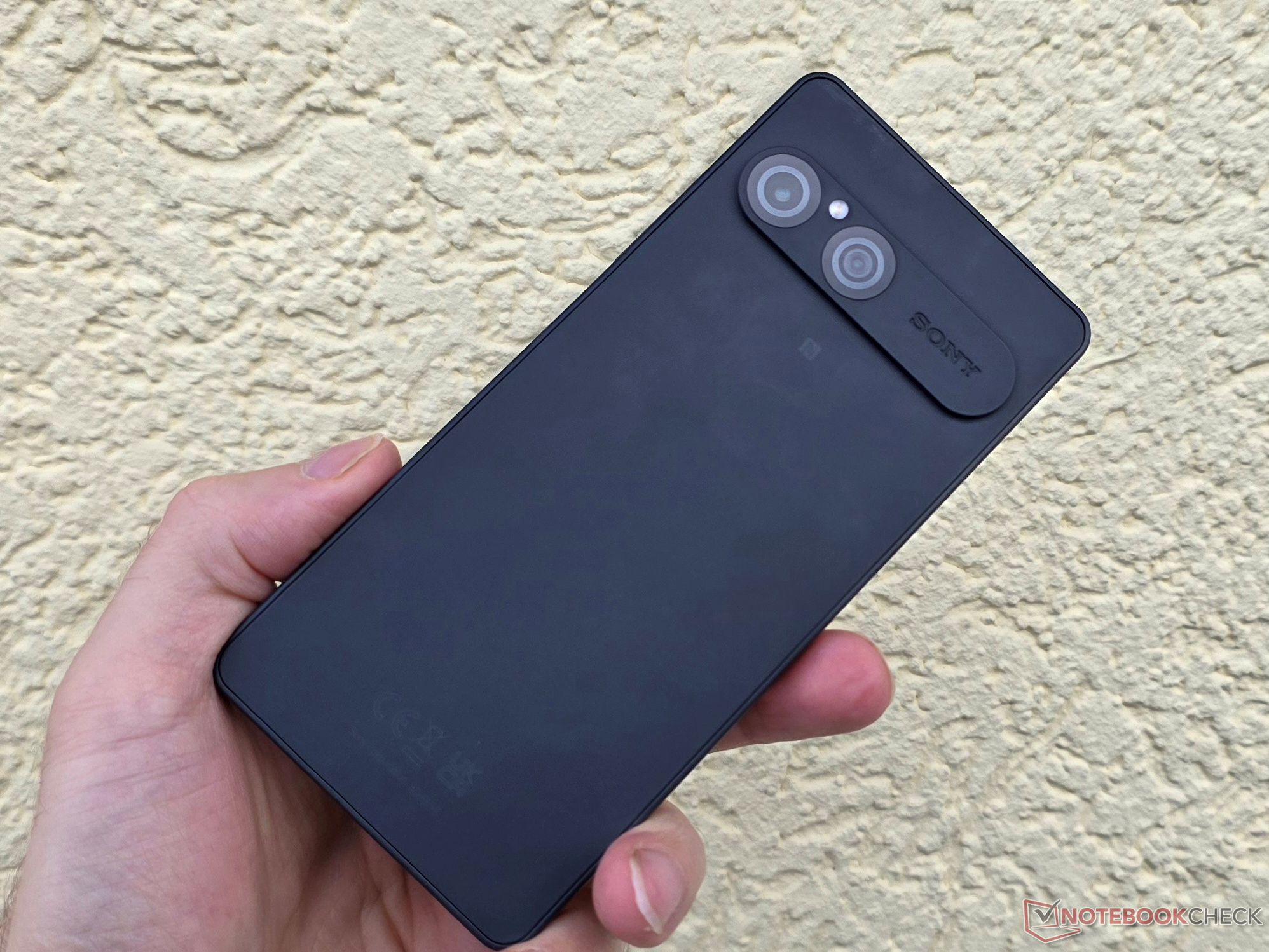
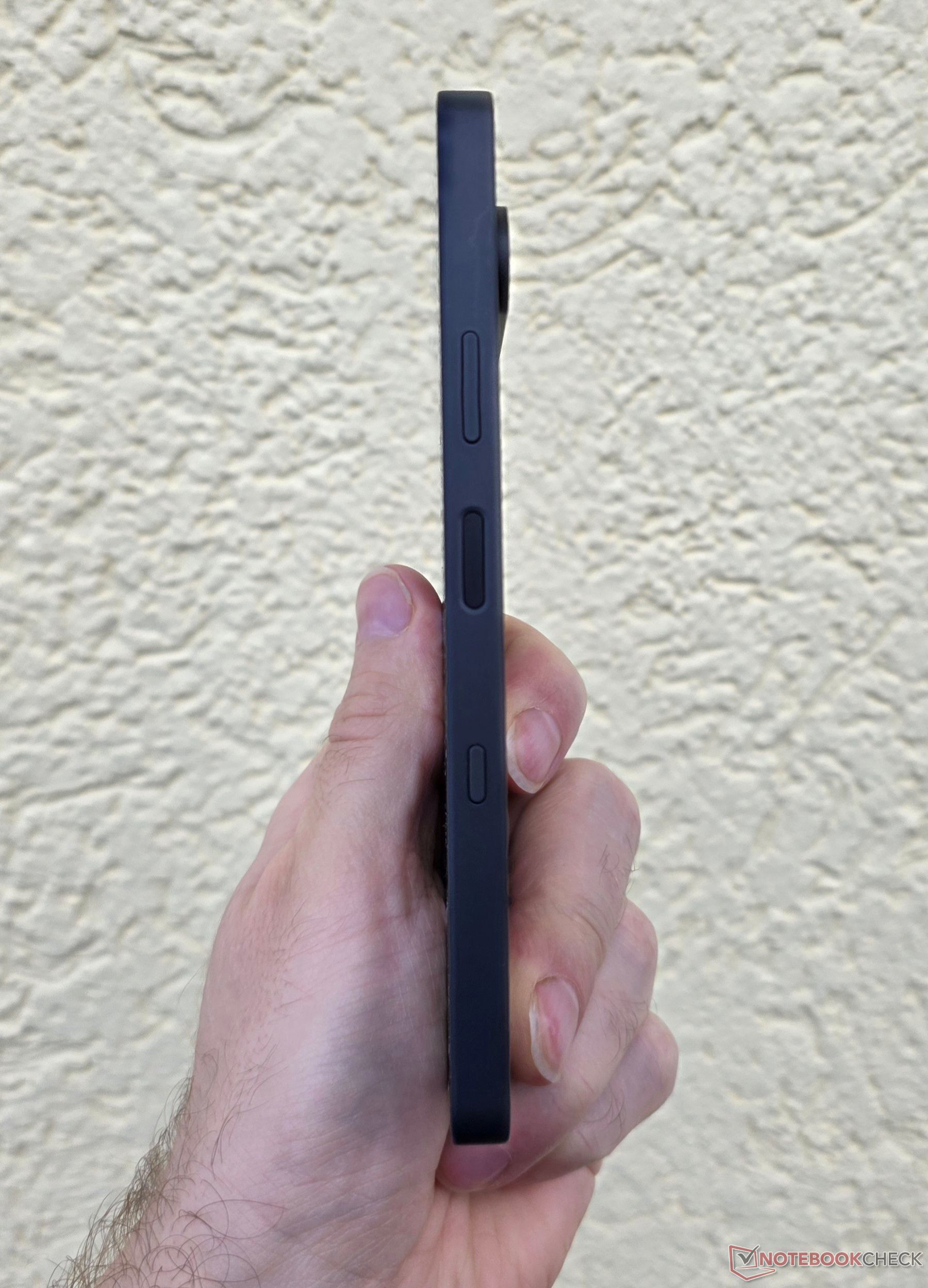
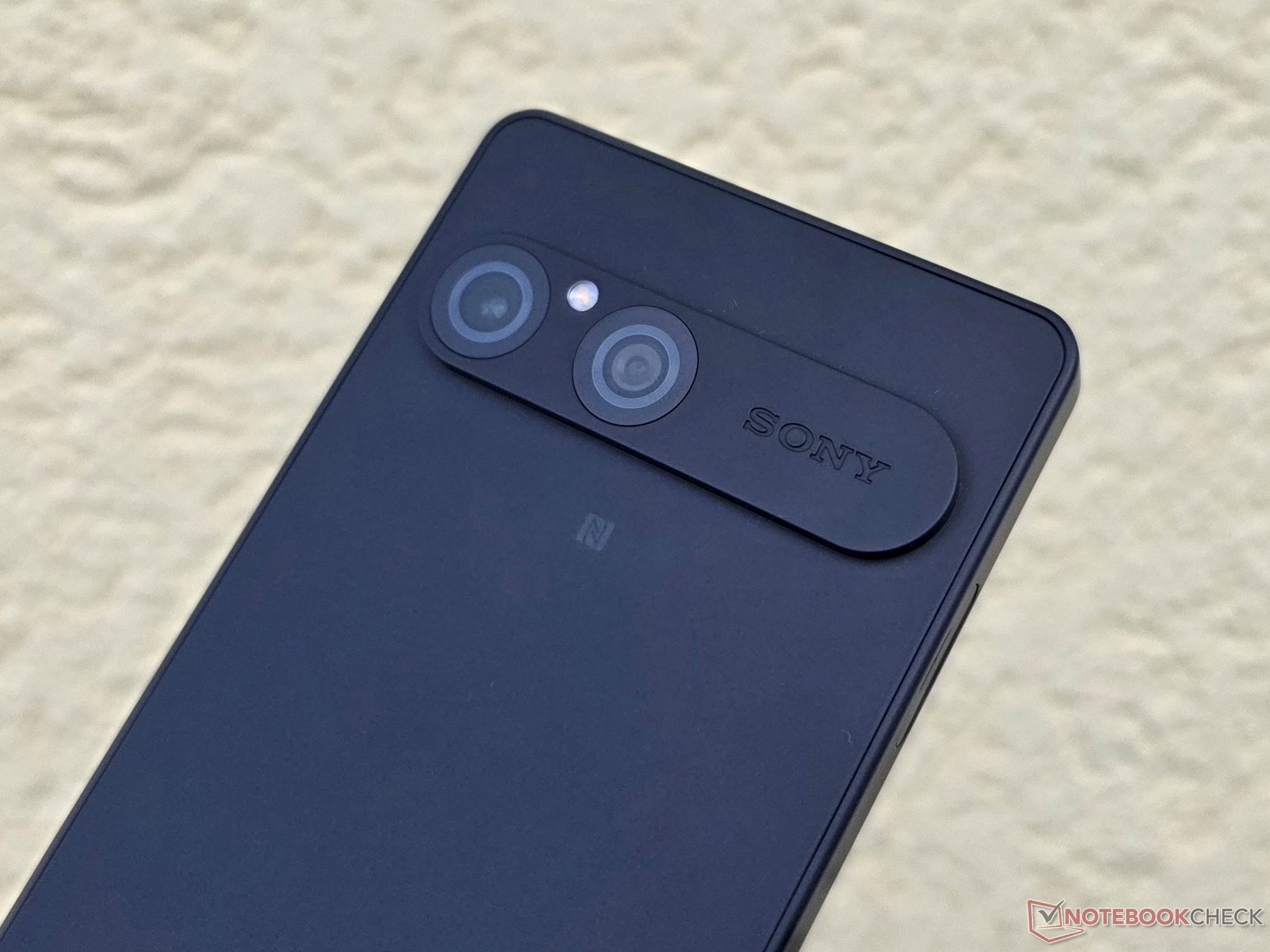
Compared to the predecessor, Sony dares to make a new visual start with the Xperia 10 VII, featuring a horizontal camera bar design, similar to Google Pixel phones. However, there are still thick edges at the top and bottom of the display. At least Sony uses the black bar for the selfie camera and also for front-facing stereo speakers.
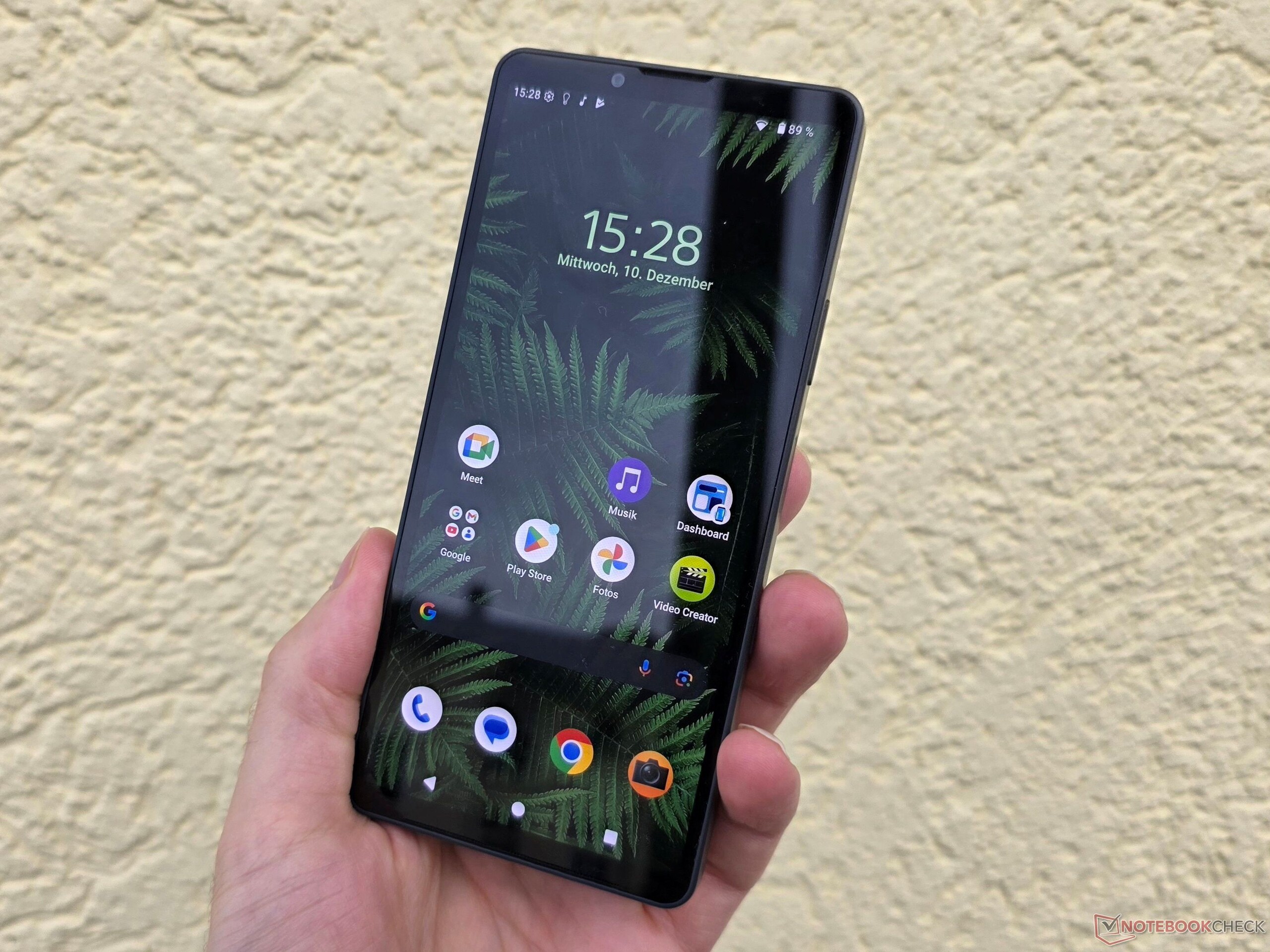
Analogous to its big brother, Sony has also abandoned the narrow 21:9 display format in the mid-range phone and opted for a wider screen (19.5:9). This also makes the compact smartphone slightly wider; however, the screen size remains the same at 6.1 inches.
The OLED panel is protected by Gorilla Glass Victus 2. The back panel and frame are made of plastic, so the Xperia 10 VII does not feel high-quality. However, the workmanship is appealing.
Features - Smartphone with microSD support
Sony remains true to itself and continues to equip its mid-range phone with a 3.5 mm headphone jack and a microSD card slot. In terms of RAM and UFS memory, however, the Xperia 10 XII is also somewhat "old school" with only 8 GB and 128 GB. The latter also continues with the USB 2.0 port, which is not only slow but also does not support wired image output. We measured just 27 MB/s in our copy speed test with an M2.SSD hard disk (Samsung SSD 7T). Connected data carriers may not only be formatted with FAT32, but also with exFAT. However, the NTFS file system cannot be used.
microSD Card Reader
The memory can be expanded up to 2 TB with microSD cards. However, the card slot is rather slow in the copy test with an Angelbird AV Pro V60, and the values in the cross-platform disk test are only average.
| SD Card Reader - average JPG Copy Test (av. of 3 runs) | |
| OnePlus Nord CE 5 (Angelbird V60) | |
| Average of class Smartphone (5.72 - 58.9, n=53, last 2 years) | |
| Sony Xperia 10 VI (Angelbird AV Pro V60) | |
| Sony Xperia 10 VII (Angelbird AV Pro V60) | |
Cross Platform Disk Test (CPDT)
Software - Sony Xperia with long updates
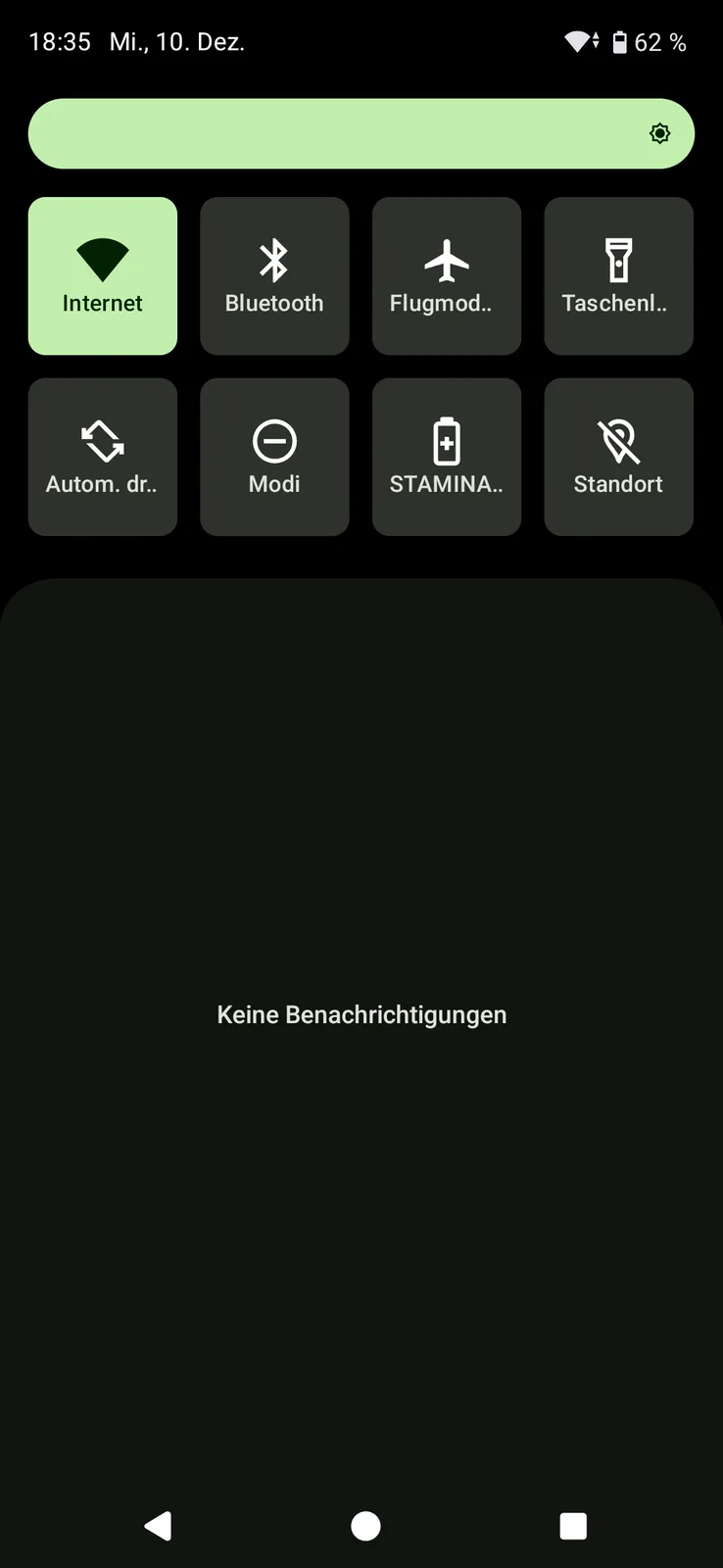
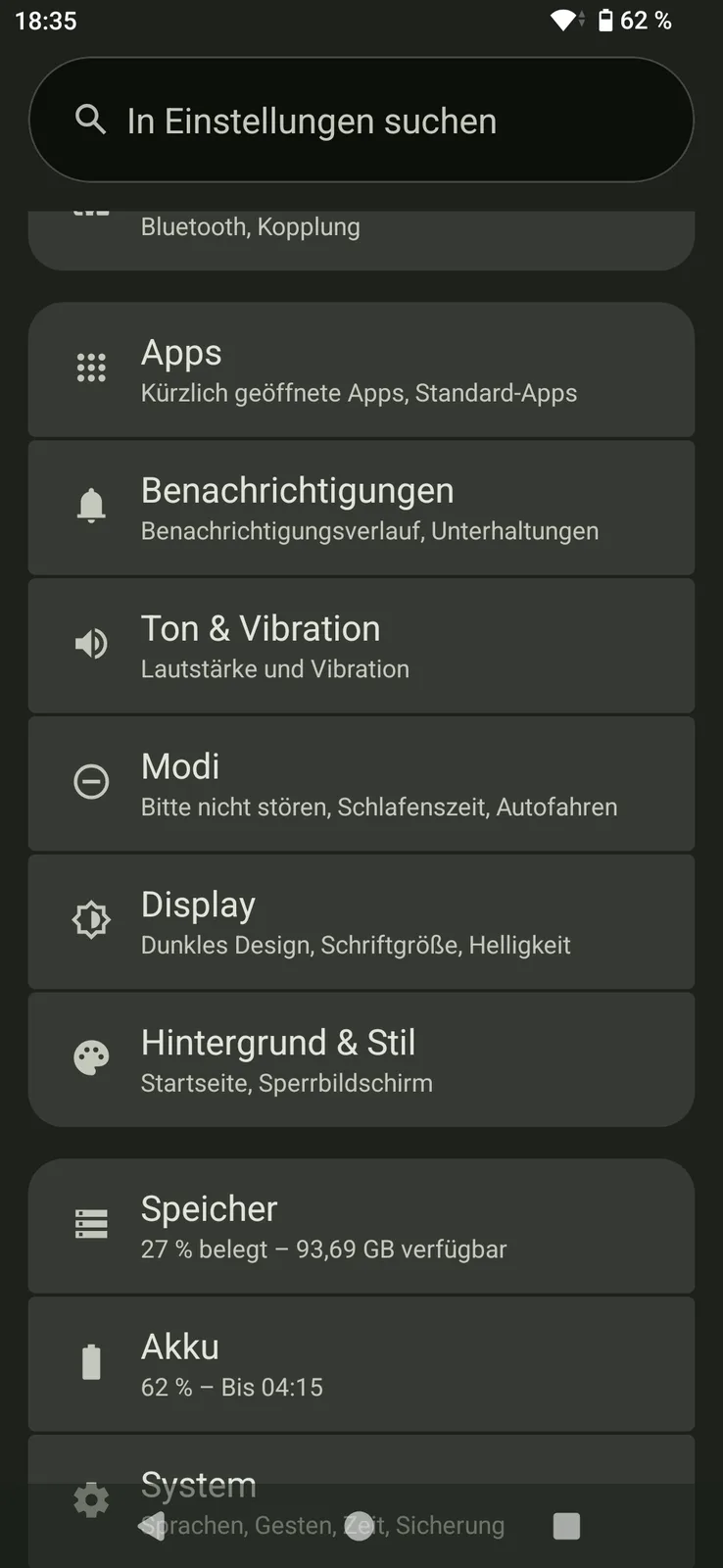
At the time of our test, the Sony phone was running Android 16. Four major Android upgrades and six years of security updates are promised.
Sustainability
Sony strives to keep the ecological footprint as low as possible (plastic-free product packaging, recycled plastic, ...), but no exact figures are given for the Xperia VII. According to the EPREL database, repairability and spare parts are limited (class D).
Communication and GNSS - Android phone with 5G, but without WiFi 7
The mid-range phone supports access to the mobile 5G network as well as a solid selection of 4G frequencies. Thanks to WiFi 6E, we achieved high speeds of over 1,800 MBit/s in the 6 GHz range in the test in combination with our reference router, Asus ROG Rapture GT-AXE11000.
| Networking | |
| Sony Xperia 10 VII | |
| iperf3 transmit AXE11000 | |
| iperf3 receive AXE11000 | |
| iperf3 transmit AXE11000 6GHz | |
| iperf3 receive AXE11000 6GHz | |
| Xiaomi Poco F7 | |
| iperf3 transmit AXE11000 | |
| iperf3 receive AXE11000 | |
| OnePlus Nord CE 5 | |
| iperf3 transmit AXE11000 | |
| iperf3 receive AXE11000 | |
| Motorola Edge 60 Neo | |
| iperf3 transmit AXE11000 6GHz | |
| iperf3 receive AXE11000 6GHz | |
| Sony Xperia 10 VI | |
| iperf3 transmit AXE11000 | |
| iperf3 receive AXE11000 | |
| Average Wi-Fi 6E | |
| iperf3 transmit AXE11000 | |
| iperf3 receive AXE11000 | |
| iperf3 transmit AXE11000 6GHz | |
| iperf3 receive AXE11000 6GHz | |
| Average of class Smartphone | |
| iperf3 transmit AXE11000 | |
| iperf3 receive AXE11000 | |
| iperf3 transmit AXE11000 6GHz | |
| iperf3 receive AXE11000 6GHz | |
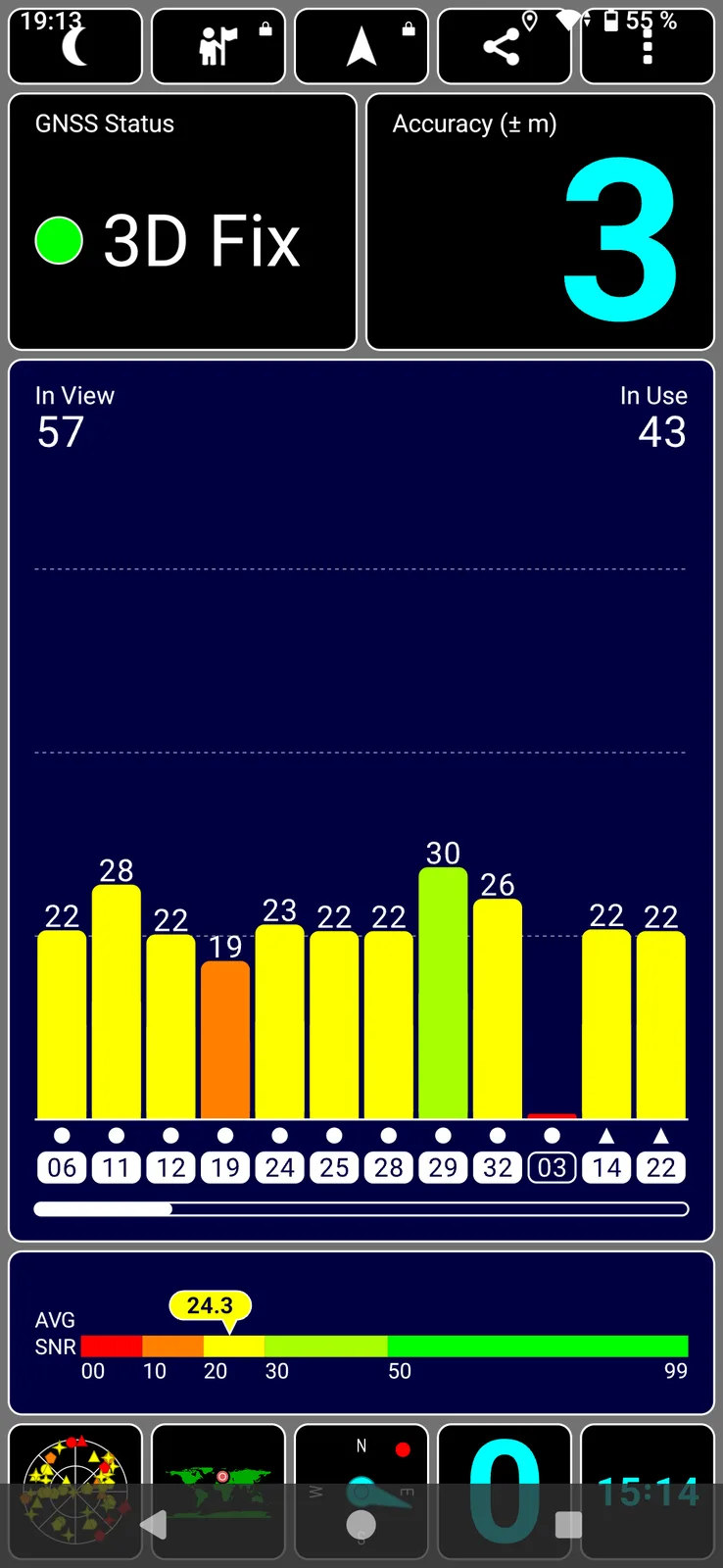
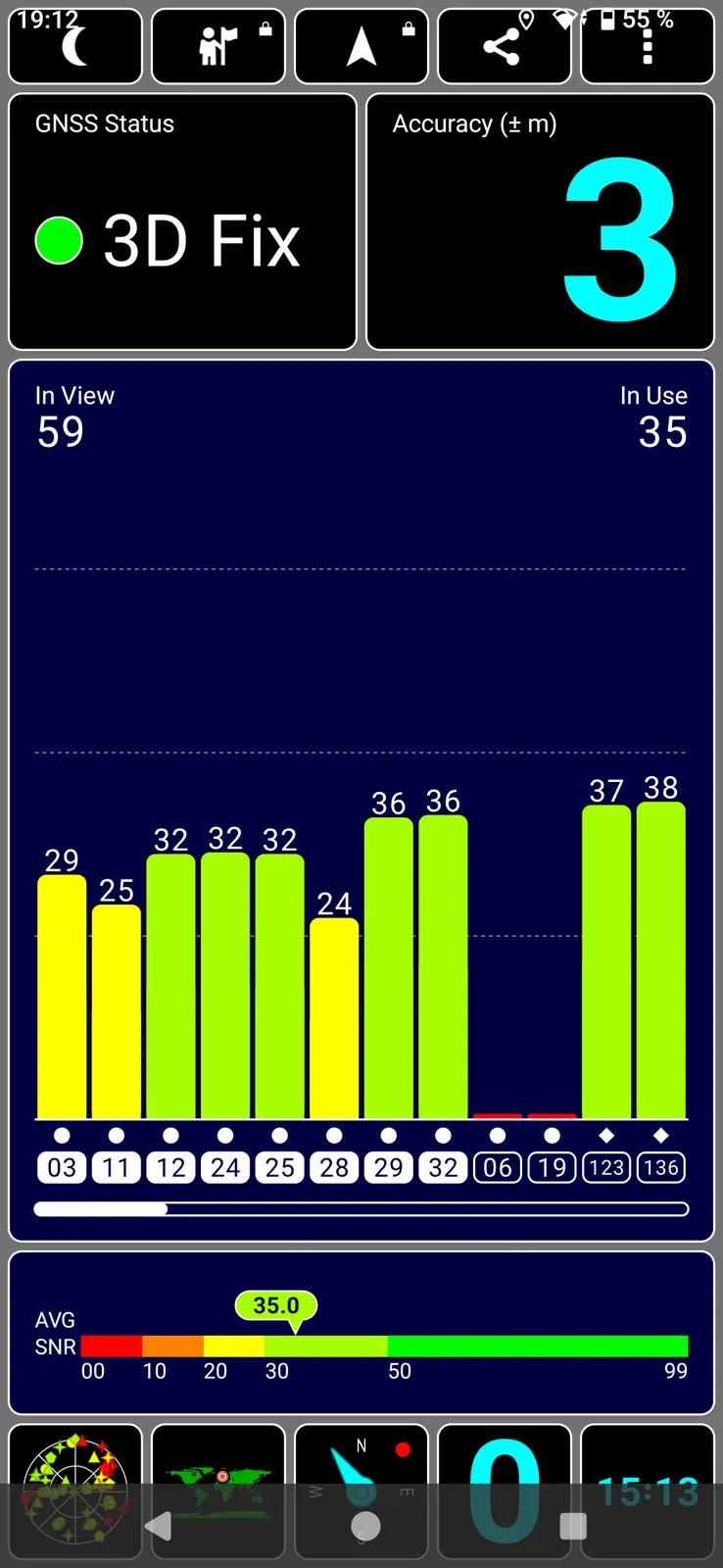
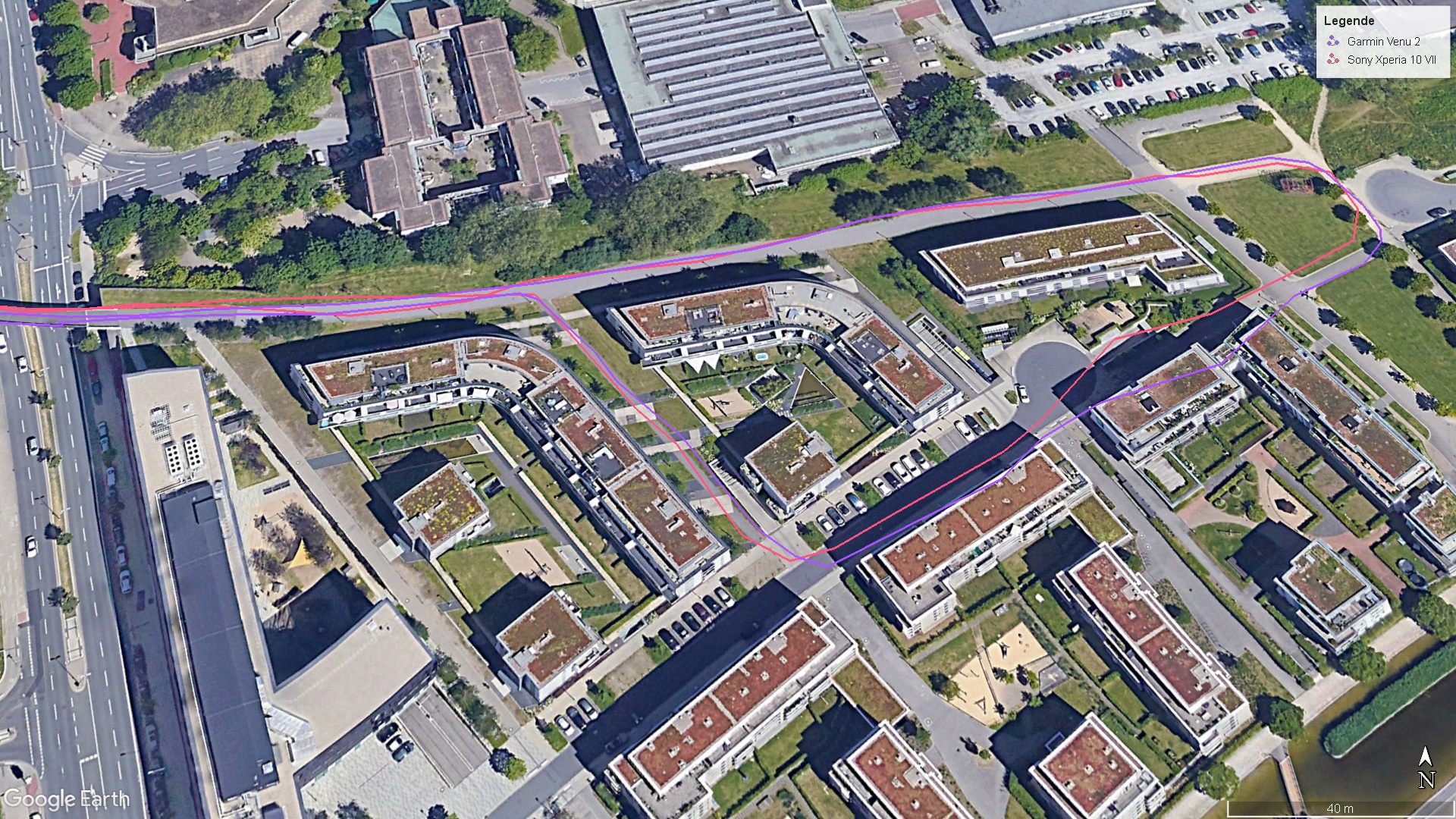
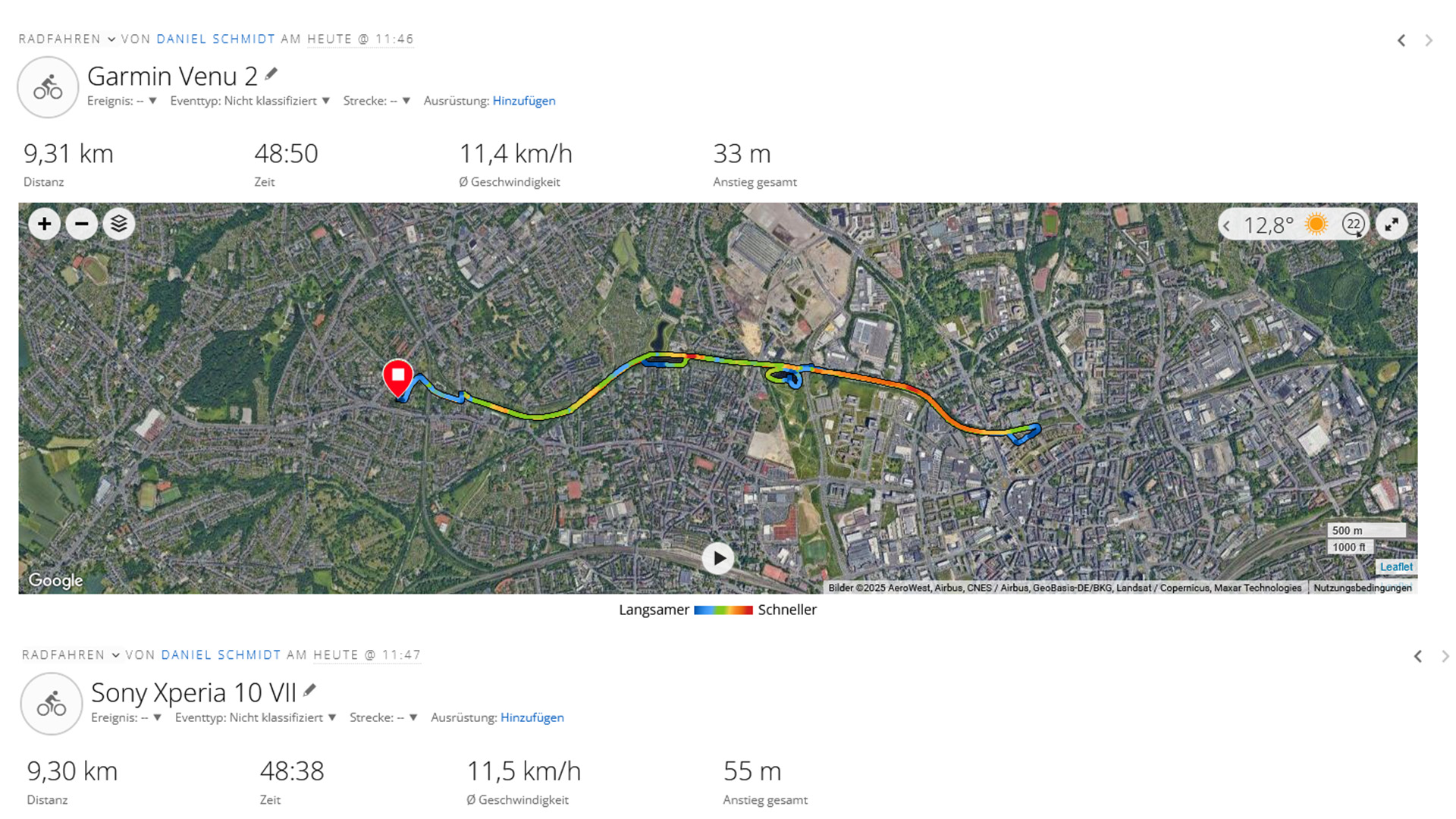
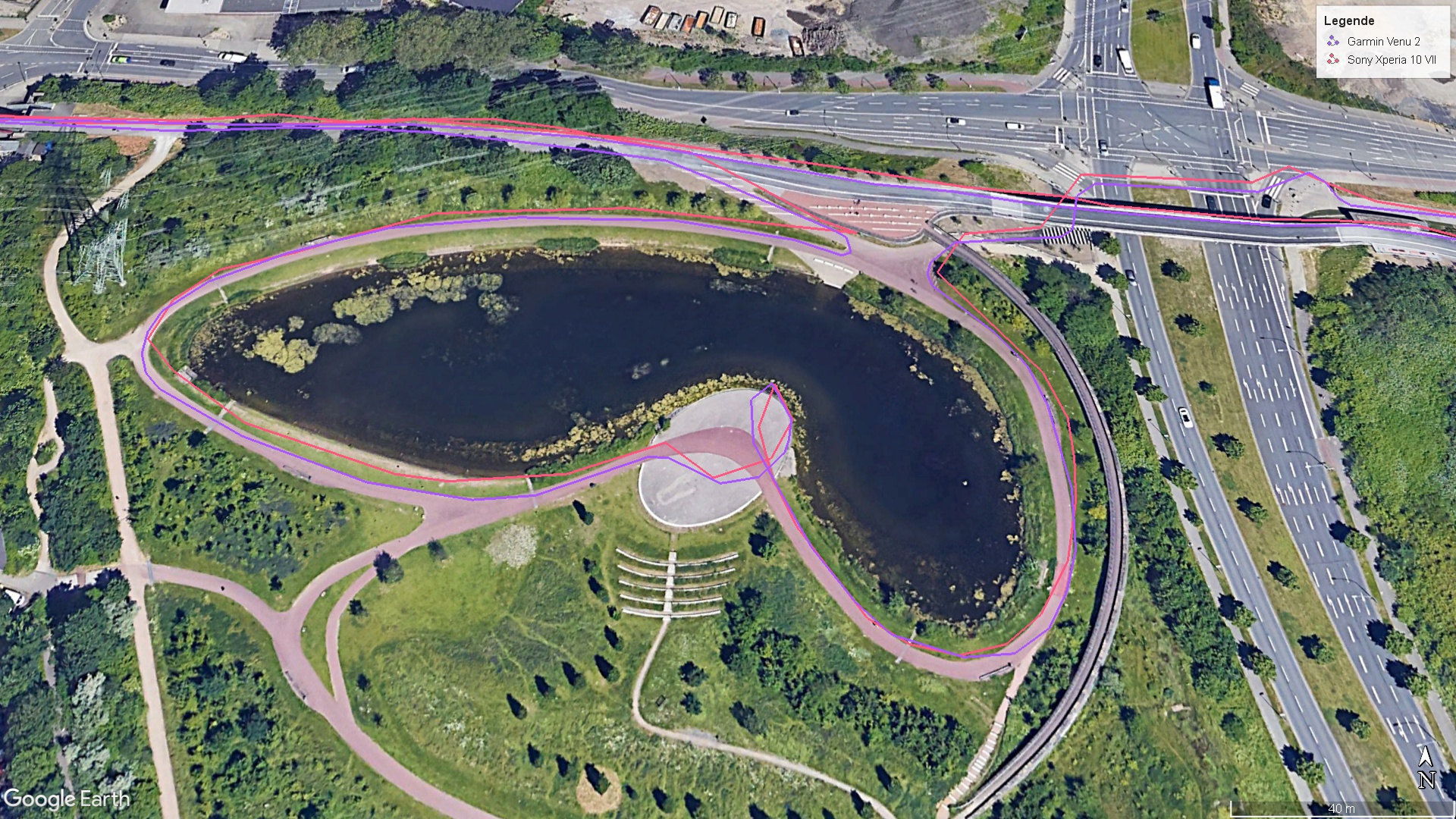
The Xperia 10 VII uses global satellite networks, sometimes in dual-band, to determine its position. We compared the positioning qualities to a Garmin Venu 2 during a bike ride. Minor inaccuracies can be seen along the route, although navigation tasks can be carried out without hesitation in everyday life.
Phone functions and voice quality - Affordable smartphone with dual SIM
The Sony phone supports dual SIMs, but only when a nanoSIM is paired with an eSIM. The voice quality is satisfactory. Voices are reproduced clearly and quiet ambient noise is effectively filtered out. VoLTE and VoNR are on board, and Wi-Fi calls are possible.
Camera - Sony relies on hybrid OIS/EIS stabilization

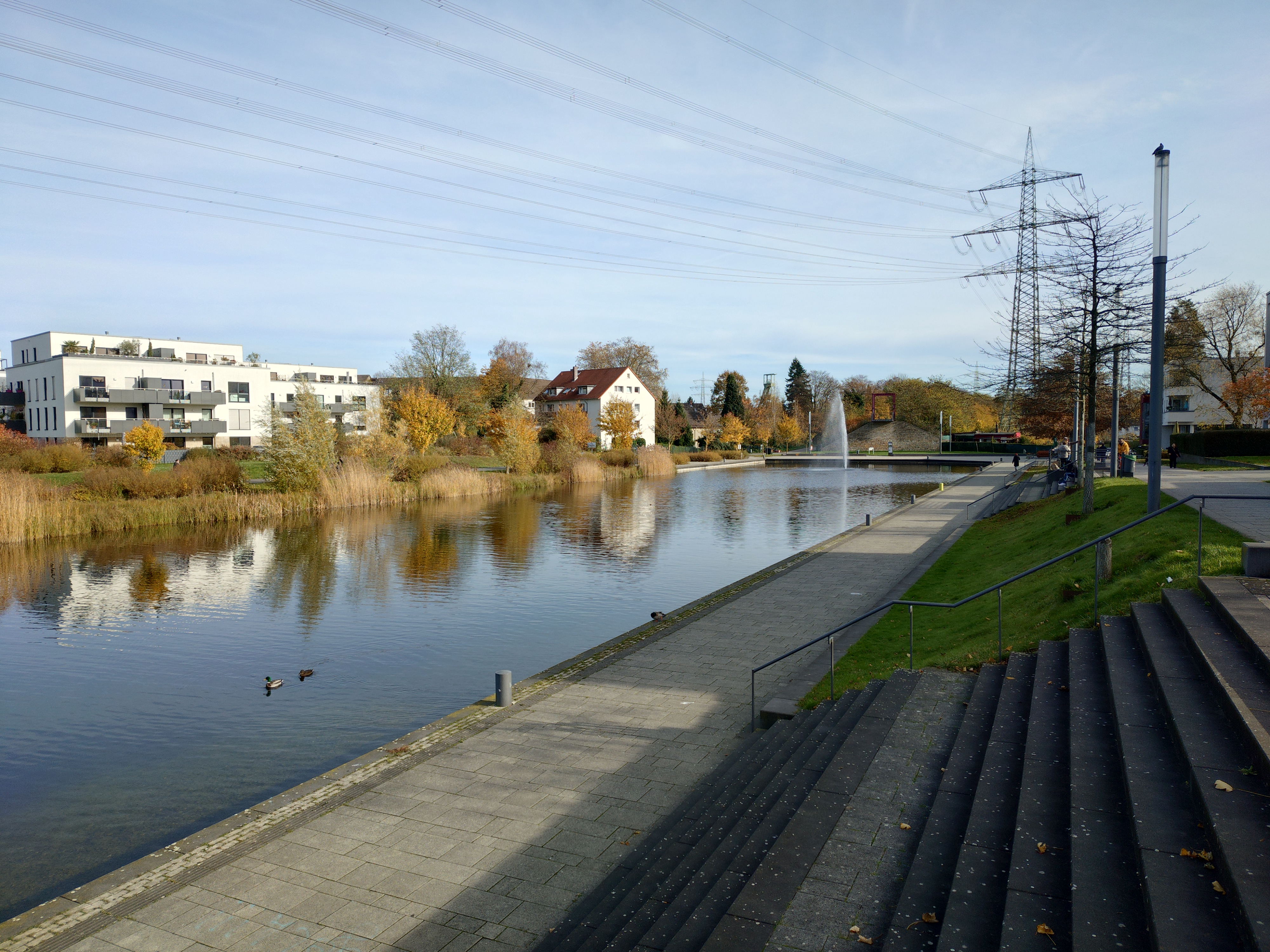
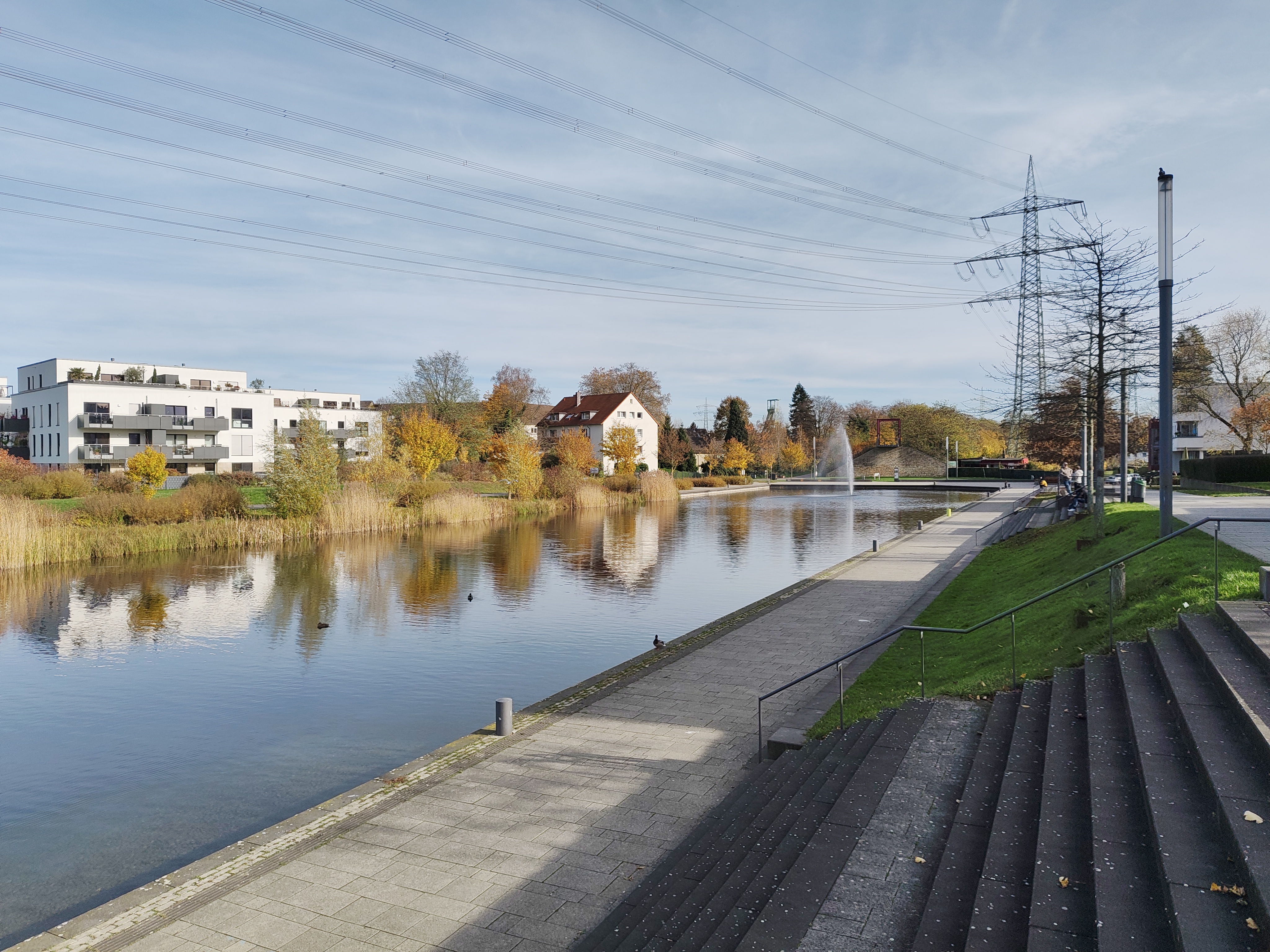
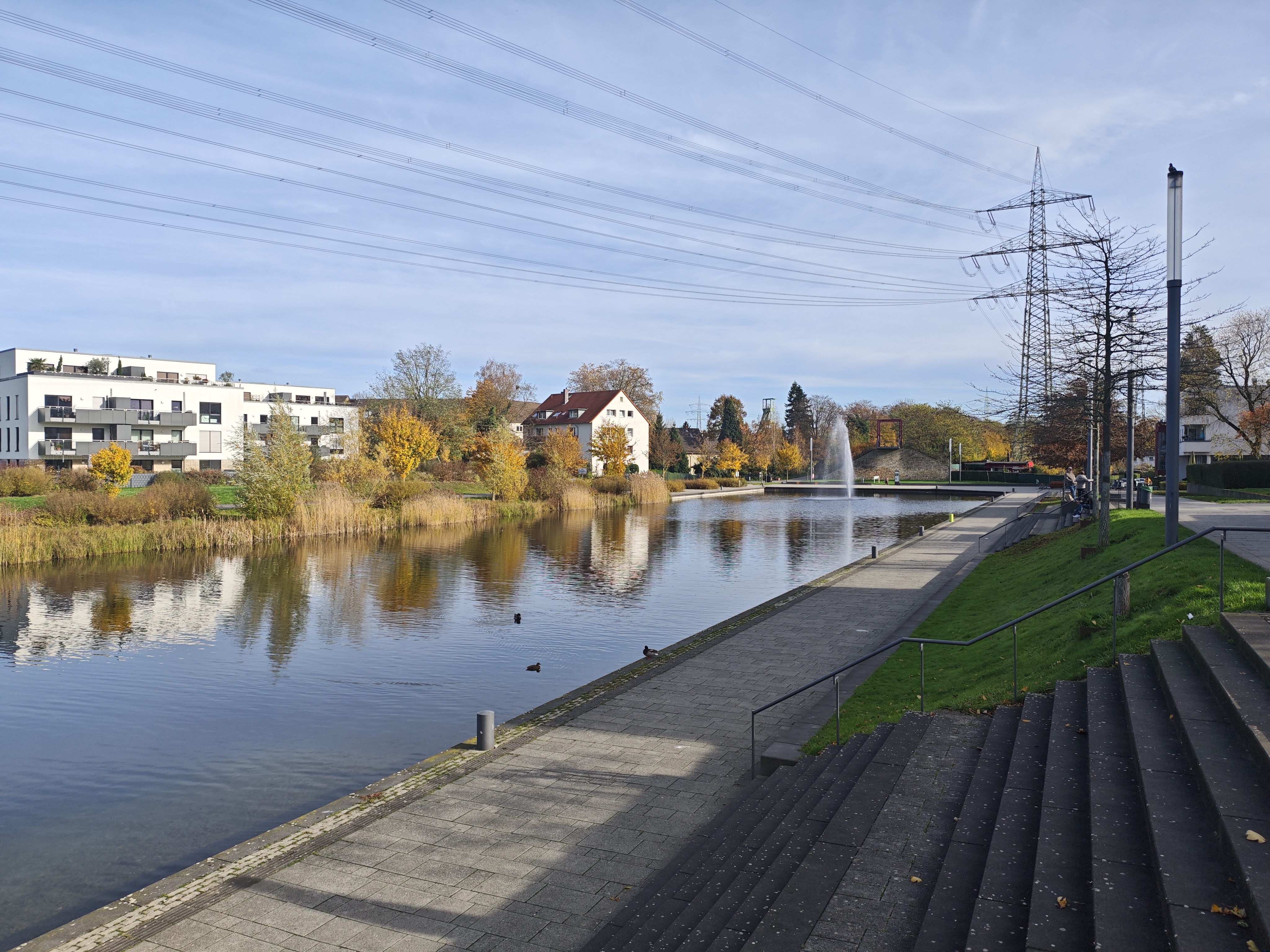
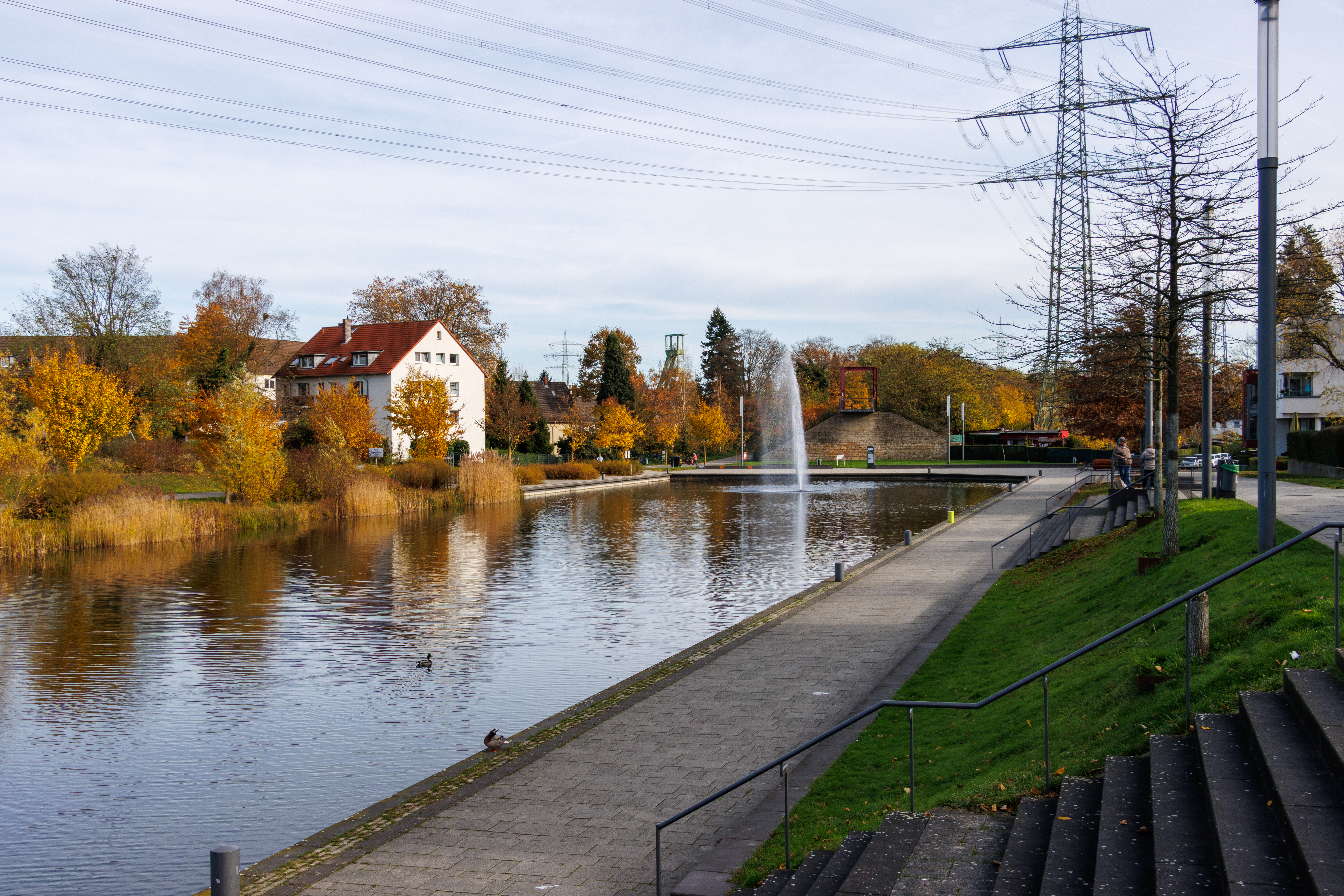
The small 1/2 inch sensor of the predecessor is replaced in the Xperia 10 VII by a significantly larger 50 MP Exmor RS sensor (1/1.56 inch). Thanks to the crop zoom, a lossless 2x magnification is possible, but the Sony mid-range phone does not offer a telephoto lens, which means that 6x is already the limit, and the photo quality is very poor.
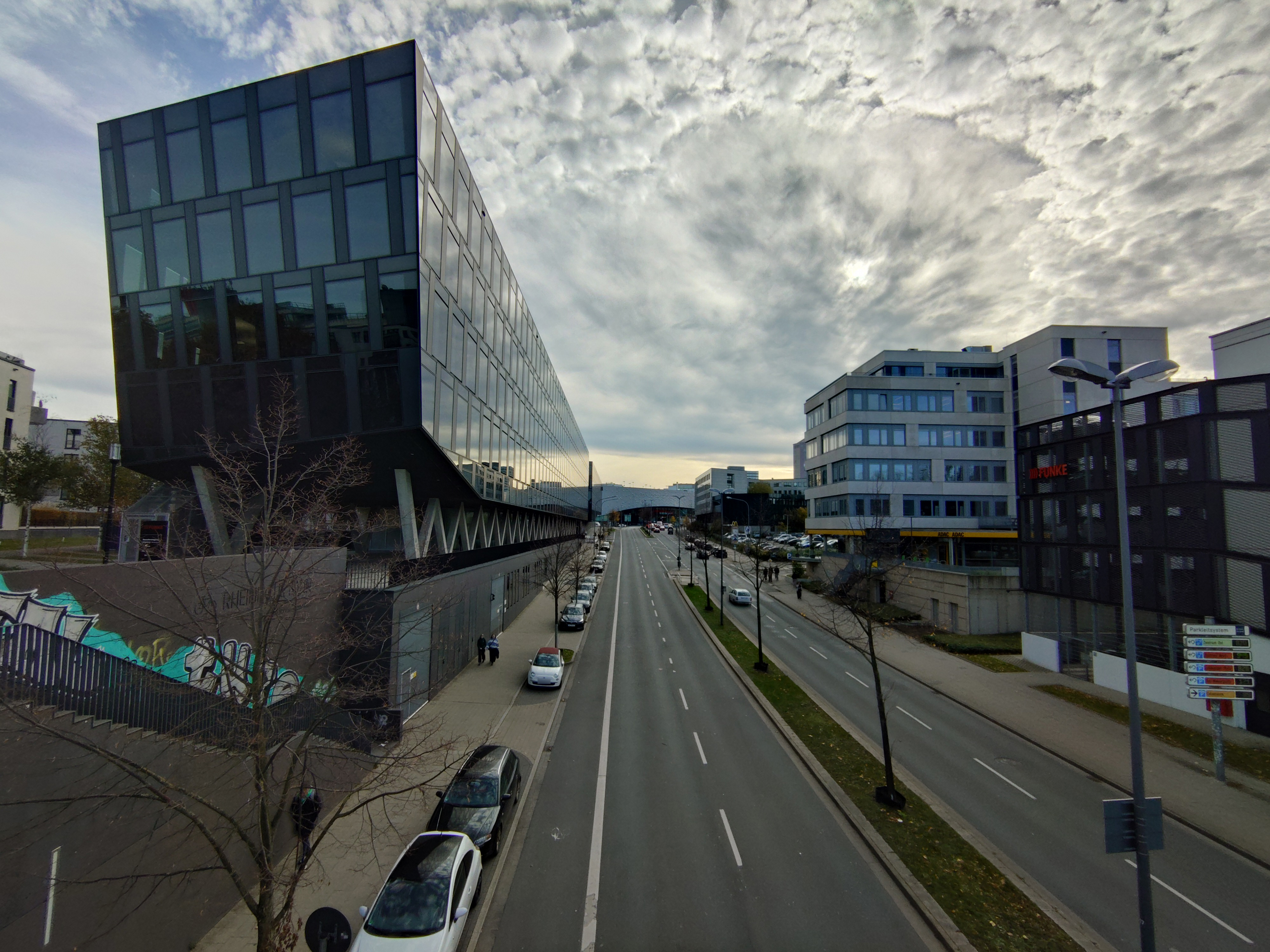
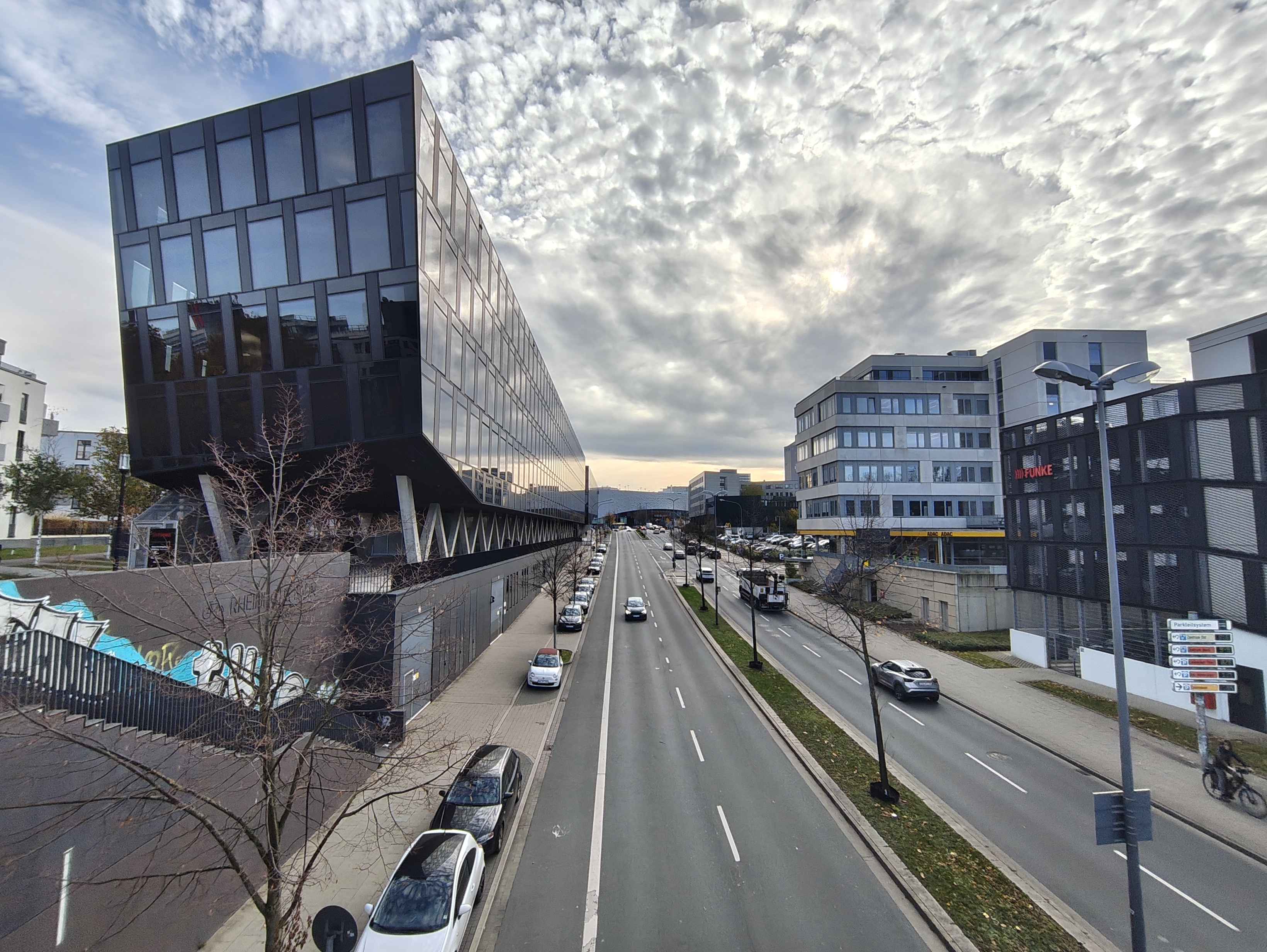
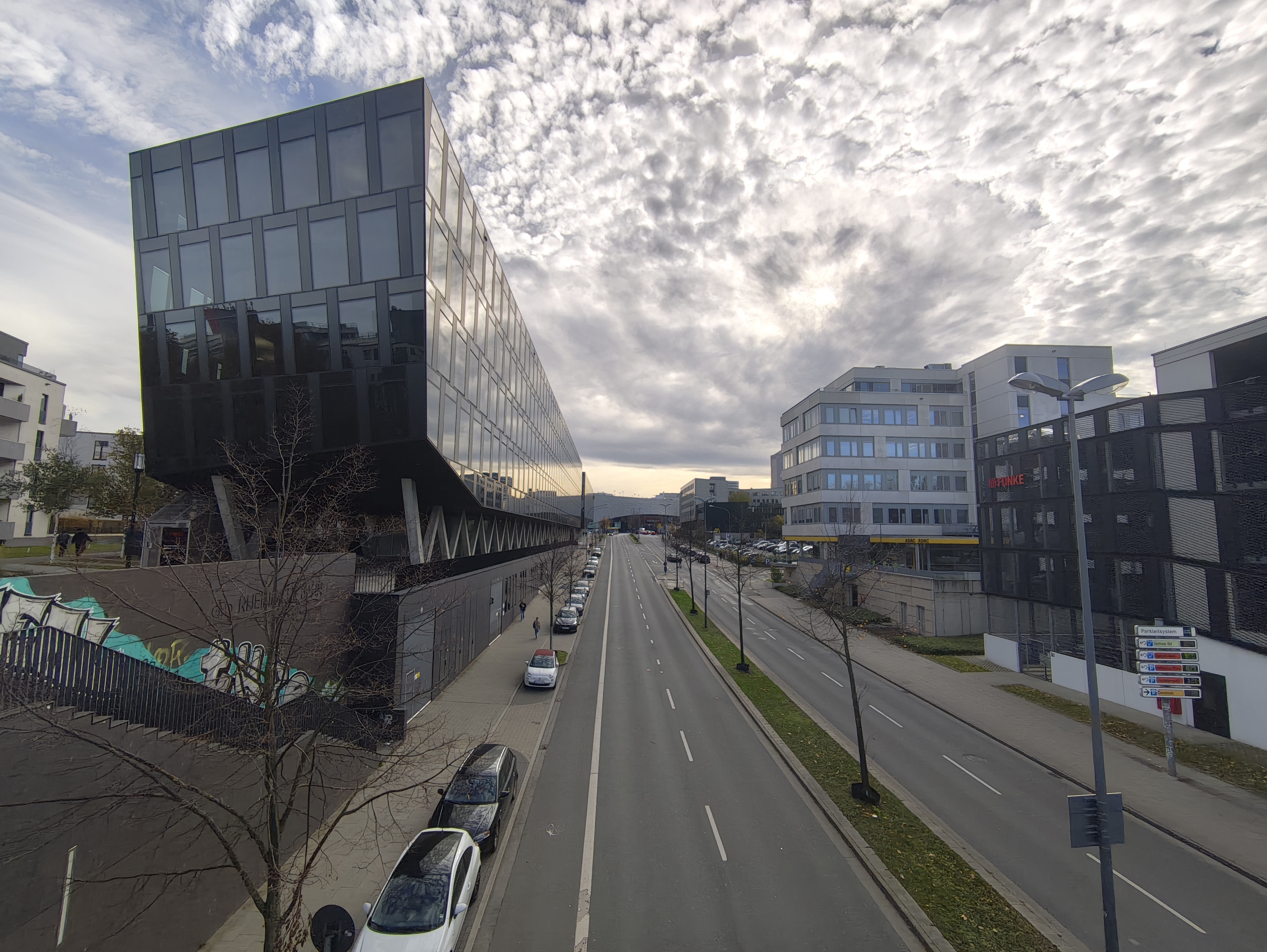
Otherwise, the main camera delivers good results for the mid-range, although the image sharpness and dynamic range still show room for improvement. In low light, however, the larger sensor has a positive effect. The new dedicated camera button should also please photo fans.
The ultra-wide-angle lens has also been updated and now has a resolution of 13 MPix, with photos being taken at 12 MP. As with the main camera, the 16 mm lens is weaker in terms of dynamic range and sharpness.
The Xperia 10 VII uses hybrid OIS/EIS stabilization for videos, but only supports a 4K30 option at best.
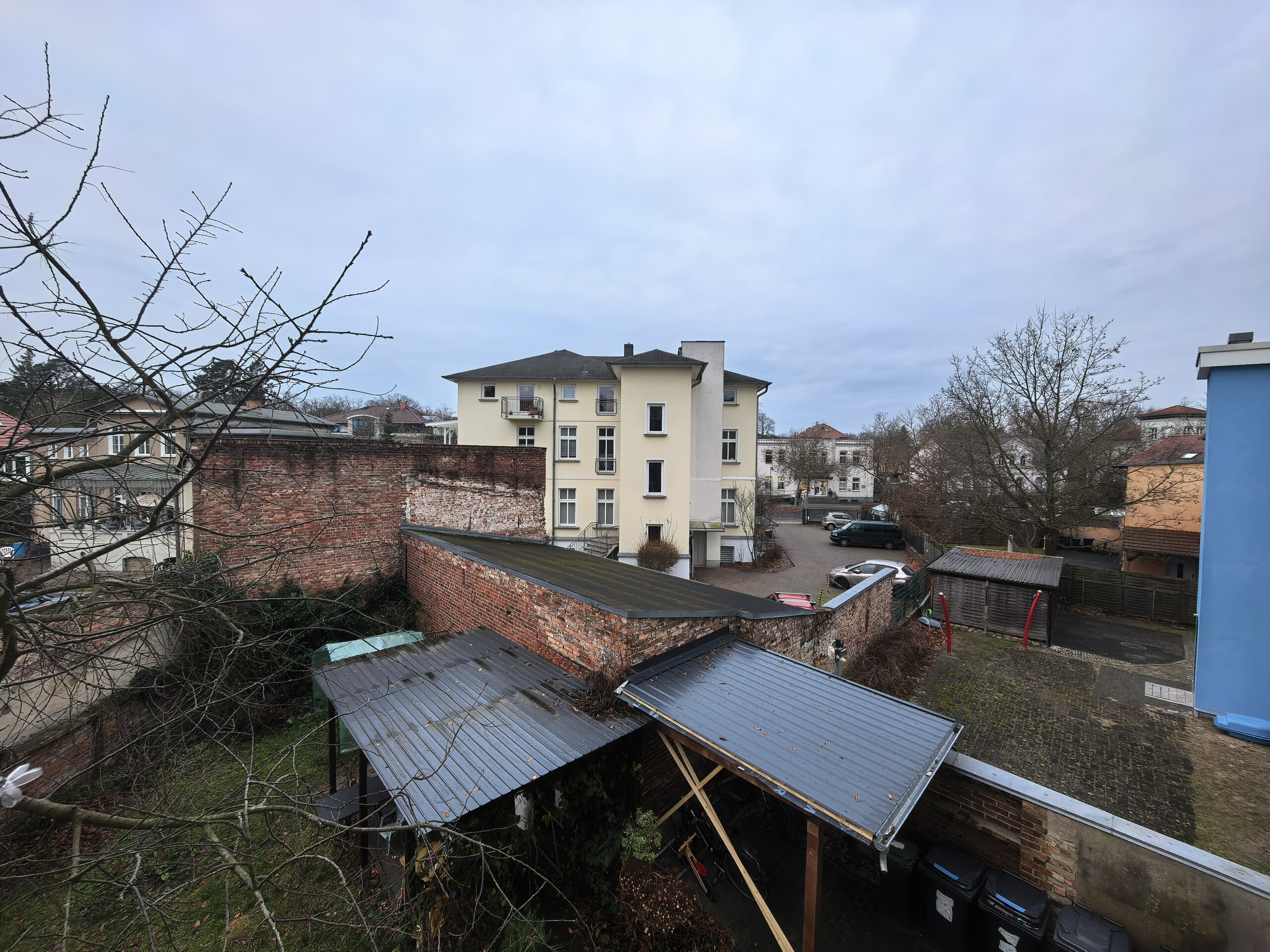
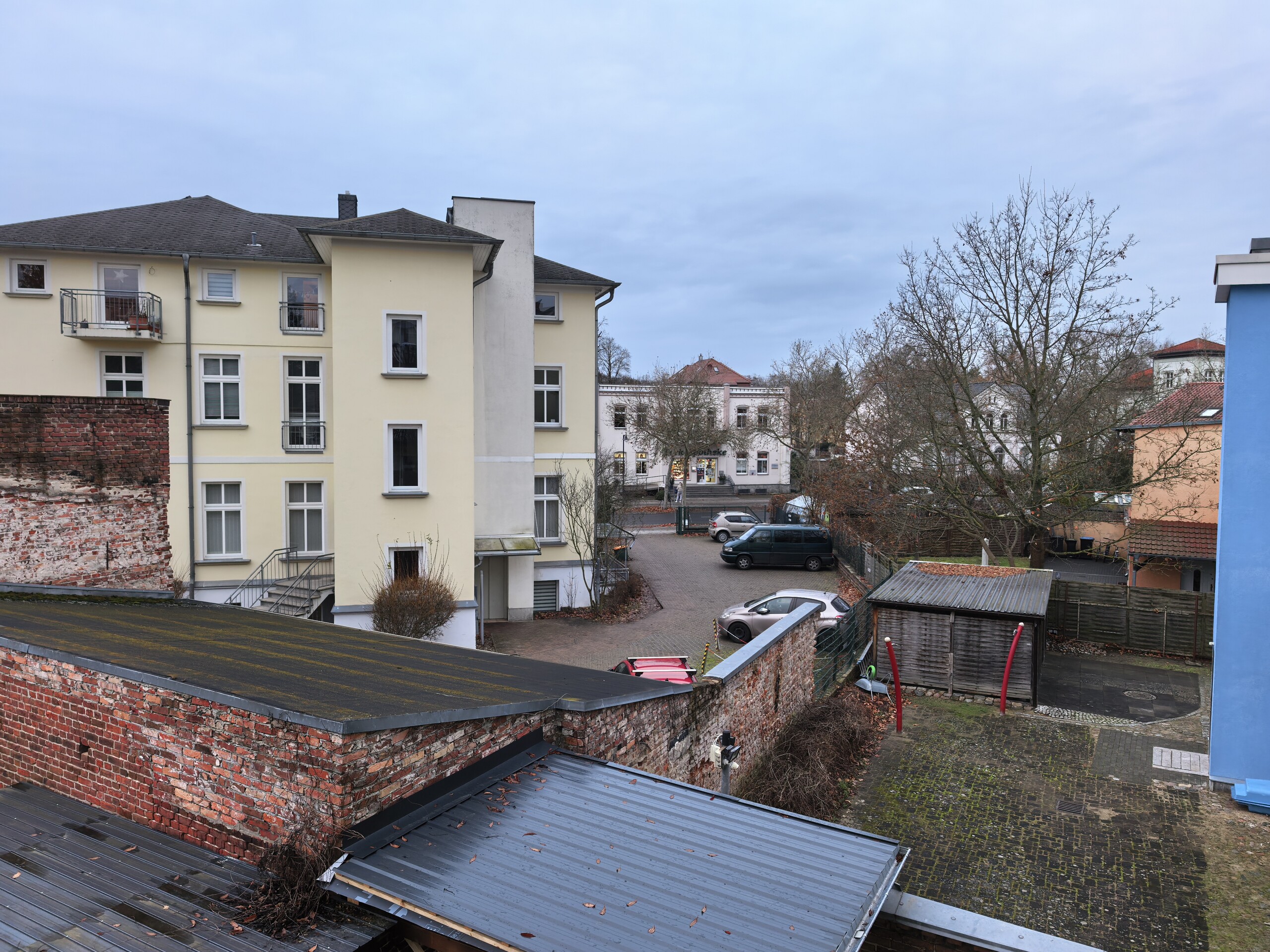
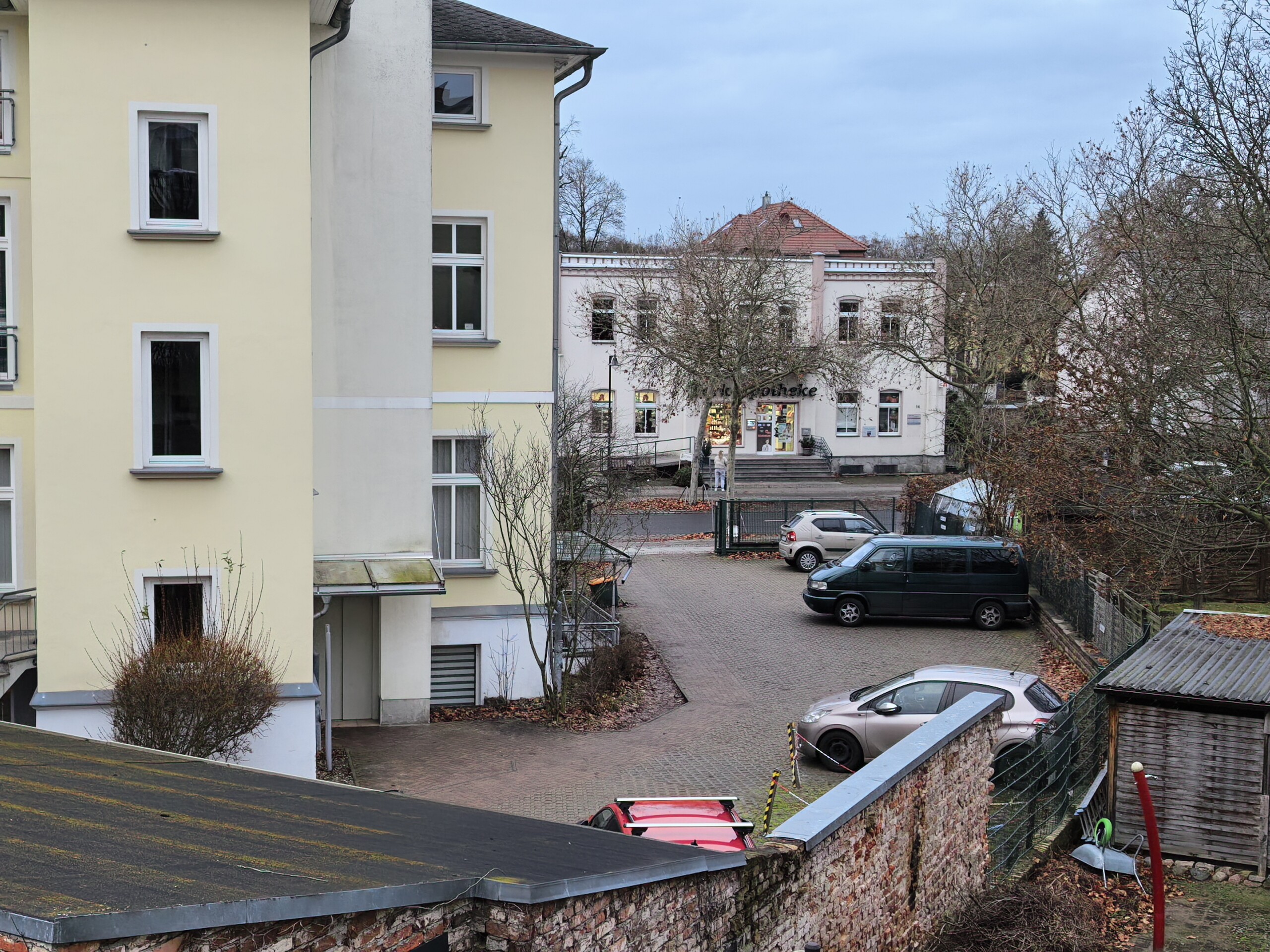
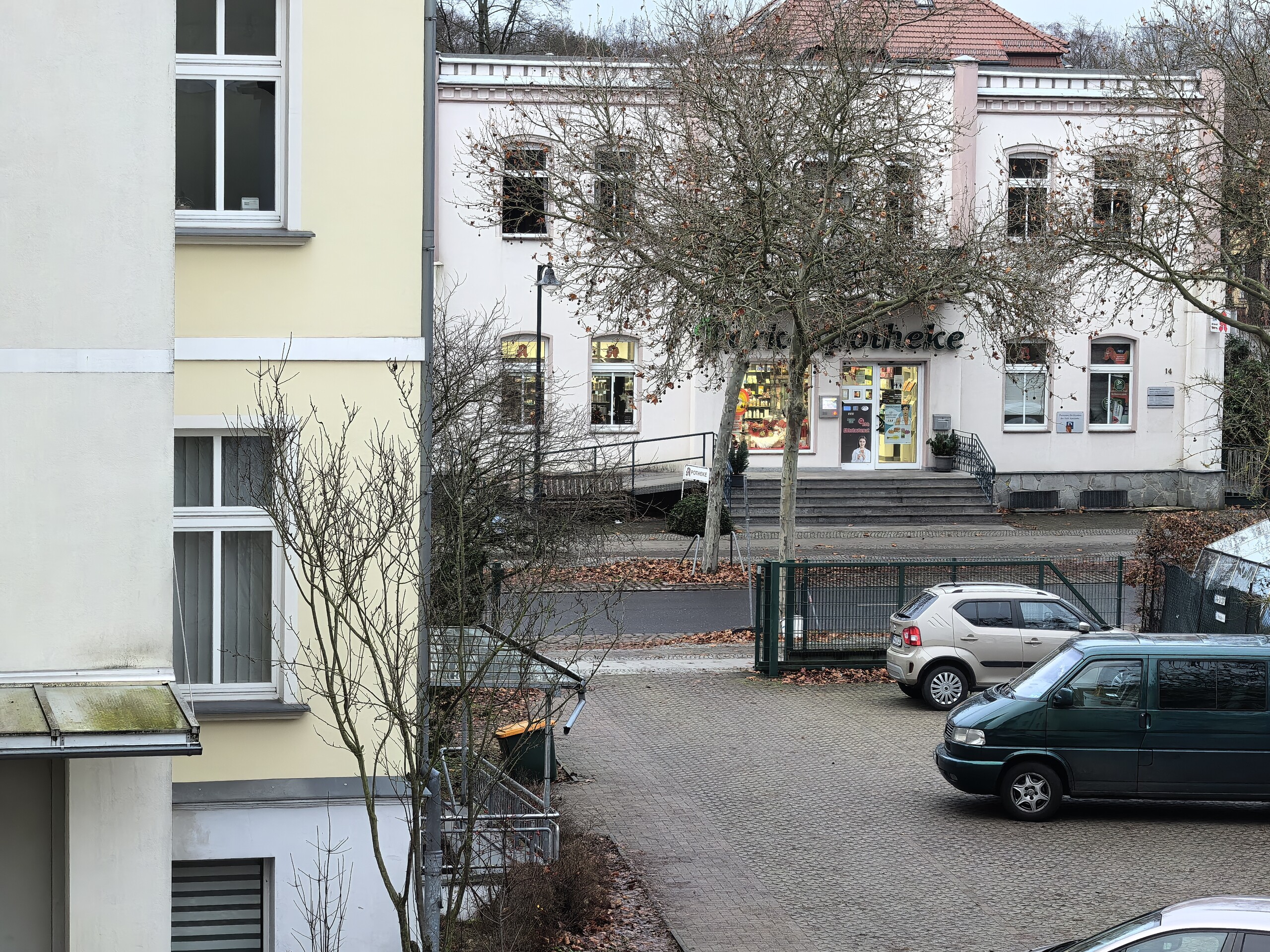

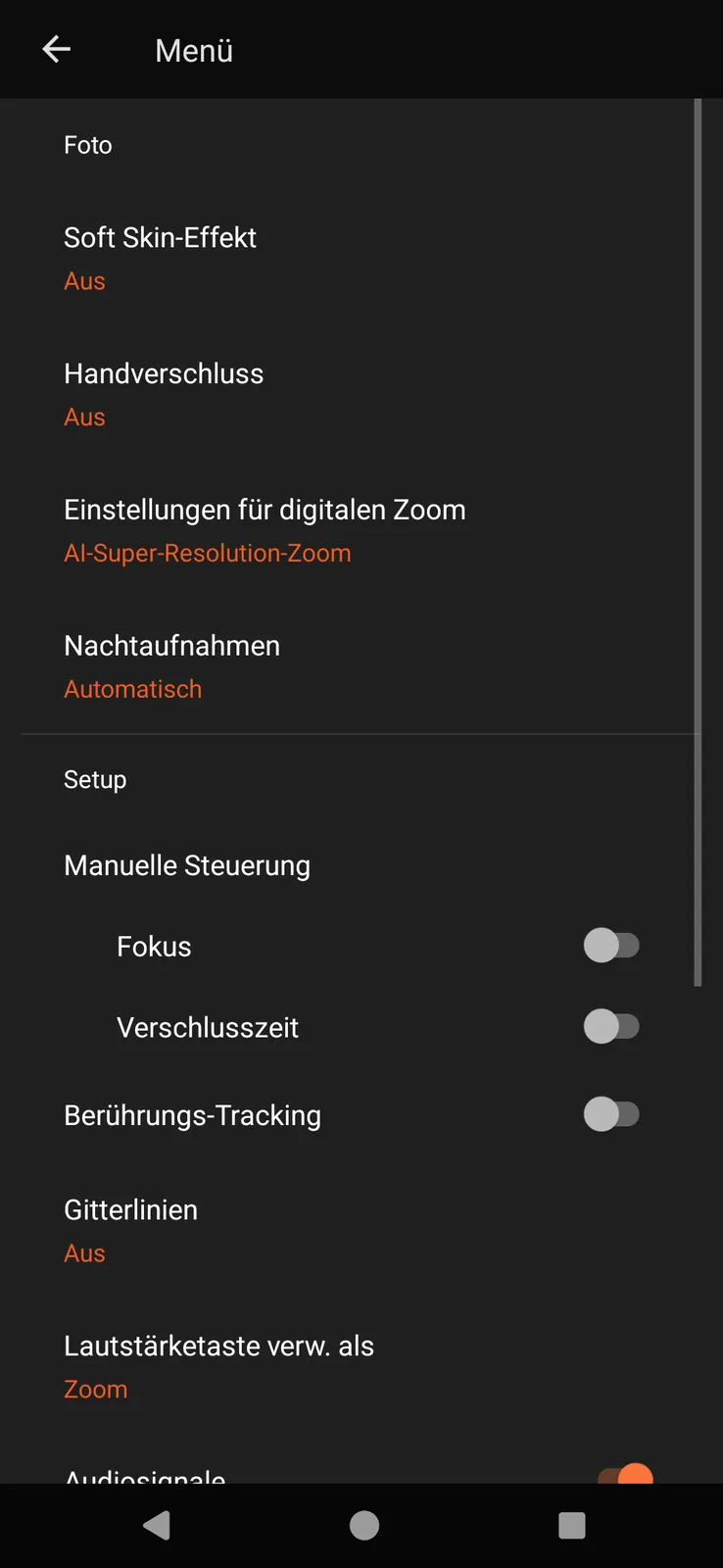
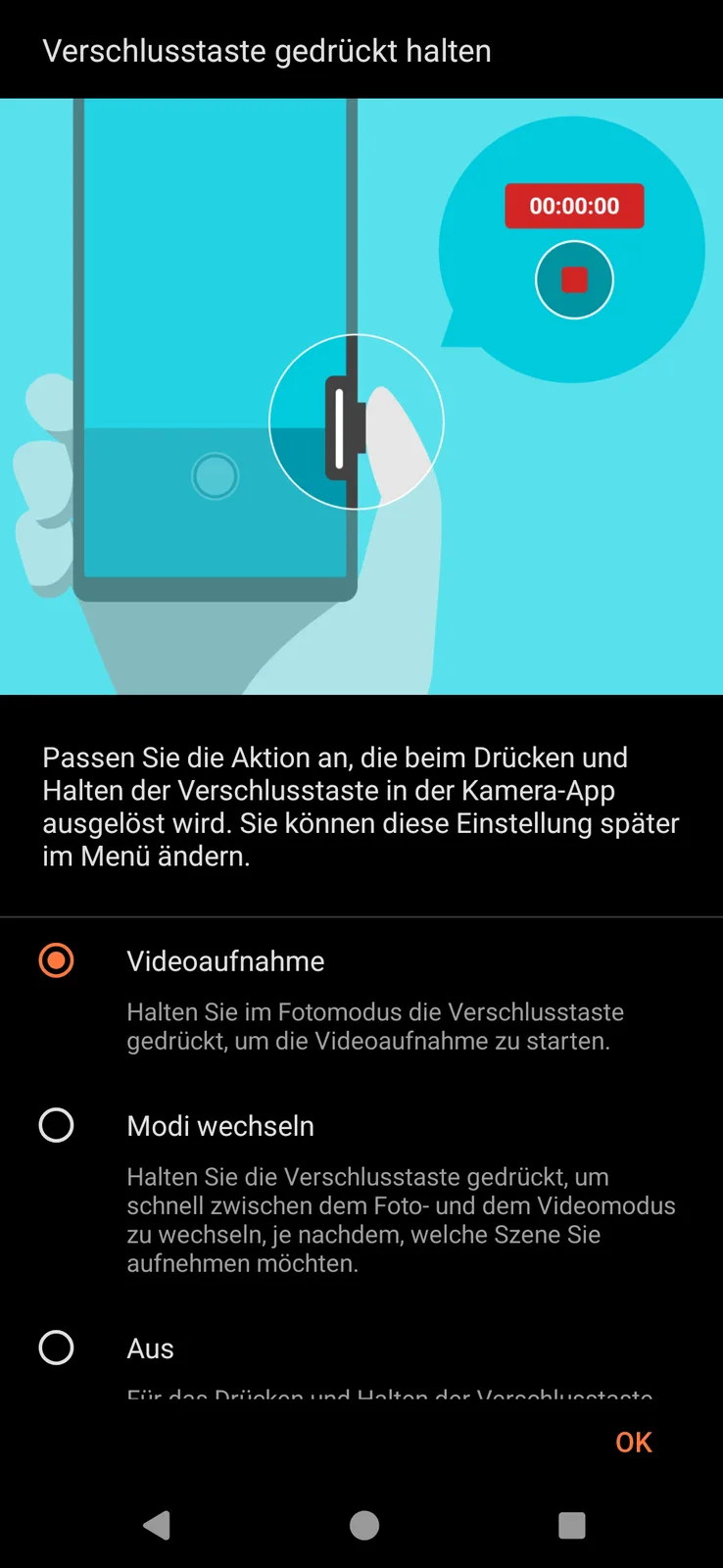
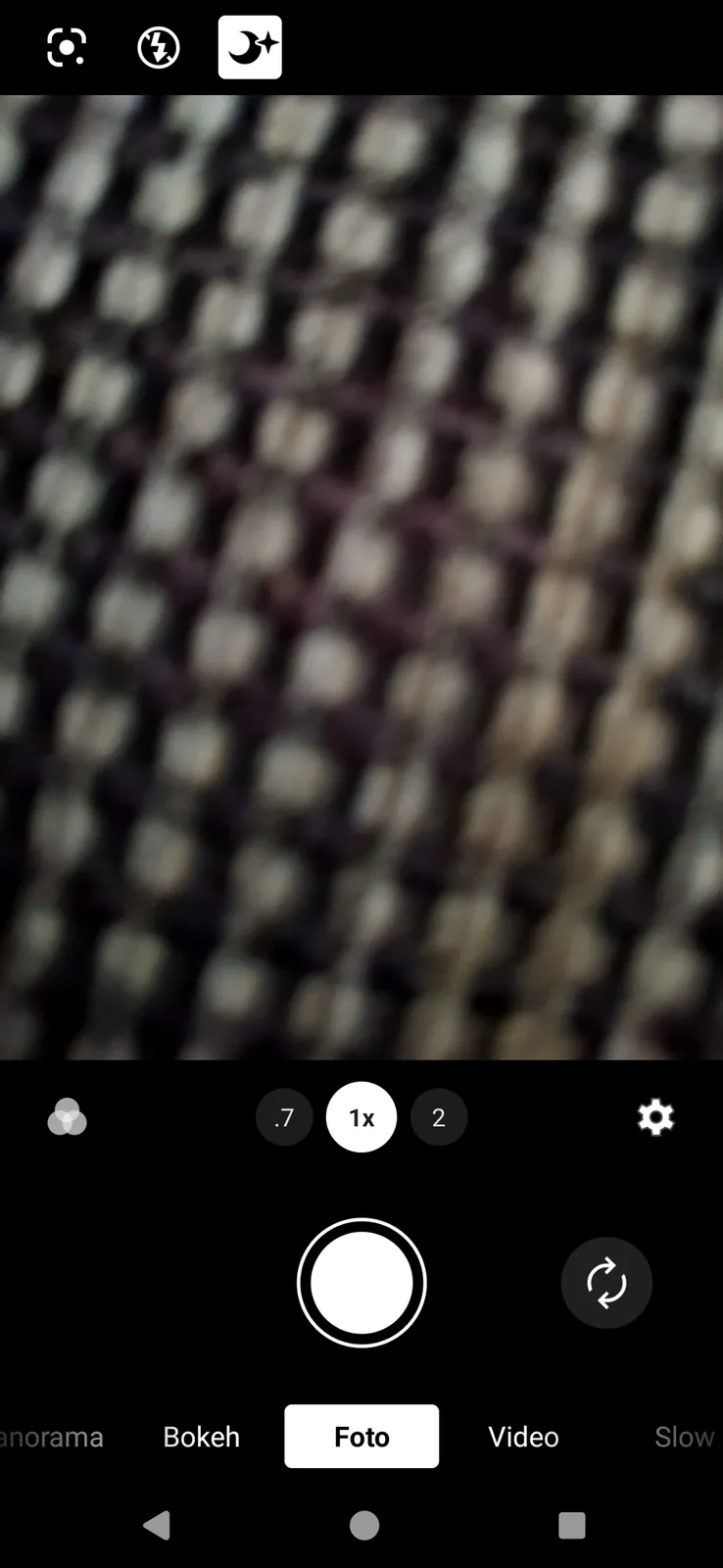
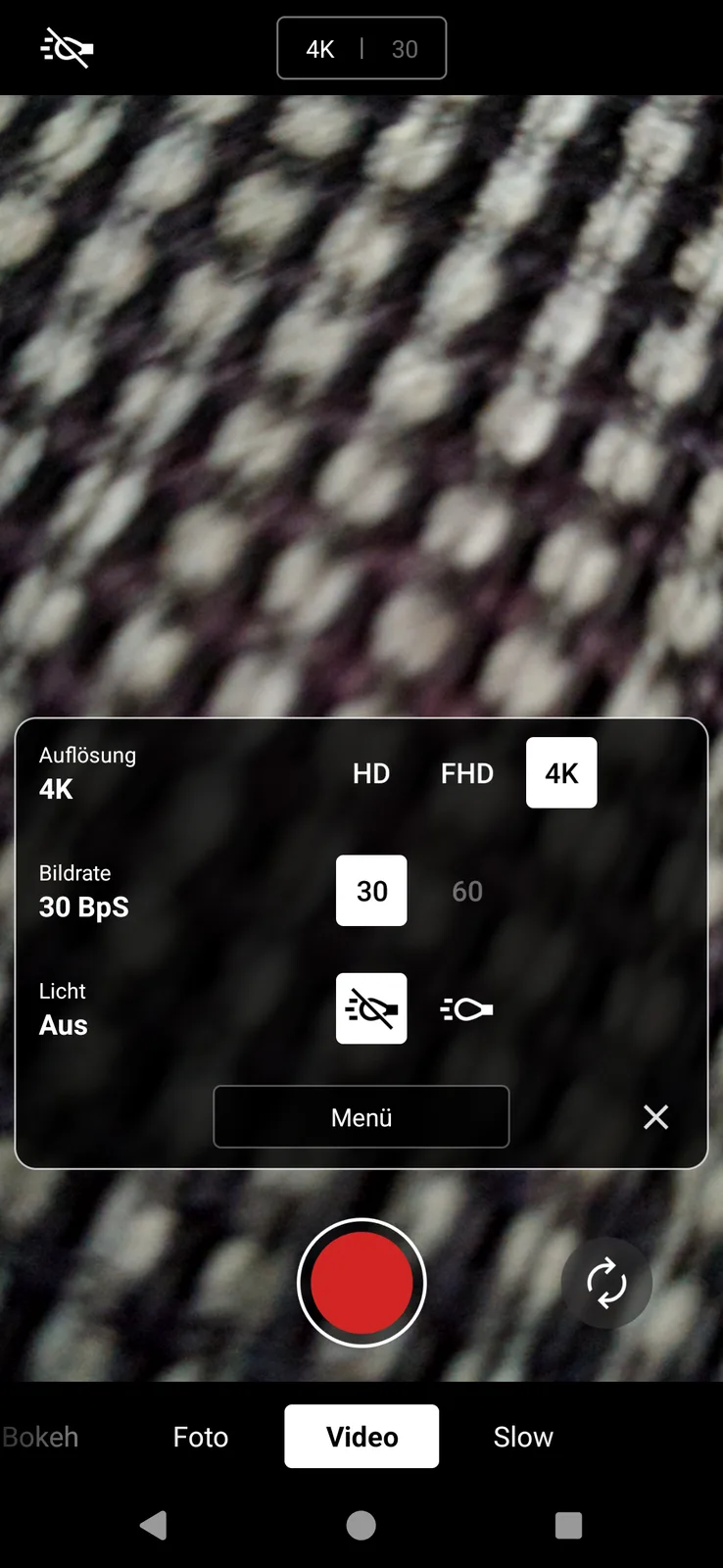
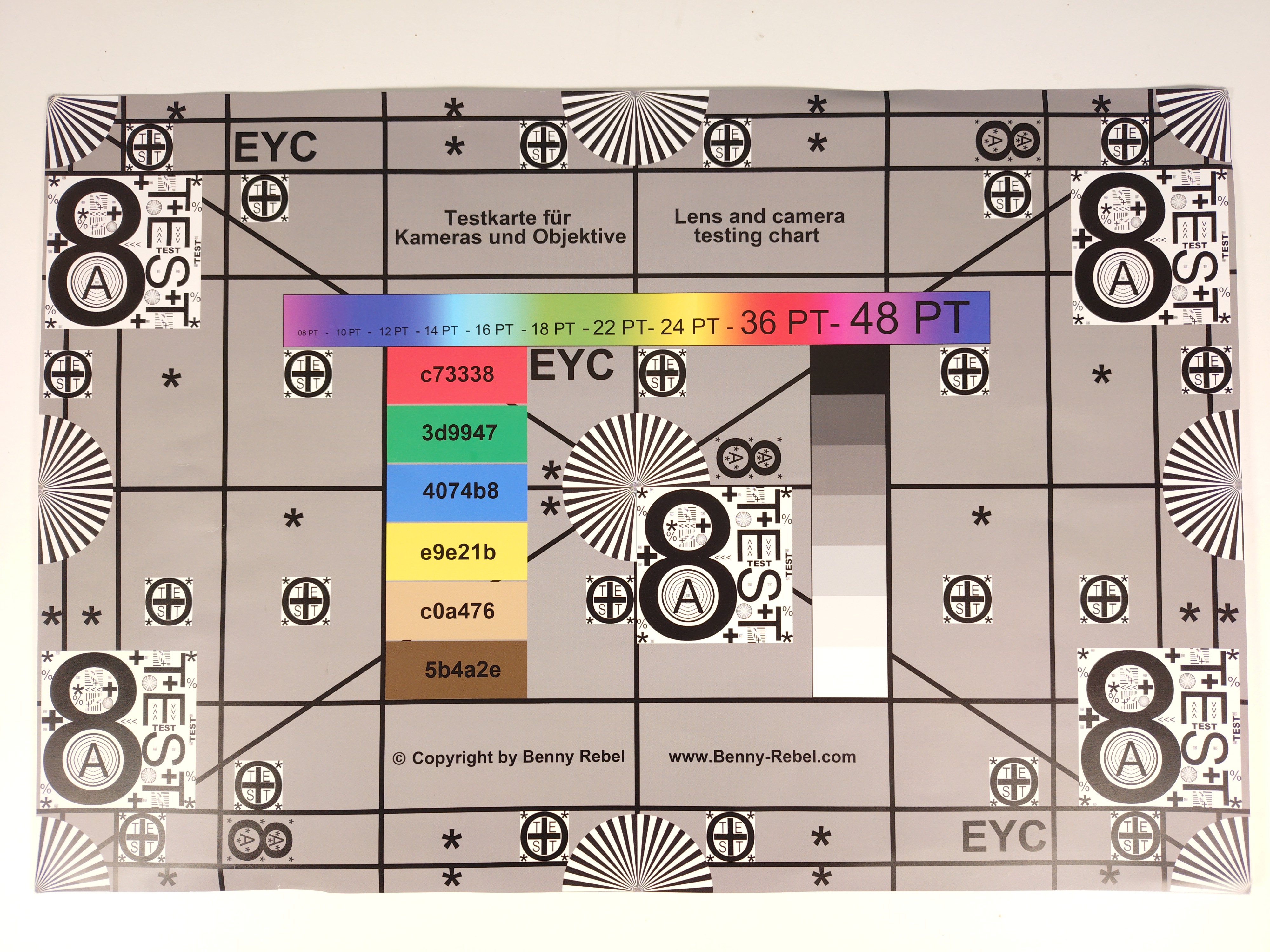
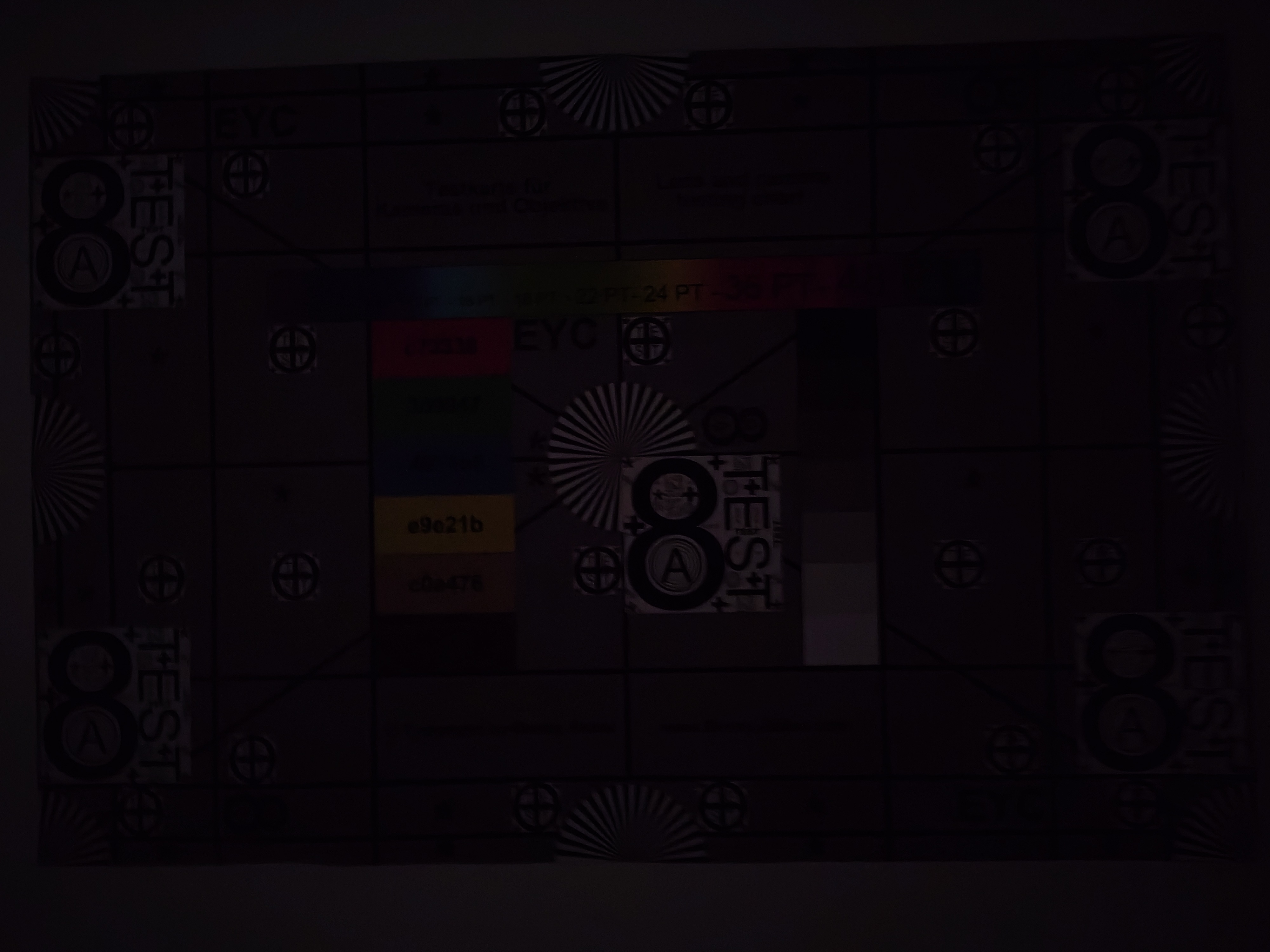
Image comparison
Choose a scene and navigate within the first image. One click changes the position on touchscreens. One click on the zoomed-in image opens the original in a new window. The first image shows the scaled photograph of the test device.
Main cameraMain cameraLow LightUltra wide-angleZoom 5x

















Accessories and warranty - Xperia phone comes without power adapter
The scope of delivery of the Xperia 10 VII is very straightforward. Only a USB cable is included. A quick charger or protective cover are not included. A screen protector is also not included ex-works.
Sony grants a 24-month Warranty on its smartphones in Europe.
Input devices and operation - Inexpensive smartphone with fingerprint sensor
The touchscreen with a 120 Hz sampling rate responds without any delays. Animations and scrolling through the menus are mostly smooth thanks to the 120 Hz panel, although jerks do creep in from time to time. Vibrations are also unconvincing and very spongy with the built-in ERM motor.
Biometric security is ensured by a face unlock function via the front camera using 2D technology or a fingerprint sensor in the on/off button. The sensor works reliably, but does not unlock the Xperia 10 VII particularly quickly.


Display - OLED screen comes in a new aspect ratio

The 6.1-inch OLED panel has a resolution of Full HD+ and thus 442 ppi. The Xperia 10 VII is not super bright in our measurement, but 1,073 cd/m² in the realistic APL18 test is not really bad either. We also achieve a similar brightness in HDR videos (1,074 cd/m²).
Sony uses PWM modulation to control the luminance. We measured a frequency of 480 Hz with the Rigol software. No information on DC or PWM dimming is provided.
| |||||||||||||||||||||||||
Brightness Distribution: 97 %
Center on Battery: 820 cd/m²
Contrast: ∞:1 (Black: 0 cd/m²)
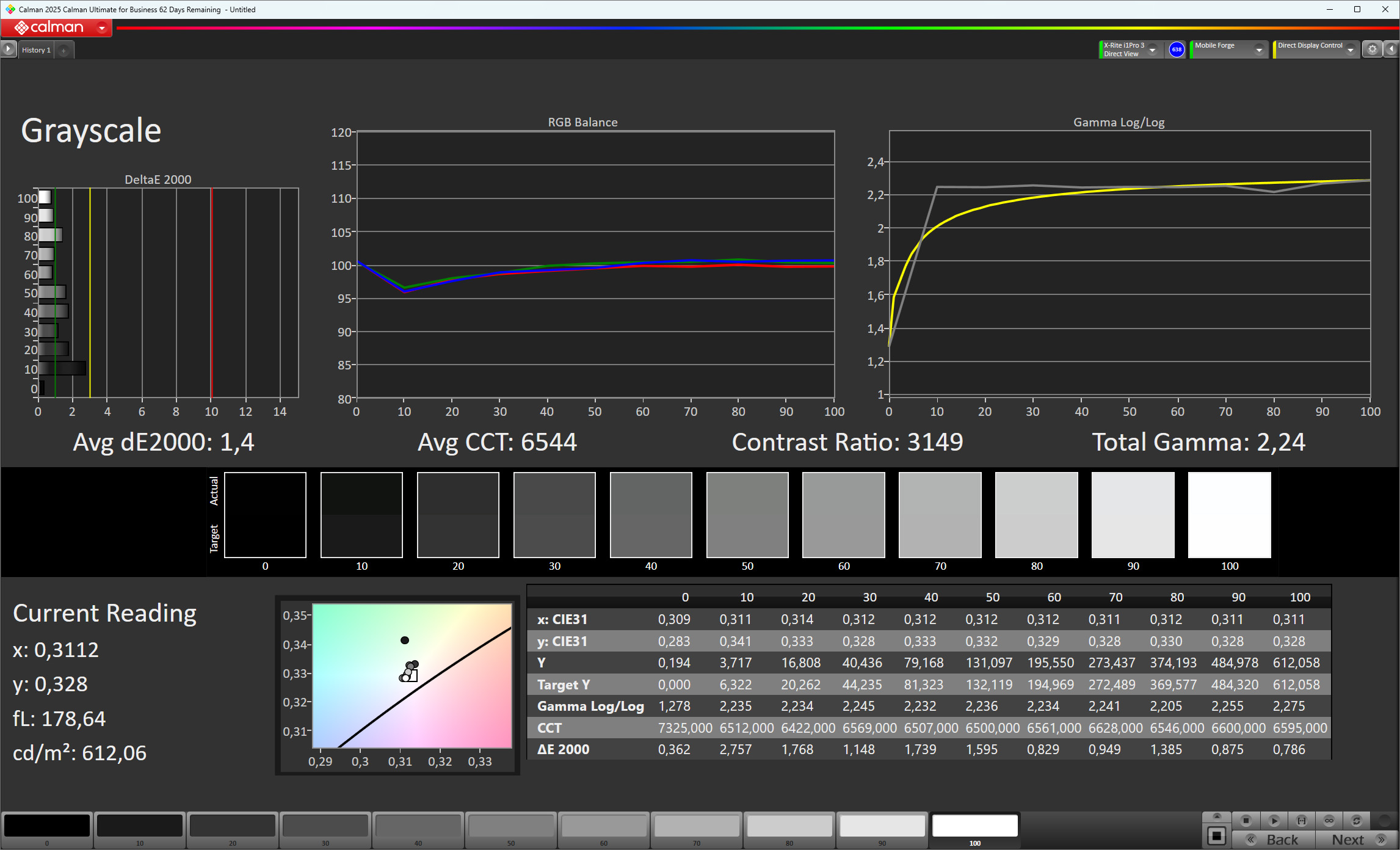
ΔE ColorChecker Calman: 1 | ∀{0.5-29.43 Ø4.7}
ΔE Greyscale Calman: 1.4 | ∀{0.09-98 Ø4.95}
96.9% sRGB (Calman 2D)
Gamma: 2.24
CCT: 6544 K
| Sony Xperia 10 VII OLED, 2340x1080, 6.1" | Xiaomi Poco F7 AMOLED, 2772x1280, 6.8" | OnePlus Nord CE 5 AMOLED, 2392x1080, 6.8" | Motorola Edge 60 Neo pOLED, 2670x1200, 6.4" | Sony Xperia 10 VI OLED, 2520x1080, 6.1" | |
|---|---|---|---|---|---|
| Screen | 12% | 1% | -12% | 6% | |
| Brightness middle (cd/m²) | 820 | 1616 97% | 1315 60% | 1132 38% | 1010 23% |
| Brightness (cd/m²) | 823 | 1637 99% | 1300 58% | 1114 35% | 1012 23% |
| Brightness Distribution (%) | 97 | 95 -2% | 97 0% | 98 1% | 97 0% |
| Black Level * (cd/m²) | |||||
| Colorchecker dE 2000 * | 1 | 1.1 -10% | 1.22 -22% | 1.55 -55% | 1 -0% |
| Colorchecker dE 2000 max. * | 1.8 | 2.8 -56% | 2.7 -50% | 3.28 -82% | 2.1 -17% |
| Greyscale dE 2000 * | 1.4 | 2.2 -57% | 2 -43% | 1.5 -7% | 1.3 7% |
| Gamma | 2.24 98% | 2.24 98% | 2.258 97% | 2.107 104% | 2.3 96% |
| CCT | 6544 99% | 6639 98% | 6503 100% | 6473 100% | 6539 99% |
* ... smaller is better
| Display / APL18 Peak Brightness | |
| Xiaomi Poco F7 | |
| Sony Xperia 10 VII | |
| Display / HDR Peak Brightness | |
| Xiaomi Poco F7 | |
| Sony Xperia 10 VII | |
Screen Flickering / PWM (Pulse-Width Modulation)
| Screen flickering / PWM detected | 480 Hz Amplitude: 15.04 % | 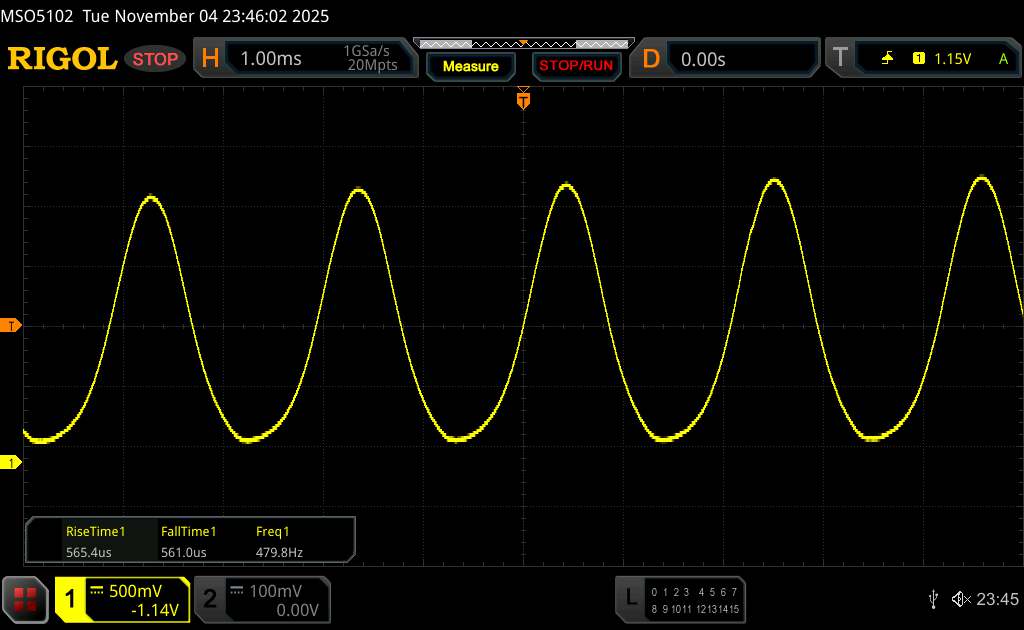 | |
The display backlight flickers at 480 Hz (worst case, e.g., utilizing PWM) . The frequency of 480 Hz is relatively high, so most users sensitive to PWM should not notice any flickering. However, there are reports that some users are still sensitive to PWM at 500 Hz and above, so be aware. In comparison: 52 % of all tested devices do not use PWM to dim the display. If PWM was detected, an average of 7656 (minimum: 5 - maximum: 343500) Hz was measured. | |||
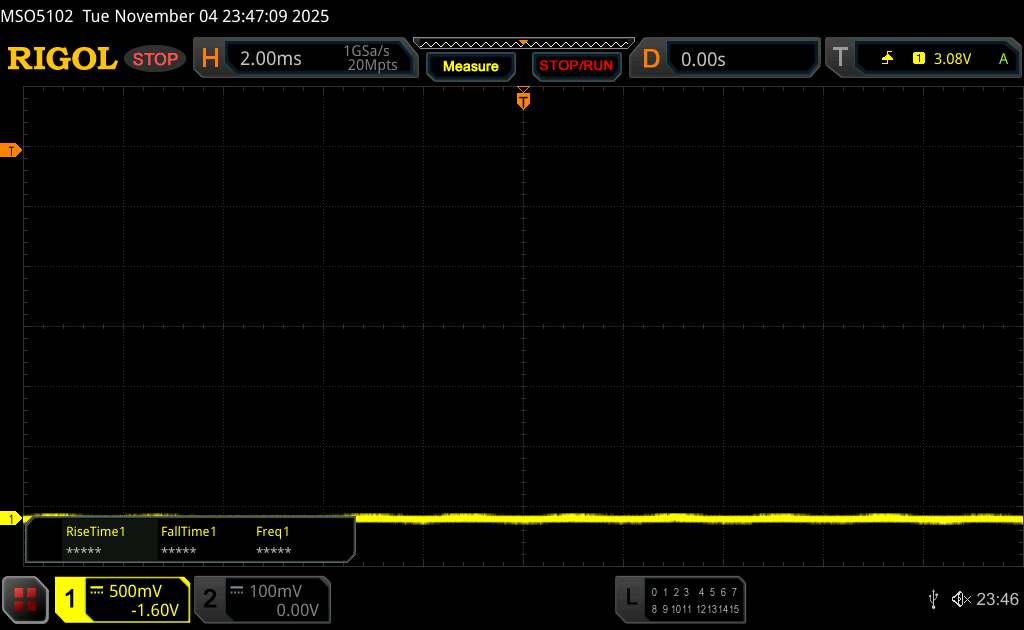
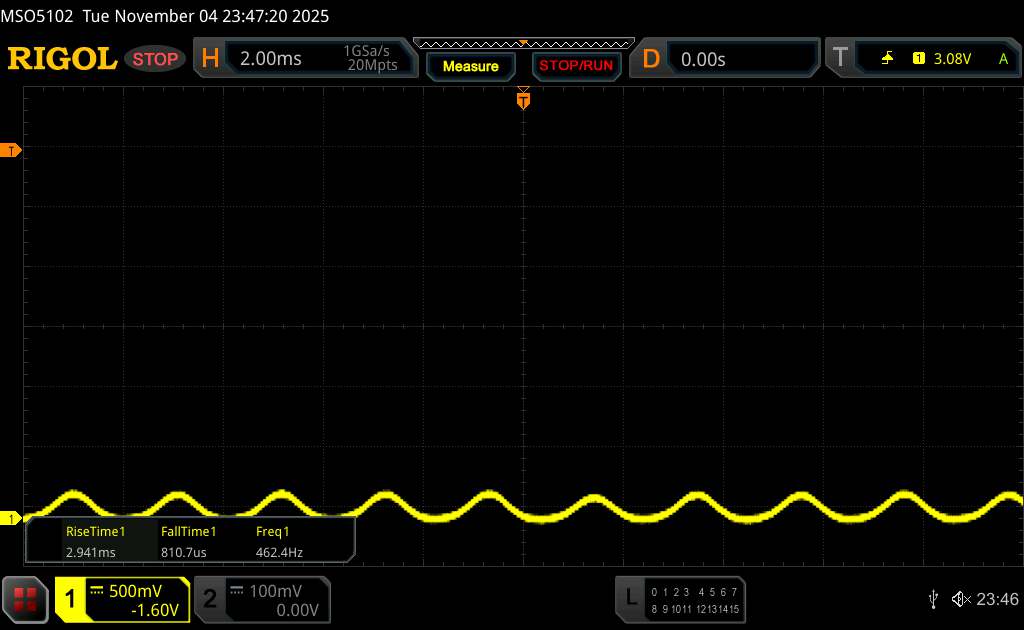
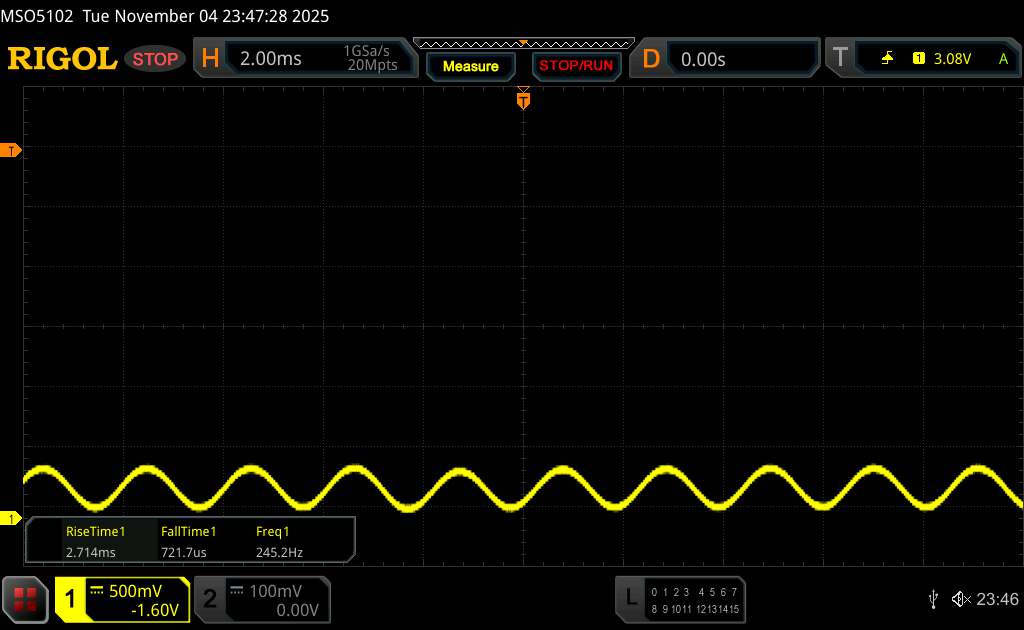
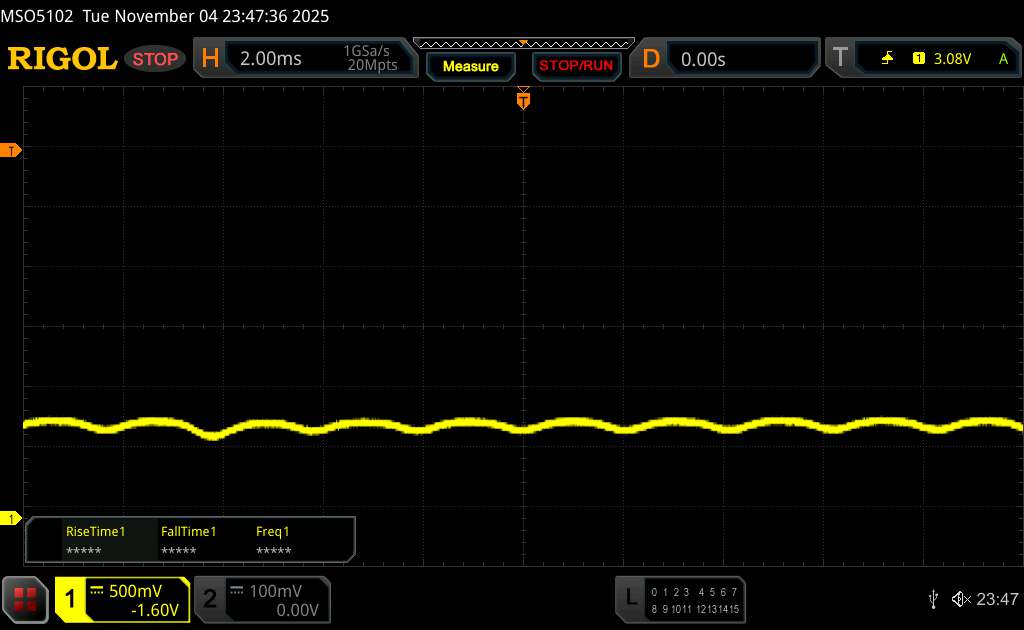
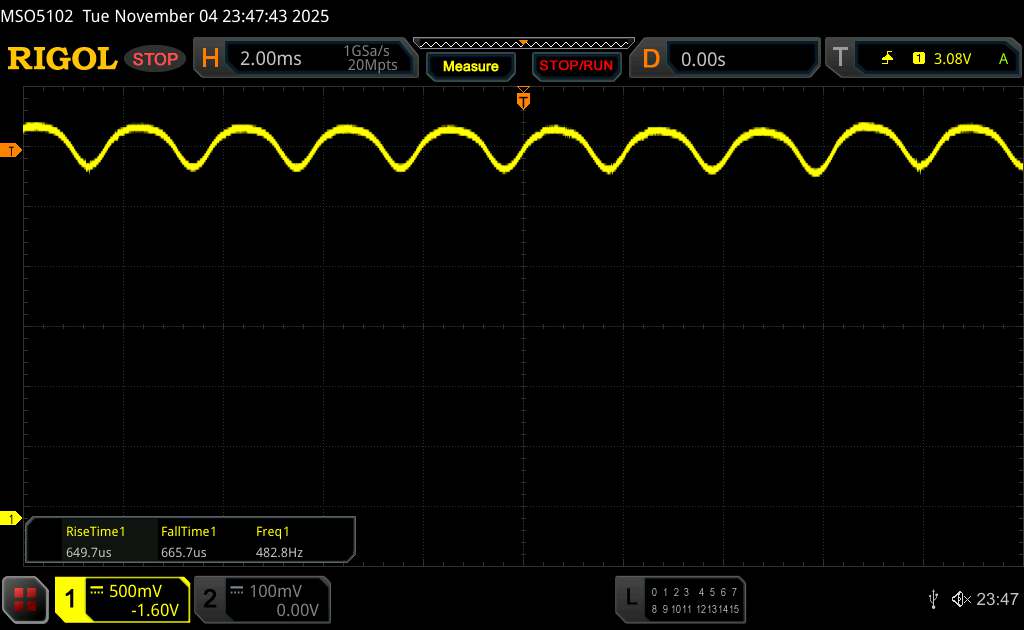
Measurement series with fixed zoom level and different brightness settings (The amplitude curve at minimum brightness looks flat, but this is due to the scaling. The info box shows the enlarged version of the amplitude at minimum brightness)
We check the color representation with a photo spectrometer and the Calman analysis software. We get the best results in color mode with "original colors". The deviations in the color and grayscale representation are thus very low.


Display Response Times
| ↔ Response Time Black to White | ||
|---|---|---|
| 1.26 ms ... rise ↗ and fall ↘ combined | ↗ 0.6745 ms rise | 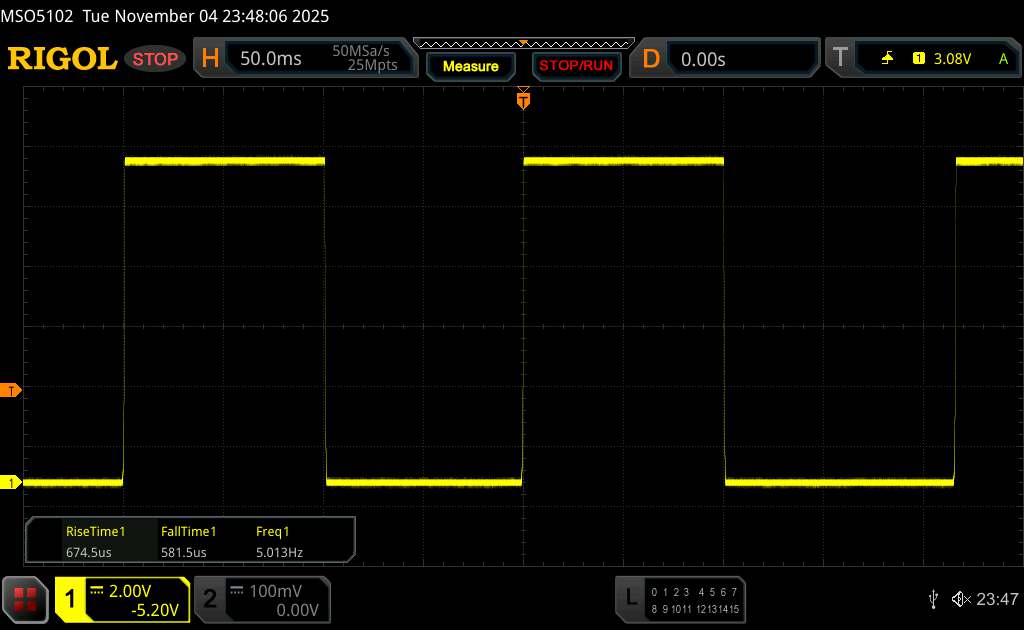 |
| ↘ 0.5815 ms fall | ||
| The screen shows very fast response rates in our tests and should be very well suited for fast-paced gaming. In comparison, all tested devices range from 0.1 (minimum) to 240 (maximum) ms. » 7 % of all devices are better. This means that the measured response time is better than the average of all tested devices (19.7 ms). | ||
| ↔ Response Time 50% Grey to 80% Grey | ||
| 1.051 ms ... rise ↗ and fall ↘ combined | ↗ 0.5025 ms rise | 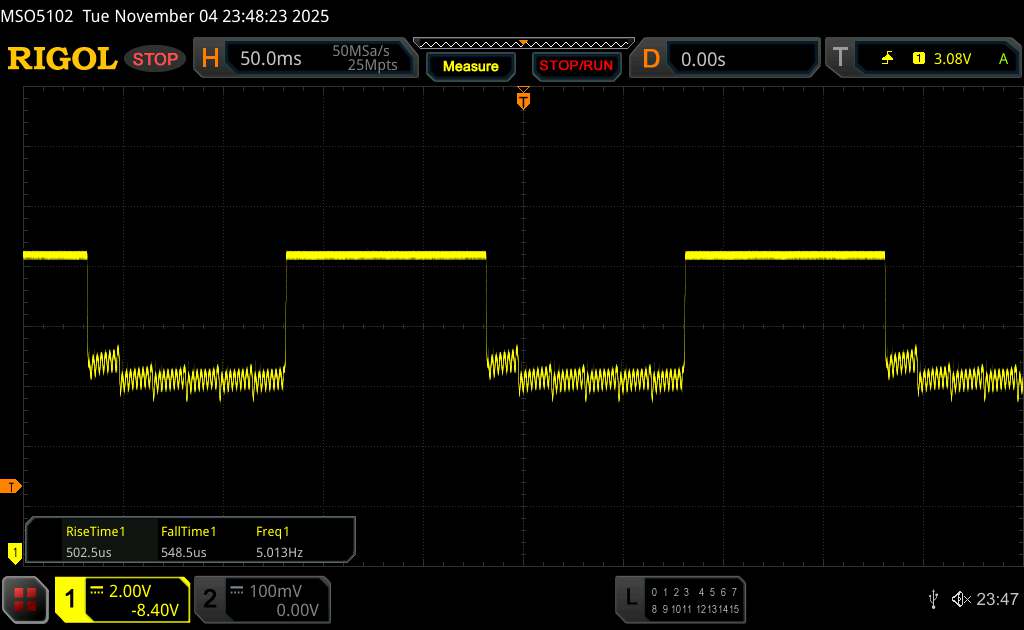 |
| ↘ 0.5485 ms fall | ||
| The screen shows very fast response rates in our tests and should be very well suited for fast-paced gaming. In comparison, all tested devices range from 0.13 (minimum) to 636 (maximum) ms. » 5 % of all devices are better. This means that the measured response time is better than the average of all tested devices (30.8 ms). | ||
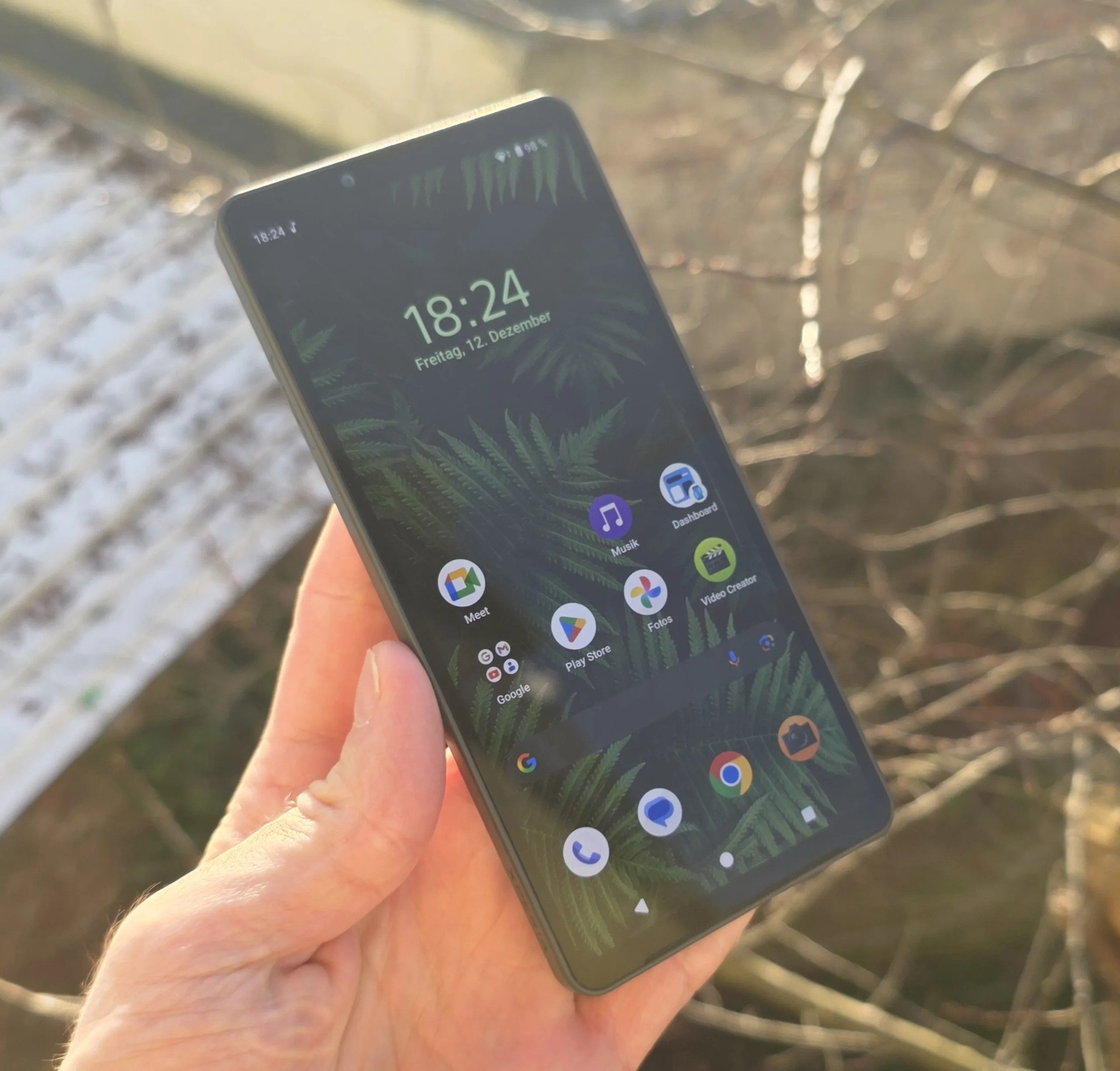
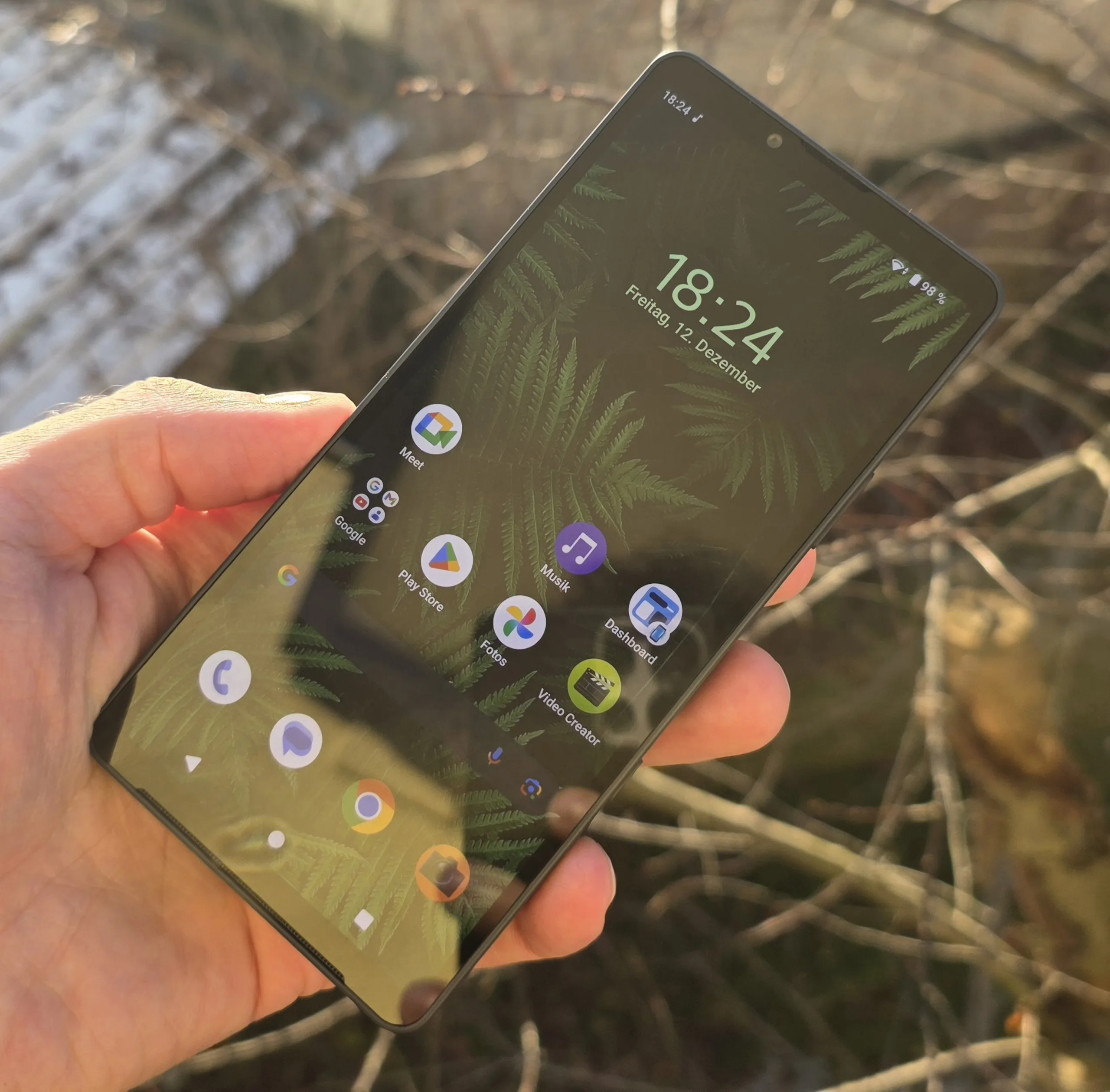
The mid-range phone cuts a good figure outdoors, but the Xperia 10 VII quickly reaches its limits on sunny days. Especially with the manual brightness control (665 cd/m²), reflections on the display lead to readability problems. The viewing angle stability is appealing, but a blue haze and significant brightness loss are visible at flat angles.


Performance - Android phone with Qualcomm chip
The Xperia 10 VII draws its power from a Snapdragon 6 Gen 3. Although the chipset is slightly faster than the SoC in the predecessor, the performance is still low for the mid-range. In both the Geekbench single-core and multi-core tests, the competition sometimes offers significantly more power. The same applies to the AI tests.
| UL Procyon AI Inference for Android - Overall Score NNAPI | |
| Motorola Edge 60 Neo | |
| Average of class Smartphone (2895 - 78695, n=96, last 2 years) | |
| Xiaomi Poco F7 | |
| Sony Xperia 10 VII | |
| Average Qualcomm Snapdragon 6 Gen 3 (8253 - 9416, n=4) | |
| Sony Xperia 10 VI | |
For the GPU benchmarks, an Adreno 710 is available. The low graphics performance of the Sony phone is particularly evident in the demanding GFXBench high-tier tests.
GFXBench (DX / GLBenchmark) 2.7: T-Rex Onscreen | 1920x1080 T-Rex Offscreen
GFXBench 3.0: on screen Manhattan Onscreen OGL | 1920x1080 1080p Manhattan Offscreen
GFXBench 3.1: on screen Manhattan ES 3.1 Onscreen | 1920x1080 Manhattan ES 3.1 Offscreen
GFXBench: on screen Car Chase Onscreen | 1920x1080 Car Chase Offscreen | on screen Aztec Ruins High Tier Onscreen | 2560x1440 Aztec Ruins High Tier Offscreen | on screen Aztec Ruins Normal Tier Onscreen | 1920x1080 Aztec Ruins Normal Tier Offscreen | 3840x2160 4K Aztec Ruins High Tier Offscreen
| 3DMark / Wild Life Extreme Unlimited | |
| Xiaomi Poco F7 | |
| OnePlus Nord CE 5 | |
| Motorola Edge 60 Neo | |
| Sony Xperia 10 VII | |
| Sony Xperia 10 VI | |
| 3DMark / Wild Life Extreme | |
| Xiaomi Poco F7 | |
| OnePlus Nord CE 5 | |
| Motorola Edge 60 Neo | |
| Sony Xperia 10 VII | |
| Sony Xperia 10 VI | |
| 3DMark / Wild Life Unlimited Score | |
| Xiaomi Poco F7 | |
| OnePlus Nord CE 5 | |
| Motorola Edge 60 Neo | |
| Sony Xperia 10 VII | |
| Sony Xperia 10 VI | |
| 3DMark / Solar Bay Score | |
| Xiaomi Poco F7 | |
| 3DMark / Solar Bay Unlimited Score | |
| Xiaomi Poco F7 | |
| 3DMark / Steel Nomad Light Unlimited Score | |
| Xiaomi Poco F7 | |
| Motorola Edge 60 Neo | |
| Sony Xperia 10 VII | |
| Sony Xperia 10 VI | |
| 3DMark / Steel Nomad Light Score | |
| Xiaomi Poco F7 | |
| Motorola Edge 60 Neo | |
| Sony Xperia 10 VII | |
| Sony Xperia 10 VI | |
| GFXBench (DX / GLBenchmark) 2.7 / T-Rex Onscreen | |
| Xiaomi Poco F7 | |
| Motorola Edge 60 Neo | |
| Sony Xperia 10 VI | |
| Sony Xperia 10 VII | |
| GFXBench (DX / GLBenchmark) 2.7 / T-Rex Offscreen | |
| Xiaomi Poco F7 | |
| Motorola Edge 60 Neo | |
| Sony Xperia 10 VII | |
| Sony Xperia 10 VI | |
| GFXBench 3.0 / Manhattan Onscreen OGL | |
| Xiaomi Poco F7 | |
| Motorola Edge 60 Neo | |
| Sony Xperia 10 VII | |
| Sony Xperia 10 VI | |
| GFXBench 3.0 / 1080p Manhattan Offscreen | |
| Xiaomi Poco F7 | |
| Motorola Edge 60 Neo | |
| Sony Xperia 10 VII | |
| Sony Xperia 10 VI | |
| GFXBench 3.1 / Manhattan ES 3.1 Onscreen | |
| Xiaomi Poco F7 | |
| Sony Xperia 10 VII | |
| Motorola Edge 60 Neo | |
| Sony Xperia 10 VI | |
| GFXBench 3.1 / Manhattan ES 3.1 Offscreen | |
| Xiaomi Poco F7 | |
| Motorola Edge 60 Neo | |
| Sony Xperia 10 VII | |
| Sony Xperia 10 VI | |
| GFXBench / Car Chase Onscreen | |
| Xiaomi Poco F7 | |
| Motorola Edge 60 Neo | |
| Sony Xperia 10 VII | |
| Sony Xperia 10 VI | |
| GFXBench / Car Chase Offscreen | |
| Xiaomi Poco F7 | |
| Motorola Edge 60 Neo | |
| Sony Xperia 10 VII | |
| Sony Xperia 10 VI | |
| GFXBench / Aztec Ruins High Tier Onscreen | |
| Xiaomi Poco F7 | |
| OnePlus Nord CE 5 | |
| Sony Xperia 10 VII | |
| Motorola Edge 60 Neo | |
| Sony Xperia 10 VI | |
| GFXBench / Aztec Ruins High Tier Offscreen | |
| Xiaomi Poco F7 | |
| OnePlus Nord CE 5 | |
| Motorola Edge 60 Neo | |
| Sony Xperia 10 VII | |
| Sony Xperia 10 VI | |
| GFXBench / Aztec Ruins Normal Tier Onscreen | |
| Xiaomi Poco F7 | |
| OnePlus Nord CE 5 | |
| Motorola Edge 60 Neo | |
| Sony Xperia 10 VII | |
| Sony Xperia 10 VI | |
| GFXBench / Aztec Ruins Normal Tier Offscreen | |
| Xiaomi Poco F7 | |
| OnePlus Nord CE 5 | |
| Motorola Edge 60 Neo | |
| Sony Xperia 10 VII | |
| Sony Xperia 10 VI | |
| GFXBench / 4K Aztec Ruins High Tier Offscreen | |
| Xiaomi Poco F7 | |
| OnePlus Nord CE 5 | |
| Motorola Edge 60 Neo | |
| Sony Xperia 10 VII | |
| Sony Xperia 10 VI | |
| Jetstream 2 - 2.2 Total | |
| Xiaomi Poco F7 (Chrome 138.0.7204.168) | |
| Average of class Smartphone (2 - 480, n=97, last 2 years) | |
| Motorola Edge 60 Neo (Chrome 141) | |
| Average Qualcomm Snapdragon 6 Gen 3 (122 - 149.4, n=4) | |
| Sony Xperia 10 VII (Chrome 143) | |
| WebXPRT 4 - Overall | |
| Xiaomi Poco F7 (Chrome 138.0.7204.168) | |
| Average of class Smartphone (56 - 278, n=89, last 2 years) | |
| Average Qualcomm Snapdragon 6 Gen 3 (107 - 140, n=4) | |
| Motorola Edge 60 Neo (Chrome 141) | |
| Sony Xperia 10 VII (Chrome 143) | |
| Sony Xperia 10 VI (Chrome 126) | |
| Octane V2 - Total Score | |
| Xiaomi Poco F7 (Chrome 138.0.7204.168) | |
| Average of class Smartphone (6015 - 126661, n=134, last 2 years) | |
| Average Qualcomm Snapdragon 6 Gen 3 (37483 - 40500, n=4) | |
| Sony Xperia 10 VII (Chrome 143) | |
| Motorola Edge 60 Neo (Chrome 141) | |
| Sony Xperia 10 VI (Chrome 126) | |
| Mozilla Kraken 1.1 - Total | |
| Sony Xperia 10 VII (Chrome 143) | |
| Sony Xperia 10 VI (Chrome 126) | |
| Average Qualcomm Snapdragon 6 Gen 3 (978 - 1476, n=4) | |
| Motorola Edge 60 Neo (Chrome 141) | |
| Average of class Smartphone (281 - 2718, n=117, last 2 years) | |
| Xiaomi Poco F7 (Chrome 138.0.7204.168) | |
* ... smaller is better
| Sony Xperia 10 VII | Xiaomi Poco F7 | OnePlus Nord CE 5 | Sony Xperia 10 VI | Average 128 GB UFS 3.1 Flash | Average of class Smartphone | |
|---|---|---|---|---|---|---|
| AndroBench 3-5 | 164% | -10% | -8% | -3% | 58% | |
| Sequential Read 256KB (MB/s) | 1022.21 | 4042.86 296% | 1235 21% | 963.31 -6% | 1586 ? 55% | 2277 ? 123% |
| Sequential Write 256KB (MB/s) | 973.41 | 4035.38 315% | 795 -18% | 876.95 -10% | 807 ? -17% | 1960 ? 101% |
| Random Read 4KB (MB/s) | 298.75 | 346.06 16% | 222 -26% | 289.03 -3% | 246 ? -18% | 315 ? 5% |
| Random Write 4KB (MB/s) | 354.89 | 453.7 28% | 302 -15% | 306.61 -14% | 250 ? -30% | 361 ? 2% |
Emissions - Sony phone does not get hot
Temperature
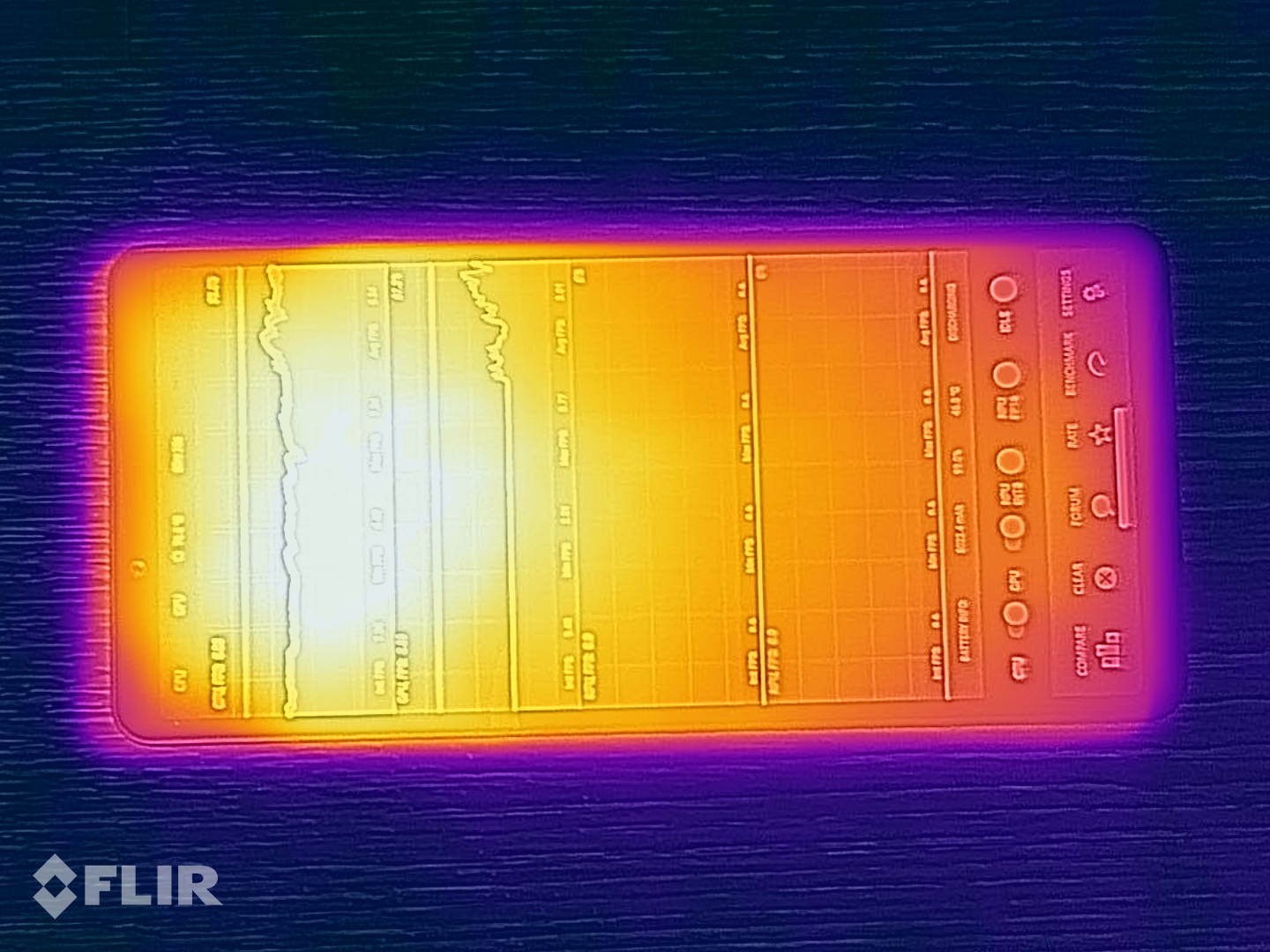
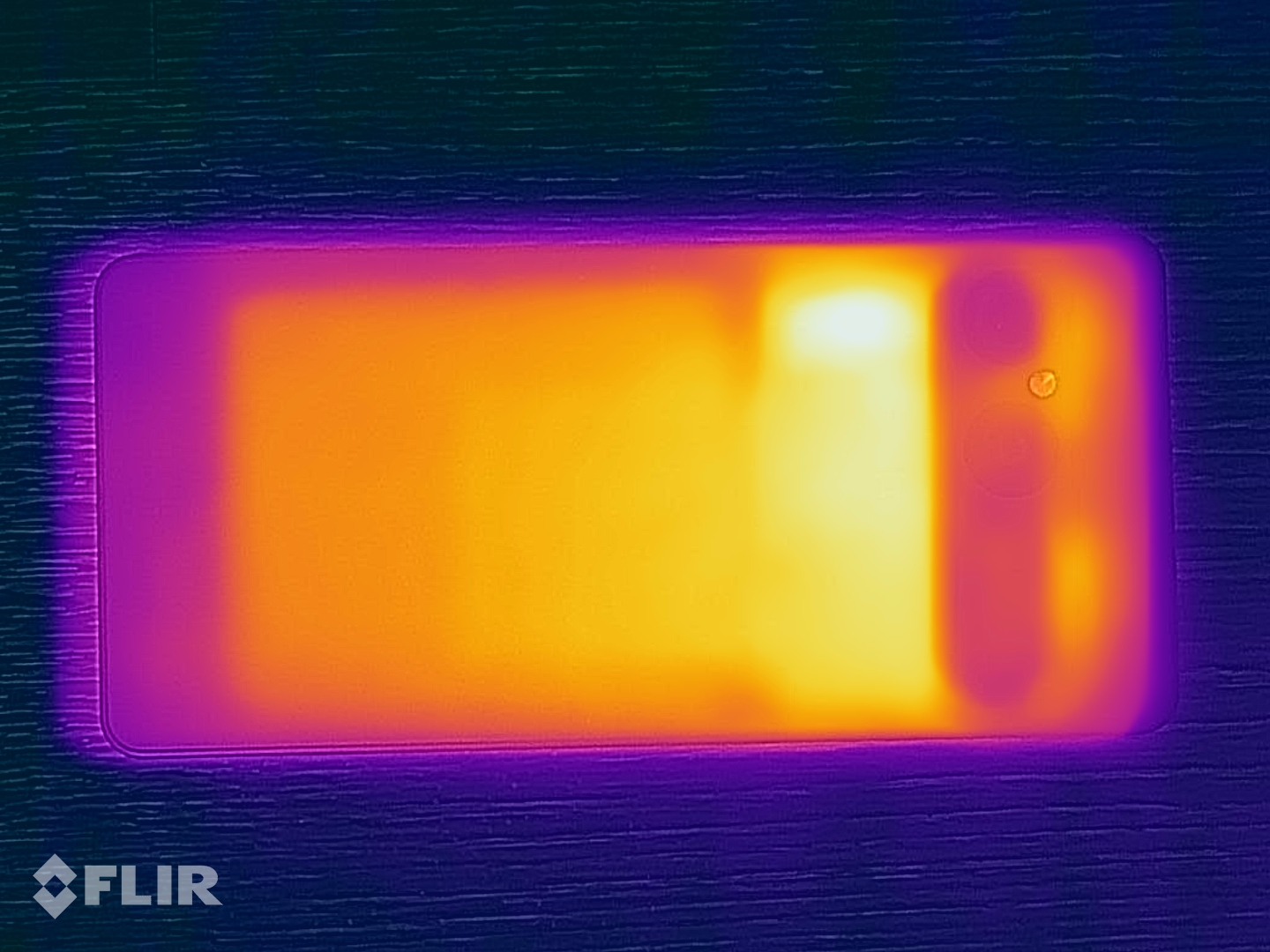
The surface temperatures of the Xperia 10 VII are not a problem. We use the 3DMark stress tests to check the heat development on the inside. Here, the Qualcomm SoC shows little fluctuation in frame rate under heavy load.
(±) The maximum temperature on the upper side is 43.8 °C / 111 F, compared to the average of 35.3 °C / 96 F, ranging from 21.9 to 247 °C for the class Smartphone.
(-) The bottom heats up to a maximum of 45.7 °C / 114 F, compared to the average of 34.1 °C / 93 F
(+) In idle usage, the average temperature for the upper side is 28.9 °C / 84 F, compared to the device average of 33 °C / 91 F.
3DMark Stress Tests
| 3DMark | |
| Wild Life Stress Test Stability | |
| Sony Xperia 10 VII | |
| Motorola Edge 60 Neo | |
| Sony Xperia 10 VI | |
| Xiaomi Poco F7 | |
| Wild Life Extreme Stress Test | |
| Sony Xperia 10 VII | |
| Sony Xperia 10 VI | |
| Motorola Edge 60 Neo | |
| OnePlus Nord CE 5 | |
| Xiaomi Poco F7 | |
| Steel Nomad Light Stress Test Stability | |
| Sony Xperia 10 VII | |
| Motorola Edge 60 Neo | |
| Sony Xperia 10 VI | |
| Xiaomi Poco F7 | |
Speaker
The two speakers offer a good sound with light bass, even if the super high tones are clearly lacking. Headphones can be connected via cable using the 3.5 mm jack (SNR: 104 dBFS). Those who prefer to use a wireless output can connect TWS via Bluetooth 5.4.
Sony Xperia 10 VII audio analysis
(+) | speakers can play relatively loud (88.7 dB)
Bass 100 - 315 Hz
(-) | nearly no bass - on average 25.9% lower than median
(±) | linearity of bass is average (7.6% delta to prev. frequency)
Mids 400 - 2000 Hz
(+) | balanced mids - only 4.1% away from median
(+) | mids are linear (4.9% delta to prev. frequency)
Highs 2 - 16 kHz
(+) | balanced highs - only 2.2% away from median
(+) | highs are linear (2.6% delta to prev. frequency)
Overall 100 - 16.000 Hz
(±) | linearity of overall sound is average (16.1% difference to median)
Compared to same class
» 6% of all tested devices in this class were better, 5% similar, 90% worse
» The best had a delta of 11%, average was 34%, worst was 136%
Compared to all devices tested
» 26% of all tested devices were better, 5% similar, 69% worse
» The best had a delta of 4%, average was 23%, worst was 136%
Motorola Edge 60 Neo audio analysis
(+) | speakers can play relatively loud (82.1 dB)
Bass 100 - 315 Hz
(-) | nearly no bass - on average 23.3% lower than median
(±) | linearity of bass is average (10.7% delta to prev. frequency)
Mids 400 - 2000 Hz
(±) | reduced mids - on average 5.4% lower than median
(+) | mids are linear (4.5% delta to prev. frequency)
Highs 2 - 16 kHz
(+) | balanced highs - only 4.5% away from median
(±) | linearity of highs is average (7.1% delta to prev. frequency)
Overall 100 - 16.000 Hz
(±) | linearity of overall sound is average (17.9% difference to median)
Compared to same class
» 16% of all tested devices in this class were better, 8% similar, 75% worse
» The best had a delta of 11%, average was 34%, worst was 136%
Compared to all devices tested
» 37% of all tested devices were better, 8% similar, 55% worse
» The best had a delta of 4%, average was 23%, worst was 136%
Battery life - Android phone without wireless charging
Power consumption
The Xperia 10 VII features a 5,000 mAh battery that can be charged via USB-C at up to 30 watts. Charging takes around 1.5 hours. At just over 1 watt, the 6.1-inch phone is slightly more power-hungry when idle than its predecessor.
| Off / Standby |   0.13 / 0.26 Watt 0.13 / 0.26 Watt |
| Idle |  0.85 / 1.11 / 1.17 Watt 0.85 / 1.11 / 1.17 Watt |
| Load |
4.32 / 9.09 Watt |
    
| |
Key:
min: ,
med: ,
max: Metrahit Energy | |
| Sony Xperia 10 VII 5000 mAh | Xiaomi Poco F7 6500 mAh | Motorola Edge 60 Neo 5000 mAh | Sony Xperia 10 VI 5000 mAh | Average Qualcomm Snapdragon 6 Gen 3 | Average of class Smartphone | |
|---|---|---|---|---|---|---|
| Power Consumption | -34% | -17% | 17% | -17% | -31% | |
| Idle Minimum * (Watt) | 0.85 | 1.18 -39% | 0.8 6% | 0.62 27% | 0.91 ? -7% | 0.878 ? -3% |
| Idle Average * (Watt) | 1.11 | 1.44 -30% | 1.2 -8% | 0.94 15% | 1.306 ? -18% | 1.453 ? -31% |
| Idle Maximum * (Watt) | 1.17 | 1.48 -26% | 1.7 -45% | 0.97 17% | 1.428 ? -22% | 1.65 ? -41% |
| Load Average * (Watt) | 4.32 | 7.62 -76% | 5.4 -25% | 3.36 22% | 5.6 ? -30% | 6.84 ? -58% |
| Load Maximum * (Watt) | 9.09 | 8.92 2% | 10.1 -11% | 8.54 6% | 9.78 ? -8% | 11.1 ? -22% |
* ... smaller is better
Power consumption: Geekbench (150 cd/m²)
Power consumption: GFXbench (150 cd/m²)
Battery life
In our Wi-Fi test, the mid-range phone demonstrated an excellent battery life under real-world conditions. With nearly 24 hours, the Xperia 10 VII's battery life is very long.
| Battery runtime - WiFi v1.3 | |
| Sony Xperia 10 VII | |
| Xiaomi Poco F7 | |
| OnePlus Nord CE 5 | |
| Motorola Edge 60 Neo | |
| Sony Xperia 10 VI | |
Notebookcheck overall rating
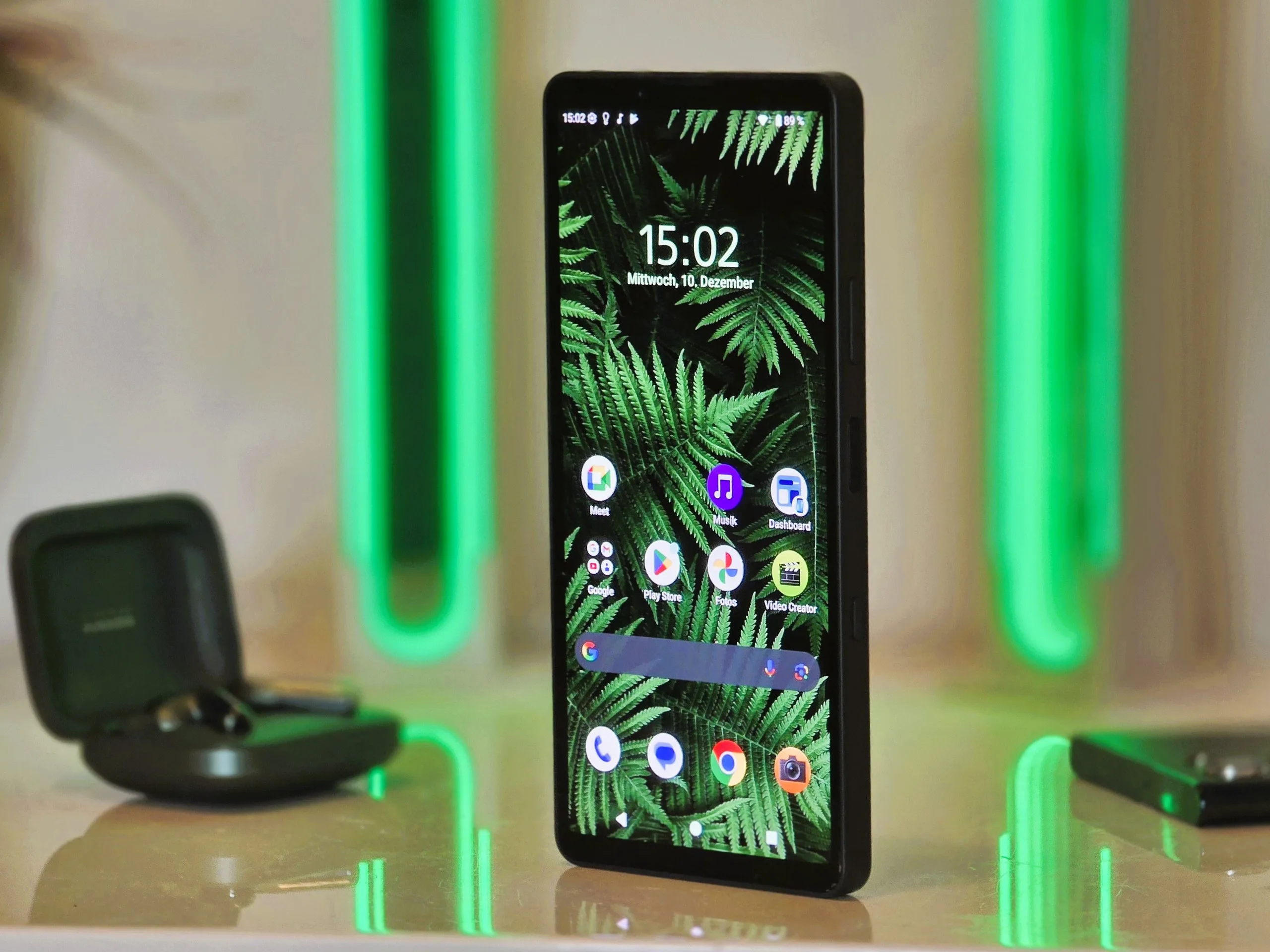
Sony builds a solid mid-range phone with the Xperia 10 VII, but continues to lose ground due to the weak Snapdragon SoC.
Sony Xperia 10 VII
- 12/19/2025 v8
Marcus Herbrich
 Total Sustainability Score:
 Possible alternatives in comparison
Image | Model / Review | Price | Weight | Drive | Display |
|---|---|---|---|---|---|
1. 79.3%  | Sony Xperia 10 VII Qualcomm Snapdragon 6 Gen 3 ⎘ Qualcomm Adreno 710 ⎘ 8 GB Memory, 128 GB UFS 3.1 | List Price: 449€ | 168 g | 128 GB UFS 3.1 Flash | 6.10" 2340x1080 422 PPI OLED |
2. 85.2%  | Xiaomi Poco F7 Qualcomm Snapdragon 8s Gen 4 SM8735 ⎘ Qualcomm Adreno 825 ⎘ 12 GB Memory, 512 GB UFS 4.x | 215.7 g | 512 GB UFS 4.1 Flash | 6.83" 2772x1280 447 PPI AMOLED | |
3. 80.8%  | OnePlus Nord CE 5 MediaTek Dimensity 8350 ⎘ ARM Mali-G615 MP6 ⎘ 8 GB Memory, 128 GB UFS 3.1 | List Price: 349€ | 199 g | 128 GB UFS 3.1 Flash | 6.77" 2392x1080 388 PPI AMOLED |
4. 79.5%  | Motorola Edge 60 Neo MediaTek Dimensity 7400X ⎘ ARM Mali-G615 MP2 ⎘ 8 GB Memory, 256 GB UFS 3.1 | Amazon: 1. $575.00 Motorola Edge 60 Neo Dual-SI... 2. $319.99 Motorola Edge 60 16.9 Cm (6.... 3. $626.00 Motorola Edge 60 Neo Dual-SI... List Price: 399€ | 175 g | 256 GB UFS 3.1 Flash | 6.36" 2670x1200 460 PPI pOLED |
5. 77.3%  | Sony Xperia 10 VI Qualcomm Snapdragon 6 Gen 1 ⎘ Qualcomm Adreno 710 ⎘ 8 GB Memory, 128 GB UFS 2.2 | List Price: 399€ | 164 g | 128 GB UFS 2.2 Flash | 6.10" 2520x1080 449 PPI OLED |
Transparency
The selection of devices to be reviewed is made by our editorial team. The test sample was provided to the author as a loan by the manufacturer or retailer for the purpose of this review. The lender had no influence on this review, nor did the manufacturer receive a copy of this review before publication. There was no obligation to publish this review. As an independent media company, Notebookcheck is not subjected to the authority of manufacturers, retailers or publishers.
This is how Notebookcheck is testing
Every year, Notebookcheck independently reviews hundreds of laptops and smartphones using standardized procedures to ensure that all results are comparable. We have continuously developed our test methods for around 20 years and set industry standards in the process. In our test labs, high-quality measuring equipment is utilized by experienced technicians and editors. These tests involve a multi-stage validation process. Our complex rating system is based on hundreds of well-founded measurements and benchmarks, which maintains objectivity. Further information on our test methods can be found here.
 Add as a preferred source on Google


