




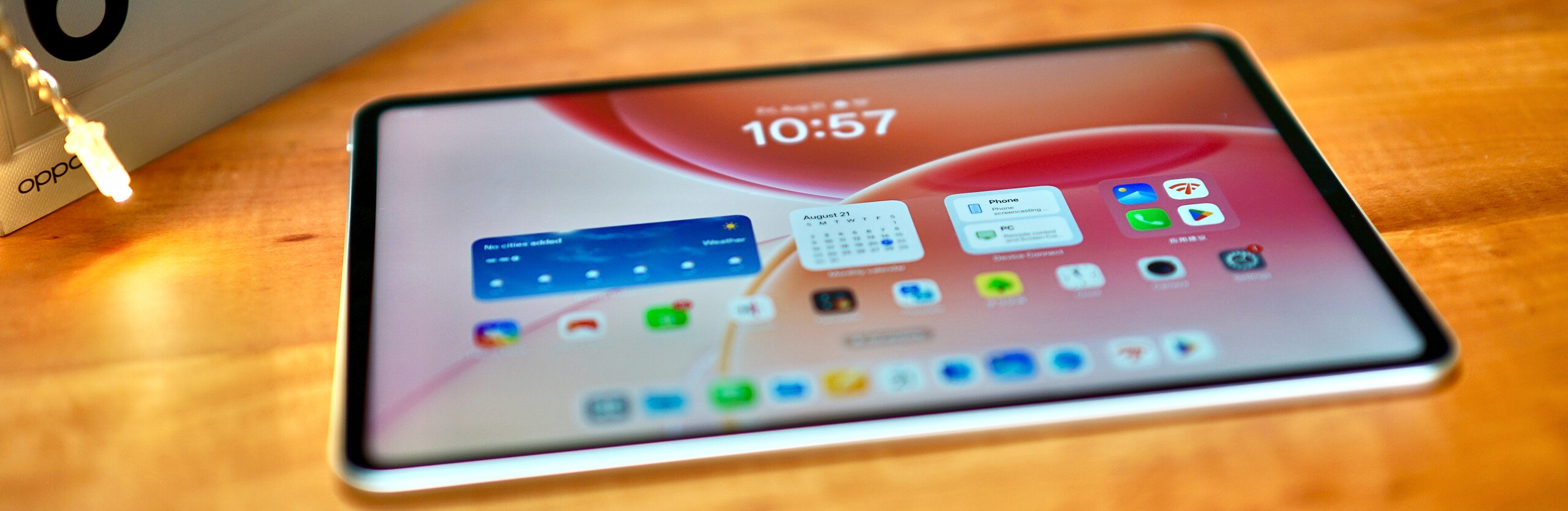
Verdict on the Oppo Pad 6
The Oppo Pad 6 has what it takes to be a truly great tablet: long battery life, a high-quality chassis, a bright screen, plenty of power, and decent speakers make it a good companion in many situations.
However, there are also a few issues that can’t be ignored: There’s the strange internet bug that was already present in the Oppo Pad 5 and prevents fast Wi-Fi 7 speeds—at least in our test setups. The optional 5G version has been discontinued, and satellite positioning isn’t available.
You’ll also have to accept that Oppo hasn’t (yet) made any concrete promises regarding updates.
It remains to be seen whether the Pad 6 will be officially released in Western countries and whether, like with the Oppo Pad 5, the international version will feature significant downgrades.
As a Chinese import, the device is also hardly any cheaper than comparable tablets at Western prices. But if you’re willing to go through the trouble, you’ll get a fast and attractive tablet that lasts a long time.
Pros
Cons
Price and Availability
The Oppo Pad 6 is currently only available as a Chinese import.
It costs US$ 685 at our partner TradingShenzhen. In addition to relatively low shipping costs, there are no additional fees such as customs duties or value-added tax.

- $18.99INSOLKIDON Compatible for Oppo Pad 6 (12.1 inch, 2026 Model) Tablet Case, Full Coverage Ultra Slim Adjustable Stand Silicone Shockproof Lightweight Protective Cover Case (Black)
- $18.99Case for Oppo Pad 6 Tablet 12.1 Inch 2026, Soft Silicone Kids Friendly Full Body Protective Cover for Oppo Pad 6 Tablet Model (OPD2601) 12.1 Inch with Adjustable Stand, Drop-Proof (Black)
- $18.89for Oppo Pad SE 2025 Android 11 Inch Tablet Case,BOVUGAC Tri-fold Tablet Case Cover for Oppo Pad SE 11",Full Protection, Premium PU, Scratch Resistant.(Red)
Table of Contents
- Verdict on the Oppo Pad 6
- Specifications
- Case and features – China pad with a great chassis
- Communication and operation – WiFi 7 only on paper
- Software and sustainability – Multilingual tablet
- Cameras – The essentials on board
- Display – Large screen without PWM
- Performance, emissions, and battery life – Finally, more power
- Notebookcheck Overall Rating
- Comparison of Possible Alternatives
Specifications
Case and features – China pad with a great chassis
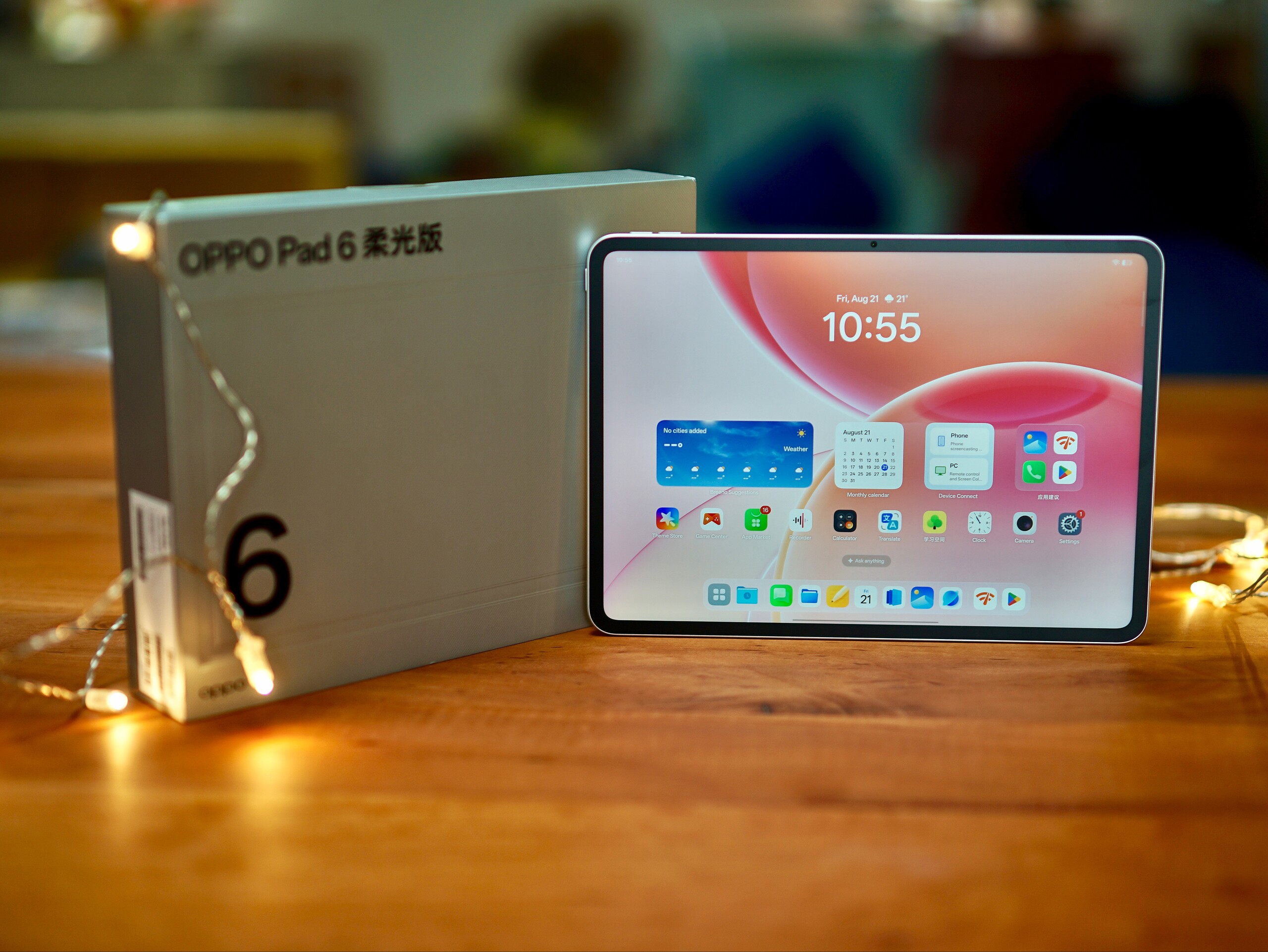
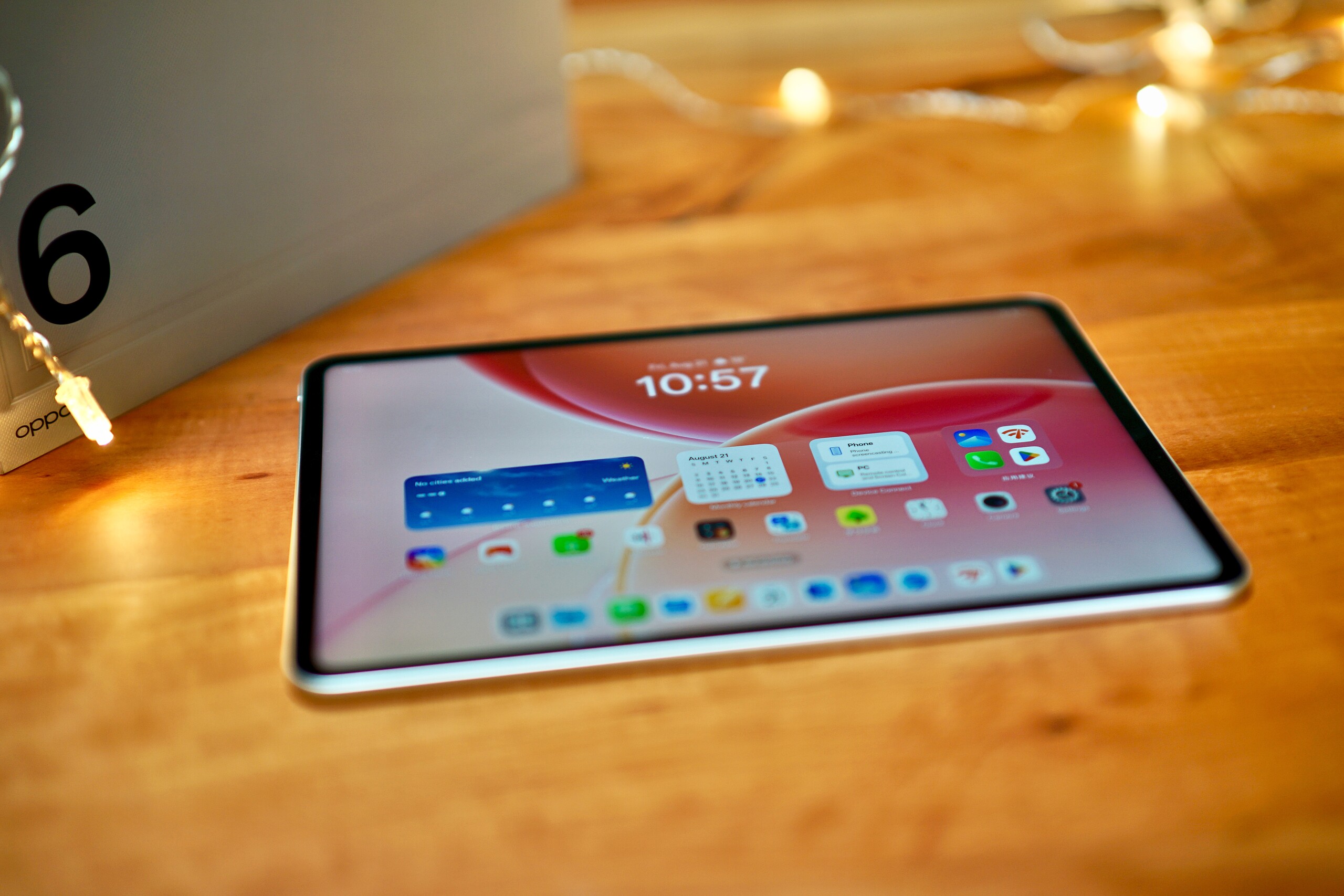
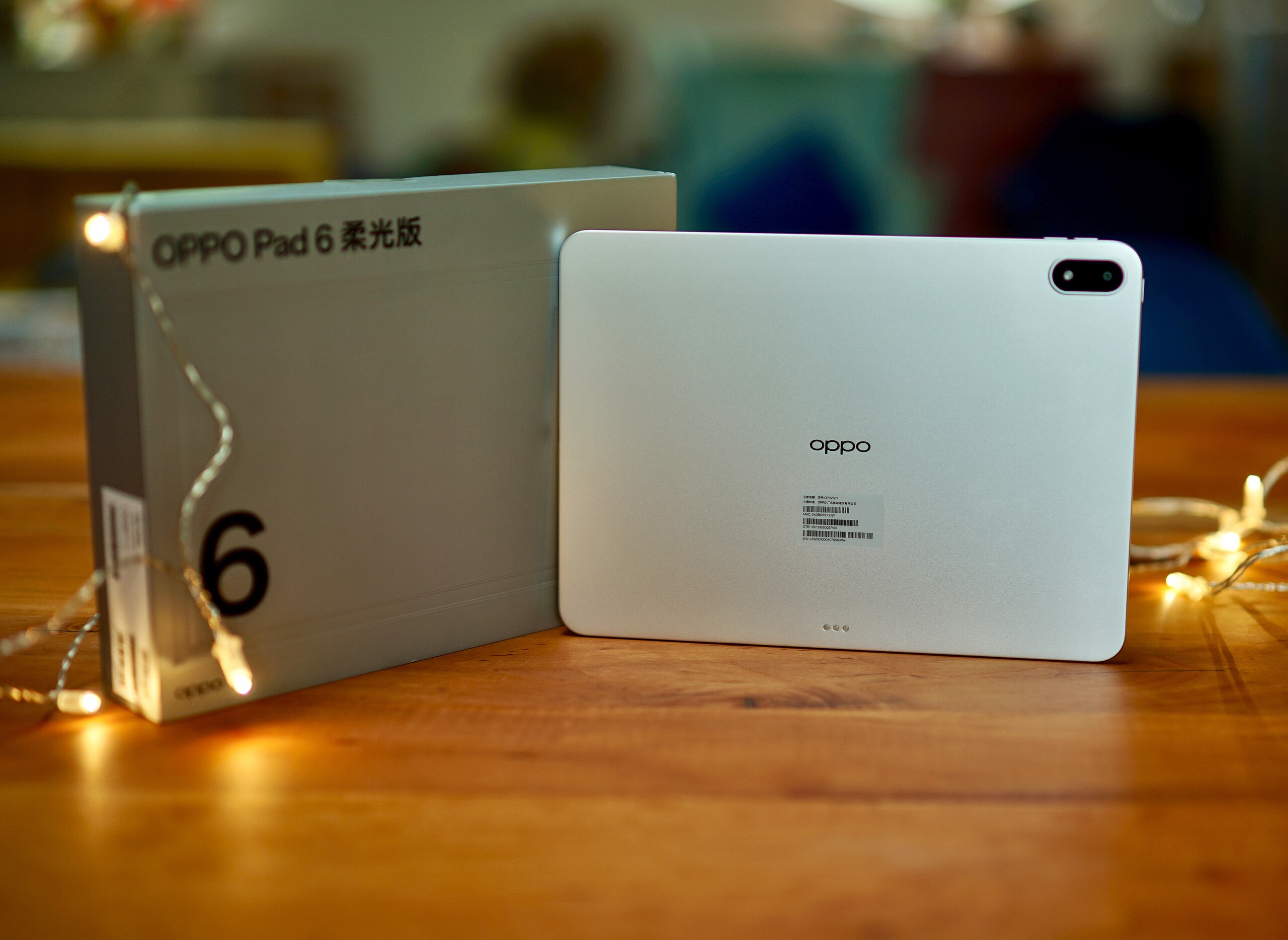
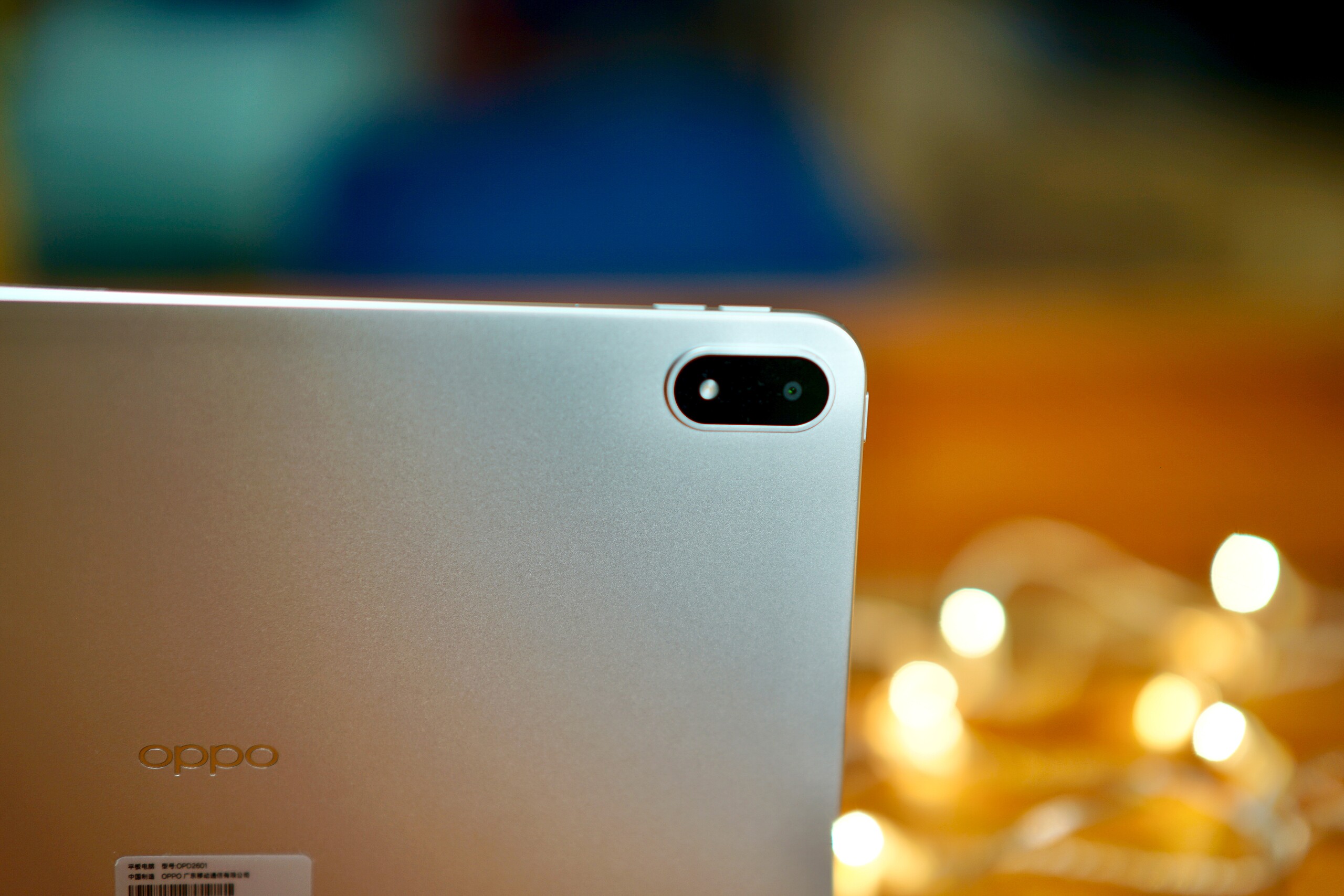
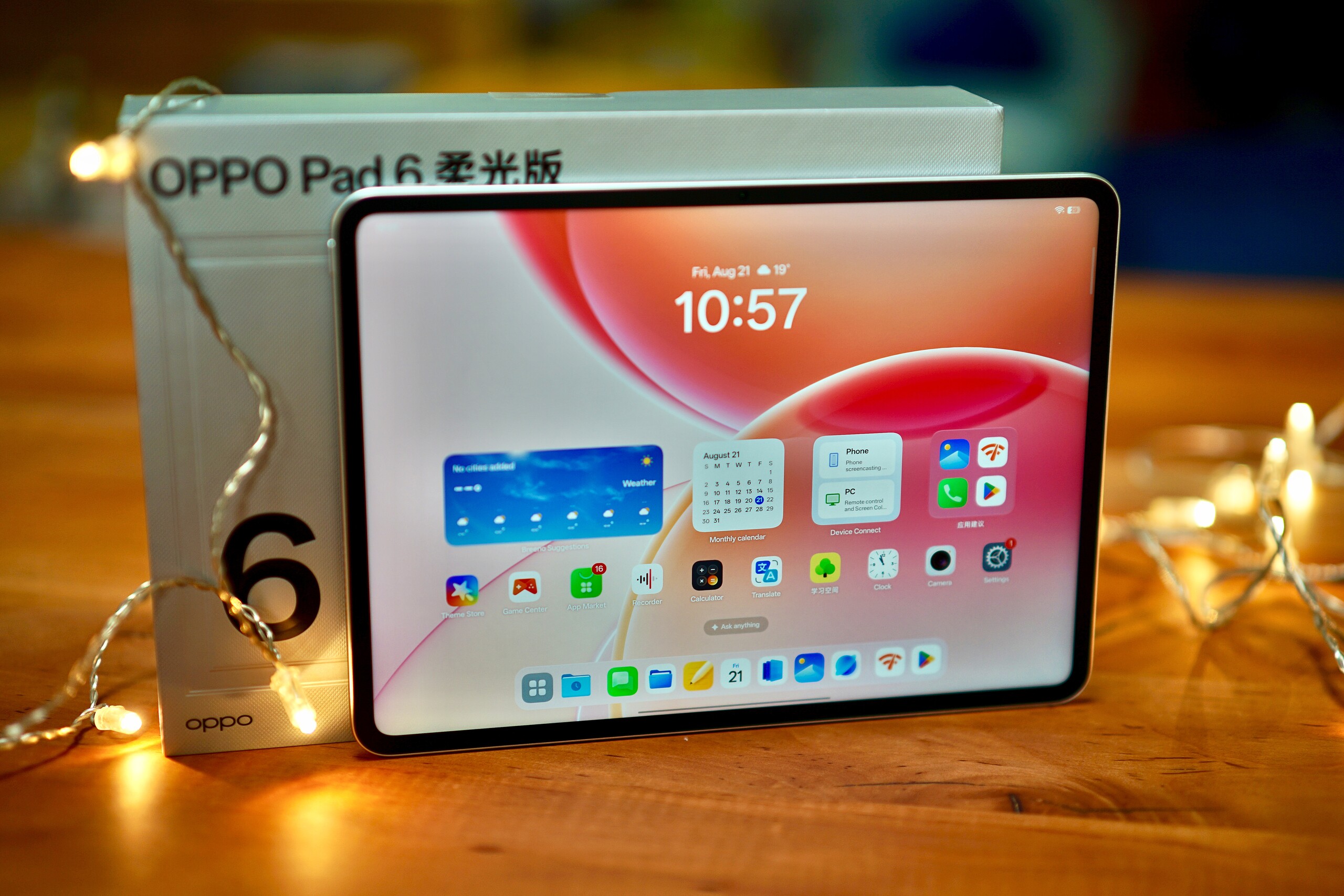
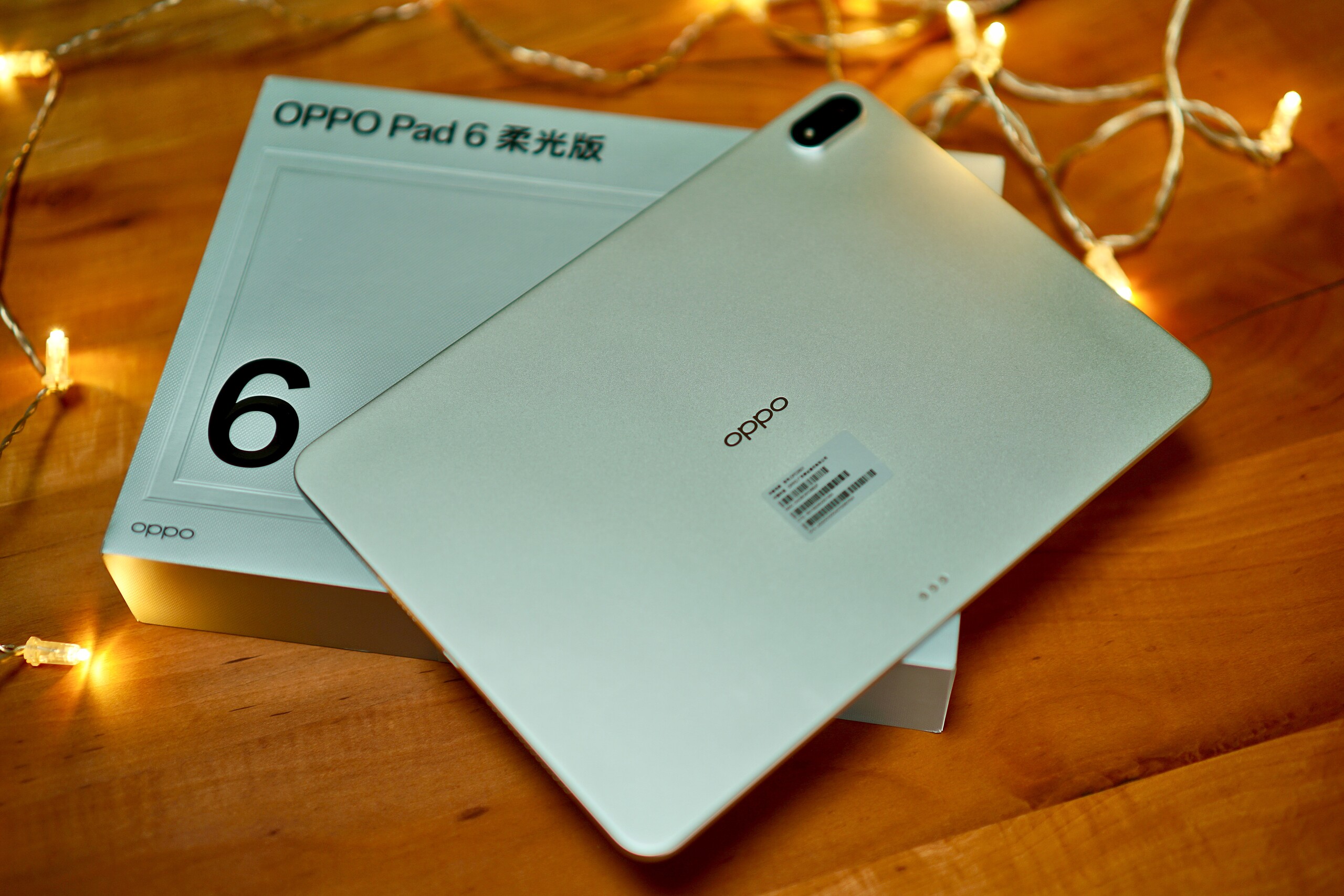
The Oppo Pad 6 comes in a fairly simple metal case with a pill-shaped camera module in the upper right corner. The front features thin display bezels, which give the tablet a modern look. Nevertheless, you can hold the tablet securely without accidentally touching the touchscreen.
Weighing 577 grams and measuring just under 6 millimeters thick, the Oppo Pad 6 is on par with similarly priced tablets. Our test unit proved to be very sturdy and durable, though it does not have an IP rating.
It is available in silver, dark gray, or light blue.
Thanks to the USB 3.1 port, video signals can also be output via cable to external displays using the DisplayPort protocol. As a special feature, the tablet can connect to two hotspots simultaneously via tethering to use the 5G connection of two smartphones at once for internet access.

Communication and operation – WiFi 7 only on paper
The Oppo Pad 6 actually supports the Wi-Fi 7 standard, but in our test setup with the Asus RT-BE96U, it does not establish a connection using the latest standard. We encountered the same issue with the Oppo Pad 5. The speeds achieved are similarly low and also fluctuate throughout the test. Other smartphones and tablets achieve significantly higher speeds here.
A second test with the FritzBox 6690 Cable also failed to produce faster or more stable data transfers.
The touchscreen, with a refresh rate of up to 144 Hz, responds to input very reliably and precisely. The tablet features 3 pogo pins on the back, which can be used to connect a keyboard cover, for example. A stylus is also supported.
There is no fingerprint sensor, but it does have 2D facial recognition.
| Networking | |
| Oppo Pad 6 | |
| iperf3 transmit Wi-Fi6/7 RT-BE96U | |
| iperf3 receive Wi-Fi6/7 RT-BE96U | |
| Oppo Pad 5 | |
| iperf3 transmit Wi-Fi6/7 RT-BE96U | |
| iperf3 receive Wi-Fi6/7 RT-BE96U | |
| Honor MagicPad 4 | |
| iperf3 transmit AXE11000 | |
| iperf3 receive AXE11000 | |
| iperf3 transmit AXE11000 6GHz | |
| iperf3 receive AXE11000 6GHz | |
| Xiaomi Pad 8 | |
| iperf3 transmit AXE11000 6GHz | |
| iperf3 receive AXE11000 6GHz | |
| Apple iPad Air 13 M4 2026 | |
| iperf3 receive RT-BE96U WiFi7 | |
| iperf3 transmit RT-BE96U WiFi7 | |
| Average 802.11 a/b/g/n/ac/ax/be | |
| iperf3 transmit AXE11000 | |
| iperf3 receive AXE11000 | |
| iperf3 transmit AXE11000 6GHz | |
| iperf3 receive AXE11000 6GHz | |
| iperf3 transmit Wi-Fi6/7 RT-BE96U | |
| iperf3 receive Wi-Fi6/7 RT-BE96U | |
| iperf3 receive RT-BE96U WiFi7 | |
| iperf3 transmit RT-BE96U WiFi7 | |
| Average of class Tablet | |
| iperf3 transmit AXE11000 | |
| iperf3 receive AXE11000 | |
| iperf3 transmit AXE11000 6GHz | |
| iperf3 receive AXE11000 6GHz | |
| iperf3 transmit Wi-Fi6/7 RT-BE96U | |
| iperf3 receive Wi-Fi6/7 RT-BE96U | |
| iperf3 receive RT-BE96U WiFi7 | |
| iperf3 transmit RT-BE96U WiFi7 | |
Software and sustainability – Multilingual tablet
ColorOS 16 comes preinstalled on the device and is based on Android 16. Many languages are supported.
Oppo does not specify how long the tablet will receive updates. There are general indications that tablets will receive security patches for at least three years, but as for how long that will actually be, users can only guess and hope at this point.
The packaging does not use plastic film; otherwise, there is no further information regarding the product’s sustainability.
Cameras – The essentials on board
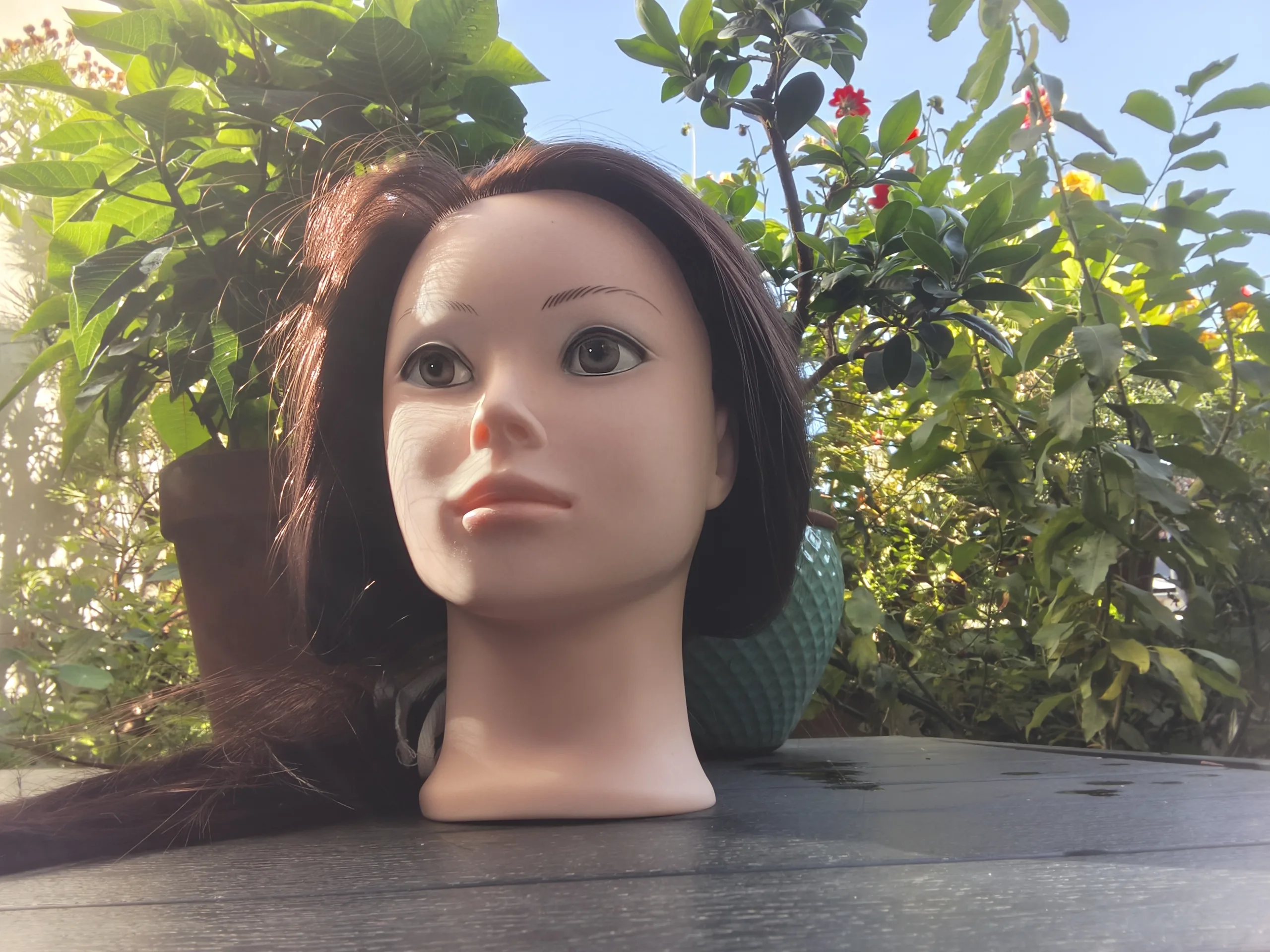
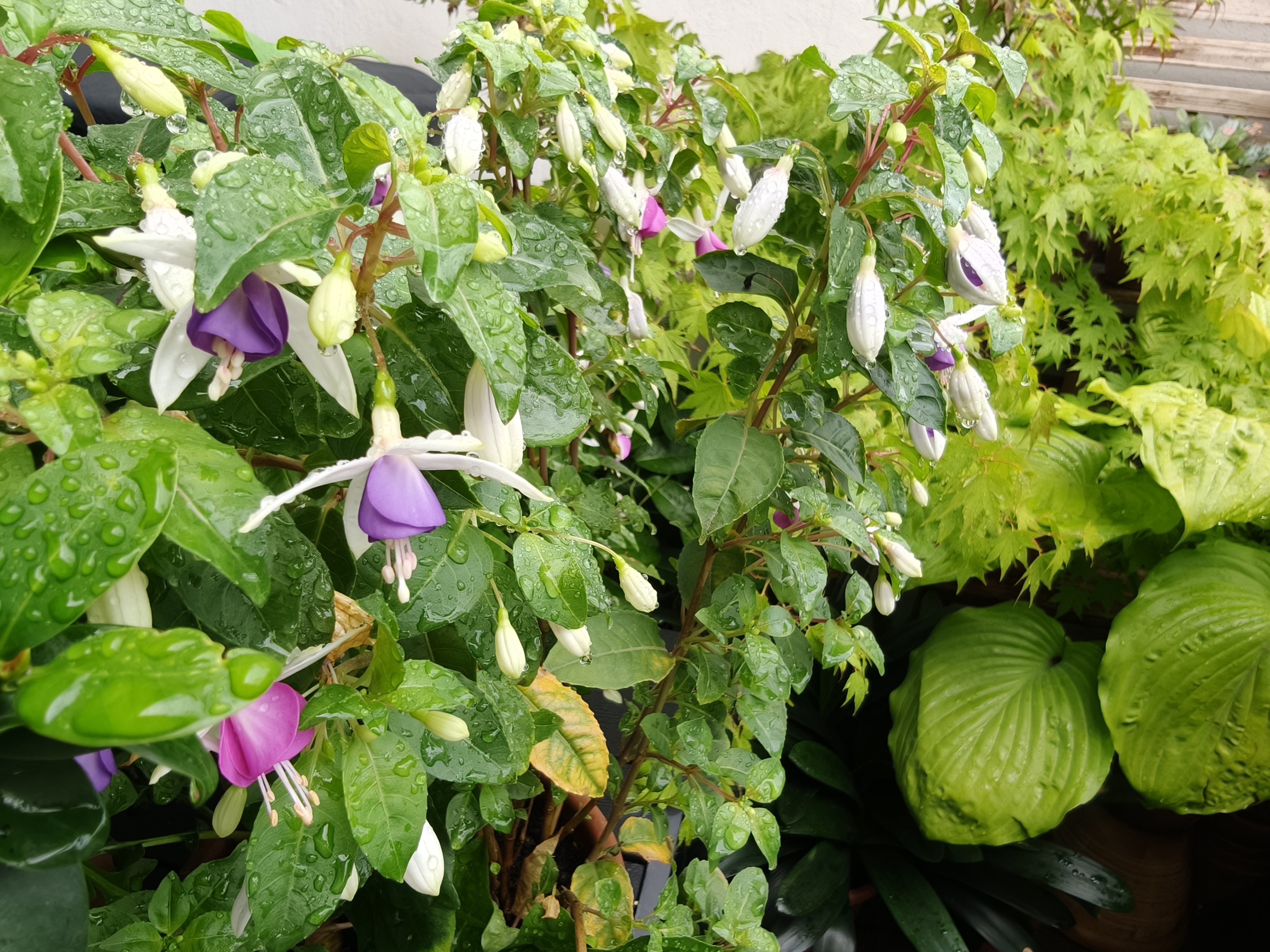
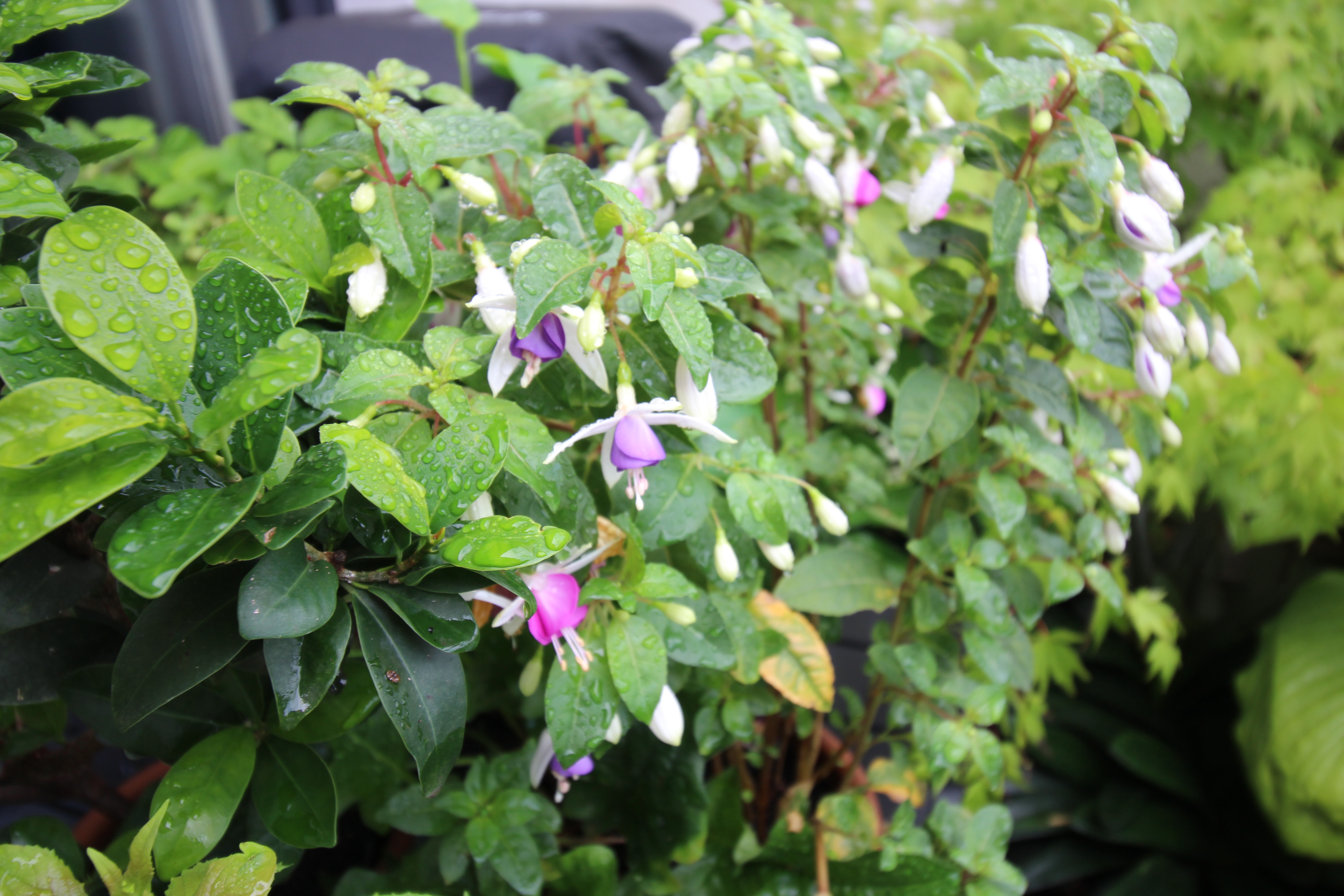
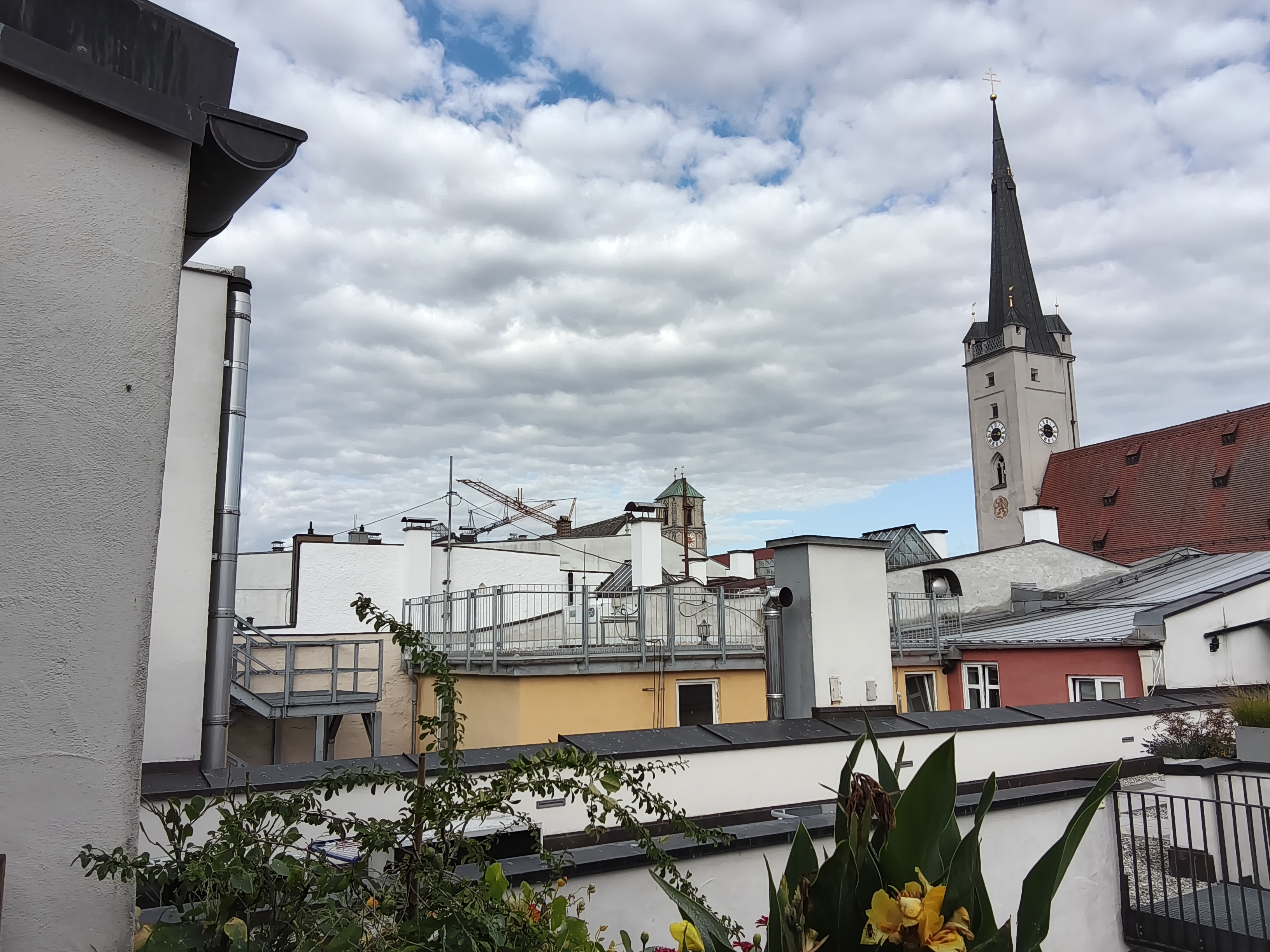
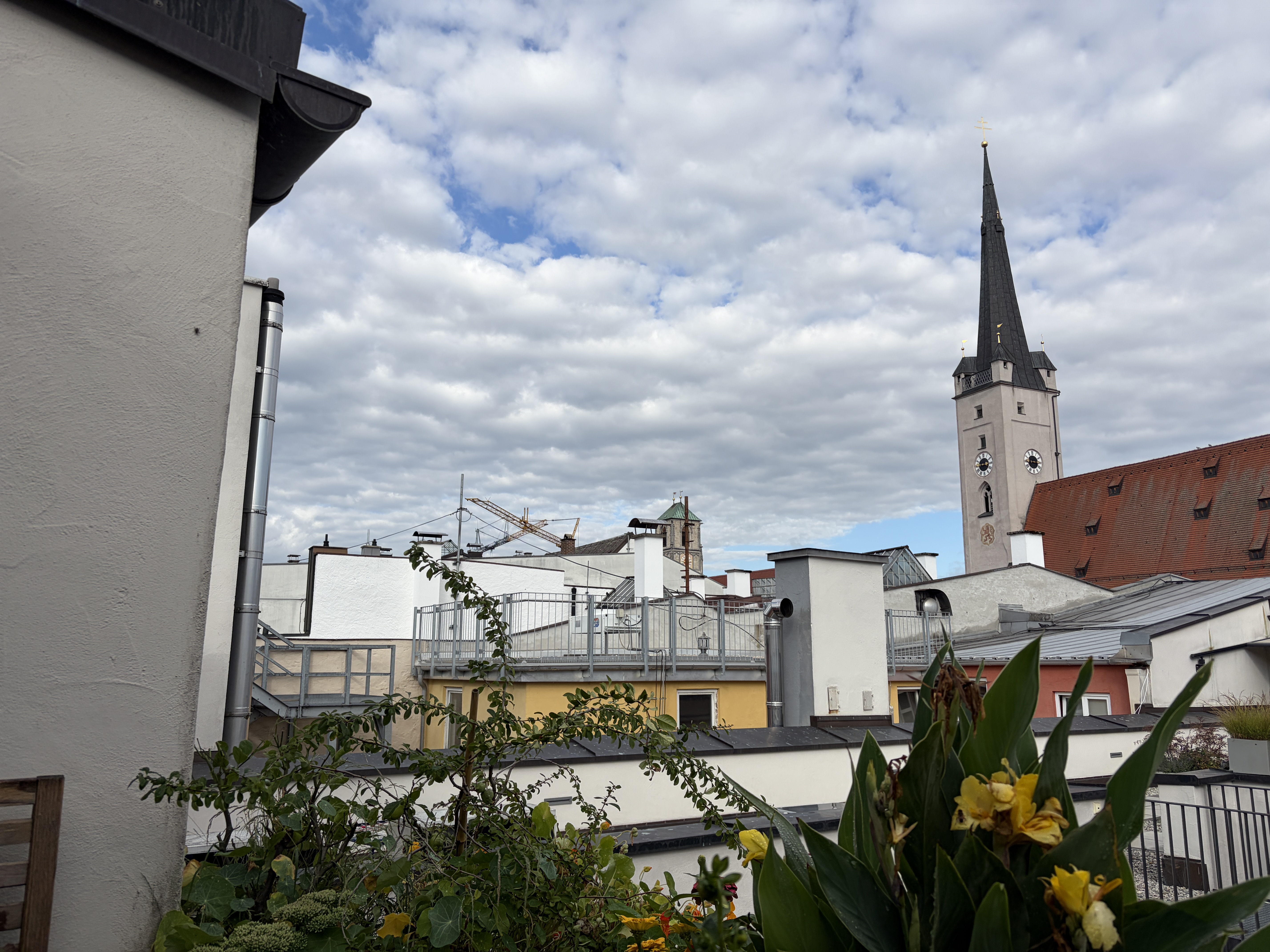
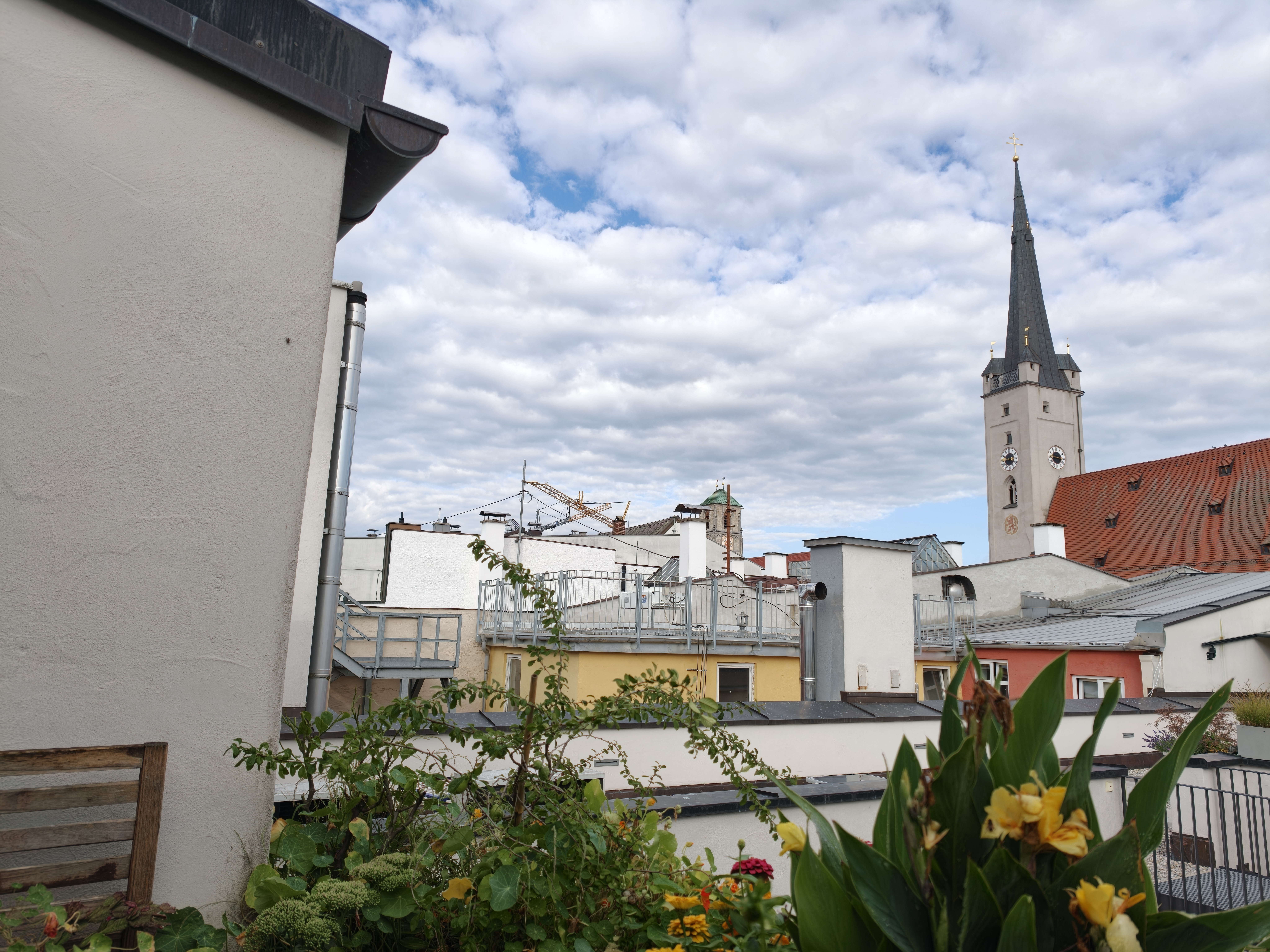
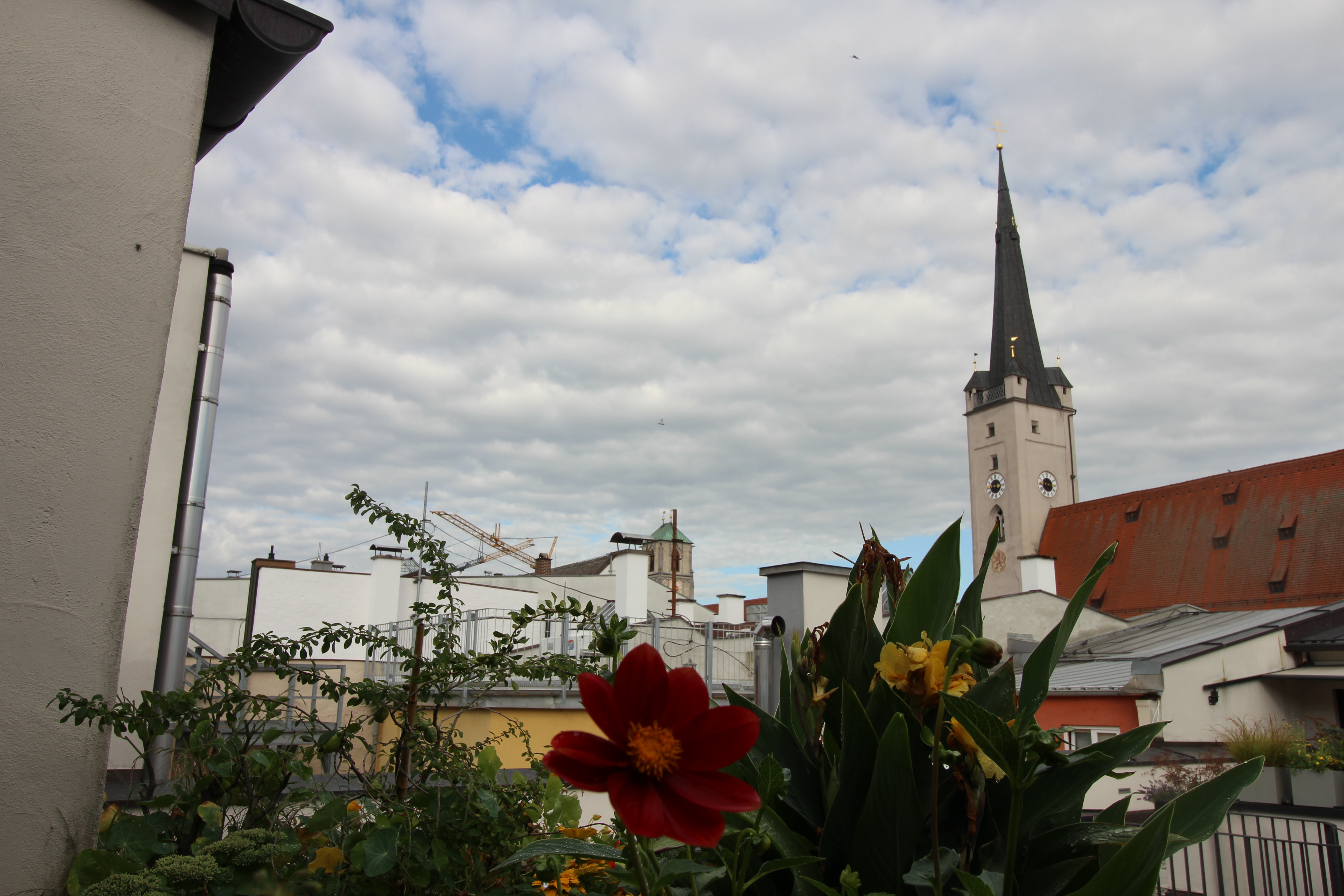
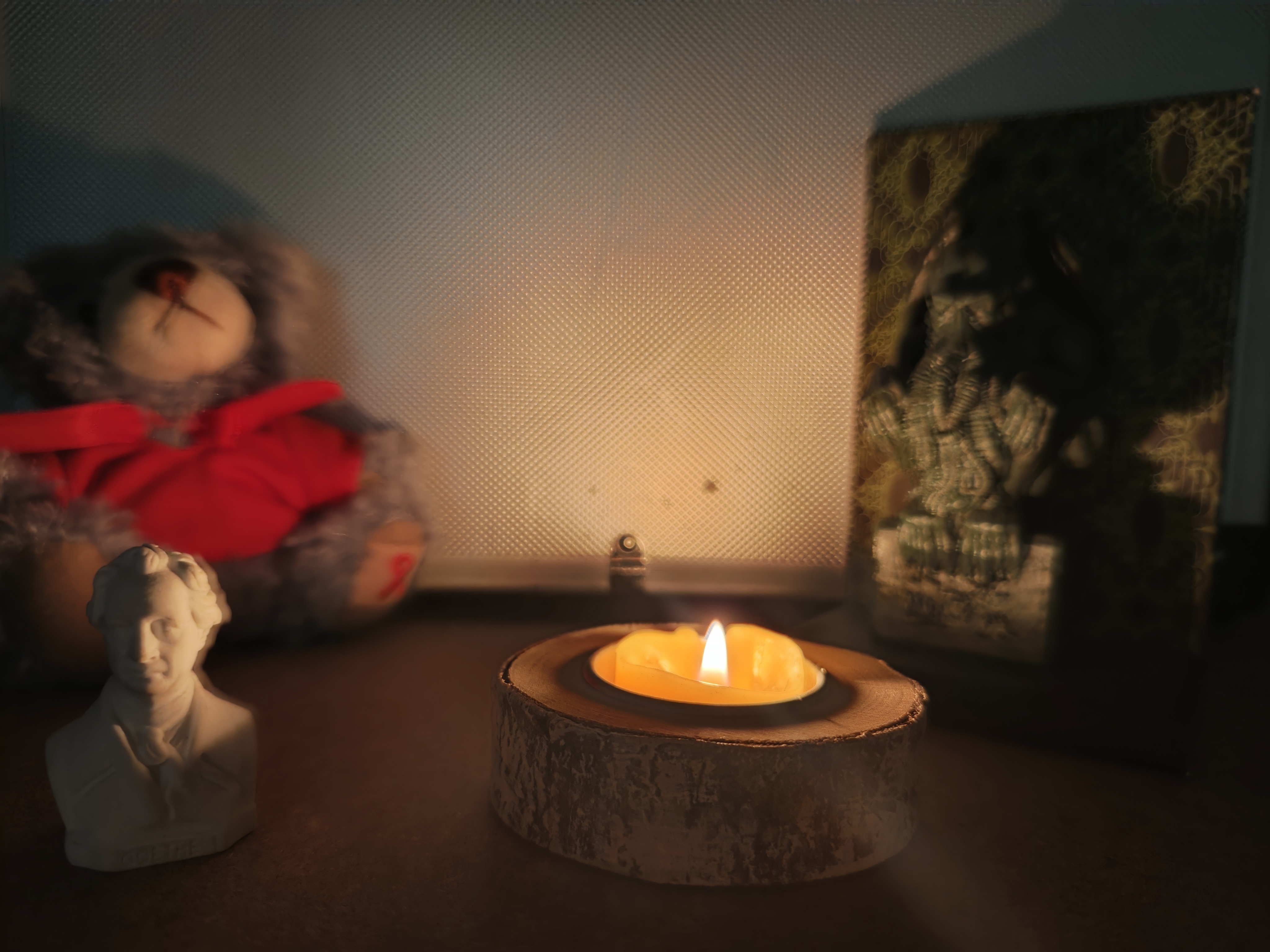
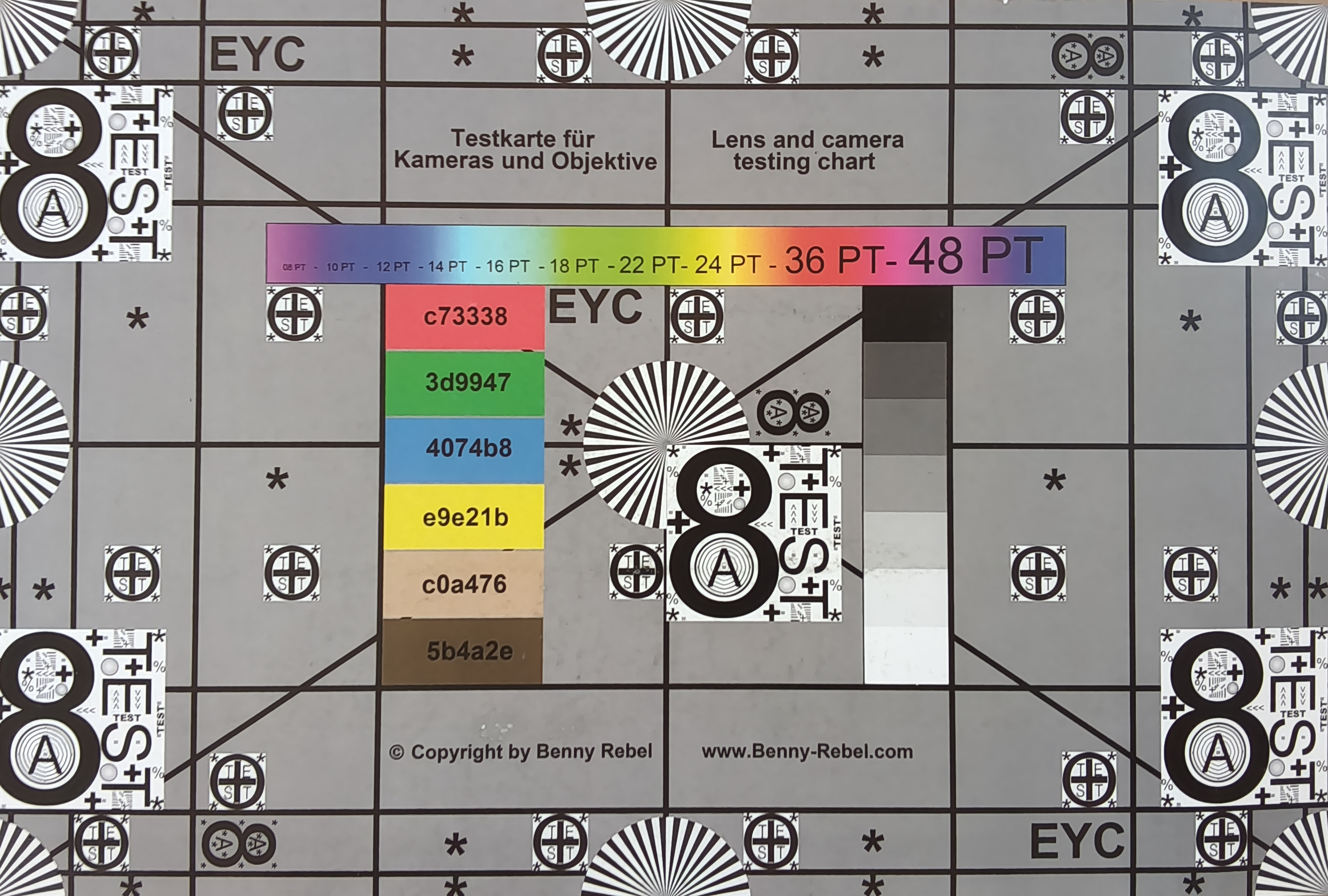
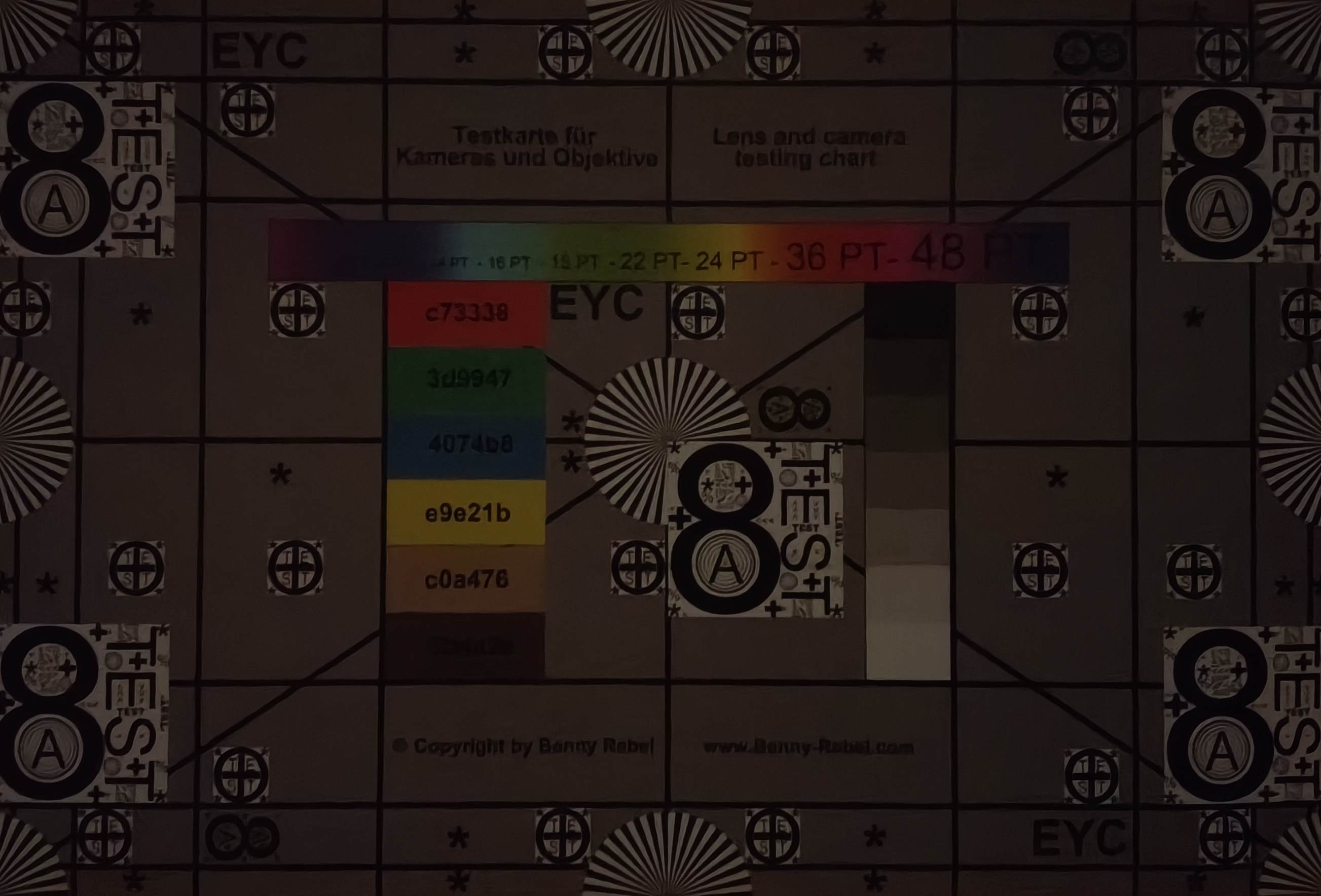
There is an 8-megapixel camera on both the front and back. These can be used to take snapshots and scan documents. However, the image quality will not be sufficient for serious photographers.
The front camera takes decent selfies and can also be used for video conferences, but external webcams sometimes offer significantly better image quality.
Image comparison
Choose a scene and navigate within the first image. One click changes the position on touchscreens. One click on the zoomed-in image opens the original in a new window. The first image shows the scaled photograph of the test device.
PlantSurroundingLow Light









Display – Large screen without PWM
The 12.1-inch screen with LCD technology offers a few more pixels than the Oppo Pad 5. In addition, our test model features a matte finish.
The screen can achieve 821 cd/m² of brightness when displaying full-screen white, which is a good level for this price range.
Since it is not an OLED screen, we do not detect any PWM flicker at low brightness levels. This is good news for those who are sensitive to it.
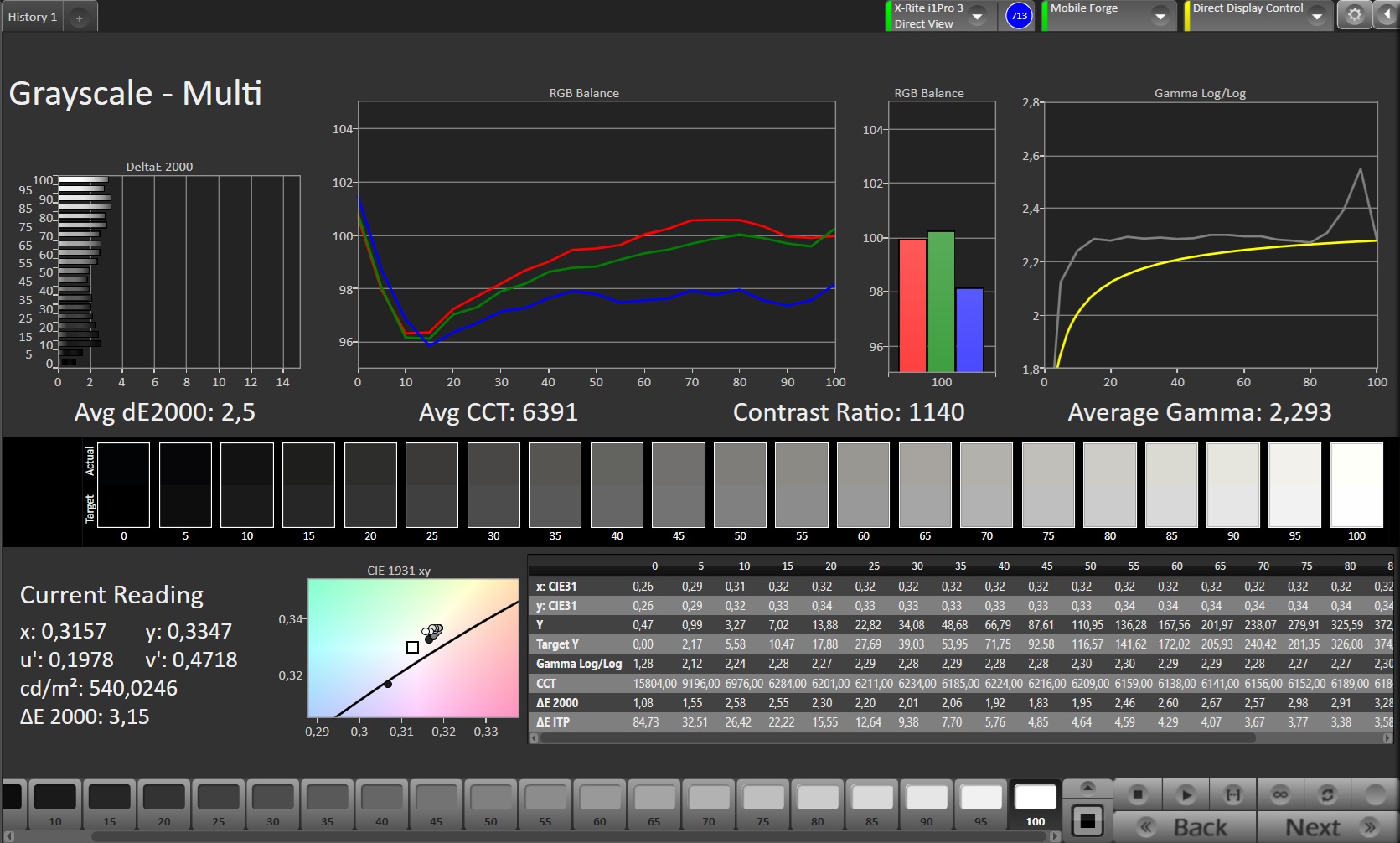
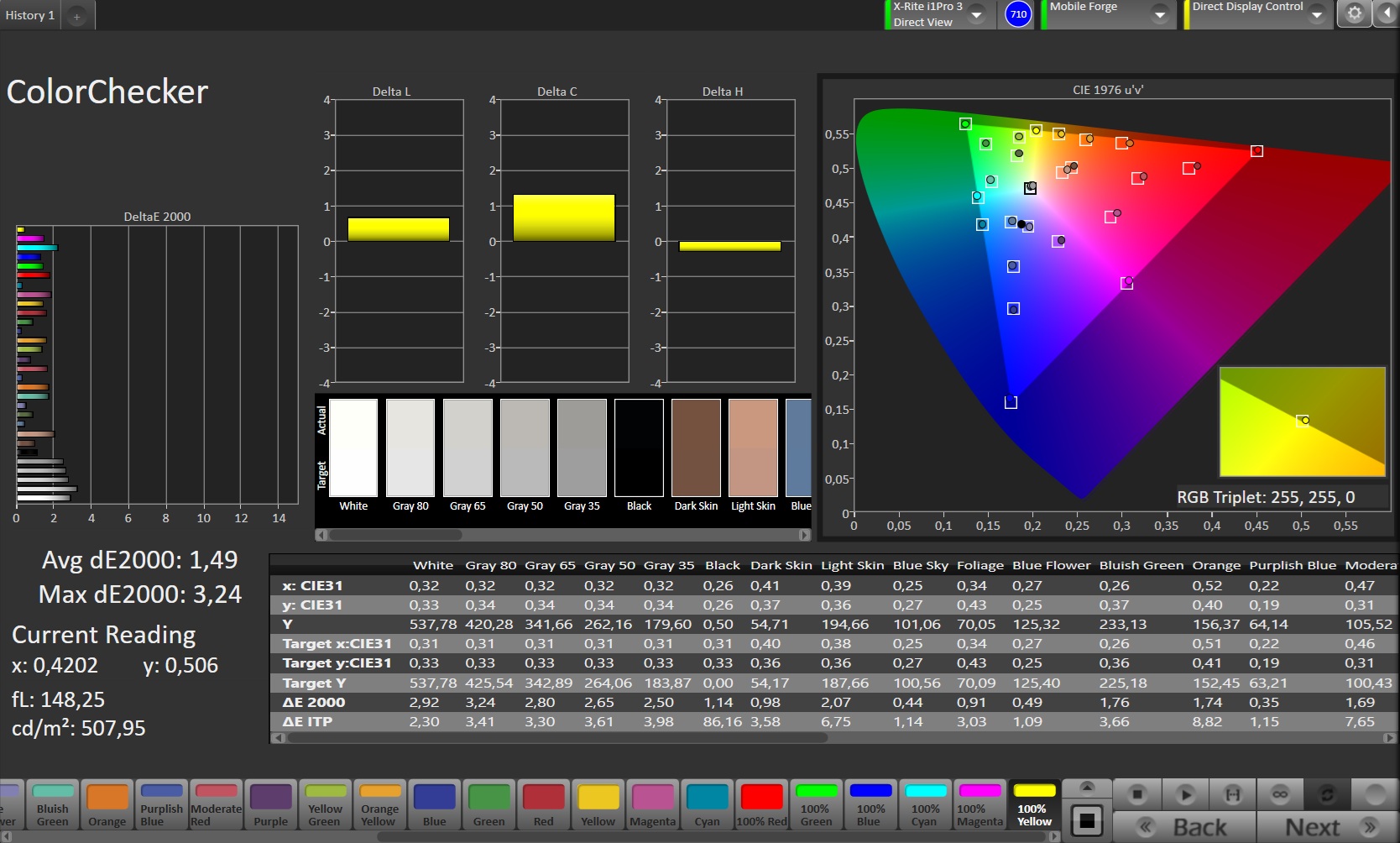
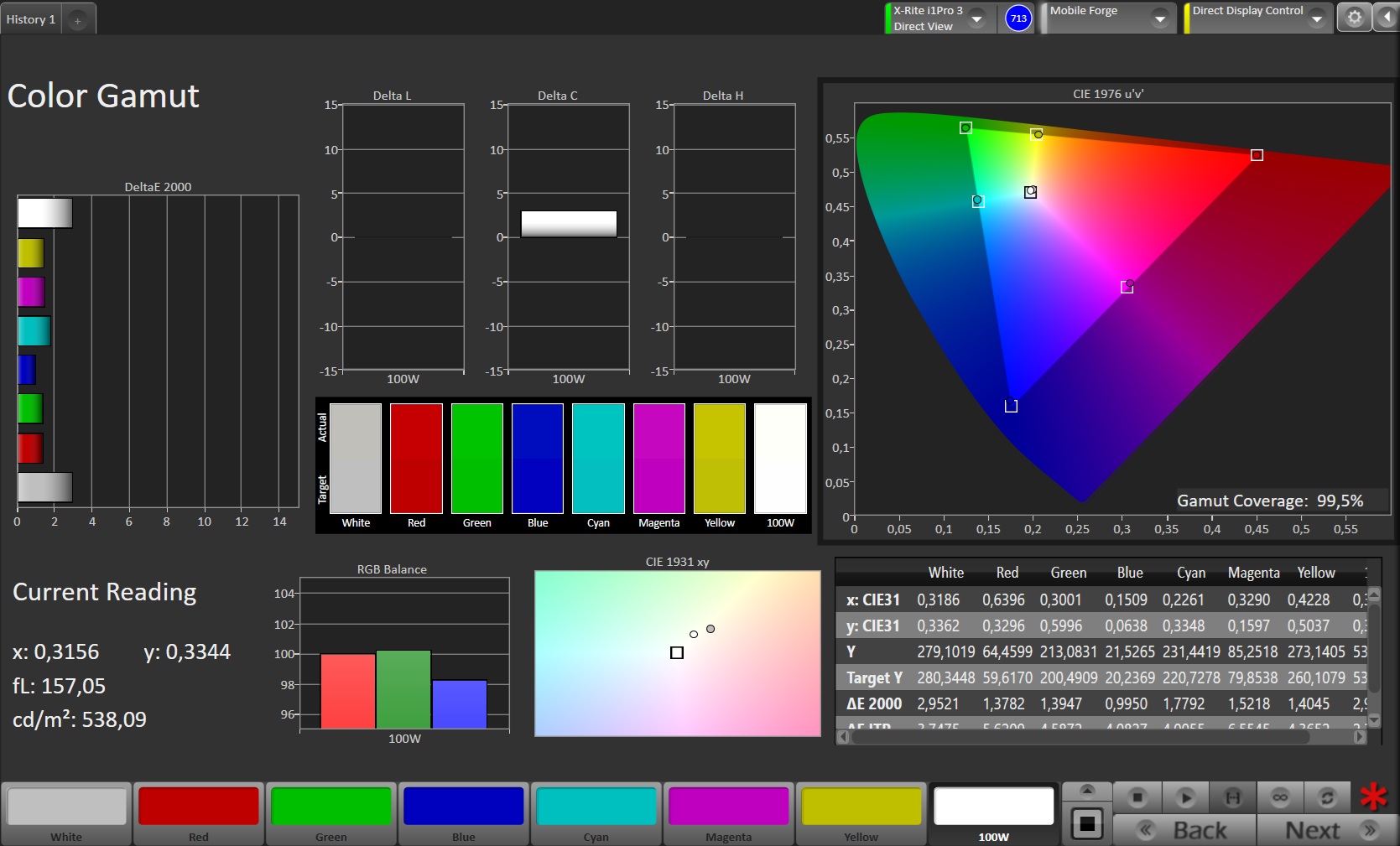
Color reproduction is very accurate and indistinguishable from the ideal to the naked eye.
| |||||||||||||||||||||||||
Center on Battery: 821 cd/m²
Contrast: 1747:1 (Black: 0.47 cd/m²)
ΔE ColorChecker Calman: 1.49 | ∀{0.5-29.43 Ø4.7}
ΔE Greyscale Calman: 2.5 | ∀{0.09-98 Ø4.95}
99.5% sRGB (Calman 2D)
Gamma: 2.293
CCT: 6391 K
| Oppo Pad 6 LCD, 3000x2000, 12.1" | Oppo Pad 5 LCD, 2800x1980, 12.1" | Honor MagicPad 4 OLED, 3000x1920, 12.3" | Xiaomi Pad 8 IPS, 3200x2136, 11.2" | Apple iPad Air 13 M4 2026 IPS, 2732x2048, 12.9" | |
|---|---|---|---|---|---|
| Display | 0% | 196% | -29% | ||
| APL18 Peak Brightness (cd/m²) | 899 | 903 0% | 2337 160% | 644 -28% | |
| HDR Peak Brightness (cd/m²) | 929 | 926 0% | 3084 232% | 652 -30% | |
| Response Times | -18% | 49% | -77% | -22% | |
| Response Time Grey 50% / Grey 80% * (ms) | 17.2 ? | 25.1 ? -46% | 16.6 ? 3% | 33.6 ? -95% | 18.8 ? -9% |
| Response Time Black / White * (ms) | 14.6 ? | 13.1 ? 10% | 0.91 ? 94% | 23.2 ? -59% | 19.5 ? -34% |
| PWM Frequency (Hz) | 60 | ||||
| PWM Amplitude * (%) | 16.05 | ||||
| Screen | -19% | 34% | 14% | -0% | |
| Brightness middle (cd/m²) | 821 | 892 9% | 829 1% | 627 -24% | 625 -24% |
| Black Level * (cd/m²) | 0.47 | 0.8 -70% | 0.3 36% | 0.4 15% | |
| Contrast (:1) | 1747 | 1115 -36% | 2090 20% | 1563 -11% | |
| Colorchecker dE 2000 * | 1.49 | 1.17 21% | 0.9 40% | 1.25 16% | 1.49 -0% |
| Colorchecker dE 2000 max. * | 3.24 | 4.67 -44% | 1.7 48% | 2.95 9% | 3.18 2% |
| Greyscale dE 2000 * | 2.5 | 2.3 8% | 1.3 48% | 1.8 28% | 2.1 16% |
| Gamma | 2.293 96% | 2.415 91% | 2.25 98% | 2.183 101% | 2.19 100% |
| CCT | 6391 102% | 6856 95% | 6601 98% | 6898 94% | 6940 94% |
| Brightness (cd/m²) | 862 | 827 | 613 | 613 | |
| Brightness Distribution (%) | 93 | 90 | 96 | 96 | |
| Total Average (Program / Settings) | -12% /
-15% | 93% /
78% | -32% /
-9% | -17% /
-10% |
* ... smaller is better
| Display / APL18 Peak Brightness | |
| Honor MagicPad 4 | |
| Oppo Pad 5 | |
| Oppo Pad 6 | |
| Apple iPad Air 13 M4 2026 | |
| Display / HDR Peak Brightness | |
| Honor MagicPad 4 | |
| Oppo Pad 6 | |
| Oppo Pad 5 | |
| Apple iPad Air 13 M4 2026 | |
Screen Flickering / PWM (Pulse-Width Modulation)
| Screen flickering / PWM not detected | 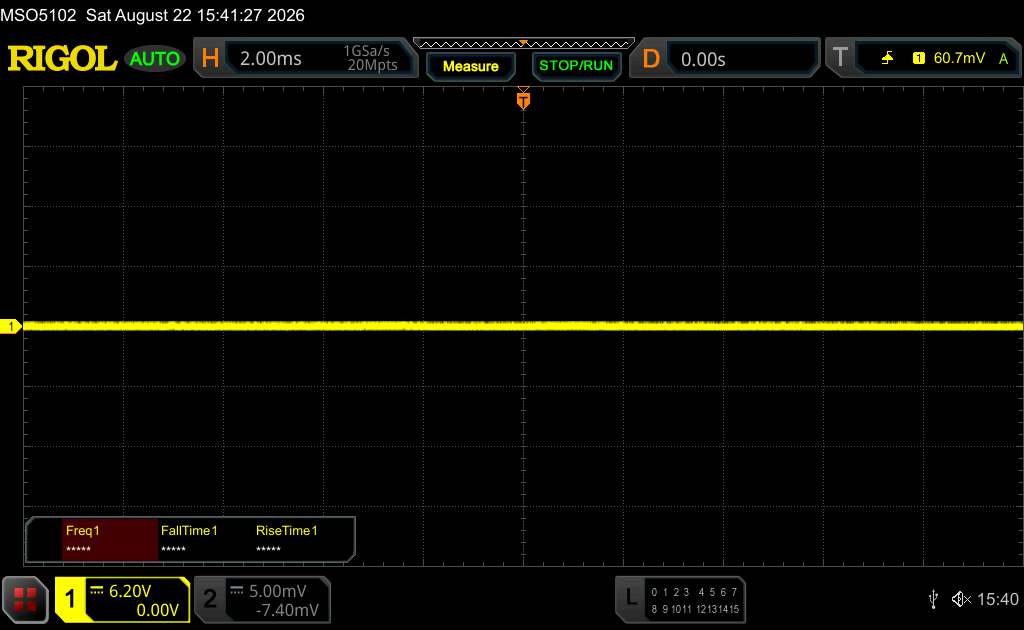 | ||
In comparison: 52 % of all tested devices do not use PWM to dim the display. If PWM was detected, an average of 7665 (minimum: 5 - maximum: 343500) Hz was measured. | |||
Display Response Times
| ↔ Response Time Black to White | ||
|---|---|---|
| 14.6 ms ... rise ↗ and fall ↘ combined | ↗ 8.8 ms rise | 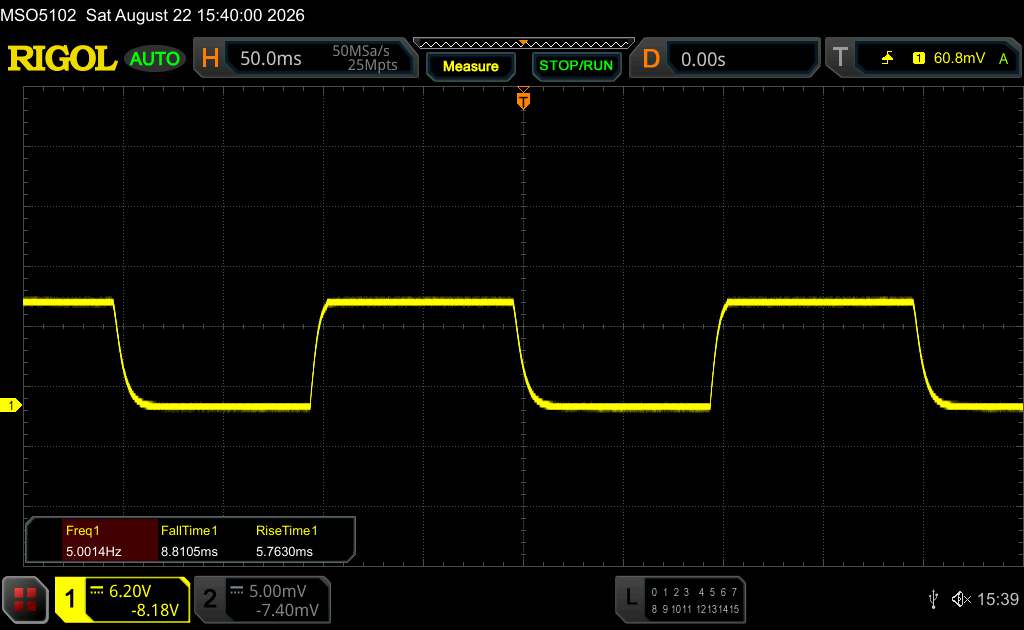 |
| ↘ 5.8 ms fall | ||
| The screen shows good response rates in our tests, but may be too slow for competitive gamers. In comparison, all tested devices range from 0.1 (minimum) to 240 (maximum) ms. » 36 % of all devices are better. This means that the measured response time is better than the average of all tested devices (19.7 ms). | ||
| ↔ Response Time 50% Grey to 80% Grey | ||
| 17.2 ms ... rise ↗ and fall ↘ combined | ↗ 14.2 ms rise | 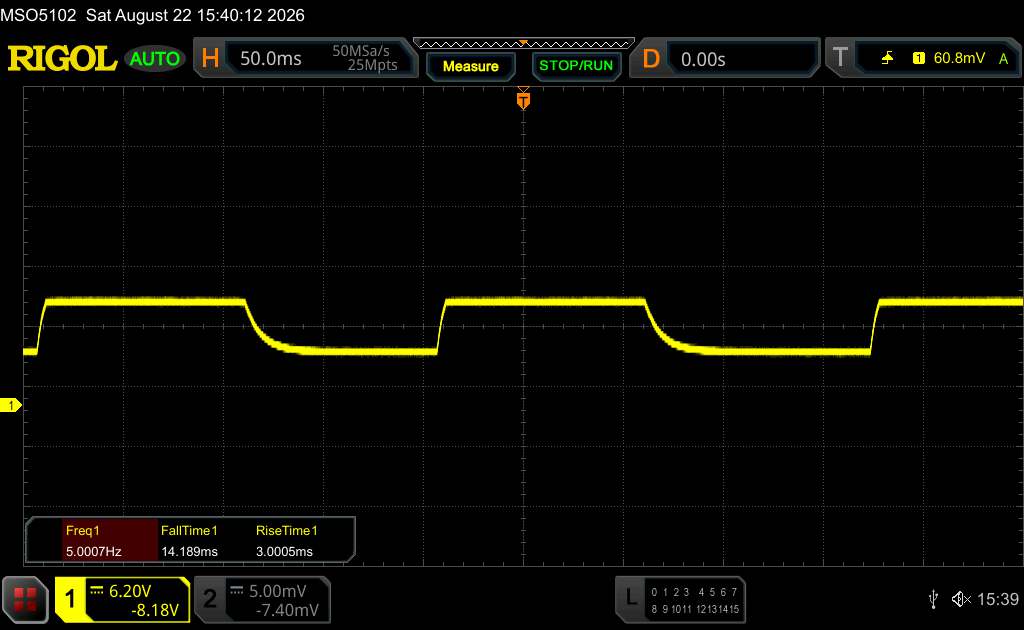 |
| ↘ 3 ms fall | ||
| The screen shows good response rates in our tests, but may be too slow for competitive gamers. In comparison, all tested devices range from 0.13 (minimum) to 636 (maximum) ms. » 32 % of all devices are better. This means that the measured response time is better than the average of all tested devices (30.8 ms). | ||
Performance, emissions, and battery life – Finally, more power
With the MediaTek Dimensity 9500s, the Oppo Pad 6 offers significantly more power than its predecessor and is now on par with similarly priced tablets. In everyday use, navigating through the menus is incredibly smooth, and even more resource-intensive apps run without any issues.
For storage, Oppo relies on UFS 3.1, ensuring good speeds. However, it can’t quite keep up with the absolute top-tier tablets.
The case heats up only moderately. In the 3DMark stress tests, however, we sometimes observed significant throttling after prolonged use.
The six speakers on the case deliver good sound, though the bass remains somewhat weak. You can connect external audio devices via the USB port or Bluetooth and also use the most common codecs for wireless connections.
The battery capacity remains unchanged from the previous model. But that’s not necessary—even then, the 10,420 mAh capacity was above average compared to other tablets. Battery life is also very good and easily lasts a full day on the couch. Charging is significantly faster this time around, with up to 67 watts.
| GFXBench | |
| on screen Aztec Ruins Normal Tier Onscreen | |
| Average Mediatek Dimensity 9500s (59 - 120, n=2) | |
| Honor MagicPad 4 | |
| Oppo Pad 6 | |
| Xiaomi Pad 8 | |
| Average of class Tablet (5.2 - 301, n=81, last 2 years) | |
| Oppo Pad 5 | |
| 1920x1080 Aztec Ruins Normal Tier Offscreen | |
| Average Mediatek Dimensity 9500s (182 - 277, n=2) | |
| Honor MagicPad 4 | |
| Oppo Pad 6 | |
| Xiaomi Pad 8 | |
| Average of class Tablet (5.6 - 323, n=81, last 2 years) | |
| Oppo Pad 5 | |
| on screen Aztec Ruins High Tier Onscreen | |
| Average Mediatek Dimensity 9500s (46 - 103, n=2) | |
| Honor MagicPad 4 | |
| Oppo Pad 6 | |
| Xiaomi Pad 8 | |
| Average of class Tablet (3.1 - 94, n=81, last 2 years) | |
| Oppo Pad 5 | |
| 2560x1440 Aztec Ruins High Tier Offscreen | |
| Honor MagicPad 4 | |
| Average Mediatek Dimensity 9500s (75 - 91, n=2) | |
| Oppo Pad 6 | |
| Xiaomi Pad 8 | |
| Average of class Tablet (2 - 134, n=81, last 2 years) | |
| Oppo Pad 5 | |
| 3840x2160 4K Aztec Ruins High Tier Offscreen | |
| Honor MagicPad 4 | |
| Average Mediatek Dimensity 9500s (34 - 49, n=2) | |
| Oppo Pad 6 | |
| Xiaomi Pad 8 | |
| Average of class Tablet (0.81 - 57, n=81, last 2 years) | |
| Oppo Pad 5 | |
| Oppo Pad 6 | Oppo Pad 5 | Honor MagicPad 4 | Xiaomi Pad 8 | Average 256 GB UFS 3.1 Flash | Average of class Tablet | |
|---|---|---|---|---|---|---|
| AndroBench 3-5 | 59% | 189% | 149% | 74% | 90% | |
| Sequential Read 256KB (MB/s) | 1742.8 | 1922.71 10% | 1978.75 14% | 3899.2 124% | 1770 ? 2% | 2120 ? 22% |
| Sequential Write 256KB (MB/s) | 1676.9 | 1674.97 0% | 1752.63 5% | 3391.2 102% | 1236 ? -26% | 1719 ? 3% |
| Random Read 4KB (MB/s) | 308.5 | 208.83 -32% | 513.85 67% | 325.1 5% | 289 ? -6% | 280 ? -9% |
| Random Write 4KB (MB/s) | 74.7 | 266.49 257% | 574.85 670% | 348.2 366% | 319 ? 327% | 332 ? 344% |
(±) The maximum temperature on the upper side is 40.5 °C / 105 F, compared to the average of 33.7 °C / 93 F, ranging from 20.7 to 53.2 °C for the class Tablet.
(±) The bottom heats up to a maximum of 40.5 °C / 105 F, compared to the average of 33.2 °C / 92 F
3DMark Stress Tests
| 3DMark | |
| Wild Life Stress Test Stability | |
| Oppo Pad 5 | |
| Oppo Pad 6 | |
| Honor MagicPad 4 | |
| Xiaomi Pad 8 | |
| Wild Life Extreme Stress Test | |
| Oppo Pad 5 | |
| Honor MagicPad 4 | |
| Xiaomi Pad 8 | |
| Oppo Pad 6 | |
| Apple iPad Air 13 M4 2026 | |
| Solar Bay Stress Test Stability | |
| Honor MagicPad 4 | |
| Xiaomi Pad 8 | |
| Apple iPad Air 13 M4 2026 | |
| Oppo Pad 6 | |
| Solar Bay Extreme Stress Test Stability | |
| Xiaomi Pad 8 | |
| Oppo Pad 6 | |
| Steel Nomad Light Stress Test Stability | |
| Oppo Pad 5 | |
| Xiaomi Pad 8 | |
| Oppo Pad 6 | |
| Apple iPad Air 13 M4 2026 | |
Oppo Pad 6 audio analysis
(+) | speakers can play relatively loud (84.1 dB)
Bass 100 - 315 Hz
(-) | nearly no bass - on average 69.1% lower than median
(+) | bass is linear (0% delta to prev. frequency)
Mids 400 - 2000 Hz
(-) | nearly no mids - on average 69.1% lower than median
(+) | mids are linear (0% delta to prev. frequency)
Highs 2 - 16 kHz
(-) | nearly no highs - on average 69.1% lower than median
(+) | highs are linear (0% delta to prev. frequency)
Overall 100 - 16.000 Hz
(-) | overall sound is not linear (129.5% difference to median)
Compared to same class
» 99% of all tested devices in this class were better, 1% similar, 0% worse
» The best had a delta of 7%, average was 21%, worst was 130%
Compared to all devices tested
» 99% of all tested devices were better, 1% similar, 0% worse
» The best had a delta of 4%, average was 23%, worst was 136%
Honor MagicPad 4 audio analysis
(±) | speaker loudness is average but good (79.2 dB)
Bass 100 - 315 Hz
(±) | reduced bass - on average 6.7% lower than median
(-) | bass is not linear (16.4% delta to prev. frequency)
Mids 400 - 2000 Hz
(+) | balanced mids - only 2.2% away from median
(+) | mids are linear (6.9% delta to prev. frequency)
Highs 2 - 16 kHz
(+) | balanced highs - only 3.2% away from median
(+) | highs are linear (6.9% delta to prev. frequency)
Overall 100 - 16.000 Hz
(+) | overall sound is linear (8.7% difference to median)
Compared to same class
» 2% of all tested devices in this class were better, 2% similar, 97% worse
» The best had a delta of 7%, average was 21%, worst was 130%
Compared to all devices tested
» 3% of all tested devices were better, 1% similar, 97% worse
» The best had a delta of 4%, average was 23%, worst was 136%
| Off / Standby |   0.1 / 0.2 Watt 0.1 / 0.2 Watt |
| Idle |  1.6 / 1.8 / 1.9 Watt 1.6 / 1.8 / 1.9 Watt |
    
| |
Key:
min: ,
med: ,
max: Metrahit Energy | |
| Oppo Pad 6 10420 mAh | Oppo Pad 5 10420 mAh | Honor MagicPad 4 10100 mAh | Xiaomi Pad 8 9200 mAh | Apple iPad Air 13 M4 2026 9705 mAh | Average Mediatek Dimensity 9500s | Average of class Tablet | |
|---|---|---|---|---|---|---|---|
| Power Consumption | -10% | -147% | -4% | 14% | -98% | ||
| Idle Minimum * (Watt) | 1.6 | 1.8 -13% | 3.53 -121% | 1.3 19% | 1.395 ? 13% | 2.21 ? -38% | |
| Idle Average * (Watt) | 1.8 | 1.9 -6% | 4.77 -165% | 2 -11% | 1.515 ? 16% | 4.01 ? -123% | |
| Idle Maximum * (Watt) | 1.9 | 2.1 -11% | 4.86 -156% | 2.3 -21% | 1.665 ? 12% | 4.4 ? -132% | |
| Load Average * (Watt) | 6.7 | 11.21 | 6.6 | 6.8 ? | 8.97 ? | ||
| Load Maximum * (Watt) | 9 | 11.67 | 13.3 | 11.5 ? | 14.5 ? |
* ... smaller is better
| Oppo Pad 6 10420 mAh | Oppo Pad 5 10420 mAh | Honor MagicPad 4 10100 mAh | Xiaomi Pad 8 9200 mAh | Apple iPad Air 13 M4 2026 9705 mAh | |
|---|---|---|---|---|---|
| Battery runtime | -1% | -32% | 7% | -31% | |
| WiFi v1.3 (h) | 19.3 | 19.1 -1% | 13.1 -32% | 20.7 7% | 13.4 -31% |
| Load (h) | 4.2 | 4.2 | 5.1 | ||
| Reader / Idle (h) | 46.7 | 25.7 |
Notebookcheck Overall Rating
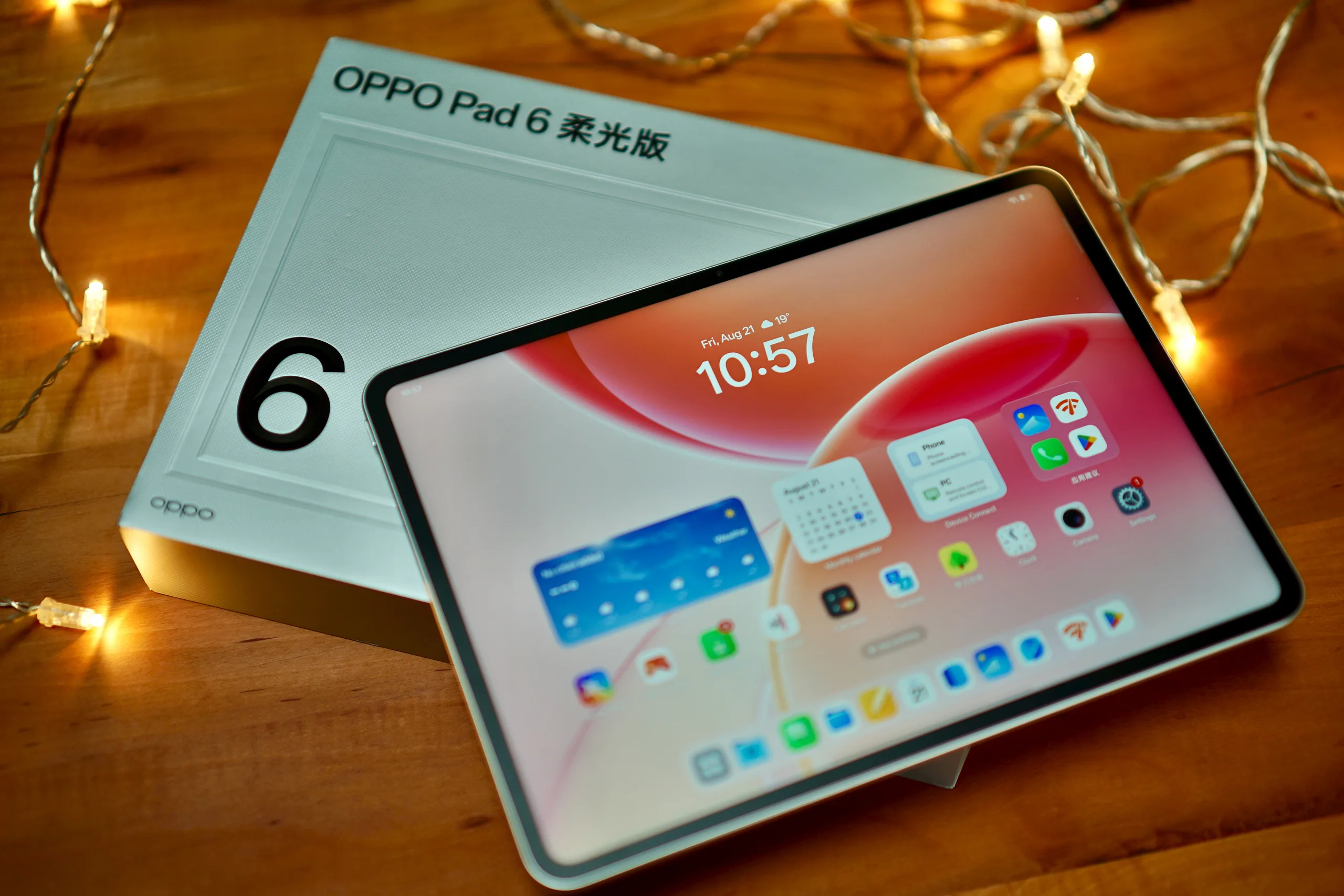
The Oppo Pad 6 is a clear improvement over its predecessor and finally holds its own against similarly priced tablets.
It’s a shame, however, that a 5G version is no longer available.
Oppo Pad 6
- 09/07/2026 v8
Florian Schmitt
 Total Sustainability Score:
 Comparison of Possible Alternatives
Image | Model / Review | Price | Weight | Drive | Display |
|---|---|---|---|---|---|
1. 85.8% 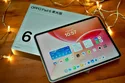 | Oppo Pad 6 Mediatek Dimensity 9500s ⎘ ARM Immortalis-G925 MC11 ⎘ 12 GB Memory, 256 GB UFS 3.1 | Amazon: 1. $18.99 INSOLKIDON Compatible for Op... 2. $18.99 Case for Oppo Pad 6 Tablet 1... 3. $18.89 for Oppo Pad SE 2025 Android... List Price: 667€ | 579 g | 256 GB UFS 3.1 Flash | 12.10" 3000x2000 298 PPI LCD |
2. 80.9%  | Oppo Pad 5 MediaTek Dimensity 7300 ⎘ ARM Mali-G615 MP2 ⎘ 8 GB Memory, 128 GB UFS 3.1 | List Price: 459€ | 577 g | 128 GB UFS 3.1 Flash | 12.10" 2800x1980 283 PPI LCD |
3. 89.6% 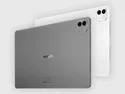 | Honor MagicPad 4 Qualcomm Snapdragon 8 Gen 5 ⎘ Qualcomm Adreno 829 ⎘ 12 GB Memory, 256 GB UFS 4.x | Amazon: 1. $899.00 HONOR MagicPad4 (12.3 Inch, ... 2. $853.00 HONOR MagicPad4 (12.3 Inch, ... 3. $1,020.00 HONOR MagicPad4 (12.3 Inch, ... List Price: 600€ | 450 g | 256 GB UFS 4.0 Flash | 12.30" 3000x1920 290 PPI OLED |
4. 87.1% 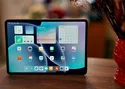 | Xiaomi Pad 8 Qualcomm Snapdragon 8s Gen 4 SM8735 ⎘ Qualcomm Adreno 825 ⎘ 12 GB Memory, 256 GB UFS 4.x | Amazon: 1. $382.50 XIAOMI Pad 8 Ai WiFi Version... 2. $406.13 XIAOMI Pad 8 Ai WiFi Version... 3. $379.50 XIAOMI Pad 8 Ai WiFi Version... List Price: 437€ | 485 g | 256 GB UFS 4.1 Flash | 11.20" 3200x2136 344 PPI IPS |
5. 87.1% 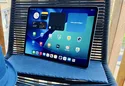 | Apple iPad Air 13 M4 2026 Apple M4 8-Core ⎘ Apple M4 9-Core GPU ⎘ 12 GB Memory, 128 GB NVMe | Amazon: List Price: 849€ | 616 g | 128 GB NVMe | 12.90" 2732x2048 265 PPI IPS |
Transparency
The selection of devices to be reviewed is made by our editorial team. The test sample was provided to the author as a loan by the manufacturer or retailer for the purpose of this review. The lender had no influence on this review, nor did the manufacturer receive a copy of this review before publication. There was no obligation to publish this review. As an independent media company, Notebookcheck is not subjected to the authority of manufacturers, retailers or publishers.
This is how Notebookcheck is testing
Every year, Notebookcheck independently reviews hundreds of laptops and smartphones using standardized procedures to ensure that all results are comparable. We have continuously developed our test methods for around 20 years and set industry standards in the process. In our test labs, high-quality measuring equipment is utilized by experienced technicians and editors. These tests involve a multi-stage validation process. Our complex rating system is based on hundreds of well-founded measurements and benchmarks, which maintains objectivity. Further information on our test methods can be found here.
 Add as a preferred source on Google


