




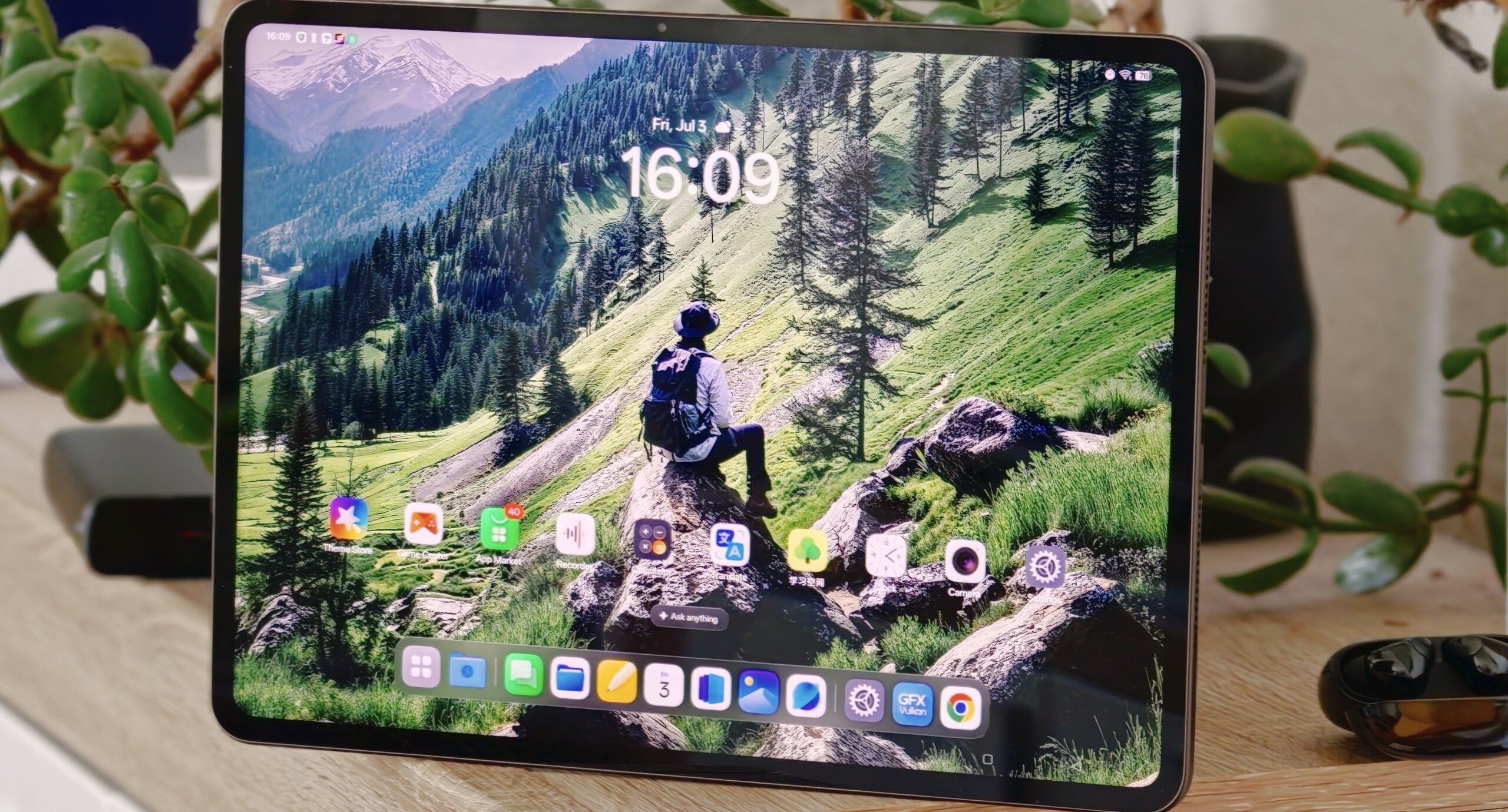
Conclusion on the Oppo Pad 5 Pro
The Pad 5 Pro impressively demonstrates just how high the bar has been set for modern tablets. The Oppo tablet stands out with a high-quality, slim aluminum unibody design. At the same time, it offers a massive 13,380-mAh battery that nearly blows the competition out of the water in our Wi-Fi test. The Pad 5 Pro delivers more than twice the battery life compared to an Apple iPad Pro 13.
Powered by the Snapdragon 8 Elite Gen 5, the Oppo Pad is also one of the most powerful Android tablets on the market, and its 13.2-inch LCD display offers impressive brightness and operates completely free of PWM flicker.
Nevertheless, it’s difficult to recommend Oppo’s premium tablet for purchase, given the strong competition from Honor. That’s because Oppo falls short in key areas for an XXL tablet—sometimes more, sometimes less. For example, the panel’s contrast is somewhat disappointing, and the speakers are a real competitive disadvantage compared to the iPad models. The lack of a fingerprint scanner on a premium tablet also remains puzzling, forcing users to rely on the less secure 2D facial recognition.
If you can live with a slightly smaller display and shorter battery life, you should definitely check out our review of the MagicPad 4 as a very interesting alternative to the Pad 5 Pro.
Pros
Cons
Price and Availability of the Oppo Pad 5 Pro

The Oppo Pad 5 Pro has so far only been released in China. The model with 12 GB of RAM starts at around 700 Euros (~$801) on Trading Shenzhen. The manufacturer has not yet commented on an international launch. An identical version running OxygenOS is coming to the Indian market as the OnePlus Pad 4.

- $915.00OPPO Pad 3 Pro 12.1 Inch 256GB ROM + 12GB RAM WiFi + Bluetooth Tablet (Starlit Blue) - International Version
- $13.95Gylint Case for Oppo Pad 5 Pro/OnePlus Pad 4 13.2 inch, Ultra-Thin PU Leather Smart Cover with Auto Wake/Sleep Black
- $13.95Gylint Case for Oppo Pad 5 Pro/OnePlus Pad 4 13.2 inch, Ultra-Thin PU Leather Smart Cover with Auto Wake/Sleep Green
Table of Contents
- Conclusion on the Oppo Pad 5 Pro
- Specifications of the Oppo Pad 5 Pro
- Case—Is the premium tablet waterproof?
- Features - An Affordable Alternative to the iPad Pro with Fast USB
- Software - Android Tablet with Question Marks Regarding Updates
- Communication and GNSS - Premium Tablet with WiFi 7 and GPS
- Cameras - Oppo Pad 5 Pro with a 13-megapixel camera for the college lecture hall
- Accessories and Warranty - Android Tablet with Stylus Support
- Input Devices and Operation - Premium Tablet Without a Fingerprint Sensor
- Display—Android tablet with a bright screen, but without OLED
- Performance - The Oppo Pad 5 Pro is super fast thanks to its Qualcomm chipset
- Emissions - Alternative to the iPad Pro Stays Cool
- Battery Life - Oppo Pad 5 Pro with Long Battery Life
- Notebookcheck Overall Rating
- Comparison of Possible Alternatives
Specifications of the Oppo Pad 5 Pro
Case—Is the premium tablet waterproof?

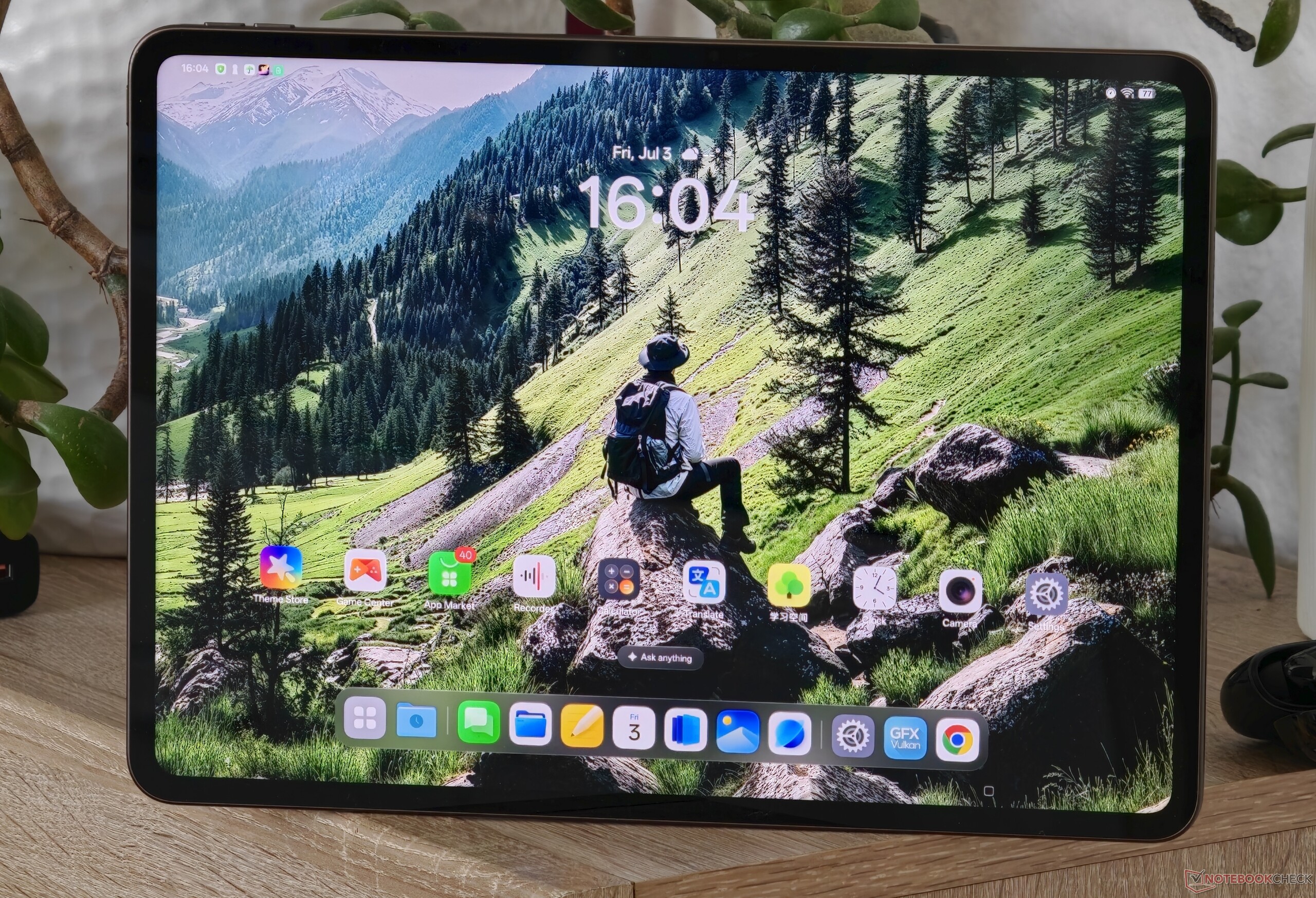
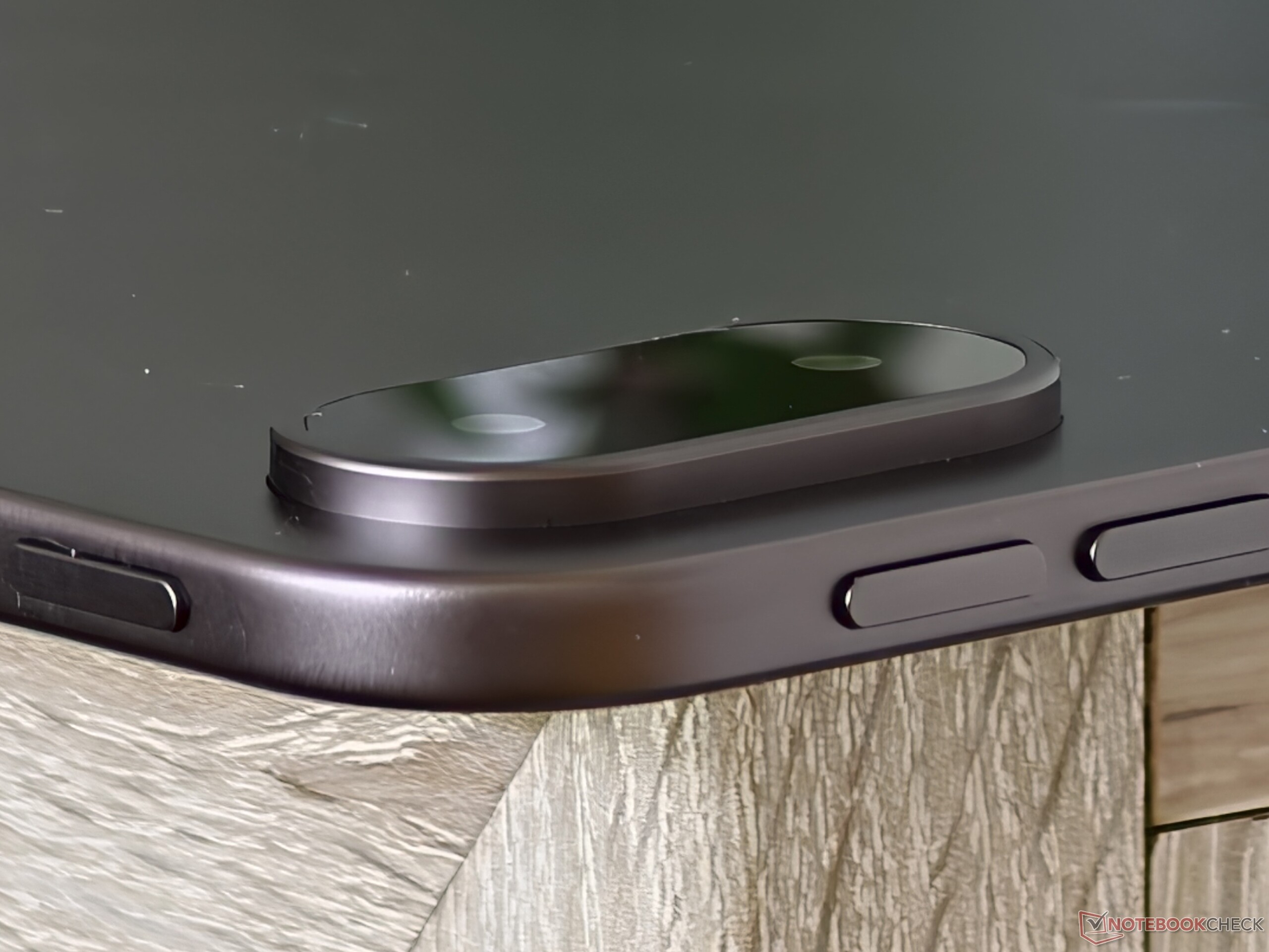
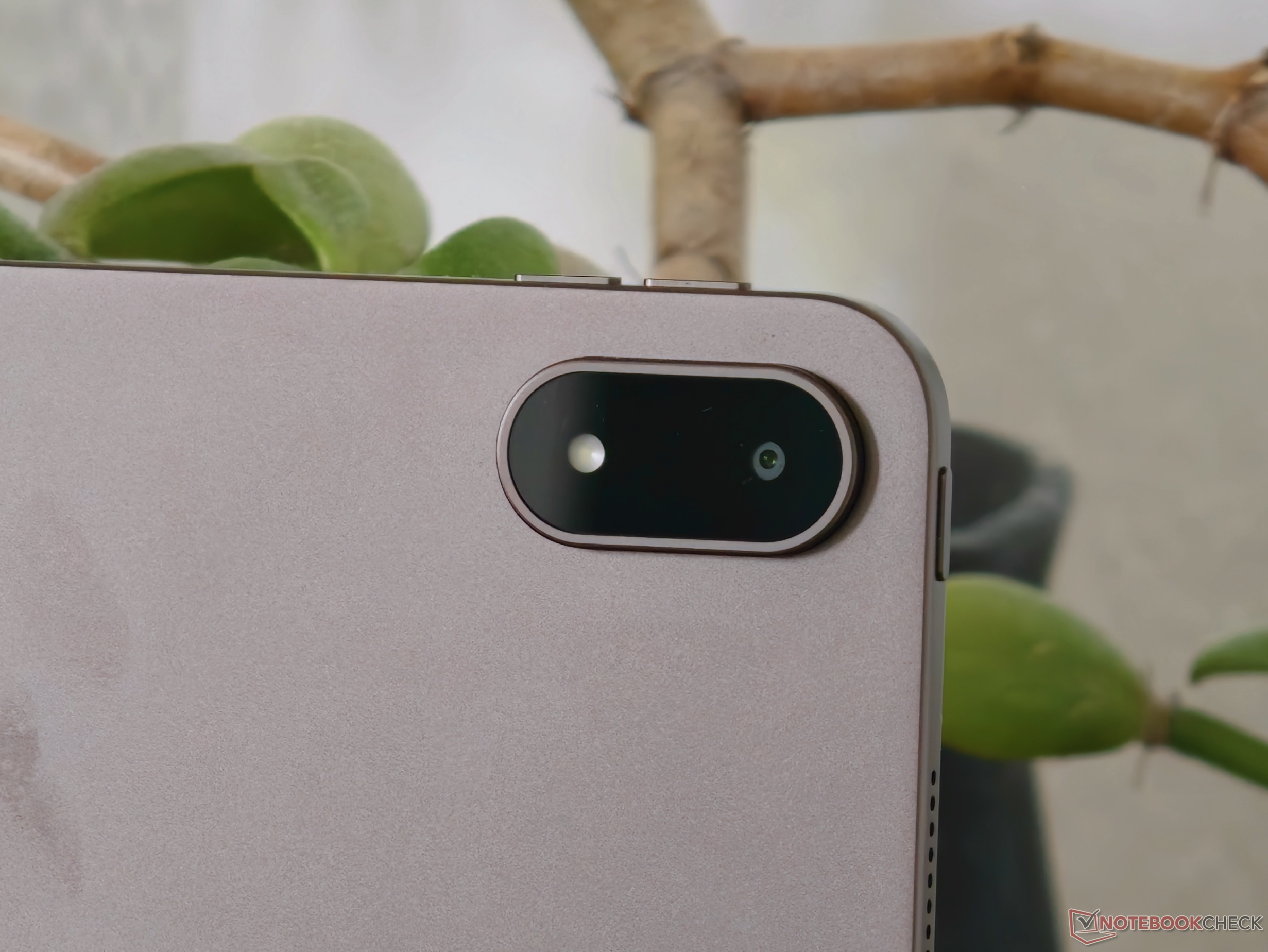
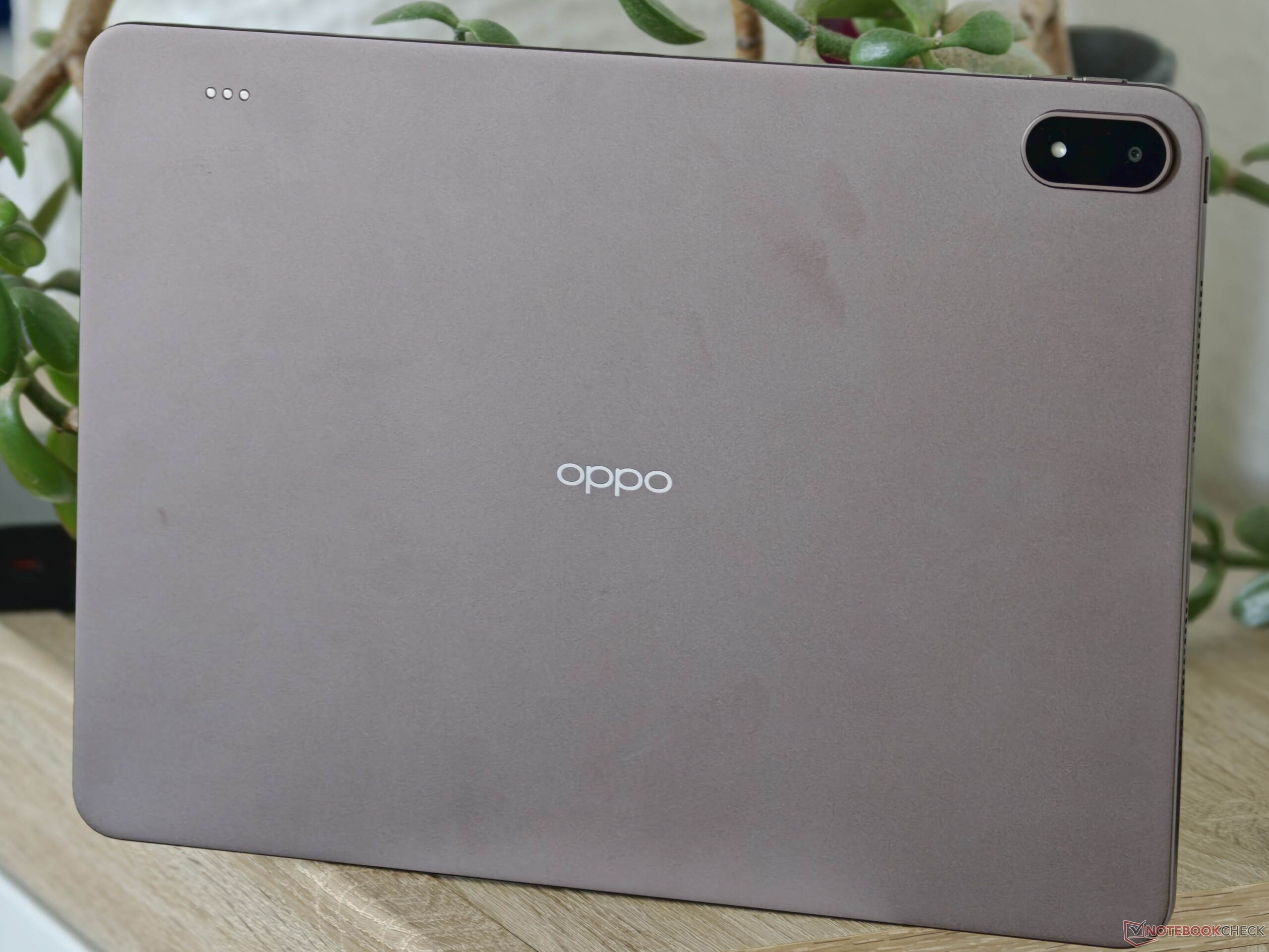
The Pad 5 Pro impresses with an attractive aluminum unibody design and a thickness of only about 6 millimeters (~0.24 in). This makes the Oppo tablet feel very thin despite its massive 13,380-mAh battery. The Pad 5 Pro isn’t exactly lightweight, but a similarly sized iPad Air 13 doesn’t weigh much less either.
Thanks to its fairly thin bezels, the Oppo tablet offers a good screen-to-body ratio of nearly 88 percent. We were unable to find any information regarding an IP rating for the Pad 5 Pro, but since the Pad 5 does have an IP rating, the Pro version is likely no worse off than the “standard” version. As is typical, the Chinese website makes no mention of this.
Features - An Affordable Alternative to the iPad Pro with Fast USB
Depending on the model variant, the Pad 5 Pro comes with either 12 GB of LPDDR5X or 16 GB of LPDDR5T RAM. For fast data transfer, the Oppo tablet supports USB-C 3.2 (Gen 1), including video output to external monitors.
It also offers stylus support, USB OTG, and Bluetooth 5.4. However, there is still no dedicated desktop mode via the DisplayPort interface in ColorOS, so the user interface is simply mirrored.
Software - Android Tablet with Question Marks Regarding Updates
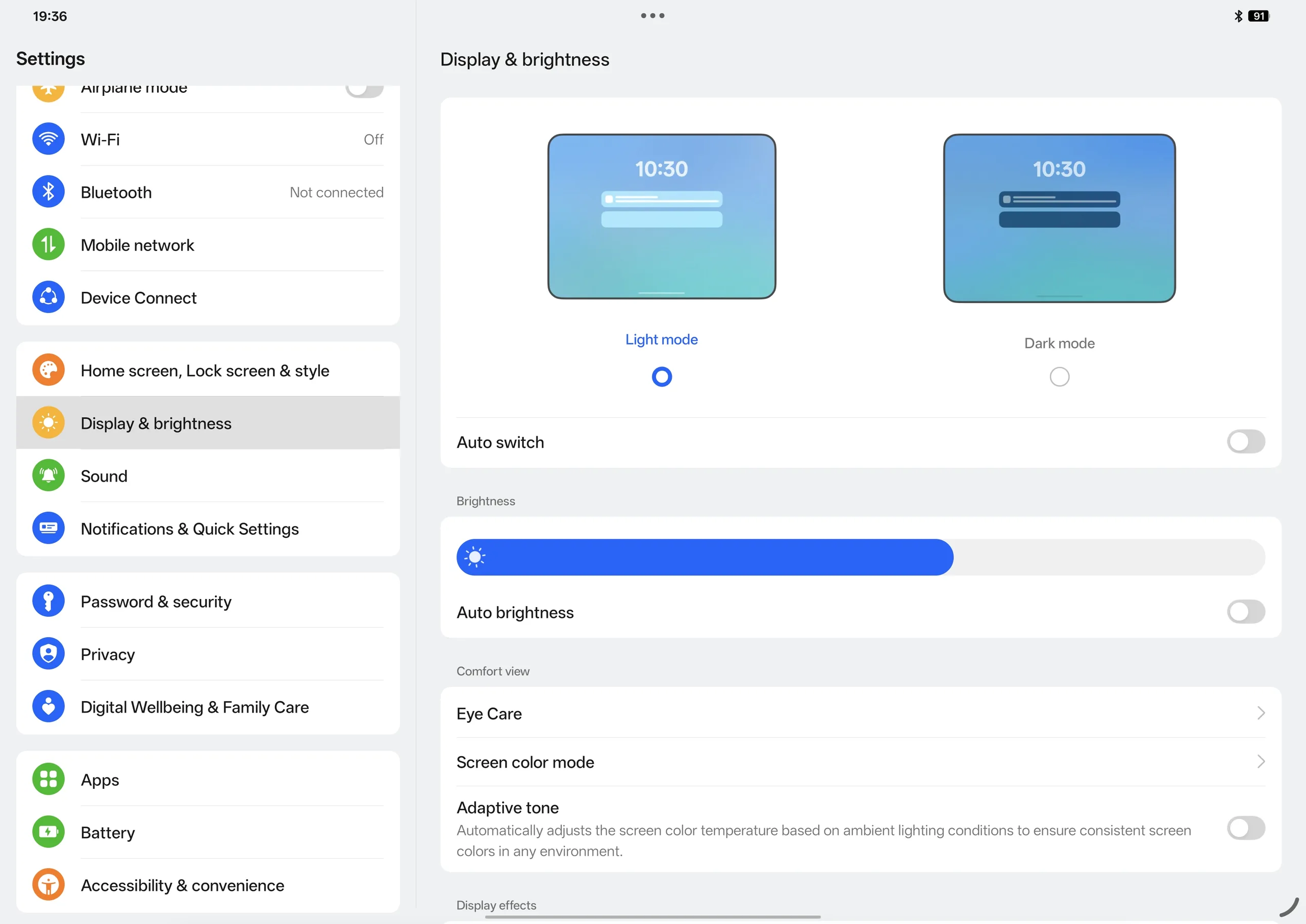
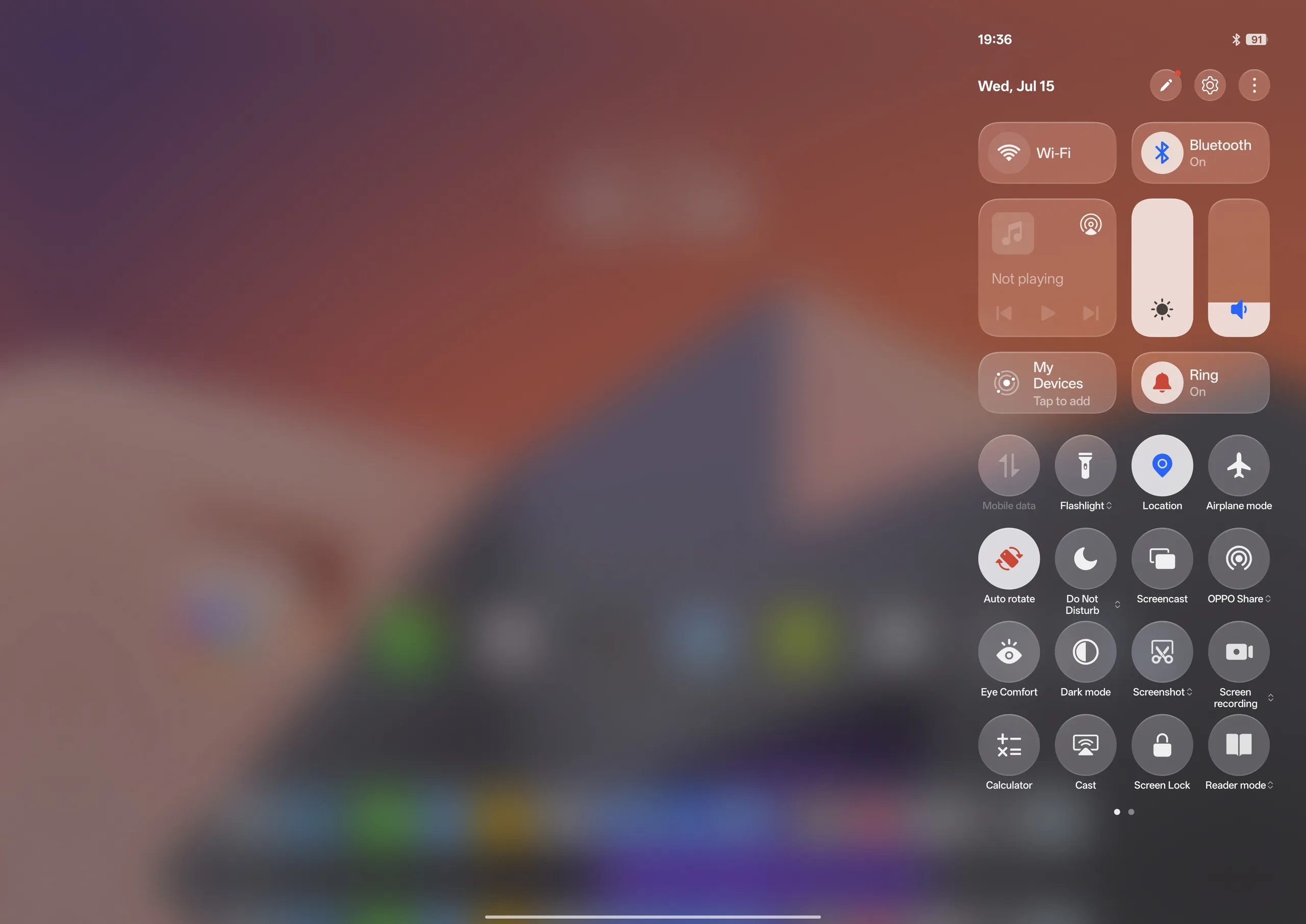
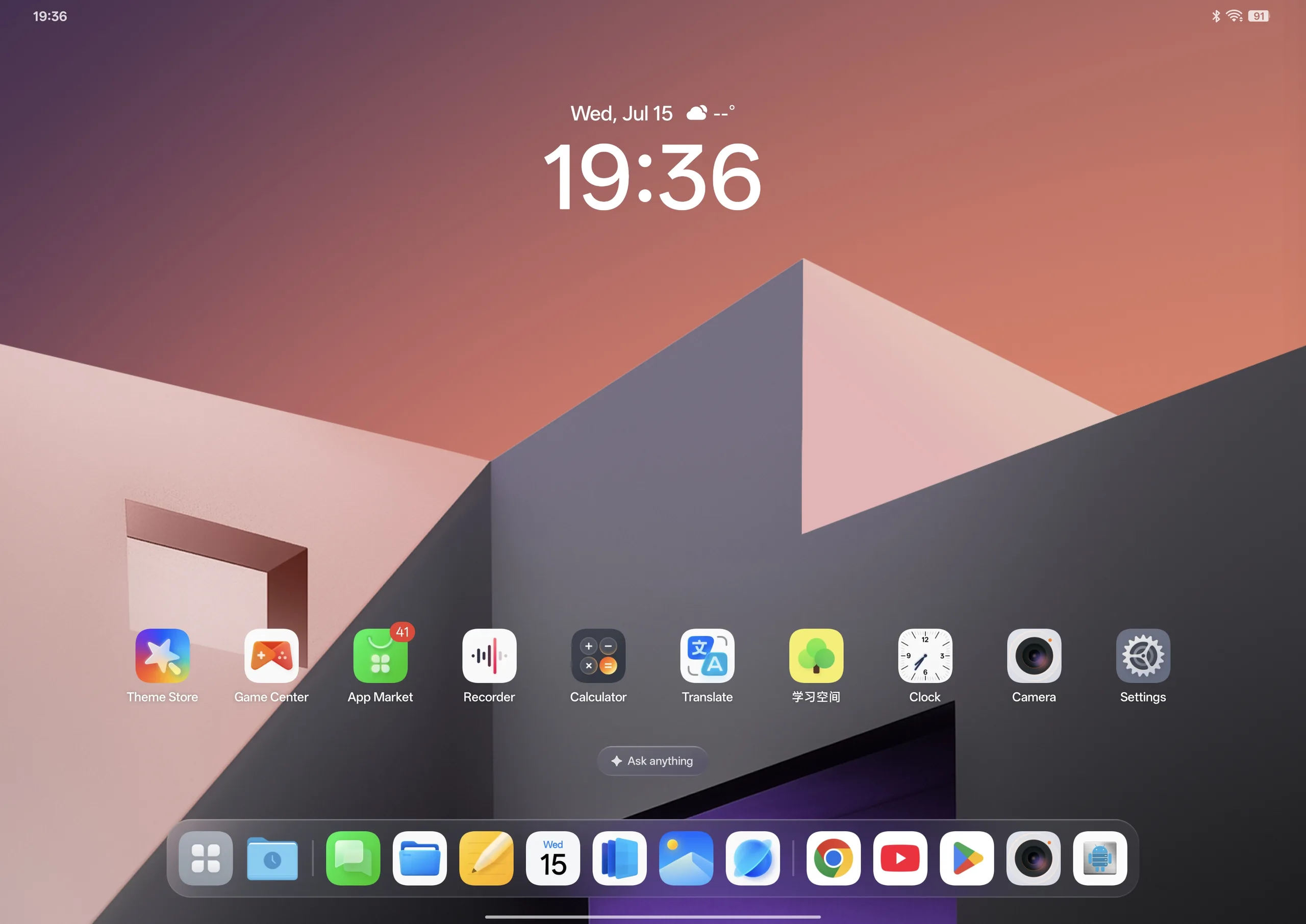
The Pad 5 Pro comes with ColorOS 16 based on Android 16, including German as a system language and access to the Play Store. The manufacturer has not disclosed how long the Oppo tablet will receive updates.
Sustainability
We couldn’t find any information on the materials used or the percentage of recycled content in the Oppo tablet. Unlike Apple or Samsung, Oppo has a lot of catching up to do when it comes to transparently disclosing the materials used. It is also difficult to assess how user-friendly the device is in terms of repairs.
On a positive note, however, the packaging appears to be completely plastic-free. Only the cardboard box itself is shrink-wrapped in plastic film.
Communication and GNSS - Premium Tablet with WiFi 7 and GPS
For use on a Wi-Fi network, the Oppo tablet supports fast Wi-Fi 7 and thus the current maximum bandwidth; however, with our Asus router, we don’t quite reach the speeds of a Find X9 Ultra. The measured peak speed of nearly 1,900 Mbit/s is more than sufficient for everyday use, though.
Unlike the high-end models from Apple and Samsung, the Pad 5 Pro does not have a 5G version. Users also have to rely on Wi-Fi networks for precise location tracking, as satellite-based location tracking is not possible.
| Networking | |
| Oppo Pad 5 Pro | |
| iperf3 transmit Wi-Fi6/7 RT-BE96U | |
| iperf3 receive Wi-Fi6/7 RT-BE96U | |
| Honor MagicPad 4 | |
| iperf3 transmit AXE11000 | |
| iperf3 receive AXE11000 | |
| iperf3 transmit AXE11000 6GHz | |
| iperf3 receive AXE11000 6GHz | |
| Lenovo Idea Tab Pro Gen 2 | |
| iperf3 transmit AXE11000 6GHz | |
| iperf3 receive AXE11000 6GHz | |
| Oppo Pad 4 Pro | |
| iperf3 transmit AXE11000 | |
| iperf3 receive AXE11000 | |
| Average 802.11 a/b/g/n/ac/ax/be | |
| iperf3 transmit AXE11000 | |
| iperf3 receive AXE11000 | |
| iperf3 transmit AXE11000 6GHz | |
| iperf3 receive AXE11000 6GHz | |
| iperf3 transmit Wi-Fi6/7 RT-BE96U | |
| iperf3 receive Wi-Fi6/7 RT-BE96U | |
| Average of class Tablet | |
| iperf3 transmit AXE11000 | |
| iperf3 receive AXE11000 | |
| iperf3 transmit AXE11000 6GHz | |
| iperf3 receive AXE11000 6GHz | |
| iperf3 transmit Wi-Fi6/7 RT-BE96U | |
| iperf3 receive Wi-Fi6/7 RT-BE96U | |
Cameras - Oppo Pad 5 Pro with a 13-megapixel camera for the college lecture hall

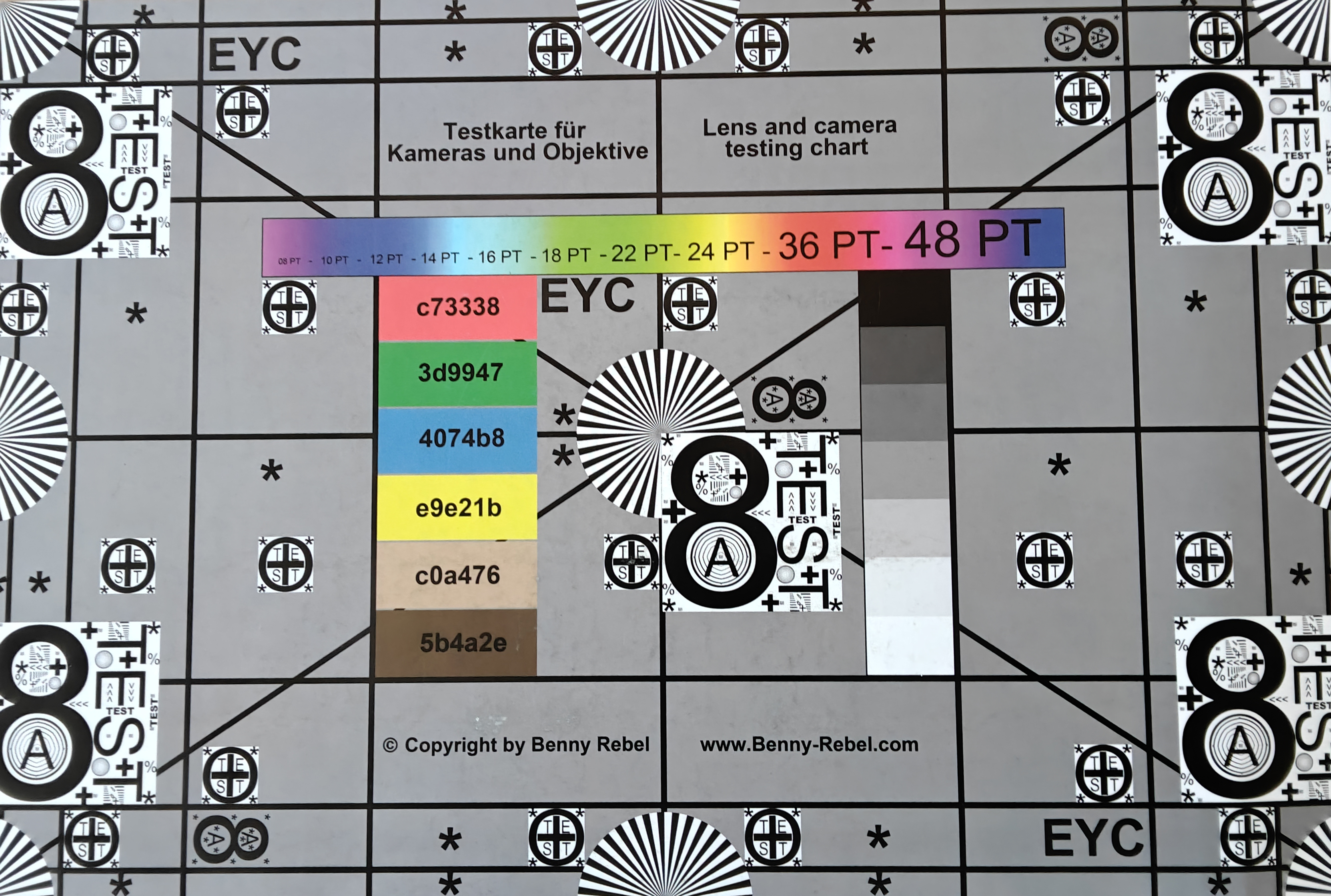
For most users, the cameras on a tablet with a 13.2-inch display are likely less important than those on a smartphone. Therefore, the low-resolution 8-MP front camera with fixed focus and the ability to record Full HD video shouldn’t be a deal-breaker.
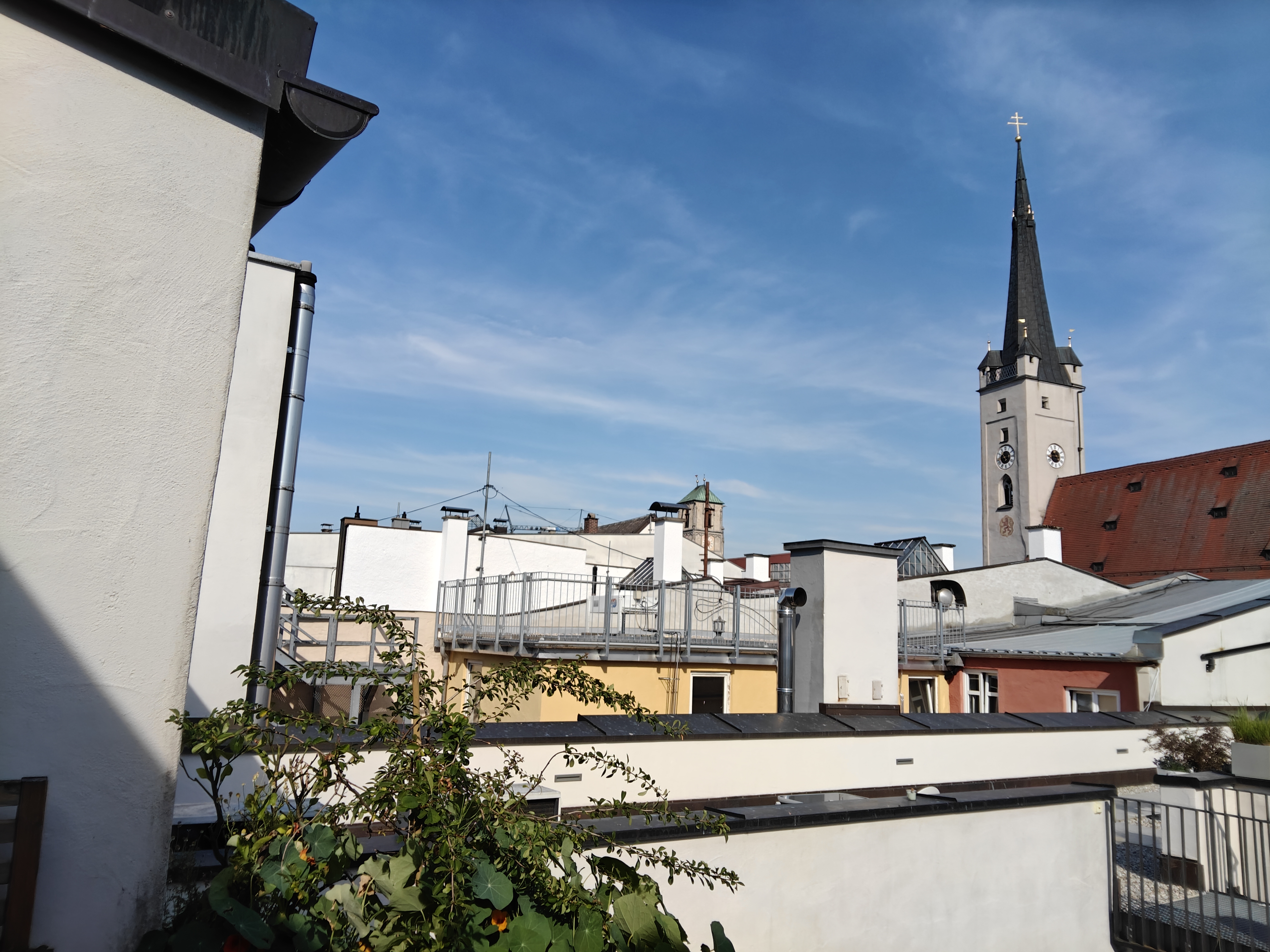
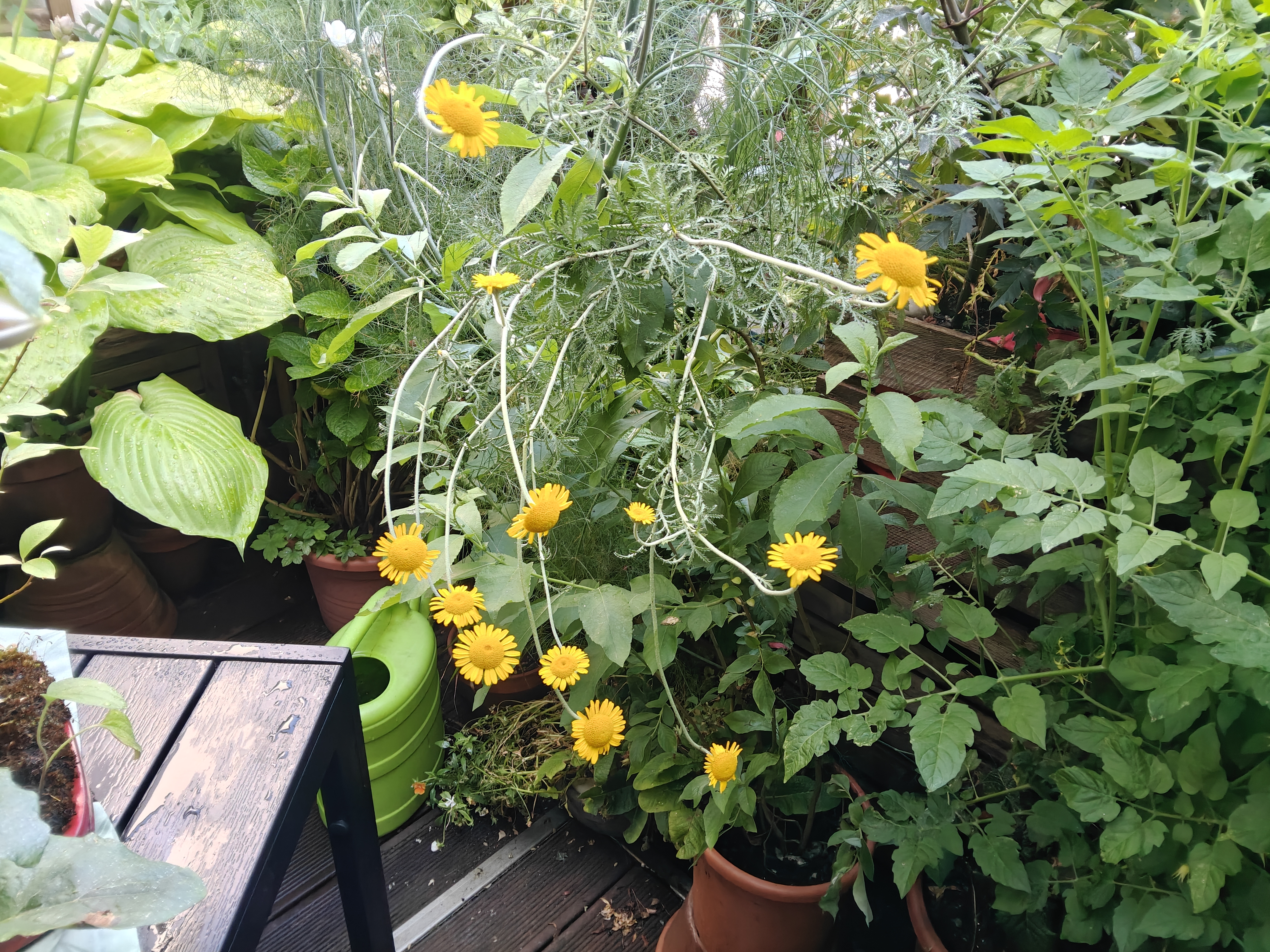
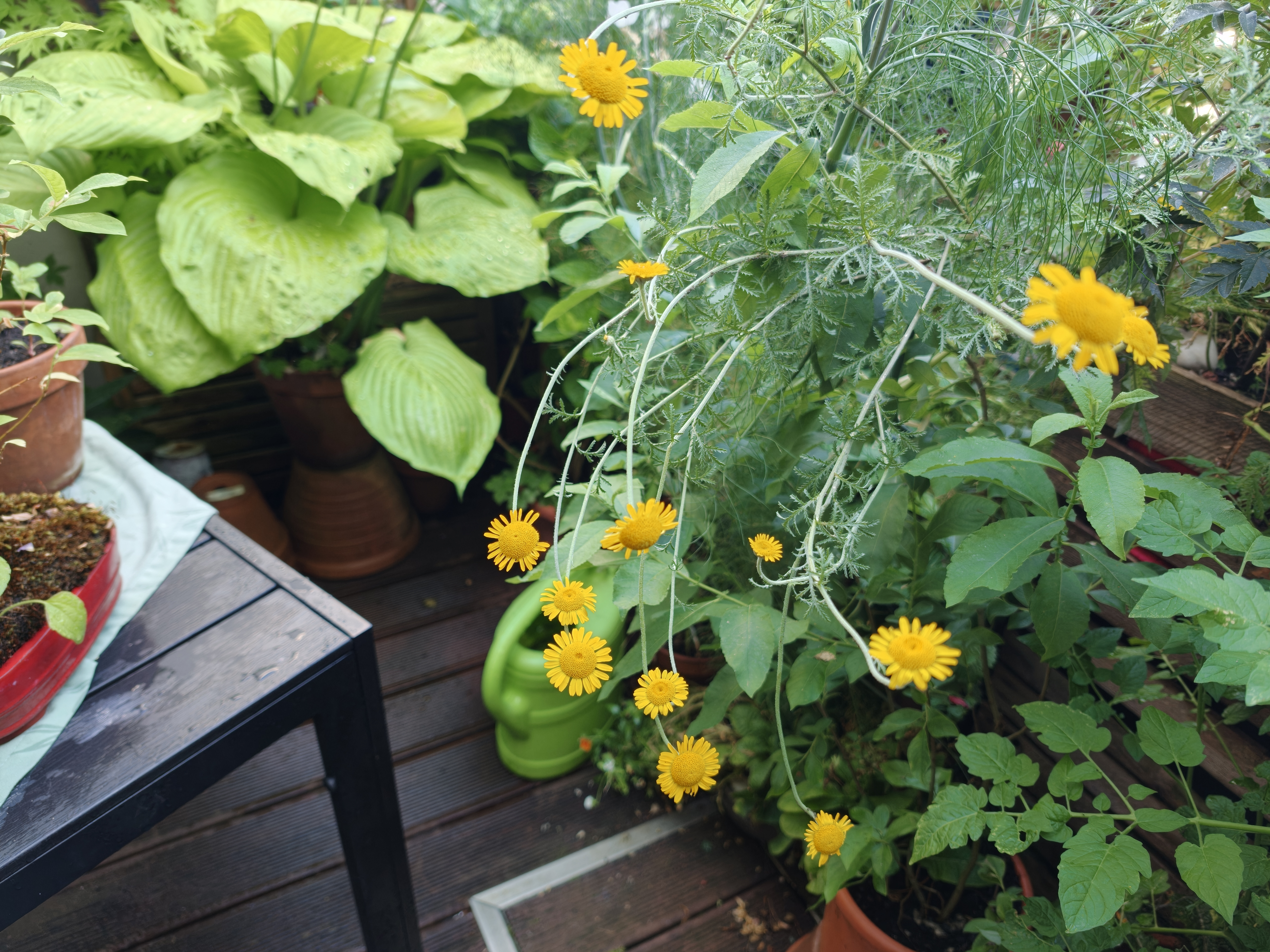
The main camera delivers significantly more impressive results with 4K recording at 30 fps and a 13-megapixel sensor. In good lighting conditions, it produces decent photos with solid sharpness, and the color reproduction is on par with current mid-range smartphones.
Anyone who frequently digitizes class notes or lecture transcripts will also benefit from the camera app’s special document mode. The Oppo tablet is well-suited for this purpose.















Accessories and Warranty - Android Tablet with Stylus Support
The package includes a 67-watt fast-charging power adapter and a data/charging cable (USB-A to USB-C). Our supplier, Trading Shenzhen, also includes an EU adapter for the charger with our China version.
Optionally, Oppo offers the Pencil 3 Pro and a matching QWERTY keyboard case—designed to resemble Apple’s Magic Keyboard—for its premium tablet.
Our imported device comes with a 12-month warranty. In the event of a warranty claim, Trading Shenzhen offers the option to ship the tablet to a German shipping address.
Input Devices and Operation - Premium Tablet Without a Fingerprint Sensor
Finger inputs are processed quickly and precisely on the 13.2-inch LCD panel with a sampling rate of up to 540 Hz—by default, the touchscreen samples for possible touches 240 times per second. Animations on the ColorOS interface appear beautifully smooth thanks to the high refresh rate of 144 Hz.
The Pencil 2 Pro from the previous model is not compatible with the Pad 5 Pro, so the latest generation of stylus is required for handwritten notes. Oppo should urgently aim for longer product cycles here so that users don’t constantly have to buy new input peripherals when upgrading their tablets.
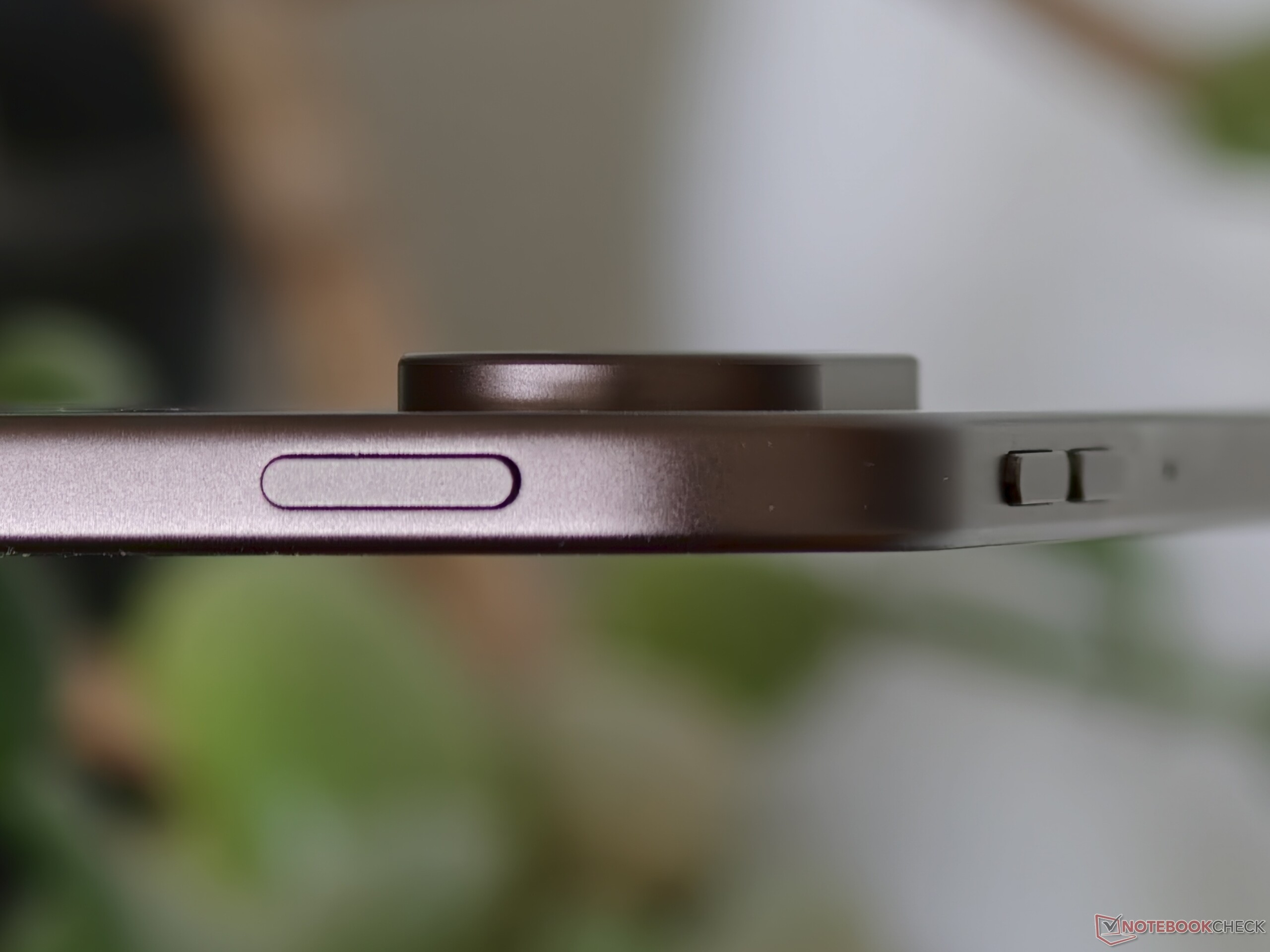
The Pad 5 Pro does not have a vibration motor. The same applies to a fingerprint scanner, which we already found hard to understand with the Pad 4 Pro. Why Oppo doesn’t include a sensor in the power button remains a mystery. However, it does offer a rather unreliable 2D facial recognition feature.



Display—Android tablet with a bright screen, but without OLED

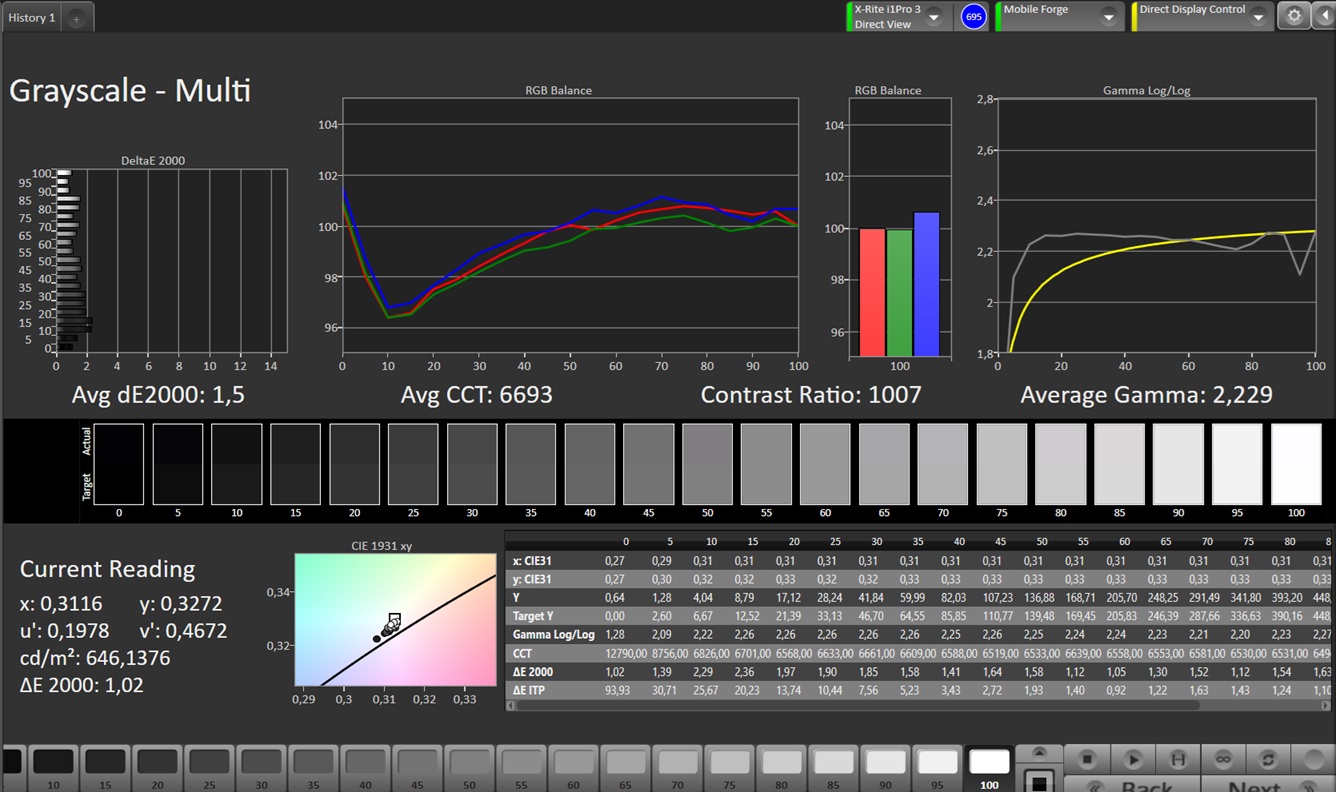
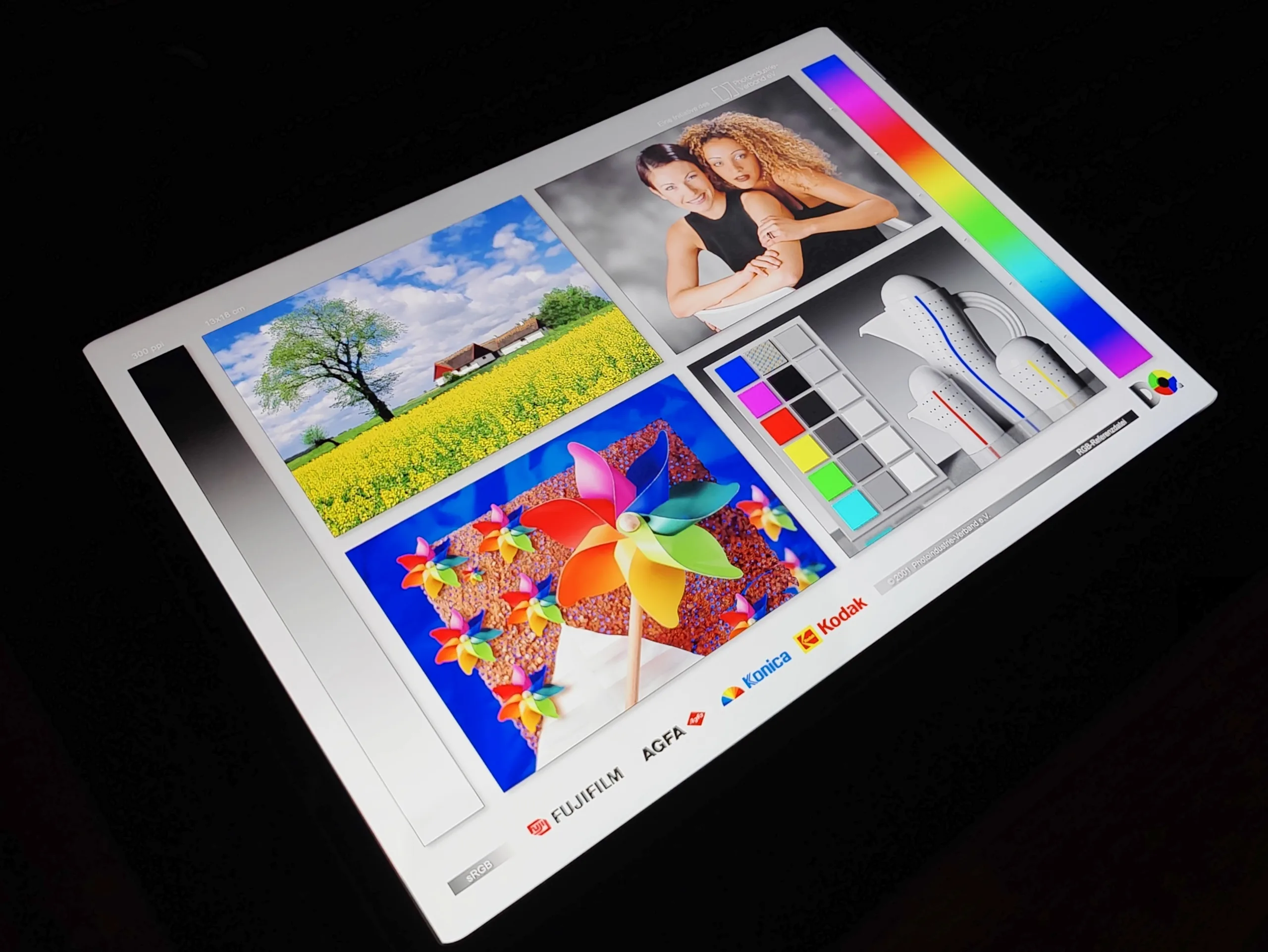
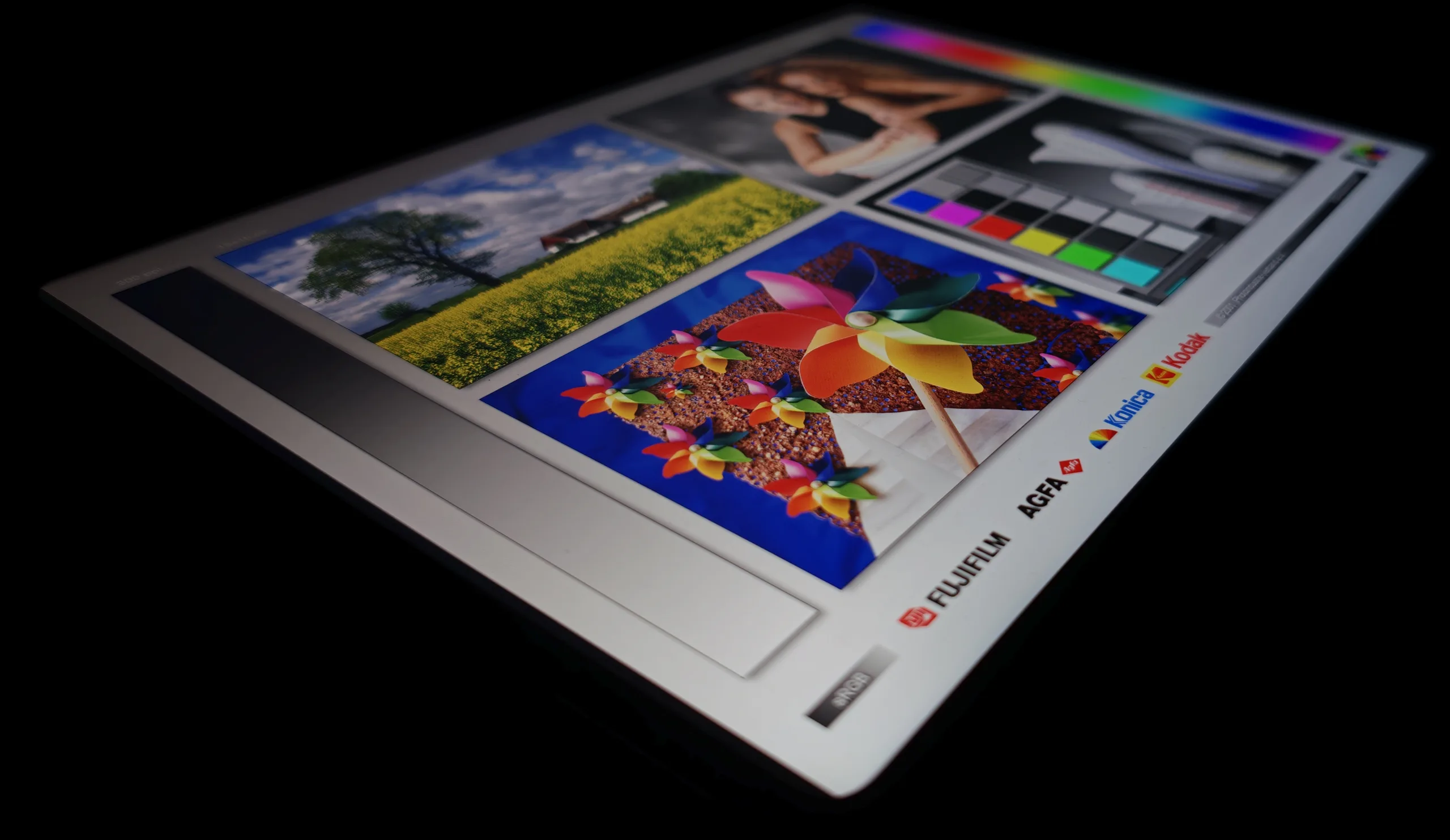
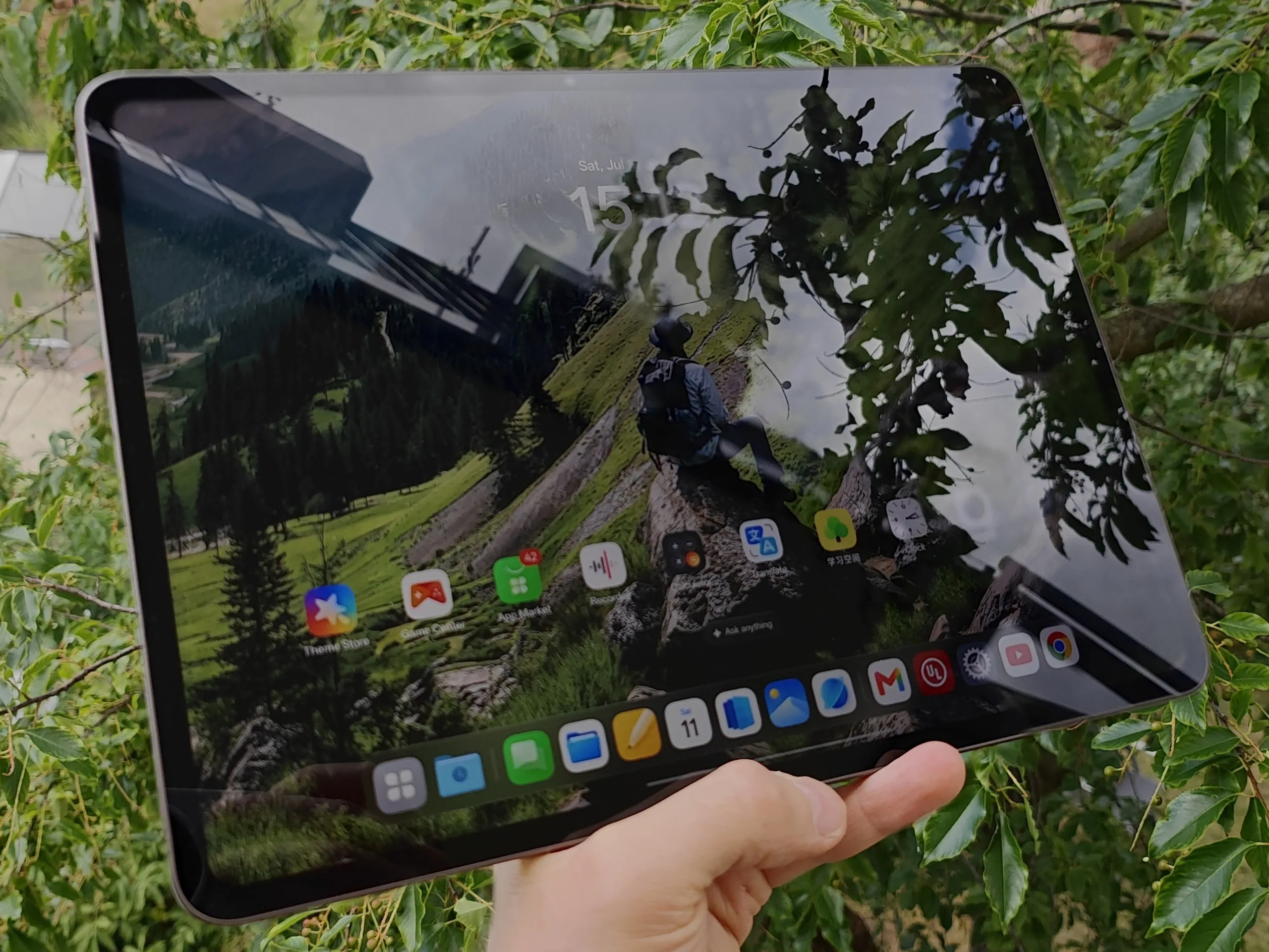
The 13.2-inch LCD display with a 7:5 aspect ratio achieved a remarkable brightness of about 900 cd/m² in our tests. This makes it significantly brighter in manual mode than its predecessor. However, the Pad 5 Pro doesn’t come close to the brightness of an Honor MagicPad 4 with its OLED panel.
On the other hand, the Oppo tablet’s 12-bit panel has no PWM flicker, which is particularly beneficial for sensitive users and offers a major advantage for more eye-friendly viewing over extended periods of use.
| |||||||||||||||||||||||||
Brightness Distribution: 94 %
Center on Battery: 899 cd/m²
Contrast: 999:1 (Black: 0.9 cd/m²)
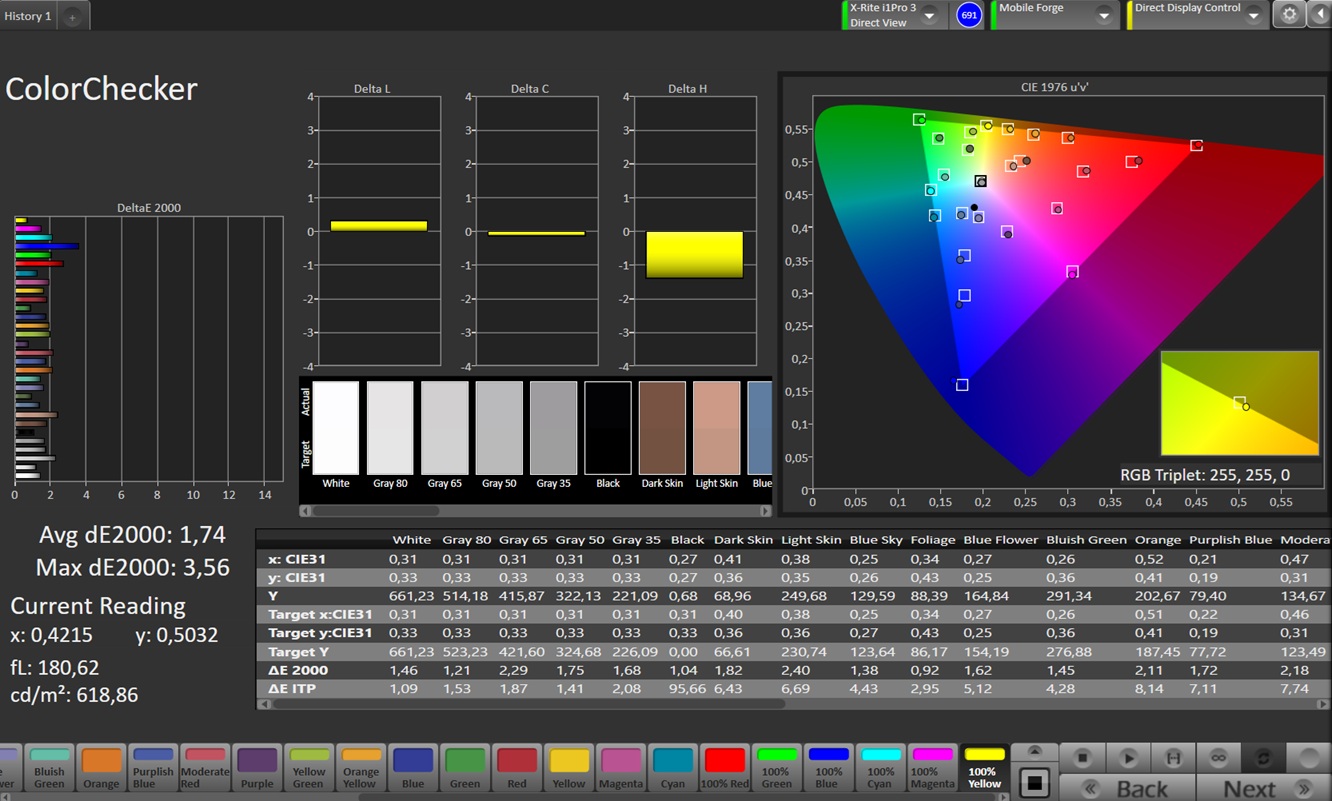
ΔE ColorChecker Calman: 1.74 | ∀{0.5-29.43 Ø4.69}
ΔE Greyscale Calman: 1.5 | ∀{0.09-98 Ø4.94}
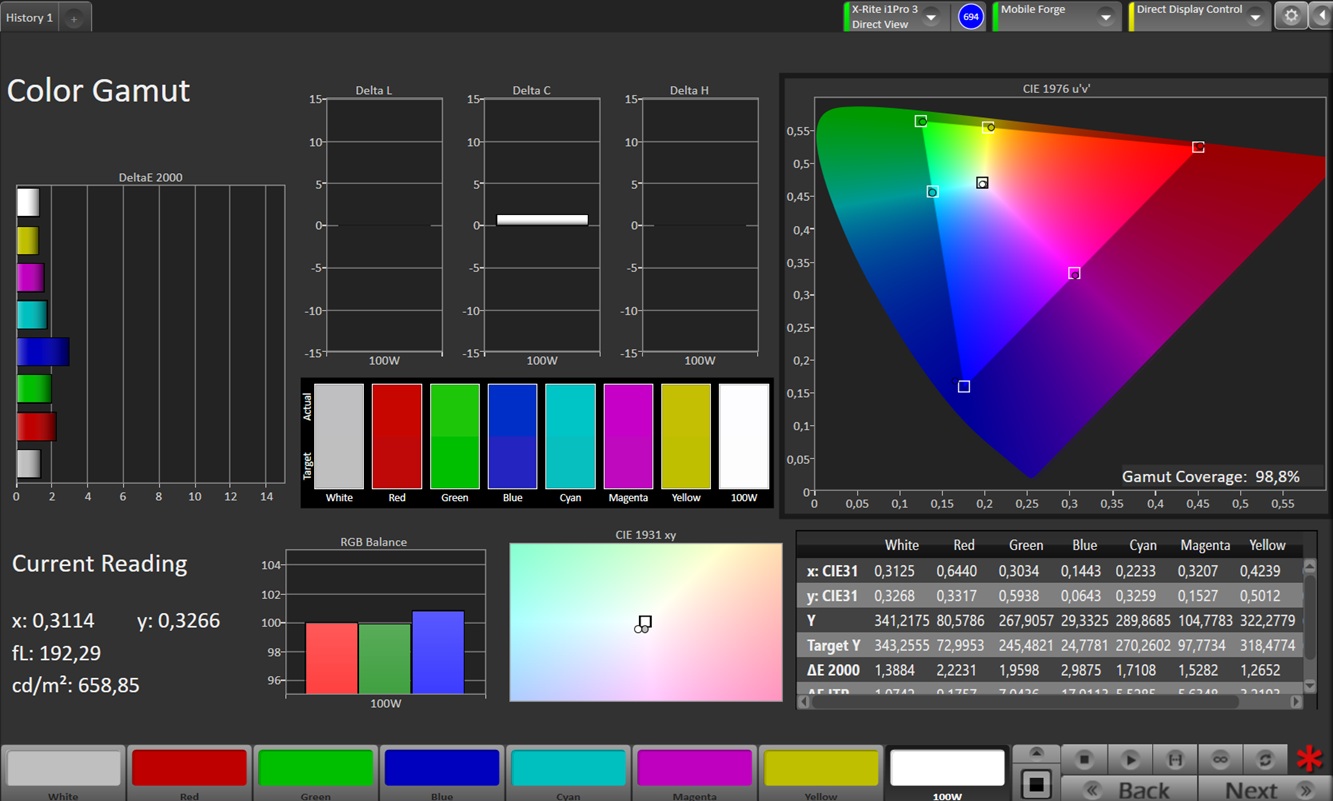
98.8% sRGB (Calman 2D)
Gamma: 2.229
CCT: 6693 K
| Oppo Pad 5 Pro LCD, 3000x2120, 13.2" | Honor MagicPad 4 OLED, 3000x1920, 12.3" | Lenovo Idea Tab Pro Gen 2 IPS, 3504x2109, 13" | Oppo Pad 4 Pro LTPS LCD, 3392x2400, 13.2" | |
|---|---|---|---|---|
| Display | 200% | -18% | ||
| APL18 Peak Brightness (cd/m²) | 911 | 2337 157% | 751 -18% | |
| HDR Peak Brightness (cd/m²) | 903 | 3084 242% | 738 -18% | |
| Response Times | 66% | 8% | -13% | |
| Response Time Grey 50% / Grey 80% * (ms) | 27.2 ? | 16.6 ? 39% | 22.8 ? 16% | 30.6 ? -13% |
| Response Time Black / White * (ms) | 13.4 ? | 0.91 ? 93% | 13.6 ? -1% | 15.1 ? -13% |
| PWM Frequency (Hz) | 60 | |||
| PWM Amplitude * (%) | 16.05 | |||
| Screen | 16% | -1% | -15% | |
| Brightness middle (cd/m²) | 899 | 829 -8% | 618 -31% | 672 -25% |
| Brightness (cd/m²) | 865 | 827 -4% | 599 -31% | 652 -25% |
| Brightness Distribution (%) | 94 | 90 -4% | 92 -2% | 93 -1% |
| Black Level * (cd/m²) | 0.9 | 0.5 44% | 0.46 49% | |
| Contrast (:1) | 999 | 1236 24% | 1461 46% | |
| Colorchecker dE 2000 * | 1.74 | 0.9 48% | 1.59 9% | 3.18 -83% |
| Colorchecker dE 2000 max. * | 3.56 | 1.7 52% | 3.79 -6% | 4.84 -36% |
| Greyscale dE 2000 * | 1.5 | 1.3 13% | 1.7 -13% | 2.2 -47% |
| Gamma | 2.229 99% | 2.25 98% | 2.399 92% | 2.396 92% |
| CCT | 6693 97% | 6601 98% | 6583 99% | 7070 92% |
| Total Average (Program / Settings) | 94% /
63% | -4% /
-2% | -14% /
-15% |
* ... smaller is better
Screen Flickering / PWM (Pulse-Width Modulation)
| Screen flickering / PWM not detected | 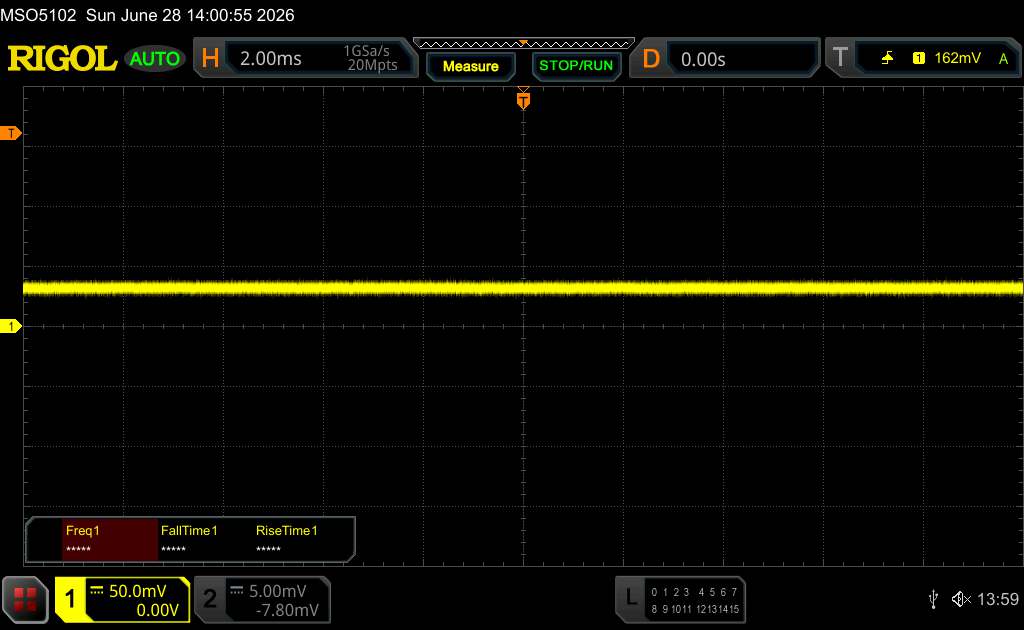 | ||
In comparison: 52 % of all tested devices do not use PWM to dim the display. If PWM was detected, an average of 7600 (minimum: 5 - maximum: 343500) Hz was measured. | |||
Less impressive is the relatively poor contrast of the LCD display. We measured a black level of only 0.9 cd/m², resulting in a contrast ratio of about 1:1,000. Color reproduction, on the other hand, is very good, and differences from the reference colors are barely noticeable.
Display Response Times
| ↔ Response Time Black to White | ||
|---|---|---|
| 13.4 ms ... rise ↗ and fall ↘ combined | ↗ 9.4 ms rise | 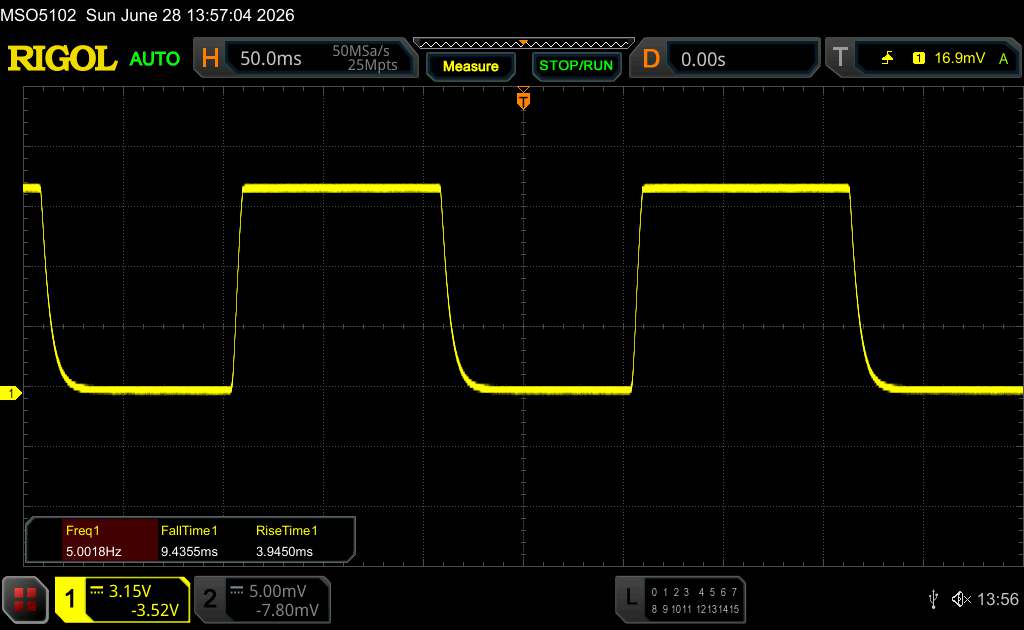 |
| ↘ 4 ms fall | ||
| The screen shows good response rates in our tests, but may be too slow for competitive gamers. In comparison, all tested devices range from 0.1 (minimum) to 240 (maximum) ms. » 34 % of all devices are better. This means that the measured response time is better than the average of all tested devices (19.6 ms). | ||
| ↔ Response Time 50% Grey to 80% Grey | ||
| 27.2 ms ... rise ↗ and fall ↘ combined | ↗ 18.4 ms rise | 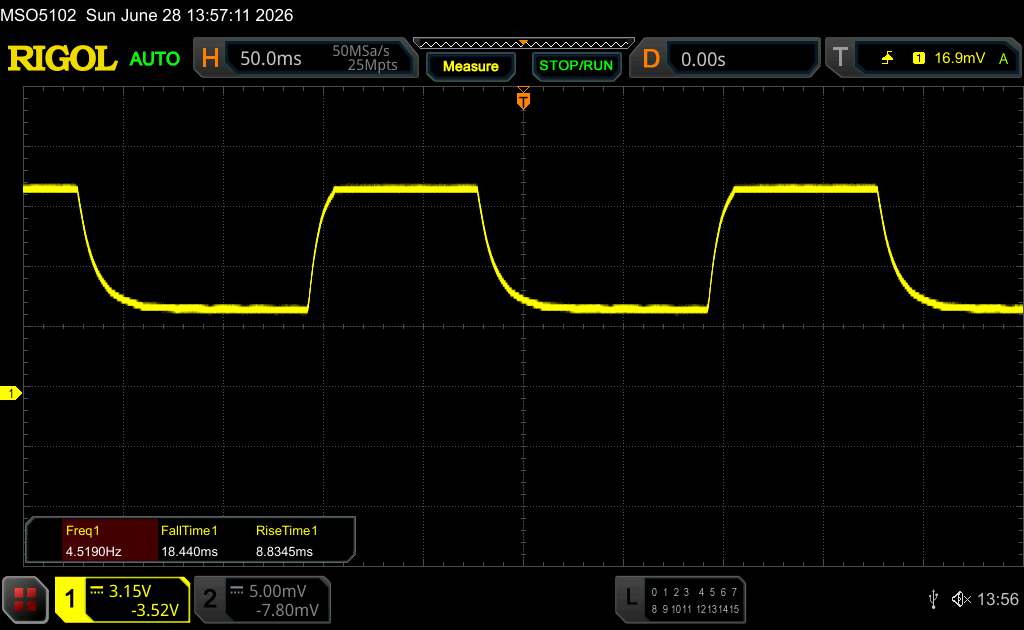 |
| ↘ 8.8 ms fall | ||
| The screen shows relatively slow response rates in our tests and may be too slow for gamers. In comparison, all tested devices range from 0.13 (minimum) to 636 (maximum) ms. » 38 % of all devices are better. This means that the measured response time is better than the average of all tested devices (30.7 ms). | ||
Performance - The Oppo Pad 5 Pro is super fast thanks to its Qualcomm chipset
With a Snapdragon 8 Elite Gen 5, the Oppo Pad 5 Pro is one of the most powerful Android tablets on the market. The Qualcomm chipset delivers very good performance for its price range, although the Apple M4 in the iPad Air 13 is still quite a bit faster—at least in terms of CPU and NPU power.
| Antutu v10 - Total Score | |
| Average Qualcomm Snapdragon 8 Elite Gen 5 (2390211 - 4185521, n=7) | |
| Oppo Pad 4 Pro | |
| Average of class Tablet (250503 - 4185521, n=52, last 2 years) | |
| UL Procyon AI Inference for Android - Overall Score NNAPI | |
| Average Qualcomm Snapdragon 8 Elite Gen 5 (10671 - 24487, n=13) | |
| Oppo Pad 5 Pro | |
| Honor MagicPad 4 | |
| Average of class Tablet (3600 - 76852, n=53, last 2 years) | |
| Oppo Pad 4 Pro | |
| AI Benchmark - Score V6 | |
| Oppo Pad 5 Pro | |
| Average Qualcomm Snapdragon 8 Elite Gen 5 (1098 - 22780, n=12) | |
| Honor MagicPad 4 | |
| Oppo Pad 4 Pro | |
| Average of class Tablet (70.4 - 22476, n=38, last 2 years) | |
However, the situation is different when it comes to graphics performance, as the Adreno 840 is on par with Apple’s chipset in this regard. In GFXBench’s demanding 4K High Tier benchmark, the Pad 5 Pro achieves an impressive 56 FPS.
GFXBench (DX / GLBenchmark) 2.7: T-Rex Onscreen | 1920x1080 T-Rex Offscreen
GFXBench 3.0: on screen Manhattan Onscreen OGL | 1920x1080 1080p Manhattan Offscreen
GFXBench 3.1: on screen Manhattan ES 3.1 Onscreen | 1920x1080 Manhattan ES 3.1 Offscreen
GFXBench: on screen Car Chase Onscreen | 1920x1080 Car Chase Offscreen | on screen Aztec Ruins High Tier Onscreen | 2560x1440 Aztec Ruins High Tier Offscreen | on screen Aztec Ruins Normal Tier Onscreen | 1920x1080 Aztec Ruins Normal Tier Offscreen | 3840x2160 4K Aztec Ruins High Tier Offscreen
| 3DMark / Wild Life Extreme Unlimited | |
| Oppo Pad 5 Pro | |
| Oppo Pad 4 Pro | |
| Honor MagicPad 4 | |
| Lenovo Idea Tab Pro Gen 2 | |
| 3DMark / Wild Life Extreme | |
| Oppo Pad 5 Pro | |
| Oppo Pad 4 Pro | |
| Honor MagicPad 4 | |
| Lenovo Idea Tab Pro Gen 2 | |
| 3DMark / Wild Life Unlimited Score | |
| Oppo Pad 5 Pro | |
| Oppo Pad 4 Pro | |
| Honor MagicPad 4 | |
| Lenovo Idea Tab Pro Gen 2 | |
| 3DMark / Solar Bay Score | |
| Oppo Pad 5 Pro | |
| Oppo Pad 4 Pro | |
| Honor MagicPad 4 | |
| 3DMark / Solar Bay Unlimited Score | |
| Oppo Pad 5 Pro | |
| Oppo Pad 4 Pro | |
| Honor MagicPad 4 | |
| 3DMark / Steel Nomad Light Unlimited Score | |
| Oppo Pad 5 Pro | |
| Oppo Pad 4 Pro | |
| Honor MagicPad 4 | |
| 3DMark / Steel Nomad Light Score | |
| Oppo Pad 5 Pro | |
| Oppo Pad 4 Pro | |
| Honor MagicPad 4 | |
| GFXBench (DX / GLBenchmark) 2.7 / T-Rex Onscreen | |
| Oppo Pad 4 Pro | |
| Honor MagicPad 4 | |
| Oppo Pad 5 Pro | |
| GFXBench (DX / GLBenchmark) 2.7 / T-Rex Offscreen | |
| Oppo Pad 5 Pro | |
| Oppo Pad 4 Pro | |
| Honor MagicPad 4 | |
| GFXBench 3.0 / Manhattan Onscreen OGL | |
| Oppo Pad 4 Pro | |
| Honor MagicPad 4 | |
| Oppo Pad 5 Pro | |
| GFXBench 3.0 / 1080p Manhattan Offscreen | |
| Oppo Pad 4 Pro | |
| Oppo Pad 5 Pro | |
| Honor MagicPad 4 | |
| GFXBench 3.1 / Manhattan ES 3.1 Onscreen | |
| Oppo Pad 4 Pro | |
| Honor MagicPad 4 | |
| Oppo Pad 5 Pro | |
| GFXBench 3.1 / Manhattan ES 3.1 Offscreen | |
| Oppo Pad 5 Pro | |
| Oppo Pad 4 Pro | |
| Honor MagicPad 4 | |
| GFXBench / Car Chase Onscreen | |
| Oppo Pad 5 Pro | |
| Honor MagicPad 4 | |
| Oppo Pad 4 Pro | |
| GFXBench / Car Chase Offscreen | |
| Oppo Pad 5 Pro | |
| Oppo Pad 4 Pro | |
| Honor MagicPad 4 | |
| GFXBench / Aztec Ruins High Tier Onscreen | |
| Honor MagicPad 4 | |
| Oppo Pad 5 Pro | |
| Oppo Pad 4 Pro | |
| Lenovo Idea Tab Pro Gen 2 | |
| GFXBench / Aztec Ruins High Tier Offscreen | |
| Oppo Pad 5 Pro | |
| Honor MagicPad 4 | |
| Oppo Pad 4 Pro | |
| Lenovo Idea Tab Pro Gen 2 | |
| GFXBench / Aztec Ruins Normal Tier Onscreen | |
| Honor MagicPad 4 | |
| Oppo Pad 5 Pro | |
| Oppo Pad 4 Pro | |
| Lenovo Idea Tab Pro Gen 2 | |
| GFXBench / Aztec Ruins Normal Tier Offscreen | |
| Oppo Pad 5 Pro | |
| Oppo Pad 4 Pro | |
| Honor MagicPad 4 | |
| Lenovo Idea Tab Pro Gen 2 | |
| GFXBench / 4K Aztec Ruins High Tier Offscreen | |
| Oppo Pad 5 Pro | |
| Oppo Pad 4 Pro | |
| Honor MagicPad 4 | |
| Lenovo Idea Tab Pro Gen 2 | |
| Jetstream 2 - 2.2 Total | |
| Honor MagicPad 4 (Chrome 148) | |
| Average Qualcomm Snapdragon 8 Elite Gen 5 (2 - 480, n=17) | |
| Oppo Pad 5 Pro | |
| Average of class Tablet (61.3 - 579, n=46, last 2 years) | |
| Octane V2 - Total Score | |
| Honor MagicPad 4 (Chrome 148) | |
| Average Qualcomm Snapdragon 8 Elite Gen 5 (39303 - 126661, n=16) | |
| Oppo Pad 5 Pro | |
| Oppo Pad 4 Pro (Chrome 135) | |
| Average of class Tablet (4497 - 138481, n=69, last 2 years) | |
| Mozilla Kraken 1.1 - Total | |
| Average of class Tablet (243 - 13119, n=64, last 2 years) | |
| Oppo Pad 4 Pro (Chrome 135) | |
| Oppo Pad 5 Pro | |
| Average Qualcomm Snapdragon 8 Elite Gen 5 (284 - 1014, n=20) | |
| Honor MagicPad 4 (Chrome 148) | |
| WebXPRT 5 - Overall | |
| Honor MagicPad 4 (Chrome 148) | |
| Average Qualcomm Snapdragon 8 Elite Gen 5 (29 - 104, n=5) | |
| Oppo Pad 5 Pro | |
| Average of class Tablet (19 - 102, n=8, last 2 years) | |
* ... smaller is better
| Oppo Pad 5 Pro | Honor MagicPad 4 | Lenovo Idea Tab Pro Gen 2 | Oppo Pad 4 Pro | Average 256 GB UFS 4.1 Flash | Average of class Tablet | |
|---|---|---|---|---|---|---|
| AndroBench 3-5 | -28% | -42% | -26% | -15% | -49% | |
| Sequential Read 256KB (MB/s) | 4032.65 | 1978.75 -51% | 1912.4 -53% | 3801.54 -6% | 3396 ? -16% | 2117 ? -48% |
| Sequential Write 256KB (MB/s) | 3687.21 | 1752.63 -52% | 1852.7 -50% | 3334.62 -10% | 3103 ? -16% | 1691 ? -54% |
| Random Read 4KB (MB/s) | 471.09 | 513.85 9% | 347.8 -26% | 297.28 -37% | 419 ? -11% | 280 ? -41% |
| Random Write 4KB (MB/s) | 699.38 | 574.85 -18% | 438.3 -37% | 335.89 -52% | 586 ? -16% | 327 ? -53% |
Emissions - Alternative to the iPad Pro Stays Cool
Temperature
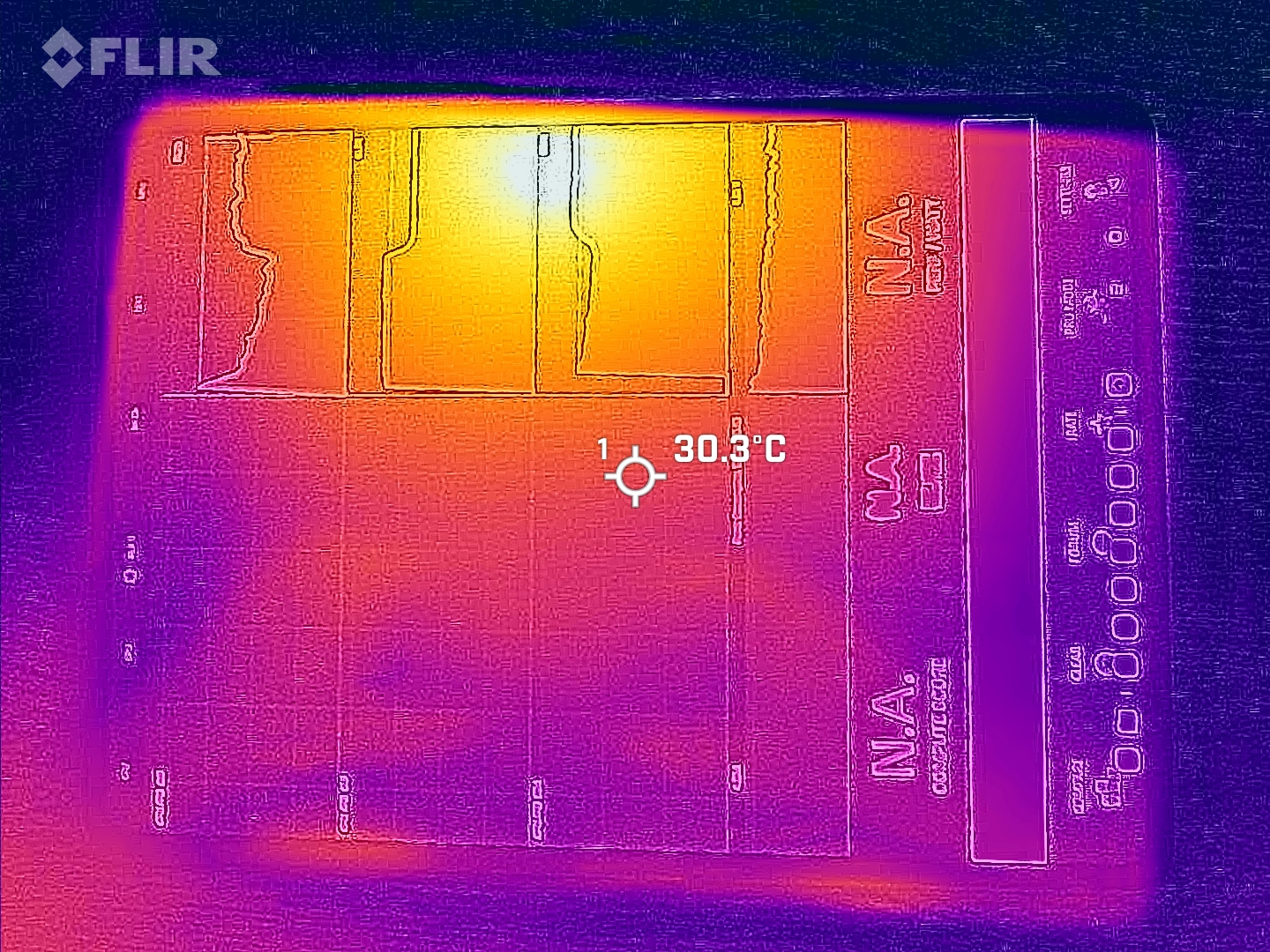
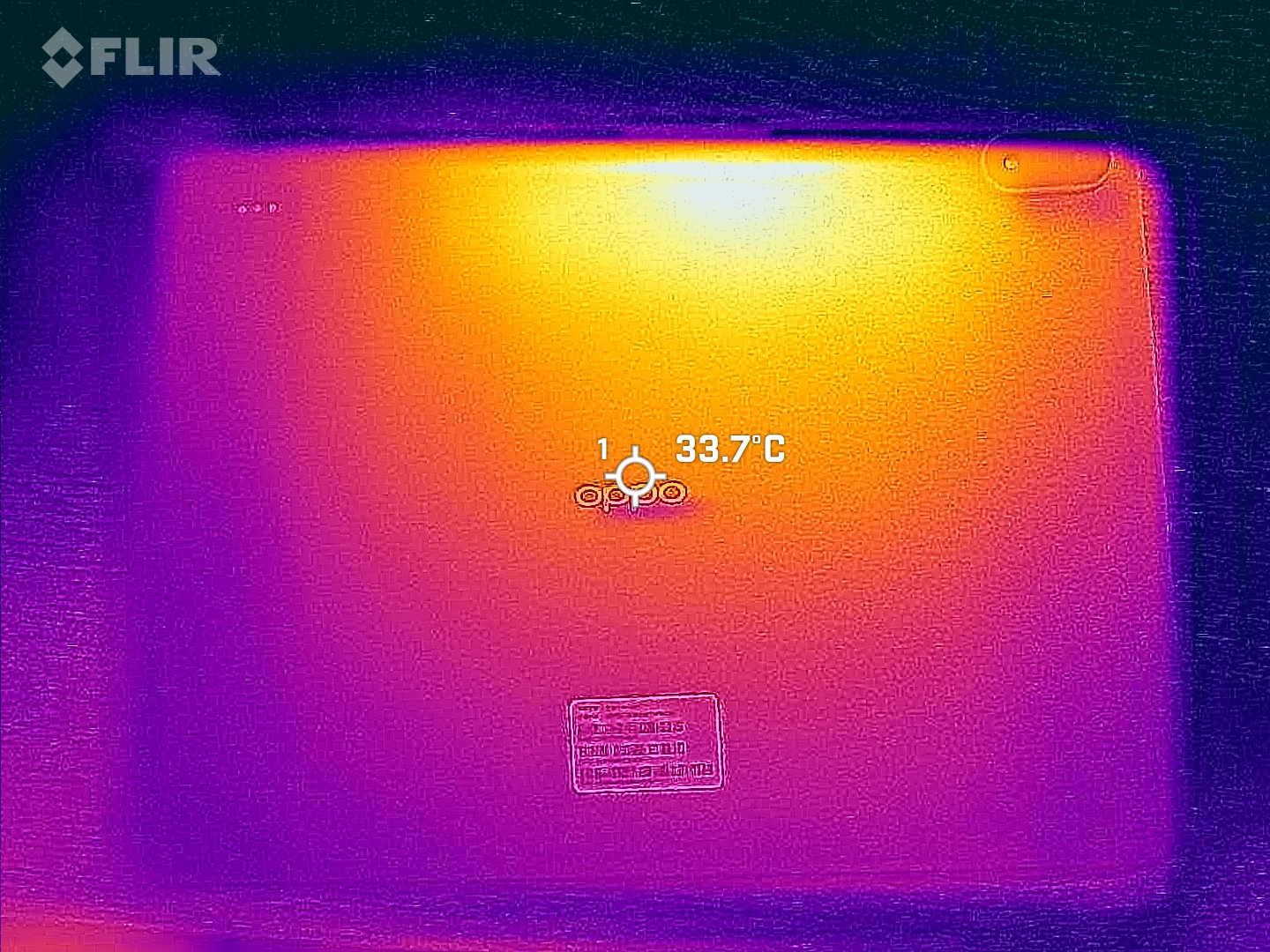
In our stress test scenario, the Oppo tablet does get noticeably warm—peaking at around 45 °C (113 °F)—but it never gets uncomfortably hot to the touch. This is because heat buildup on the Pad 5 Pro is very localized.
In the 3DMark stress tests, the Snapdragon 8 Elite Gen 5 shows a slight to moderate drop in frame rate. However, performance remains fairly consistent, with throttling ranging between 15 and 25 percent.
(-) The maximum temperature on the upper side is 45.4 °C / 114 F, compared to the average of 33.7 °C / 93 F, ranging from 20.7 to 53.2 °C for the class Tablet.
(±) The bottom heats up to a maximum of 43.8 °C / 111 F, compared to the average of 33.2 °C / 92 F
(+) In idle usage, the average temperature for the upper side is 29.2 °C / 85 F, compared to the device average of 30 °C / 86 F.
3DMark Stress Tests
| 3DMark | |
| Wild Life Stress Test Stability | |
| Honor MagicPad 4 | |
| Lenovo Idea Tab Pro Gen 2 | |
| Oppo Pad 4 Pro | |
| Oppo Pad 5 Pro | |
| Wild Life Extreme Stress Test | |
| Honor MagicPad 4 | |
| Lenovo Idea Tab Pro Gen 2 | |
| Oppo Pad 5 Pro | |
| Oppo Pad 4 Pro | |
| Steel Nomad Light Stress Test Stability | |
| Oppo Pad 4 Pro | |
| Oppo Pad 5 Pro | |
Speaker
The eight-speaker audio system delivers decent stereo sound for everyday use. However, the midrange is significantly more prominent than the treble. We also found the bass to lack power. There are significantly better options in this price range and, above all, in this size class.
A USB-C port is available for wired audio playback. It also features Bluetooth 5.4 with many codecs (SBC, AAC, aptX, aptX HD, aptX Adaptive, LDAC, and LHDC).
Oppo Pad 5 Pro audio analysis
(+) | speakers can play relatively loud (84.1 dB)
Bass 100 - 315 Hz
(±) | reduced bass - on average 10.5% lower than median
(±) | linearity of bass is average (13.8% delta to prev. frequency)
Mids 400 - 2000 Hz
(±) | higher mids - on average 8.1% higher than median
(+) | mids are linear (6% delta to prev. frequency)
Highs 2 - 16 kHz
(±) | reduced highs - on average 5.7% lower than median
(±) | linearity of highs is average (12% delta to prev. frequency)
Overall 100 - 16.000 Hz
(±) | linearity of overall sound is average (20.2% difference to median)
Compared to same class
» 57% of all tested devices in this class were better, 8% similar, 35% worse
» The best had a delta of 7%, average was 21%, worst was 130%
Compared to all devices tested
» 53% of all tested devices were better, 8% similar, 39% worse
» The best had a delta of 4%, average was 23%, worst was 136%
Honor MagicPad 4 audio analysis
(±) | speaker loudness is average but good (79.2 dB)
Bass 100 - 315 Hz
(±) | reduced bass - on average 6.7% lower than median
(-) | bass is not linear (16.4% delta to prev. frequency)
Mids 400 - 2000 Hz
(+) | balanced mids - only 2.2% away from median
(+) | mids are linear (6.9% delta to prev. frequency)
Highs 2 - 16 kHz
(+) | balanced highs - only 3.2% away from median
(+) | highs are linear (6.9% delta to prev. frequency)
Overall 100 - 16.000 Hz
(+) | overall sound is linear (8.7% difference to median)
Compared to same class
» 2% of all tested devices in this class were better, 2% similar, 97% worse
» The best had a delta of 7%, average was 21%, worst was 130%
Compared to all devices tested
» 3% of all tested devices were better, 1% similar, 97% worse
» The best had a delta of 4%, average was 23%, worst was 136%
Battery Life - Oppo Pad 5 Pro with Long Battery Life
Power consumption
The Oppo tablet charges at a maximum of 67 watts, meaning a full charge takes about 90 minutes. The power consumption is very good for an XXL tablet.
| Off / Standby |   0.1 / 0.2 Watt 0.1 / 0.2 Watt |
| Idle |  1.4 / 1.7 / 2.1 Watt 1.4 / 1.7 / 2.1 Watt |
| Load |
6.7 / 12.1 Watt |
    
| |
Key:
min: ,
med: ,
max: Metrahit Energy | |
| Oppo Pad 5 Pro 13380 mAh | Honor MagicPad 4 10100 mAh | Oppo Pad 4 Pro 12140 mAh | Average Qualcomm Snapdragon 8 Elite Gen 5 | Average of class Tablet | |
|---|---|---|---|---|---|
| Power Consumption | -105% | 0% | 13% | -66% | |
| Idle Minimum * (Watt) | 1.4 | 3.53 -152% | 1.5 -7% | 0.882 ? 37% | 2.12 ? -51% |
| Idle Average * (Watt) | 1.7 | 4.77 -181% | 1.8 -6% | 1.373 ? 19% | 3.84 ? -126% |
| Idle Maximum * (Watt) | 2.1 | 4.86 -131% | 2.2 -5% | 1.586 ? 24% | 4.22 ? -101% |
| Load Average * (Watt) | 6.7 | 11.21 -67% | 5.8 13% | 8.01 ? -20% | 8.82 ? -32% |
| Load Maximum * (Watt) | 12.1 | 11.67 4% | 11.4 6% | 11.4 ? 6% | 14.4 ? -19% |
* ... smaller is better
Power consumption: Geekbench (150 cd/m²)
Power consumption: GFXbench (150 cd/m²)
Battery life
Despite its slim design, the Pad 5 Pro boasts a generous battery capacity of 13,380 mAh. With the display brightness set to 150 cd/m², its battery life is truly top-notch. With over 25 hours of battery life, Oppo outperforms the competition in our Wi-Fi test.
| Oppo Pad 5 Pro 13380 mAh | Honor MagicPad 4 10100 mAh | Lenovo Idea Tab Pro Gen 2 10200 mAh | Oppo Pad 4 Pro 12140 mAh | |
|---|---|---|---|---|
| Battery runtime | ||||
| WiFi v1.3 (h) | 25.1 | 13.1 -48% | 14.2 -43% | 18 -28% |
Notebookcheck Overall Rating
If you’re looking for a large tablet and value battery life, the Oppo Pad 5 Pro is a fantastic choice at an affordable price.

Oppo Pad 5 Pro
- 07/16/2026 v8
Marcus Herbrich
 Total Sustainability Score:
 Comparison of Possible Alternatives
Image | Model / Review | Price | Weight | Drive | Display |
|---|---|---|---|---|---|
1. 88.1%  | Oppo Pad 5 Pro Qualcomm Snapdragon 8 Elite Gen 5 ⎘ Qualcomm Adreno 840 ⎘ 12 GB Memory, 256 GB UFS 4.x | Amazon: 1. $915.00 OPPO Pad 3 Pro 12.1 Inch 256... 2. $13.95 Gylint Case for Oppo Pad 5 P... 3. $13.95 Gylint Case for Oppo Pad 5 P... List Price: 700€ | 672 g | 256 GB UFS 4.1 Flash | 13.20" 3000x2120 278 PPI LCD |
2. 89.6% 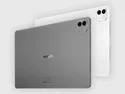 | Honor MagicPad 4 Qualcomm Snapdragon 8 Gen 5 ⎘ Qualcomm Adreno 829 ⎘ 12 GB Memory, 256 GB UFS 4.x | Amazon: 1. $1,029.00 HONOR MagicPad4 (12.3 Inch, ... 2. $799.00 HONOR MagicPad4 (12.3 Inch, ... 3. $899.00 HONOR MagicPad4 (12.3 Inch, ... List Price: 600€ | 450 g | 256 GB UFS 4.0 Flash | 12.30" 3000x1920 290 PPI OLED |
3. 86.5%  | Lenovo Idea Tab Pro Gen 2 Qualcomm Snapdragon 8s Gen 4 SM8735 ⎘ Qualcomm Adreno 825 ⎘ 8 GB Memory, 128 GB UFS 3.1 | List Price: 529€ | 598 g | 128 GB UFS 3.1 Flash | 13.00" 3504x2109 315 PPI IPS |
4. 87.3%  | Oppo Pad 4 Pro Qualcomm Snapdragon 8 Elite ⎘ Qualcomm Adreno 830 ⎘ 12 GB Memory, 256 GB UFS 4.x | Amazon: 1. $915.00 OPPO Pad 3 Pro 12.1 Inch 256... 2. $326.78 Lenovo Idea Tab Pro with Goo... 3. $36.99 Magnetic Detachable Wireless... List Price: 587€ | 675 g | 256 GB UFS 4.0 Flash | 13.20" 3392x2400 315 PPI LTPS LCD |
Transparency
The selection of devices to be reviewed is made by our editorial team. The test sample was provided to the author as a loan by the manufacturer or retailer for the purpose of this review. The lender had no influence on this review, nor did the manufacturer receive a copy of this review before publication. There was no obligation to publish this review. As an independent media company, Notebookcheck is not subjected to the authority of manufacturers, retailers or publishers.
This is how Notebookcheck is testing
Every year, Notebookcheck independently reviews hundreds of laptops and smartphones using standardized procedures to ensure that all results are comparable. We have continuously developed our test methods for around 20 years and set industry standards in the process. In our test labs, high-quality measuring equipment is utilized by experienced technicians and editors. These tests involve a multi-stage validation process. Our complex rating system is based on hundreds of well-founded measurements and benchmarks, which maintains objectivity. Further information on our test methods can be found here.
 Add as a preferred source on Google


