




This tablet is missing a crucial feature—and it isn’t even available as an option.
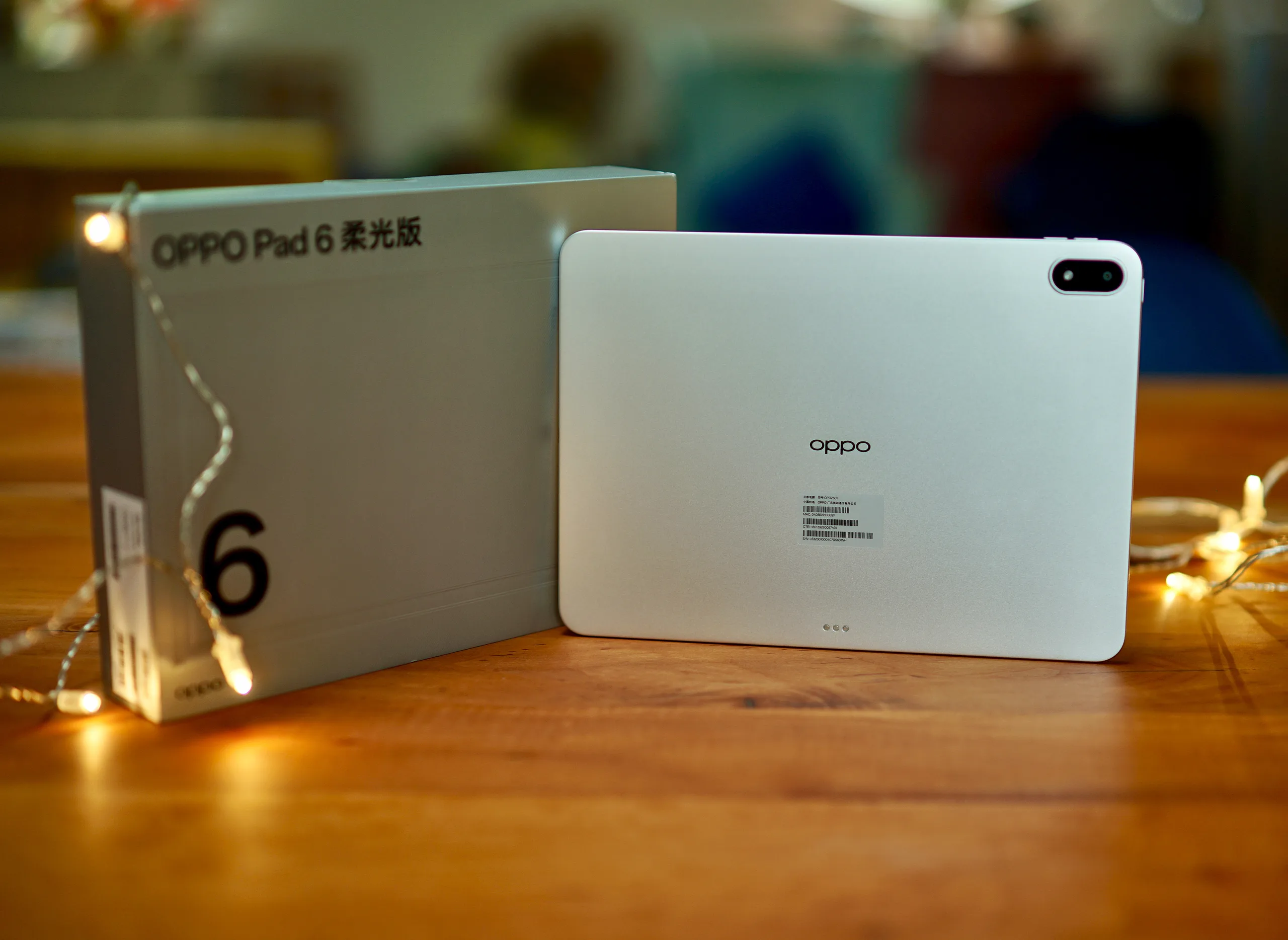
Manufacturers are usually eager to offer additional options for which users can pay a premium. However, with the Pad 6 we recently tested, Oppo has completely eliminated the 5G version, even though it was available on the previous model.
No 5G, No satellite location
This not only eliminates the ability to use a SIM card or eSIM to access mobile data or make phone calls via the tablet, but it also means there’s no satellite positioning for the 12.1-inch tablet.
Approximate location tracking is still possible via Wi-Fi networks, but it’s not sufficient for precise navigation.
Dual tethering as a substitute
But Oppo has at least come up with an alternative to make up for the lack of mobile internet access: After all, almost everyone always has their smartphone with them, so you can use tethering.
While this is possible with almost any mobile device today, the Oppo Pad 6 allows you to establish two tethering connections simultaneously, thereby achieving higher speeds and better stability. Of course, an internal cellular solution would still be more practical.
Otherwise, good features
It’s a shame about the missing features, since the tablet otherwise offers great value for the price: You can charge it at up to 67 watts, so the large battery is fully charged in under 2 hours. In our Wi-Fi test, it lasted over 19 hours, so nothing stands in the way of a day on the couch or a busy workday—even without a power outlet.
It also features a fast processor, a USB 3.1 port with wired video output to external monitors, and a bright, color-accurate LCD screen that even operates without PWM flicker.
Imported tablet without 5G
The Oppo Pad 6 is currently only available as a Chinese import (for example, from TradingShenzhen starting at US$ 685), but it could very well be released in Western countries—after all, the Oppo Pad 5 is officially available here.
If you’d like to learn more about the tablet before making a purchase, we recommend our in-depth review of the Oppo Pad 6.
Source(s)
 Add as a preferred source on Google


No comments for this article
