




The new XPS 13 Wildcat has completely changed our expectations on what a budget Windows laptop can be
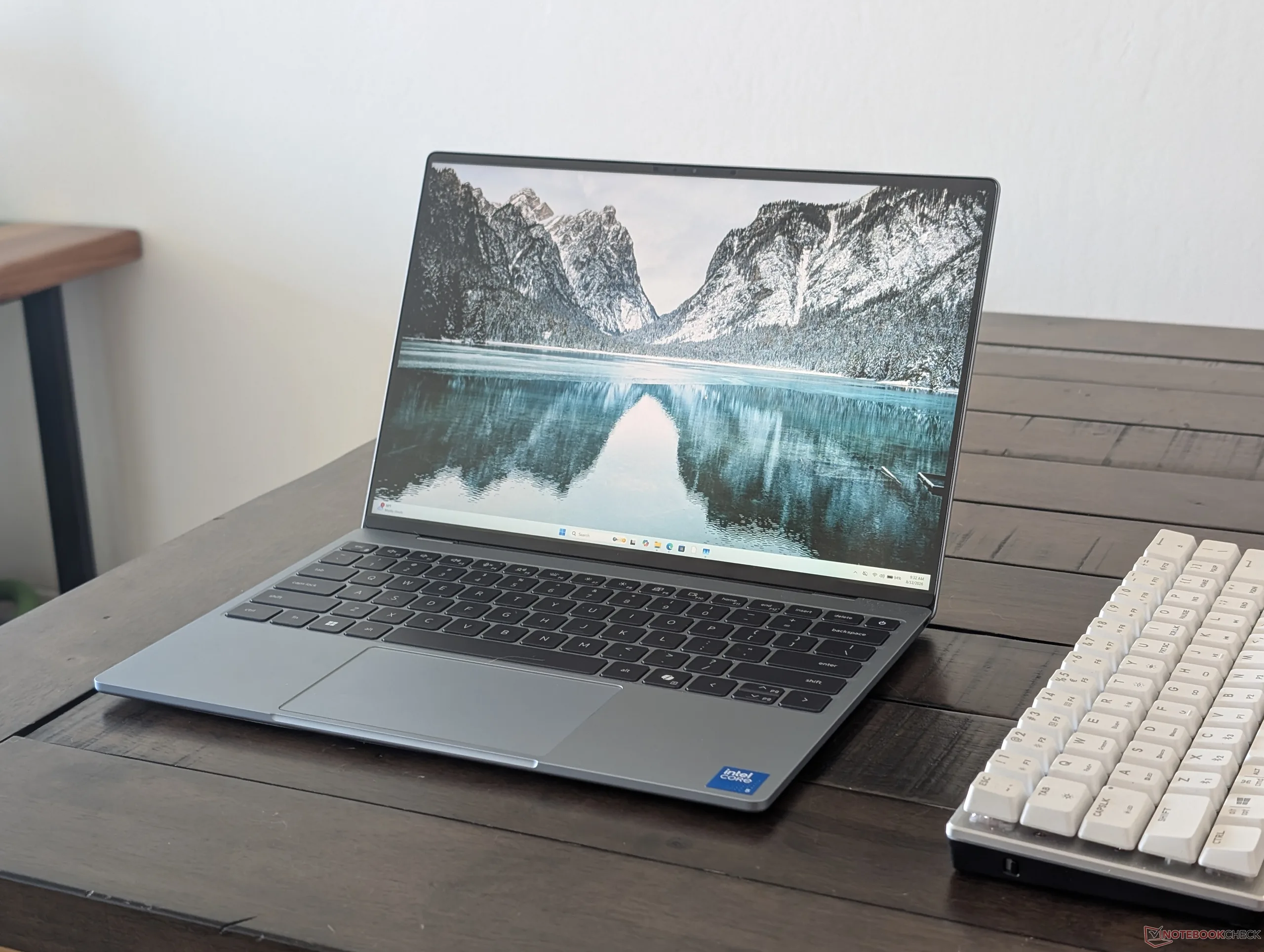
With RAM prices still out of control, popular Windows laptops these days can easily skyrocket past the $1500 or $2000 mark. Options for under $1000 thankfully still exist, but they are often unattractive, unappealing, and ultimately undesirable for many users. The new XPS 13 breaks this trend in two key areas while keeping prices well below the $1000 ceiling.
Firstly, the Dell model lives up to its XPS namesake with its sleek metal design inspired by the latest XPS 16. Thin and sexy looks aren't anything new for laptops, of course, but they are unfortunately uncommon when browsing through the $700 price range where unsightly plastic designs reign supreme. By adopting the looks of other XPS models worth 2x or 3x the price, the inexpensive XPS 13 can instantly feel more desirable when compared to competitors like the Lenovo IdeaPad 3 or 5 series.
Secondly, the XPS 13 comes with a better-than-expected display for a budget option. All SKUs at the moment ship with the same impressive 120 Hz 2.5K resolution (2560 x 1600) IPS touchscreen including even the base configuration. The panel is notable as it also covers >95 percent of the P3 standard whereas the displays on most other budget laptops tend to be 60 Hz, non-touch, FHD only, or cover only sRGB colors at best. By overdelivering on the chassis design and image quality, the user experience becomes one of the best we've had on any budget-oriented subnotebook in recent memory.
Cut corners are inevitable, but they're strategic to be mostly unnoticeable at first glance as detailed in our review of the XPS 13 Wildcat.
 Add as a preferred source on Google


