Surface Laptop Ultra: Microsoft's answer to MacBook Pro detailed in extensive leak
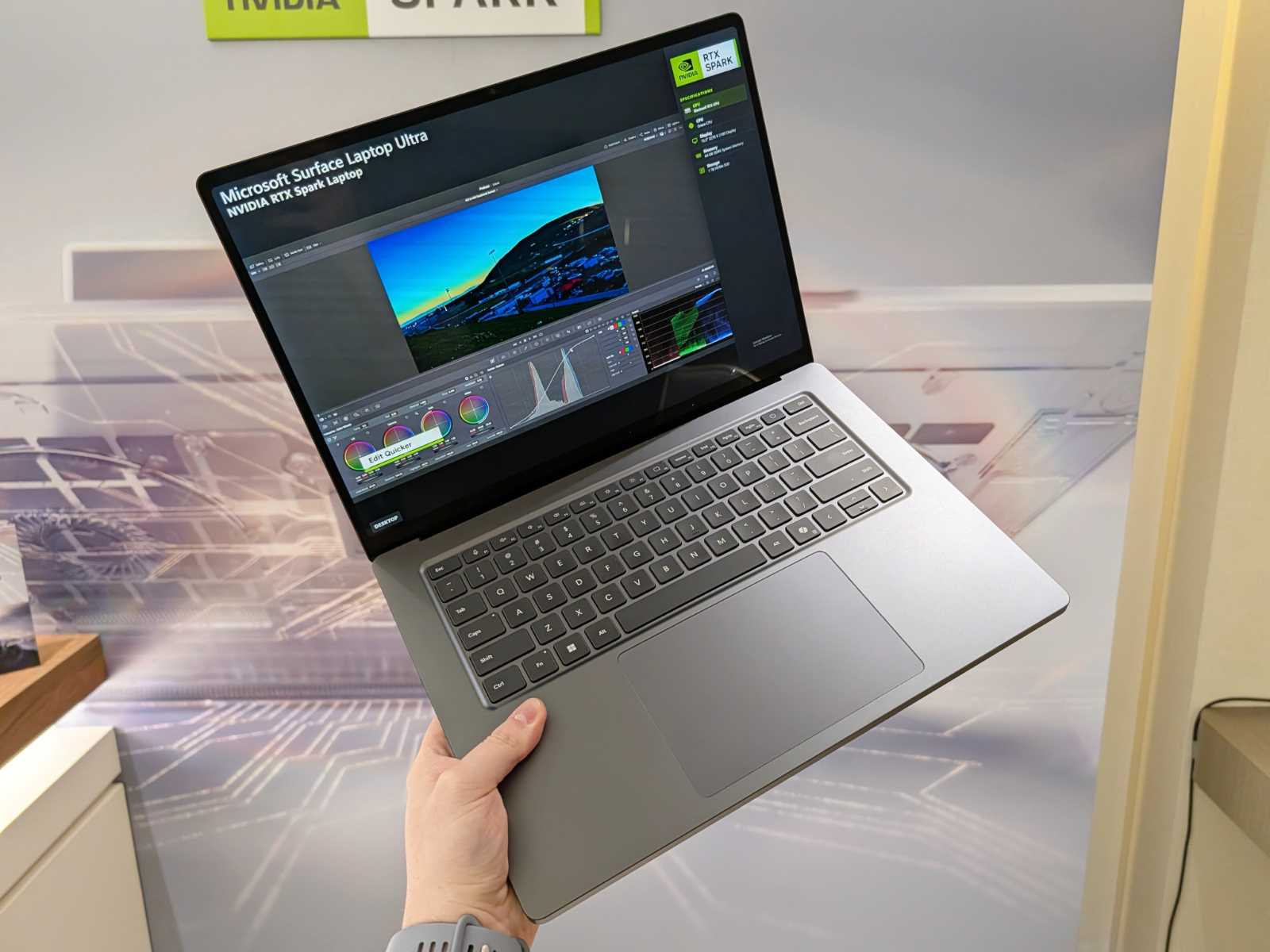
Almost two months have passed since Microsoft unveiled the Surface Laptop Ultra. In the meantime, Microsoft has started shipping the cheaper Surface Laptop 8, which we reviewed a few days ago (curr. $1,399 on Amazon). While the company has not revealed more information yet, leaks have begun to fill in the gaps. For instance, an engineering sample appeared on Cinebench 2026 earlier this month.
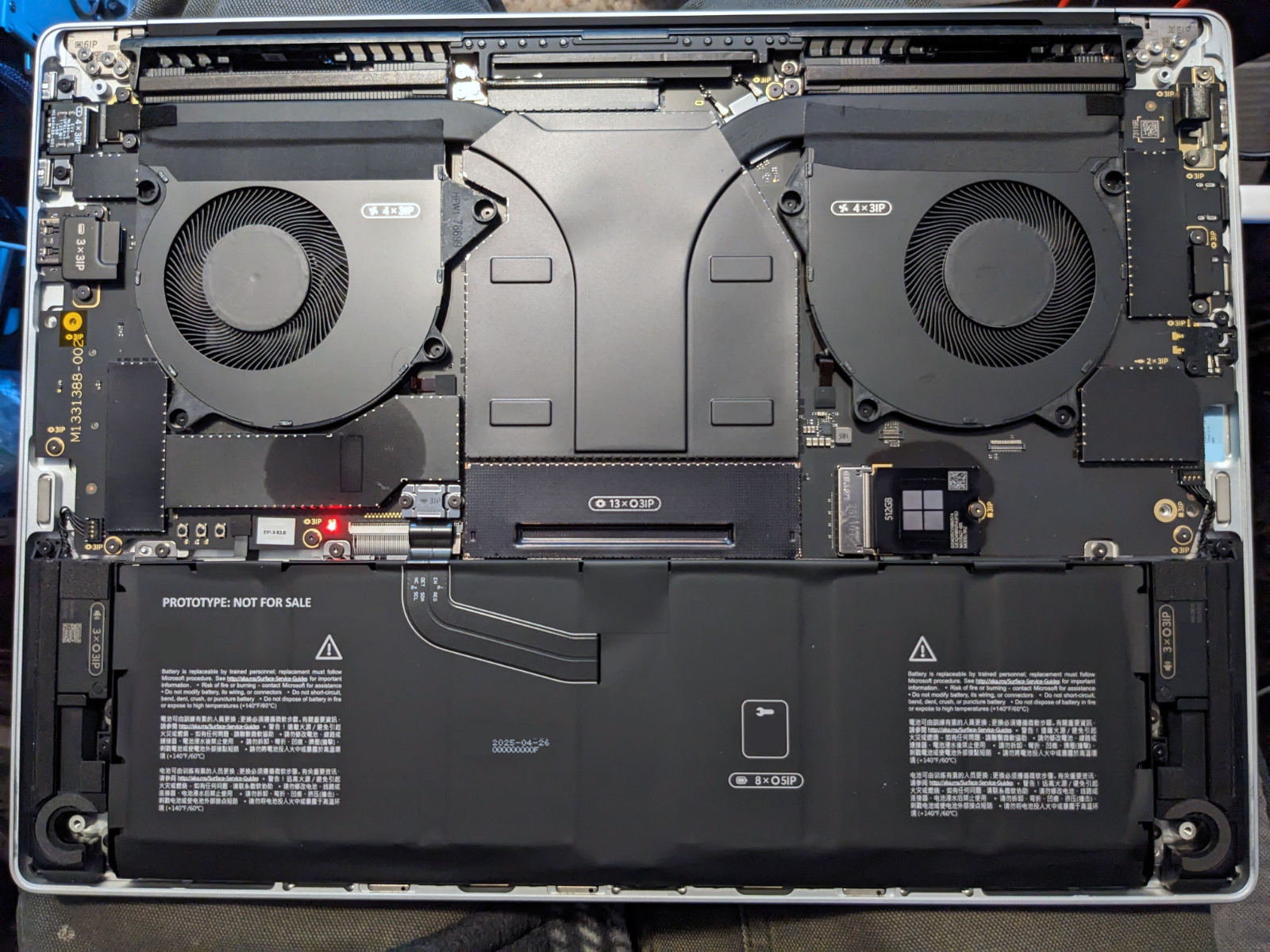
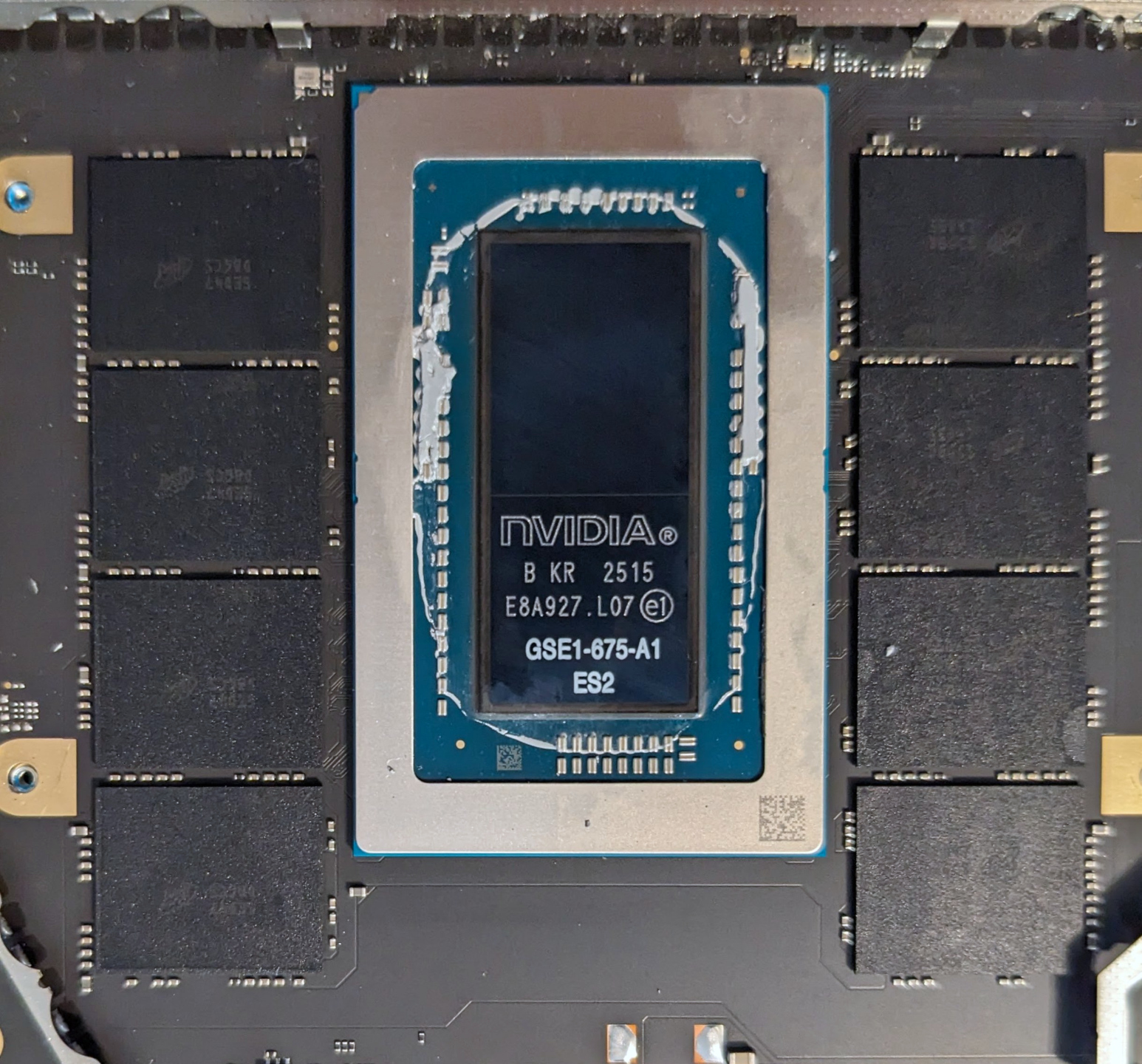
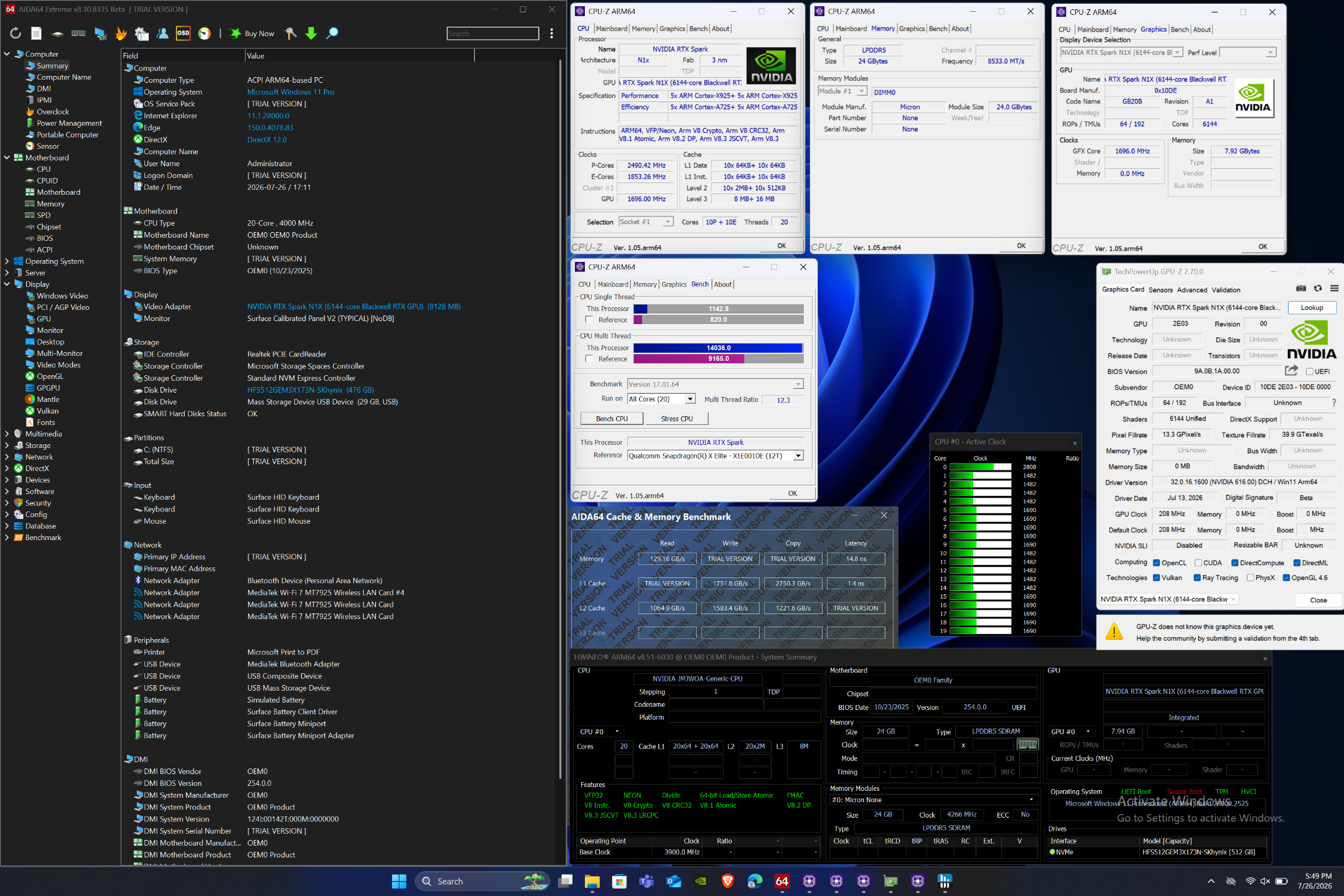
Now, a hands-on report from Fouquin on TechPowerUp forums has expanded upon this prior leak with more information about Microsoft's unreleased laptop. Allegedly, Fouquin spent roughly a month with a Surface Laptop Ultra prototype labelled EV1.5. In short, the 'review' paints a picture of strong hardware that is currently restricted by immature software.
For example, the unit booted with outdated Windows-on-ARM (WoA) graphics drivers dating to November 2025. According to Fouquin, these cause erratic GPU clock speeds, regular stuttering and repeated system crashes during certain GPU compute workloads and selected games. Reportedly, newer 616.00 preview drivers did not improve matters either, and even introduced a new screen-lockup bug during prolonged use.
Drivers also hampered attempts to benchmark the RTX Spark's performance in AI workloads. Supposedly, CUDA-based tests failed to execute correctly, forcing Fouquin to fall back to slower CPU-based and Vulkan Compute paths. Similarly, running games like Helldivers 2 caused the system to crash after a few minutes.
Setting software aside, Fouquin added that the laptop's 15-inch Mini LED display exhibited uneven local dimming and disabled Nvidia G-Sync functionality. Moreover, the Surface Laptop Ultra could only sustain around 35 W-50 W CPU performance and 95 W-105 W GPU performance while hitting 98°C-100°C and 80°C–90°C, respectively. Fouquin speculates that the Surface Laptop Ultra could start at $2,799 with 24 GB RAM and 512 GB of storage, with 128 GB models breaching $4,499. Ultimately, this seems more like a prediction than anything at this stage.
Source(s)
TechPowerUp, Zac Bowden - Image credit
 Add as a preferred source on Google