




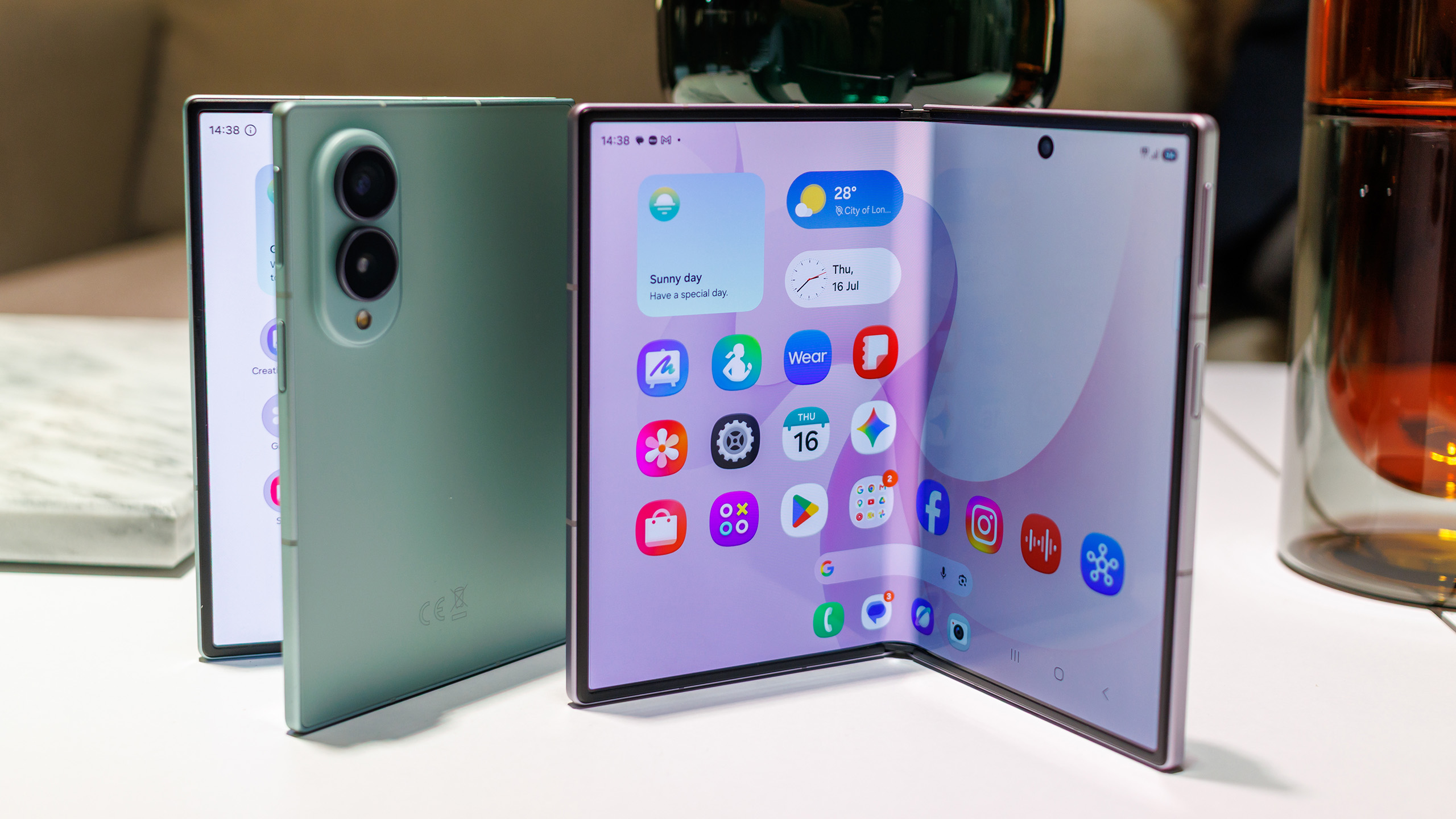
Verdict - Samsung Galaxy Z Fold8
The Samsung Galaxy Z Fold8 is an impressive example of foldable smartphones increasingly proving their practical value. Its wider format, slim design, and outstanding display make it a versatile everyday companion. Its powerful specs are equally impressive, with a long update guarantee and excellent battery life. Performance and communication capabilities are also top-notch.
However, the Fold8 is not without its flaws. The absence of a telephoto lens is particularly disappointing given the high asking price. In addition, there is significant heating and severe throttling under sustained load, as well as disappointing speakers. The lack of S Pen support and minor software regressions detract from the overall feeling. Furthermore, the display's low PWM frequency is likely to bother users sensitive to such issues. With a $1,899 starting price, Samsung has delivered a technically impressive foldable, but one that falls short of perfection. For those who truly take advantage of the form factor, it is one of the most versatile smartphones available, but for everyone else, the premium price remains hard to justify.
Pros
Cons
Price and availability

Table of Contents
- Verdict - Samsung Galaxy Z Fold8
- Specifications - Samsung Galaxy Z Fold8
- Case - It's all down to the form factor
- Features - Very little missing
- Software - 7-year updates for the Galaxy Z Fold8
- Communication and GNSS - The Galaxy Z Fold 8 has speedy Wi-Fi 7
- Telephone functions and voice quality
- Cameras - The Galaxy Z Fold8 lacks a telephoto lens
- Accessories and warranty - The Fold8 comes with a USB cable
- Input devices and operation - A foldable without S Pen support
- Foldable display - Very bright, but not perfect
- Cover display - Over 3,000 nits on the front
- Performance - The Fold8 packs a fast Snapdragon SoC
- Emissions - The Fold8 boasts modern battery technology
- Battery life
- Notebookcheck overall verdict
- Possible alternatives compared
Foldable smartphones have long since moved on from being mere technical novelties. With the Galaxy Z Fold8, Samsung is aiming to demonstrate once again that a smartphone can be both larger and much more versatile. The new Fold is thinner, lighter, and wider, and these are changes that make a bigger difference than might appear at first glance. But does the Fold8 actually improve daily life? We put Samsung’s new flagship foldable through its paces.
Specifications - Samsung Galaxy Z Fold8
Case - It's all down to the form factor
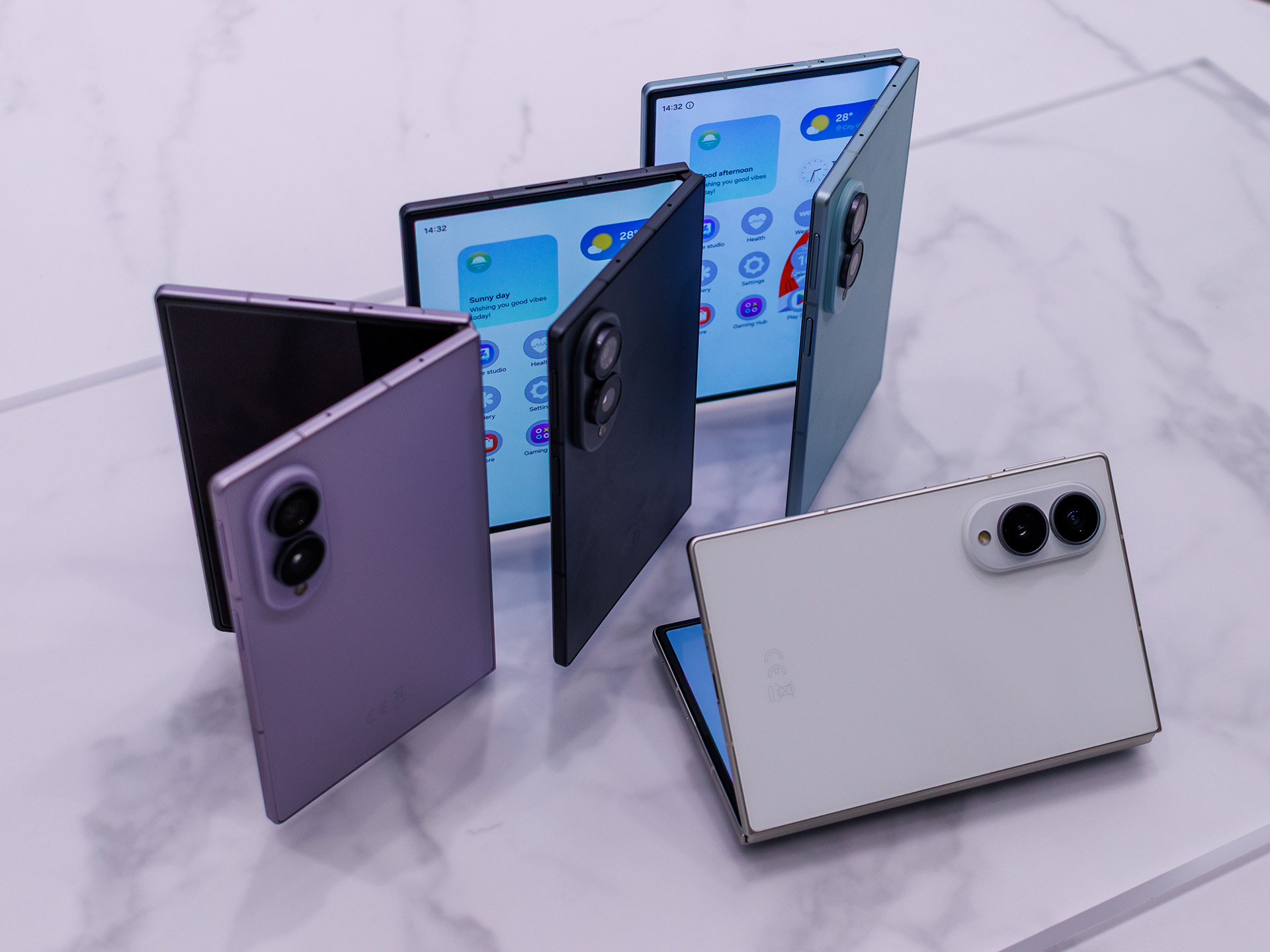
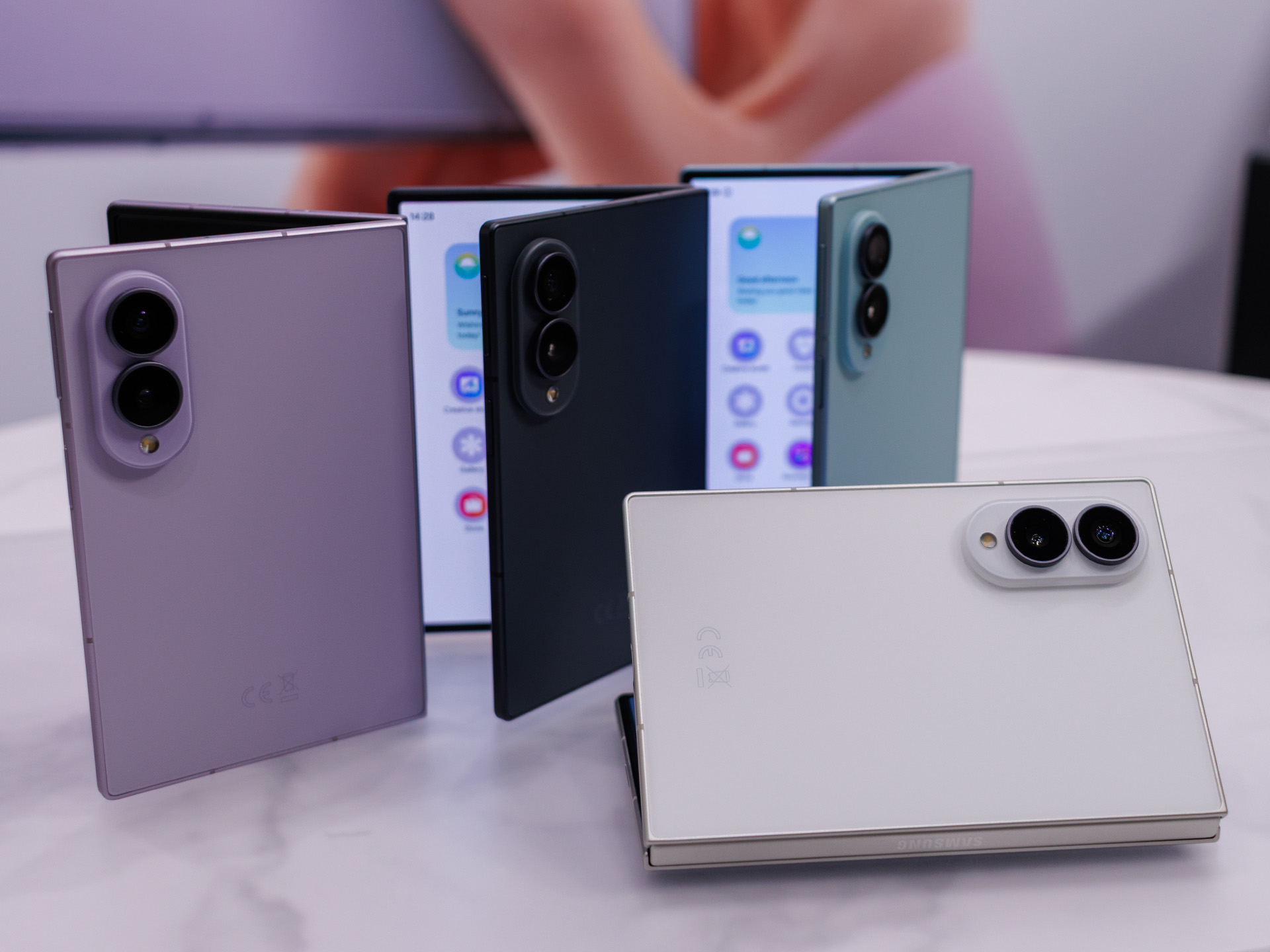
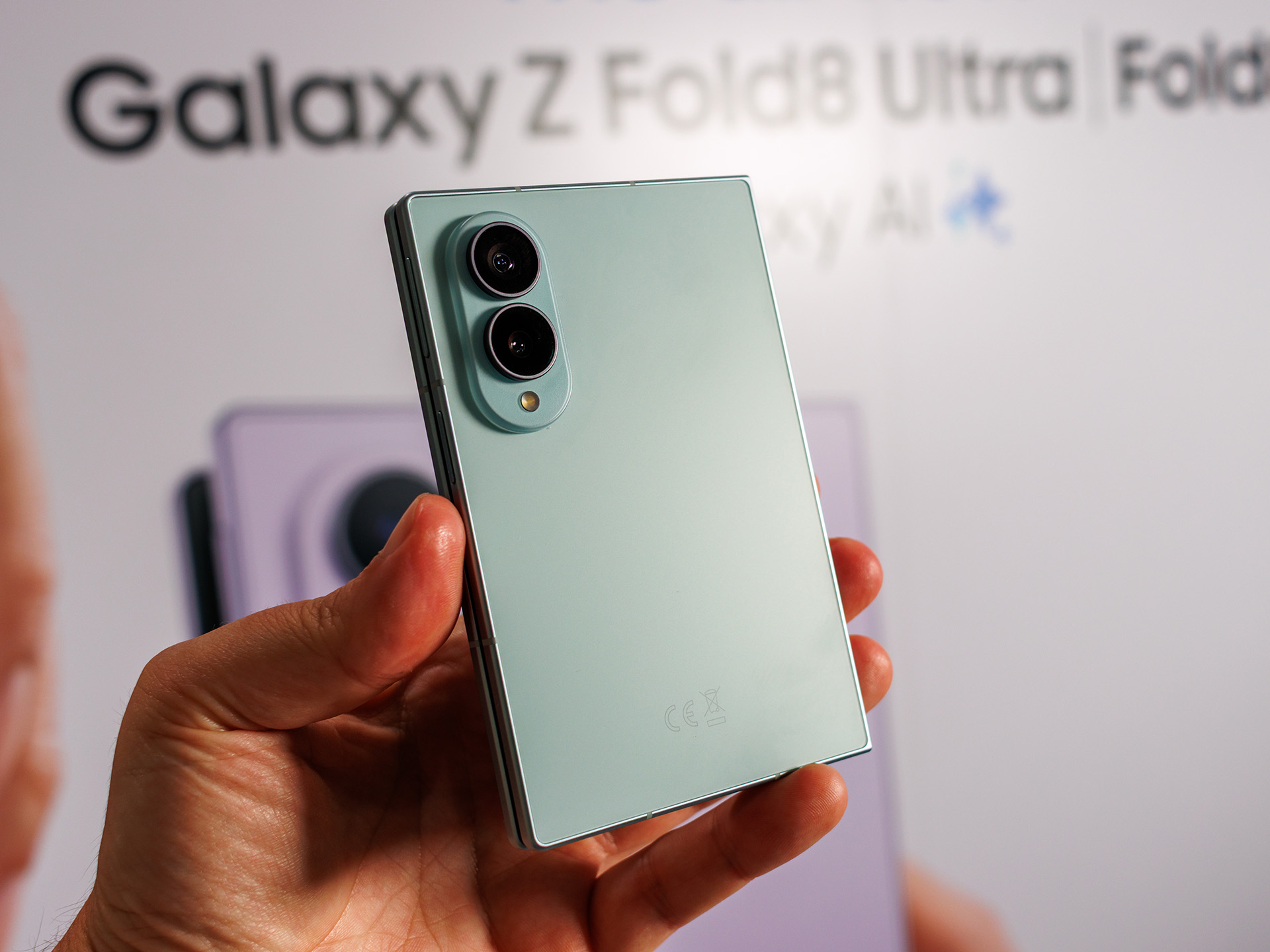
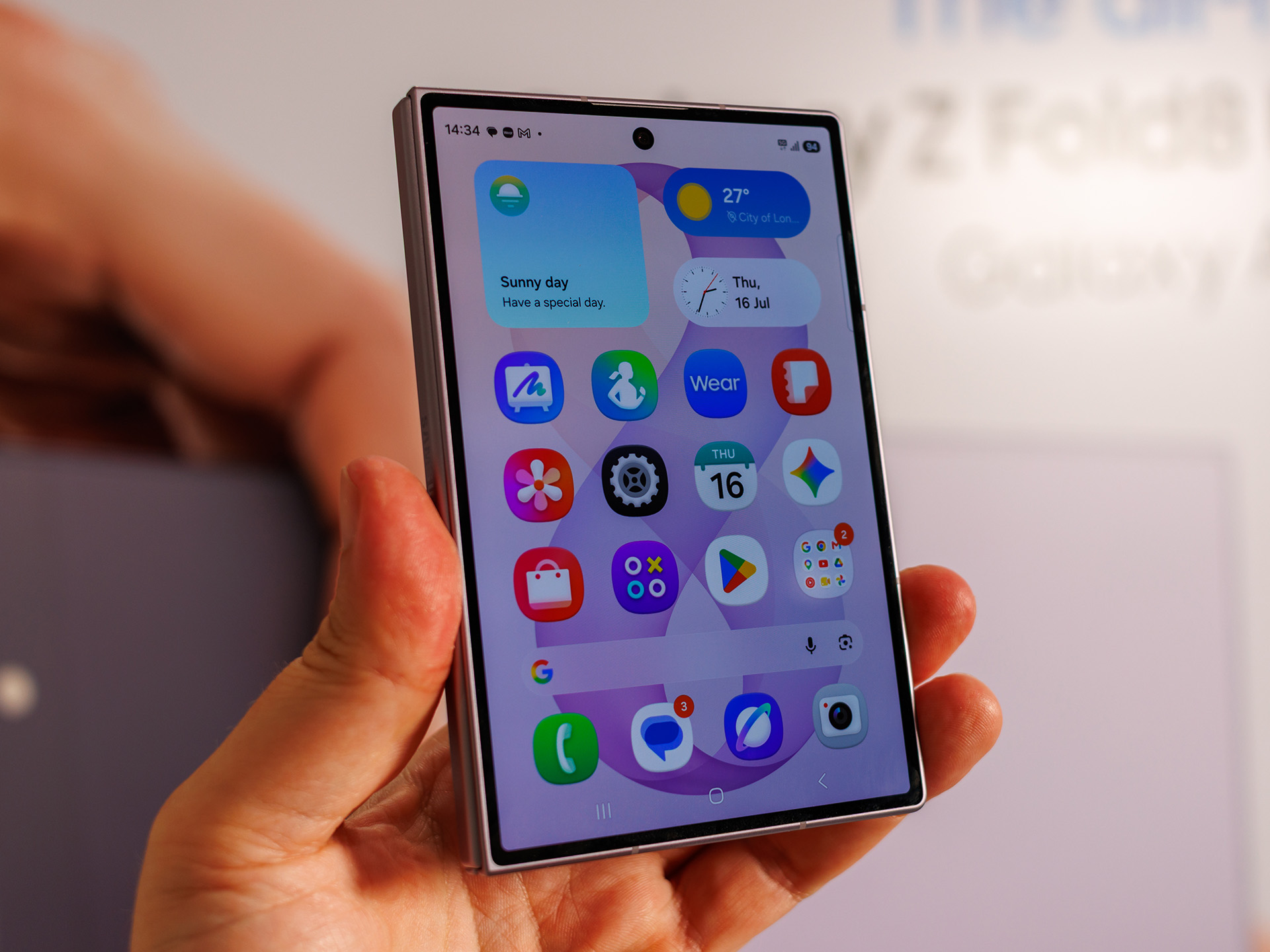
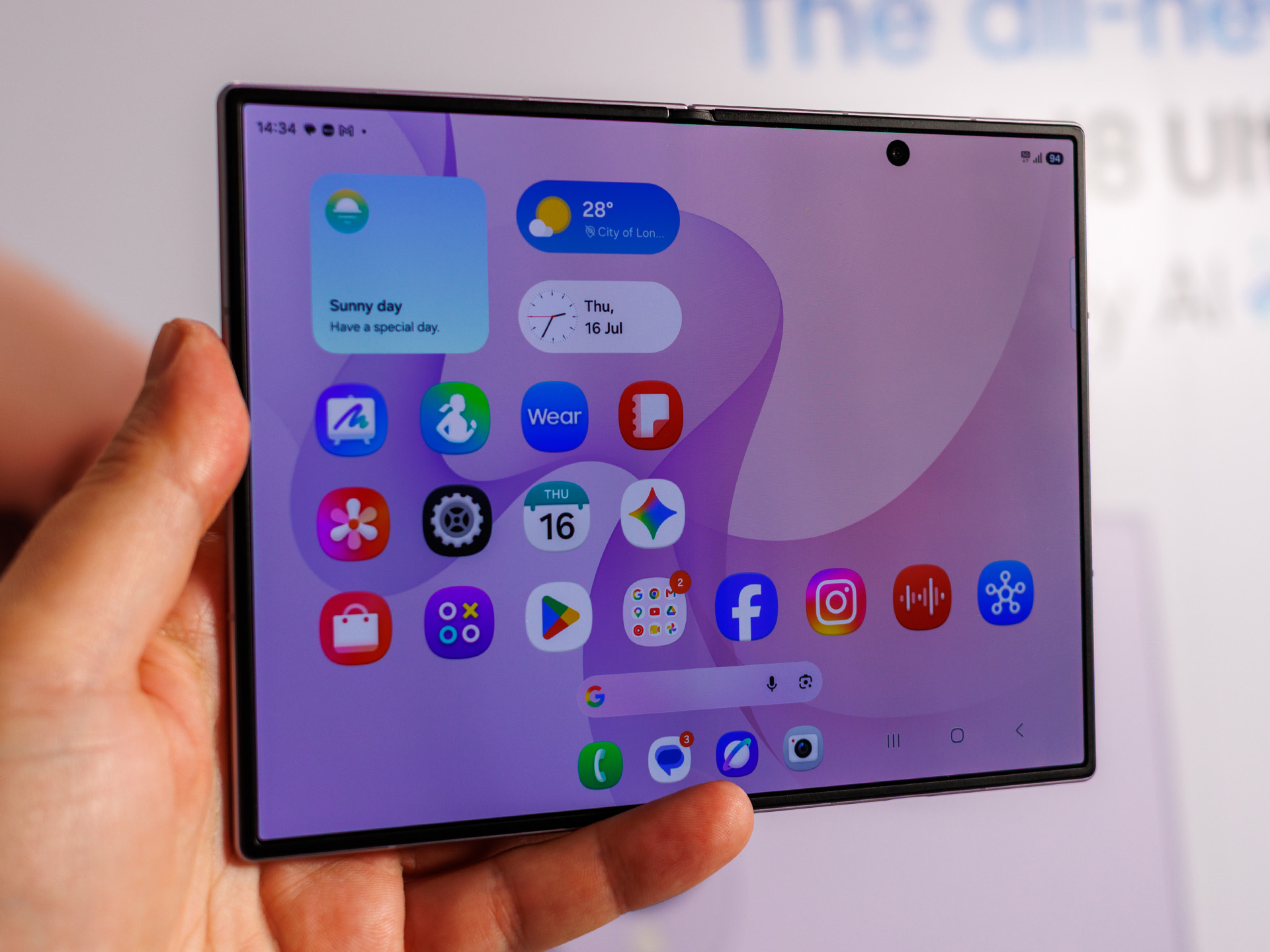
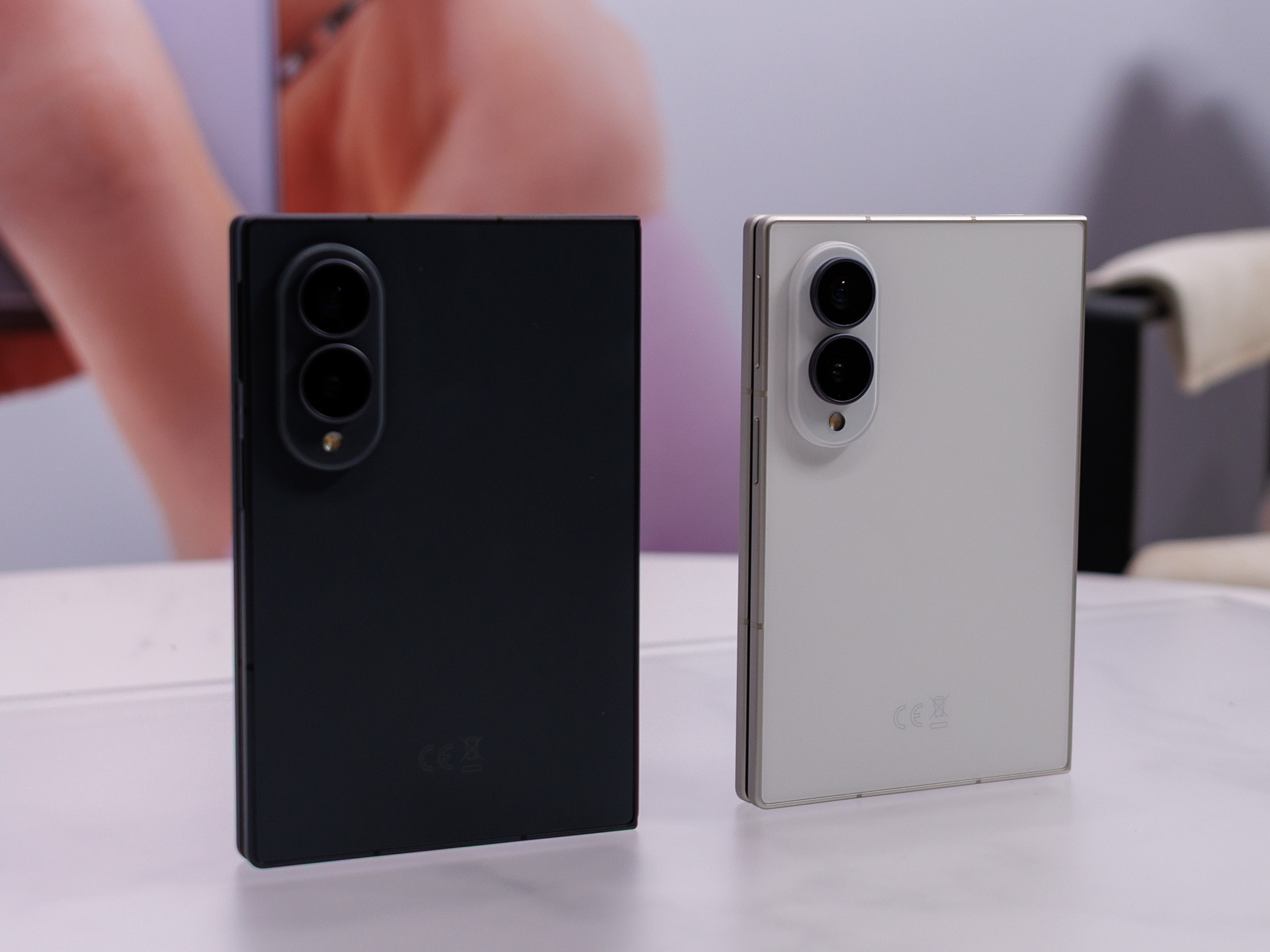
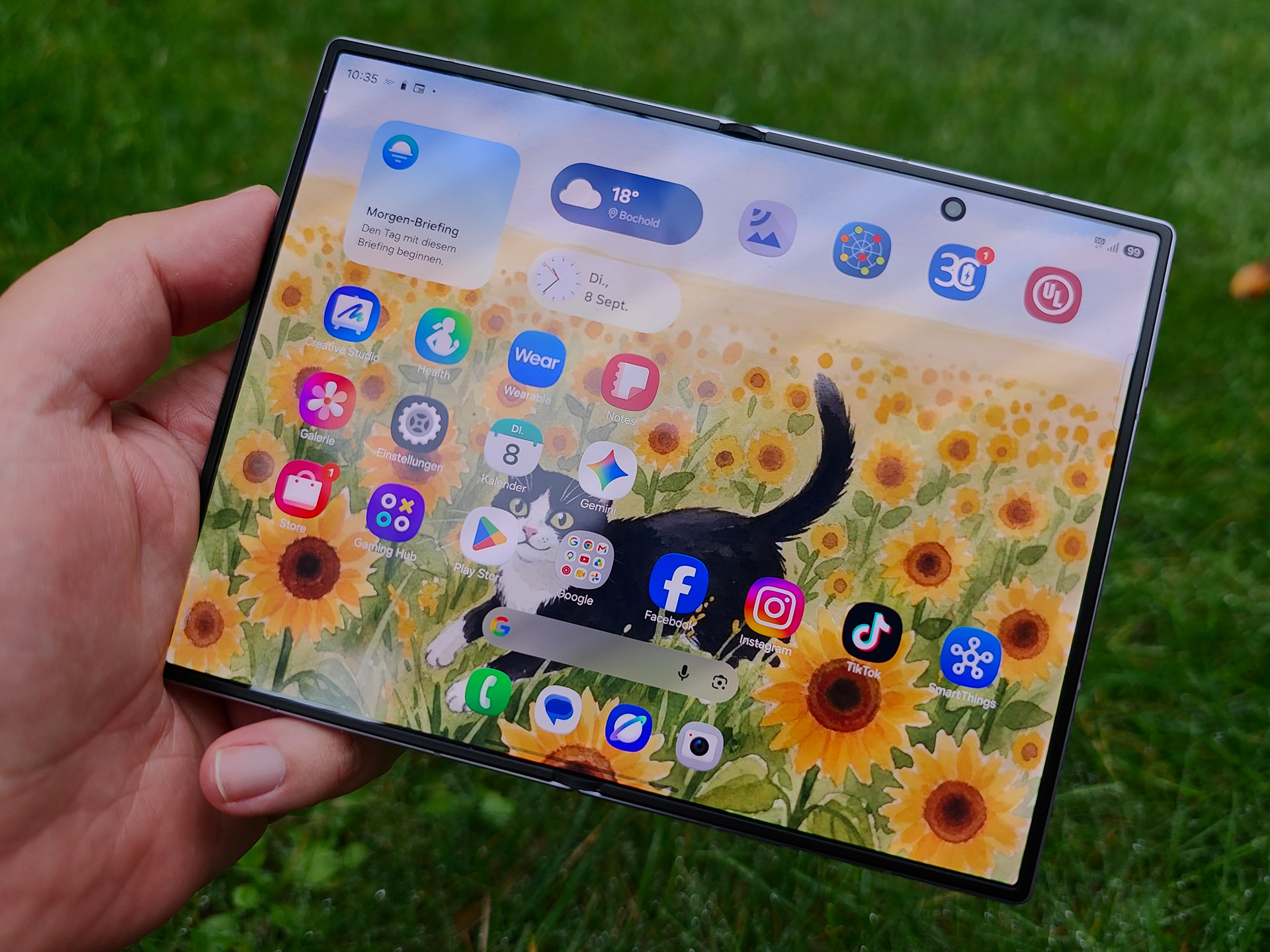
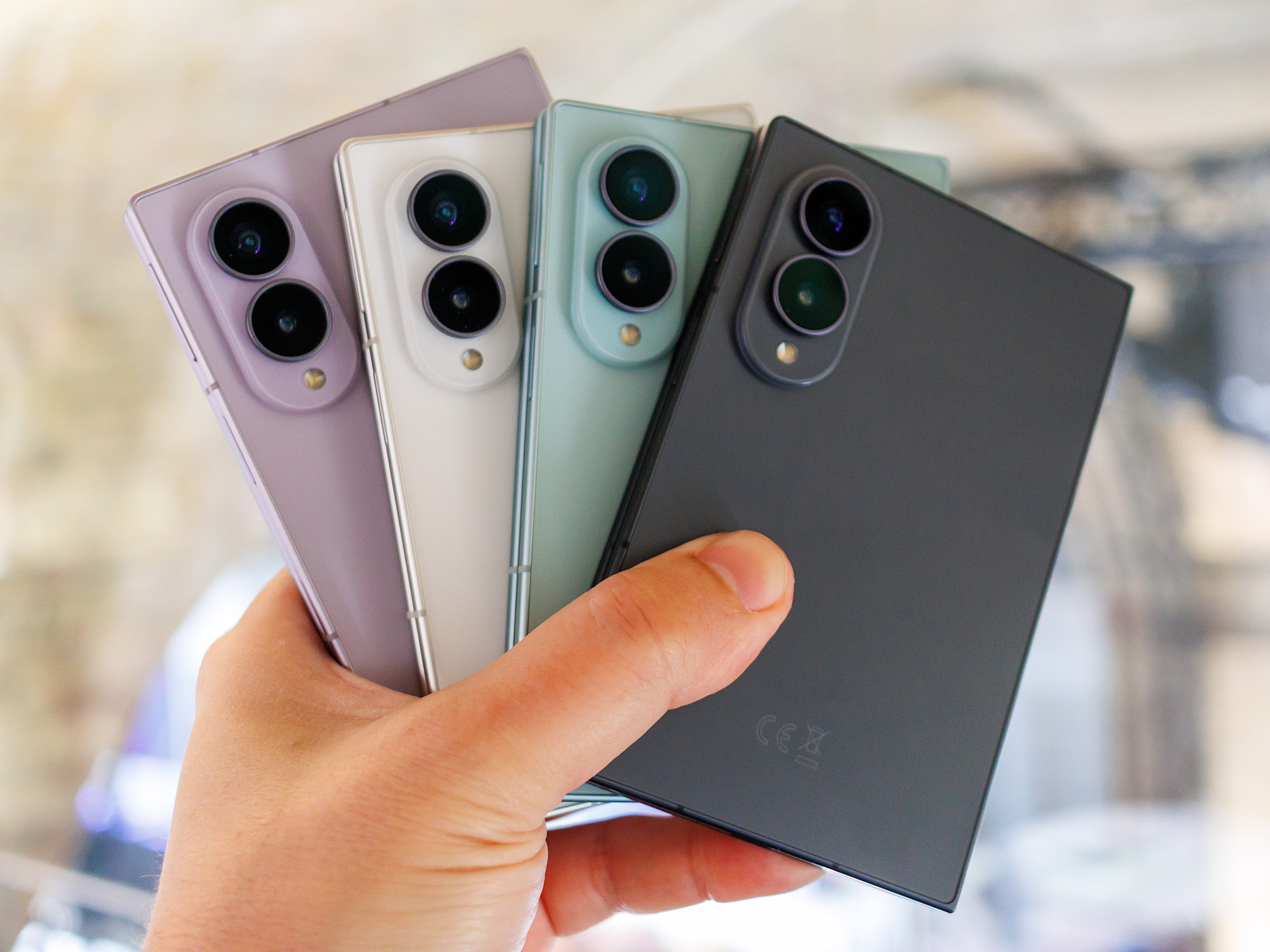
The Samsung Galaxy Z Fold8 comes in Lavender, Graphite, and Cream color variants. Additionally, the Pistachio color is available exclusively through the Samsung Store. The standout feature of Samsung's latest foldable is its form factor. When folded, it boasts a wide 16:10 aspect ratio, while the unfolded state offers a 4:3 ratio. Although this is significantly more media-friendly, it intinially takes some getting used to. All in all, we like it.
The Fold8 fits comfortably in the hand and feels like a premium device. However, it begins to creak quite early when subjected to twisting forces while unfolded. Conversely, it is very robust when closed. The panel gaps are tight and uniform, but the foldable wobbles noticeably when resting on smooth surfaces, due to the two significantly protruding cameras,
The Fold8 is IP84 certified, meaning it is waterproof but not dustproof. During testing, the fold crease proved to be very shallow and barely perceptible, though not quite as inconspicuous as that of the Find N6.
Features - Very little missing
Samsung has made no compromises when it comes to the feature set. Fast USB 3.2 and modern communication modules—including UWB—are on board; the only omission is stylus support.
The Galaxy Z Fold8 is available in three storage variants:
- 12 GB / 256 GB for $1,899
- 12 GB / 512 GB for $2,099
- 16 GB / 1,024 GB for $2,499
Software - 7-year updates for the Galaxy Z Fold8
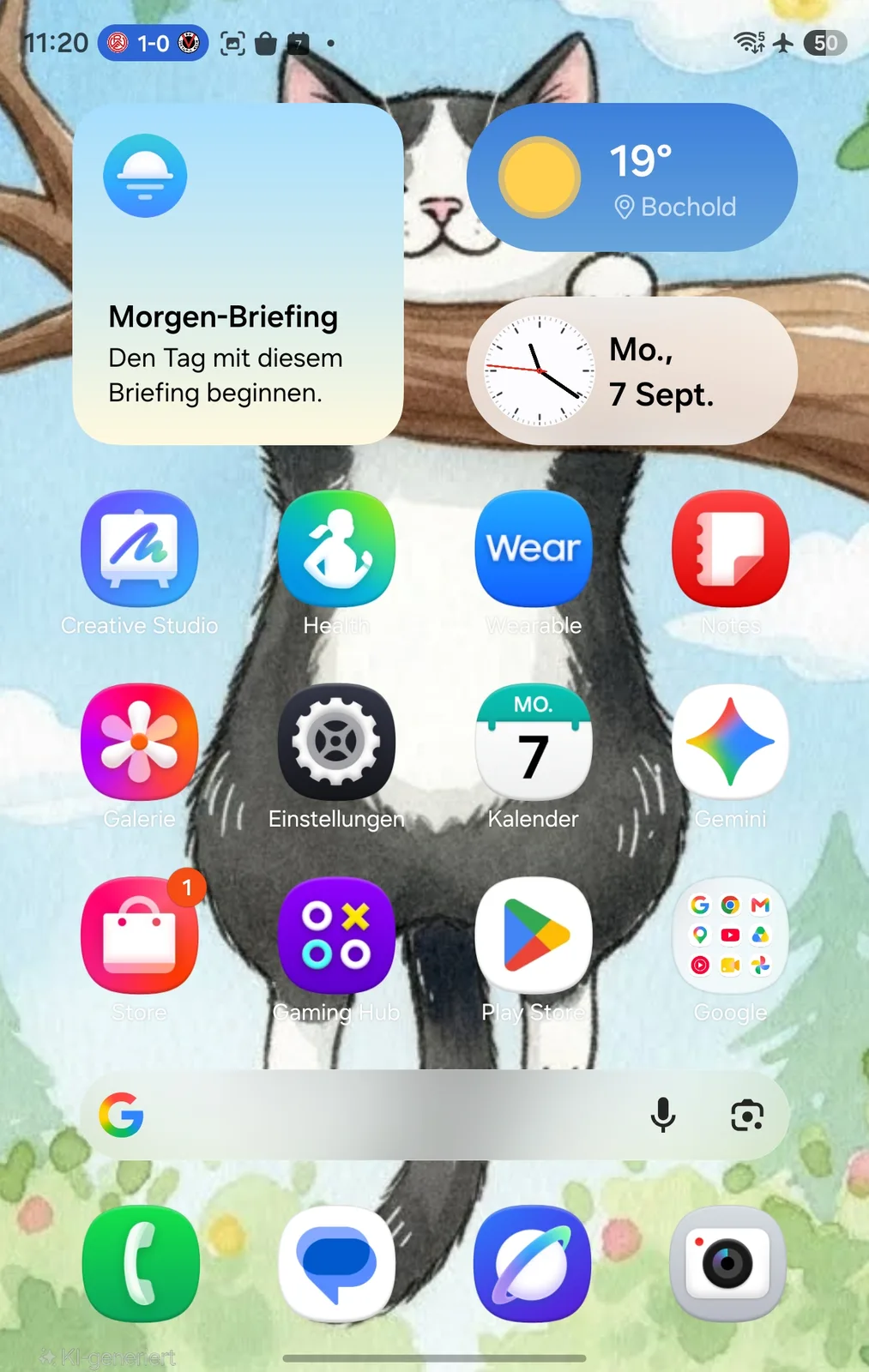
The Samsung Galaxy Z Fold8 launches with Google Android 17 and One UI 9.0, and is slated to receive seven years of updates. This would mean it would nominally reach Android 24.
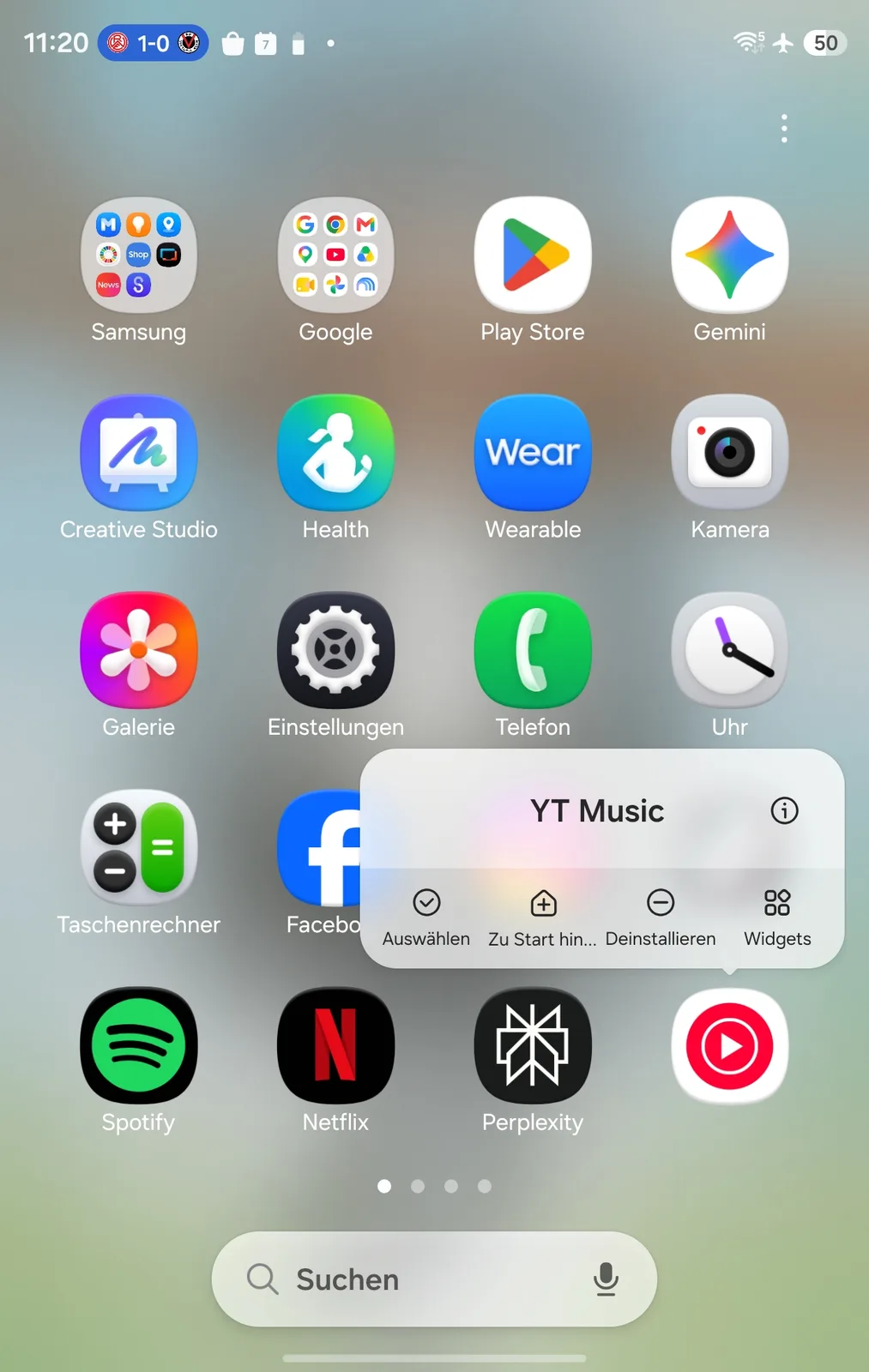
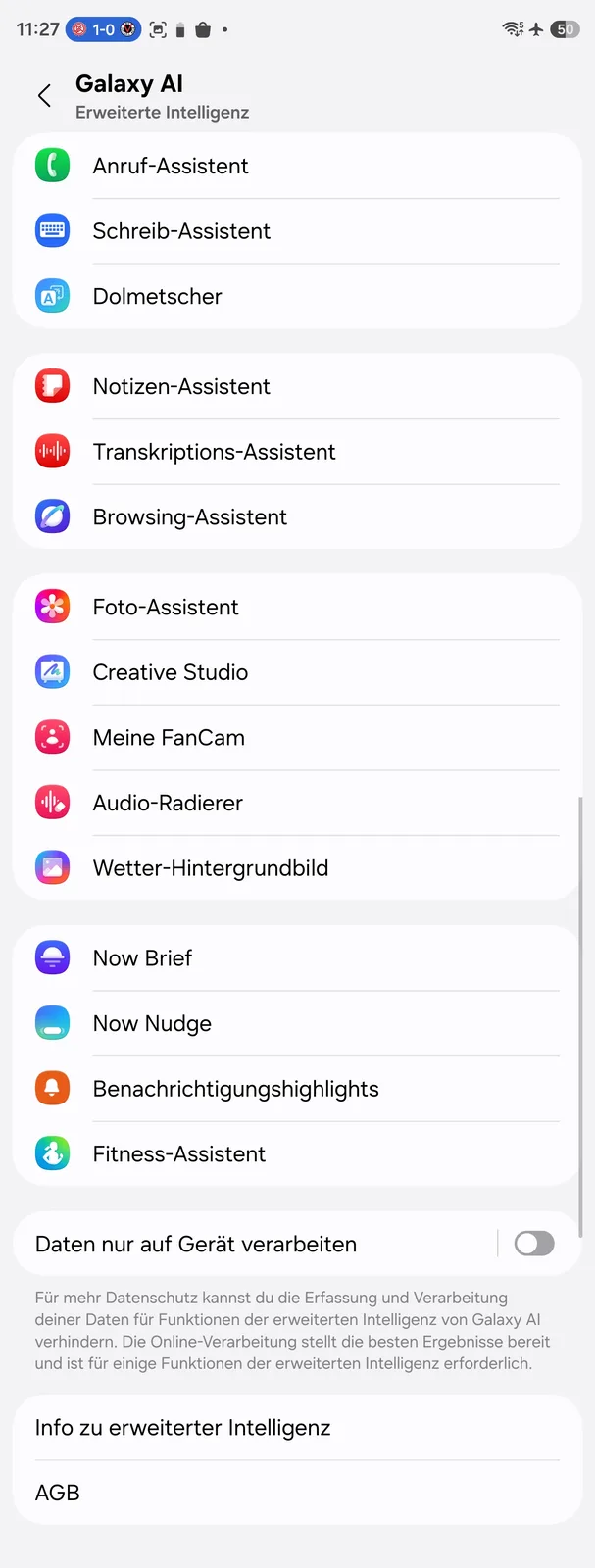
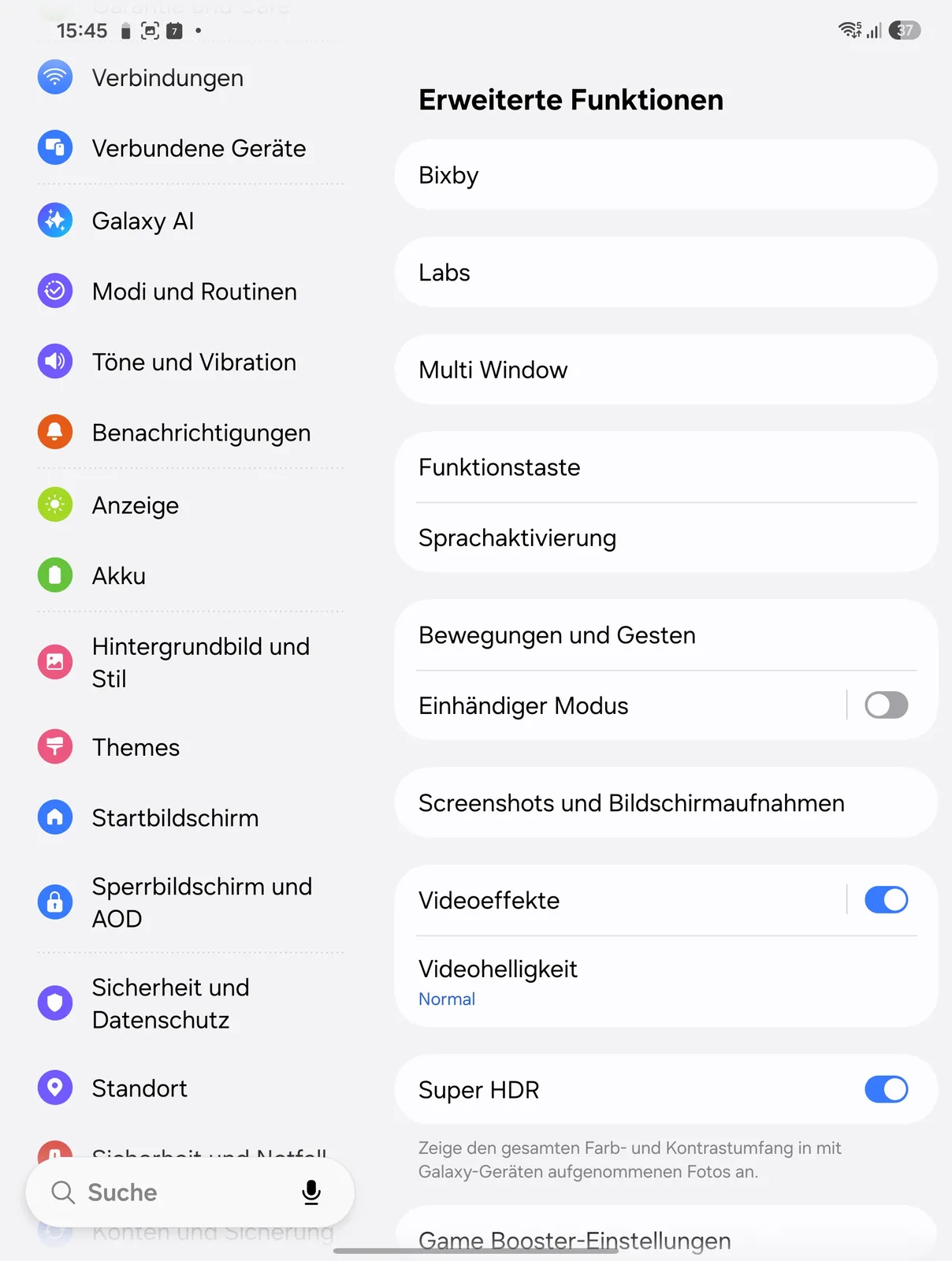
Samsung’s One UI looks and feels familiar, and offers a wide range of features, including AI capabilities via Galaxy AI. Some of these AI functions can run locally, without requiring a cloud connection. Although there are no longer any pre-installed Microsoft apps, some third-party apps are included but can also be uninstalled.
Sustainability
When it comes to sustainability, Samsung is, once again, relatively transparent, providing detailed information in a report regarding the proportion of recycled materials used and exactly what those materials are.
The outer packaging is streamlined and plastic-free. The Fold8 is not yet listed in Samsung’s self-repair program, but it should appear there soon.
Communication and GNSS - The Galaxy Z Fold 8 has speedy Wi-Fi 7
The Samsung Galaxy Z Fold8 supports every modern communication standard: 5G Sub-6, Wi-Fi 7 (6 GHz), Bluetooth 6.0, NFC, and UWB. There are no complaints to be had here, especially given the broad frequency coverage for 5G and the fact that Wi-Fi 7 proved to be very fast in our tests.
| Networking | |
| Samsung Galaxy Z Fold8 | |
| iperf3 transmit Wi-Fi6/7 RT-BE96U | |
| iperf3 transmit Wi-Fi6/7 RT-BE96U | |
| iperf3 receive Wi-Fi6/7 RT-BE96U | |
| iperf3 receive Wi-Fi6/7 RT-BE96U | |
| Honor Magic V6 | |
| iperf3 transmit AXE11000 | |
| iperf3 receive AXE11000 | |
| iperf3 transmit AXE11000 6GHz | |
| iperf3 receive AXE11000 6GHz | |
| Oppo Find N6 | |
| iperf3 transmit AXE11000 | |
| iperf3 receive AXE11000 | |
| iperf3 transmit AXE11000 6GHz | |
| iperf3 receive AXE11000 6GHz | |
| Vivo X Fold6 | |
| iperf3 transmit Wi-Fi6/7 RT-BE96U | |
| iperf3 receive Wi-Fi6/7 RT-BE96U | |
| Average 802.11 a/b/g/n/ac/ax/be | |
| iperf3 transmit AXE11000 | |
| iperf3 receive AXE11000 | |
| iperf3 transmit AXE11000 6GHz | |
| iperf3 receive AXE11000 6GHz | |
| iperf3 transmit Wi-Fi6/7 RT-BE96U | |
| iperf3 receive Wi-Fi6/7 RT-BE96U | |
| Average of class Smartphone | |
| iperf3 transmit AXE11000 | |
| iperf3 receive AXE11000 | |
| iperf3 transmit AXE11000 6GHz | |
| iperf3 receive AXE11000 6GHz | |
| iperf3 transmit Wi-Fi6/7 RT-BE96U | |
| iperf3 receive Wi-Fi6/7 RT-BE96U | |
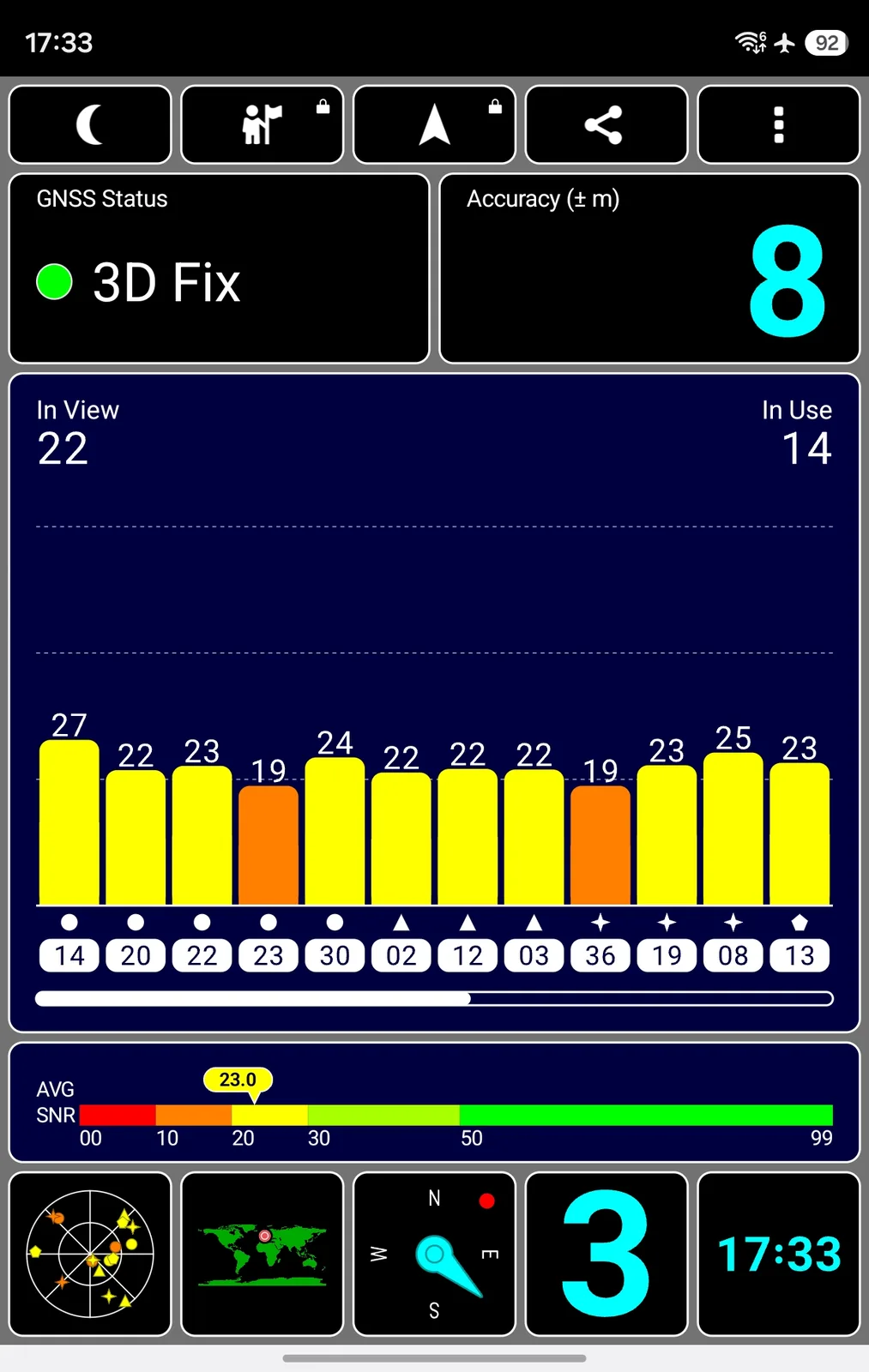
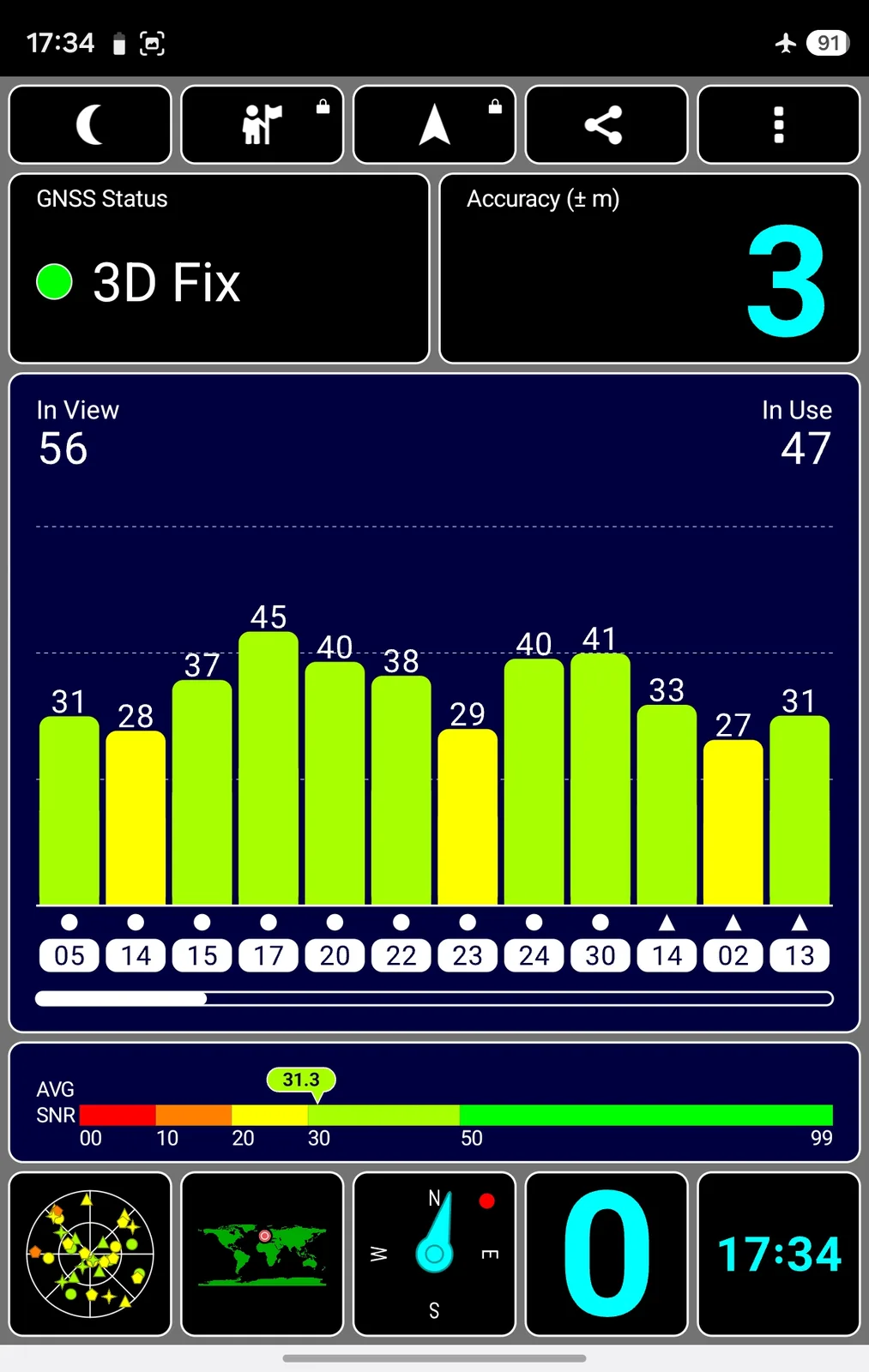
The Fold8 achieved a very swift satellite fix outdoors, although it took considerably longer to do the same indoors. During testing, it also took a moment to pinpoint our exact location.
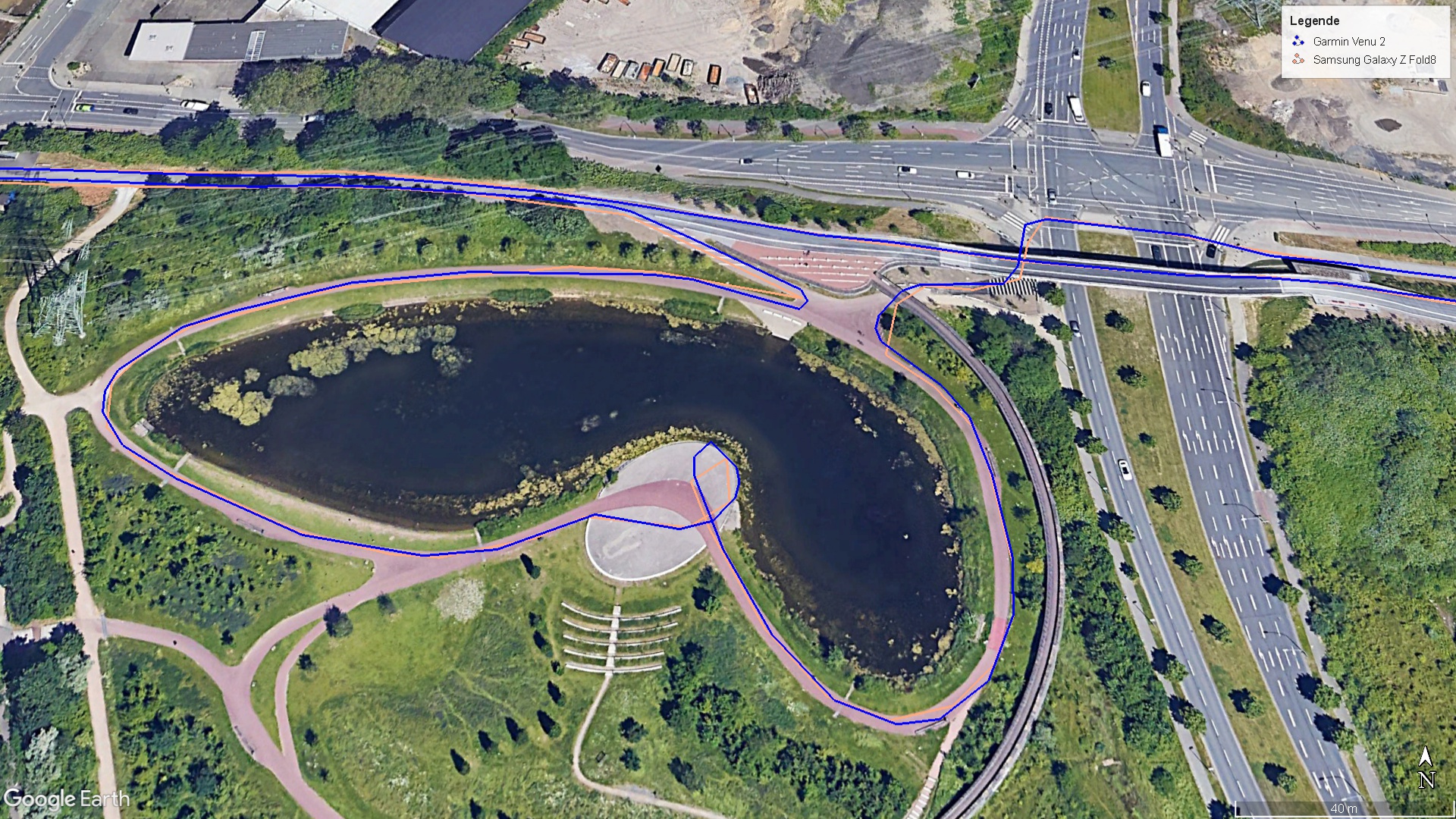
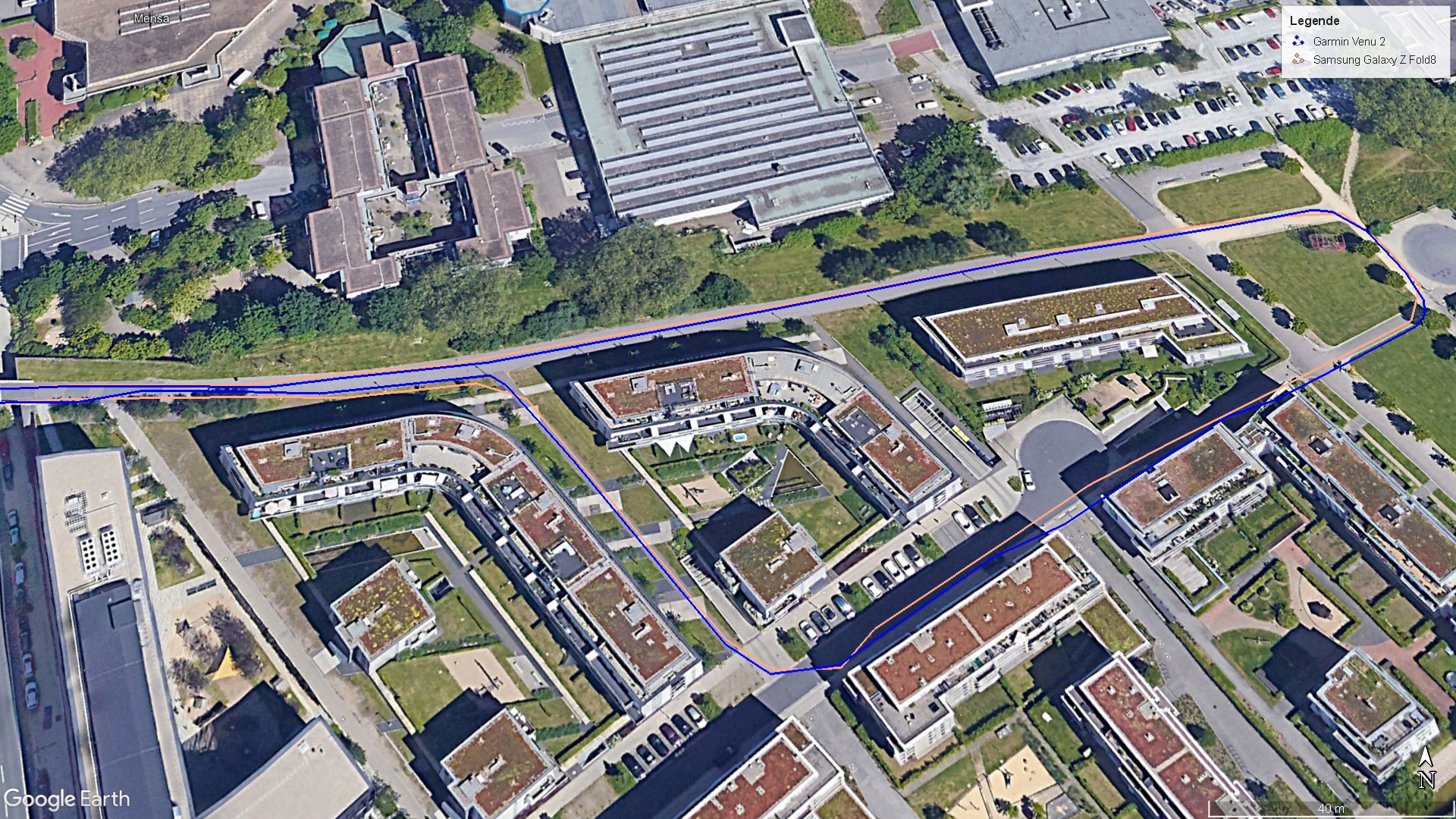
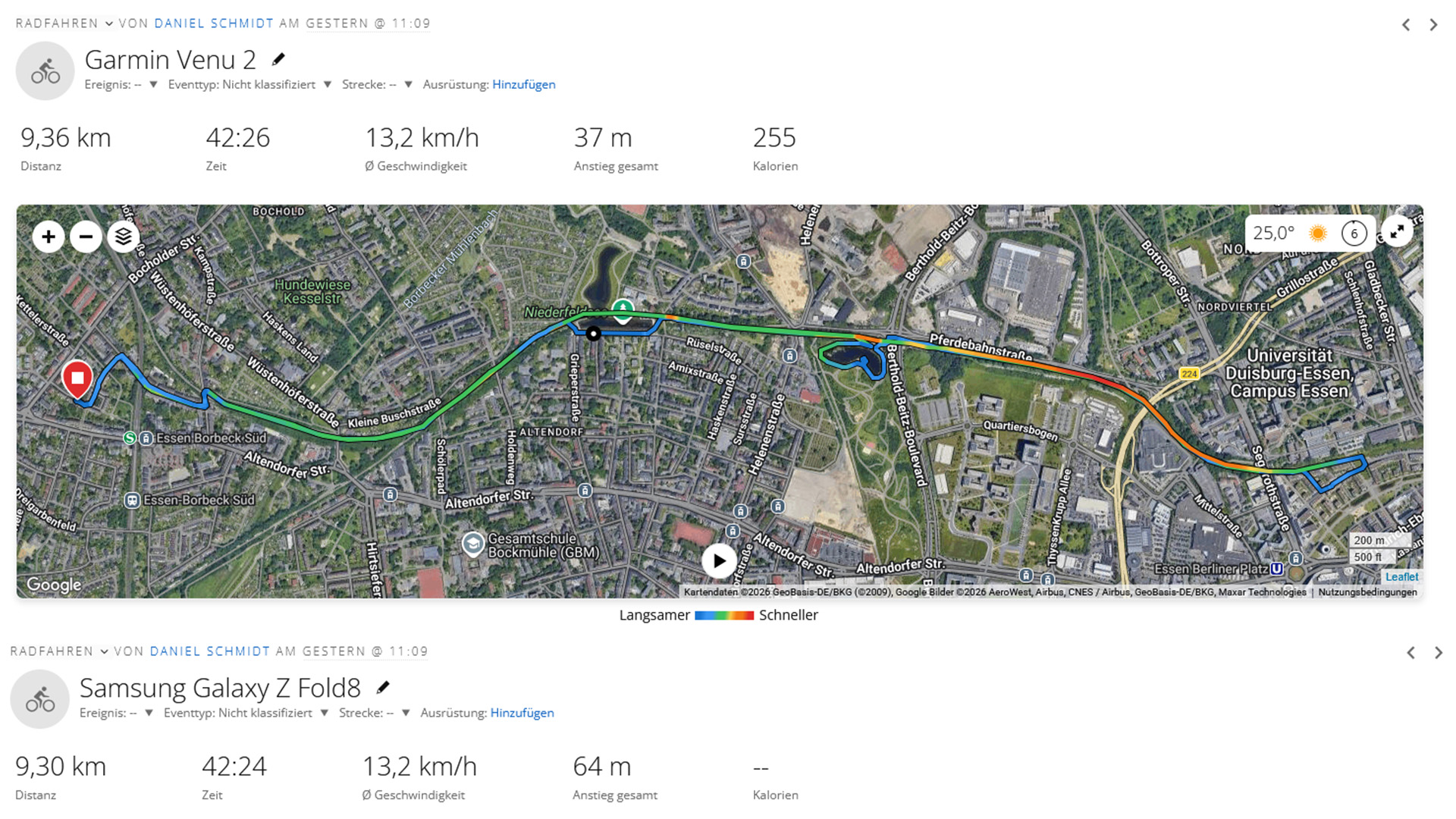
On a bike trip, we compared the foldable smartphone with the Garmin Venu 2. The latter recorded the route travelled with slightly greater precision, particularly on tight turns, and it was evident that the Fold8 determined its position less frequently. However, for navigation purposes, it is more than adequate.
Telephone functions and voice quality
Because of its slim design, the Galaxy Z Fold 8 supports only a single nano-SIM card. However, it also supports dual-eSIM or mixed-mode operation.
When held to the ear, voice quality is very natural in both directions, and background noise is reliably suppressed.
Cameras - The Galaxy Z Fold8 lacks a telephoto lens

The Samsung Galaxy Z Fold8’s integrated 10MP front cameras lack autofocus but still manage to capture decent photos. However, you can achieve much better self-portraits by using the main cameras and the cover display as a viewfinder.
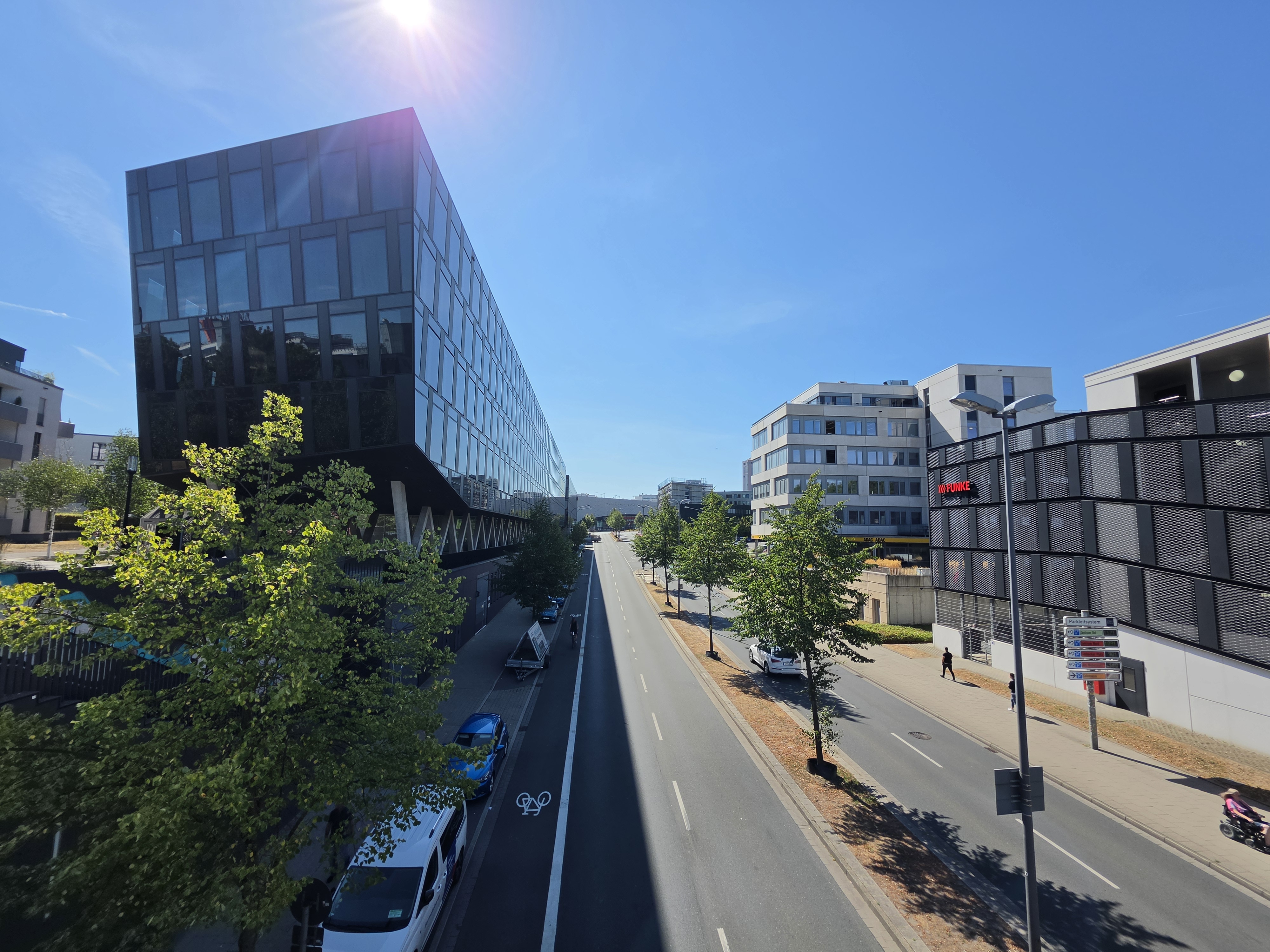
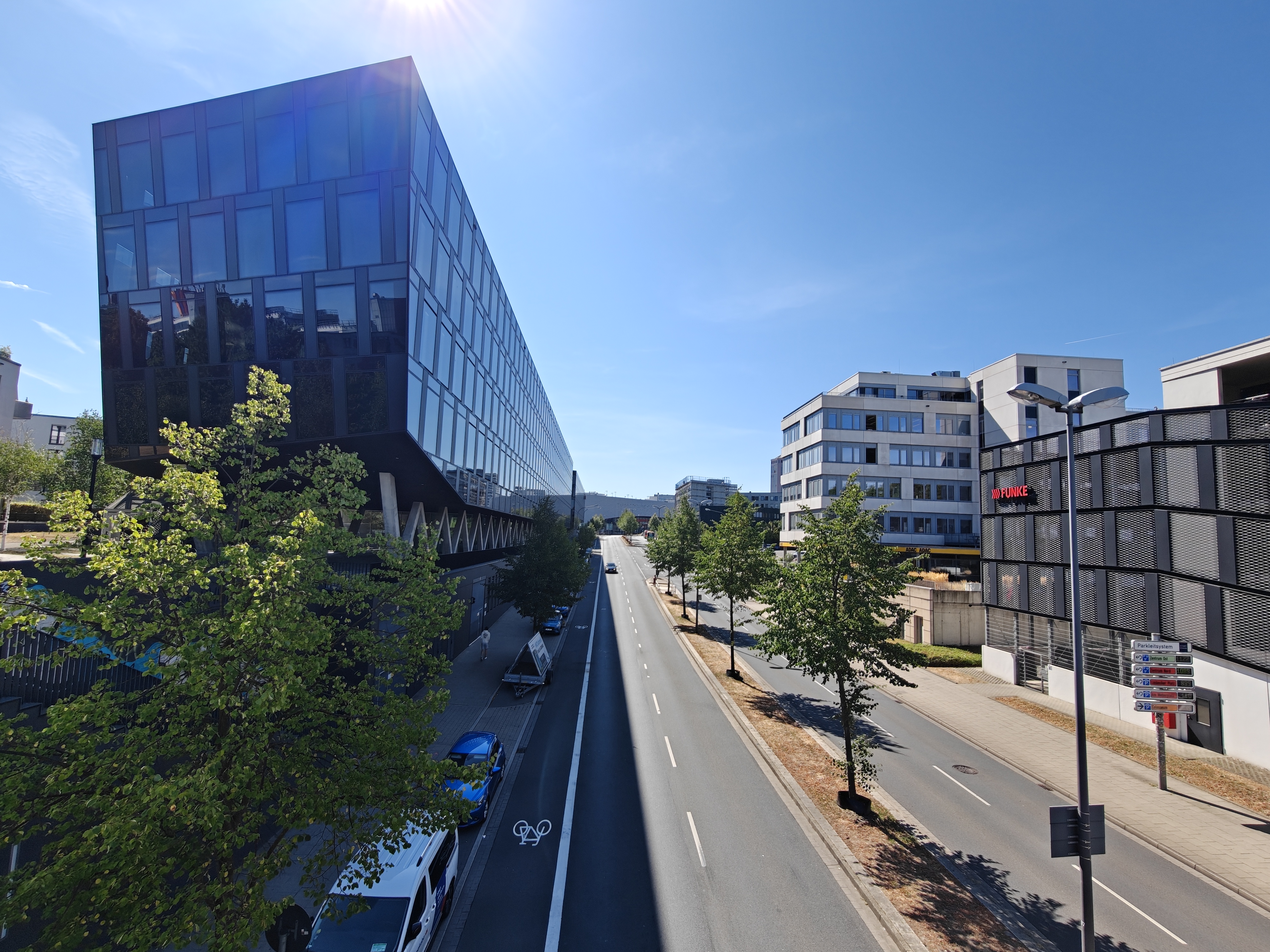
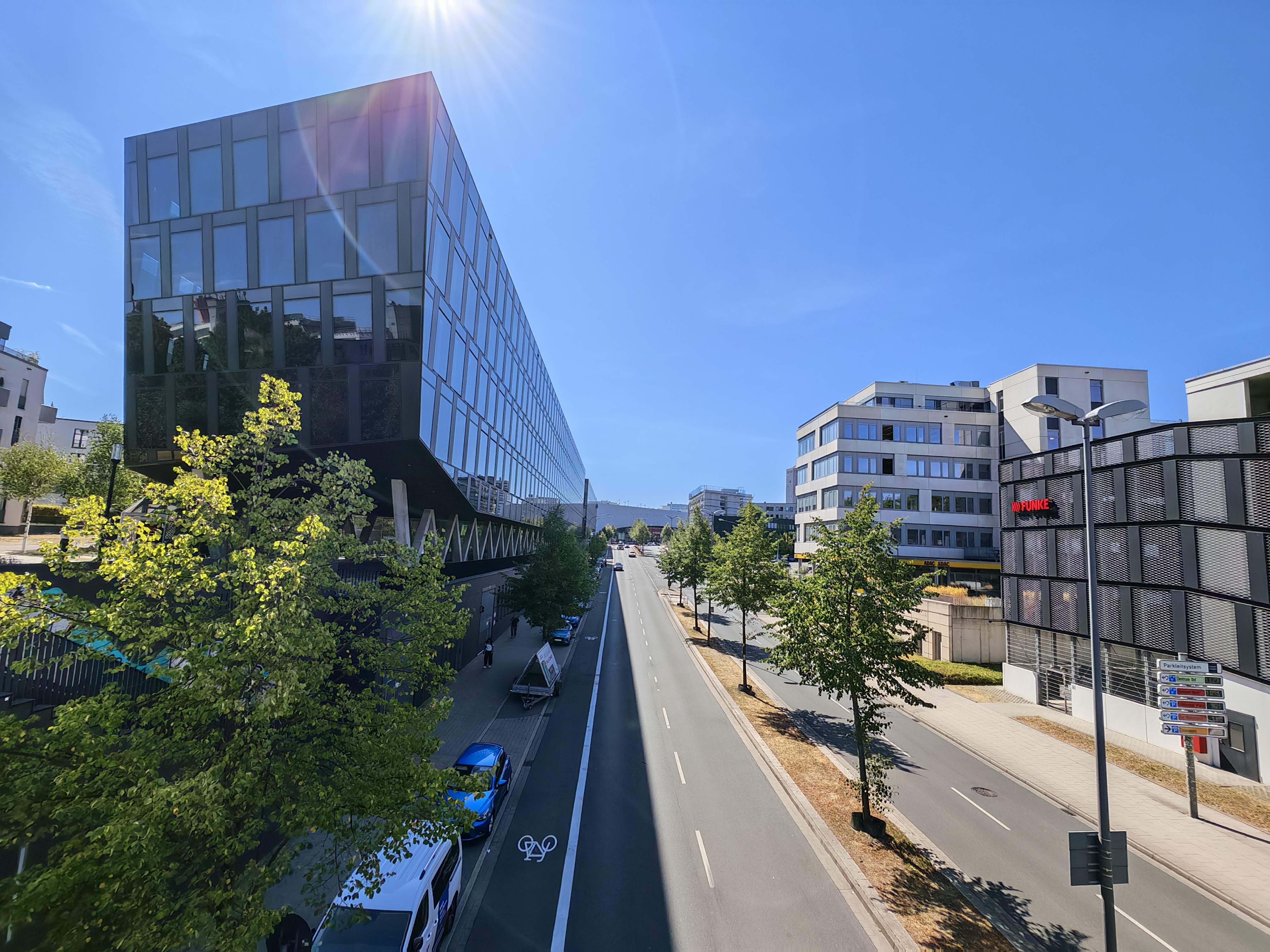
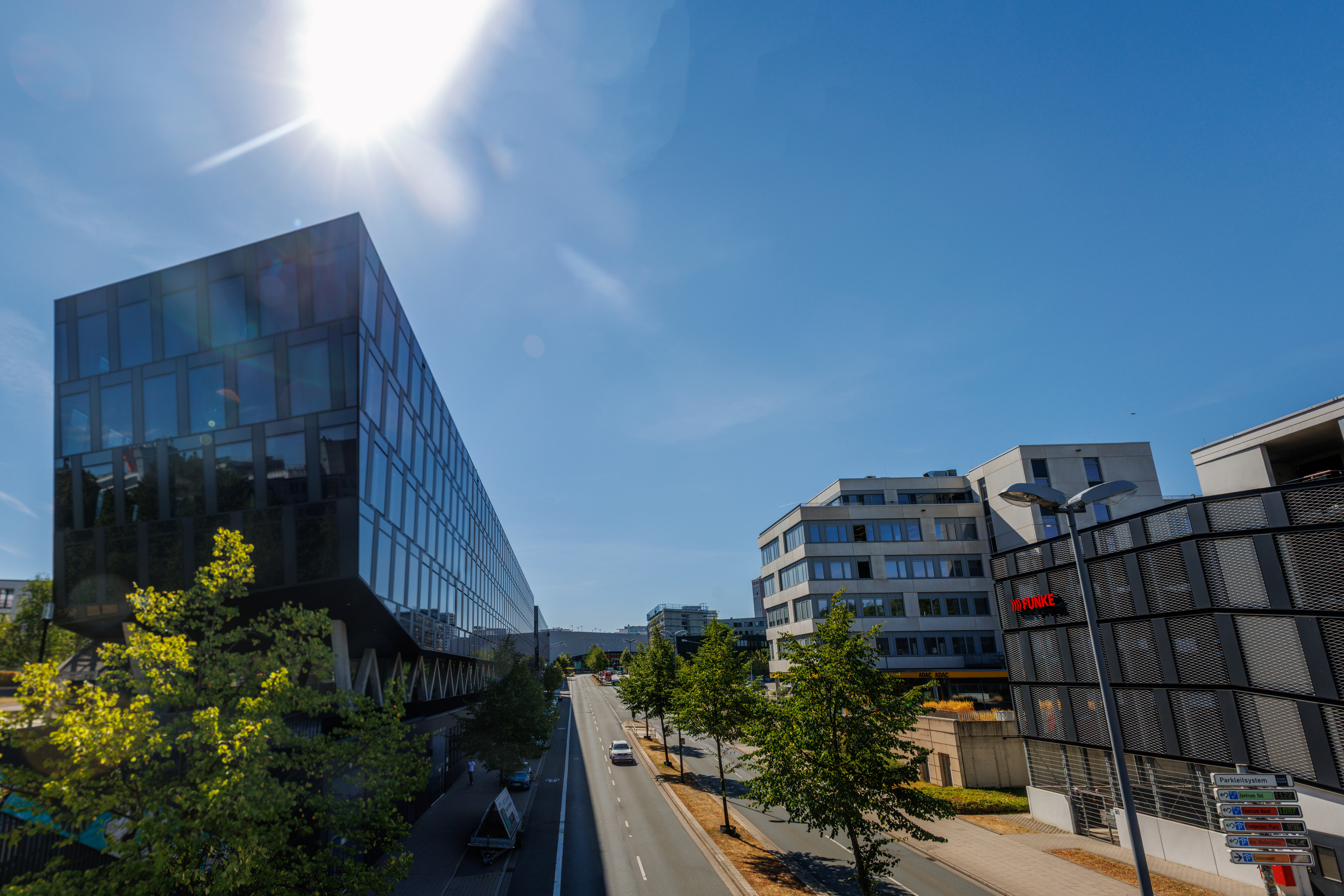
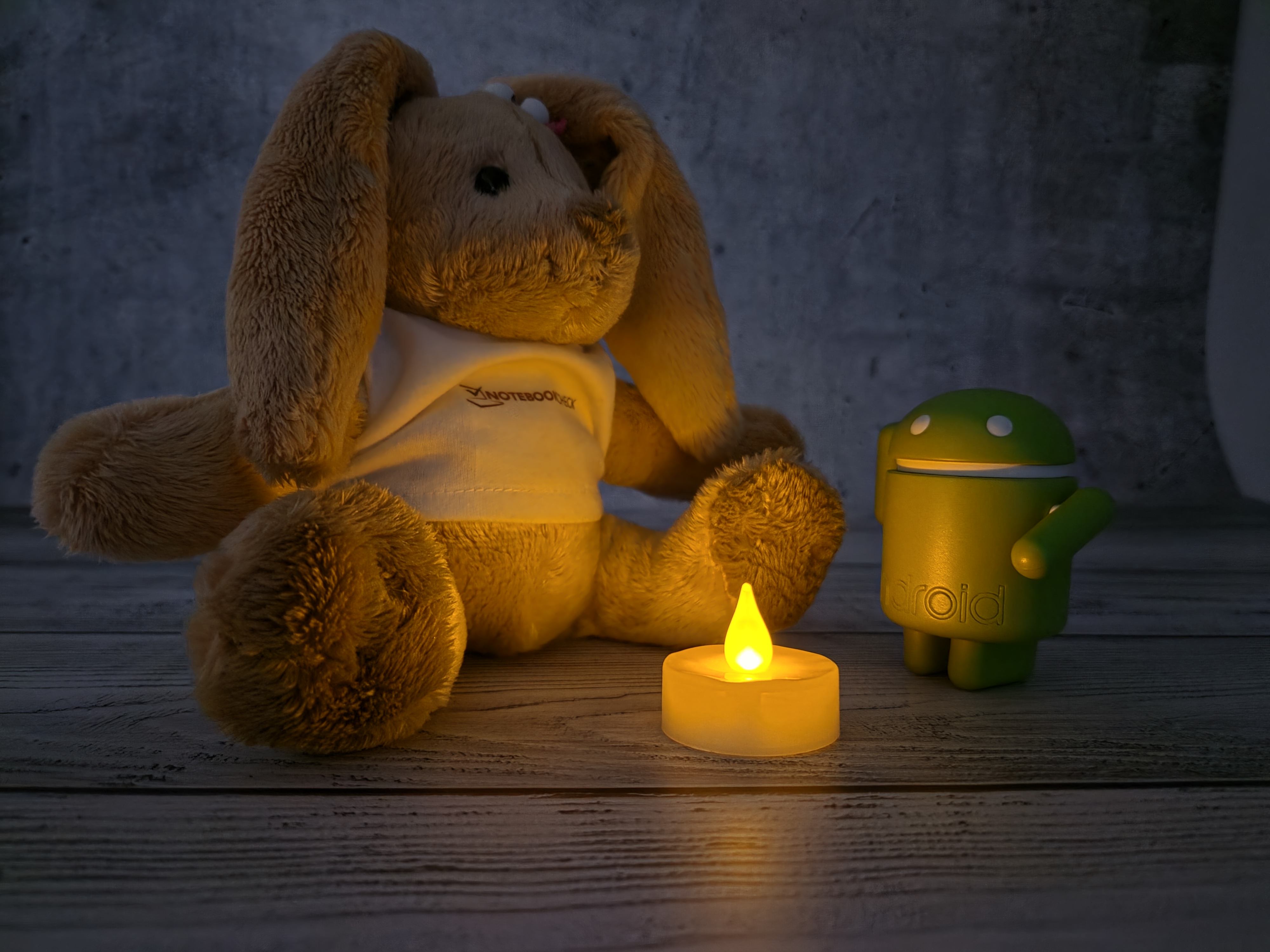
The two main lenses are located on the back. The wide-angle lens uses the sensor housed in the Galaxy S26 (and S26+), while the ultra-wide-angle lens is identical to the one found in the S26 Ultras, and also serves as a macro lens. However, a dedicated telephoto lens is absent, and although the in-sensor zoom performs quite well, it is no substitute for a true telephoto lens. Both lenses impress with natural color reproduction, though they do apply significant sharpening.
The Fold8 records video via the front camera at up to UHD resolution at 60 fps. The main camera supports this as well, with the additional option of 8K recording at 30 fps. Users choosing the Pro mode can access frame rates of up to 120 fps in Ultra HD, as well as PAL formats, and this is an implementation that is now even more comprehensive than Apple's offerings on its iPhones. Using the foldable device as a tripod is hindered somewhat by a software regression. When the Fold8 is partially folded, the display view is no longer optimized, causing the viewfinder image to fall across the hinge's crease. The stiffer hinge also makes precise alignment more challenging.
| Seitenverhältnis | Auflösung | |
|---|---|---|
| Foto | 4:3 / 16:9 / 1:1 / Full | 12 / 24** / 50 MPix |
| Video (Hauptkamera) | 16:9 / 21:9* / 1:1 / Full | HD (30 FPS)Full HD (24* / 25* / 30 / 48* / 50* / 60 / 100* / 120* FPS)Ultra HD (24* / 25* / 30 / 48* / 50* / 60 / 100* / 120* FPS)8k (24* / 25* / 30 FPS) |
| Video (Frontkamera) | 16:9 / 21:9* / 1:1 / Full | HD (30 FPS)Full HD (24* / 25* / 30 / 48* / 50* / 60 FPS)Ultra HD (24* / 25* / 30 / 48* / 50* / 60 FPS) |
*only with Pro-Mode
**only with Camera-Assistant
Image comparison
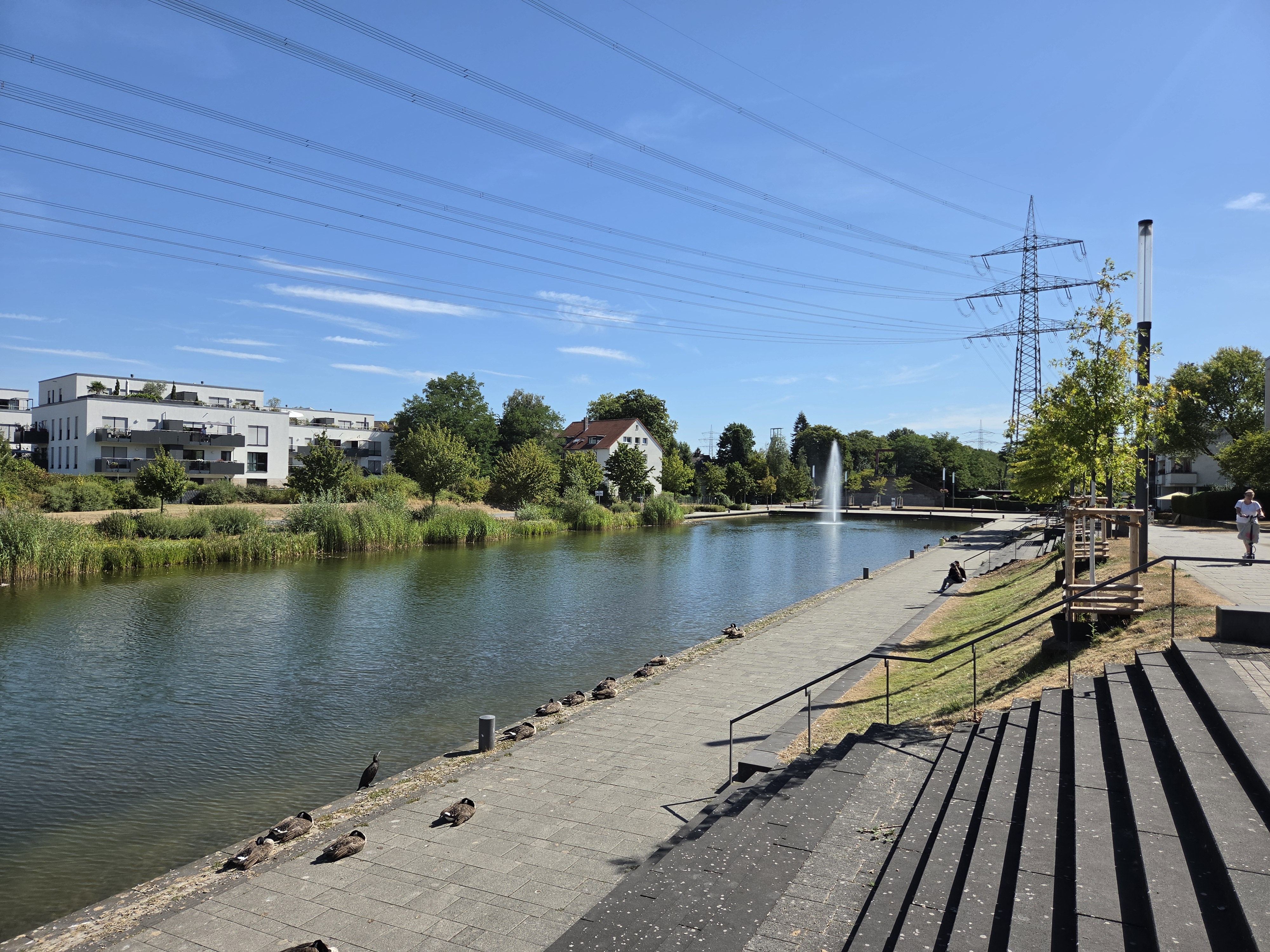
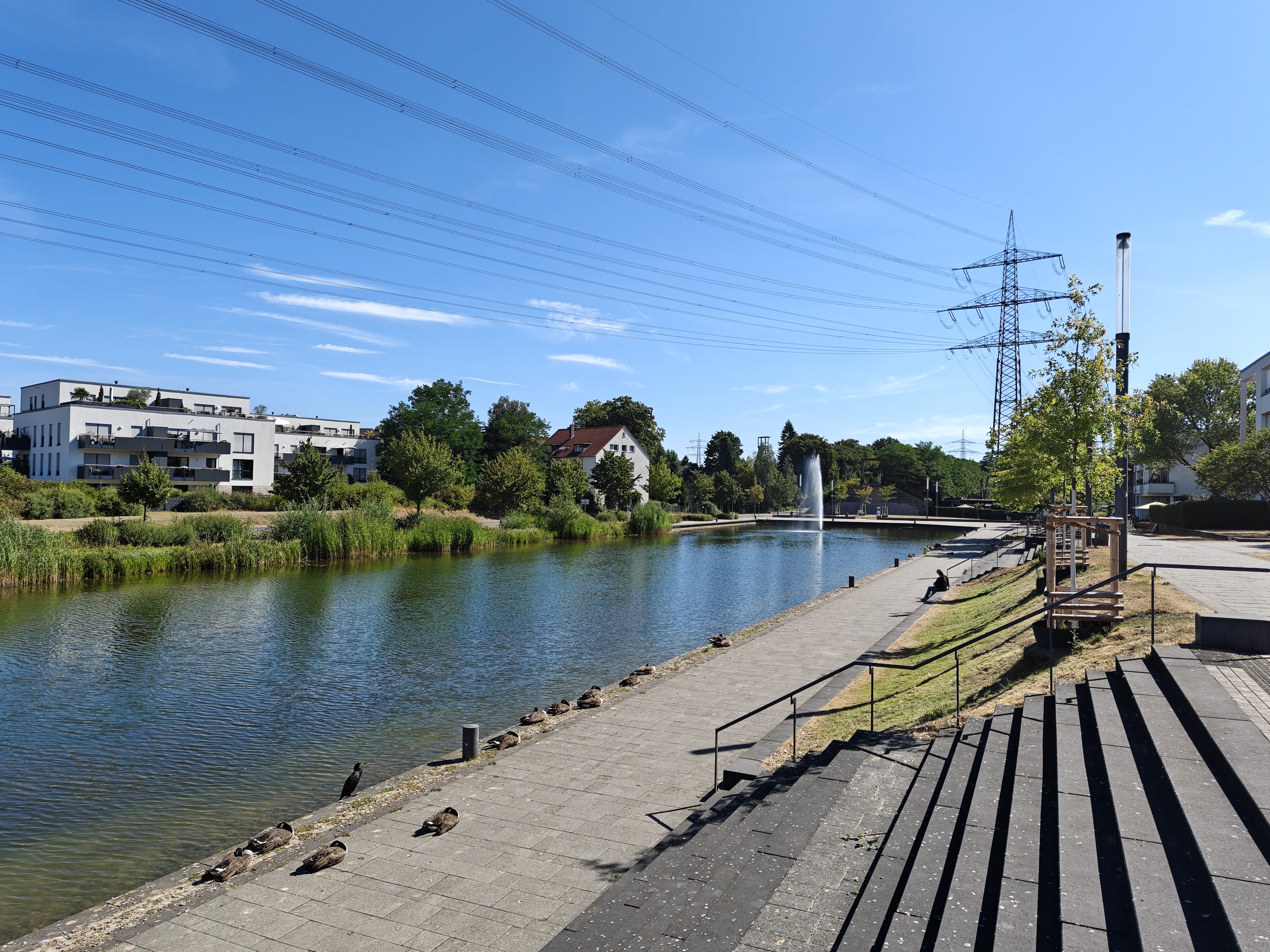
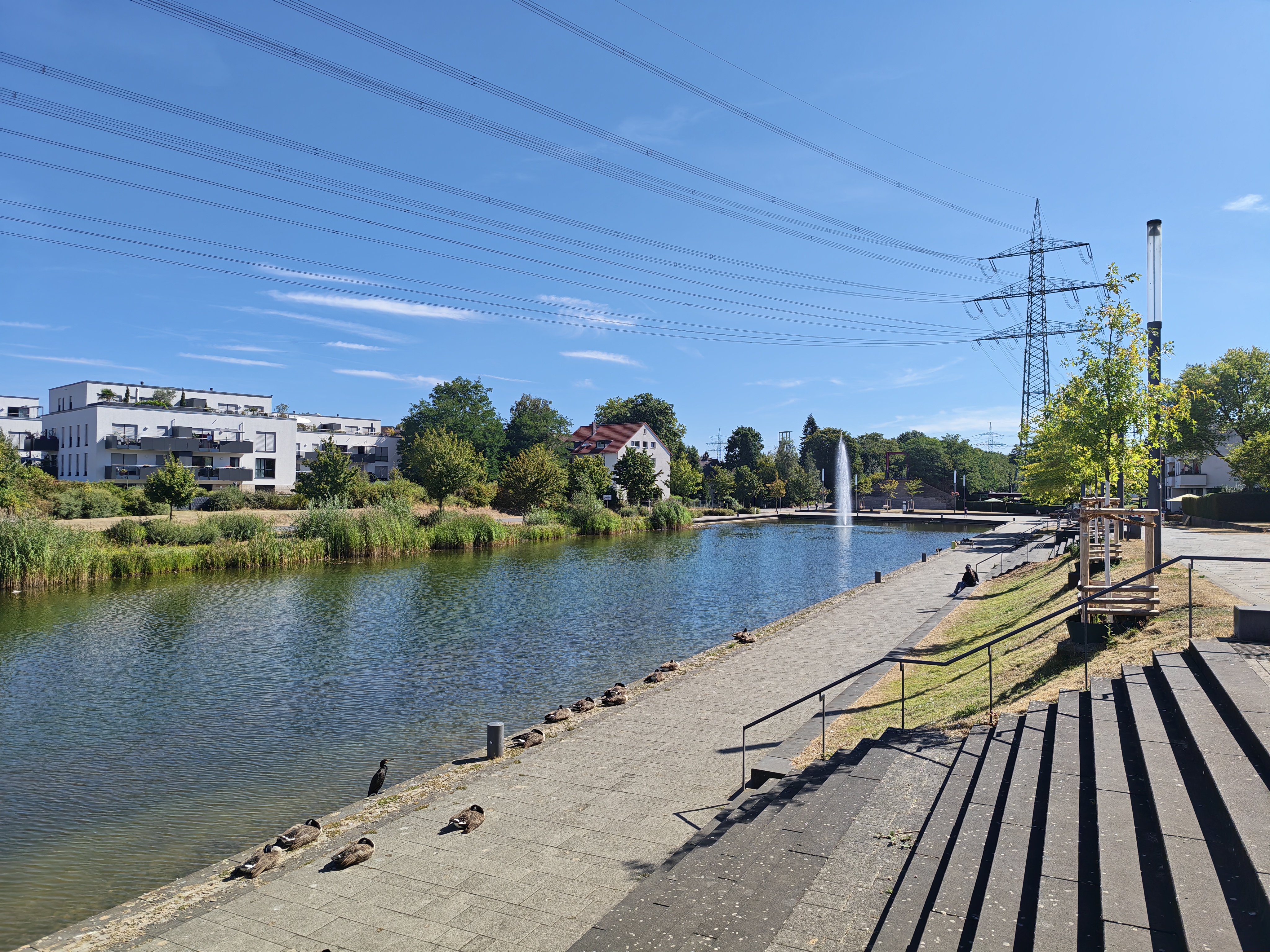
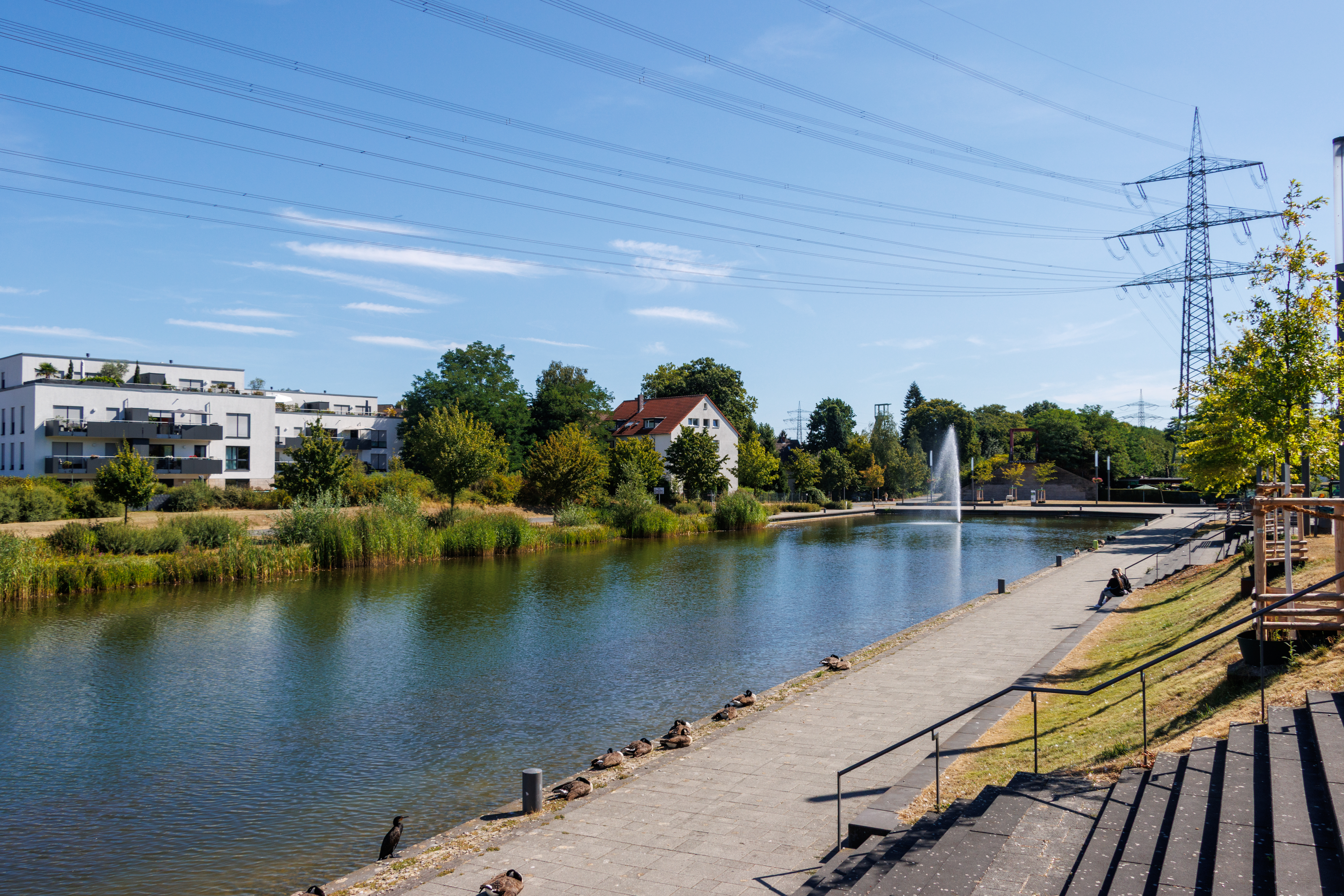
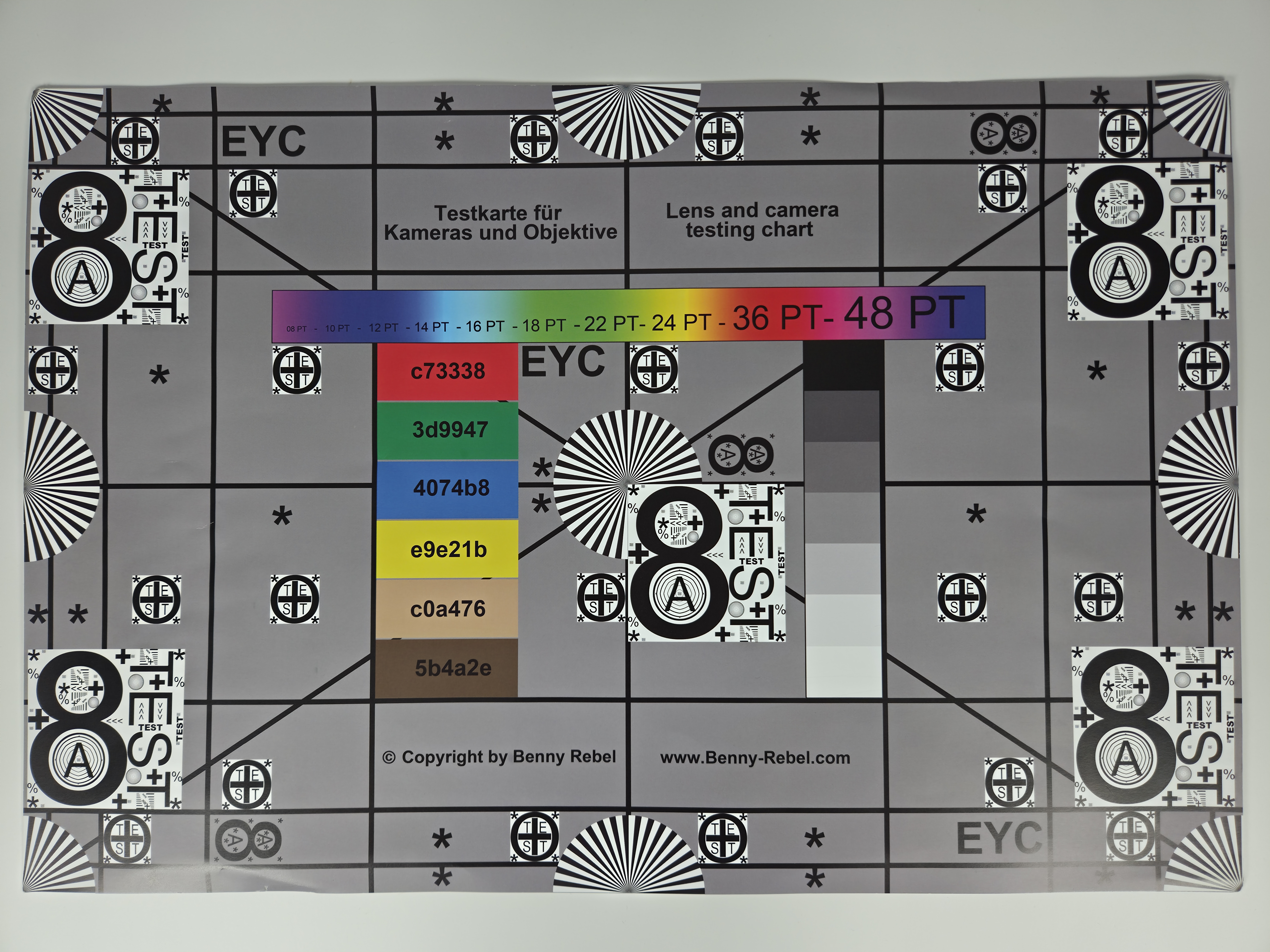
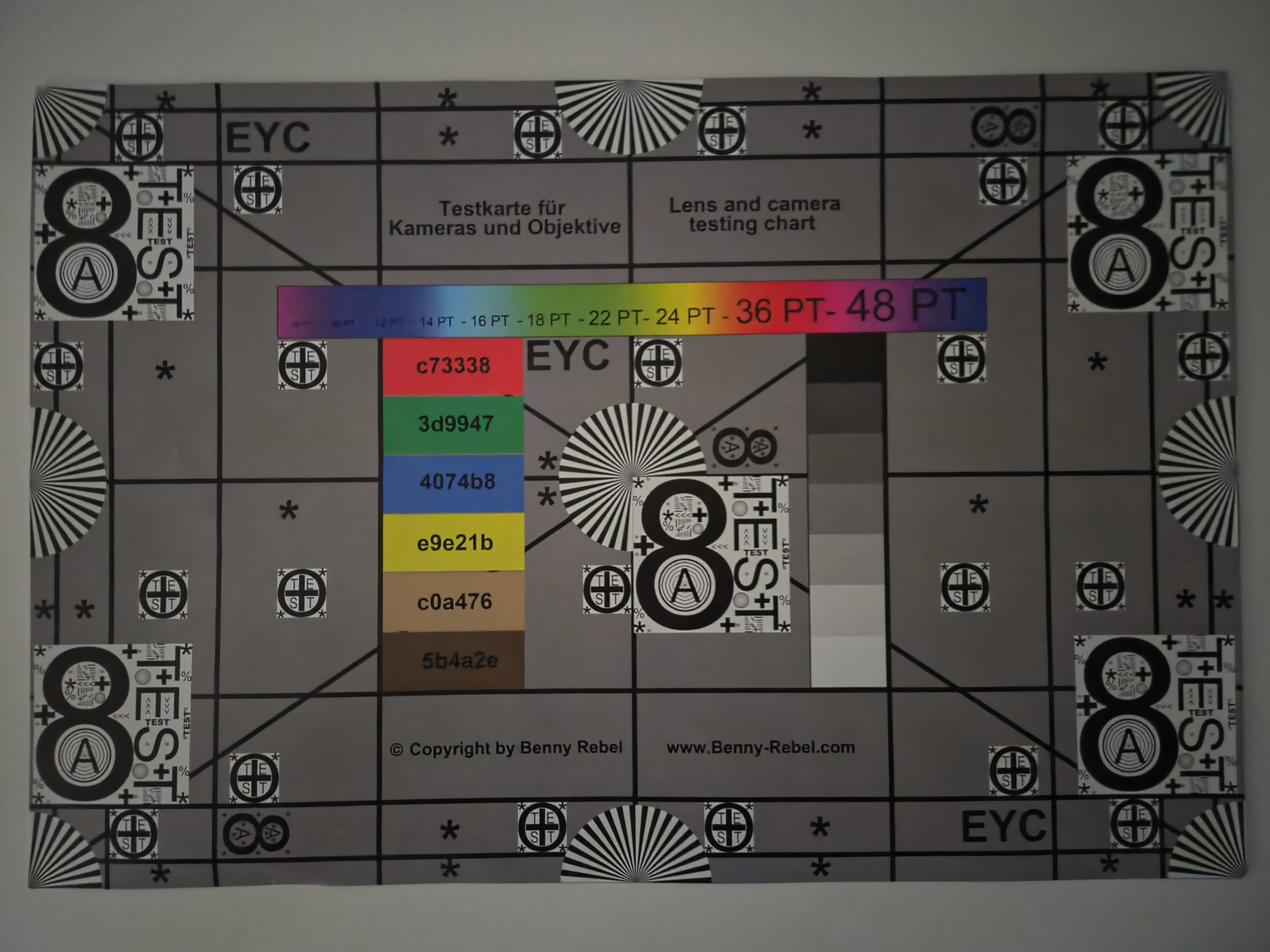
Choose a scene and navigate within the first image. One click changes the position on touchscreens. One click on the zoomed-in image opens the original in a new window. The first image shows the scaled photograph of the test device.
Main cameraMain cameraUltra-wide-angle5x zoomLow light











Accessories and warranty - The Fold8 comes with a USB cable
The Fold8 only comes with a USB-C cable. However, Samsung offers power adapters, cases, and more.
In the US, the Care+ insurance packages provide 2 years of coverage for either $5.50, $13 or $18 per month.
Input devices and operation - A foldable without S Pen support
The Samsung Galaxy Z Fold 8's capacitive touchscreens work very reliably and quickly, though they fail to support Samsung's S Pen stylus.
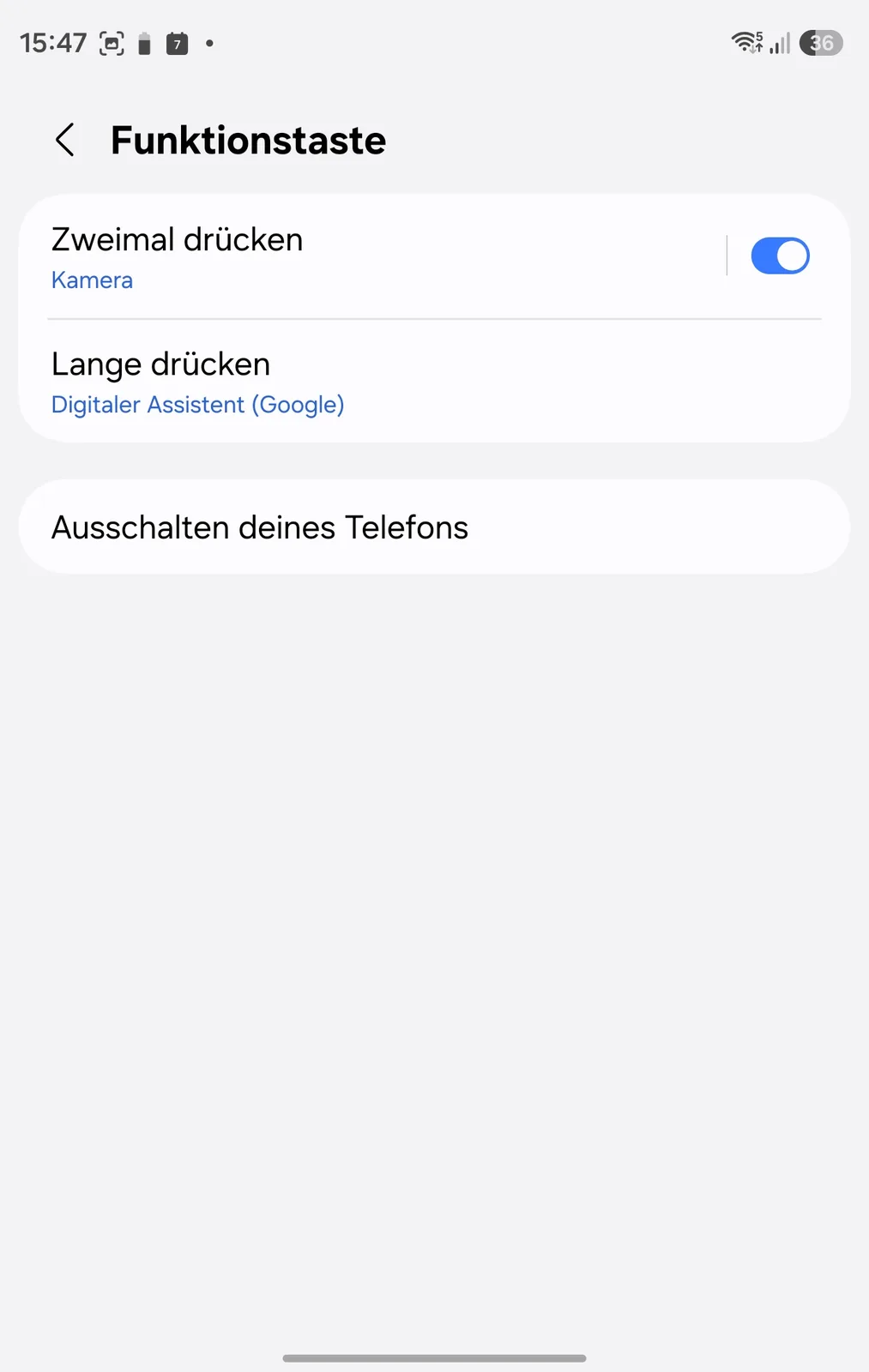
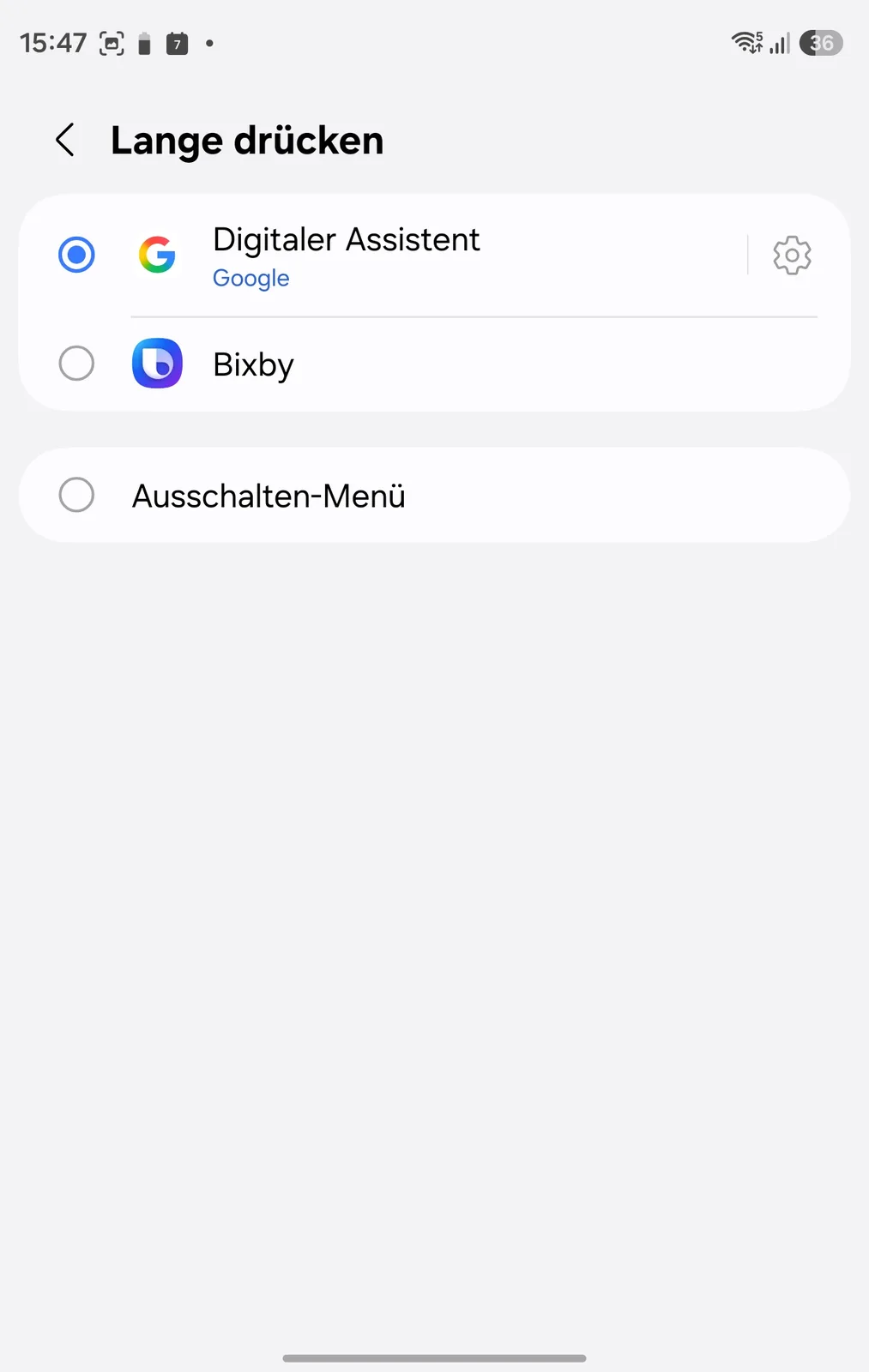
For biometric security, a fingerprint sensor is integrated into the power button, and it generally recognizes the registered finger quickly and works efficiently. Additionally, the button offers versatile functionality and can be configured in the settings.
The linear vibration motor provides crisp feedback and operates very quietly.
Foldable display - Very bright, but not perfect
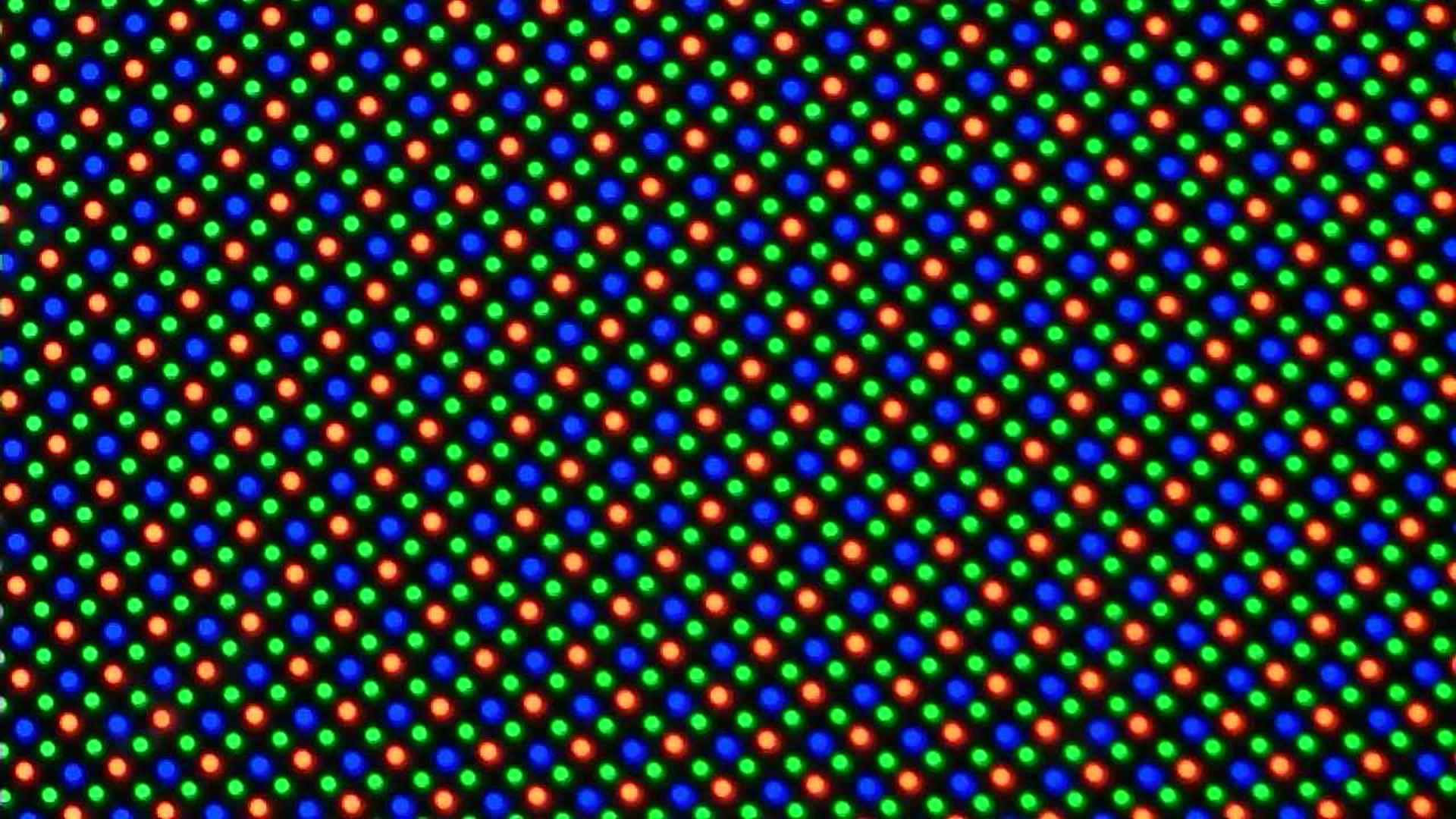
The Fold8's main highlight is undoubtedly its foldable display, which features a format that is exceptional for its class. Technically, it is state-of-the-art, offering a 1–120 Hz refresh rate and the ability to reach high brightness levels - provided the automatic brightness control is enabled. Users who only adjust the brightness manually are limited to 419 cd/m², or 708 cd/m² if the Additional Brightness option is activated.
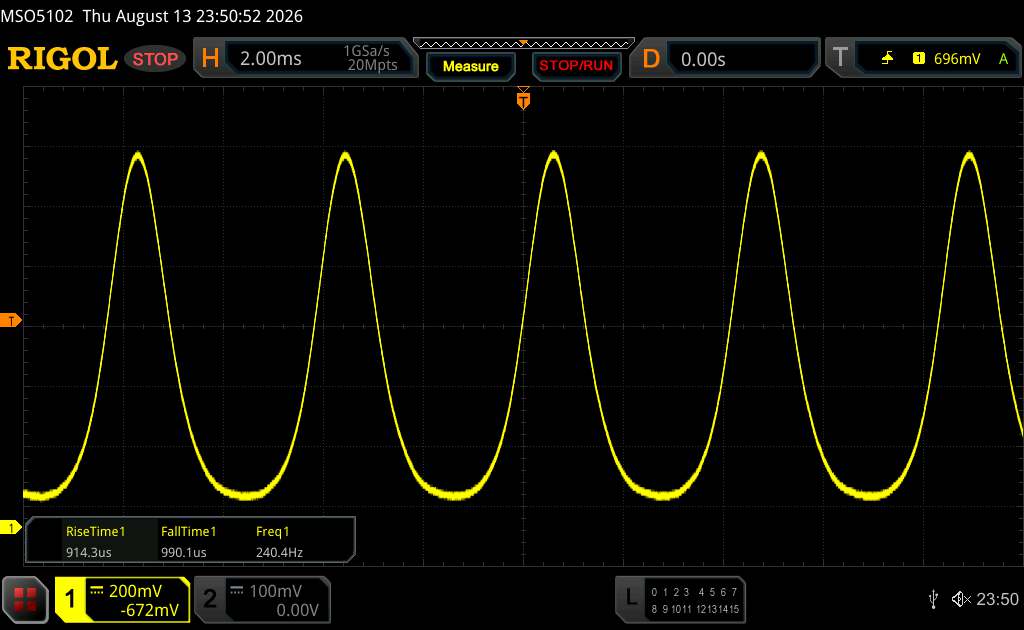
The panel employs low-frequency pulse-width modulation (PWM) between 240 and 480 Hz to regulate brightness, and anyone sensitive to such issues may experience discomfort.
| |||||||||||||||||||||||||
Brightness Distribution: 98 %
Center on Battery: 1406 cd/m²
Contrast: ∞:1 (Black: 0 cd/m²)
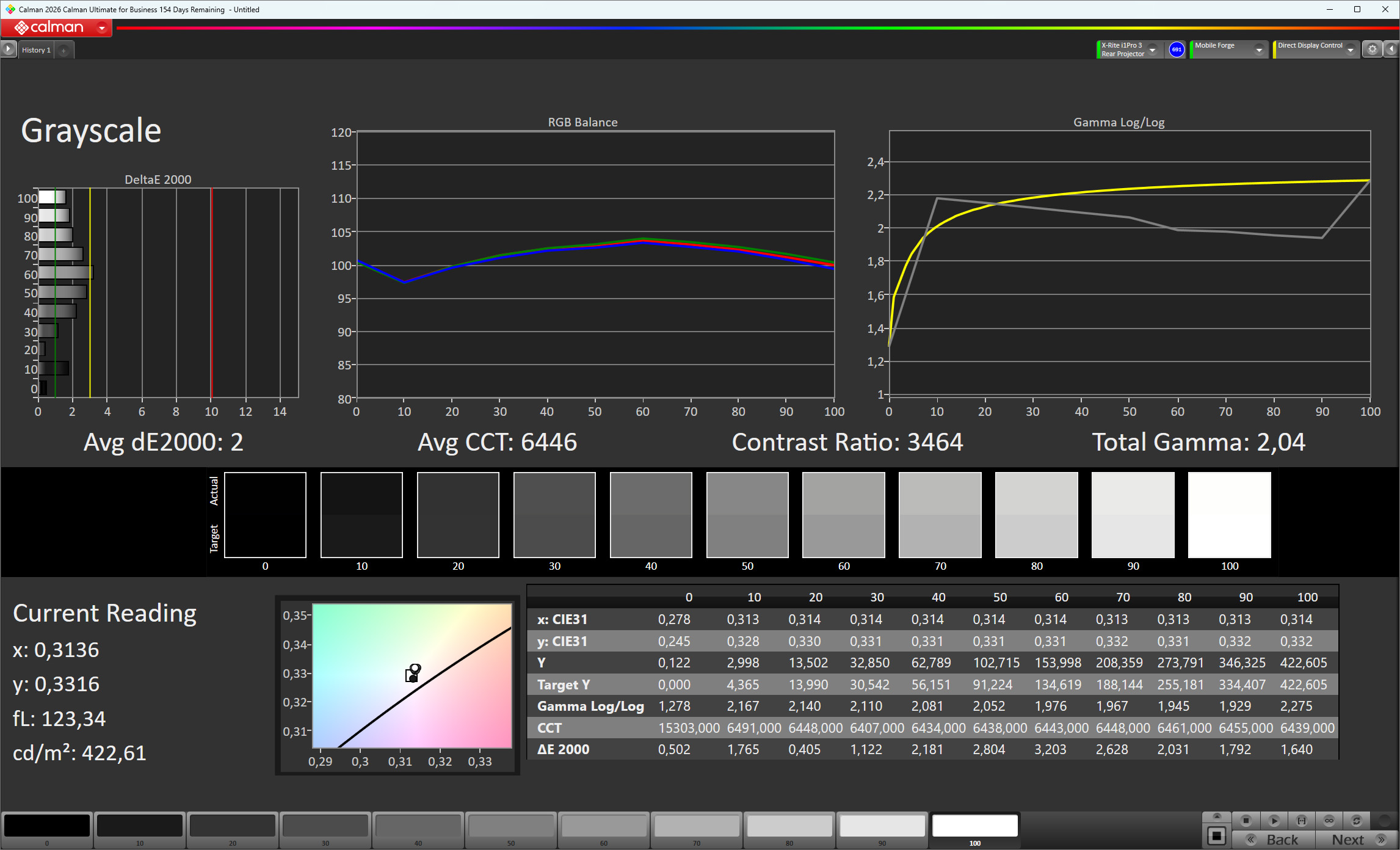
ΔE ColorChecker Calman: 2.4 | ∀{0.5-29.43 Ø4.7}
ΔE Greyscale Calman: 2 | ∀{0.09-98 Ø4.95}
99.2% sRGB (Calman 2D)
Gamma: 2.04
CCT: 6446 K
| Samsung Galaxy Z Fold8 Dynamic AMOLED 2X, 2448x1848, 7.6" | Honor Magic V6 OLED, 2352x2172, 8" | Oppo Find N6 OLED, 2480x2248, 8.1" | Vivo X Fold6 AMOLED, 2504x2312, 8" | |
|---|---|---|---|---|
| Display | 6% | -53% | -26% | |
| APL18 Peak Brightness (cd/m²) | 3152 | 1229 -61% | 1353 -57% | 2118 -33% |
| HDR Peak Brightness (cd/m²) | 3358 | 5773 72% | 1697 -49% | 2735 -19% |
| Response Times | 14% | 15% | -2% | |
| Response Time Grey 50% / Grey 80% * (ms) | 0.67 ? | 0.65 ? 3% | 0.52 ? 22% | 0.84 ? -25% |
| Response Time Black / White * (ms) | 1.14 ? | 0.84 ? 26% | 1.05 ? 8% | 1.1 ? 4% |
| PWM Frequency (Hz) | 240 | 120 | 180 | 90 |
| PWM Amplitude * (%) | 17.24 | 15.15 12% | 14.43 16% | 14.67 15% |
| Screen | 6% | 8% | 36% | |
| Brightness middle (cd/m²) | 1406 | 1291 -8% | 1179 -16% | 1245 -11% |
| Brightness (cd/m²) | 1404 | 1184 -16% | ||
| Brightness Distribution (%) | 98 | 98 0% | ||
| Black Level * (cd/m²) | ||||
| Colorchecker dE 2000 * | 2.4 | 1.4 42% | 1.6 33% | 0.7 71% |
| Colorchecker dE 2000 max. * | 3.8 | 3.5 8% | 2.9 24% | 1.6 58% |
| Greyscale dE 2000 * | 2 | 2.4 -20% | 1.6 20% | 1.5 25% |
| Gamma | 2.04 108% | 2.26 97% | 2.24 98% | 2.19 100% |
| CCT | 6446 101% | 6804 96% | 6662 98% | 6390 102% |
| Total Average (Program / Settings) | 9% /
8% | -10% /
-1% | 3% /
9% |
* ... smaller is better
Screen Flickering / PWM (Pulse-Width Modulation)
| Screen flickering / PWM detected | 240 Hz Amplitude: 17.24 % Secondary Frequency: 480 Hz | 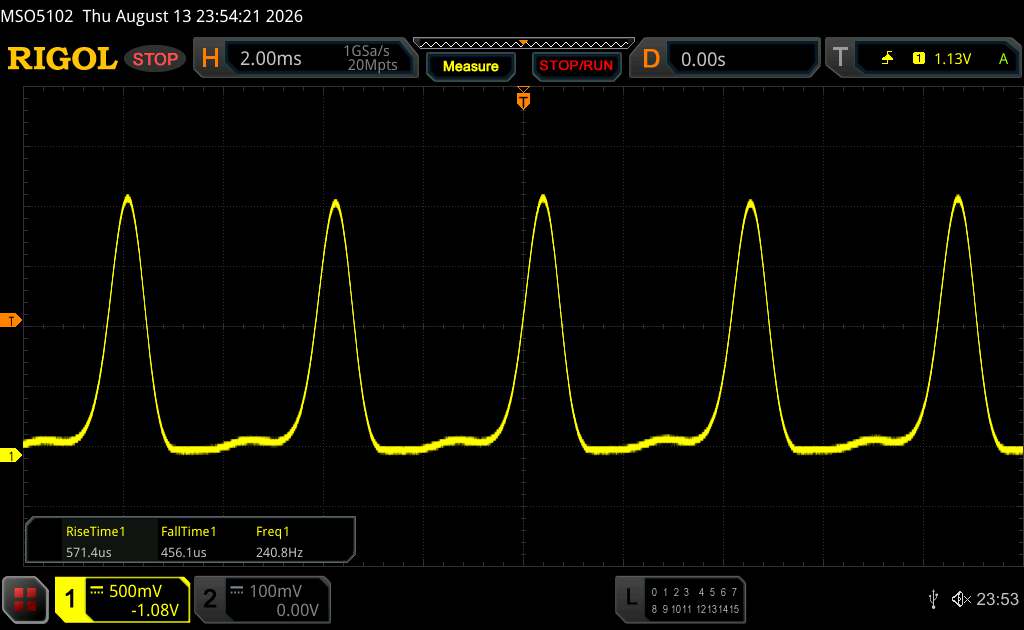 | |
The display backlight flickers at 240 Hz (worst case, e.g., utilizing PWM) . The frequency of 240 Hz is relatively low, so sensitive users will likely notice flickering and experience eyestrain at the stated brightness setting and below. In comparison: 52 % of all tested devices do not use PWM to dim the display. If PWM was detected, an average of 7662 (minimum: 5 - maximum: 343500) Hz was measured. | |||
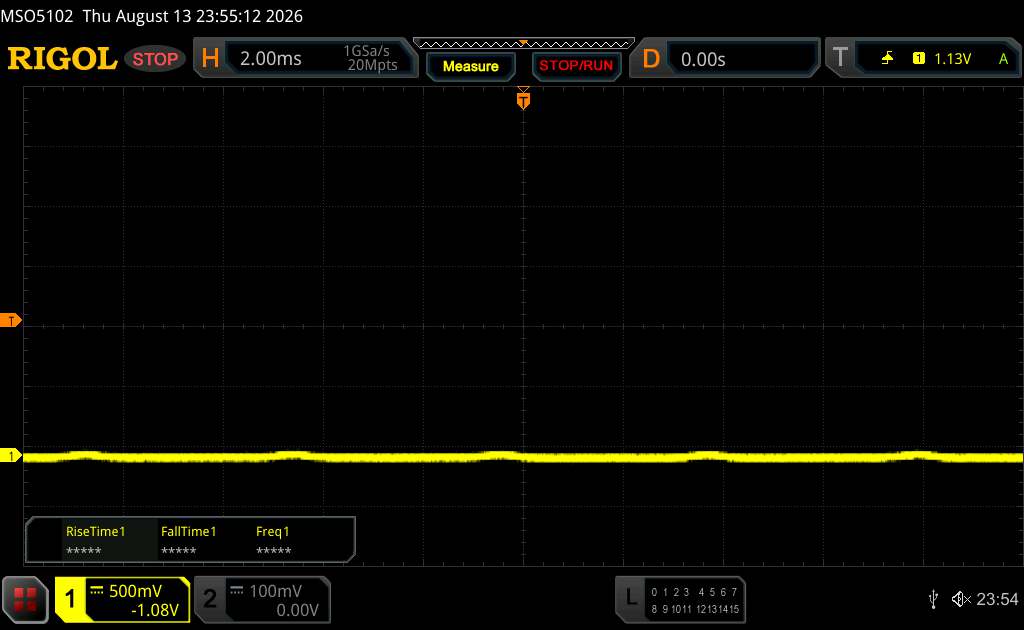
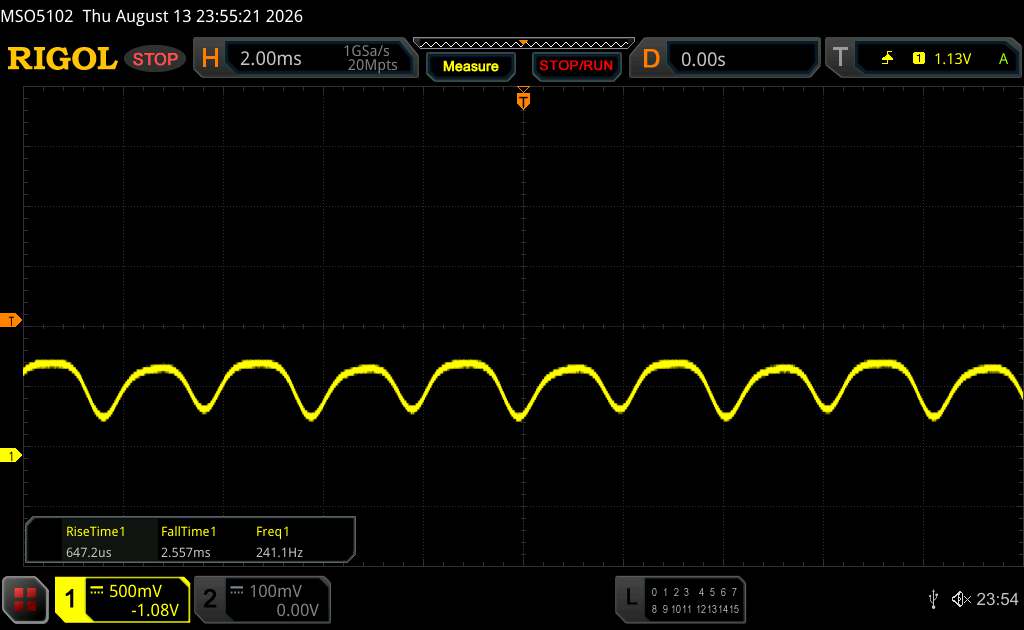
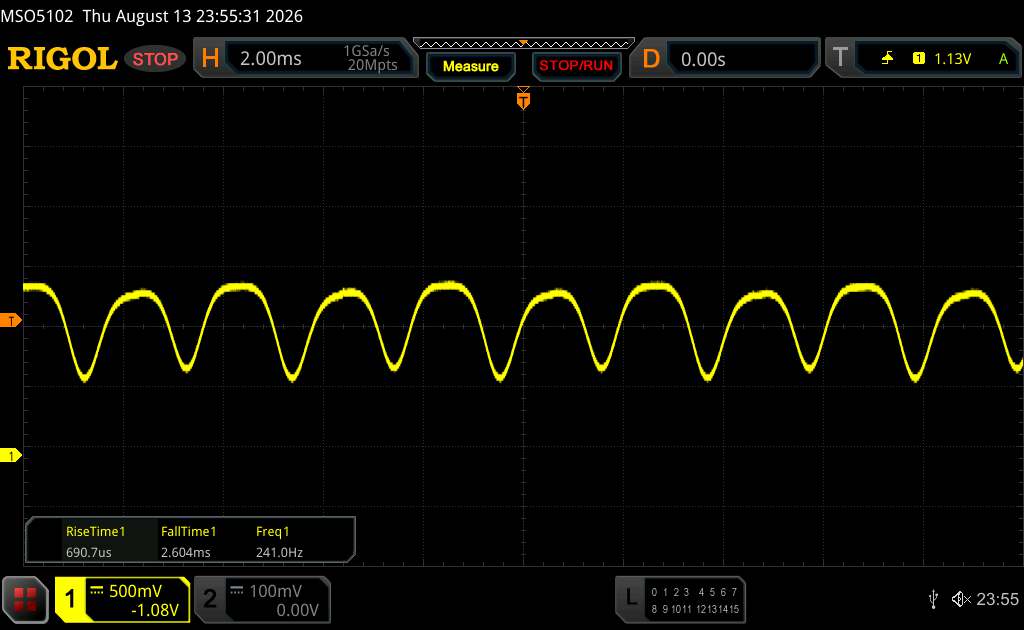
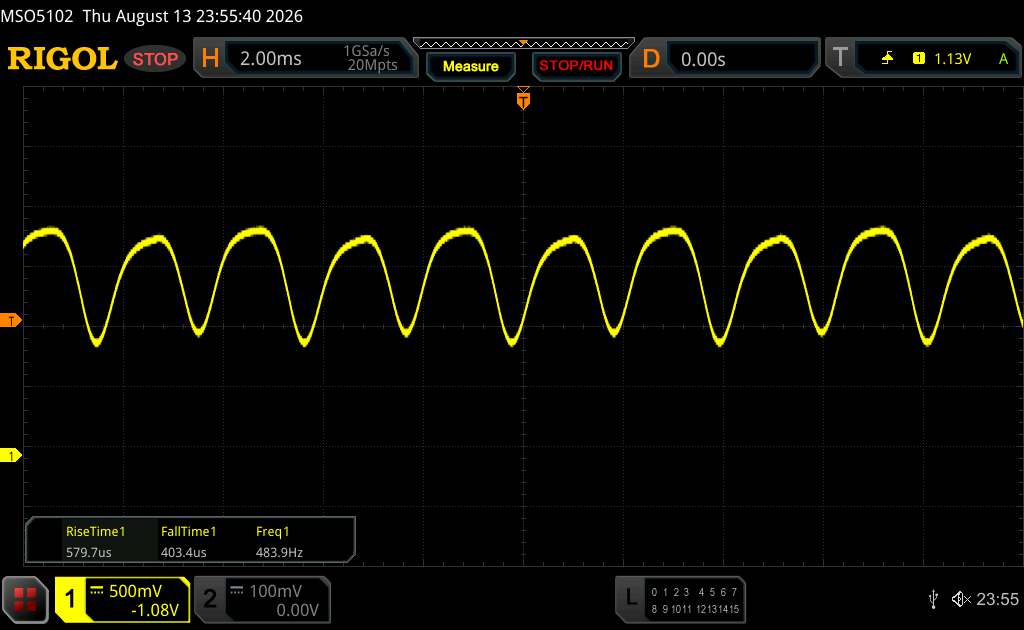
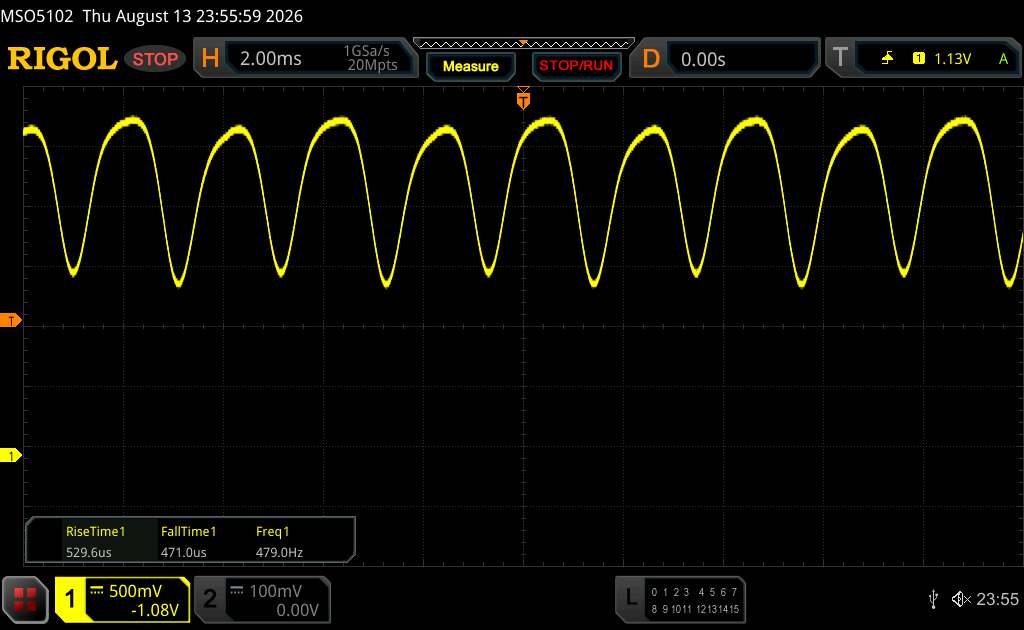
A series of measurements with a fixed zoom level and varying brightness settings (the amplitude curve at minimum brightness appears flat, but this is due to the scaling; an enlarged version of the amplitude at minimum brightness is shown in the inset).
The color reproduction is at a very high level, but a trained eye might spot slight deviations in the green tones. However, this is not noticeable in everyday use.


Display Response Times
| ↔ Response Time Black to White | ||
|---|---|---|
| 1.14 ms ... rise ↗ and fall ↘ combined | ↗ 0.65 ms rise | 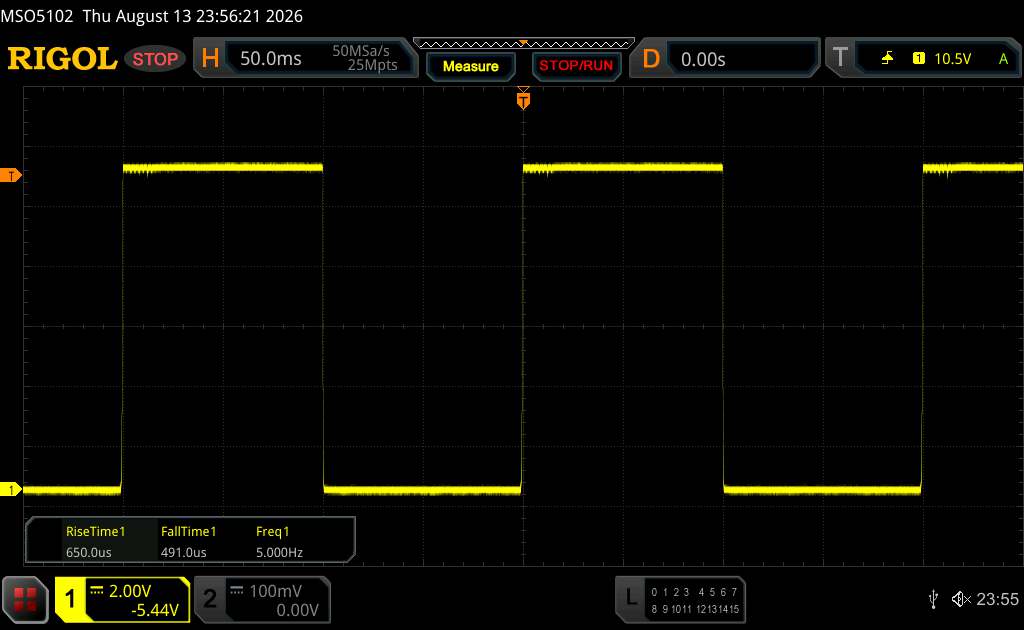 |
| ↘ 0.491 ms fall | ||
| The screen shows very fast response rates in our tests and should be very well suited for fast-paced gaming. In comparison, all tested devices range from 0.1 (minimum) to 240 (maximum) ms. » 6 % of all devices are better. This means that the measured response time is better than the average of all tested devices (19.7 ms). | ||
| ↔ Response Time 50% Grey to 80% Grey | ||
| 0.67 ms ... rise ↗ and fall ↘ combined | ↗ 0.3685 ms rise | 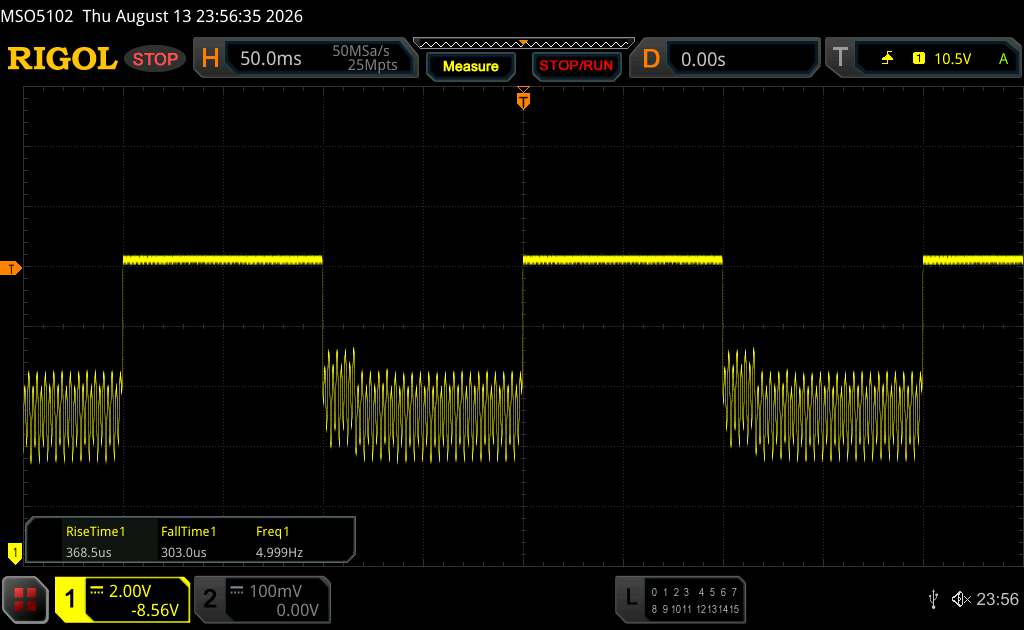 |
| ↘ 0.303 ms fall | ||
| The screen shows very fast response rates in our tests and should be very well suited for fast-paced gaming. In comparison, all tested devices range from 0.13 (minimum) to 636 (maximum) ms. » 2 % of all devices are better. This means that the measured response time is better than the average of all tested devices (30.8 ms). | ||
Outdoors, the Fold8 is very impressive, remaining easily readable even in bright sunlight.
Viewing angle stability is very good. At wide viewing angles, the brightness decreases slightly, and colors appear more washed out.

Cover display - Over 3,000 nits on the front
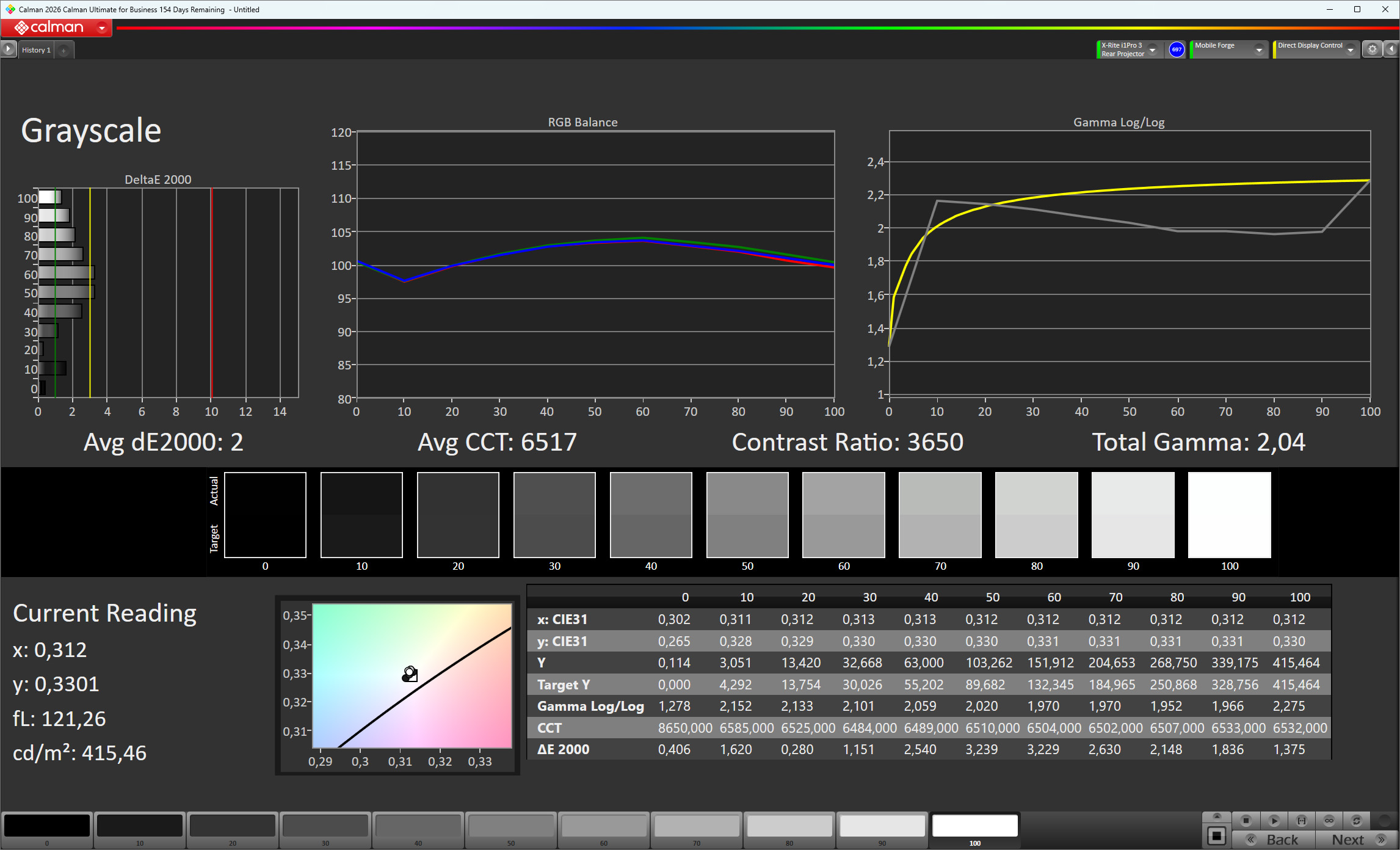
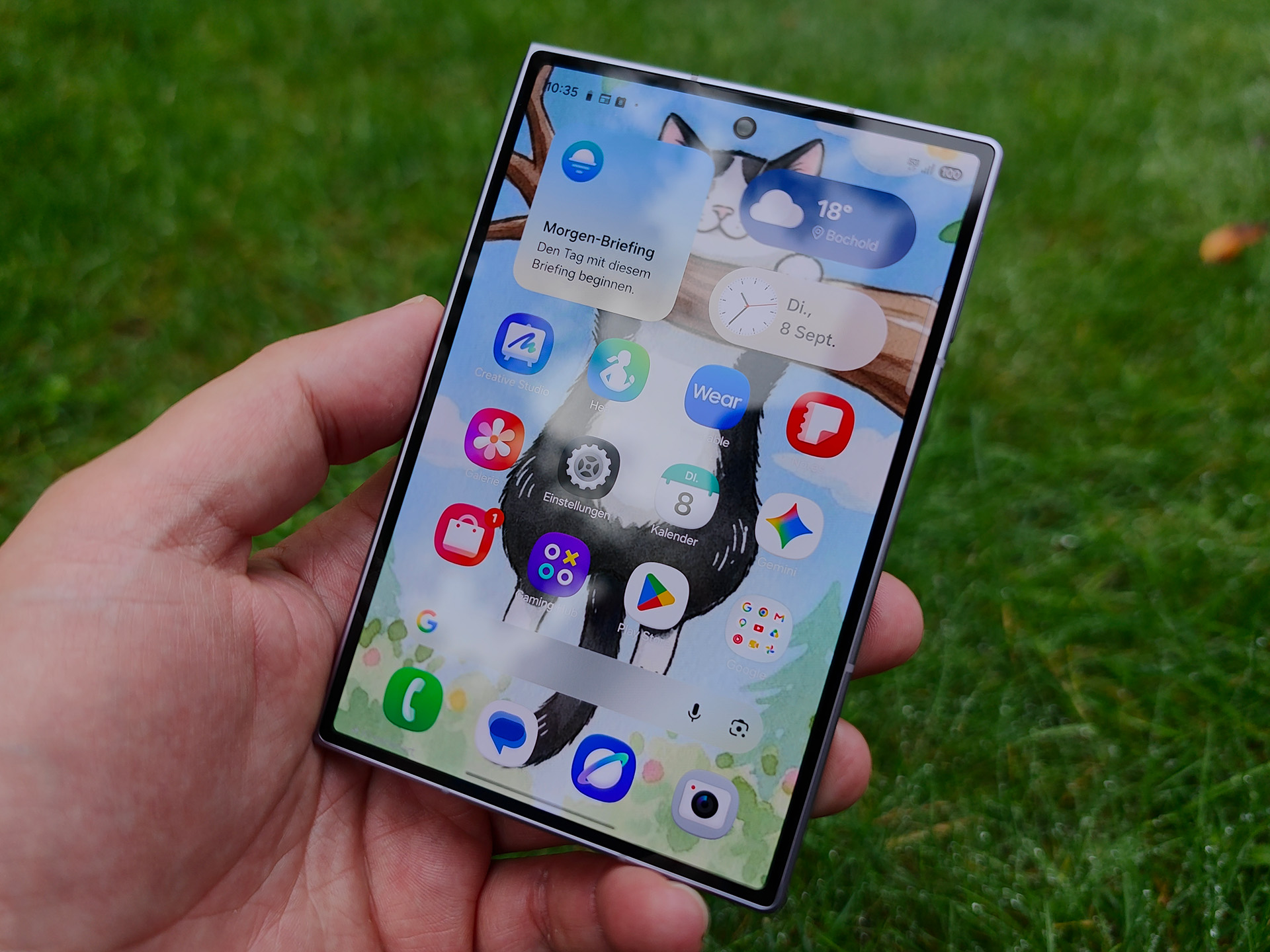
The front display is in no way inferior to the foldable panel and delivers excellent measurement results.

| Samsung Galaxy Z Fold8 AMOLED, 1972x1248, 5.5" | Vivo X Fold6 2528x1120, 6.5" | Oppo Find N6 OLED, 2616x1140, 6.6" | Honor Magic V6 OLED, 2420x1080, 6.5" | |
|---|---|---|---|---|
| Display | -5% | -20% | -50% | 21% |
| APL18 Peak Brightness (cd/m²) | 3012 -4% | 2413 -23% | 1201 -62% | 2505 -21% |
| HDR Peak Brightness (cd/m²) | 3163 -6% | 2788 -17% | 2067 -38% | 5450 62% |
| Response Times | -2% | -29% | -14% | |
| Response Time Grey 50% / Grey 80% * (ms) | 1.13 ? -69% | 0.92 ? -37% | ||
| Response Time Black / White * (ms) | 1.35 ? -18% | 1.22 ? -7% | ||
| PWM Frequency (Hz) | 240 | 90 | 90 | |
| PWM Amplitude * (%) | 17.65 -2% | 17 1% | 17 1% | |
| Screen | ||||
| Brightness middle (cd/m²) | 1349 | 1401 | 1180 | 1909 |
| Brightness (cd/m²) | 1362 | 1175 | ||
| Brightness Distribution (%) | 98 | 97 | ||
| Black Level * (cd/m²) | ||||
| Colorchecker dE 2000 * | 2.4 | 0.7 | 1.5 | 1.1 |
| Colorchecker dE 2000 max. * | 3.8 | 1.6 | 2.7 | 2.7 |
| Greyscale dE 2000 * | 2 | 1.2 | 2.2 | 2 |
| Gamma | 2.04 108% | 2.24 98% | 2.26 97% | 2.28 96% |
| CCT | 6517 100% | 6412 101% | 6710 97% | 6747 96% |
| Total Average (Program / Settings) | -4% /
-4% | -25% /
-25% | -32% /
-29% | 21% /
21% |
* ... smaller is better
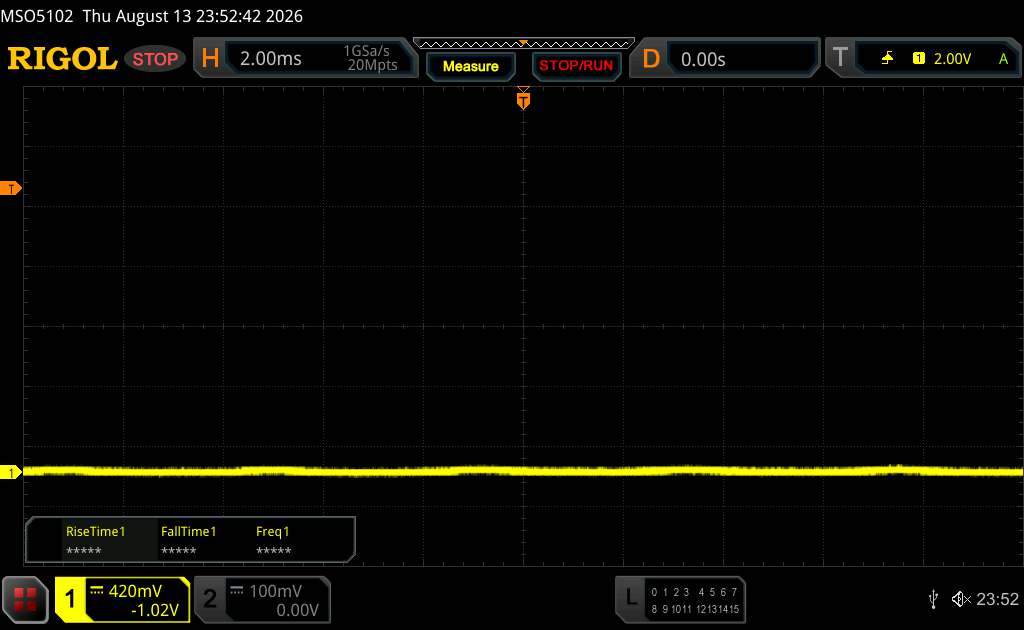
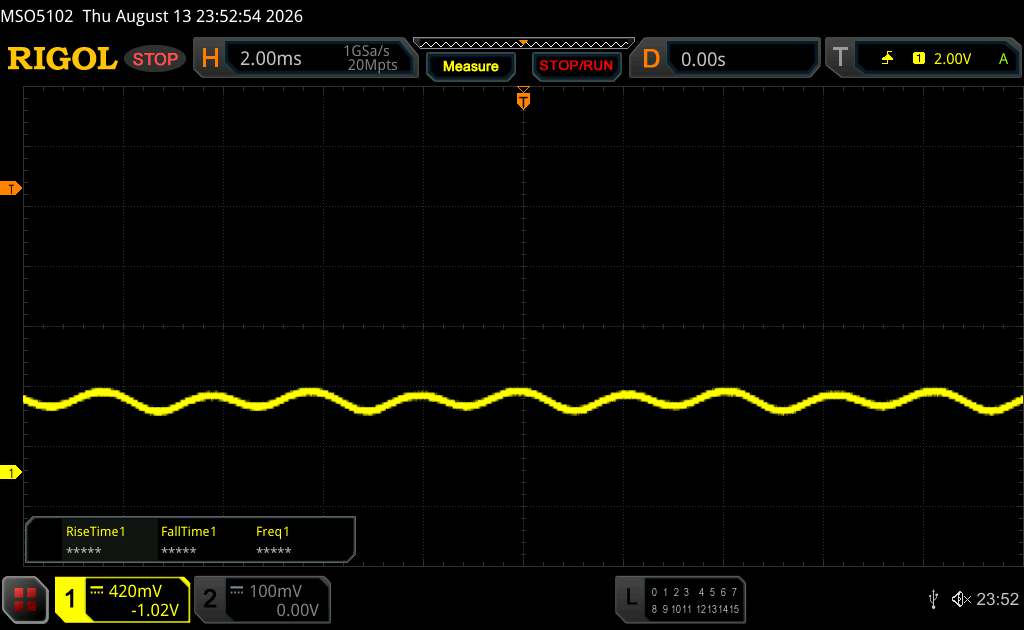
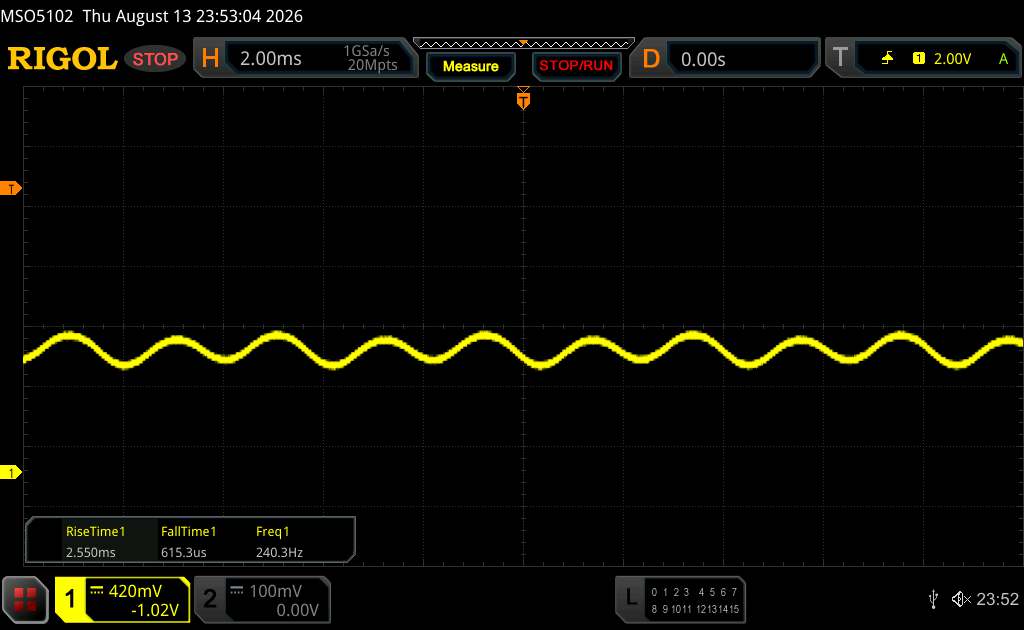
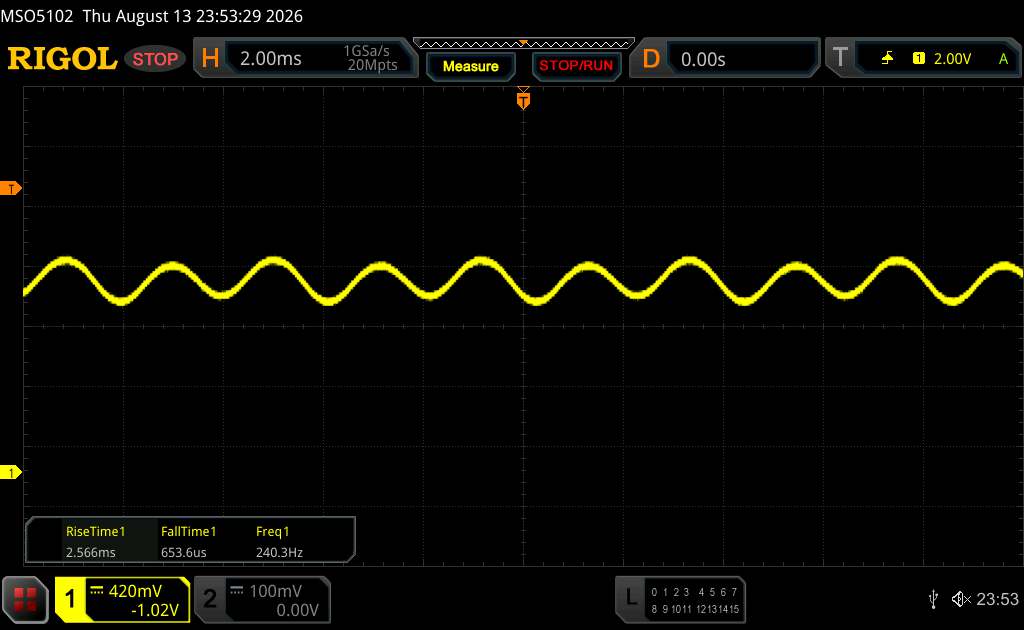
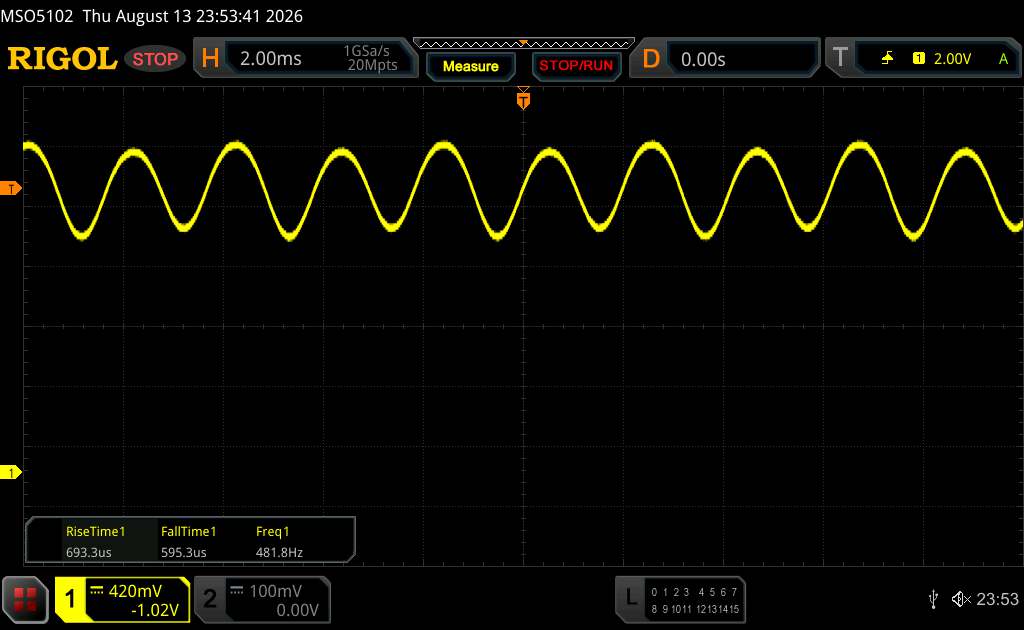
A series of measurements with a fixed zoom level and varying brightness settings (the amplitude curve at minimum brightness appears flat, but this is due to the scaling; an enlarged version of the amplitude at minimum brightness is shown in the inset).



Performance - The Fold8 packs a fast Snapdragon SoC
The Samsung Galaxy Z Fold8 is powered by a Qualcomm Snapdragon 8 Elite Gen 5 for Galaxy, which ensures smooth system performance and handles multitasking with ease.
However, CPU and system benchmarks reveal that performance is sometimes lower than that of other smartphones using this SoC. This is likely due to thermal characteristics.
| PCMark for Android - Work 3.x | |
| Average Qualcomm Snapdragon 8 Elite Gen 5 for Galaxy (n=1) | |
| Average of class Smartphone (4507 - 28557, n=133, last 2 years) | |
| Oppo Find N6 | |
| Samsung Galaxy Z Fold8 | |
| Antutu v11 - Score | |
| Oppo Find N6 | |
| Average Qualcomm Snapdragon 8 Elite Gen 5 for Galaxy (3002918 - 3882009, n=2) | |
| Samsung Galaxy Z Fold8 | |
| Average of class Smartphone (584158 - 4273120, n=37, last 2 years) | |
| UL Procyon AI Inference for Android - Overall Score NNAPI | |
| Average Qualcomm Snapdragon 8 Elite Gen 5 for Galaxy (23810 - 25289, n=2) | |
| Samsung Galaxy Z Fold8 | |
| Average of class Smartphone (2895 - 78695, n=97, last 2 years) | |
| AI Benchmark - Score V6 | |
| Oppo Find N6 | |
| Average Qualcomm Snapdragon 8 Elite Gen 5 for Galaxy (14629 - 21071, n=2) | |
| Samsung Galaxy Z Fold8 | |
| Average of class Smartphone (55.6 - 22780, n=80, last 2 years) | |
The integrated Adreno 840 graphics chip is responsible for hardware-based ray tracing and is currently among the fastest GPUs in a smartphone.
GFXBench (DX / GLBenchmark) 2.7: T-Rex Onscreen | 1920x1080 T-Rex Offscreen
GFXBench 3.0: on screen Manhattan Onscreen OGL | 1920x1080 1080p Manhattan Offscreen
GFXBench 3.1: on screen Manhattan ES 3.1 Onscreen | 1920x1080 Manhattan ES 3.1 Offscreen
GFXBench: on screen Car Chase Onscreen | 1920x1080 Car Chase Offscreen | on screen Aztec Ruins High Tier Onscreen | 2560x1440 Aztec Ruins High Tier Offscreen | on screen Aztec Ruins Normal Tier Onscreen | 1920x1080 Aztec Ruins Normal Tier Offscreen | 3840x2160 4K Aztec Ruins High Tier Offscreen
| 3DMark / Wild Life Extreme Unlimited | |
| Samsung Galaxy Z Fold8 | |
| Oppo Find N6 | |
| Vivo X Fold6 | |
| Honor Magic V6 | |
| 3DMark / Wild Life Extreme | |
| Samsung Galaxy Z Fold8 | |
| Oppo Find N6 | |
| Vivo X Fold6 | |
| Honor Magic V6 | |
| 3DMark / Wild Life Unlimited Score | |
| Samsung Galaxy Z Fold8 | |
| Oppo Find N6 | |
| Honor Magic V6 | |
| Vivo X Fold6 | |
| 3DMark / Solar Bay Score | |
| Vivo X Fold6 | |
| Samsung Galaxy Z Fold8 | |
| Honor Magic V6 | |
| Oppo Find N6 | |
| 3DMark / Solar Bay Unlimited Score | |
| Vivo X Fold6 | |
| Samsung Galaxy Z Fold8 | |
| Honor Magic V6 | |
| Oppo Find N6 | |
| 3DMark / Solar Bay Extreme Score | |
| Vivo X Fold6 | |
| Honor Magic V6 | |
| Oppo Find N6 | |
| Samsung Galaxy Z Fold8 | |
| 3DMark / Solar Bay Extreme Unlimited Score | |
| Oppo Find N6 | |
| Vivo X Fold6 | |
| Honor Magic V6 | |
| Samsung Galaxy Z Fold8 | |
| 3DMark / Steel Nomad Light Unlimited Score | |
| Vivo X Fold6 | |
| Samsung Galaxy Z Fold8 | |
| Oppo Find N6 | |
| Honor Magic V6 | |
| 3DMark / Steel Nomad Light Score | |
| Vivo X Fold6 | |
| Samsung Galaxy Z Fold8 | |
| Oppo Find N6 | |
| Honor Magic V6 | |
| GFXBench (DX / GLBenchmark) 2.7 / T-Rex Onscreen | |
| Samsung Galaxy Z Fold8 | |
| Oppo Find N6 | |
| GFXBench (DX / GLBenchmark) 2.7 / T-Rex Offscreen | |
| Oppo Find N6 | |
| Samsung Galaxy Z Fold8 | |
| GFXBench 3.0 / Manhattan Onscreen OGL | |
| Samsung Galaxy Z Fold8 | |
| Oppo Find N6 | |
| GFXBench 3.0 / 1080p Manhattan Offscreen | |
| Oppo Find N6 | |
| Samsung Galaxy Z Fold8 | |
| GFXBench 3.1 / Manhattan ES 3.1 Onscreen | |
| Samsung Galaxy Z Fold8 | |
| Oppo Find N6 | |
| GFXBench 3.1 / Manhattan ES 3.1 Offscreen | |
| Oppo Find N6 | |
| Samsung Galaxy Z Fold8 | |
| GFXBench / Car Chase Onscreen | |
| Samsung Galaxy Z Fold8 | |
| Samsung Galaxy Z Fold8 | |
| Honor Magic V6 | |
| Oppo Find N6 | |
| GFXBench / Car Chase Offscreen | |
| Oppo Find N6 | |
| Samsung Galaxy Z Fold8 | |
| Honor Magic V6 | |
| GFXBench / Aztec Ruins High Tier Onscreen | |
| Samsung Galaxy Z Fold8 | |
| Samsung Galaxy Z Fold8 | |
| Vivo X Fold6 | |
| Honor Magic V6 | |
| Oppo Find N6 | |
| GFXBench / Aztec Ruins High Tier Offscreen | |
| Oppo Find N6 | |
| Samsung Galaxy Z Fold8 | |
| Honor Magic V6 | |
| Vivo X Fold6 | |
| GFXBench / Aztec Ruins Normal Tier Onscreen | |
| Samsung Galaxy Z Fold8 | |
| Samsung Galaxy Z Fold8 | |
| Vivo X Fold6 | |
| Honor Magic V6 | |
| Oppo Find N6 | |
| GFXBench / Aztec Ruins Normal Tier Offscreen | |
| Samsung Galaxy Z Fold8 | |
| Oppo Find N6 | |
| Vivo X Fold6 | |
| Honor Magic V6 | |
| GFXBench / 4K Aztec Ruins High Tier Offscreen | |
| Samsung Galaxy Z Fold8 | |
| Oppo Find N6 | |
| Honor Magic V6 | |
| Vivo X Fold6 | |
| Jetstream 2 | |
| 2.0 Total | |
| Average Qualcomm Snapdragon 8 Elite Gen 5 for Galaxy (340 - 423, n=2) | |
| Samsung Galaxy Z Fold8 (Chrome 151) | |
| Vivo X Fold6 (Chrome 151) | |
| Average of class Smartphone (63.9 - 423, n=113, last 2 years) | |
| 2.2 Total | |
| Honor Magic V6 (Chrome 149) | |
| Average Qualcomm Snapdragon 8 Elite Gen 5 for Galaxy (337 - 430, n=3) | |
| Samsung Galaxy Z Fold8 (Chrome 151) | |
| Vivo X Fold6 (Chrome 151) | |
| Average of class Smartphone (2 - 480, n=95, last 2 years) | |
| Oppo Find N6 (Chrome 147) | |
| Octane V2 - Total Score | |
| Samsung Galaxy Z Fold8 (Chrome 151) | |
| Average Qualcomm Snapdragon 8 Elite Gen 5 for Galaxy (105762 - 109098, n=2) | |
| Oppo Find N6 (Chrome 147) | |
| Average of class Smartphone (6015 - 126661, n=135, last 2 years) | |
| Mozilla Kraken 1.1 - Total | |
| Average of class Smartphone (281 - 2718, n=118, last 2 years) | |
| Oppo Find N6 (Chrome 147) | |
| Samsung Galaxy Z Fold8 (Chrome 151) | |
| Average Qualcomm Snapdragon 8 Elite Gen 5 for Galaxy (281 - 295, n=3) | |
| WebXPRT 5 - Overall | |
| Samsung Galaxy Z Fold8 (Chrome 151) | |
| Average Qualcomm Snapdragon 8 Elite Gen 5 for Galaxy (n=1) | |
| Average of class Smartphone (23 - 104, n=19, last 2 years) | |
* ... smaller is better
| Samsung Galaxy Z Fold8 | Honor Magic V6 | Oppo Find N6 | Vivo X Fold6 | Average 256 GB UFS 4.0 Flash | Average of class Smartphone | |
|---|---|---|---|---|---|---|
| AndroBench 3-5 | 72% | 64% | 31% | 20% | -4% | |
| Sequential Read 256KB (MB/s) | 3837.61 | 3921.41 2% | 3861.06 1% | 1440.32 -62% | 3615 ? -6% | 2292 ? -40% |
| Sequential Write 256KB (MB/s) | 2079.58 | 3992.25 92% | 3531.83 70% | 1424.84 -31% | 2641 ? 27% | 1972 ? -5% |
| Random Read 4KB (MB/s) | 526.14 | 411.38 -22% | 446.52 -15% | 372.99 -29% | 391 ? -26% | 316 ? -40% |
| Random Write 4KB (MB/s) | 211.94 | 667.68 215% | 637.68 201% | 734.36 246% | 394 ? 86% | 362 ? 71% |
Emissions - The Fold8 boasts modern battery technology
Temperature
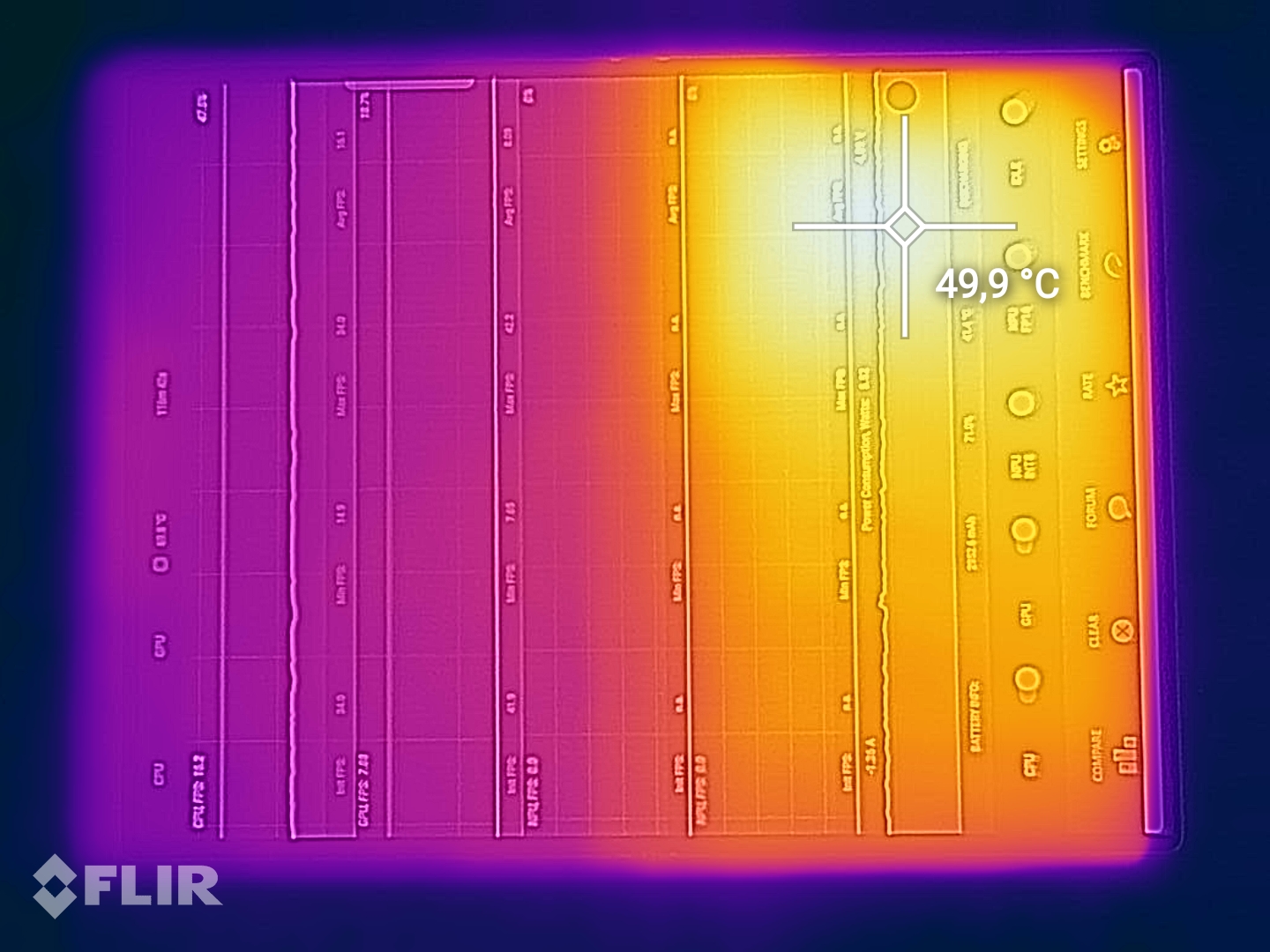
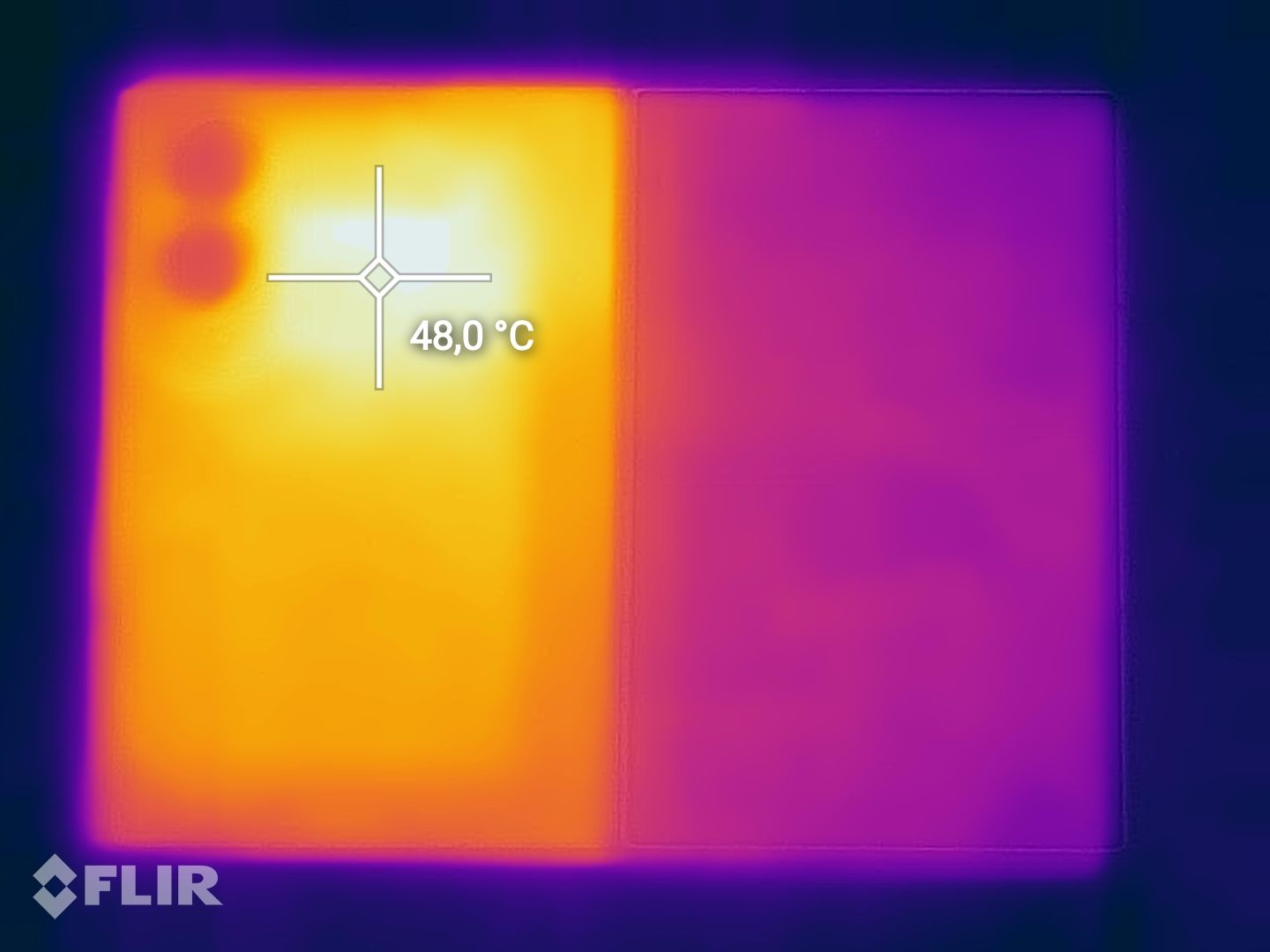
Surface temperatures can rise significantly under sustained load and already border on excessive. However, the foldable never gets hot during everyday use.
The Fold8 also throttled heavily during stress tests, which reduced performance early on.
(-) The maximum temperature on the upper side is 51.1 °C / 124 F, compared to the average of 35.3 °C / 96 F, ranging from 21.9 to 247 °C for the class Smartphone.
(-) The bottom heats up to a maximum of 51 °C / 124 F, compared to the average of 34.1 °C / 93 F
(+) In idle usage, the average temperature for the upper side is 27.9 °C / 82 F, compared to the device average of 33 °C / 91 F.
3DMark Stress Tests
| 3DMark | |
| Wild Life Stress Test Stability | |
| Samsung Galaxy Z Fold8 | |
| Oppo Find N6 | |
| Wild Life Extreme Stress Test | |
| Samsung Galaxy Z Fold8 | |
| Honor Magic V6 | |
| Oppo Find N6 | |
| Solar Bay Stress Test Stability | |
| Samsung Galaxy Z Fold8 | |
| Oppo Find N6 | |
| Solar Bay Extreme Stress Test Stability | |
| Samsung Galaxy Z Fold8 | |
| Oppo Find N6 | |
| Steel Nomad Light Stress Test Stability | |
| Samsung Galaxy Z Fold8 | |
| Honor Magic V6 | |
| Oppo Find N6 | |
Speakers
The speakers are positioned in such a way that they can seldom be accidentally covered. Nevertheless, the speakers are slim and perform rather poorly. Even at medium volume, they sound muffled and weak and lack precision and clarity.
Samsung Galaxy Z Fold8 audio analysis
(+) | speakers can play relatively loud (91.9 dB)
Bass 100 - 315 Hz
(-) | nearly no bass - on average 18.9% lower than median
(+) | bass is linear (6.9% delta to prev. frequency)
Mids 400 - 2000 Hz
(±) | reduced mids - on average 6.3% lower than median
(+) | mids are linear (6.7% delta to prev. frequency)
Highs 2 - 16 kHz
(±) | higher highs - on average 6.3% higher than median
(+) | highs are linear (4.2% delta to prev. frequency)
Overall 100 - 16.000 Hz
(±) | linearity of overall sound is average (17.3% difference to median)
Compared to same class
» 12% of all tested devices in this class were better, 8% similar, 80% worse
» The best had a delta of 11%, average was 34%, worst was 136%
Compared to all devices tested
» 33% of all tested devices were better, 8% similar, 59% worse
» The best had a delta of 4%, average was 23%, worst was 136%
Honor Magic V6 audio analysis
(+) | speakers can play relatively loud (85.3 dB)
Bass 100 - 315 Hz
(-) | nearly no bass - on average 16.8% lower than median
(±) | linearity of bass is average (11.3% delta to prev. frequency)
Mids 400 - 2000 Hz
(+) | balanced mids - only 4.5% away from median
(±) | linearity of mids is average (7.6% delta to prev. frequency)
Highs 2 - 16 kHz
(±) | higher highs - on average 7.7% higher than median
(+) | highs are linear (3.2% delta to prev. frequency)
Overall 100 - 16.000 Hz
(±) | linearity of overall sound is average (17.7% difference to median)
Compared to same class
» 15% of all tested devices in this class were better, 8% similar, 77% worse
» The best had a delta of 11%, average was 34%, worst was 136%
Compared to all devices tested
» 36% of all tested devices were better, 8% similar, 56% worse
» The best had a delta of 4%, average was 23%, worst was 136%
Battery life
Power consumption
Power consumption is low when the Fold8 is idle. Under load, and despite housing a large display, it is no more power-hungry than the S26 Ultra.
| Off / Standby |   0.05 / 0.3 Watt 0.05 / 0.3 Watt |
| Idle |  0.66 / 1.5 / 1.6 Watt 0.66 / 1.5 / 1.6 Watt |
| Load |
14.79 / 15.47 Watt |
    
| |
Key:
min: ,
med: ,
max: Metrahit Energy | |
| Samsung Galaxy Z Fold8 4800 mAh | Honor Magic V6 6660 mAh | Oppo Find N6 6000 mAh | Vivo X Fold6 7000 mAh | Average Qualcomm Snapdragon 8 Elite Gen 5 for Galaxy | Average of class Smartphone | |
|---|---|---|---|---|---|---|
| Power Consumption | -9% | 5% | -1% | -2% | 10% | |
| Idle Minimum * (Watt) | 0.66 | 0.92 -39% | 0.79 -20% | 0.73 -11% | 0.63 ? 5% | 0.877 ? -33% |
| Idle Average * (Watt) | 1.5 | 1.39 7% | 1.6 -7% | 1.43 5% | 1.543 ? -3% | 1.462 ? 3% |
| Idle Maximum * (Watt) | 1.6 | 1.53 4% | 1.66 -4% | 1.55 3% | 1.7 ? -6% | 1.652 ? -3% |
| Load Average * (Watt) | 14.79 | 10.75 27% | 14.9 ? -1% | 6.85 ? 54% | ||
| Load Maximum * (Watt) | 15.47 | 11.31 27% | 16 ? -3% | 11.2 ? 28% |
* ... smaller is better
Power consumption: Geekbench (150 cd/m²)
Power consumption: GFXbench (150 cd/m²)
Battery runtimes
The Galaxy Z Fold8’s 4,800 mAh battery utilizes lithium-ion technology with a silicon-carbon anode. Although the battery isn't as large as those found in competing devices, the foldable still achieves excellent battery life thanks to its efficiency.
| Battery runtime - WiFi v1.3 | |
| Samsung Galaxy Z Fold8 | |
| Honor Magic V6 | |
| Oppo Find N6 | |
| Vivo X Fold6 | |
Notebookcheck overall verdict
The Galaxy Z Fold8 is an impressively versatile and refined foldable. Yet given its high price, lack of a telephoto lens, weak speakers, and thermal throttling, it remains a luxury device that comes with compromises.
Samsung Galaxy Z Fold8
- 09/08/2026 v8
Daniel Schmidt
 Total Sustainability Score:
 Possible alternatives compared
Image | Model / Review | Price | Weight | Drive | Display |
|---|---|---|---|---|---|
1. 88.2%  | Samsung Galaxy Z Fold8 Qualcomm Snapdragon 8 Elite Gen 5 for Galaxy ⎘ Qualcomm Adreno 840 ⎘ 12 GB Memory, 256 GB UFS 4.x | List Price: 1999€ | 201 g | 256 GB UFS 4.0 Flash | 7.60" 2448x1848 404 PPI Dynamic AMOLED 2X |
2. 88.1%  | Honor Magic V6 Qualcomm Snapdragon 8 Elite Gen 5 ⎘ Qualcomm Adreno 840 ⎘ 16 GB Memory, 512 GB UFS 4.x | Amazon: 1. $1,999.00 HONOR Magic V6 5G PNM-N49 (G... 2. $1,999.00 HONOR Magic V6 5G PNM-N49 (G... 3. $1,999.99 Samsung Galaxy Z Fold8 Ultra... List Price: 2300€ | 224 g | 512 GB UFS 4.1 Flash | 7.95" 2352x2172 403 PPI OLED |
3. 86.4%  | Oppo Find N6 Qualcomm Snapdragon 8 Elite Gen 5 ⎘ Qualcomm Adreno 840 ⎘ 16 GB Memory, 512 GB UFS 4.x | 225 g | 512 GB UFS 4.1 Flash | 8.12" 2480x2248 412 PPI OLED | |
4. 87.6%  | Vivo X Fold6 MediaTek Dimensity 9500 ⎘ Arm Mali G1- Ultra MC12 ⎘ 12 GB Memory, 512 GB UFS 4.x | Amazon: 1. $12.77 NEOYUKL Tempered Glass for V... 2. $21.49 TMHOPETRADE for vivo X Fold6... 3. $21.49 TMHOPETRADE for vivo X Fold6... | 235 g | 512 GB UFS 4.1 Flash | 8.02" 2504x2312 425 PPI AMOLED |
Transparency
The selection of devices to be reviewed is made by our editorial team. The test sample was provided to the author as a loan by the manufacturer or retailer for the purpose of this review. The lender had no influence on this review, nor did the manufacturer receive a copy of this review before publication. There was no obligation to publish this review. As an independent media company, Notebookcheck is not subjected to the authority of manufacturers, retailers or publishers.
This is how Notebookcheck is testing
Every year, Notebookcheck independently reviews hundreds of laptops and smartphones using standardized procedures to ensure that all results are comparable. We have continuously developed our test methods for around 20 years and set industry standards in the process. In our test labs, high-quality measuring equipment is utilized by experienced technicians and editors. These tests involve a multi-stage validation process. Our complex rating system is based on hundreds of well-founded measurements and benchmarks, which maintains objectivity. Further information on our test methods can be found here.
 Add as a preferred source on Google


No comments for this article

