




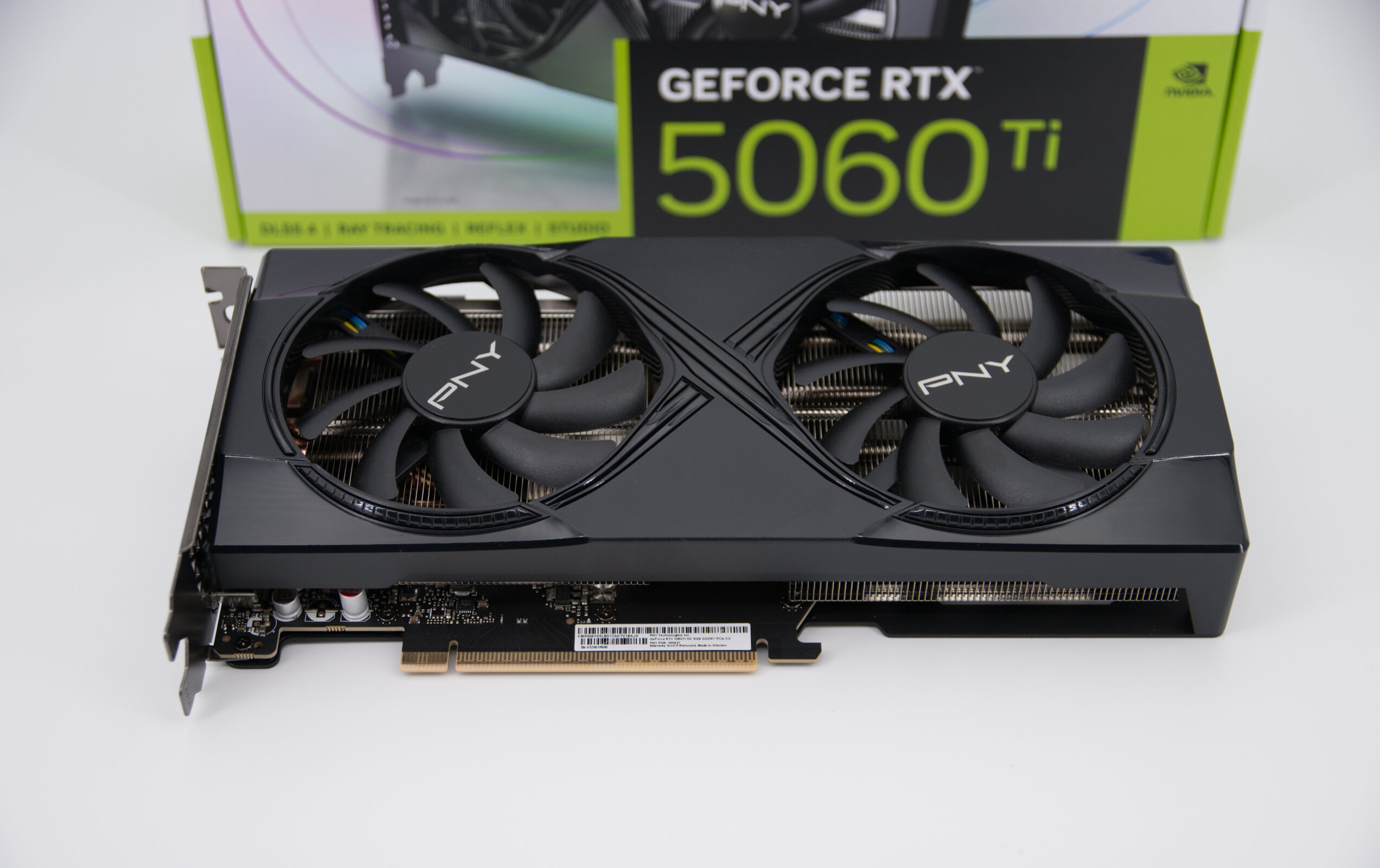
Verdict: PNY GeForce RTX 5060 Ti OC - strong on Full HD, VRAM as a brake
The PNY GeForce RTX 5060 Ti OC is positioned as a compact and energy-efficient mid-range graphics card based on the Blackwell architecture. The GPU delivers smooth gaming performance in Full HD and sometimes also in WQHD, especially when modern technologies such as DLSS 4 and Multi Frame Generation are used. However, with increasing resolution and higher memory requirements, the card increasingly reaches its limits. If the available video memory is no longer sufficient, frame rate drops, reload stutters, or incorrectly displayed textures can be the result.
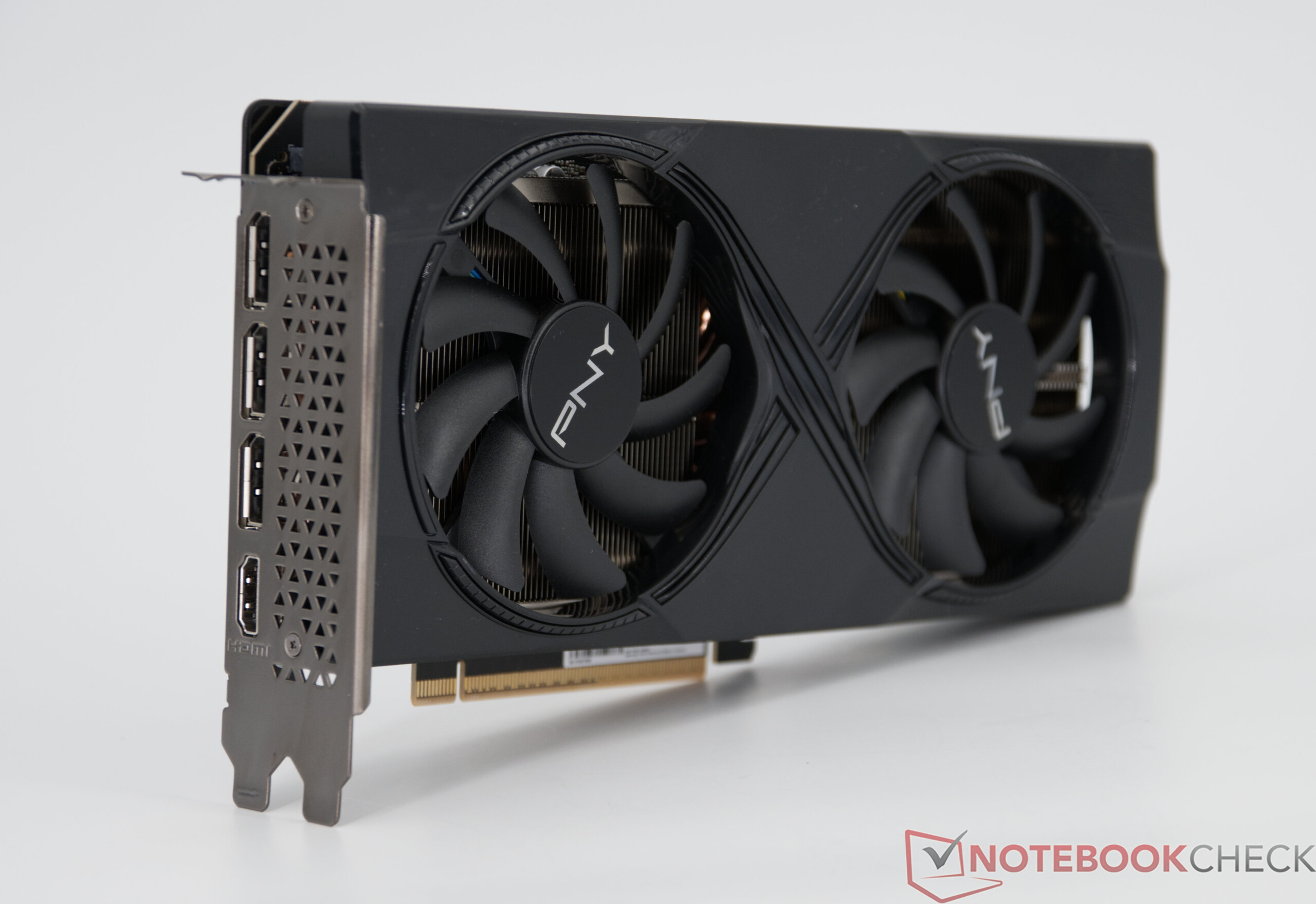
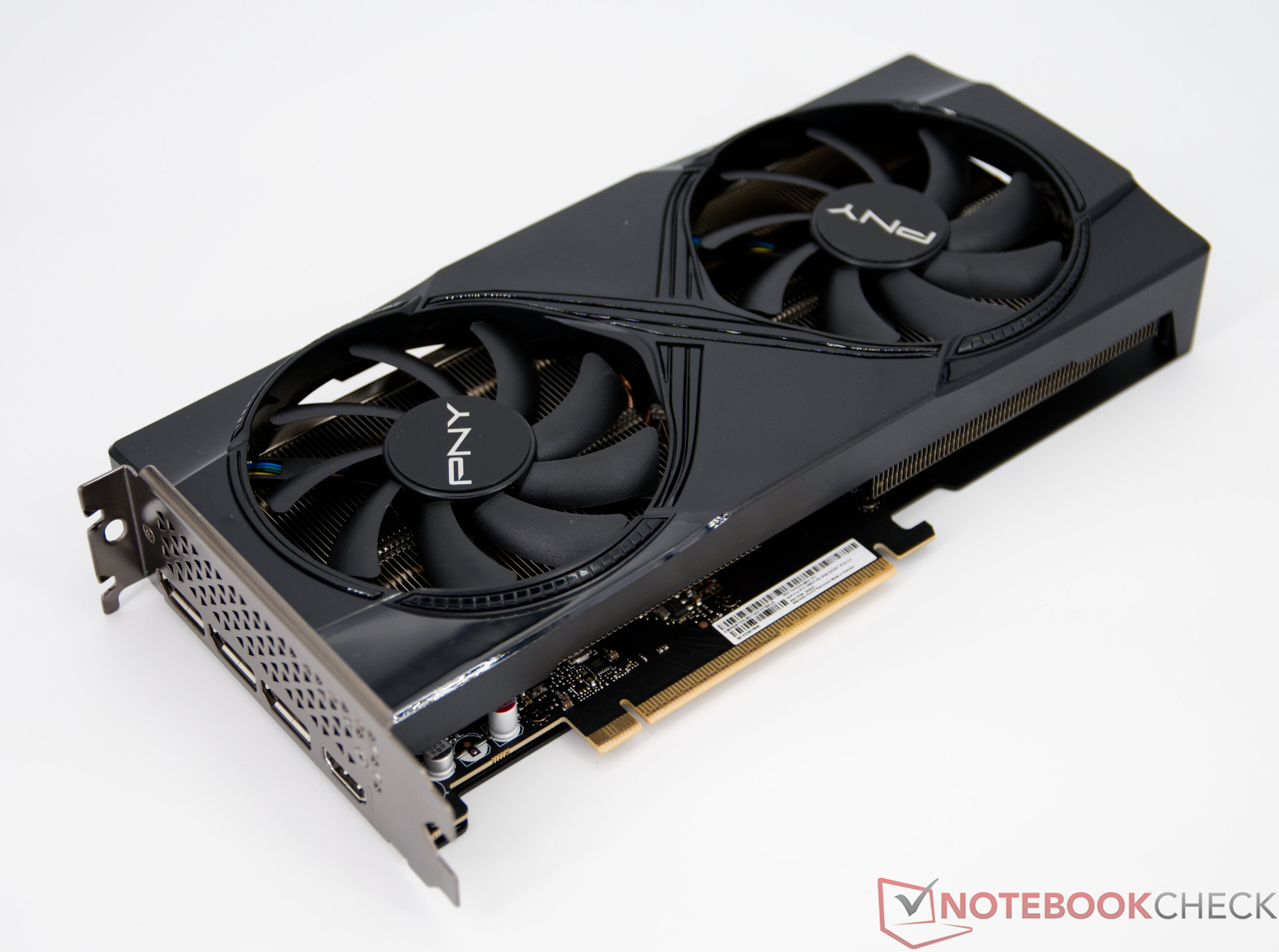
The cooling system works reliably and keeps temperatures at an uncritical level even under load. At the same time, the noise development remains pleasantly restrained, while the semi-passive fan control ensures almost silent operation in idle mode. Thanks to its compact dimensions, the graphics card is also suitable for a wide range of different case sizes.
Compared to more powerful models such as the GeForce RTX 5070 or RTX 5070 Ti, the PNY GeForce RTX 5060 Ti OC has to take a back seat, as expected, but scores with good energy efficiency and an attractive entry into the Blackwell generation. Those who primarily play in Full HD and value the latest Nvidia technologies will get a solid mid-range graphics card. However, the limited memory configuration raises doubts about its long-term future viability, especially regarding upcoming AAA titles and higher resolutions.
Pros
Cons

Specifications
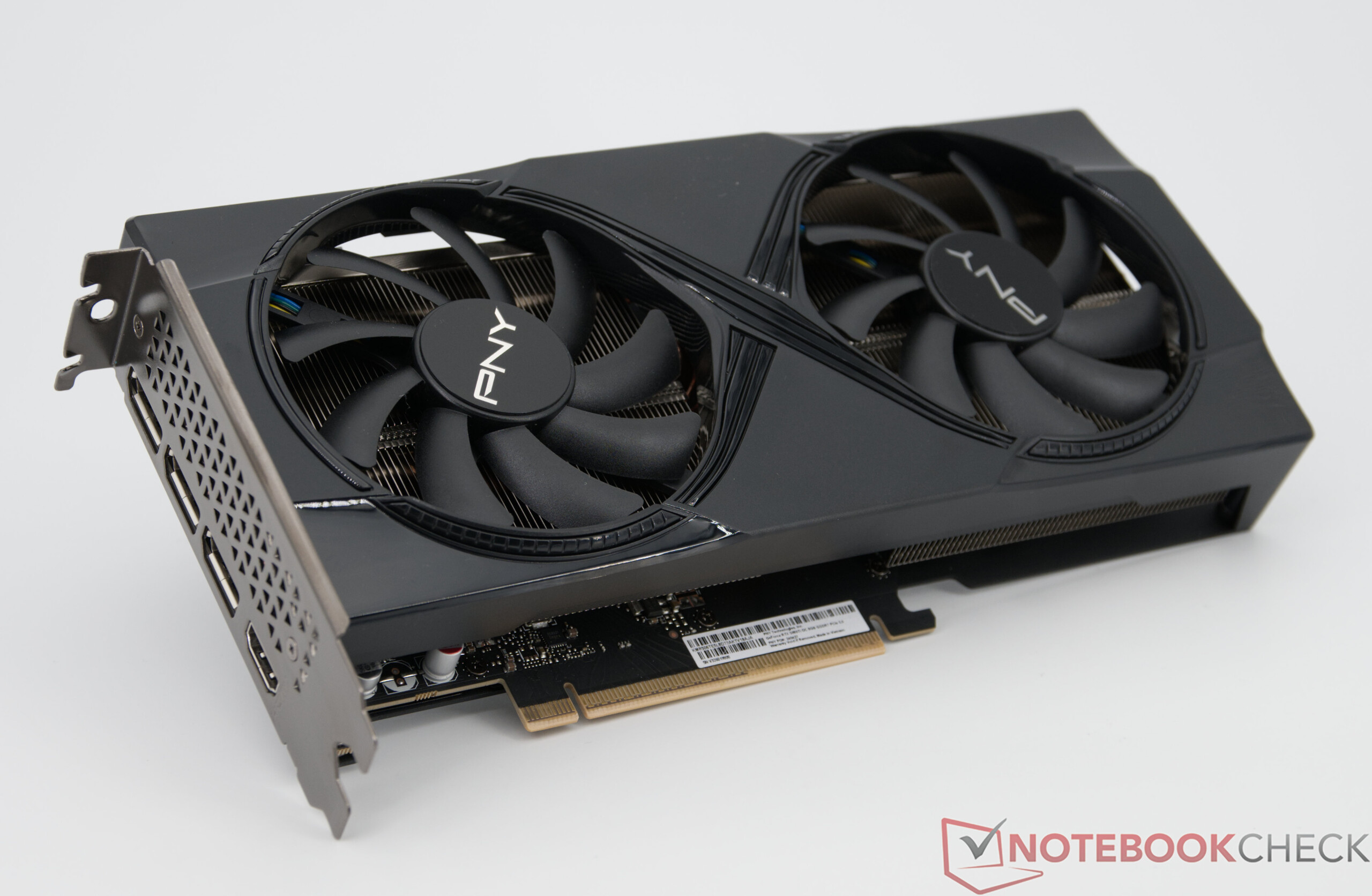
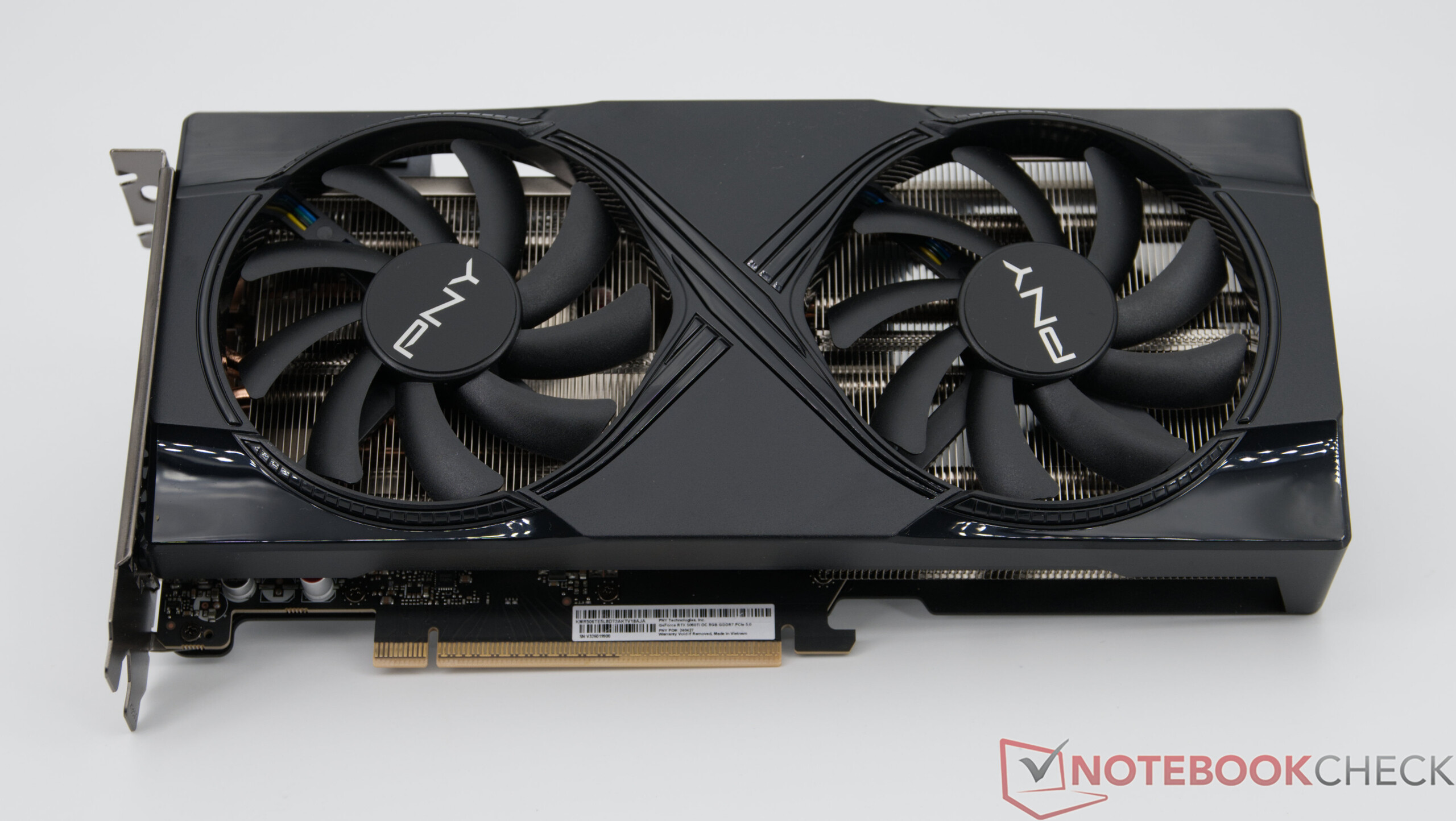
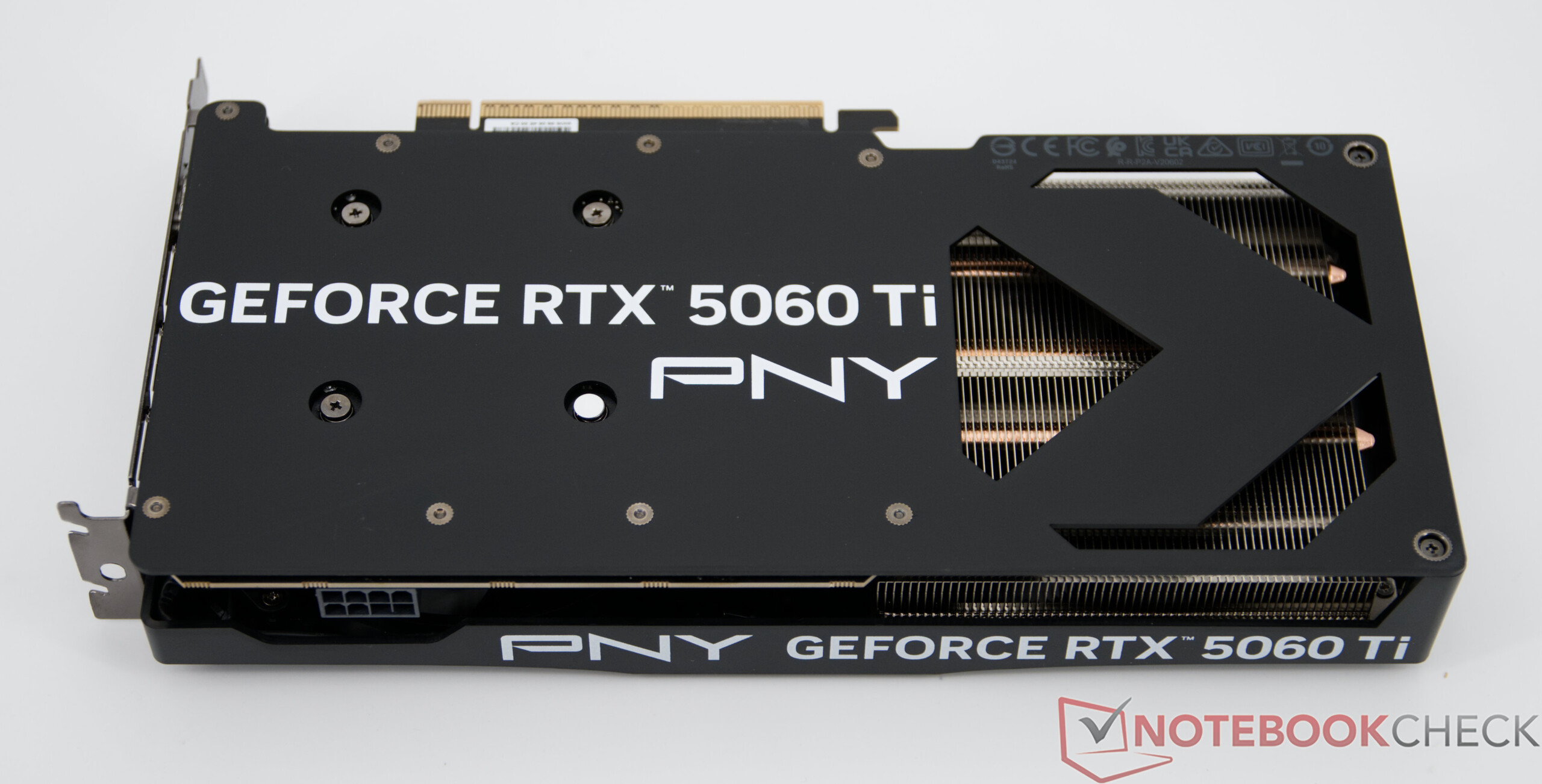
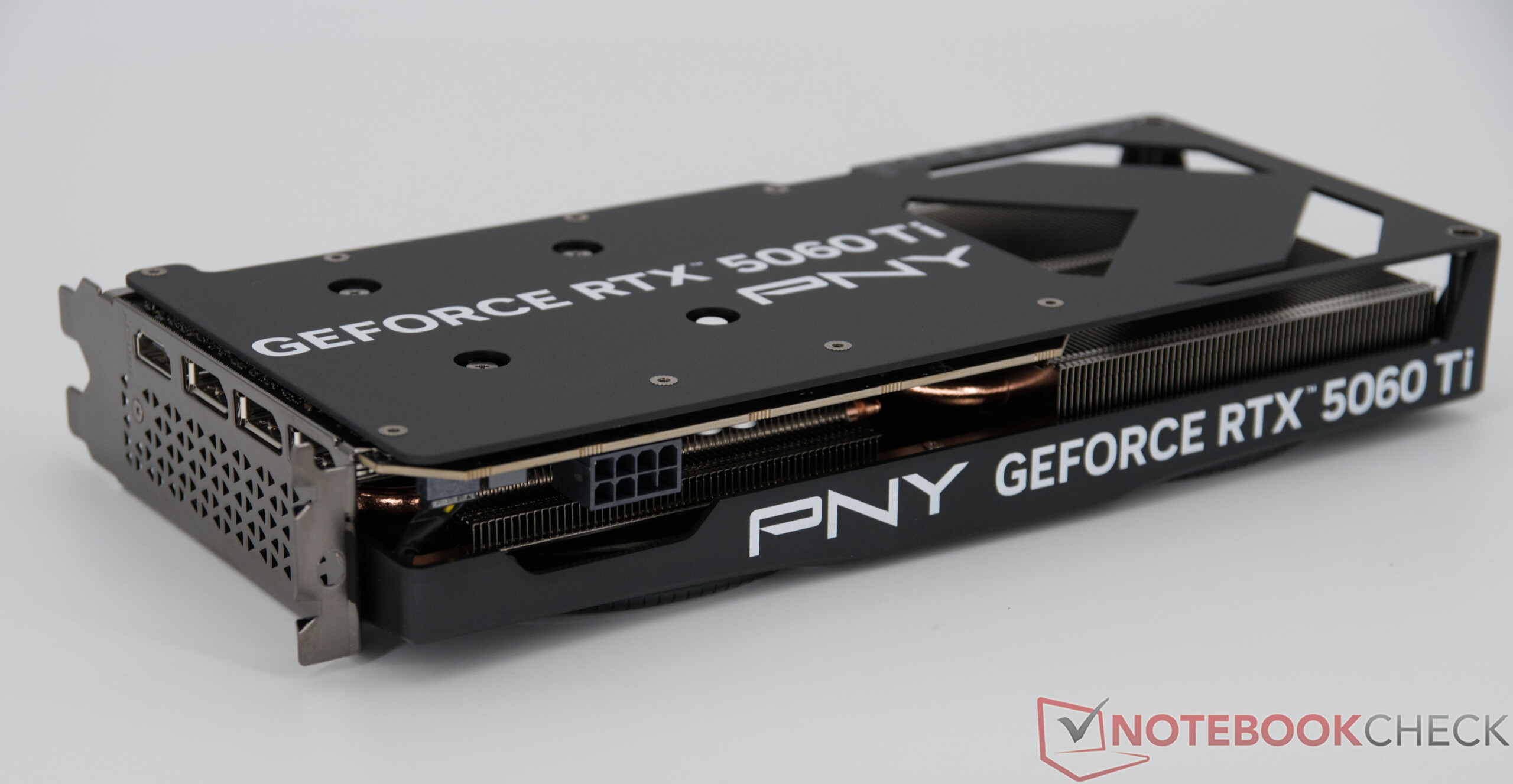
First impression and processing
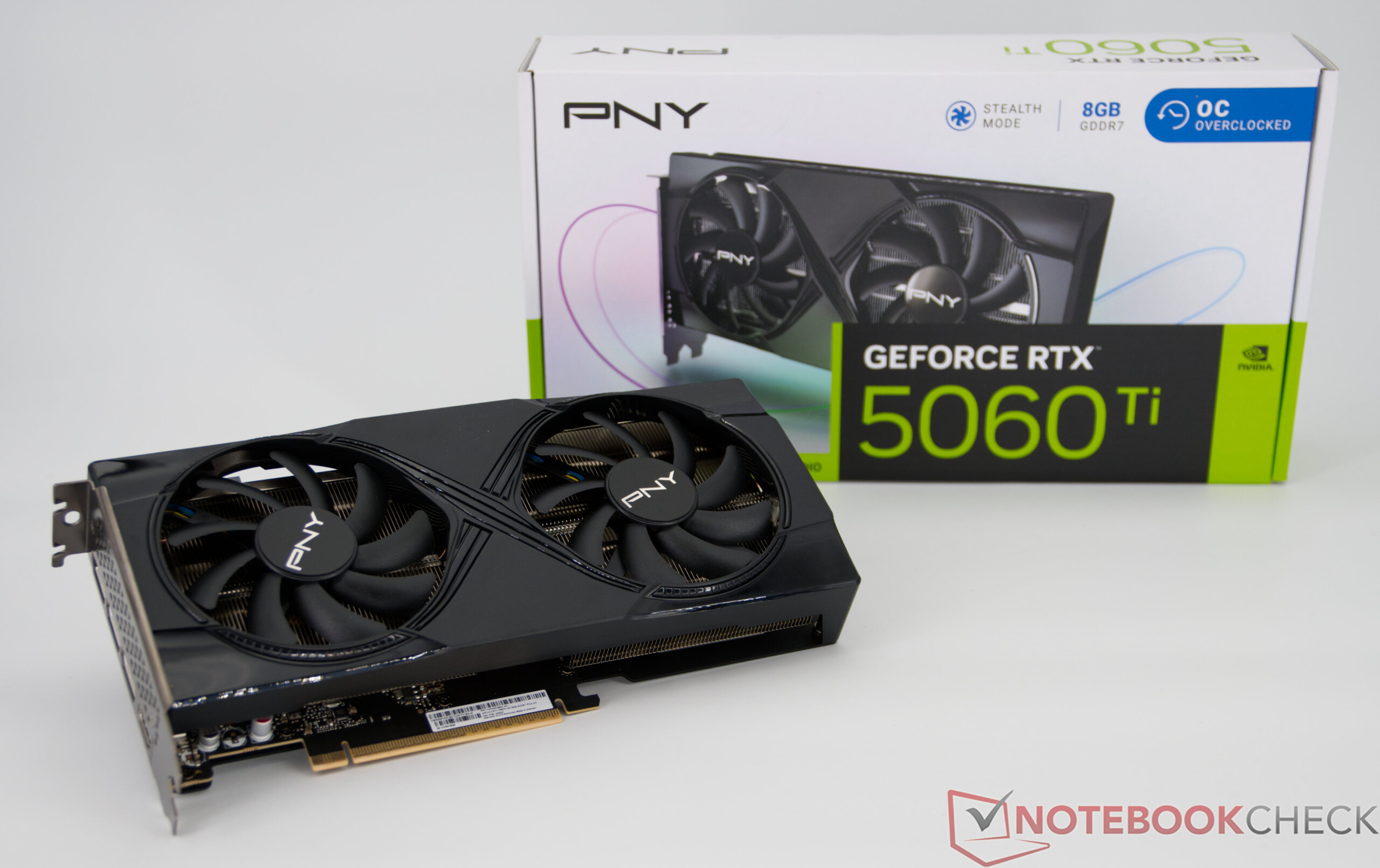
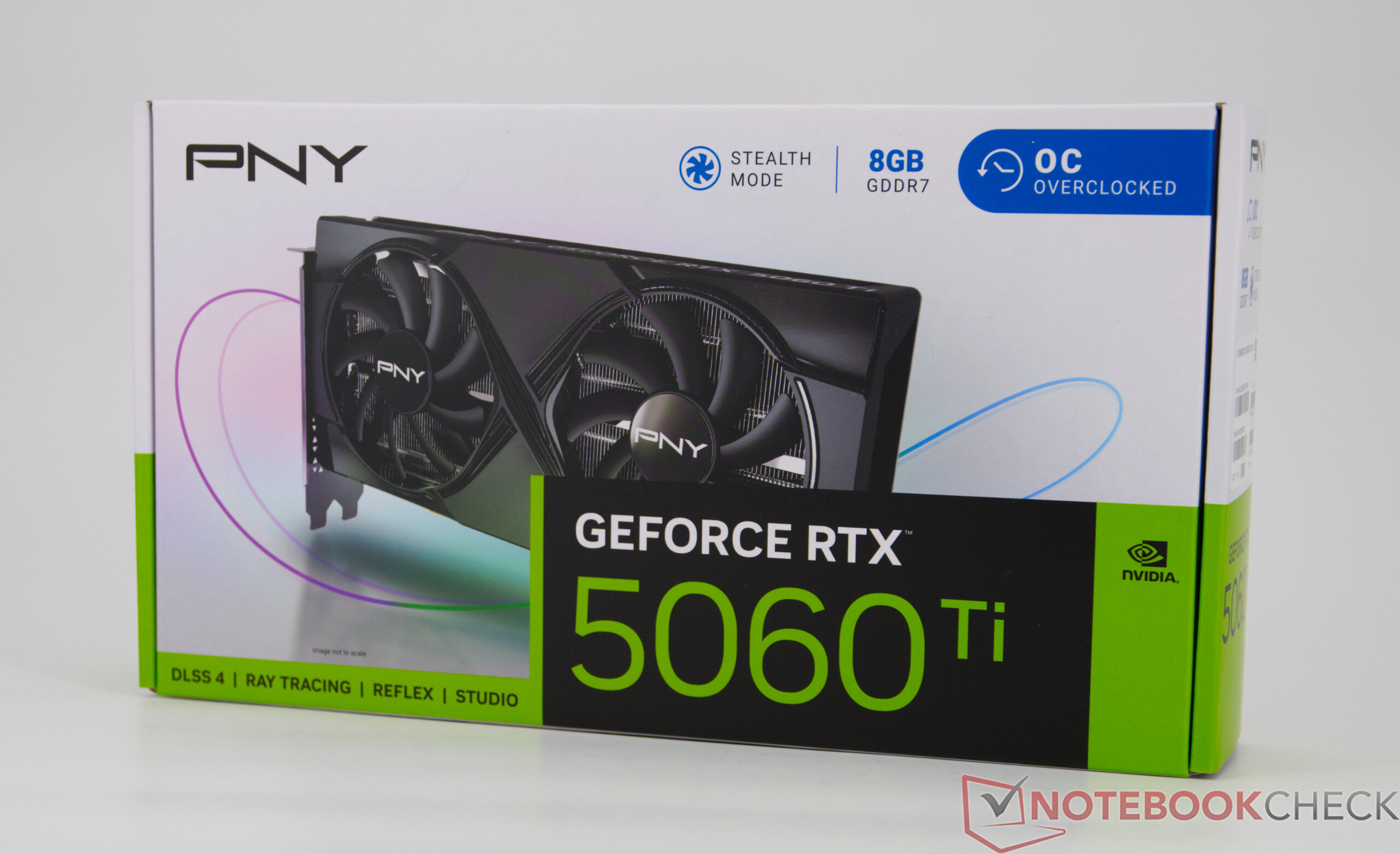
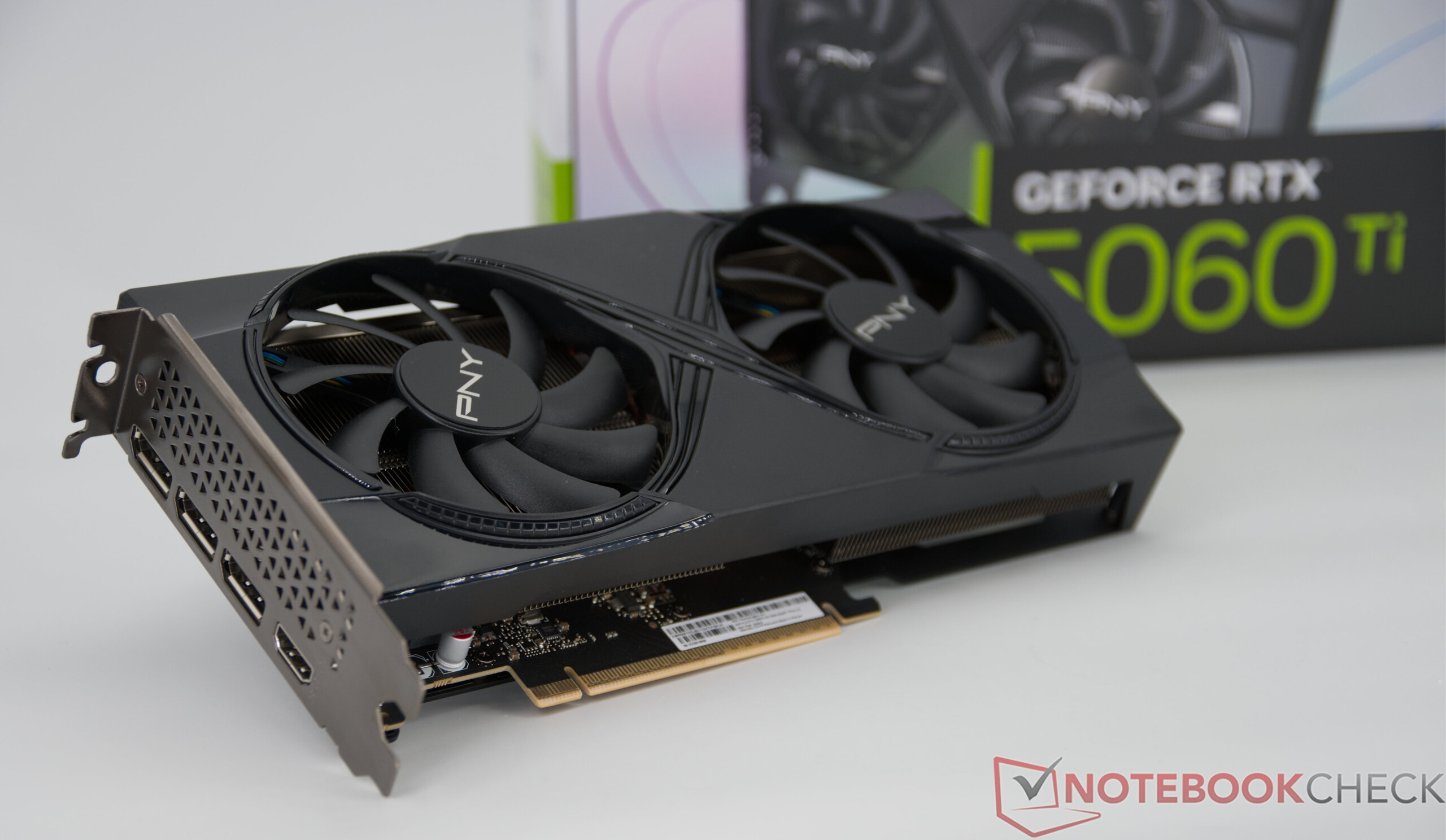
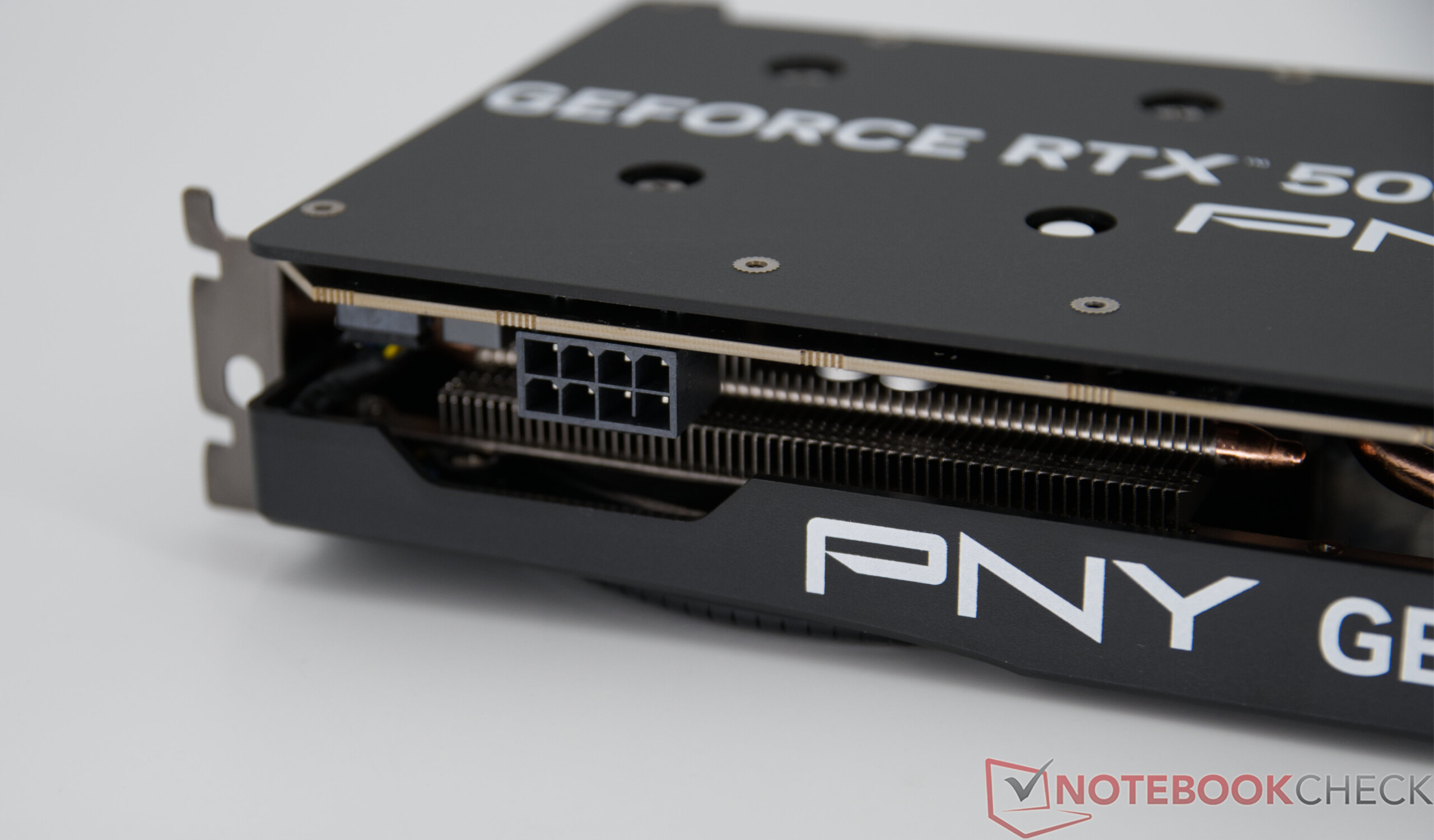
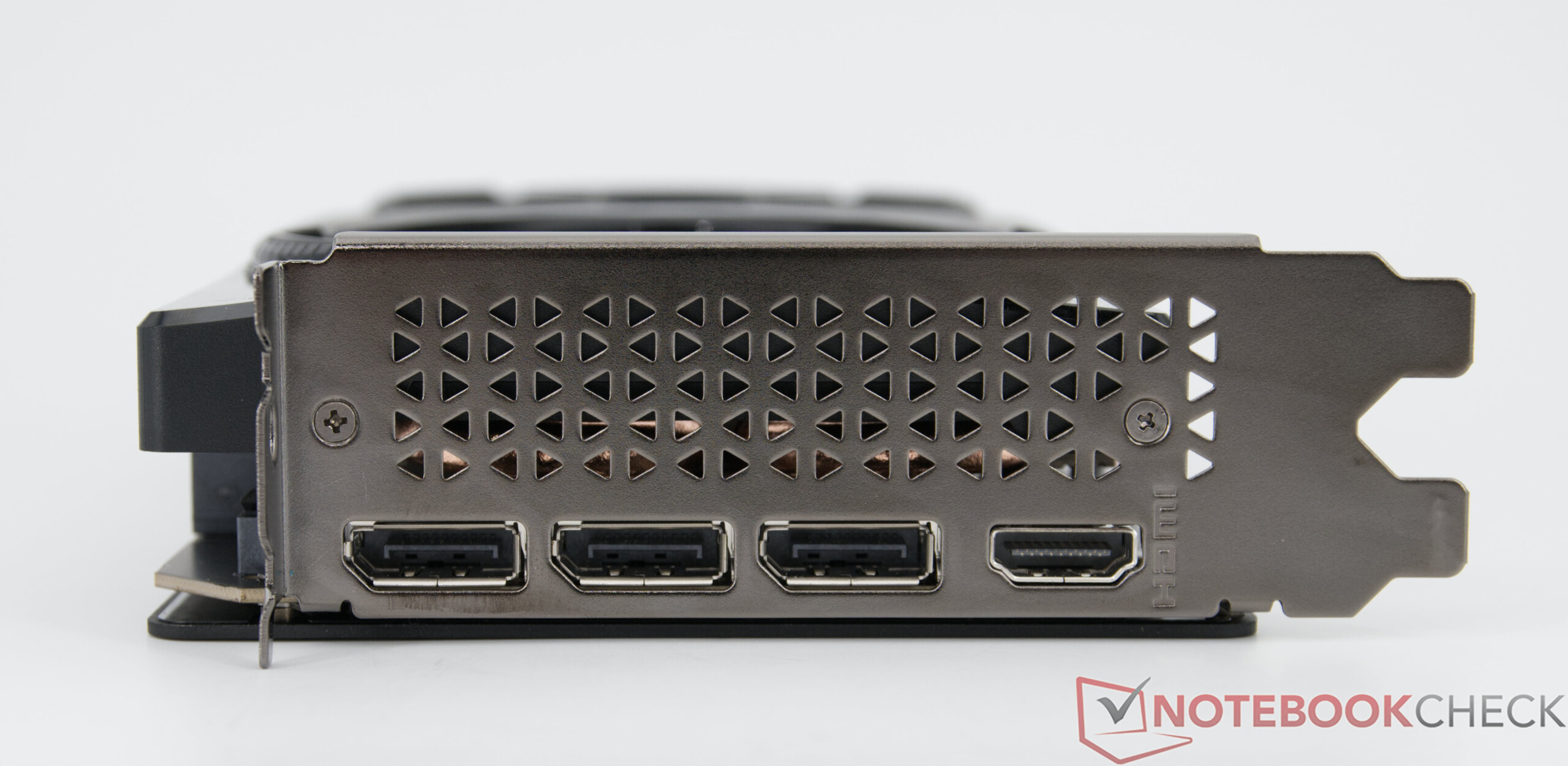
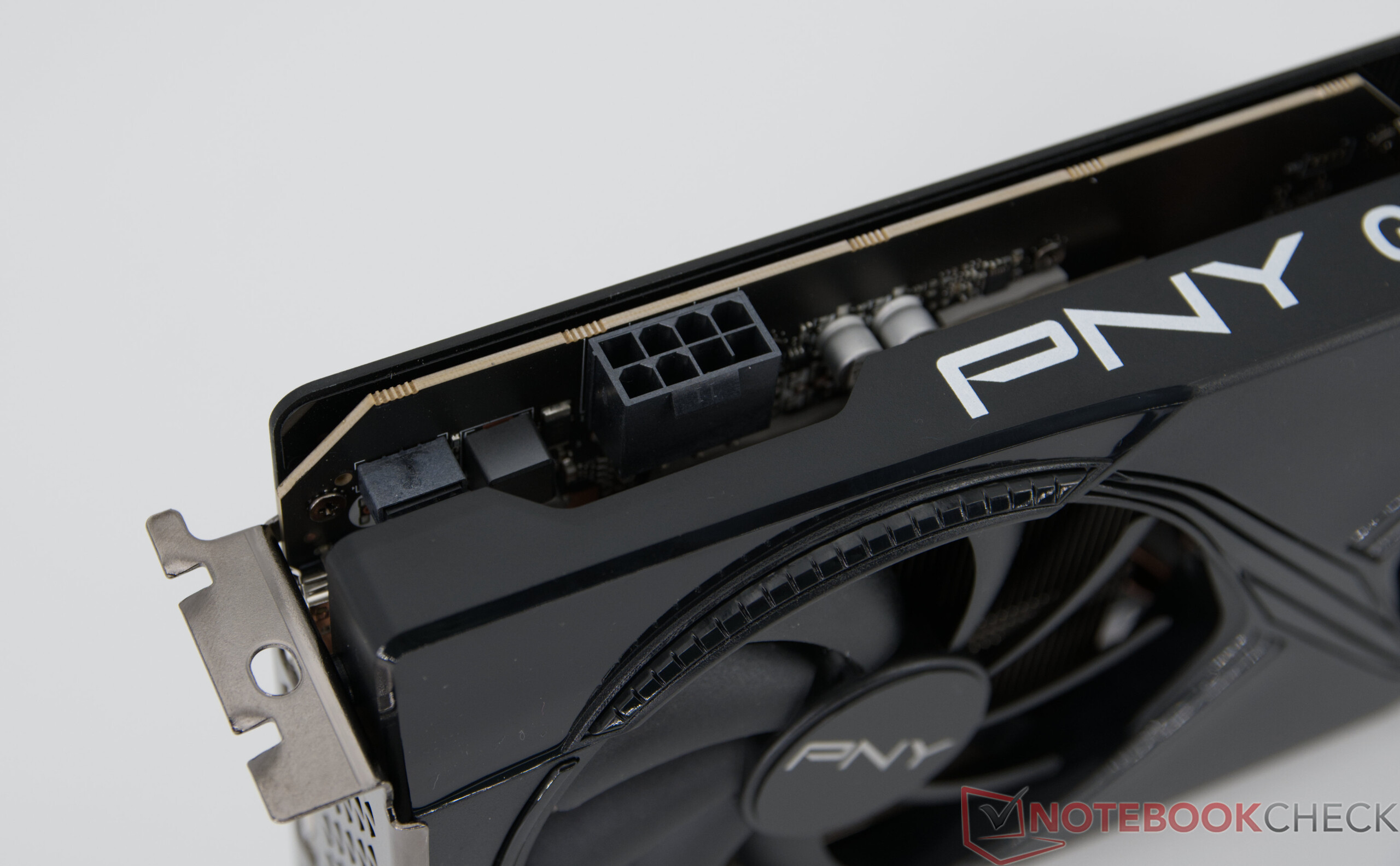
The PNY GeForce RTX 5060 Ti OC makes a high-quality and well-thought-out impression from the very first contact. The discreet black appearance looks timeless and can be easily integrated into a wide variety of PC configurations. The graphics card scores points with its clean workmanship, stable cooling system, and overall solid construction. Thanks to its comparatively compact dimensions, it is also well suited to systems with limited space. However, the position of the power connection on the front of the board should be considered when routing the cables.
Technical data in comparison
| Features | RTX 5090 (FE) | RTX 5080 (FE) | RTX 5070 Ti | RTX 5060 Ti | RTX 4060 Ti | RTX 3060 Ti |
| Chip | GB202 | GB203 | GB203 | GB206 | AD106 | GA104 |
| FinFET process | 4 nm | 4 nm | 4 nm | 4 nm | 5 nm | 8 nm |
| CUDA Cores | 21,760 | 10,752 | 8,960 | 4,608 | 4,352 | 4,864 |
| Texture units | 680 | 336 | 280 | 144 | 136 | 152 |
| Tensor Cores | 680 5th Gen. | 336 5th Gen. | 280 5th Gen. | 144 5th Gen. | 136 4th Gen. | 152 3rd Gen. |
| RT Cores | 170 | 84 | 70 | 36 | 34 | 38 |
| GPU Base Clock | 2,010 MHz | 2,295 MHz | 2,295 MHz | 2,407 MHz | 2,310 MHz | 1,410 MHz |
| GPU Boost Clock | 2,407 MHz | 2,617 MHz | 2,452 MHz | 2,692 MHz | 2,535 MHz | 1,665 MHz |
| Memory Bus | 512 bit | 256 bit | 256 bit | 128 bit | 128 bit | 256 bit |
| Memory bandwidth | 1,792 GB/s | 960 GB/s | 896 GB/s | 448 GB/s | 228 GB/s | 448 GB/s |
| Video Memory | 32 GB GDDR7 | 16 GB GDDR7 | 16 GB GDDR7 | 8 / 16 GB GDDR7 | 8 / 16 GB GDDR6 | 8 GB GDDR6 |
| TGP (Total Graphics Power) | 575 W | 360 W | 300 W | 180 W | 160 / 165 W | 200 W |
Test conditions
For this test, a system with an AMD Ryzen 7 9800X3D on an ASRock X870E Taichi motherboard was used. The PNY GeForce RTX 5060 Ti OC is operated with the factory settings - neither the maximum power consumption nor the clock rates of the graphics card were changed.
Synthetic benchmarks
In the synthetic benchmarks, the PNY GeForce RTX 5060 Ti OC ranks in the upper mid-range segment and offers performance on par with other RTX 5060 Ti models. Compared to variants with 16 GB of video memory, it falls slightly behind in memory-intensive applications due to its lower VRAM configuration. It cannot compete with the more powerful Radeon RX 9070 models from AMD, although these are also in a higher price and performance class. The most important competitor is the Radeon RX 9060 XT, which can offer advantages with 16 GB of VRAM depending on the application and therefore represents a particularly attractive overall package in this market segment.
| Performance rating - Percent | |
| Nvidia GeForce RTX 5090 Founders Edition | |
| Palit GeForce RTX 4090 GameRock OC | |
| Asus TUF Gaming GeForce RTX 5080 OC | |
| XFX Speedster MERC 310 Radeon RX 7900 XTX | |
| KFA2 GeForce RTX 5070 Ti 1-Click OC | |
| AMD Radeon RX 9070 XT | |
| AMD Radeon RX 9070 | |
| Nvidia GeForce RTX 3090 FE | |
| KFA2 GeForce RTX 4070 EX Gamer | |
| PNY GeForce RTX 5060 Ti 8G | |
| Asus TUF Gaming GeForce RTX 5060 Ti OC | |
| Zotac GeForce RTX 5060 AMP | |
| Gigabyte Radeon RX 9060 XT Gaming OC 16G | |
| Intel Arc B580 | |
| ASUS Dual GeForce RTX 4060 EVO OC | |
| ASUS TUF Gaming GeForce RTX 3060 | |
| Affinity Photo 2 - Combined (Single / Multi GPU) | |
| XFX Speedster MERC 310 Radeon RX 7900 XTX | |
| AMD Radeon RX 9070 | |
| AMD Radeon RX 9070 XT | |
| Palit GeForce RTX 4090 GameRock OC | |
| Gigabyte Radeon RX 9060 XT Gaming OC 16G | |
| Asus TUF Gaming GeForce RTX 5080 OC | |
| Nvidia GeForce RTX 5090 Founders Edition | |
| KFA2 GeForce RTX 4070 EX Gamer | |
| KFA2 GeForce RTX 5070 Ti 1-Click OC | |
| Nvidia GeForce RTX 3090 FE | |
| ASUS TUF Gaming GeForce RTX 3060 | |
| PNY GeForce RTX 5060 Ti 8G | |
| ASUS Dual GeForce RTX 4060 EVO OC | |
| Zotac GeForce RTX 5060 AMP | |
| Asus TUF Gaming GeForce RTX 5060 Ti OC | |
| Intel Arc B580 | |
| MLPerf Client 0.5 - overall generation rate | |
| Nvidia GeForce RTX 5090 Founders Edition | |
| Palit GeForce RTX 4090 GameRock OC | |
| Asus TUF Gaming GeForce RTX 5080 OC | |
| KFA2 GeForce RTX 5070 Ti 1-Click OC | |
| XFX Speedster MERC 310 Radeon RX 7900 XTX | |
| Nvidia GeForce RTX 3090 FE | |
| AMD Radeon RX 9070 XT | |
| AMD Radeon RX 9070 | |
| KFA2 GeForce RTX 4070 EX Gamer | |
| PNY GeForce RTX 5060 Ti 8G | |
| Asus TUF Gaming GeForce RTX 5060 Ti OC | |
| Zotac GeForce RTX 5060 AMP | |
| ASUS Dual GeForce RTX 4060 EVO OC | |
| ASUS TUF Gaming GeForce RTX 3060 | |
| V-Ray 5 Benchmark | |
| GPU CUDA | |
| Nvidia GeForce RTX 5090 Founders Edition | |
| KFA2 GeForce RTX 5070 Ti 1-Click OC | |
| KFA2 GeForce RTX 4070 EX Gamer | |
| PNY GeForce RTX 5060 Ti 8G | |
| Asus TUF Gaming GeForce RTX 5060 Ti OC | |
| Zotac GeForce RTX 5060 AMP | |
| ASUS Dual GeForce RTX 4060 EVO OC | |
| ASUS TUF Gaming GeForce RTX 3060 | |
| AMD Radeon RX 9070 XT | |
| AMD Radeon RX 9070 | |
| GPU RTX | |
| Nvidia GeForce RTX 5090 Founders Edition | |
| AMD Radeon RX 9070 | |
| KFA2 GeForce RTX 5070 Ti 1-Click OC | |
| PNY GeForce RTX 5060 Ti 8G | |
| KFA2 GeForce RTX 4070 EX Gamer | |
| Asus TUF Gaming GeForce RTX 5060 Ti OC | |
| Zotac GeForce RTX 5060 AMP | |
| ASUS Dual GeForce RTX 4060 EVO OC | |
| ASUS TUF Gaming GeForce RTX 3060 | |
| V-Ray Benchmark Next 4.10 - GPU | |
| Nvidia GeForce RTX 5090 Founders Edition | |
| Palit GeForce RTX 4090 GameRock OC | |
| Asus TUF Gaming GeForce RTX 5080 OC | |
| KFA2 GeForce RTX 5070 Ti 1-Click OC | |
| KFA2 GeForce RTX 4070 EX Gamer | |
| Nvidia GeForce RTX 3090 FE | |
| PNY GeForce RTX 5060 Ti 8G | |
| Asus TUF Gaming GeForce RTX 5060 Ti OC | |
| Zotac GeForce RTX 5060 AMP | |
| ASUS Dual GeForce RTX 4060 EVO OC | |
| ASUS TUF Gaming GeForce RTX 3060 | |
| XFX Speedster MERC 310 Radeon RX 7900 XTX | |
| AMD Radeon RX 9070 | |
| AMD Radeon RX 9070 XT | |
* ... smaller is better
Professional applications
The PNY GeForce RTX 5060 Ti OC is primarily designed for gaming, but is also suitable for semi-professional applications and creative workloads. It achieves respectable results in SPECviewperf 2020 and offers sufficient performance for many visualization, CAD, and content creation tasks. In the practice-oriented SPECworkstation 4.0 benchmark, the card also shows solid performance, even if it naturally ranks behind the more powerful models of the RTX 50 series. Depending on the application and software optimization, AMD graphics cards can still have advantages in individual disciplines.
| PNY GeForce RTX 5060 Ti 8G R7 9800X3D | Asus TUF Gaming GeForce RTX 5060 Ti OC R7 9800X3D | ASUS TUF Gaming GeForce RTX 3060 R7 9800X3D | ASUS Dual GeForce RTX 4060 EVO OC R7 9800X3D | KFA2 GeForce RTX 4070 EX Gamer R7 9800X3D | KFA2 GeForce RTX 5070 Ti 1-Click OC R7 9800X3D | Asus TUF Gaming GeForce RTX 5080 OC R7 9800X3D | Nvidia GeForce RTX 5090 Founders Edition R7 9800X3D | Gigabyte Radeon RX 9060 XT Gaming OC 16G R7 9800X3D | AMD Radeon RX 9070 R7 9800X3D | AMD Radeon RX 9070 XT R7 9800X3D | |
|---|---|---|---|---|---|---|---|---|---|---|---|
| SPECviewperf 2020 | 11% | -28% | -14% | 22% | 59% | 106% | 197% | 115% | 224% | 271% | |
| 3840x2160 Medical (medical-03) (fps) | 18.1 | 17.9 -1% | 9.89 -45% | 12.3 -32% | 20.7 14% | 29.7 64% | 34.8 92% | 51.2 183% | 88.3 388% | 131 624% | 156 762% |
| 3840x2160 Maya (maya-06) (fps) | 280 | 171 | 198 | 313 | 479 | 565 | 697 | 204 | 377 | 405 | |
| 3840x2160 Energy (energy-03) (fps) | 37.5 | 54.1 44% | 37.3 -1% | 52.2 39% | 57.3 53% | 61.9 65% | 115 207% | 196 423% | 71.6 91% | 109 191% | 136 263% |
| 3840x2160 Creo (creo-03) (fps) | 103 | 101 -2% | 75.5 -27% | 85.2 -17% | 111 8% | 124 20% | 130 26% | 136 32% | 130 26% | 195 89% | 205 99% |
| 3840x2160 CATIA (catia-06) (fps) | 46 | 45.1 -2% | 29.6 -36% | 33.9 -26% | 49.2 7% | 72.2 57% | 82.5 79% | 109 137% | 82.9 80% | 129 180% | 133 189% |
| 3840x2160 3ds Max (3dsmax-07) (fps) | 95.4 | 110 15% | 64.8 -32% | 64 -33% | 123 29% | 182 91% | 217 127% | 297 211% | 84.4 -12% | 128 34% | 134 40% |
| SPECworkstation 4.0 | -0% | -23% | -18% | 5% | 21% | 28% | 45% | 24% | 46% | 57% | |
| Graphics Score (Points) | 5.52 | 5.6 1% | 3.25 -41% | 3.93 -29% | 6.08 10% | 8.03 45% | 9.16 66% | 11.2 103% | 8.26 50% | 11.8 114% | 12.8 132% |
| AI & Machine Learning Score (Points) | 1.22 | 1.21 -1% | 1.18 -3% | 1.17 -4% | 1.22 0% | 1.22 0% | 1.21 -1% | 1.18 -3% | 1.37 12% | 1.16 -5% | 1.19 -2% |
| Viewport Graphics (Points) | 5.52 | 5.6 1% | 3.25 -41% | 3.93 -29% | 6.08 10% | 8.03 45% | 9.16 66% | 11.2 103% | 8.26 50% | 11.8 114% | 12.8 132% |
| HandBrake (Points) | 1.81 | 1.82 1% | 1.71 -6% | 1.81 0% | 1.81 0% | 1.8 -1% | 1.84 2% | 1.85 2% | 2.05 13% | 2.05 13% | 2.06 14% |
| ONNX Inference (Points) | 3.91 | 3.77 -4% | 2.89 -26% | 2.88 -26% | 4.04 3% | 4.55 16% | 4.13 6% | 4.65 19% | 3.67 -6% | 3.74 -4% | 4.2 7% |
| Total Average (Program / Settings) | 6% /
5% | -26% /
-26% | -16% /
-16% | 14% /
13% | 40% /
40% | 67% /
67% | 121% /
121% | 70% /
69% | 135% /
135% | 164% /
164% |
SPECworkstation 4.0: Graphics Score | Accelerator Score | Viewport Graphics | HandBrake | ONNX Inference
| Performance rating | |
| XFX Speedster MERC 310 Radeon RX 7900 XTX | |
| Gigabyte Radeon RX 9070 XT Gaming OC 16G | |
| NVIDIA Zotac GeForce RTX 5090 Solid | |
| Gigabyte Radeon RX 9070 Gaming OC 16G | |
| Palit GeForce RTX 4090 GameRock OC | |
| NVIDIA Asus TUF Gaming GeForce RTX 5080 OC | |
| MSI Radeon RX 6950 XT Gaming X Trio | |
| NVIDIA KFA2 GeForce RTX 5070 Ti 1-Click OC | |
| Gigabyte Radeon RX 9060 XT Gaming OC 16G | |
| NVIDIA KFA2 GeForce RTX 4070 EX Gamer | |
| Nvidia GeForce RTX 3090 FE | |
| PNY GeForce RTX 5060 Ti 8G | |
| NVIDIA Asus TUF Gaming GeForce RTX 5060 Ti OC | |
| Zotac GeForce RTX 5060 AMP | |
| MSI GeForce RTX 3070 Ti Suprim X | |
| ASUS Dual GeForce RTX 4060 EVO OC | |
| ASUS TUF Gaming GeForce RTX 3060 | |
| SPECworkstation 4.0 / Graphics Score | |
| XFX Speedster MERC 310 Radeon RX 7900 XTX | |
| Gigabyte Radeon RX 9070 XT Gaming OC 16G | |
| Gigabyte Radeon RX 9070 Gaming OC 16G | |
| NVIDIA Zotac GeForce RTX 5090 Solid | |
| MSI Radeon RX 6950 XT Gaming X Trio | |
| Palit GeForce RTX 4090 GameRock OC | |
| NVIDIA Asus TUF Gaming GeForce RTX 5080 OC | |
| Gigabyte Radeon RX 9060 XT Gaming OC 16G | |
| NVIDIA KFA2 GeForce RTX 5070 Ti 1-Click OC | |
| Nvidia GeForce RTX 3090 FE | |
| NVIDIA KFA2 GeForce RTX 4070 EX Gamer | |
| NVIDIA Asus TUF Gaming GeForce RTX 5060 Ti OC | |
| PNY GeForce RTX 5060 Ti 8G | |
| Zotac GeForce RTX 5060 AMP | |
| MSI GeForce RTX 3070 Ti Suprim X | |
| ASUS Dual GeForce RTX 4060 EVO OC | |
| ASUS TUF Gaming GeForce RTX 3060 | |
| SPECworkstation 4.0 / Accelerator Score | |
| NVIDIA Zotac GeForce RTX 5090 Solid | |
| Palit GeForce RTX 4090 GameRock OC | |
| NVIDIA Asus TUF Gaming GeForce RTX 5080 OC | |
| Gigabyte Radeon RX 9070 XT Gaming OC 16G | |
| Gigabyte Radeon RX 9070 Gaming OC 16G | |
| NVIDIA KFA2 GeForce RTX 5070 Ti 1-Click OC | |
| XFX Speedster MERC 310 Radeon RX 7900 XTX | |
| Gigabyte Radeon RX 9060 XT Gaming OC 16G | |
| NVIDIA KFA2 GeForce RTX 4070 EX Gamer | |
| Nvidia GeForce RTX 3090 FE | |
| PNY GeForce RTX 5060 Ti 8G | |
| NVIDIA Asus TUF Gaming GeForce RTX 5060 Ti OC | |
| MSI Radeon RX 6950 XT Gaming X Trio | |
| Zotac GeForce RTX 5060 AMP | |
| MSI GeForce RTX 3070 Ti Suprim X | |
| ASUS Dual GeForce RTX 4060 EVO OC | |
| ASUS TUF Gaming GeForce RTX 3060 | |
| SPECworkstation 4.0 / Viewport Graphics | |
| XFX Speedster MERC 310 Radeon RX 7900 XTX | |
| Gigabyte Radeon RX 9070 XT Gaming OC 16G | |
| Gigabyte Radeon RX 9070 Gaming OC 16G | |
| NVIDIA Zotac GeForce RTX 5090 Solid | |
| MSI Radeon RX 6950 XT Gaming X Trio | |
| Palit GeForce RTX 4090 GameRock OC | |
| NVIDIA Asus TUF Gaming GeForce RTX 5080 OC | |
| Gigabyte Radeon RX 9060 XT Gaming OC 16G | |
| NVIDIA KFA2 GeForce RTX 5070 Ti 1-Click OC | |
| Nvidia GeForce RTX 3090 FE | |
| NVIDIA KFA2 GeForce RTX 4070 EX Gamer | |
| NVIDIA Asus TUF Gaming GeForce RTX 5060 Ti OC | |
| PNY GeForce RTX 5060 Ti 8G | |
| Zotac GeForce RTX 5060 AMP | |
| MSI GeForce RTX 3070 Ti Suprim X | |
| ASUS Dual GeForce RTX 4060 EVO OC | |
| ASUS TUF Gaming GeForce RTX 3060 | |
| SPECworkstation 4.0 / HandBrake | |
| Gigabyte Radeon RX 9070 XT Gaming OC 16G | |
| Gigabyte Radeon RX 9070 Gaming OC 16G | |
| Gigabyte Radeon RX 9060 XT Gaming OC 16G | |
| XFX Speedster MERC 310 Radeon RX 7900 XTX | |
| Zotac GeForce RTX 5060 AMP | |
| NVIDIA Asus TUF Gaming GeForce RTX 5080 OC | |
| NVIDIA Zotac GeForce RTX 5090 Solid | |
| Palit GeForce RTX 4090 GameRock OC | |
| MSI Radeon RX 6950 XT Gaming X Trio | |
| NVIDIA Asus TUF Gaming GeForce RTX 5060 Ti OC | |
| ASUS Dual GeForce RTX 4060 EVO OC | |
| NVIDIA KFA2 GeForce RTX 4070 EX Gamer | |
| PNY GeForce RTX 5060 Ti 8G | |
| NVIDIA KFA2 GeForce RTX 5070 Ti 1-Click OC | |
| Nvidia GeForce RTX 3090 FE | |
| ASUS TUF Gaming GeForce RTX 3060 | |
| MSI GeForce RTX 3070 Ti Suprim X | |
| SPECworkstation 4.0 / ONNX Inference | |
| NVIDIA Zotac GeForce RTX 5090 Solid | |
| NVIDIA KFA2 GeForce RTX 5070 Ti 1-Click OC | |
| Palit GeForce RTX 4090 GameRock OC | |
| XFX Speedster MERC 310 Radeon RX 7900 XTX | |
| Gigabyte Radeon RX 9070 XT Gaming OC 16G | |
| NVIDIA Asus TUF Gaming GeForce RTX 5080 OC | |
| NVIDIA KFA2 GeForce RTX 4070 EX Gamer | |
| MSI Radeon RX 6950 XT Gaming X Trio | |
| PNY GeForce RTX 5060 Ti 8G | |
| NVIDIA Asus TUF Gaming GeForce RTX 5060 Ti OC | |
| Gigabyte Radeon RX 9070 Gaming OC 16G | |
| Nvidia GeForce RTX 3090 FE | |
| Zotac GeForce RTX 5060 AMP | |
| Gigabyte Radeon RX 9060 XT Gaming OC 16G | |
| MSI GeForce RTX 3070 Ti Suprim X | |
| ASUS TUF Gaming GeForce RTX 3060 | |
| ASUS Dual GeForce RTX 4060 EVO OC | |
SPECworkstation 4.0: Graphics Score | Accelerator Score | Viewport Graphics | HandBrake | ONNX Inference
Gaming performance
The PNY GeForce RTX 5060 Ti OC offers sufficient performance for smooth gaming in Full HD and partially WQHD, whereby high to maximum detail levels are usually possible in current titles. However, due to the limited memory, the card reaches its limits, especially in high resolutions and with very memory-intensive game settings. If the available video memory is fully utilized, significant FPS drops, reload stutters, or, in the worst case, even game crashes can occur. Incorrectly loaded textures are also a result if the VRAM is no longer sufficient.
The graphics card is therefore only suitable for UHD or 4K gaming to a limited extent. While the pure computing power is generally sufficient for many titles, the available VRAM is increasingly limiting in demanding scenarios. Although technologies such as DLSS and frame generation can noticeably improve performance and increase playability, they cannot compensate for a lack of memory. Anyone who regularly plays in 4K or with high-resolution texture packs should therefore consider a graphics card with a larger memory capacity. Here the Asus TUF Gaming GeForce RTX 5060 Ti OC with 16 GB VRAM delivers consistently better performance.
| Performance rating - Percent | |
| Nvidia GeForce RTX 5090 Founders Edition | |
| Palit GeForce RTX 4090 GameRock OC | |
| Asus TUF Gaming GeForce RTX 5080 OC | |
| XFX Speedster MERC 310 Radeon RX 7900 XTX | |
| AMD Radeon RX 9070 XT | |
| KFA2 GeForce RTX 5070 Ti 1-Click OC | |
| AMD Radeon RX 9070 | |
| Nvidia GeForce RTX 3090 FE | |
| KFA2 GeForce RTX 4070 EX Gamer | |
| Asus TUF Gaming GeForce RTX 5060 Ti OC | |
| PNY GeForce RTX 5060 Ti 8G | |
| Zotac GeForce RTX 5060 AMP -1! | |
| ASUS Dual GeForce RTX 4060 EVO OC -1! | |
| ASUS TUF Gaming GeForce RTX 3060 | |
| The Witcher 3 | |
| 3840x2160 Ultra Graphics & Postprocessing (HBAO+) | |
| Nvidia GeForce RTX 5090 Founders Edition | |
| Palit GeForce RTX 4090 GameRock OC | |
| Asus TUF Gaming GeForce RTX 5080 OC | |
| XFX Speedster MERC 310 Radeon RX 7900 XTX | |
| KFA2 GeForce RTX 5070 Ti 1-Click OC | |
| AMD Radeon RX 9070 XT | |
| AMD Radeon RX 9070 | |
| Nvidia GeForce RTX 3090 FE | |
| KFA2 GeForce RTX 4070 EX Gamer | |
| PNY GeForce RTX 5060 Ti 8G | |
| Asus TUF Gaming GeForce RTX 5060 Ti OC | |
| Zotac GeForce RTX 5060 AMP | |
| ASUS Dual GeForce RTX 4060 EVO OC | |
| ASUS TUF Gaming GeForce RTX 3060 | |
| 2560x1440 Ultra Graphics & Postprocessing (HBAO+) | |
| Nvidia GeForce RTX 5090 Founders Edition | |
| Palit GeForce RTX 4090 GameRock OC | |
| Asus TUF Gaming GeForce RTX 5080 OC | |
| XFX Speedster MERC 310 Radeon RX 7900 XTX | |
| AMD Radeon RX 9070 XT | |
| KFA2 GeForce RTX 5070 Ti 1-Click OC | |
| AMD Radeon RX 9070 | |
| Nvidia GeForce RTX 3090 FE | |
| KFA2 GeForce RTX 4070 EX Gamer | |
| PNY GeForce RTX 5060 Ti 8G | |
| Asus TUF Gaming GeForce RTX 5060 Ti OC | |
| Zotac GeForce RTX 5060 AMP | |
| ASUS Dual GeForce RTX 4060 EVO OC | |
| ASUS TUF Gaming GeForce RTX 3060 | |
| 1920x1080 Ultra Graphics & Postprocessing (HBAO+) | |
| Nvidia GeForce RTX 5090 Founders Edition | |
| Palit GeForce RTX 4090 GameRock OC | |
| XFX Speedster MERC 310 Radeon RX 7900 XTX | |
| Asus TUF Gaming GeForce RTX 5080 OC | |
| AMD Radeon RX 9070 XT | |
| KFA2 GeForce RTX 5070 Ti 1-Click OC | |
| AMD Radeon RX 9070 | |
| Nvidia GeForce RTX 3090 FE | |
| KFA2 GeForce RTX 4070 EX Gamer | |
| Asus TUF Gaming GeForce RTX 5060 Ti OC | |
| PNY GeForce RTX 5060 Ti 8G | |
| Zotac GeForce RTX 5060 AMP | |
| ASUS Dual GeForce RTX 4060 EVO OC | |
| ASUS TUF Gaming GeForce RTX 3060 | |
| Stalker 2 - 1920x1080 Epic Preset | |
| Nvidia GeForce RTX 5090 Founders Edition | |
| Palit GeForce RTX 4090 GameRock OC | |
| Asus TUF Gaming GeForce RTX 5080 OC | |
| KFA2 GeForce RTX 5070 Ti 1-Click OC | |
| XFX Speedster MERC 310 Radeon RX 7900 XTX | |
| AMD Radeon RX 9070 XT | |
| AMD Radeon RX 9070 | |
| KFA2 GeForce RTX 4070 EX Gamer | |
| Nvidia GeForce RTX 3090 FE | |
| Asus TUF Gaming GeForce RTX 5060 Ti OC | |
| Zotac GeForce RTX 5060 AMP | |
| PNY GeForce RTX 5060 Ti 8G | |
| ASUS Dual GeForce RTX 4060 EVO OC | |
| ASUS TUF Gaming GeForce RTX 3060 | |
| Indiana Jones and the Great Circle - 1920x1080 Very Ultra Preset | |
| Nvidia GeForce RTX 5090 Founders Edition | |
| Palit GeForce RTX 4090 GameRock OC | |
| Asus TUF Gaming GeForce RTX 5080 OC | |
| XFX Speedster MERC 310 Radeon RX 7900 XTX | |
| KFA2 GeForce RTX 5070 Ti 1-Click OC | |
| AMD Radeon RX 9070 XT | |
| AMD Radeon RX 9070 | |
| Nvidia GeForce RTX 3090 FE | |
| KFA2 GeForce RTX 4070 EX Gamer | |
| Asus TUF Gaming GeForce RTX 5060 Ti OC | |
| PNY GeForce RTX 5060 Ti 8G | |
| Zotac GeForce RTX 5060 AMP | |
| ASUS TUF Gaming GeForce RTX 3060 | |
| ASUS Dual GeForce RTX 4060 EVO OC | |
Overview of the games tested
| low | med. | high | ultra | QHD DLSS | QHD | 4K DLSS | 4K | |
|---|---|---|---|---|---|---|---|---|
| Forza Horizon 6 (2026) | 256 | 152 | 81 | 38 | 32 | 25 | 17 | 13 |
| 007 First Light (2026) | 102.4 | 98.5 | 87.6 | 83.4 | 69.2 | 45.8 | 3.14 |
Emissions
Noise emissions
When idle, the PNY GeForce RTX 5060 Ti OC is pleasantly quiet thanks to its Zero RPM mode, as the fans stand completely still at low temperatures. Under load, the fans take up their work evenly and ensure reliable cooling of the graphics card. The overall noise development remains at an acceptable level, even if the card becomes audible under sustained load. A slight coil whine was also audible in the open test setup, although this can depend heavily on the model, power supply unit and load scenario. After the end of a load phase, the fans switch off again after a short time, which means that the card works silently in desktop mode.
Noise level
| Idle |
| 27 / 27 / 27.1 dB(A) |
| Load |
| 32.7 / 42.3 dB(A) |
 | ||
30 dB silent 40 dB(A) audible 50 dB(A) loud |
||
min:  , med: , med:  , max: , max:  Earthworks M23R (15 cm distance) environment noise: 24.8 dB(A) Earthworks M23R (15 cm distance) environment noise: 24.8 dB(A) | ||
Temperature
The cooling system of the PNY GeForce RTX 5060 Ti OC leaves a convincing impression in the test and ensures reliable heat dissipation. The dual-fan cooler in combination with the large heat sink keeps the temperatures at a non-critical level even under sustained load. Despite the more compact design compared to larger triple-fan models, the cooling works efficiently and enables stable operation of the graphics card. Both the GPU and memory temperatures remain within a harmless range throughout the test, so thermal restrictions are not to be expected during normal operation.
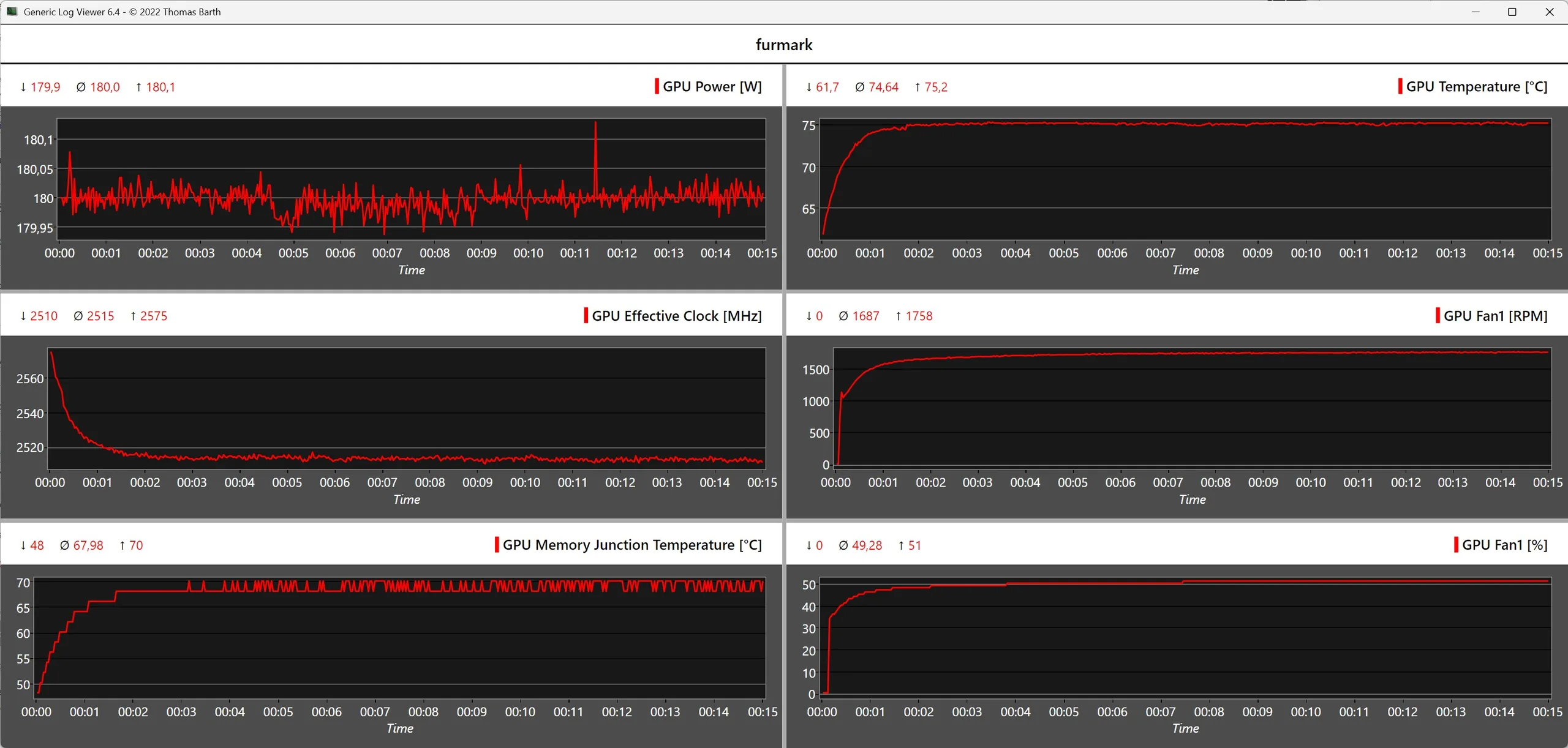
fps diagram - 30 min. Cyberpunk 2077 1,920 x 1,080 Ultra Preset (FSR off)
Energy management
The PNY GeForce RTX 5060 Ti OC impresses with its comparatively low power consumption and positions itself as an efficient mid-range graphics card. In the test, the power consumption was at a moderate level both in idle mode and under load, making the card interesting for systems with a limited energy budget. Compared to more powerful models in the RTX 50 series, the power consumption is significantly lower without having to sacrifice modern gaming features.
Power is supplied via a single 8-pin PCIe power connector, which ensures compatibility with existing power supplies and eliminates the need for adapter solutions. For stable operation, a power supply unit with sufficient power reserves is recommended, whereby models in the 600-watt class are easily sufficient.
| Power Consumption / FurMark 1.19 GPU Stress Test (external Monitor) | |
| Nvidia GeForce RTX 5090 Founders Edition, AMD Ryzen 7 9800X3D | |
| Palit GeForce RTX 4090 GameRock OC, AMD Ryzen 7 9800X3D | |
| XFX Speedster MERC 310 Radeon RX 7900 XTX, AMD Ryzen 7 9800X3D | |
| Asus TUF Gaming GeForce RTX 5080 OC, AMD Ryzen 7 9800X3D | |
| AMD Radeon RX 9070 XT, AMD Ryzen 7 9800X3D | |
| Nvidia GeForce RTX 3090 FE, AMD Ryzen 7 9800X3D | |
| KFA2 GeForce RTX 5070 Ti 1-Click OC, AMD Ryzen 7 9800X3D | |
| AMD Radeon RX 9070, AMD Ryzen 7 9800X3D | |
| KFA2 GeForce RTX 4070 EX Gamer, AMD Ryzen 7 9800X3D | |
| PNY GeForce RTX 5060 Ti 8G, AMD Ryzen 7 9800X3D | |
| ASUS TUF Gaming GeForce RTX 3060, AMD Ryzen 7 9800X3D | |
| Asus TUF Gaming GeForce RTX 5060 Ti OC, AMD Ryzen 7 9800X3D | |
| Zotac GeForce RTX 5060 AMP, AMD Ryzen 7 9800X3D | |
| ASUS Dual GeForce RTX 4060 EVO OC, AMD Ryzen 7 9800X3D | |
| Power Consumption / The Witcher 3 ultra (external Monitor) | |
| Nvidia GeForce RTX 5090 Founders Edition, AMD Ryzen 7 9800X3D | |
| XFX Speedster MERC 310 Radeon RX 7900 XTX, AMD Ryzen 7 9800X3D | |
| Palit GeForce RTX 4090 GameRock OC, AMD Ryzen 7 9800X3D | |
| AMD Radeon RX 9070 XT, AMD Ryzen 7 9800X3D | |
| Nvidia GeForce RTX 3090 FE, AMD Ryzen 7 9800X3D | |
| Asus TUF Gaming GeForce RTX 5080 OC, AMD Ryzen 7 9800X3D | |
| KFA2 GeForce RTX 5070 Ti 1-Click OC, AMD Ryzen 7 9800X3D | |
| AMD Radeon RX 9070, AMD Ryzen 7 9800X3D | |
| KFA2 GeForce RTX 4070 EX Gamer, AMD Ryzen 7 9800X3D | |
| ASUS TUF Gaming GeForce RTX 3060, AMD Ryzen 7 9800X3D | |
| Zotac GeForce RTX 5060 AMP, AMD Ryzen 7 9800X3D | |
| Asus TUF Gaming GeForce RTX 5060 Ti OC, AMD Ryzen 7 9800X3D | |
| ASUS Dual GeForce RTX 4060 EVO OC, AMD Ryzen 7 9800X3D | |
| Power Consumption / Cyberpunk 2077 FHD ultra no FSR (external Monitor) | |
| Nvidia GeForce RTX 5090 Founders Edition, AMD Ryzen 7 9800X3D | |
| Palit GeForce RTX 4090 GameRock OC, AMD Ryzen 7 9800X3D | |
| XFX Speedster MERC 310 Radeon RX 7900 XTX, AMD Ryzen 7 9800X3D | |
| AMD Radeon RX 9070 XT, AMD Ryzen 7 9800X3D | |
| Nvidia GeForce RTX 3090 FE, AMD Ryzen 7 9800X3D | |
| Asus TUF Gaming GeForce RTX 5080 OC, AMD Ryzen 7 9800X3D | |
| AMD Radeon RX 9070, AMD Ryzen 7 9800X3D | |
| KFA2 GeForce RTX 5070 Ti 1-Click OC, AMD Ryzen 7 9800X3D | |
| KFA2 GeForce RTX 4070 EX Gamer, AMD Ryzen 7 9800X3D | |
| PNY GeForce RTX 5060 Ti 8G, AMD Ryzen 7 9800X3D | |
| ASUS TUF Gaming GeForce RTX 3060, AMD Ryzen 7 9800X3D | |
| Zotac GeForce RTX 5060 AMP, AMD Ryzen 7 9800X3D | |
| Asus TUF Gaming GeForce RTX 5060 Ti OC, AMD Ryzen 7 9800X3D | |
| ASUS Dual GeForce RTX 4060 EVO OC, AMD Ryzen 7 9800X3D | |
| Power Consumption / Witcher 3 ultra Efficiency (external Monitor) | |
| AMD Radeon RX 9070, AMD Ryzen 7 9800X3D | |
| Asus TUF Gaming GeForce RTX 5080 OC, AMD Ryzen 7 9800X3D | |
| KFA2 GeForce RTX 5070 Ti 1-Click OC, AMD Ryzen 7 9800X3D | |
| Asus TUF Gaming GeForce RTX 5060 Ti OC, AMD Ryzen 7 9800X3D | |
| Palit GeForce RTX 4090 GameRock OC, AMD Ryzen 7 9800X3D | |
| Nvidia GeForce RTX 5090 Founders Edition, AMD Ryzen 7 9800X3D | |
| PNY GeForce RTX 5060 Ti 8G, AMD Ryzen 7 9800X3D | |
| XFX Speedster MERC 310 Radeon RX 7900 XTX, AMD Ryzen 7 9800X3D | |
| KFA2 GeForce RTX 4070 EX Gamer, AMD Ryzen 7 9800X3D | |
| AMD Radeon RX 9070 XT, AMD Ryzen 7 9800X3D | |
| Zotac GeForce RTX 5060 AMP, AMD Ryzen 7 9800X3D | |
| ASUS Dual GeForce RTX 4060 EVO OC, AMD Ryzen 7 9800X3D | |
| Nvidia GeForce RTX 3090 FE, AMD Ryzen 7 9800X3D | |
| ASUS TUF Gaming GeForce RTX 3060, AMD Ryzen 7 9800X3D | |
* ... smaller is better
energy consumption with external monitor
Notebookcheck rating
The PNY GeForce RTX 5060 Ti OC is a compact and efficient mid-range graphics card for Full HD and some WQHD gaming. With Blackwell architecture, DLSS 4, and Multi Frame Generation, it offers modern features but reaches its limits in high resolutions due to its limited memory.
Transparency
The selection of devices to be reviewed is made by our editorial team. The test sample was provided to the author as a loan by the manufacturer or retailer for the purpose of this review. The lender had no influence on this review, nor did the manufacturer receive a copy of this review before publication. There was no obligation to publish this review. As an independent media company, Notebookcheck is not subjected to the authority of manufacturers, retailers or publishers.
This is how Notebookcheck is testing
Every year, Notebookcheck independently reviews hundreds of laptops and smartphones using standardized procedures to ensure that all results are comparable. We have continuously developed our test methods for around 20 years and set industry standards in the process. In our test labs, high-quality measuring equipment is utilized by experienced technicians and editors. These tests involve a multi-stage validation process. Our complex rating system is based on hundreds of well-founded measurements and benchmarks, which maintains objectivity. Further information on our test methods can be found here.
 Add as a preferred source on Google


