




Nvidia says RTX 50 Series GPU shipments continue, while reportedly taking losses during memory shortage
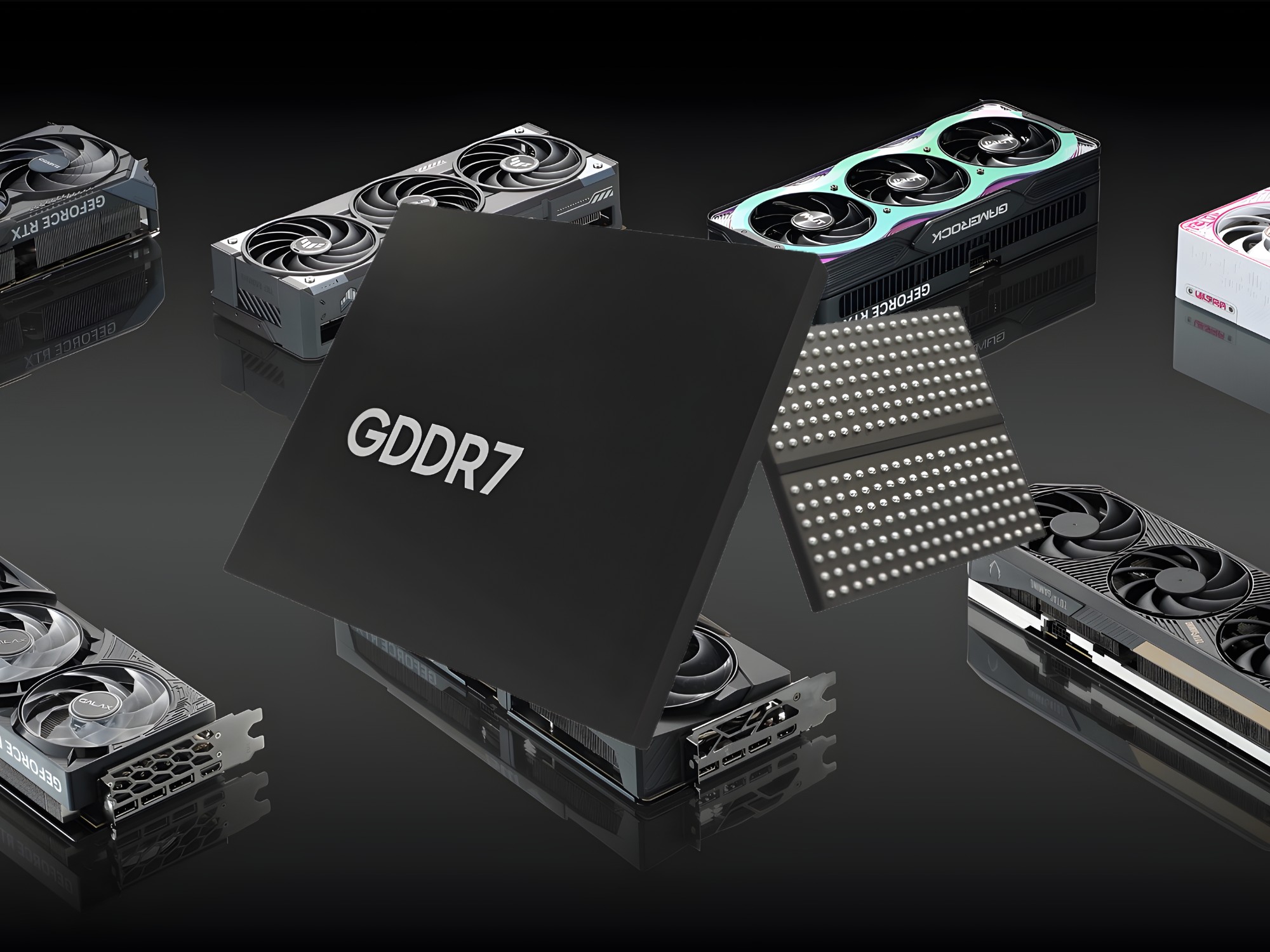
The memory shortage has triggered reports that several Nvidia graphics cards were being discontinued. Asus has since denied a rumor that the RTX 5060 Ti and RTX 5070 Ti had reached their end of life. Now, Nvidia itself is confirming that shipments of the Blackwell GPUs will continue. Wccftech has also learned that the company may be sacrificing profits to keep prices down.
The RTX 50 series appears alive and well
By communicating with various websites, Nvidia has tried to clear up the recent confusion. It told Hardware Unboxed and Wccftech that “Demand for GeForce RTX GPUs is strong, and memory supply is constrained.” However, it plans to “continue to ship all GeForce SKUs”, while helping “suppliers to maximize memory availability.”
Wccftech spoke to industry sources who describe how the GPU giant is handling the memory shortage. Buyers have seen graphics cards rise in price, with some blaming elevated GDDR7 costs. Yet, Team Green reportedly “held off passing through any memory cost increases longer than most companies. Not all of the memory costs increases are being passed through to partners and end users.”
NVIDIA has received criticism for becoming overly focused on enterprise AI solutions. Jensen Huang’s CES 2026 keynote is one example of this change in strategy. Still, the source believes it has worked to keep RTX 50 series prices from spiraling out of control.
Is Nvidia really prioritizing consumers?
It may be hard for gamers to accept that the company is losing profits as memory prices rise. The already expensive RTX 5090 regularly sells for more than $3000. That said, other indications suggest that Nvidia has prevented even more dramatic increases.
Previous rumblings hinted that the manufacturer had stopped sending Blackwell chips to its partners bundled with DRAM. The companies would instead have the burden of procuring their own GDDR7 VRAM. Wccftech reports that those claims have no merit. Also, a source says the added costs of producing graphics cards are not as severe as some insiders anticipated.
Despite the reassurances, many RTX 50 series GPUs remain low in stock and are becoming less affordable. In fact, the memory shortage is limiting the number of new options available. Even so, continued strong sales and high demand are other key factors, rather than memory prices alone.
Source(s)
 Add as a preferred source on Google


