




With memory shortage worsening, Lenovo executive tells buyers to act fast for lowest prices
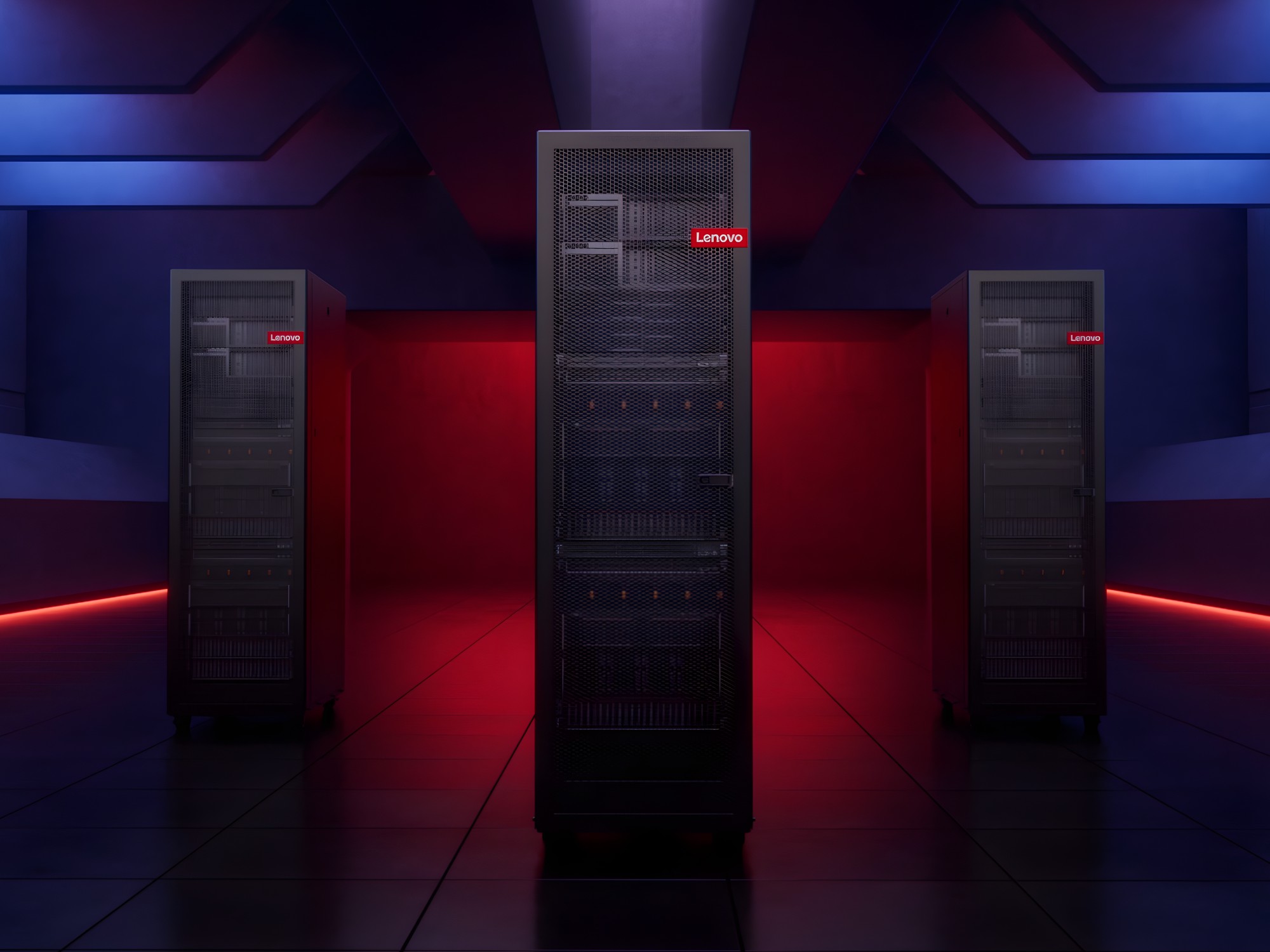
Despite rising memory prices, many laptop, desktop, and server manufacturers have been cautious not to alarm customers. However, Lenovo's North American President, Ryan McCurdy, provided a frank assessment of the crisis. He anticipates that component costs will continue to climb. Speaking with CRN, the executive stressed that partners should make purchases as soon as possible.
Lenovo's outlook on the memory shortage
McCurdy confirmed that the demand for AI server infrastructure shows no signs of fading. As a result, the company is advising customers to take action immediately. He told the tech news site that current pricing is at the lowest levels that will “exist for the next 6 to 12 months.”
Unfortunately, some buyers are finding that quoted prices don’t last even for 12 hours. A systems integrator revealed to CRN that stock levels are as much of a concern as costs. His company tried to secure a large quantity of GPU-accelerated servers from Dell, only to learn the products had sold out later that same day.
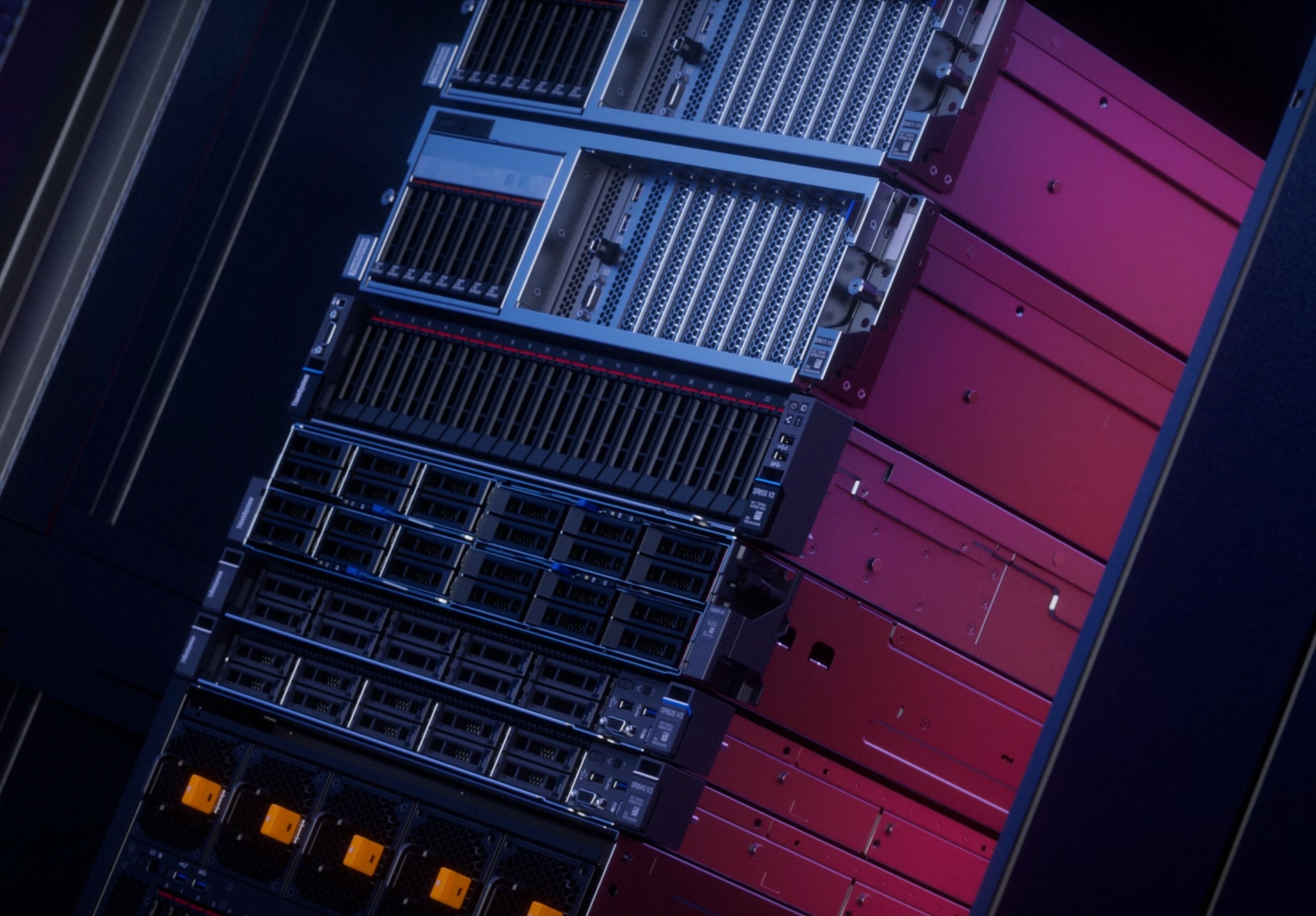
Other large customers, including organizations and schools, struggle to complete orders in time. While ideally transactions would be finalized immediately, the process can take several weeks. As a result, Lenovo partners are purchasing less equipment or settling for less desirable alternatives.
Why haven't all laptops been affected?
The memory shortage is also causing problems for smaller clients shopping for laptops or desktops. McCurdy is confident that agreements with suppliers put Lenovo in a “better position than most to navigate this environment”. Nevertheless, DRAM manufacturers like Samsung and SK Hynix are reluctant to agree to reasonable long-term contracts.
In many cases, notebooks manufactured by major companies aren’t more expensive than they were months ago. However, that’s likely to change as component stockpiles diminish. Buyers may encounter fewer discounts, while laptop deals expire sooner than expected.
Building a custom PC while staying within budget is often an even more challenging proposition. Eventually, prebuilt systems will reflect the higher memory prices and inflated costs for Nvidia GPUs or SSDs.
Source(s)
 Add as a preferred source on Google


