




Asus rep explains why memory shortage hasn't led to higher prices on all laptops and consoles
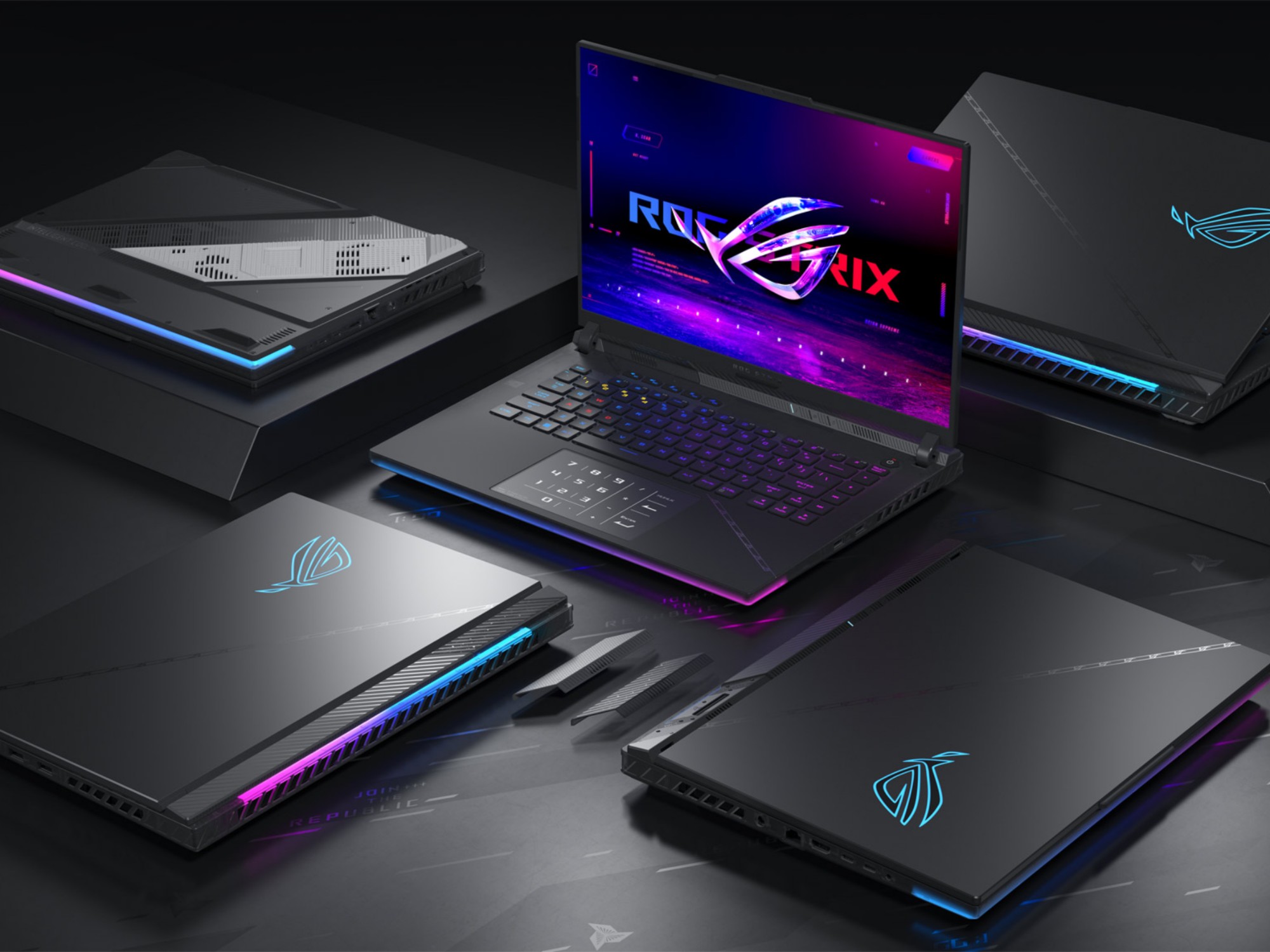
Even as panic over high memory prices intensifies, the shortage hasn’t yet affected all products that depend on the components. While some companies have made adjustments, many laptops cost roughly the same amount as they did months ago. The Asus Director of Technical Marketing spoke to Tom's Guide about when consumers will see the full impact of the crisis.
The worst is yet to come for buyers
Sascha Krohn explained that buyers will be surprised by “how long it takes for that shockwave to travel through the supply chain until it actually affects the price of devices that you see in Best Buy, Walmart, or Amazon.” He elaborates that “It takes a couple of months”, indicating that proactive shoppers can still avoid paying more for notebooks, smartphones, and even consoles.
Preparedness is the main reason hardware OEMs like Asus haven’t implemented widespread price hikes. The manufacturers often secure a steady supply of parts well in advance of when market conditions may change. Nevertheless, eventually reserves will dwindle, forcing companies to pass on the added expense to consumers.
Krohn expects the climbing memory prices to have a more gradual influence on the cost of laptops and other devices. In a separate Tom’s Guide article, he predicts that the shortage could ease by 2027. That timeline is slightly more optimistic than RAM makers like Micron have suggested. The Asus rep believes that the factories haven’t been operating at full capacity. Increasing production will benefit more than AI data centers.
Regardless of when DDR5 RAM becomes more affordable, not all sellers will respond in the same way. Krohn anticipates that once elevated laptop prices become the new normal, some OEMs will hesitate to revert to earlier levels. As a result, the budgets of gamers and workers may suffer beyond 2027.
Memory costs affect manufacturers in various ways
Smaller companies may not be as well-positioned as Asus to weather the memory shortage. Without the ability to absorb losses, Framework has already raised notebook prices.
Console gamers could also find gaming systems becoming more expensive at different times. There is speculation that Microsoft and Nintendo lack long-term agreements with Micron, Samsung, or SK Hynix. Meanwhile, Sony reportedly has a massive DRAM stockpile, which could prevent price hikes on the PS5.
 Add as a preferred source on Google


