




TV prices set to rise over memory and panel shortages as Samsung logs record profit
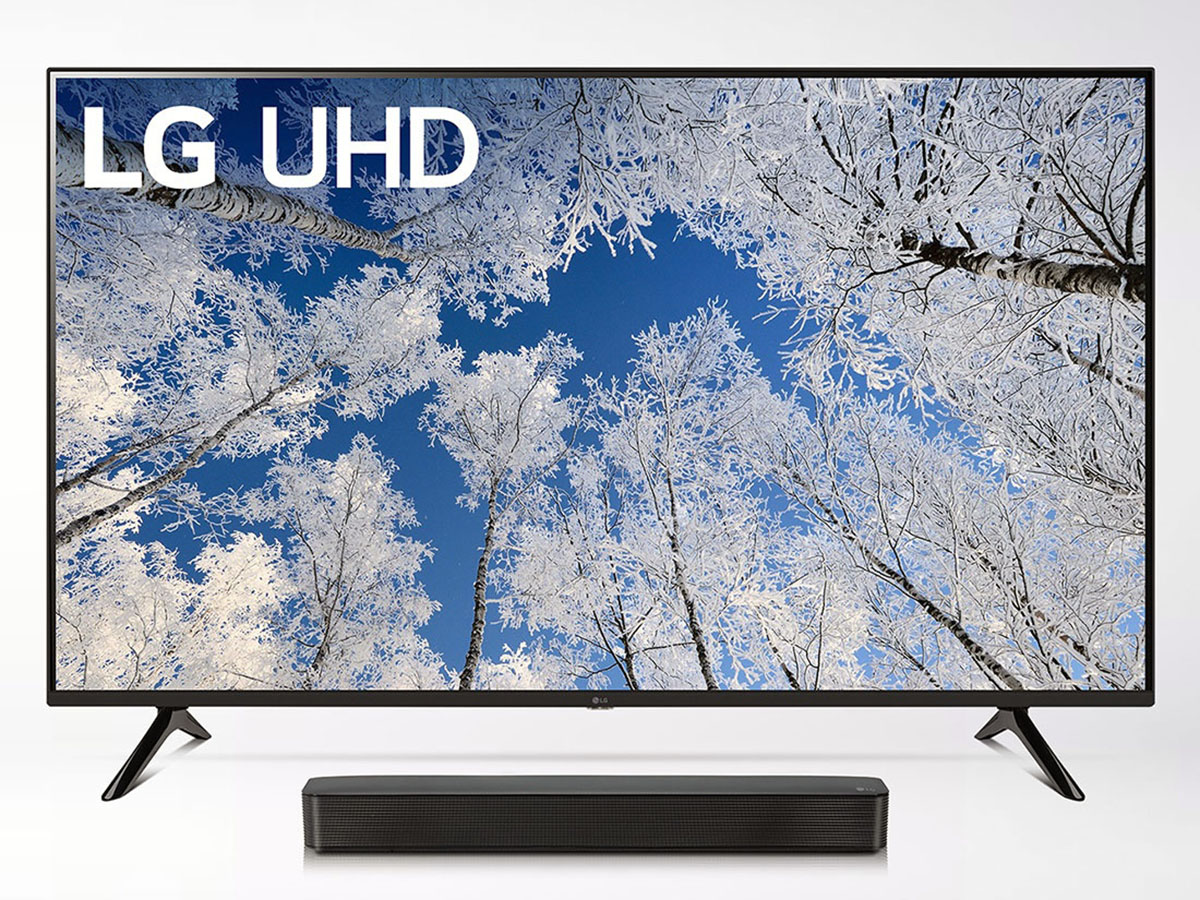
With Samsung and LG unveiling their 2026 OLED TV crop at the CES expo in Las Vegas, the price of their predecessors usually starts drifting down, reaching a nadir in the March-May period when the new models are actually released to retail channels.
Not only could this trend fail to materialize this year, but all TV prices, including Samsung or Chinese LCD TVs, are set to rise. While TV sets with OLED panels are all the rage with consumers in the premium segment, they are still rather expensive, so more than 95% of TV models sold worldwide still use an LCD screen. The 2025 favorite Samsung S90F 65-incher with QD-OLED display, for instance, still commands a $1,500 price tag despite being discounted on Amazon.
A double whammy of stocking up on expensive components like memory and displays to preempt their further price hikes by TV and phone makers alike, as well as idling the factories in China in this period of the year, will result in a price increase for big TV panels.
This component price bump would lead to a rise in the MSRP of retail LCD TV sets, too, especially in the more popular sizes, at least in the near future. According to supply chain analysts, the drop in TV panel supply will be twice as high as the decline in demand throughout the first quarter of the year.
After the inventory buildup, there might be a respite in the rise of electronics prices like what happened during the last memory crisis, though the AI demand surge indicates that this time might indeed be different.
Samsung just announced its Q4 earnings guidance, and for the first time it may have passed the 20 trillion won ($13.8 billion) profit mark in a single quarter, riding high on exorbitant memory prices for everything from laptops and phones to AI data centers.
 Add as a preferred source on Google


