




What’s driving the RAM crisis, OpenAI’s big memory deal, and the risk of PS6, Xbox, or Nvidia RTX 50 Super delays — former Micron and SanDisk engineer explains
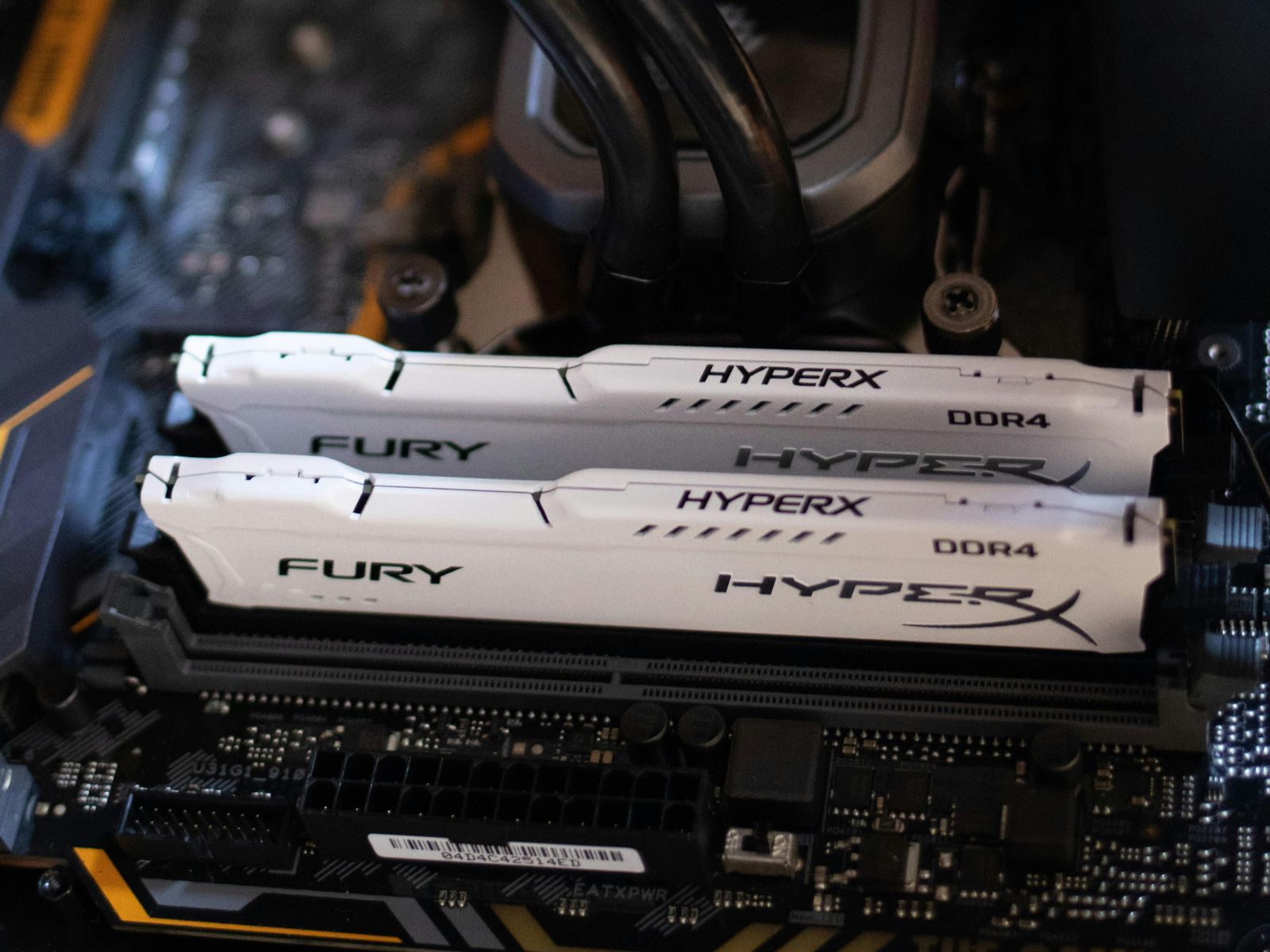
The latest episode of the Broken Silicon Podcast from the YouTube channel Moore’s Law Is Dead, hosted by Tom, recently featured a comprehensive breakdown of the ongoing RAM crisis. The special thing about this episode was the appearance of veteran memory industry executive Dave Eggleston, who has previously worked as a Product Engineer at SanDisk and a Director of Systems Engineering at Micron, a company that one can say is currently at the centre of the memory crisis.
Needless to say, Dave’s insights come at a time when the PC hardware market is scrambling to secure affordable RAM, and he reveals the inner workings of several key factors, including, but not limited to, how contracts between giants like OpenAI and DRAM companies typically work, what goes on inside memory-making companies, how long the current memory crisis may last, whether upcoming hardware such as the PS6 and next-generation Xbox will be affected, and what gamers should expect heading into 2026.
Who is responsible for the RAM crisis
Dave explains that for much of computing history, PCs, mobile devices, and data centres relied on the same broad generations of DRAM. Eventually, mobile devices shifted to LPDDR, and now data centres have grown so large that they rely on HBM (High Bandwidth Memory). HBM has become so critical for AI and GPUs that manufacturers like Micron, Samsung, and SK Hynix now prioritise it over DDR4 and DDR5. It’s far more profitable but consumes more wafer space and is harder to manufacture, which strains global supply and contributes to everyday RAM shortages.
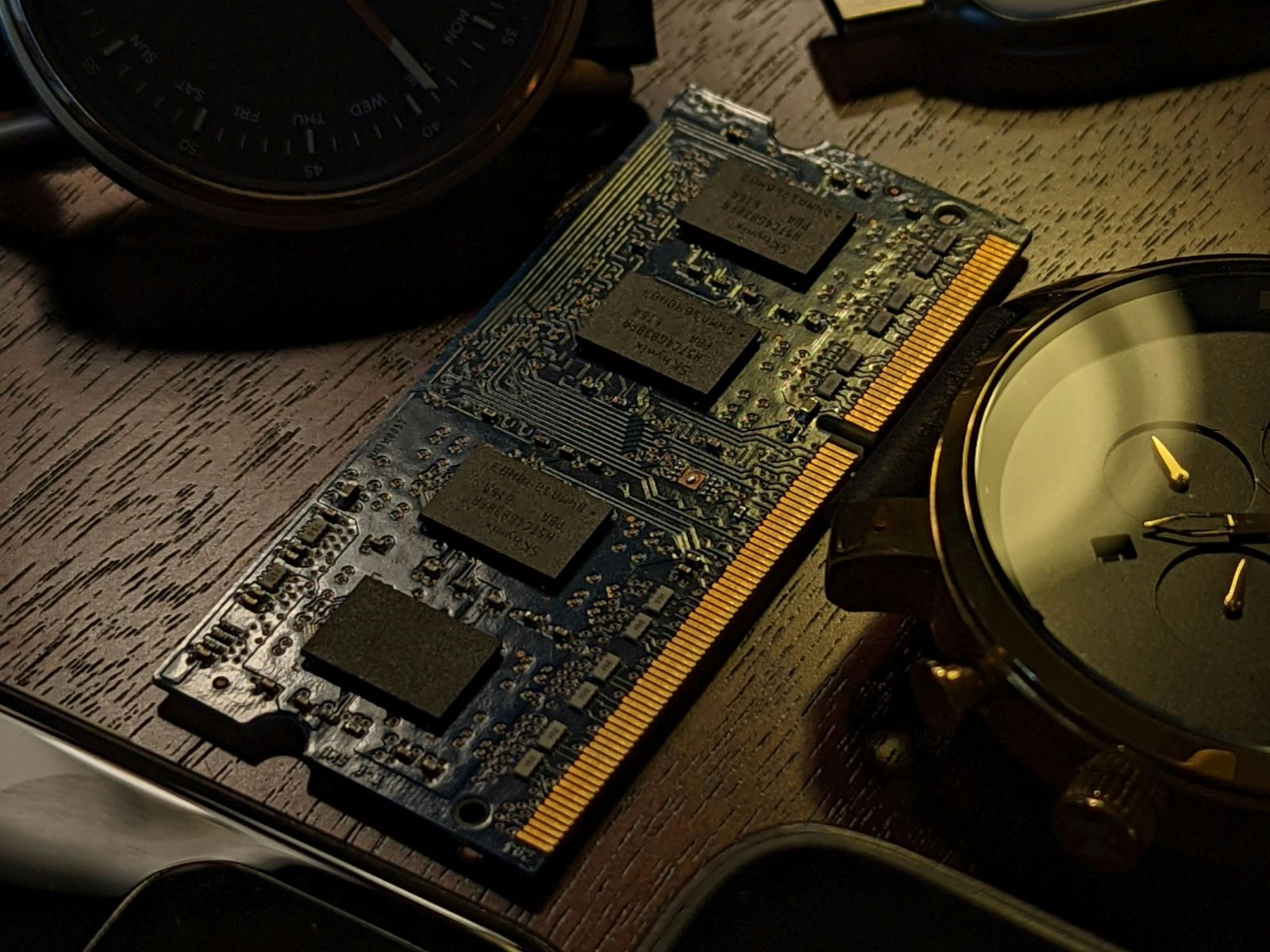
It is important to note that many frustrated gamers are blaming the wrong companies, as per Dave. The real issue is structural: major memory makers are allocating capacity to HBM because companies like Nvidia now demand enormous volumes for AI accelerators. Since HBM uses far more silicon and complex logic layers, every wafer devoted to HBM reduces the production of standard consumer RAM, tightening supply for PCs, consoles, and other hardware.
Is OpenAI actually taking 40% of the world’s high-end memory?
Dave also discusses the news about OpenAI securing massive RAM and HBM supply deals with Samsung and SK Hynix, and expresses deep skepticism about whether these deals are real, rigid, or meaningful. He largely dismisses reports that OpenAI somehow acquired 40% of the world’s HBM supply, questioning how Samsung and SK Hynix could sign such huge agreements without being aware of each other’s commitments. Dave adds that OpenAI is very good at PR and making announcements that sound impressive, but long-term agreements (“LTAs”) almost never hold up in the DRAM industry.
He explains that DRAM is a highly cyclical business, and historically nobody wants to be locked into multi-year contracts. Companies sign long-term deals only when desperate during shortages, then renegotiate or abandon them once the market softens. He compares this to Pat Gelsinger’s grand announcements about Intel building global fabs; press releases are easy, but the actual follow-through often never materialises. Therefore, he sees OpenAI’s “40% of global supply” claims as mostly panic-driven PR rather than binding, enforceable deals.
When Tom suggests the whole situation is mostly panic, Dave agrees, saying that long-term DRAM deals rarely hold as announced and that memory manufacturers will always find ways to redirect supply if conditions or profitability shift.

They also discuss a crucial detail: OpenAI didn’t buy finished HBM modules, they bought wafers, which can be stored in nitrogen-purged “wafer banks.” This is standard practice in semiconductor logistics and gives OpenAI flexibility to decide later how the wafers should be packaged, to contract another company to turn them into HBM modules, or even to resell the wafers if the AI bubble cools and they find themselves with more than they need.
Tom asks whether OpenAI could use its hoarded HBM wafers as leverage against Nvidia. Dave dismisses the idea, explaining that Samsung and SK Hynix would never let a customer use their supply to pressure Nvidia, a key partner with whom they have close engineering and executive ties. If OpenAI tried, the memory makers would quickly renegotiate or cut off deliveries.
Which component will run short next, and will the PS6 be delayed?
Dave explains that RAM lead times always stretch during a shortage, but the extreme figures being quoted — 13 to 24 months — aren’t entirely real. Normally, DRAM lead times are 3–6 months, and even in a crunch they may only double or triple. When suppliers quote something like 52 weeks, it’s often just a polite way of saying they can’t prioritise a smaller customer. So when retailers hear year-long timelines, it reflects both uncertainty and suppliers protecting themselves. The bigger issue, Dave says, is panic ordering: companies place multiple orders, hoard whatever arrives, then cancel the rest. This wipes out visibility for DRAM makers, and because the market reacts sharply to even small supply shifts, these behaviours quickly amplify the shortage.
So Will the PS6 or Next-Gen Xbox Be Delayed? Probably not. Tom mentions that internal planning documents show PS6 manufacturing scheduled for mid-2027, and Dave agrees that nobody can meaningfully predict shortages that far ahead. Any dates you hear for consoles, GPUs, or major future hardware are essentially placeholders. The market doesn’t have real visibility beyond a few quarters.

Dave’s take is that even though the RAM crunch will be painful through 2025, major consumer hardware shipping in 2027 likely won’t be affected, especially because Sony and Microsoft will secure supply long before production ramps.
Tom also points out that Nvidia’s partner guidance for the upcoming RTX 5000 Super series GPUs has slipped repeatedly, moving from late 2024 to early 2025 and now to a tentative Q3 2026 window. Dave explains that this isn’t evidence of a confirmed delay but simply another example of placeholder timelines. Nvidia may indeed be adjusting schedules, but none of these dates reflect guaranteed RAM shortages years in advance.
Will RAM supply improve in time?
Very likely, according to Dave. He says that between 2026 and 2030, Samsung, Micron, and SK Hynix are building 8–10 major DRAM fabs, and unlike the hypothetical “announcement fabs” seen elsewhere, these projects are real. The ramp will still be slow because fabs take years to reach volume, equipment from ASML, Tokyo Electron, and Applied Materials is constrained, and DRAM scaling has slowed from 30% per year to about 10%.
He emphasises that real relief will come with the shift to 3D DRAM, which increases density by going vertical, much like NAND did. It won’t boost bandwidth immediately, but it will push cheaper high-capacity RAM into laptops and budget hardware, freeing 2D DRAM for higher-performance use-cases. Dave expects that once new fabs and 3D DRAM come online, the shortage will ease well before mid-2027.
Source(s)
 Add as a preferred source on Google


