




Update | Samsung to halt SATA SSD production, leaker warns of up to 18 months of SSD price pressure, worse than Micron ending consumer RAM
December 15, 2025 11:52 AM GMT update
Samsung representatives reached out to certain tech news outlets, claiming the brand's SATA-interface SSDs are alive and well.
Original article continues as follows:
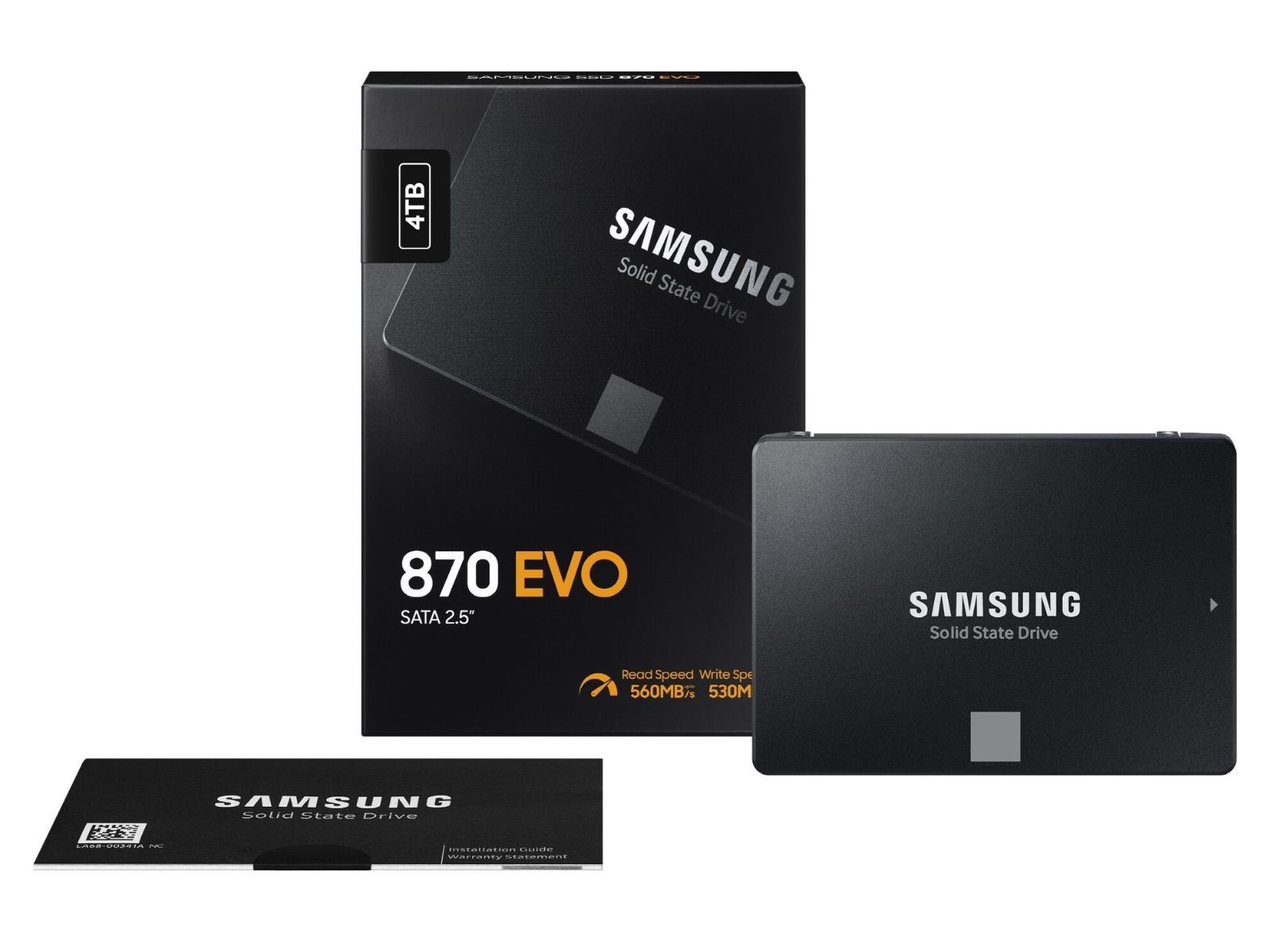
Samsung is reportedly preparing to wind down its SATA SSD business, and according to a well-known hardware leaker, the move could have far more serious consequences for consumer pricing than Micron’s decision to end its Crucial-branded consumer RAM lineup. The claim comes from Tom, host of the Moore’s Law Is Dead YouTube channel, who says multiple sources across distribution and retail have independently confirmed Samsung’s long-term exit from SATA SSD production. The leak comes after another report detailed that Samsung has raised DDR5 memory prices by up to 60%.
Despite declining interest among enthusiasts, SATA SSDs continue to feature prominently in retail sales, accounting for a noticeable share of top-selling SSDs on major platforms such as Amazon, particularly in the budget and upgrade segments. Tom argues that removing a major supplier like Samsung from this segment could tighten supply and push up SSD prices across the board, at least in the short to medium term.
Why Samsung exiting SATA SSDs could raise SSD prices overall
According to Tom, the key issue is not whether SATA SSDs are technologically outdated, but how much supply they still represent. He points out that roughly 20% of Amazon’s top SSD bestsellers are still SATA-based, with Samsung drives making up a notable portion of that list. Pulling that volume out of the market, even gradually, reduces overall SSD availability, which in turn puts upward pressure on pricing for both SATA and NVMe drives.

It also aligns with a recent prediction by memory industry veteran Dave Eggleston, who told Tom on a recent podcast, while answering a question from the audience, that NAND SSDs could be the next PC component to see price increases.
Tom also stresses that Samsung’s move is fundamentally different from a brand reshuffle. His sources claim Samsung plans to end SATA SSD production entirely after fulfilling existing contracts, rather than continuing to supply the same NAND through other consumer-facing labels. That creates a genuine supply reduction, not just a change in branding. On top of that, the prospect of SATA becoming harder to source could trigger panic buying among system builders and businesses that still rely on the interface, further amplifying short-term price increases, Tom explains.
Why this is worse than Micron ending Crucial consumer RAM
Tom contrasts the Samsung situation with Micron’s decision to scale back the Crucial consumer RAM brand, which he describes as largely symbolic in terms of market impact. Micron, like Samsung and SK Hynix, already supplies memory chips directly to third-party brands such as G.Skill and ADATA. Even without Crucial-branded kits, Micron DRAM continues to reach consumers through other manufacturers, meaning overall supply remains largely unchanged.
By comparison, Samsung exiting SATA SSDs removes an entire class of finished consumer products from one of the world’s largest NAND suppliers. Tom argues that this is why the Samsung move is “worse” for consumers: it directly affects how many drives are available, not just who sells them.
Looking further ahead, Tom says industry forecasts suggest pricing pressure will ease again once manufacturers pivot back towards consumer hardware, likely around 2027, driven by local AI workloads and next-generation consoles that require fast SSDs and large amounts of RAM. However, he cautions that while SSD prices may eventually come down, the era of cheap SATA SSDs is unlikely to return, particularly from Samsung.
Source(s)
 Add as a preferred source on Google


