




MSI to raise gaming laptop and GPU prices by as much as 30%, with memory shortage ongoing
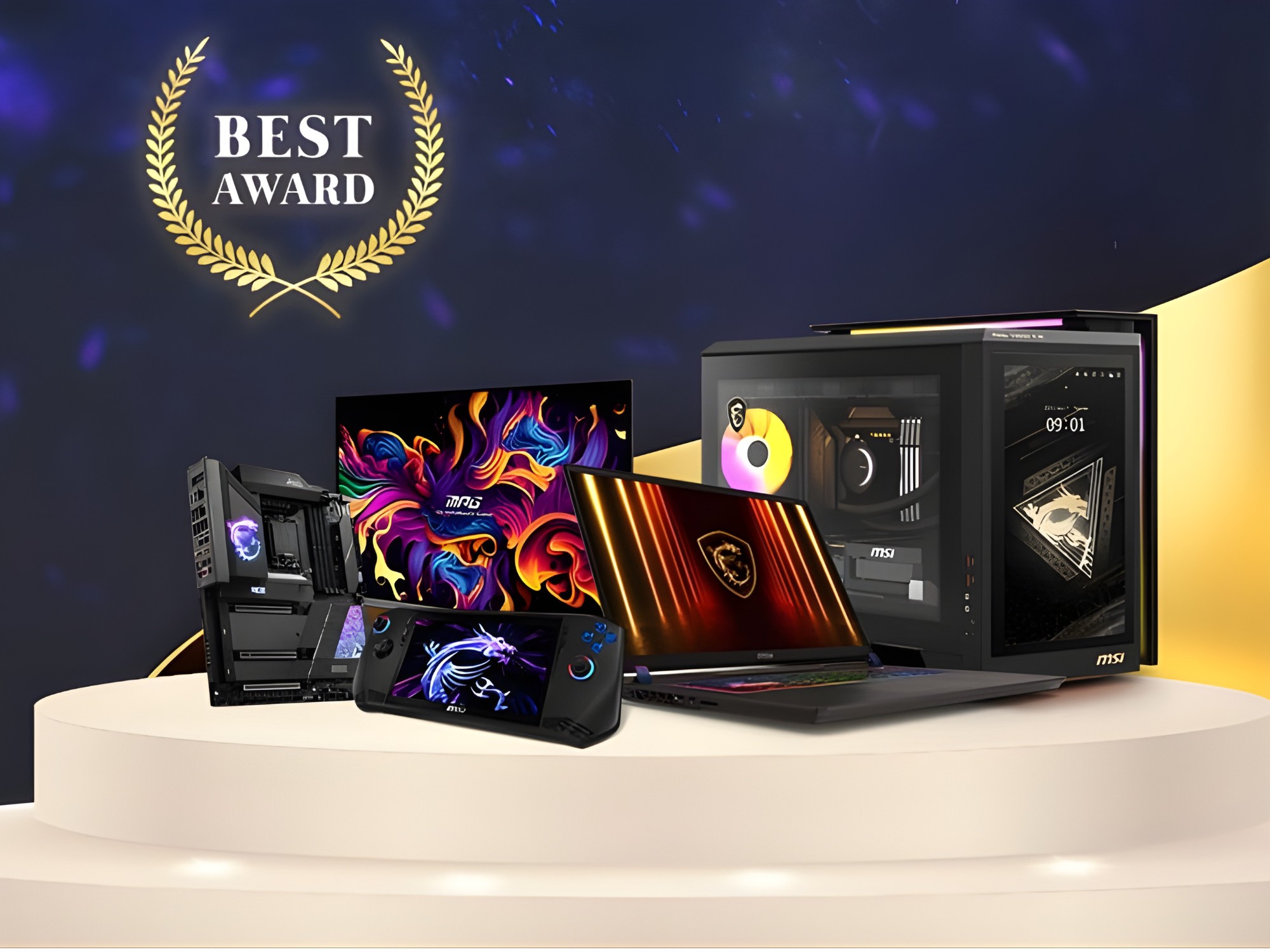
Building or buying a PC has already become unaffordable for many gamers. Unfortunately, the Taiwanese Economic Daily News has reported more bad news from another manufacturer. In response to the memory shortage, MSI plans to raise gaming laptop and GPU prices by 15-30%. The company will prioritize higher-end products and boost AI server production.
Widespread MSI price increases
General Manager Huang Jinqing updated investors during a recent briefing. The high memory prices may also affect prebuilt gaming desktops and handhelds. Jinqing acknowledged the impact of the component scarcity, forecasting that the PC market could shrink by 10-20% in 2026.
The Taiwanese news site revealed that MSI has only “1-2 months of secure memory inventory.” DRAM suppliers like Samsung and SK Hynix are reluctant to make longer-term commitments. Despite these challenges, the company believes it can offset costs by hiking gaming laptop and GPU prices.
This strategy is most obvious in how it's approaching the graphics card market. As Nvidia accommodates the AI data center surge, it’s shipping a smaller quantity of chips to partners. MSI expects to sell fewer Blackwell cards but will focus on the more lucrative premium SKUs.
Are lower-end GPUs in danger?
Buyers have been horrified as RTX 5070, 5080, and 5090 options appear at record-high prices. These models could become even more expensive to realize increased profit margins. The widely available RTX 5050 may even be in danger since it’s not a major money-maker.
The company also aims to turn back the clock and release more DDR4-compatible motherboards. While older modules have suffered during the memory shortage, they remain cheaper than DDR5 RAM. Gamers may have to accept lower performance in modern gaming laptops and desktops.
MSI has catered to budget gamers with its MAG monitors and motherboards. However, it’s now targeting enthusiasts and enterprise customers to capitalize on the AI server boom. Even as the gaming PC industry contracts, it anticipates an annual growth target of 50-100% over the next 3-5 years.
 Add as a preferred source on Google


