




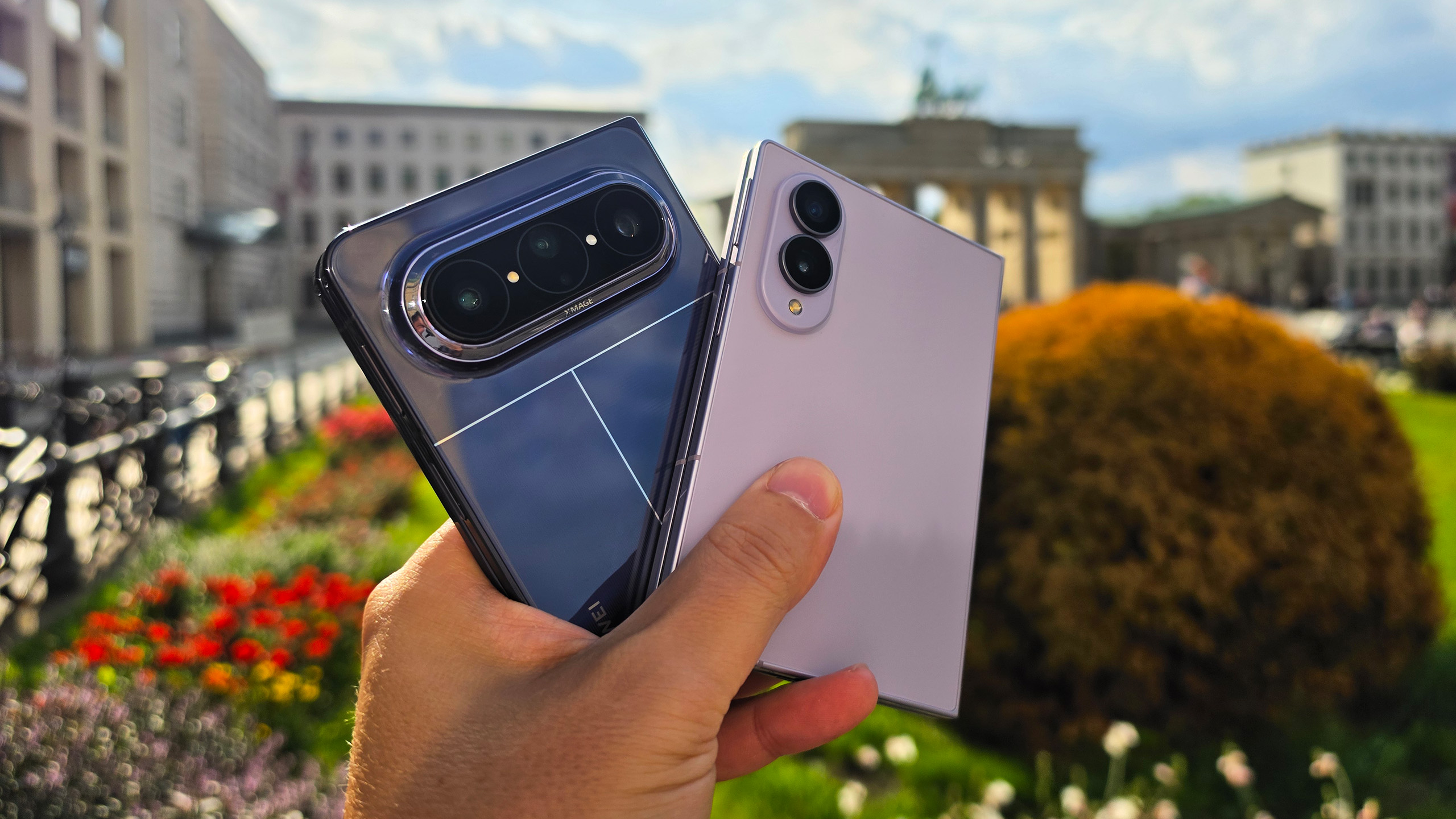
When it comes to the camera system, the Samsung Galaxy Z Fold8 and the Huawei Pura X Max take two distinctly different approaches. Samsung equips the Fold8 with a 50-MPix main camera with an f/1.8 aperture and optical image stabilization, a 50-MPix ultra-wide-angle camera with an f/1.9 aperture, and two 10-MPix front-facing cameras. However, it lacks a telephoto lens. Huawei takes a much more uncompromising approach with the Pura X Max, incorporating a 50-MPix main camera with a variable aperture ranging from f/1.4 to f/4.0 and OIS, along with a 12.5-MPix ultra-wide-angle camera and a 50-MPix periscope telephoto lens with 3.5x optical zoom and OIS. The system is complemented by an additional Red Maple color sensor.
On paper, this gives the Huawei the more versatile camera system. The true telephoto lens, in particular, is a clear advantage for portraits and distant subjects, while the main camera’s variable aperture promises more flexible control over light intake and depth of field. The RYYB sensors are also designed for high light sensitivity. Samsung, on the other hand, has a significantly higher-resolution ultra-wide-angle lens and more robust video capabilities. The Fold8 records up to 8K at 30 frames per second with its main camera and offers extensive pro video options.
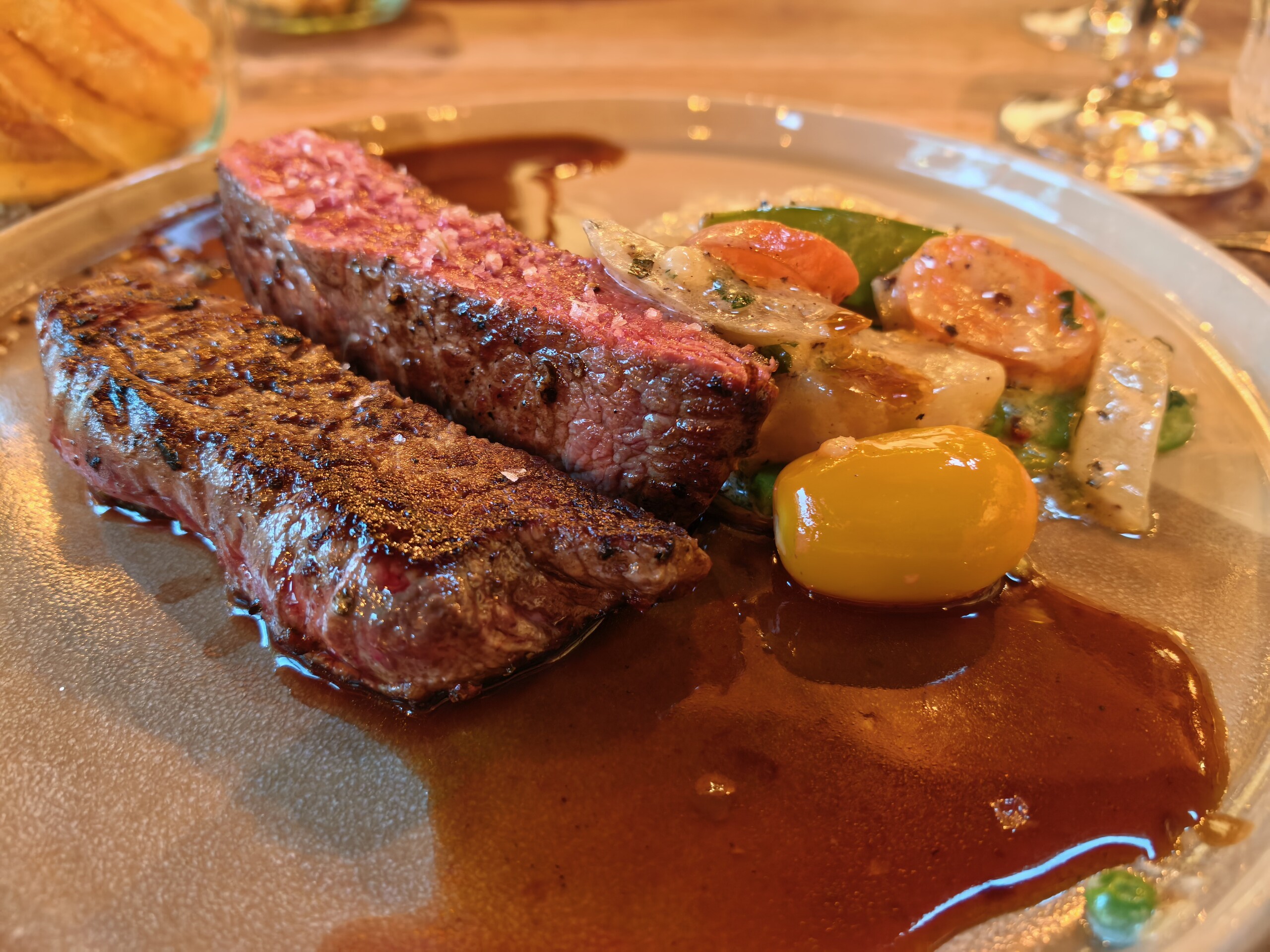
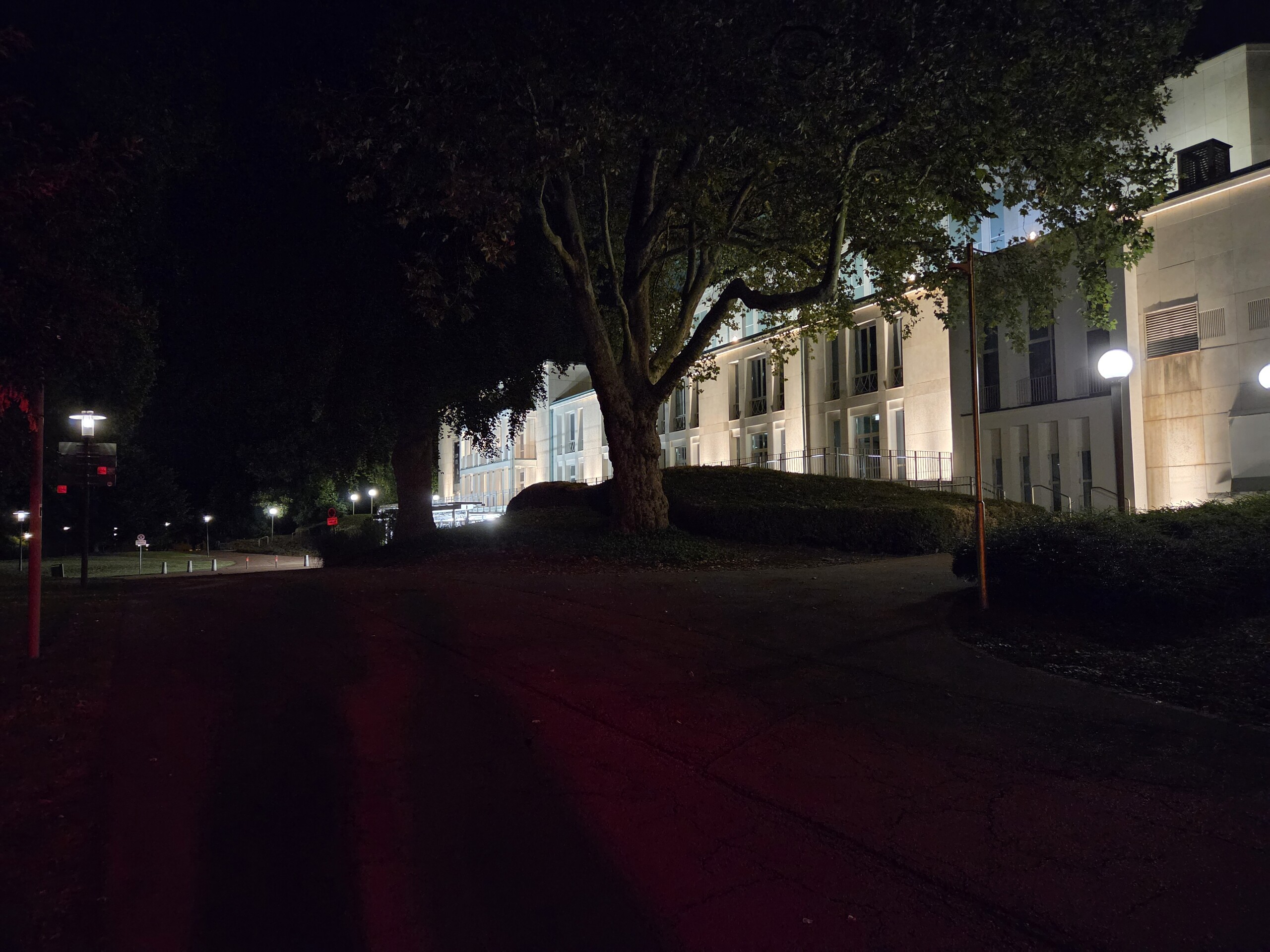
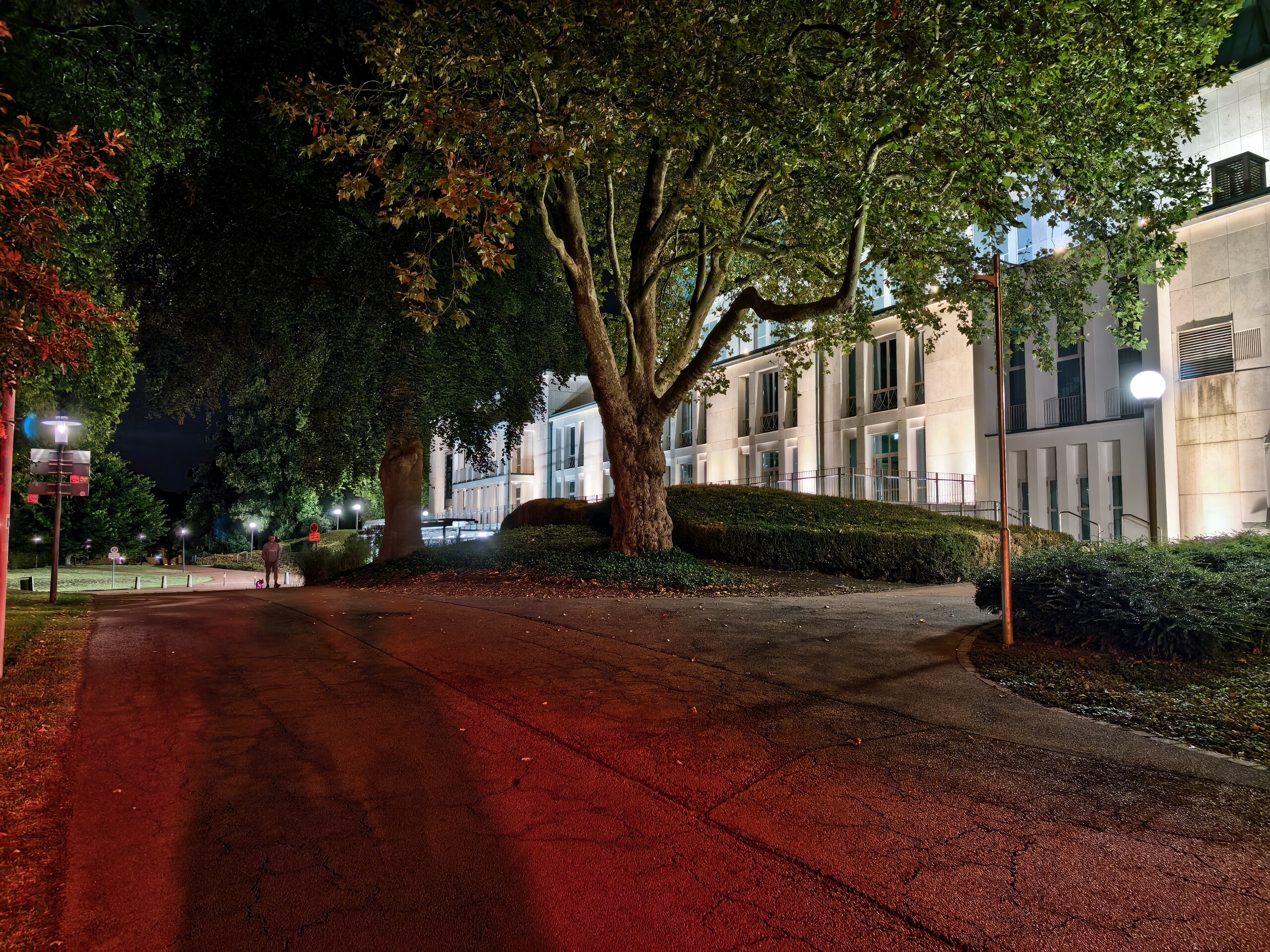
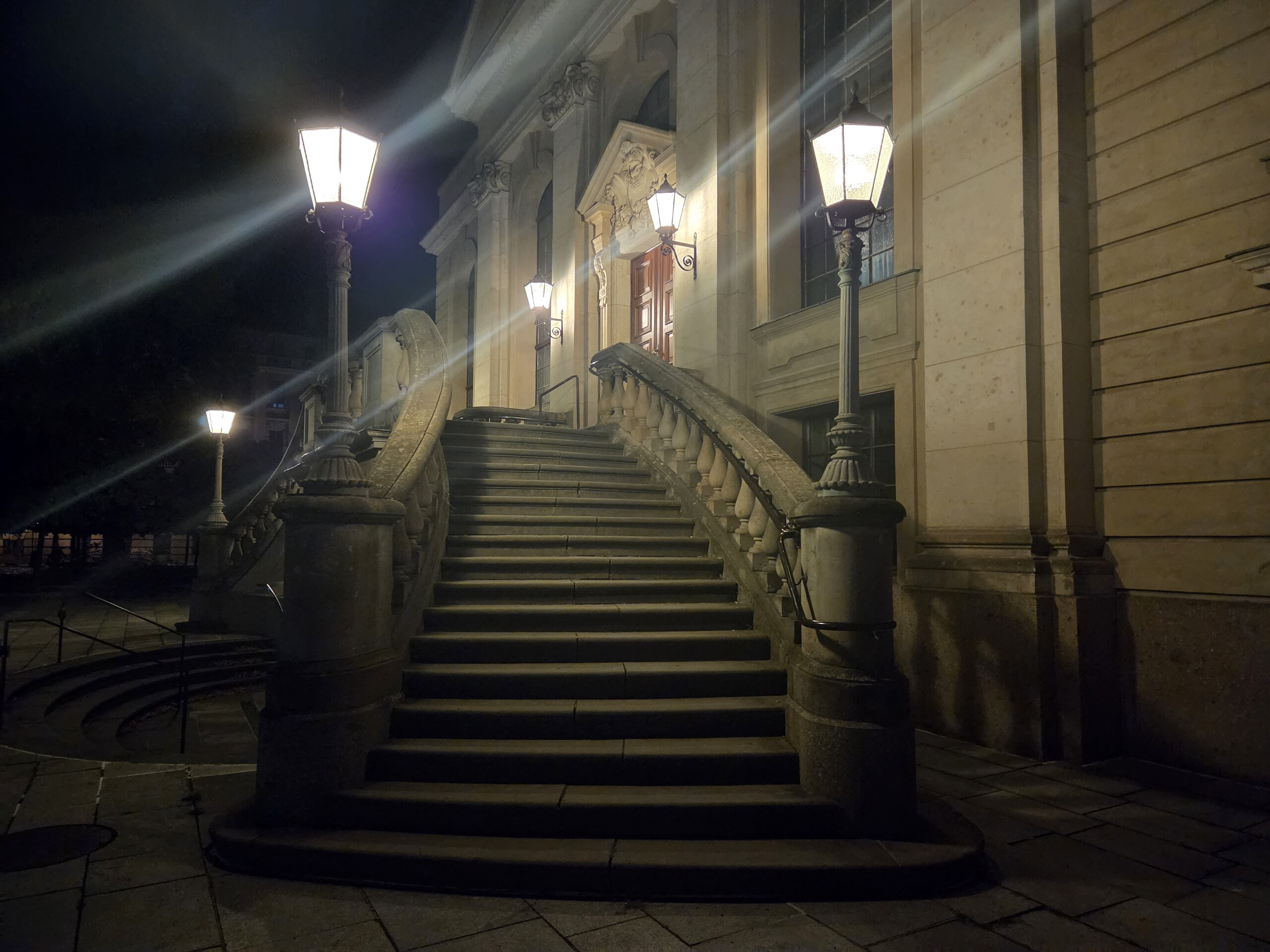
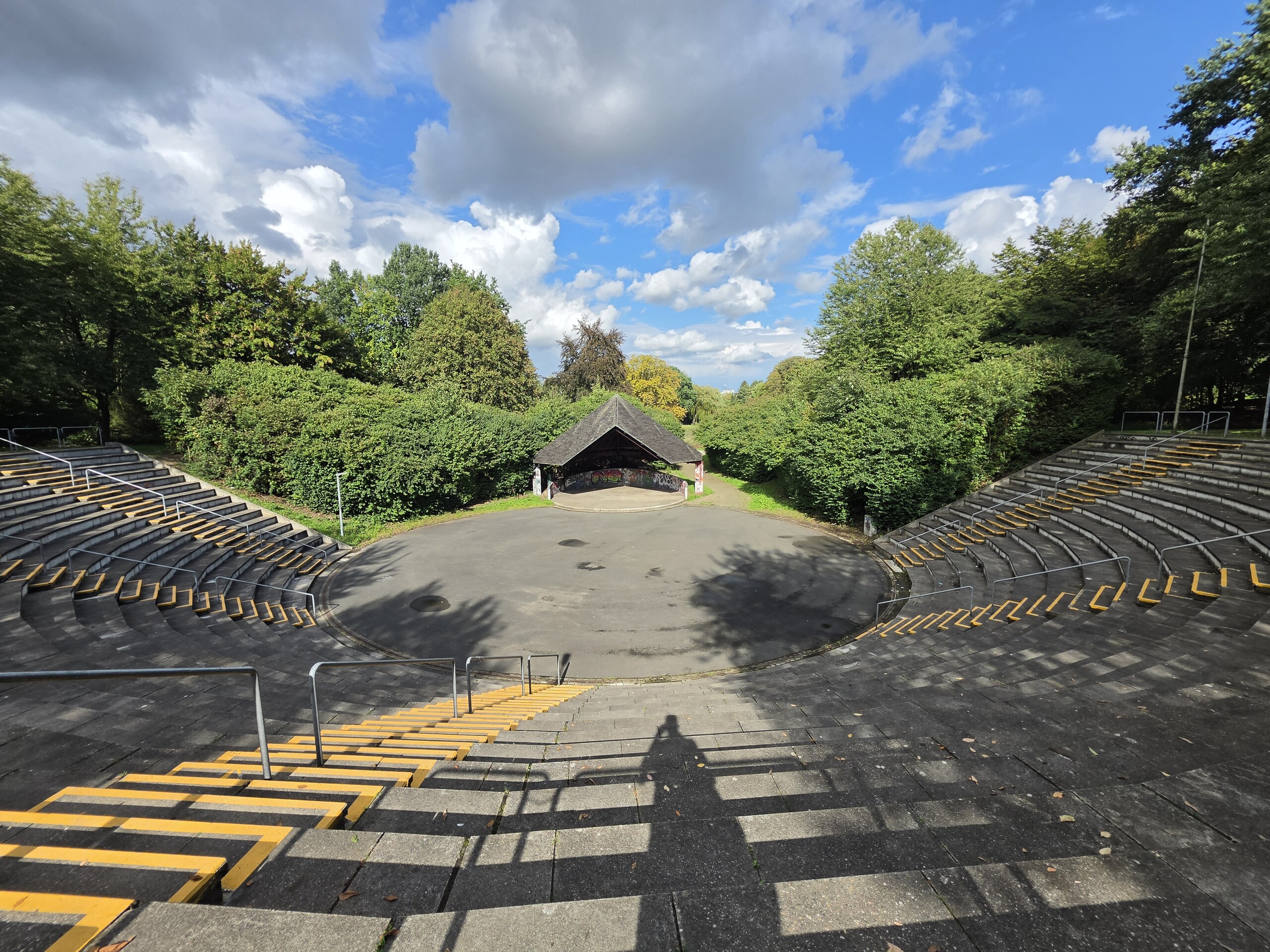
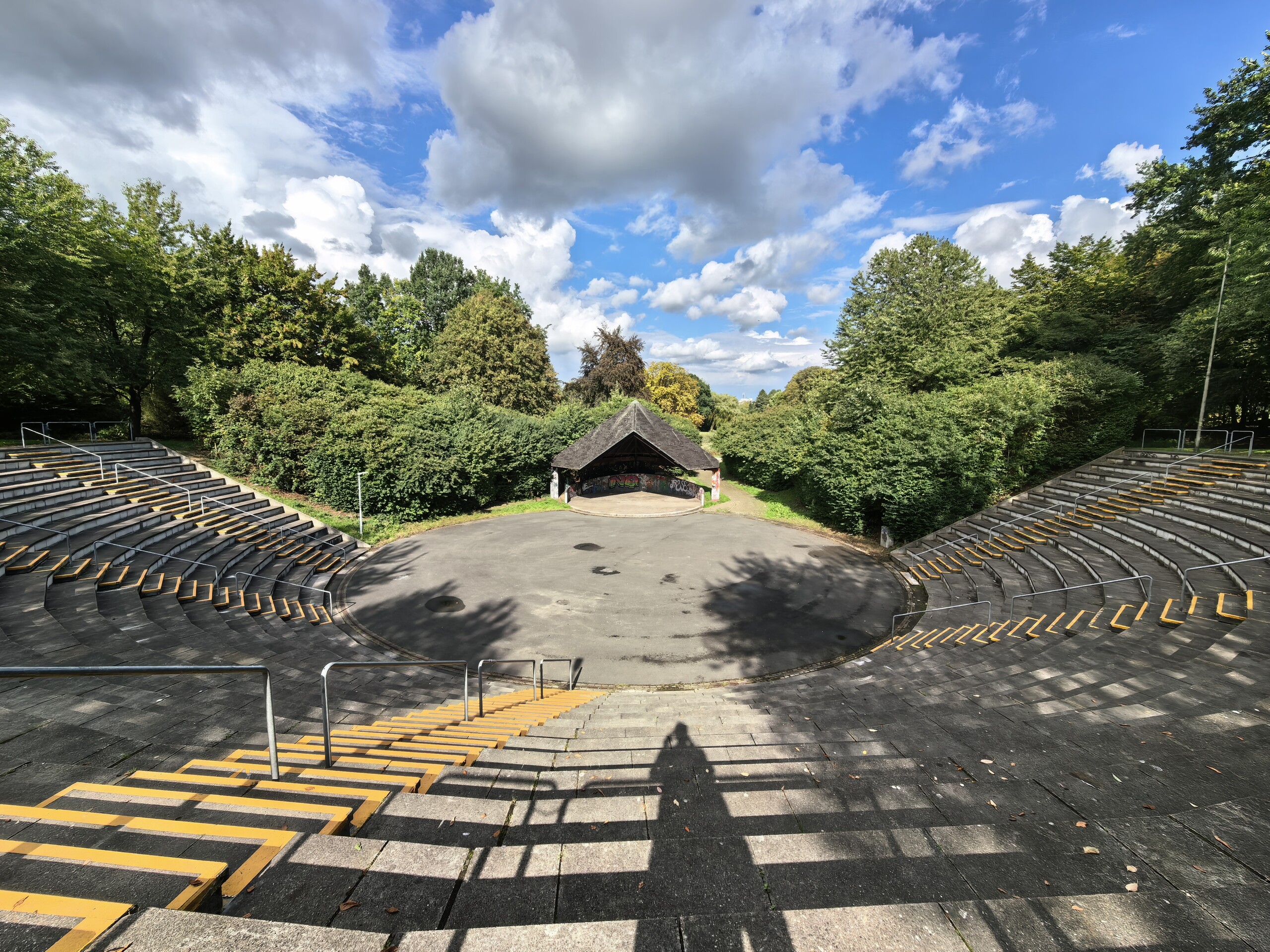
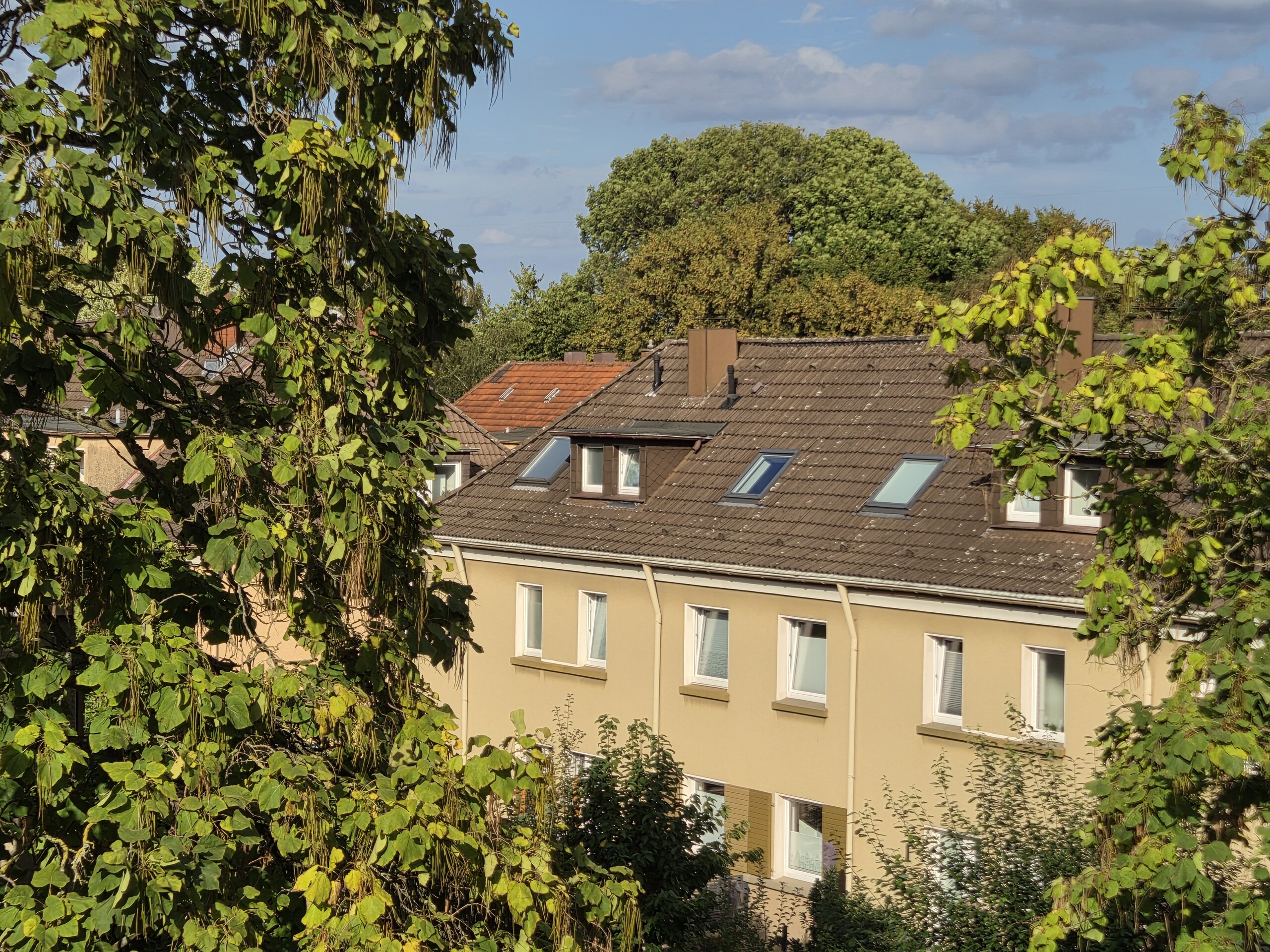
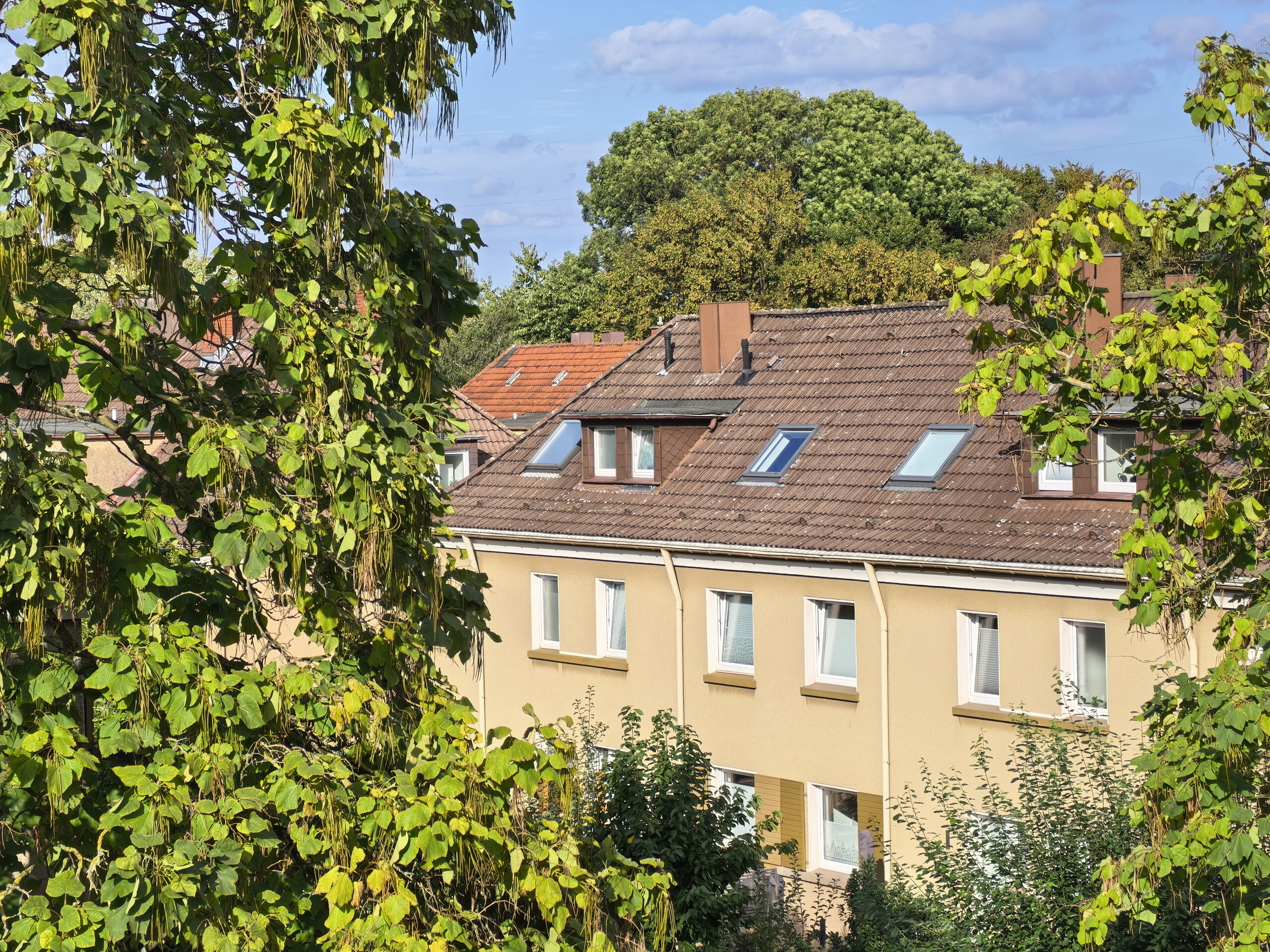
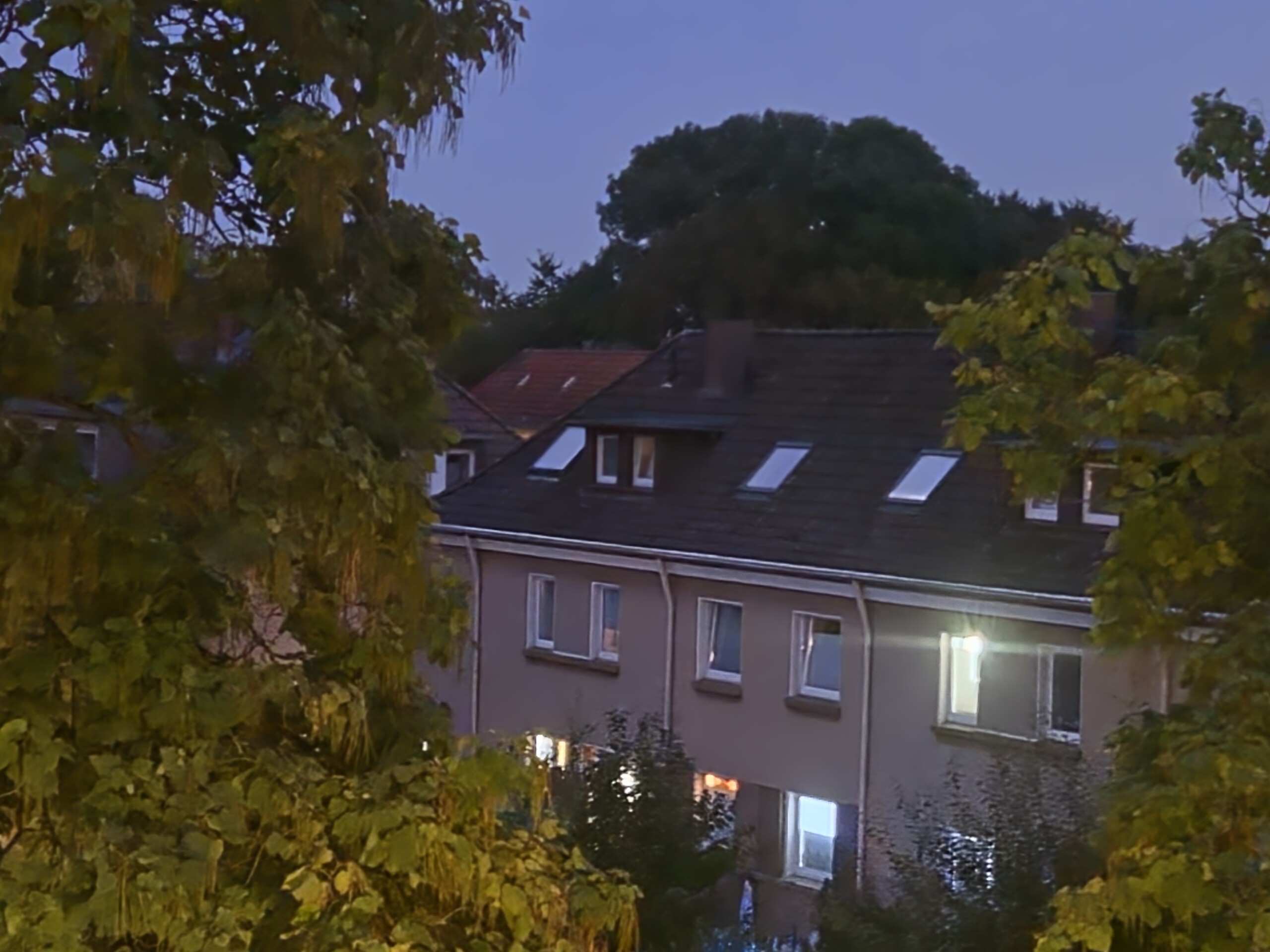
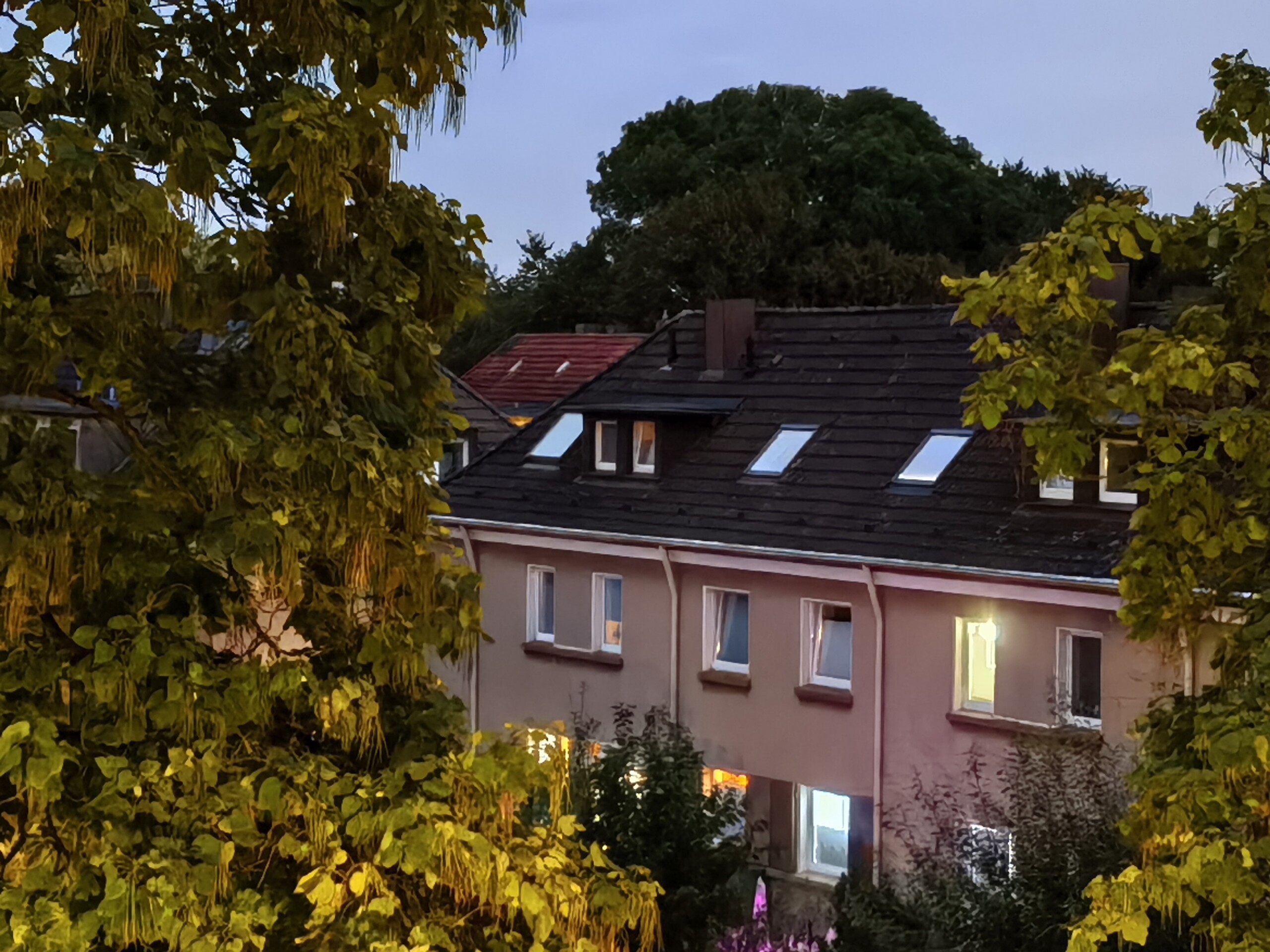
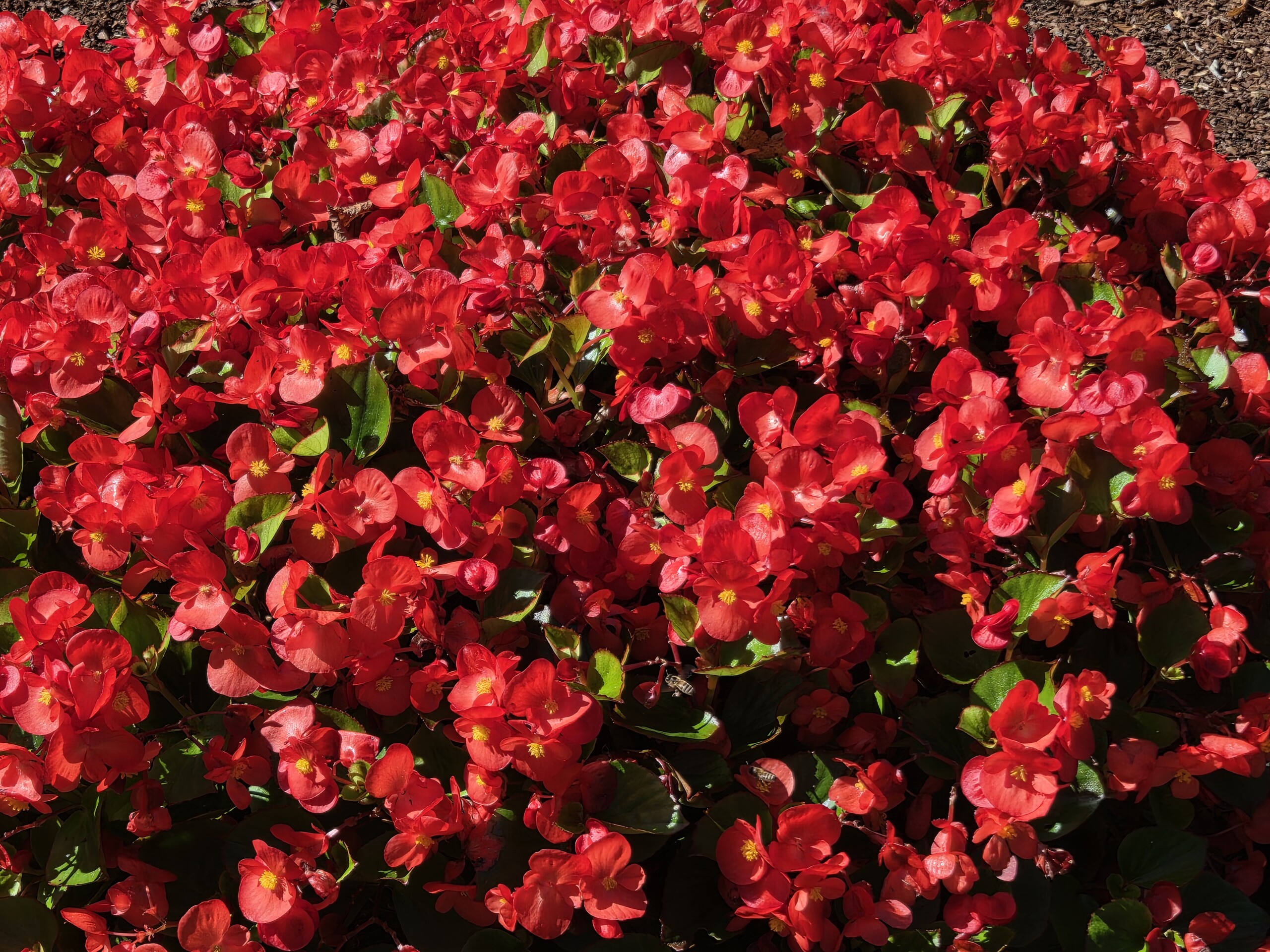
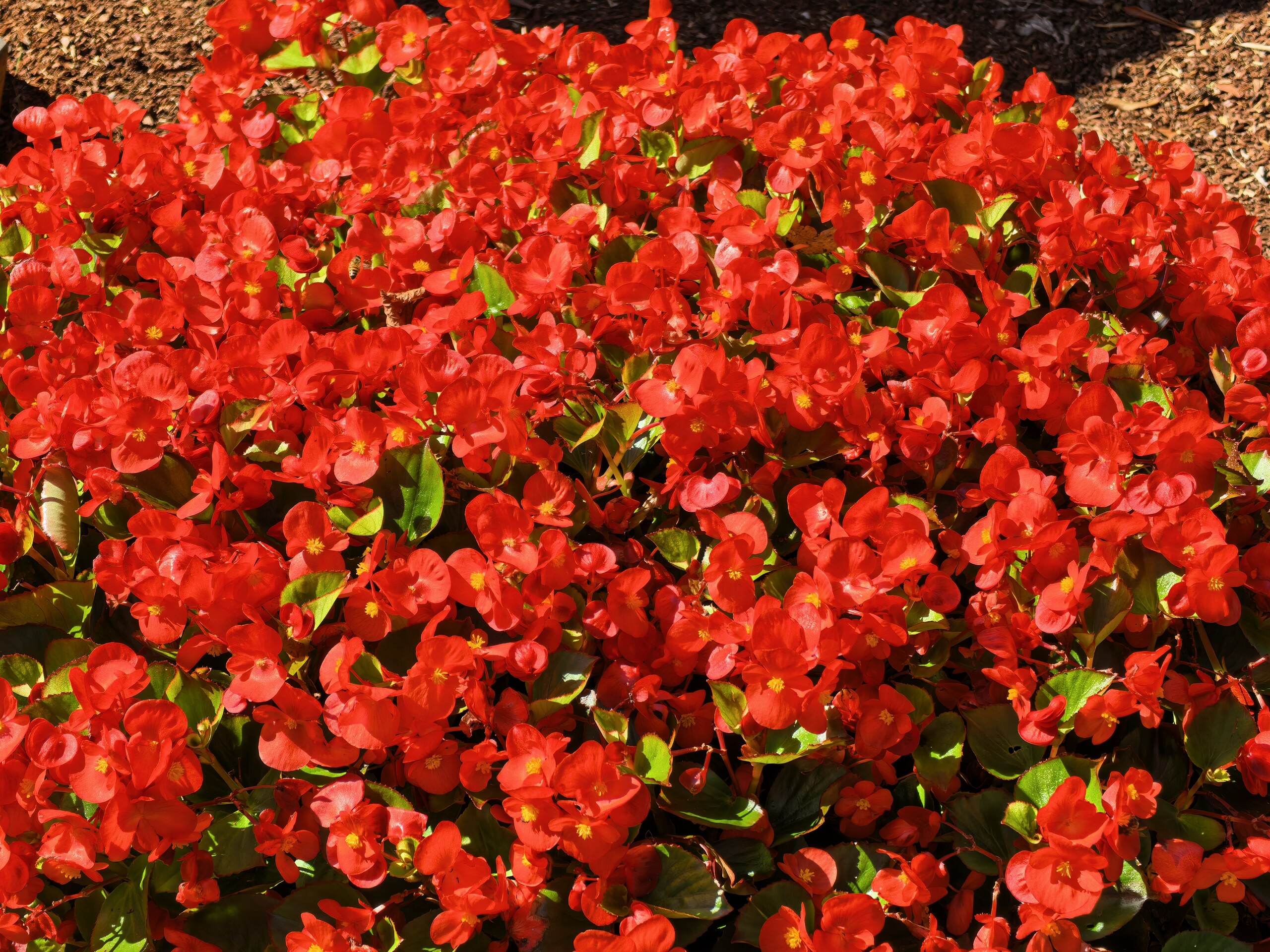
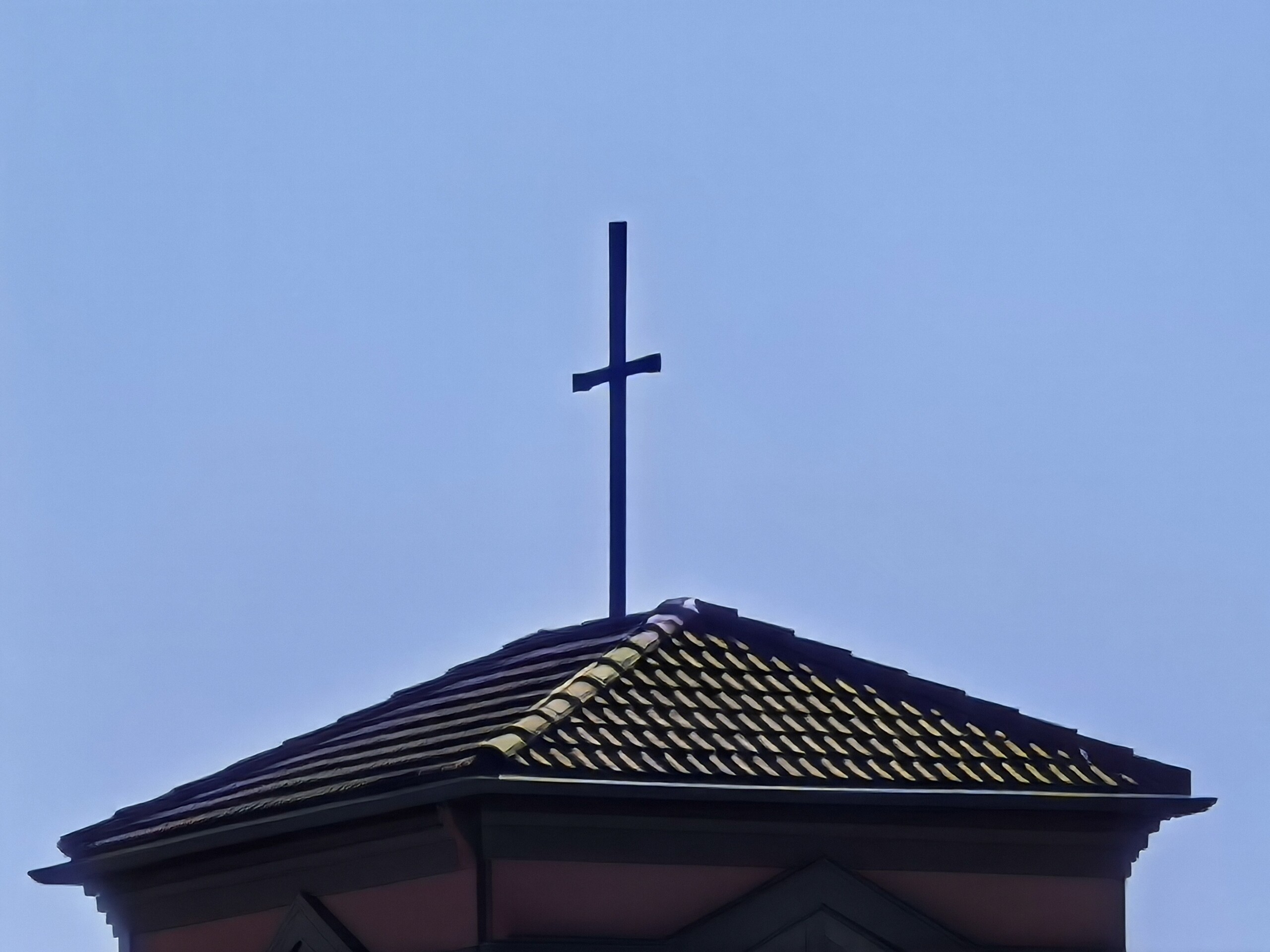
We took a few comparison photos with both smartphones.
Main sensor – Color calibration makes the difference
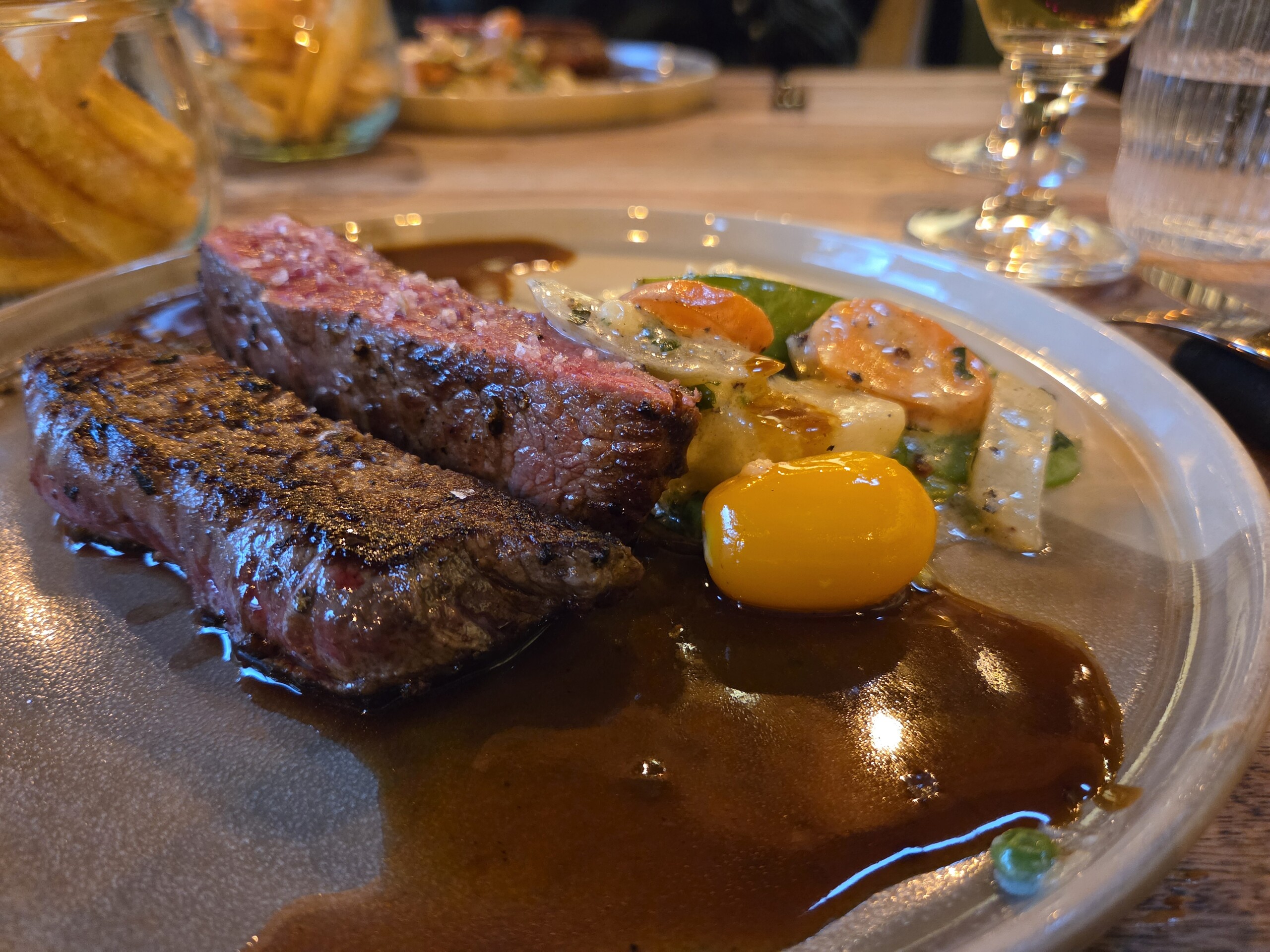
Both foldable smartphones take good photos with their main sensors, but differ in terms of sharpness and color rendering. The Pura X Max offers a wider dynamic range and renders colors warmer, while the Fold8 applies more aggressive sharpening.
In low light, the Huawei smartphone has the edge, benefiting from its more light-sensitive sensor and variable aperture.


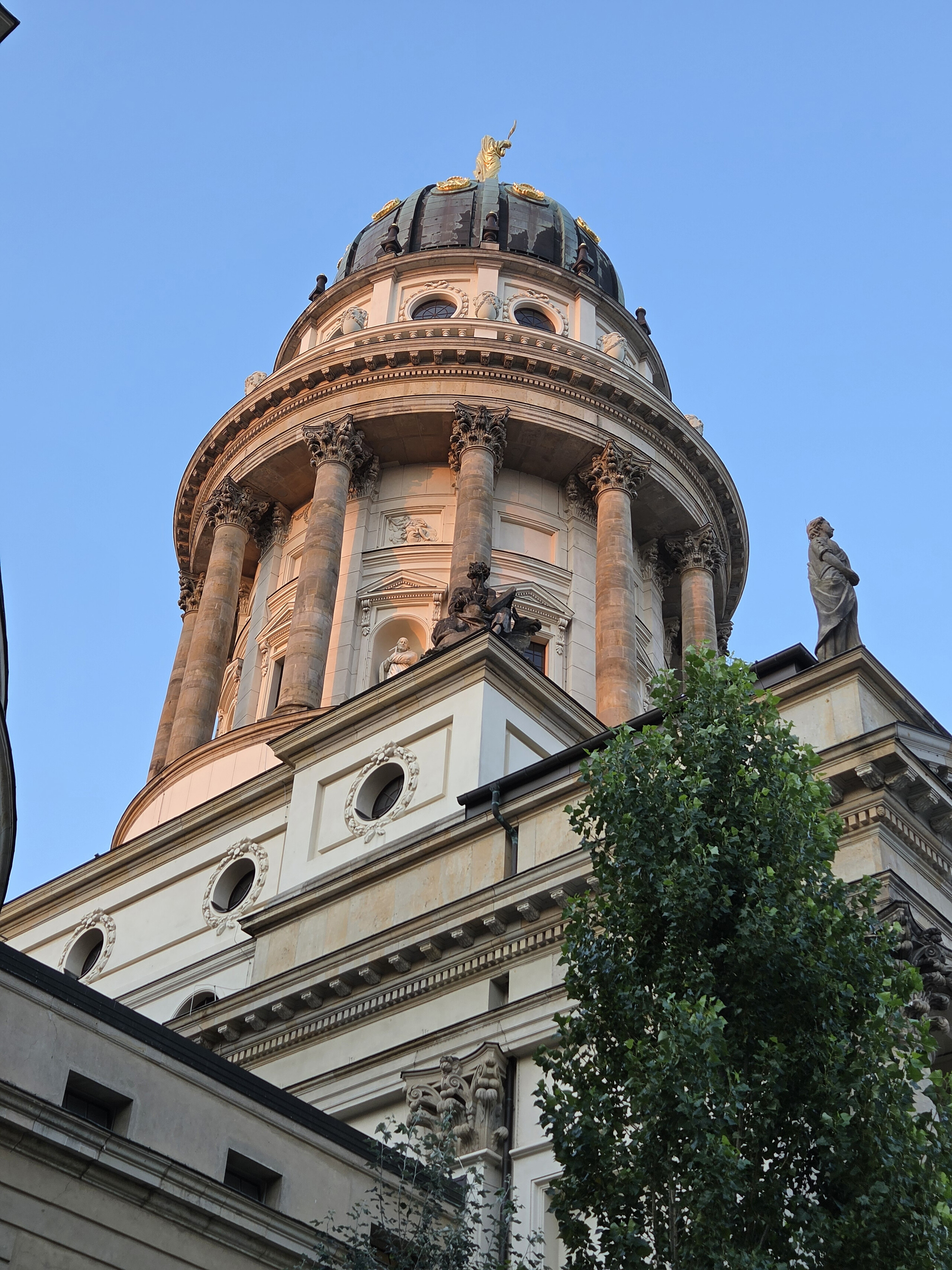
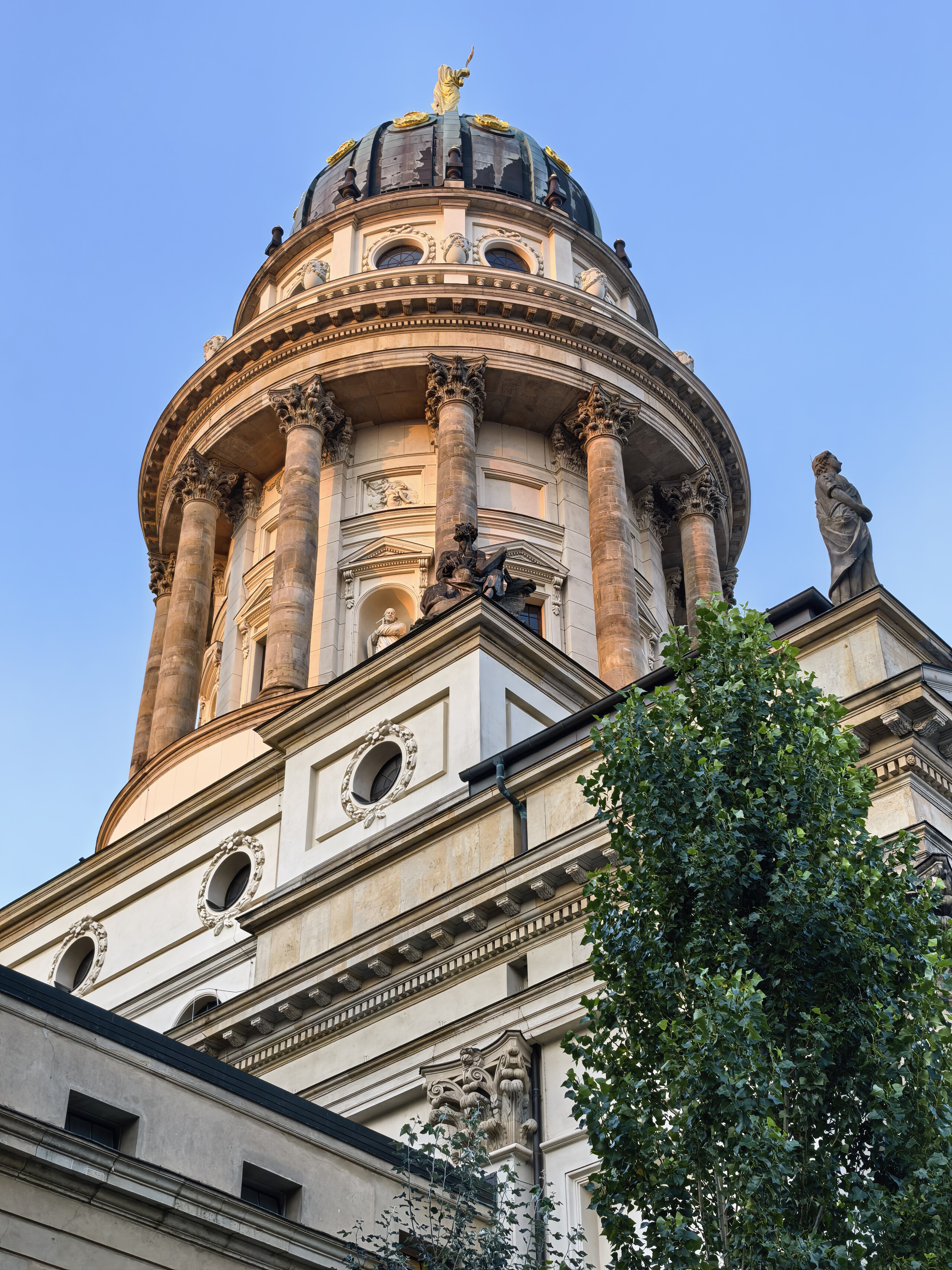
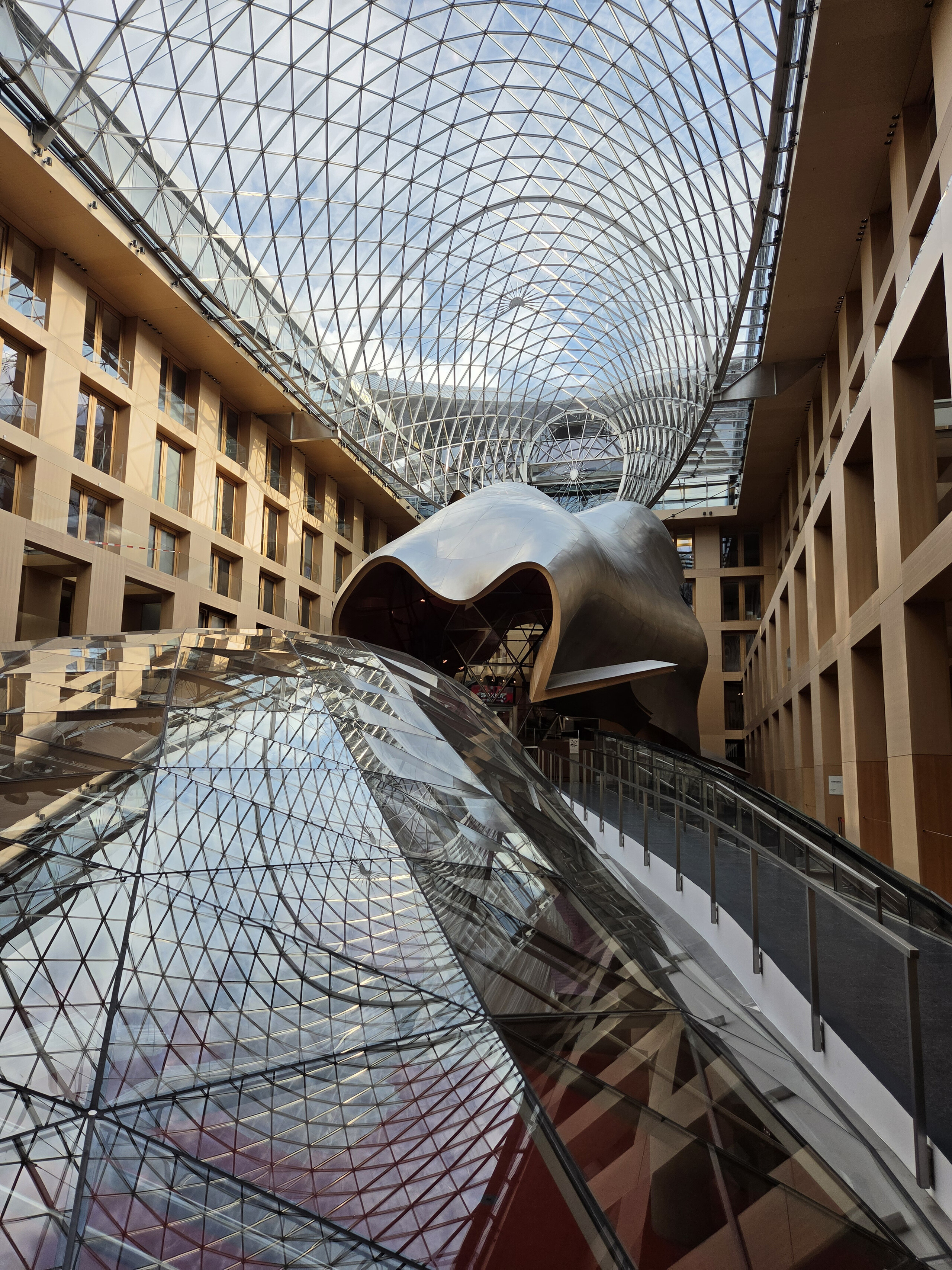
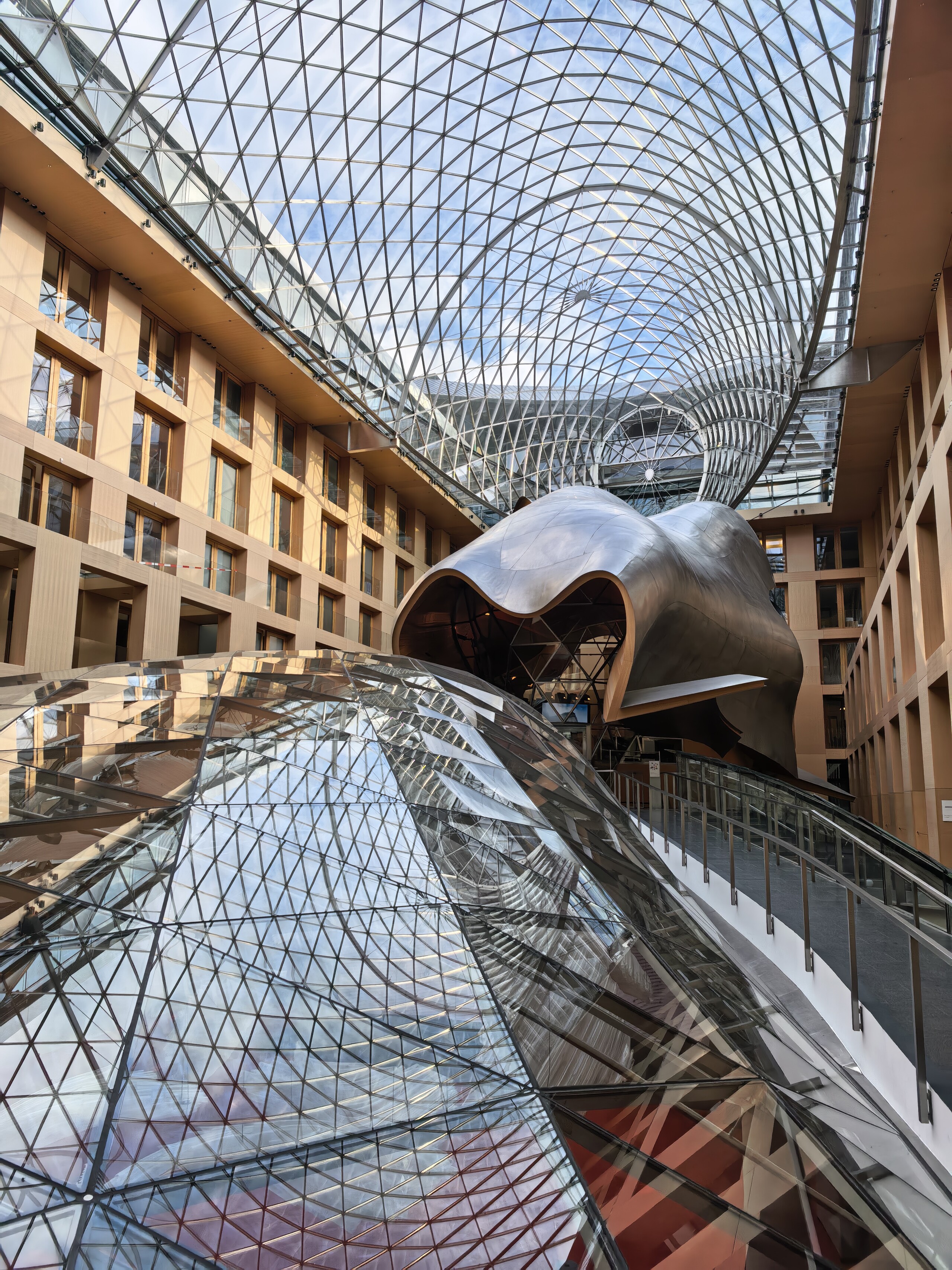

Ultra-Wide angle - Minor advantages for the Fold8
The photos taken with the ultra-wide-angle lens are on a similar level, but they have a different color profile. If you prefer more vibrant colors and a wider dynamic range, Huawei is the better choice, though you’ll have to compromise on some details, which can appear a bit blurry. The Samsung foldable, on the other hand, impresses with greater detail in the peripheral areas, but the image composition appears slightly flatter.


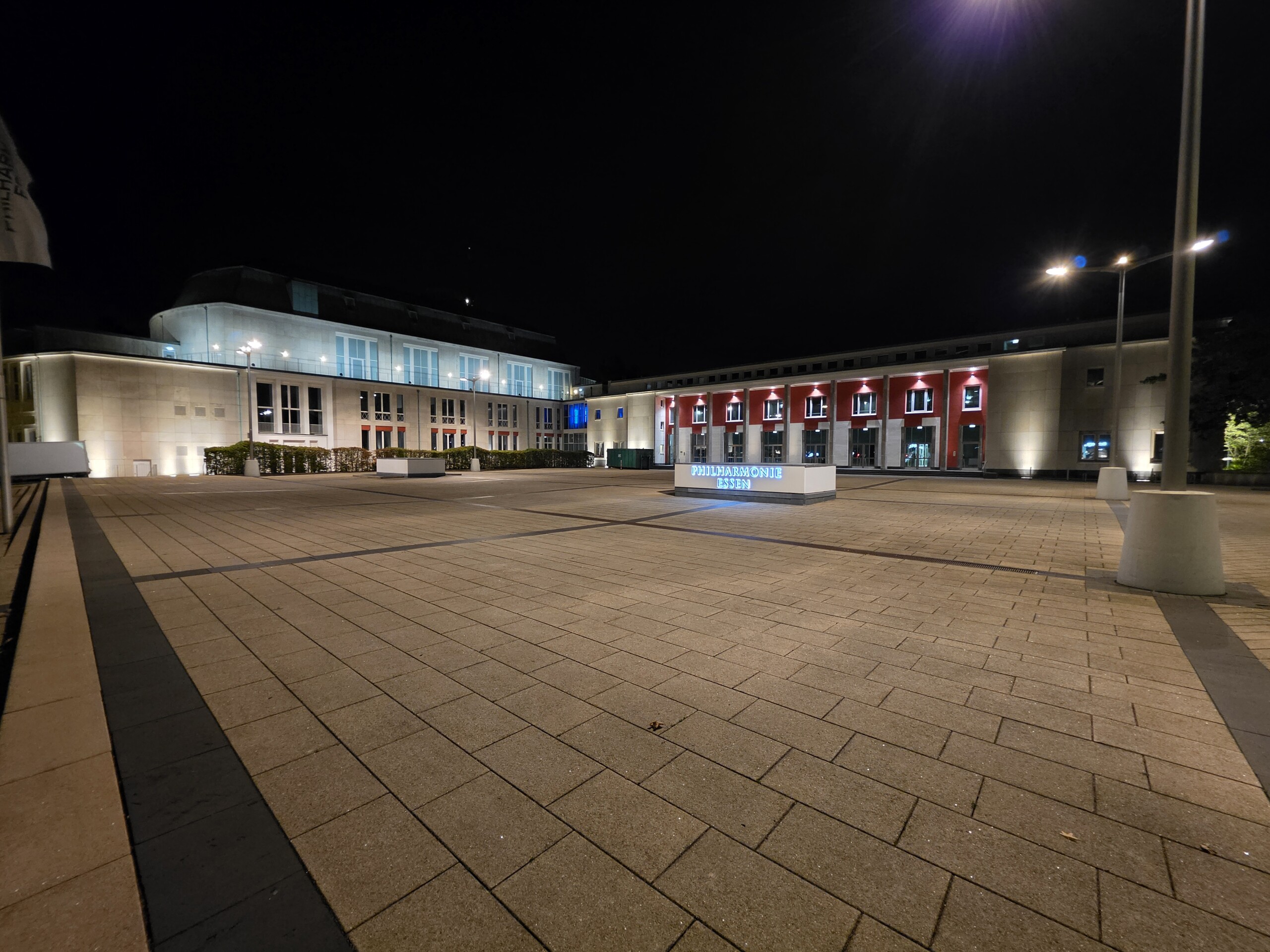
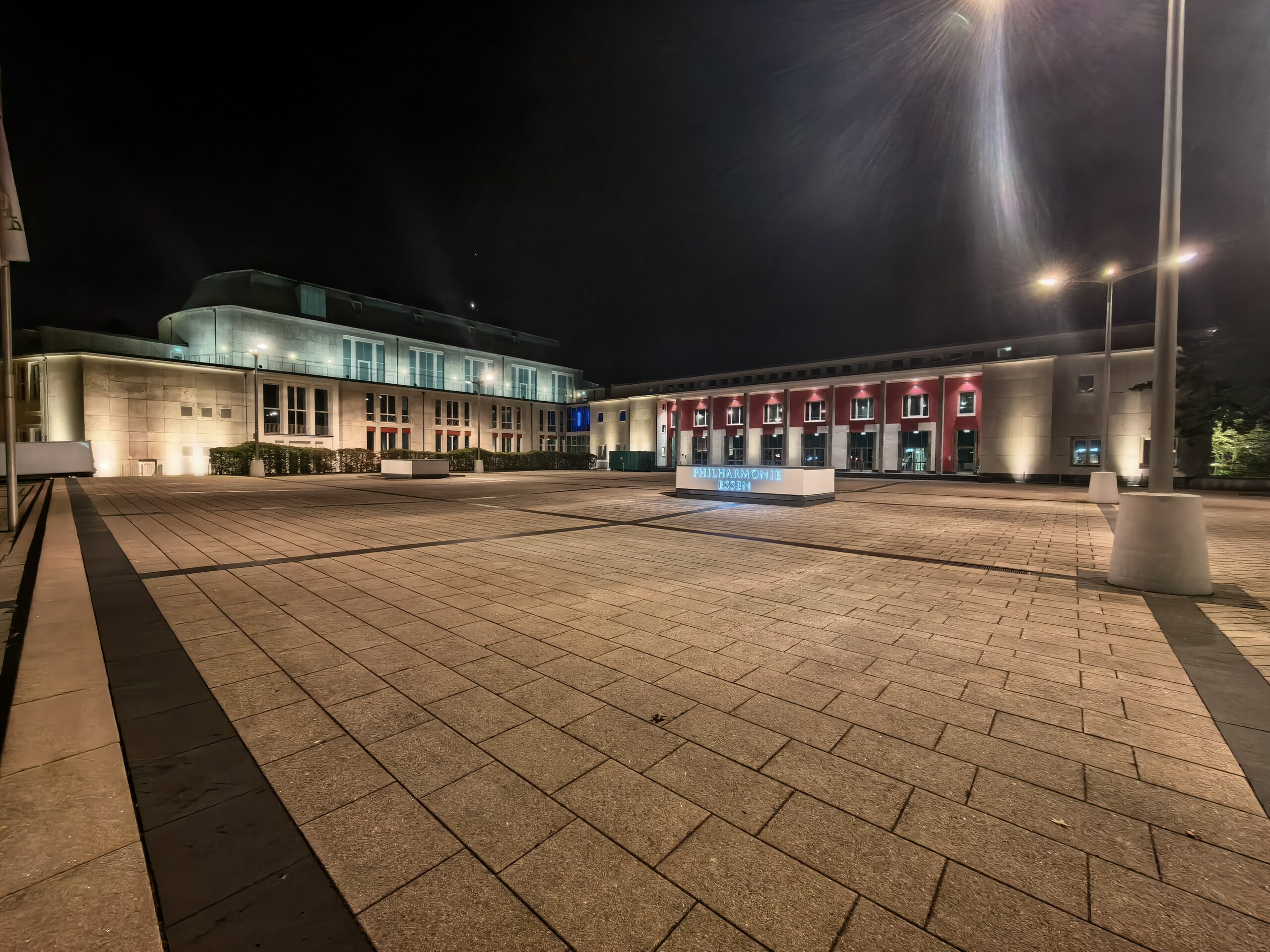
Zooming - The Fold8 zooms exclusively digitally
While Samsung has completely done away with optical zoom, Huawei has integrated a 3.5x optical zoom (84 mm) into the Pura X Max. The Fold8 can digitally zoom up to 230 mm, while the Pura’s zoom doesn’t stop until it reaches 2,400 mm.
Nevertheless, even the Fold8 can still achieve decent magnification up to a 4x zoom (92 mm), at least for a digital photo album or social media; for a printed photo, however, the quality is generally too poor.
In low-light conditions, both smartphones significantly brighten the scene, and even when the brightness is turned all the way down, it’s still brighter than in reality.





The Galaxy Z Fold8’s (buy it here on Amazon) main weakness lies in the lack of a telephoto lens. The digital or sensor-based zoom cannot fully replace the advantages of an optical solution. For a smartphone in this price range, the camera system therefore seems relatively conservative. Huawei offers more photographic possibilities, but falls short of Samsung when it comes to ultra-wide-angle capabilities and video resolution. Furthermore, due to its focus on the Chinese market and the HarmonyOS ecosystem, the Pura X Max is a viable alternative for European users only if they’re enthusiasts. It would also have to be imported.
 Add as a preferred source on Google


No comments for this article
