




Is this the future of smartphones?
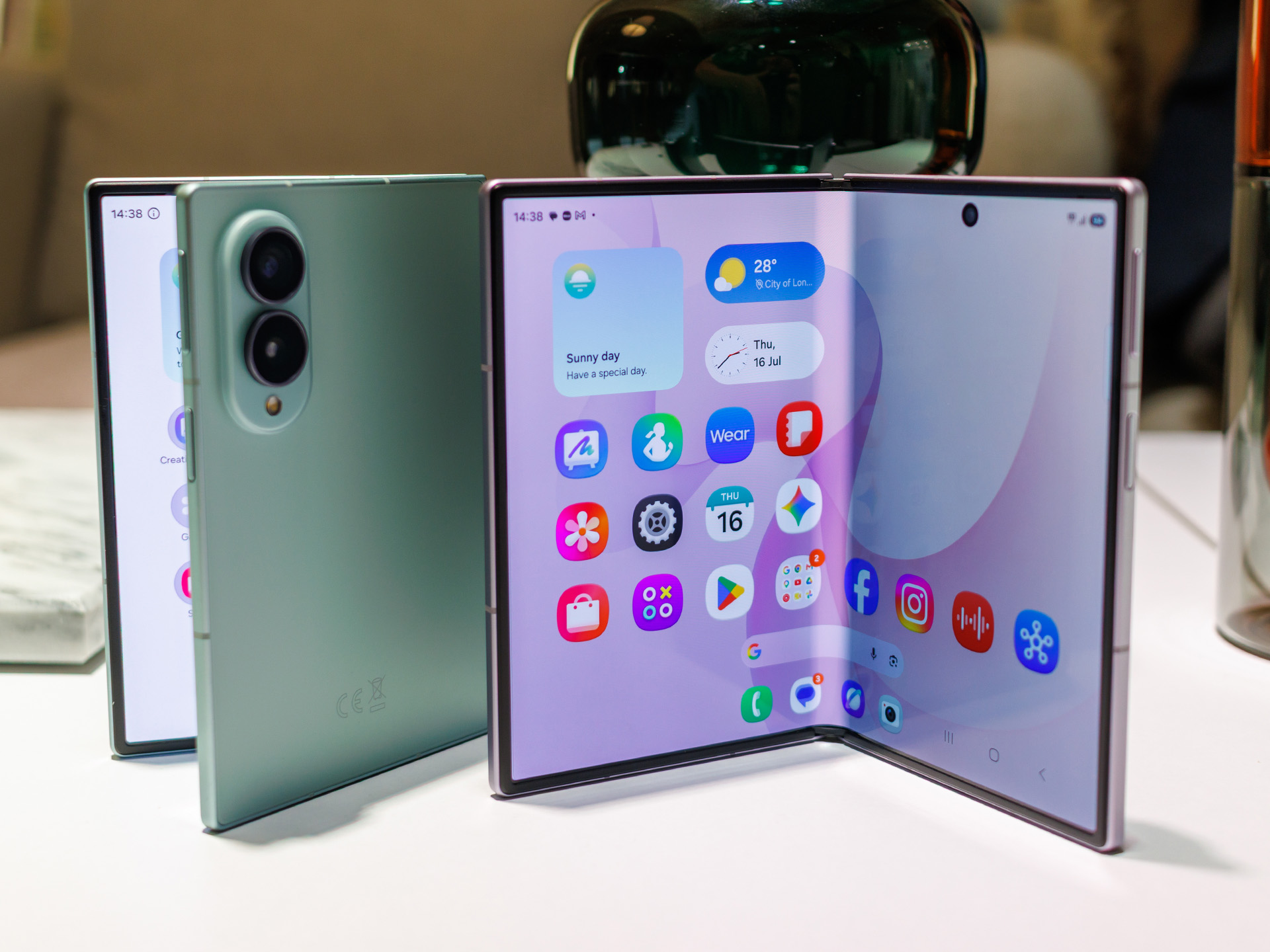
The Galaxy Z Fold8 makes the foldable concept more compelling than almost any of its predecessors. When folded, it remains relatively compact at 201 grams with its wider 10:16 aspect ratio; when unfolded, it offers a 7.6-inch display in a 4:3 aspect ratio. That’s precisely where its biggest advantage lies: If you’re just reading messages or making calls on the go, you use the compact front display; for videos, websites, e-books, or multitasking, it transforms into a significantly larger workspace.
The new form factor also represents an improvement in terms of ergonomics. The Fold8 feels comfortable in the hand and offers a better typing experience. However, the wide design might be harder to use, especially for people with smaller hands—at least when using it with one hand. At the same time, at just under 9.7 millimeters when closed, the Fold8 (buy it here on Amazon) remains slightly thicker than a traditional smartphone. The extra weight and unusual shape are still noticeable, and when unfolded, you still need both hands for many tasks. There are also compromises: the lack of a telephoto lens, weak speakers, and significant performance throttling under sustained load show that the compact design has its limits. The high price also hinders widespread adoption. The Fold8 is therefore less the definitive future of the smartphone than a compelling glimpse into it. The concept works, but only when foldables become thinner, more affordable, and involve fewer technical compromises will the concept likely evolve from a luxury product to the standard.
 Add as a preferred source on Google


No comments for this article
