




Samsung Galaxy Z Fold8: What are the real benefits of the new form factor?
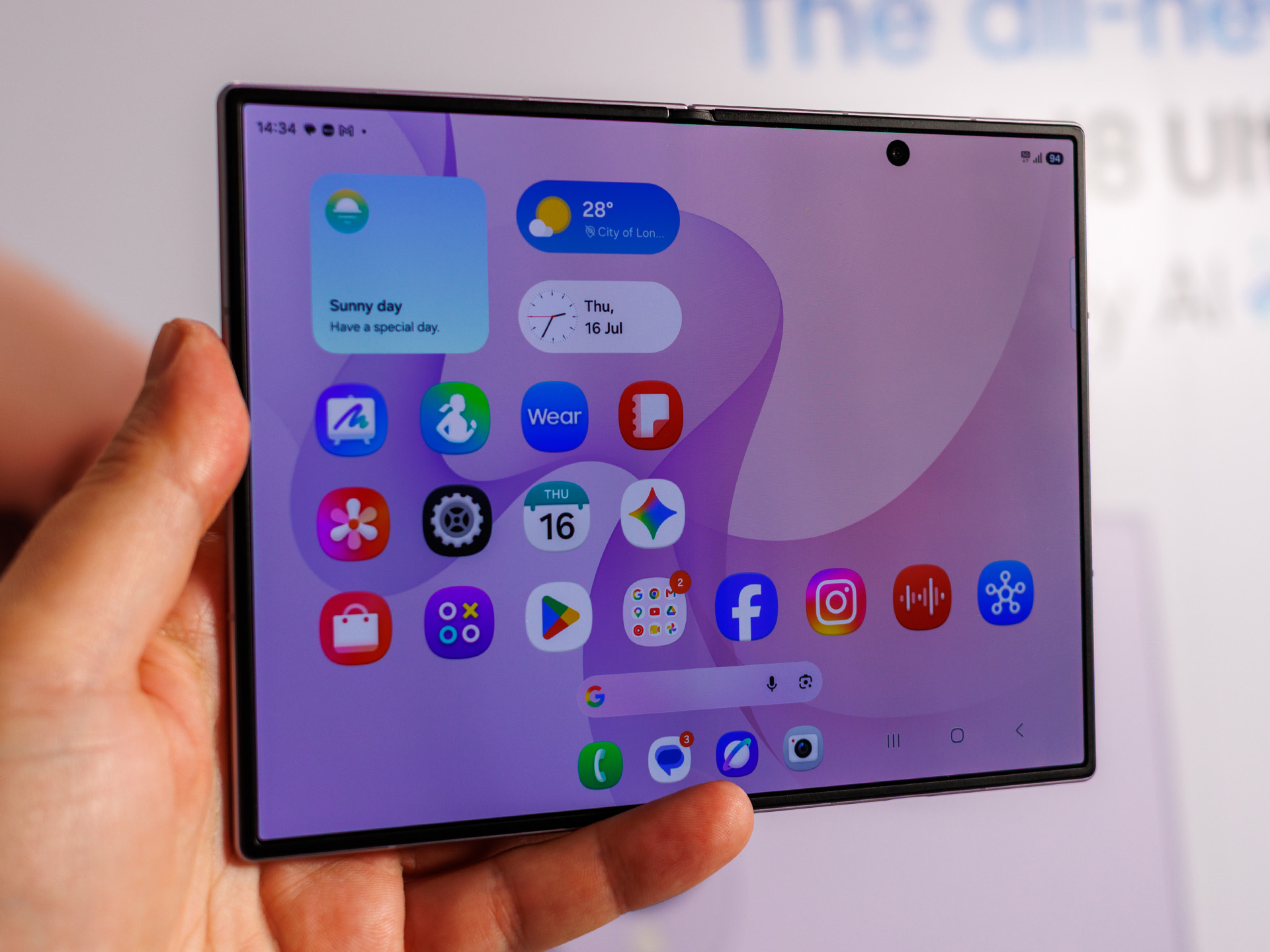
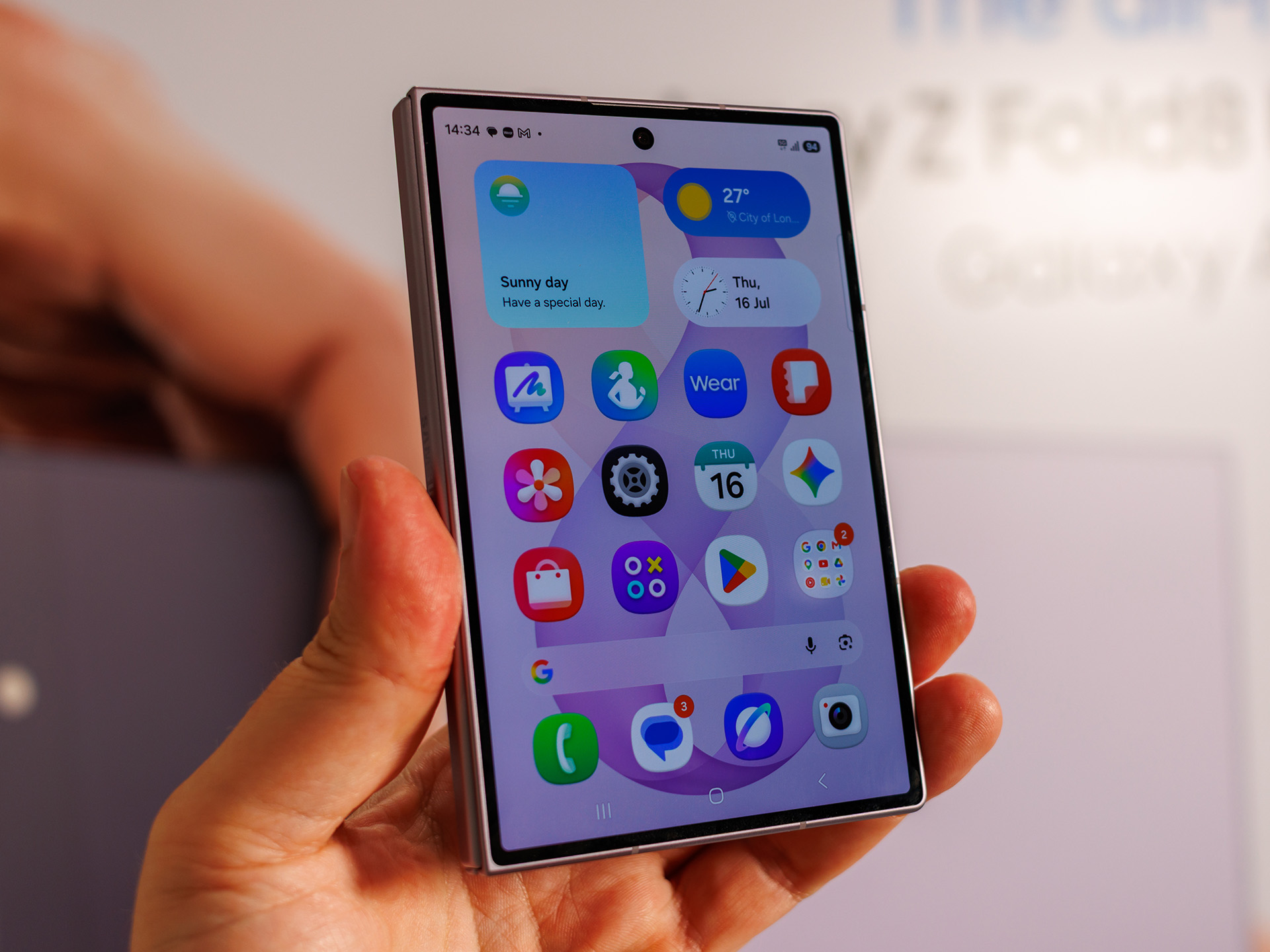
The Galaxy Z Fold8’s biggest advantage is evident even when it’s closed. The 5.5-inch cover display has a 10:16 aspect ratio, making it significantly wider than on previous Fold models. This makes writing messages, reading web pages, or scrolling through social media feel less cramped. When unfolded, a 7.6-inch screen in a 4:3 aspect ratio is available. This is particularly well-suited for multitasking, documents, e-books, and web pages.
Ergonomically, Samsung has taken an important step forward. Weighing 201 grams, the Fold8 is the lightest foldable in the series to date, while remaining 9.7 millimeters thick when closed. It fits comfortably in the hand and feels less narrow than its predecessors. However, true one-handed operation isn’t guaranteed despite the new format: the wide body, in particular, can make it difficult to reach the opposite side of the display. The form factor also has its limitations: When folded, the Fold8 remains thicker than a conventional smartphone. While the large screen is practical when unfolded, many apps only truly benefit from it if they make good use of the additional screen space or have been adapted for it. Additionally, a telephoto lens is still missing. The design thus requires compromises not only in terms of price but also in terms of features.
The new form factor therefore truly adds value. The Fold8 (buy it here on Amazon) feels less like a smartphone with an extra screen and more like two devices in one. For users who frequently read, work, or use multiple apps at the same time, this is a compelling feature. On the other hand, those who mainly use their smartphone one-handed for communication, the camera, and quick tasks will benefit significantly less. The new form factor is therefore not an end in itself, but a serious step toward more versatile smartphones.
 Add as a preferred source on Google


