




At $2960, the SanDisk Optimus GX Pro 850P 8TB SSD expands PS5 storage for a steep price
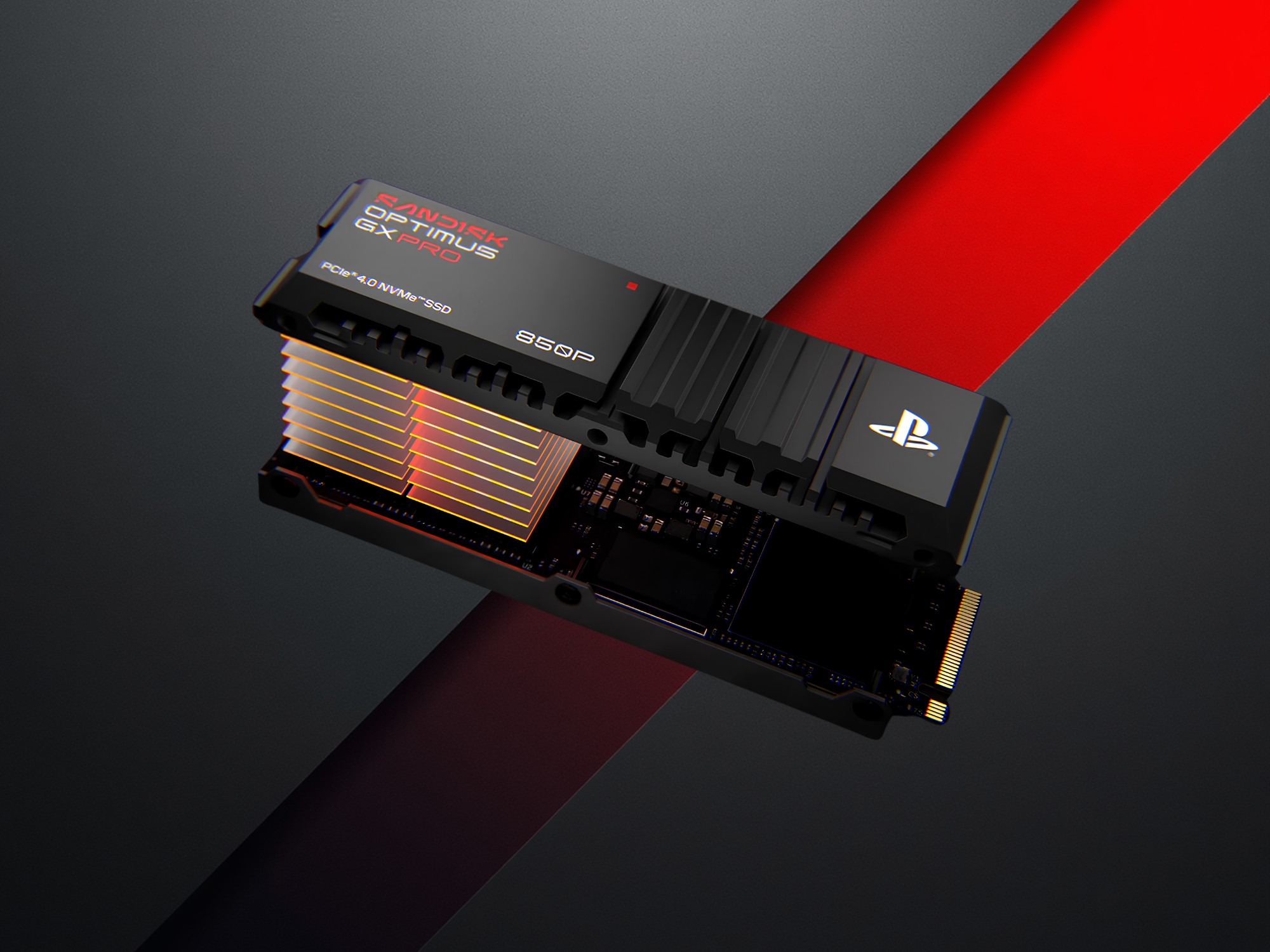
As the NAND flash and memory shortage continues, buyers have become accustomed to record-high SSD prices. Still, PlayStation fans with massive game libraries are crying foul about the cost of a new SanDisk model. The Optimus GX Pro 850P 8TB SSD may be an ideal PS5 storage upgrade, but it demands a $2,960 investment.
Why is the new Sandisk SSD so pricey?
SanDisk revealed the beefy NVMe SSD on social media before it arrives on its U.S. storefront. In the M.2 2280 form factor, console gamers can expect sequential read/write speeds of 7,200/6,600 MB/s. Depending on installation sizes, up to 200 PS5 games can fit on the drive.
The average 8TB SSD price has skyrocketed as manufacturers cater to AI data centers. Even so, the Optimus GX Pro 850P is significantly more expensive than PCIe 4.0 alternatives. Its specs match the WD_Black SN850X, which isn’t surprising, considering that SanDisk is a Western Digital brand. Amazon has the SN850X with the same capacity listed for $1299.99.
For the difference in cost, buyers receive an officially licensed PlayStation accessory. Also, the heatsink has been constructed to slot into PS5 consoles without compromising performance. The drive is an option for PC gamers with compatible motherboards, provided it doesn’t interfere with other components.
Critics are roasting SanDisk, noting that even after the price increase, the 8TB GX Pro 850P makes the PS5 Pro seem affordable. Alternatively, shoppers can purchase a prebuilt gaming PC with a reasonably sized NVMe SSD.
Downsizing PS5 and PS6 games
For PlayStation users with slow internet connections or who hate deleting games, PS5 storage upgrades have never been more of a luxury. The memory shortage may also be altering Sony’s PS6 plans. Despite the many large AAA titles, leaker KeplerL2 believes that the company could opt for a 1TB drive to keep its MSRP reasonable.
Through patents, Sony is exploring ways to shrink file sizes. Neural texture compression is one potential solution, as is more intelligent on-demand asset streaming. Regardless, these breakthroughs aren’t likely to address the ongoing NAND flash crisis in the near term.
Disclaimer: Notebookcheck is not responsible for price changes carried out by retailers. The discounted price or deal mentioned in this item was available at the time of writing and may be subject to time restrictions and/or limited unit availability.
 Add as a preferred source on Google


