




DRAM crisis: EU-prices for RAM and SSDs increased only slightly in June
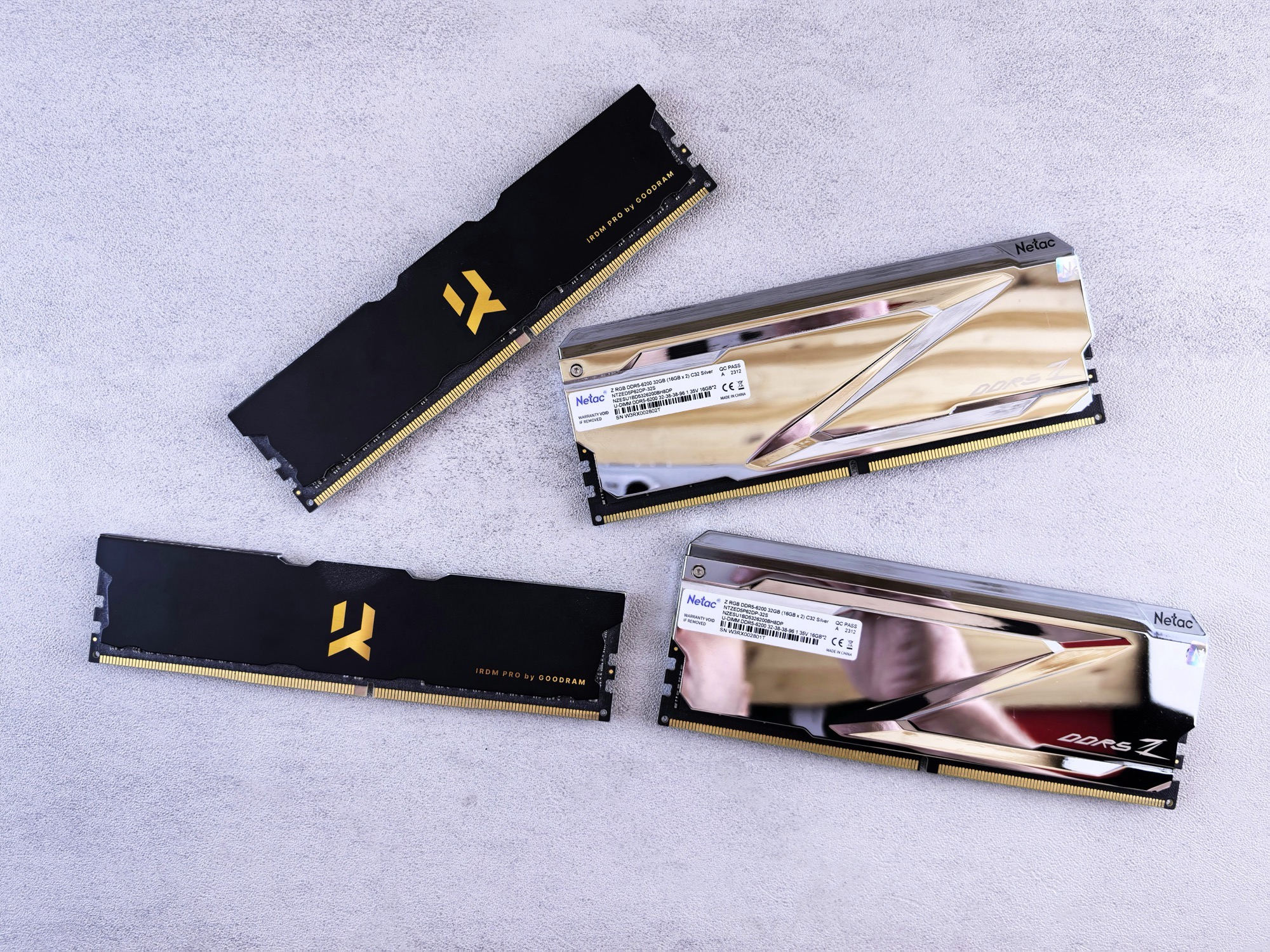
High demand for DRAM and NAND flash memory from AI giants such as OpenAI has been causing prices for RAM and SSDs to rise dramatically since October 2025. 3D Center has been tracking RAM prices in the German retail market since the start of the crisis and monitoring the costs of various memory kits to show how prices have evolved over the course of the crisis.
After prices more than quadrupled from September 2025 to January 2026, they have essentially stagnated since then. In March, prices actually fell by 7 percent; in April, there was no change; and in May and now also in June, average DDR5 RAM prices have risen by 1 percent each month. While DRAM costs for industrial customers have continued to rise over the past few months, these price increases have not yet been passed on to end consumers. This is likely due, on the one hand, to high inventory levels coupled with low demand, and on the other hand, to the fact that prices for end consumers were raised more sharply and more quickly at the end of 2025 than those for industrial customers.
Prices for DDR3 and DDR4 memory actually fell slightly in June and are now "only" slightly more than three times the price level of the previous year. For those using a platform with DDR4 support, it is therefore currently worth opting for the older memory standard. M.2 SSDs cost on average about twice as much as they did a year ago, and rose by an average of just 1.8 percent in June, although large 8 TB SSDs with DRAM cache have become 24 percent more expensive, with a minimum price of €1,029; an 8 TB WD_Black SN850X even costs $1,499 in the US.
Source(s)
 Add as a preferred source on Google


