




Rising costs in the Smart Home: The impact of the chip and RAM shortage
What was once almost unthinkable is now becoming commonplace in the tech industry: products that have been on the market for several years are seeing price hikes again, sometimes selling well above their recommended retail price (MSRP). This trend cannot be denied in the smart home sector either, where price increases of more than 100 percent are no rarity.
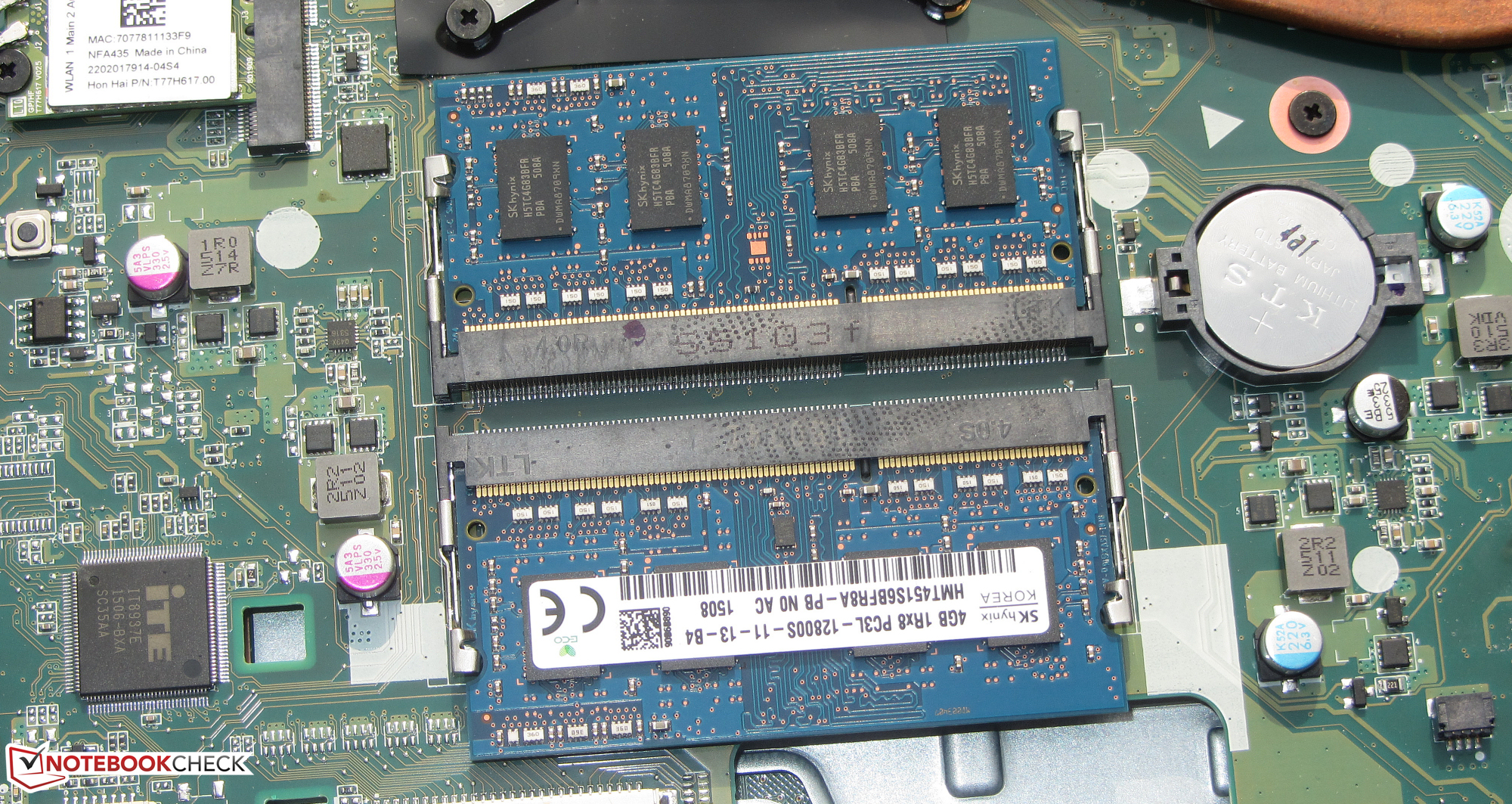
The reason for this development is the ongoing chip crisis and a shortage of RAM, triggered among other things by the AI boom and chip manufacturers increasingly specializing in more lucrative server hardware rather than consumer hardware. Notebookcheck also recently reported on the rising prices for DRAM, storage media and the like, which also affect smartphones, notebooks, and consoles. The Austrian daily newspaper "Der Standard" even recently ran a headline stating that one gigabyte of RAM costs as much today as it did 16 years ago.
Exemplary Price Increases Across Selected Devices
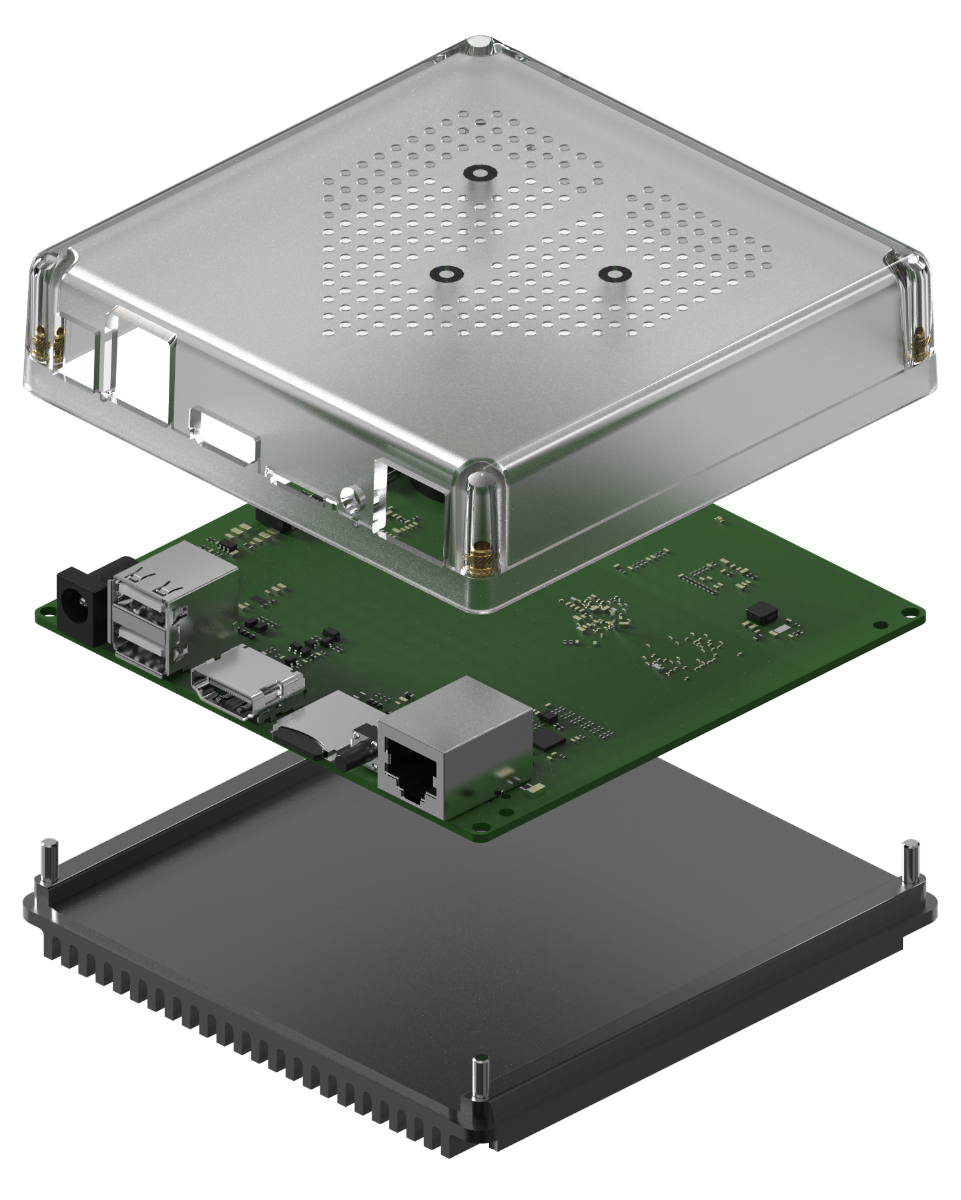
But enough of the theoretical discussion. Within the smart home segment, the price increases are particularly noticeable when it comes to hubs - the heart of any smart home. The reason for this is quite simple: while basic actuators and sensors require very little processing power to perform their function, the central hub needs significantly more powerful hardware. Not only do all smart devices converge here, but a management interface (usually a web interface) must also be provided for the user to control the system.
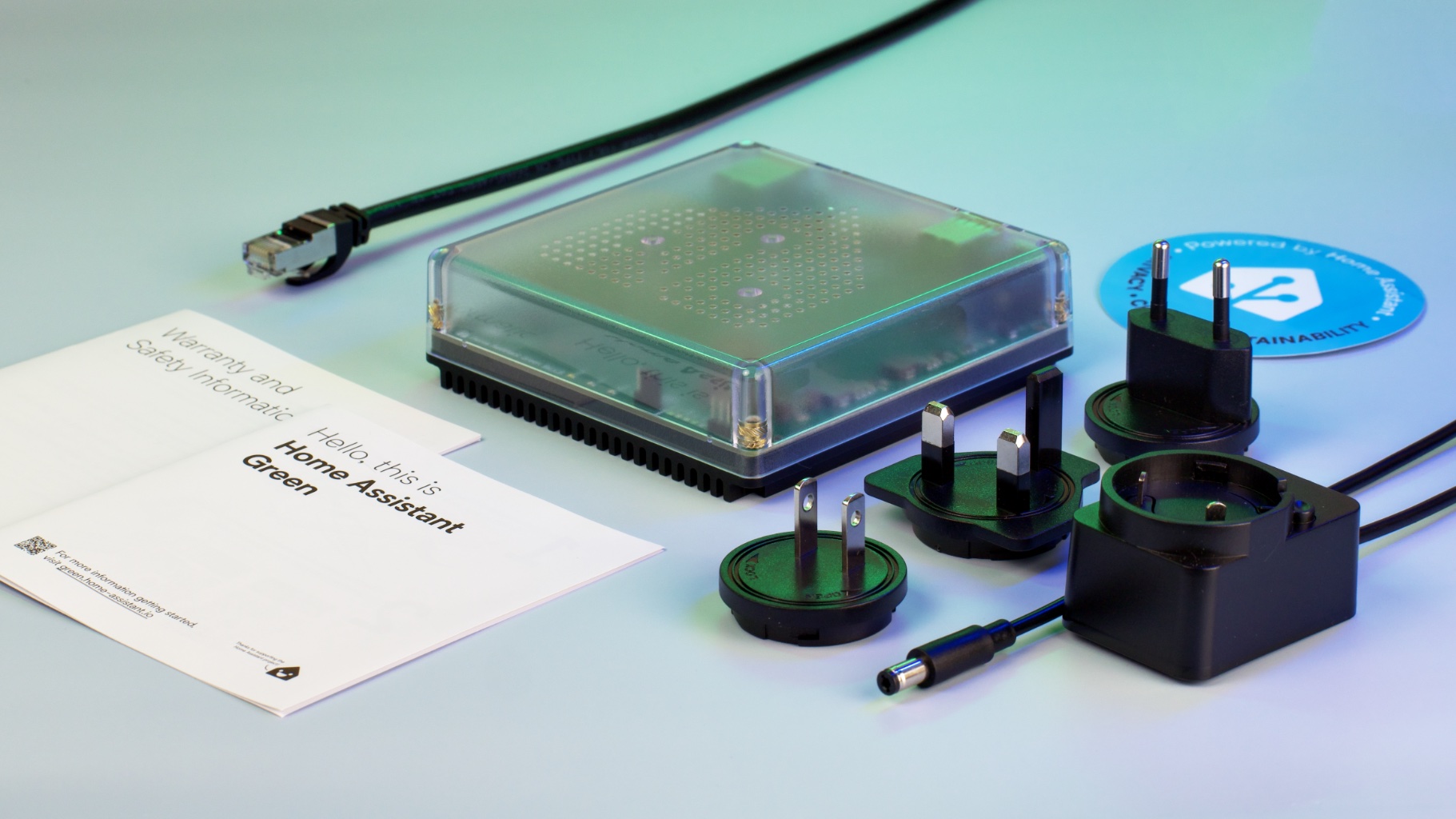
For example, the Home Assistant Green, which has been the only official hub for the popular Home Assistant system since September 2023, was originally released with an MSRP of $99. Hardware prices surged, and the MSRP was soon revised upward to $159. After another adjustment, it now stands at $199 - double the original price. The price history on the Geizhals comparison platform shows that these increases are being passed directly on to the end consumer, sometimes even more drastically.
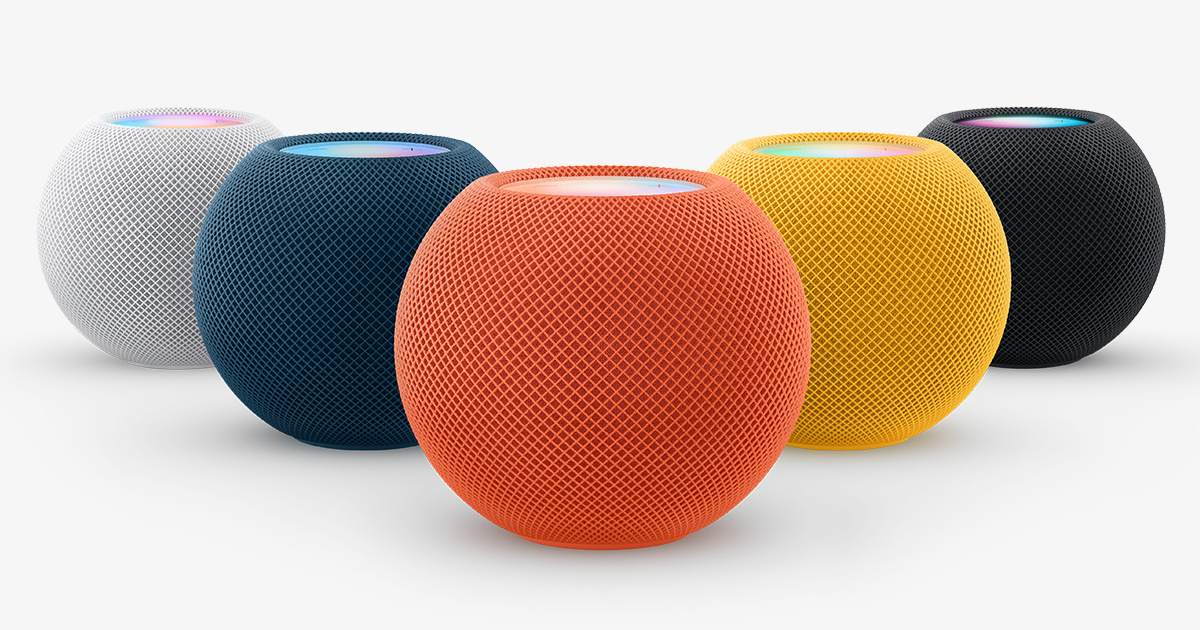
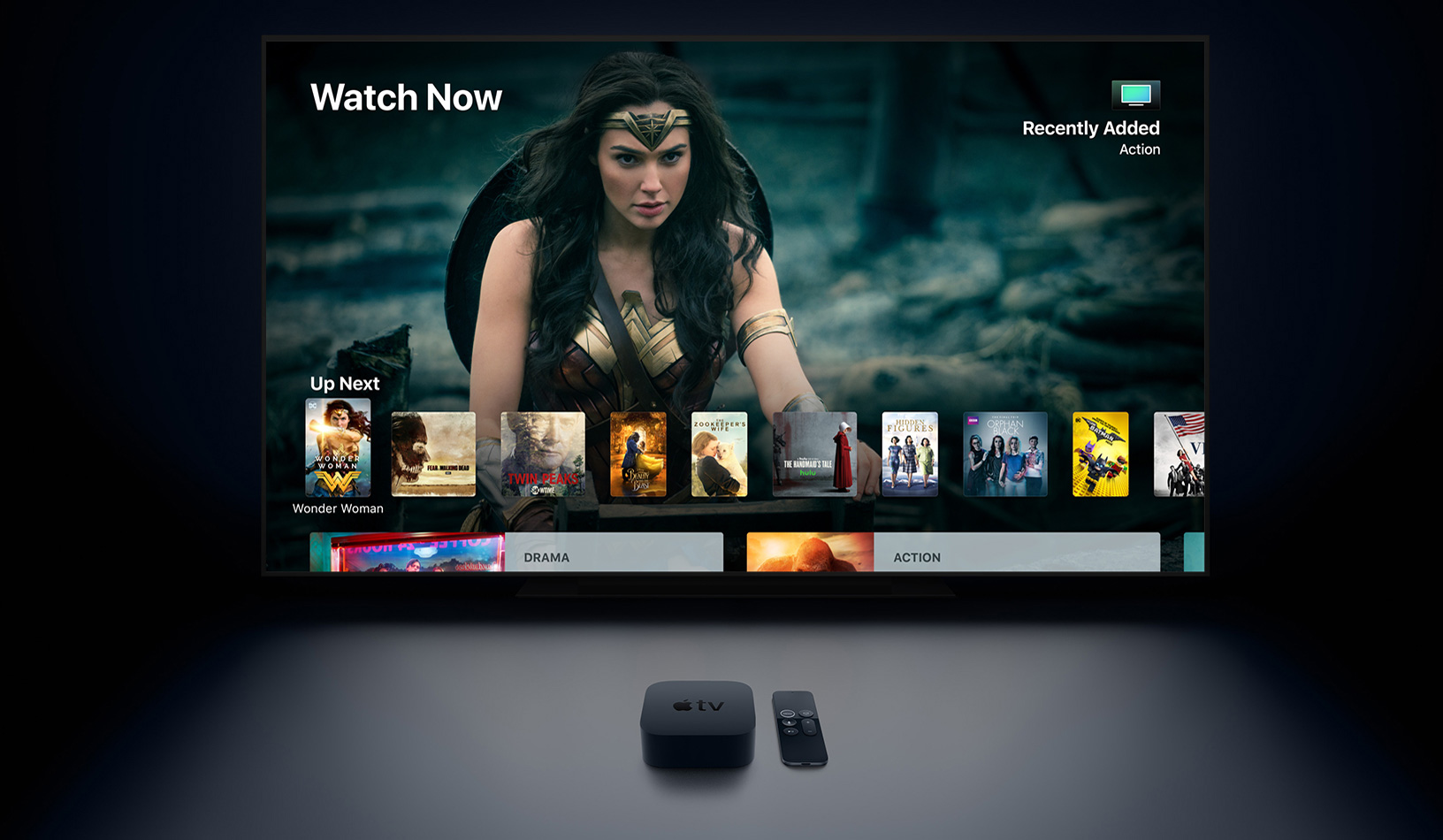
A similar, though not quite as extreme, trend can be seen in Apple's smart home lineup. For instance, the manufacturer's smart speakers, such as the HomePod mini, now cost $129 (up from $99), and the larger HomePod currently sits at $349 instead of the previous $299. With a 54 percent increase over its original MSRP, the price of the Apple TV streaming device has also risen significantly, now coming in at $199.
Conclusion
Although price increases are not as pronounced everywhere as in the examples mentioned here, consumers must still expect significant additional costs compared to the prices seen just a few months or years ago. Perhaps this is yet another reason why setting up a smart home remains unfeasible for many.
Sources
 Add as a preferred source on Google


