




Intel combats DRAM crisis with less and older memory
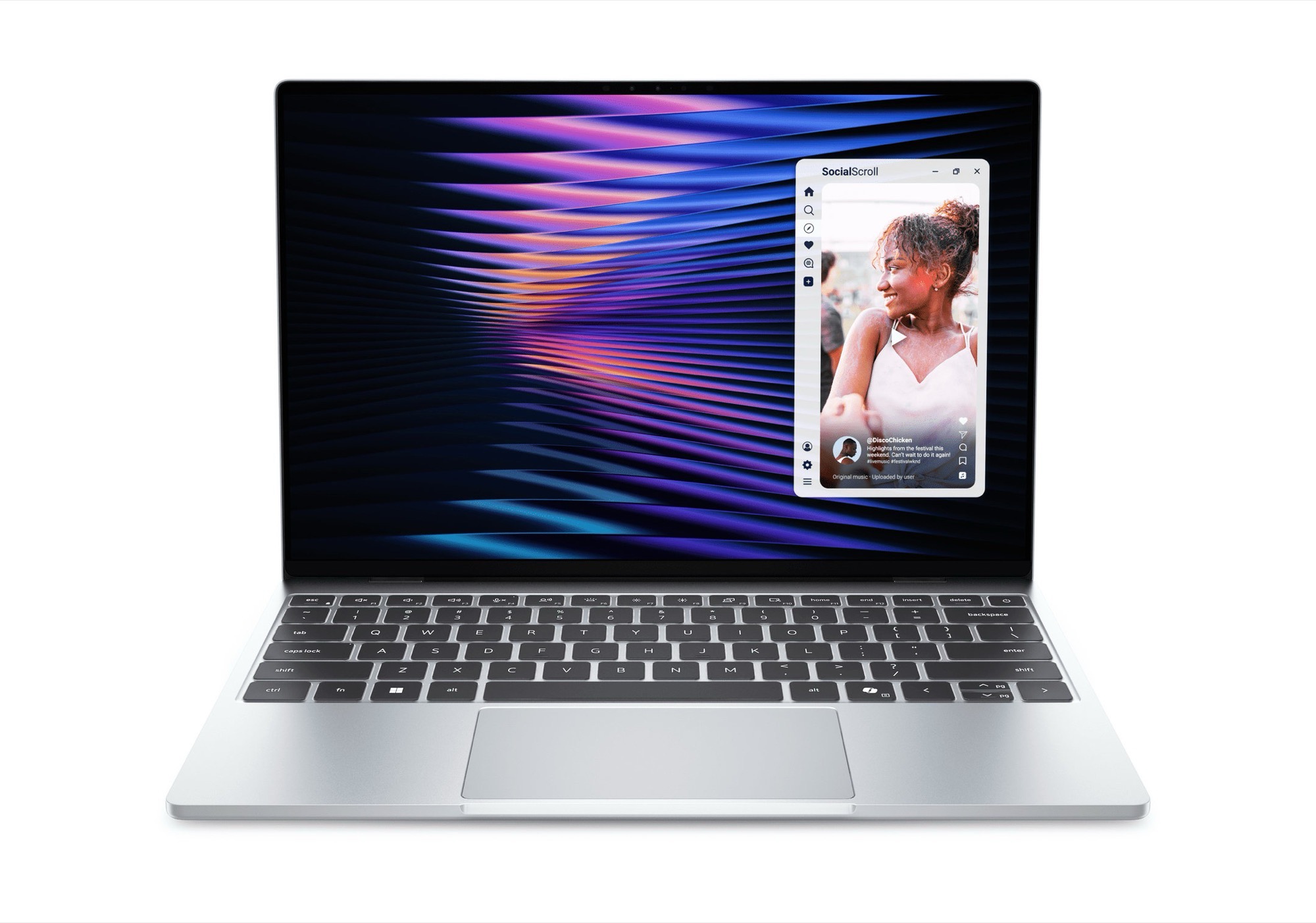
While AI giants such as OpenAI and Anthropic are dividing up most of the world's DRAM capacity among themselves, consumers have to pay ever higher prices to get hold of the remaining DRAM scraps for PCs, laptops or gaming handhelds. The market has already reacted, because after the Apple MacBook Neo, the new Dell XPS 13 only has 8 GB RAM, while Acer has already indicated laptops with only 4 GB RAM might be ready for a comeback.
Intel has now spoken to Tom's Hardware about the DRAM crisis. According to this, Wildcat Lake in the lower price segment and Raptor Lake in the mid to higher price segment would currently be the answer to the crisis, because Wildcat Lake is often offered with 8 GB RAM in a single-channel configuration, while Raptor Lake still supports DDR4, both in desktop and laptops. The older RAM standard is currently somewhat cheaper, as a kit with 2 x 16 GB DDR4 RAM sticks currently costs $199, while DDR5 costs $449.
According to Intel, Raptor Lake is far from being phased out and the company intends to offer processors with support for older RAM standards for as long as it makes sense. In addition, Intel says it is working with more and more RAM suppliers, including from China and Indonesia, to validate as many products as possible and offer customers a wider selection of potentially cheaper memory. With these steps, Intel can at best dampen the price increases, but if the DRAM crisis continues at least until 2028 as expected, further price increases are unlikely to be avoidable.
Source(s)
Intel, via Tom's Hardware
 Add as a preferred source on Google


