




"Dell made a better MacBook Neo" with new XPS 13 but users are concerned about Windows 11 on 8 GB RAM
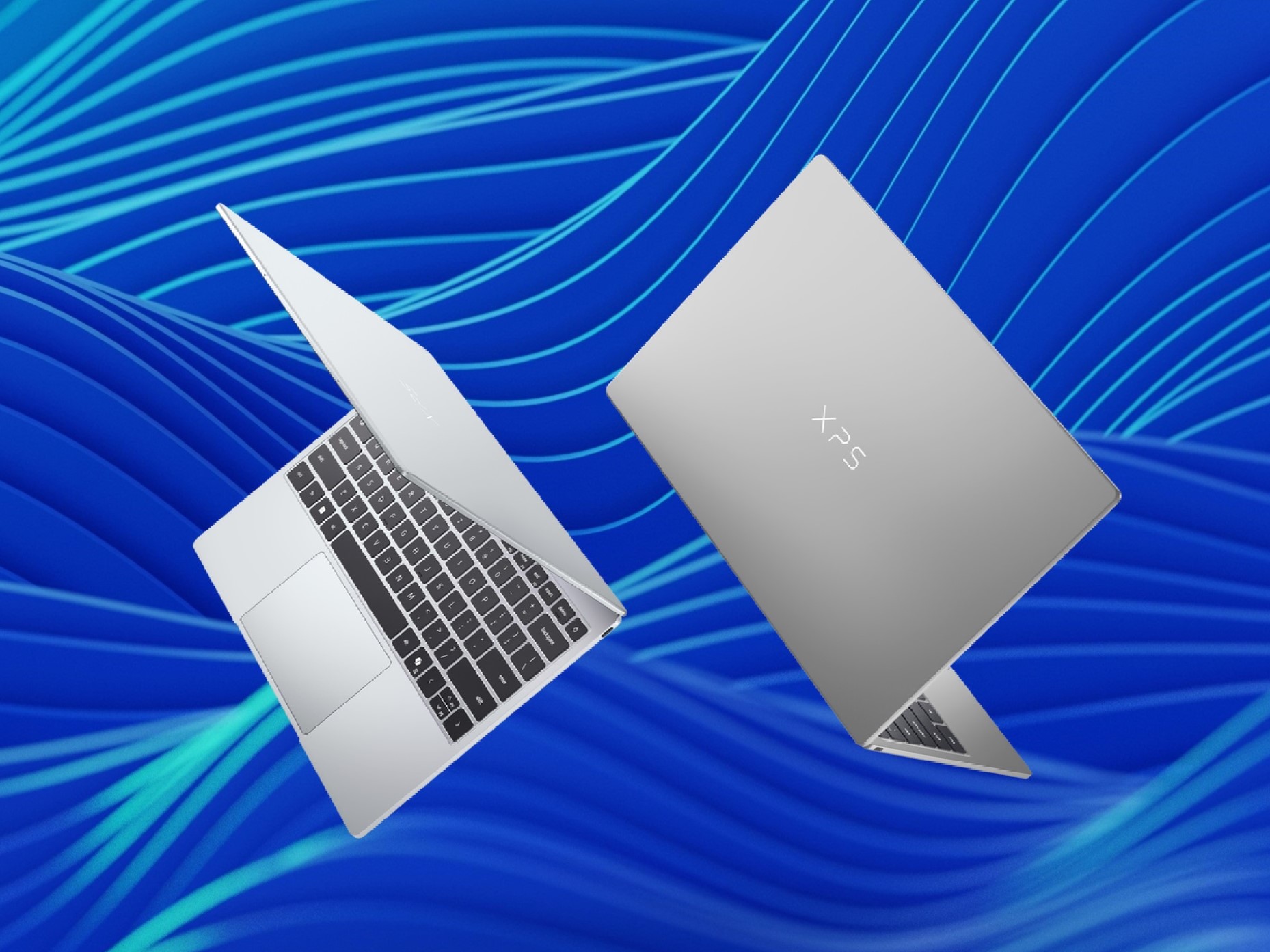
It appears that the success of MacBook Neo is finally having the effect that many wished it would on Windows laptops. Dell has announced a new XPS 13 that directly competes with the MacBook Neo at $699 ($599 for students).
From a purely hardware perspective, Hardware Canucks asserts that this XPS 13 is a “better MacBook Neo”. This assessment looks accurate, as the XPS 13 boasts a high-quality chassis, a display that punches way above its price tag, and much more. Check out our launch article to get more details.
However, Hardware Canucks is concerned that the entry-level versions of the Dell XPS 13 that will compete with the MacBook Neo might not hold up well with only 8 GB of RAM. Windows 11 is notoriously resource-hungry, a problem that Microsoft is working on fixing. macOS on the Apple MacBook Neo, on the other hand, is shown to run smoothly on just 8 GB of RAM.
Many users on Reddit have also expressed similar concerns. For instance, one user sarcastically remarked on r/Technology that “Windows 11 on 8 GB of memory sounds like a fun experience”. Another exclaimed that “For a Windows PC to even remotely be taken seriously as a competitor to a Mac, it needs at least 16 gigs of ram, which no PC at this price point will ever have”.
Microsoft officially recommends 16 GB of RAM for Windows 11 for smooth operation. In the current market conditions, it is not reasonable to expect a $699 laptop to have 16 GB of RAM. As shown by the recent enormous Steam Deck price increase, OEMs both big and small have been affected by the RAM supply crunch.
So, Windows laptop OEMs do not just have to worry about the price-to-performance of the hardware of their laptops, but also hope that Windows plays nicely. Microsoft needs to resolve this handicap if Windows laptops are to have a real chance at competing favorably with the MacBook Neo (available on Amazon).
Source(s)
Hardware Canucks on YouTube, r/technology, Teaser image source: Dell, Simon Lee on Unsplash, edited
 Add as a preferred source on Google


