




Adata, TeamGroup and Micron raise $880M for NAND and DRAM as shortages loom
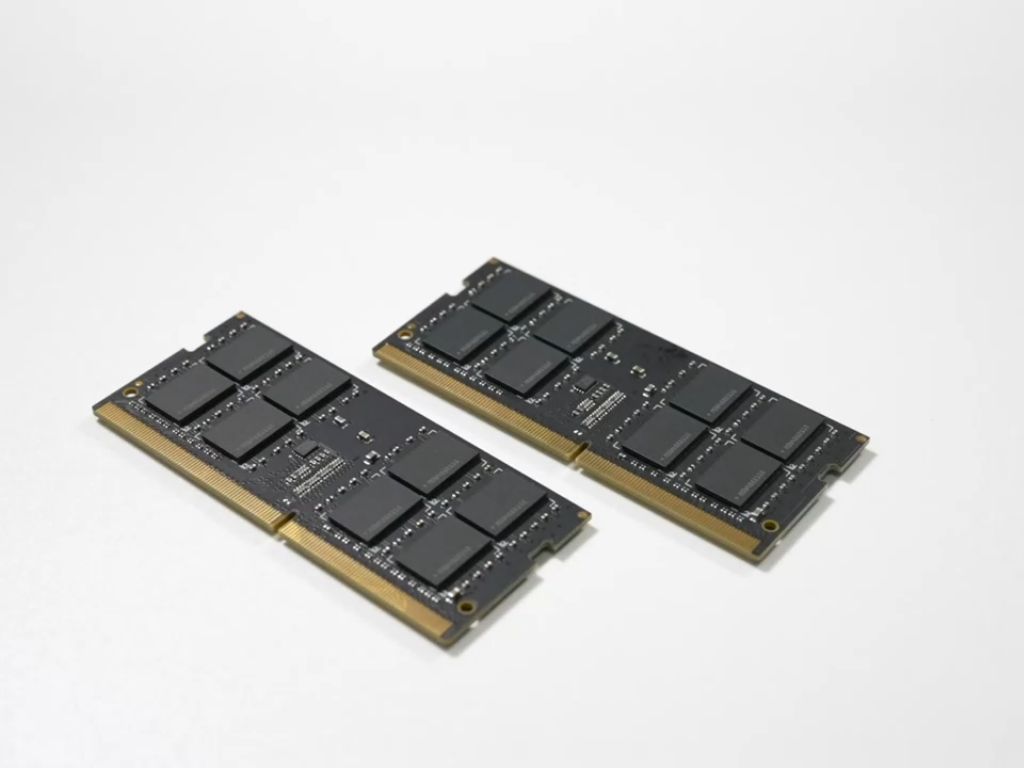
Record-high SSD prices have pushed many storage and memory manufacturers to borrow $880 million just to afford sufficient inventory. These companies, which include Adata, TeamGroup, Micron, and many other Taiwan-based chip producers that turn raw DRAM and NAND chips into RAM sticks and SSDs we use in our PCs, laptops, smartphones, and consoles, are collectively raising an estimated NT$28 billion, or $880 million, via bonds, bank loans, and selling stock shares.
According to Taiwan Commercial Times, the reason isn’t that Taiwanese manufacturers are struggling to attract customers. Revenues are at an all-time high, and demand is also at an all-time high. The actual problem is the cost of NAND and DRAM chips, which have also skyrocketed due to high demand, raising costs across the board.
Currently, Adata is leading the pack, having already issued NT$2 billion in convertible bonds and secured NT$12 billion in syndicated bank loans. Furthermore, the company is planning to privately sell 30 million new shares.
Goldkey Technology has raised NT$4.5 billion, while TeamGroup has raised NT$2 billion through bonds. Apacer added NT$1 billion to the net sum, while Innodisk, Transcend, and Silicon Power are each lining up for hundreds of millions more in the near future.
All this money will be invested in buying more NAND and DRAM before memory prices spike again. While most of these Taiwanese memory and storage companies have smashed prior revenue records and tripled sales over the past few months, they’re still in dire need of fresh capital to stay ahead of the competition and the market.
Adata Chairman Simon Chen spoke to the Taipei Times earlier in March and said, “The chip supply crunch has transitioned the market into a seller’s market.” The company was already sitting on NT$30 billion, or $948 million, and was looking to increase its inventory to more than NT$35 billion by the end of March. He further stated that NAND flash producers were seeing their own inventory drop to “an unprecedentedly low level ranging from three to five weeks now.”
Module manufacturers like Adata, TeamGroup, Micron, and Transcend, at the end of the day, don’t have any say in how many finished chips they’ll receive in bulk. So, the desperate but reasonable alternative is to stockpile chip supplies through debt to keep their businesses profitable in the long run.
Source(s)
 Add as a preferred source on Google


