




Apple iPhone 17, iPhone Air and iPhone 17 Pro Max fail to make top 20 in DxOMark display analysis
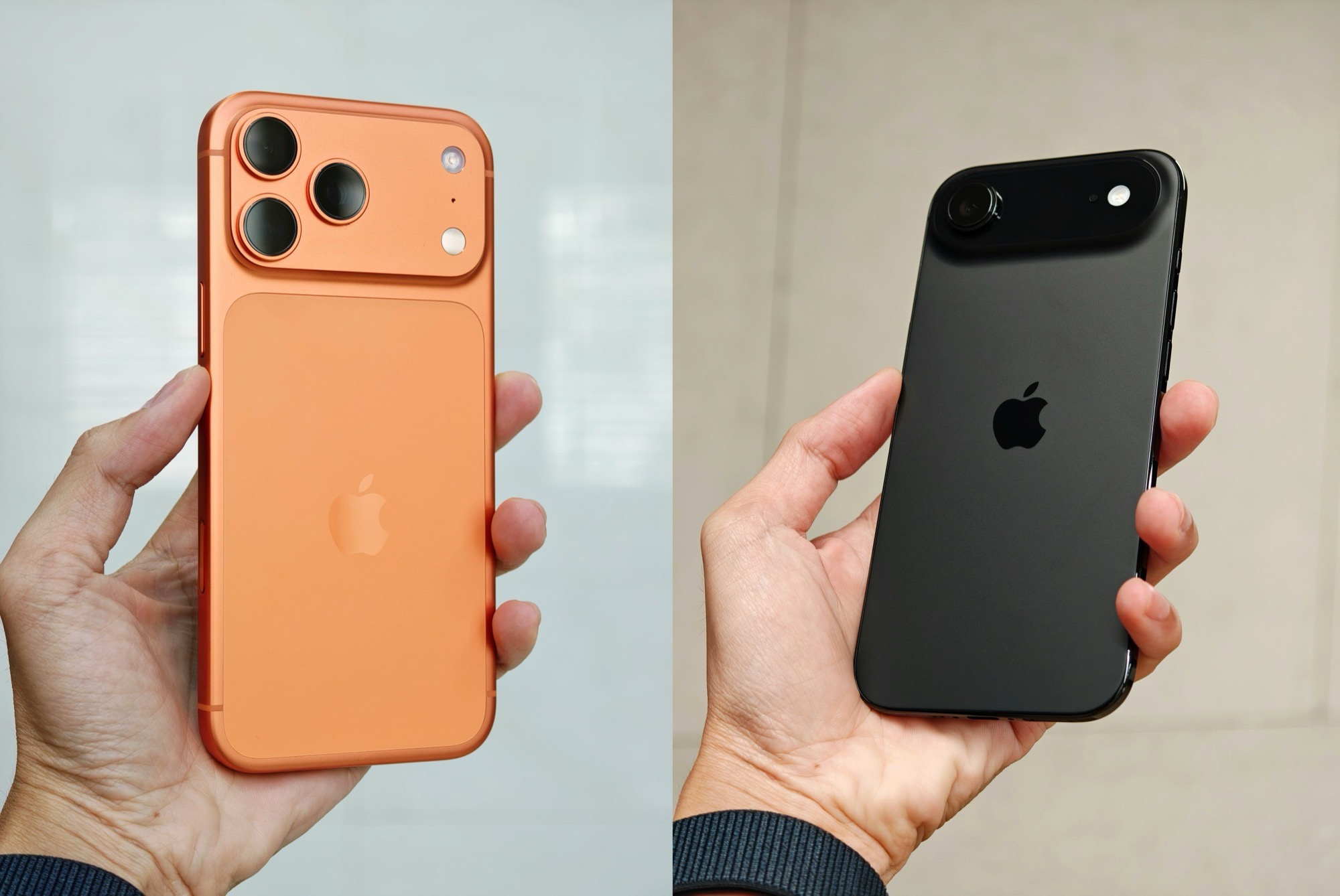
The Apple iPhone 17, iPhone Air and iPhone 17 Pro Max all feature LTPO OLED displays with a 120 Hz refresh rate, full-screen brightness of 1,600 nits, and HDR peak brightness of 3,000 nits. According to DxOMark’s in-depth display analysis, there isn’t actually any difference in display quality across the entire iPhone 17 lineup, regardless of price.
The analysis for the iPhone 17, iPhone Air and iPhone 17 Pro Max confirmed that all three phones deliver accurate colours even at very high brightness levels, along with exceptional legibility – not least due to an improved display surface that reduces annoying reflections. DxOMark also determined a PWM frequency of 480 Hz, which is unlikely to cause issues for most users.
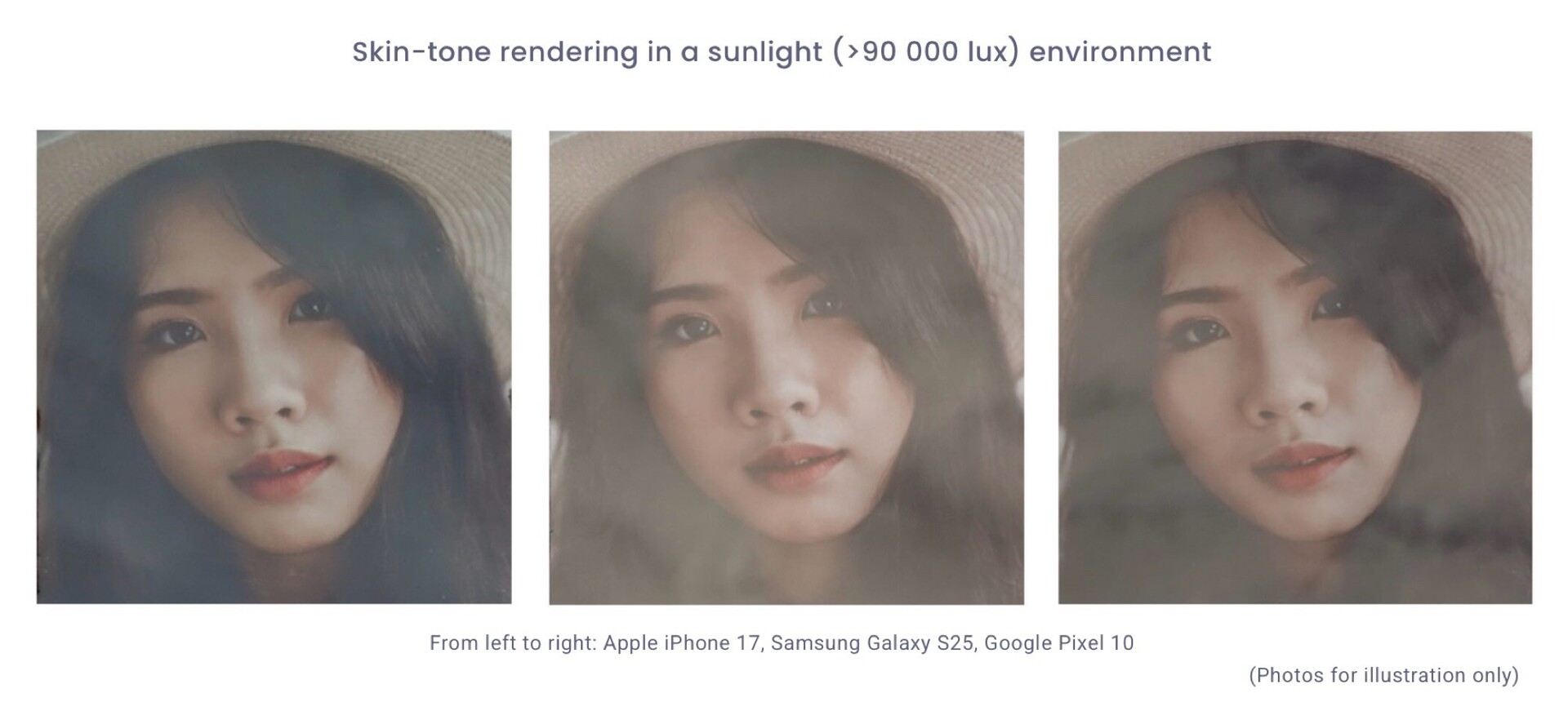
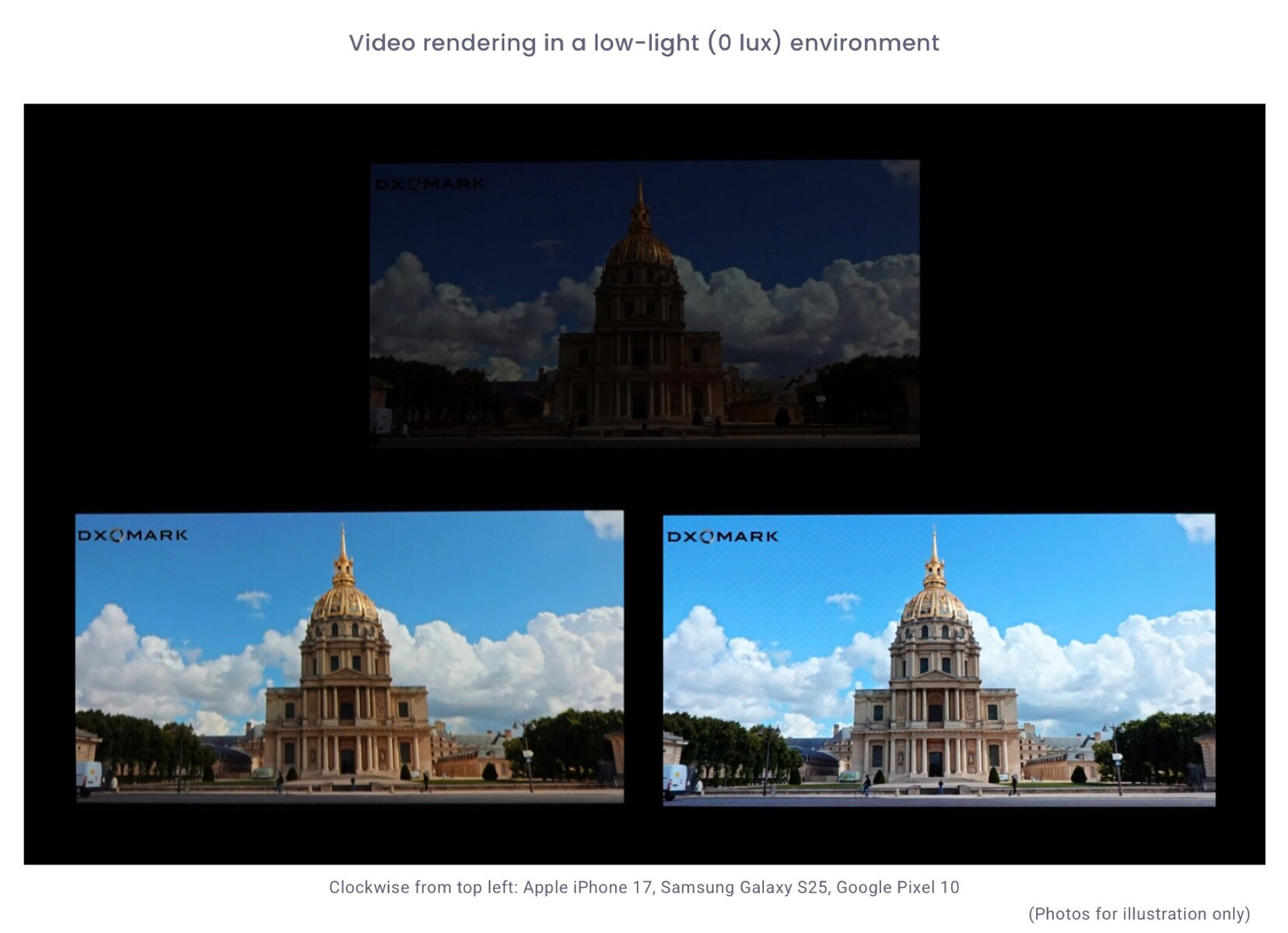
With an average touch response time of 35 ms, the iPhone 17 reacts to inputs twice as fast as the Galaxy S25. Nonetheless, the displays on the iPhone 17 series aren’t entirely without issues. DxOMark specifically criticised that content is shown at 1 nit with poor contrast in low-light conditions, which hampers readability unless brightness is manually corrected. Videos also appear too dark in dim environments.
Receiving an overall score of 151, the three devices only managed to place 25th in DxOMark’s rankings. Apple’s latest smartphones thus fall well behind top performers like the Google Pixel 10 Pro XL (161 points), Pixel 10, Samsung Galaxy S25 Ultra, Pixel 9 Pro XL, and Galaxy S25 Edge.
Source(s)
DxOMark (iPhone 17 | iPhone Air | iPhone 17 Pro Max) | Smartphone rankings | Thai Nguyen (teaser image)
 Add as a preferred source on Google


