




Intel Core i5-1145G7 vs AMD Ryzen 5 PRO 4650U vs Intel Core i3-1125G4
Intel Core i5-1145G7
► remove from comparison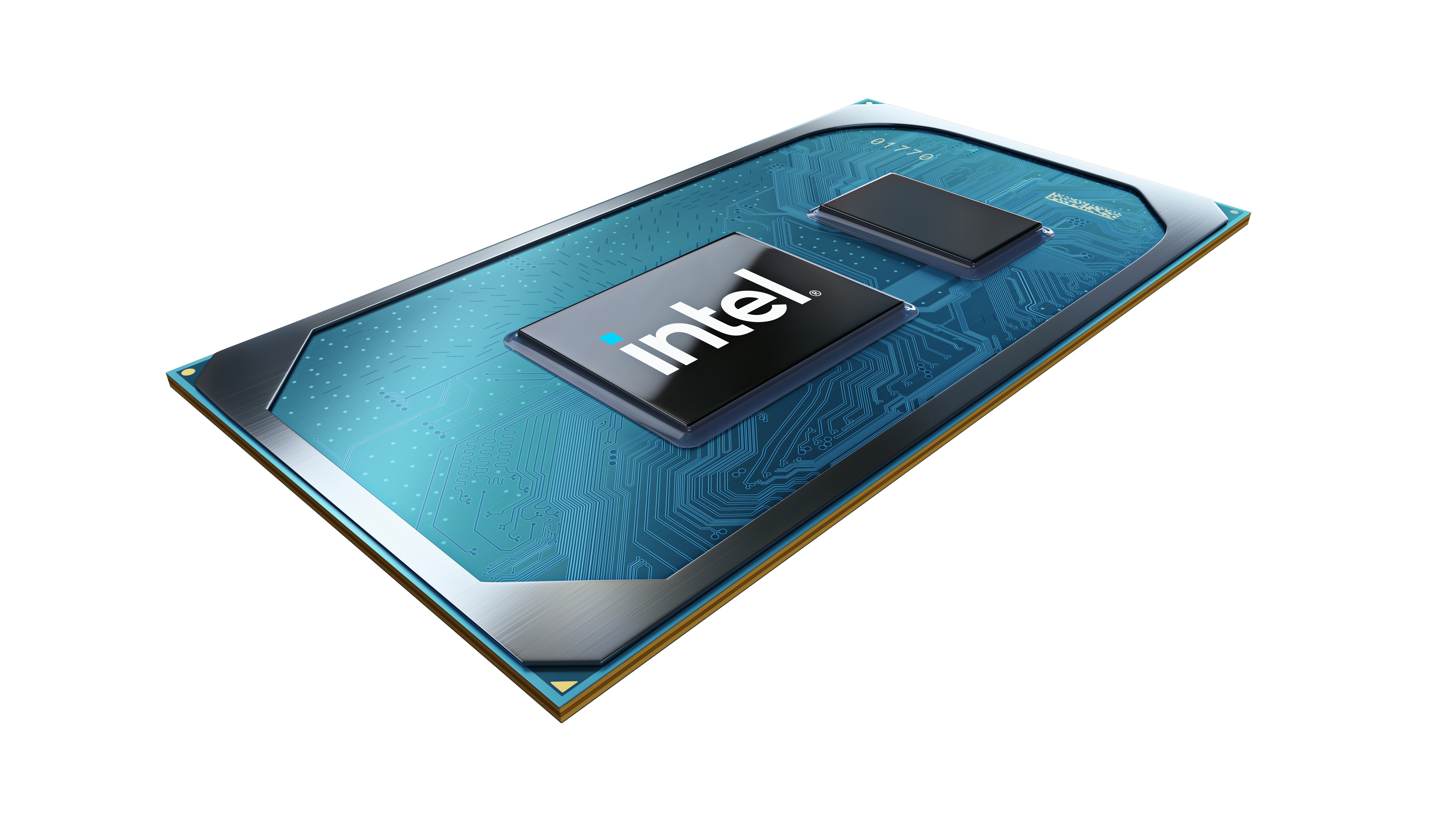
The Intel Core i5-1145G7 is a power efficient quad-core SoC for laptops and Ultrabooks based on the Tiger Lake-U generation that was announced early 2021. It integrates four Willow Cove processor cores (8 threads thanks to HyperThreading). The base clock speed depends on the TDP settings and ranges from 1.1 GHz (12 Watt TDP) up to 2.6 GHz (28 Watt). The Boost is always specified at 4.4 GHz (one or two cores).
Another novelty is the integrated Xe graphics card with 80 EUs based on the completely new Gen 12 architecture. It offers a significantly higher performance compared to the older Iris Plus G7 (Ice Lake).
Furthermore, Tiger Lake SoCs add PCIe 4 support (4 lanes), AI hardware acceleration, and the partial integration of Thunderbolt 4 / USB 4 and Wifi 6 in the chip. In addition to this, the i5 supports vPro for easy remote management.
The chip is produced on the improved 10nm SuperFin process at Intel that should be comparable to the 7nm process at TSMC (e.g. Ryzen 4000 series).
All articles on Tiger Lake can be found on our Tiger Lake architecture hub.
AMD Ryzen 5 PRO 4650U
► remove from comparison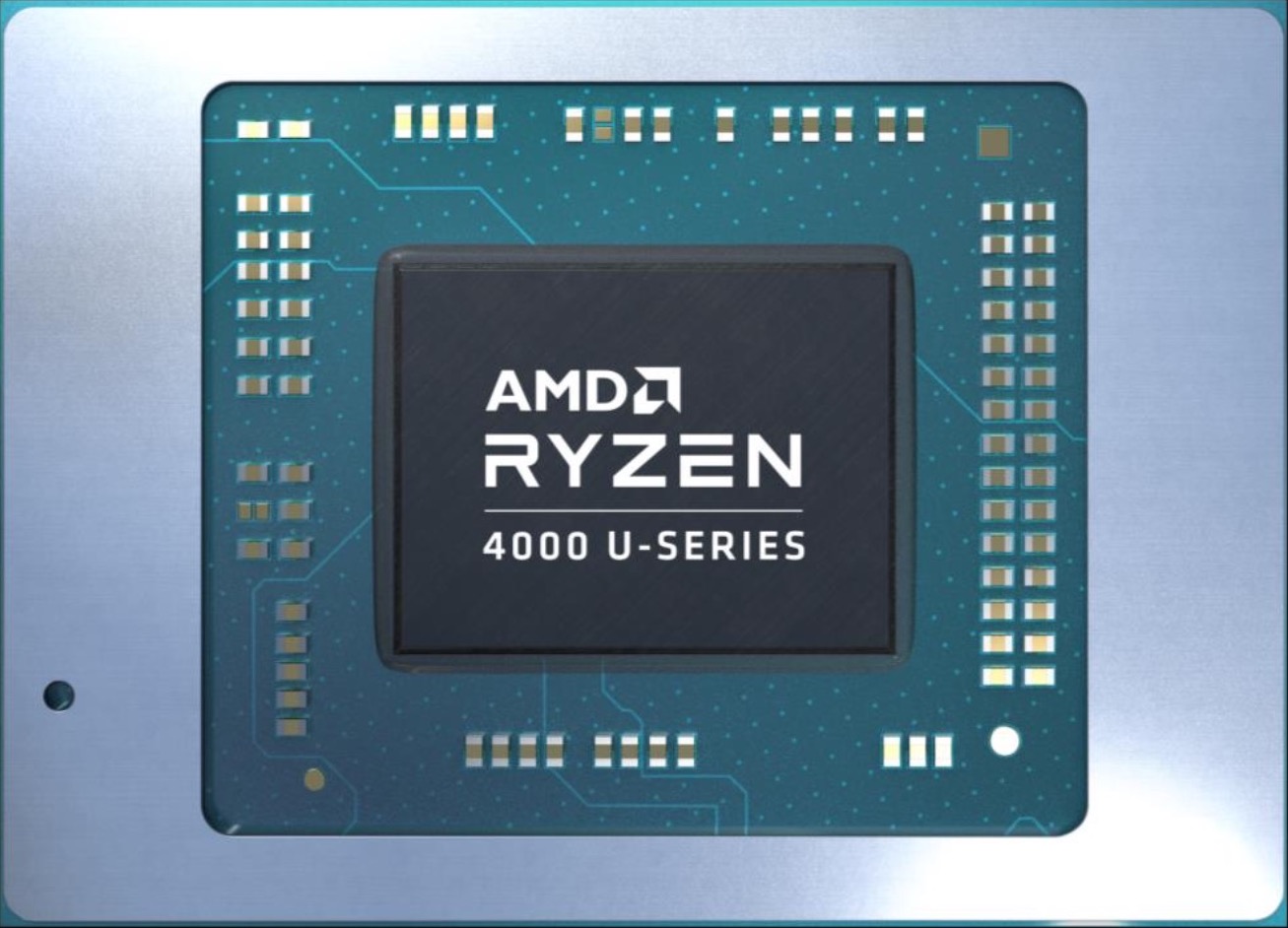
The AMD Ryzen 5 PRO 4650U is a processor for thin and light laptops based on the Renoir architecture. The 4650U integrates six cores based on the Zen 2 microarchitecture. They are clocked at 2.1 (guaranteed base clock) to 4 GHz (Turbo) with SMT for a total of 12 threads. The chip is manufactured on the modern 7 nm TSMC process and partly thanks to it AMD advertises a 2x improved performance per Watt for the Renoir chips.
The PRO processors offer a range of business features like hardware security (e.g., AMD Memory Guard), manageability (e.g., support for Microsoft Endpoint Manager), and longer availability and software stability.
In addition to the six CPU cores, the APU also integrates a Radeon RX Vega 6 integrated graphics adapter with 6 CUs at up to 1500 MHz. The dual channel memory controller supports DDR4-3200 and energy efficient LPDDR4-4266 RAM. Furthermore, 8 MB level 3 cache can be found on the chip. See our hub page on the Renoir Processors for more information.
Performance
The average 4650U in our database is just as fast as the Intel Core i7-11375H and the AMD Ryzen 5 4600U are in multi-thread workloads. This is a fairly decent mid-range CPU, as of late 2021.
Your mileage may vary depending on how high the CPU power limits are and how competent the cooling solution of your system is.
Power consumption
This Ryzen 5 series chip has a default TDP (also known as the long-term power limit) of 15 W. Which is a tad too high to allow for passively cooled designs, besides, laptop makers aren't really obliged to stick to it.
The AMD Ryzen 5 PRO 4650U is manufactured on TSMC's 7 nm process, leading to average, as of mid 2023, energy efficiency.
Intel Core i3-1125G4
► remove from comparisonThe Intel Core i3-1125G4 is a 28 W quad-core SoC for laptops and Ultrabooks of the Tiger Lake family (UP3) that was introduced in September 2020. It integrates four Willow Cove processor cores (8 threads thanks to Hyper-Threading). Each core can clock from 2 GHz (guaranteed base speed @ 28 W) to 3.7 GHz (single-core boost). All cores at once can clock at up to 3.3 GHz. The faster Core i7 models offer more Level 3 cache (12 versus 8 MB in the i5) and higher clocked cores.
Another novelty is the integrated Xe GPU based on the completely new Gen 12 architecture. In the i3-1125G4 Intel names the GPU UHD Graphics and offers only 48 of the 96 EUs clocked at 400 - 1250 MHz. The GPU and CPU can together use the 8 MB of L3 cache.
Furthermore, Tiger Lake SoCs add PCIe 4 support (four lanes), AI hardware acceleration, and the partial integration of Thunderbolt 4 / USB 4 and Wi-Fi 6 in the chip.
Performance
While we have not tested a single laptop built around the 1125G4 as of October 2023, we expect the chip's multi-thread performance to be 10% to 20% lower than that of the Core i5-1135G7 (4 cores, 8 threads, somewhat higher clock speeds).
Your mileage may vary depending on how high the CPU power limits are and how competent the cooling solution of your system is.
Power consumption
This Core i3 series chip has a default TDP of 12 W to 28 W, the expectation being that laptop makers will go for a higher value in exchange for higher performance. Either way, that's a little too high to allow for passively cooled designs.
The i3-1125G4 is manufactured on Intel's third-gen 10 nm process marketed as SuperFin for average, as of early 2023, energy efficiency.
| Model | Intel Core i5-1145G7 | AMD Ryzen 5 PRO 4650U | Intel Core i3-1125G4 | ||||||||||||||||||||||||||||||||||||||||||||||||||||||||||||||||||||||||
| Codename | Tiger Lake-UP3 | Renoir-U PRO (Zen 2) | Tiger Lake-UP3 | ||||||||||||||||||||||||||||||||||||||||||||||||||||||||||||||||||||||||
| Series | Intel Tiger Lake | AMD Renoir (Ryzen 4000 APU) | Intel Tiger Lake | ||||||||||||||||||||||||||||||||||||||||||||||||||||||||||||||||||||||||
| Series: Tiger Lake Tiger Lake-UP3 |
|
|
| ||||||||||||||||||||||||||||||||||||||||||||||||||||||||||||||||||||||||
| Clock | 2600 - 4400 MHz | 2100 - 4000 MHz | 2000 - 3700 MHz | ||||||||||||||||||||||||||||||||||||||||||||||||||||||||||||||||||||||||
| L1 Cache | 320 KB | 384 KB | 320 KB | ||||||||||||||||||||||||||||||||||||||||||||||||||||||||||||||||||||||||
| L2 Cache | 5 MB | 3 MB | 5 MB | ||||||||||||||||||||||||||||||||||||||||||||||||||||||||||||||||||||||||
| L3 Cache | 8 MB | 8 MB | 8 MB | ||||||||||||||||||||||||||||||||||||||||||||||||||||||||||||||||||||||||
| Cores / Threads | 4 / 8 | 6 / 12 | 4 / 8 | ||||||||||||||||||||||||||||||||||||||||||||||||||||||||||||||||||||||||
| TDP | 28 Watt | 15 Watt | 28 Watt | ||||||||||||||||||||||||||||||||||||||||||||||||||||||||||||||||||||||||
| Technology | 10 nm | 7 nm | 10 nm | ||||||||||||||||||||||||||||||||||||||||||||||||||||||||||||||||||||||||
| max. Temp. | 100 °C | 105 °C | 100 °C | ||||||||||||||||||||||||||||||||||||||||||||||||||||||||||||||||||||||||
| Socket | BGA1449 | FP6 | BGA1449 | ||||||||||||||||||||||||||||||||||||||||||||||||||||||||||||||||||||||||
| Features | DDR4-3200/LPDDR4x-4266 RAM, PCIe 4, 4 GT/s bus, DL Boost, GNA, vPro, MMX, SSE, SSE2, SSE3, SSSE3, SSE4.1, SSE4.2, AVX, AVX2, AVX-512, BMI2, ABM, FMA, ADX, VMX, SMX, SMEP, SMAP, EIST, TM1, TM2, HT, Turbo, SST, AES-NI, RDRAND, RDSEED, SHA, TME | DDR4-3200/LPDDR4-4266 RAM, PCIe 3, PRO, MMX, SSE, SSE2, SSE3, SSSE3, SSE4A, SSE4.1, SSE4.2, AVX, AVX2, BMI2, ABM, FMA, ADX, SMEP, SMAP, SMT, CPB, AES-NI, RDRAND, RDSEED, SHA, SME | DDR4-3200/LPDDR4x-3733 RAM, PCIe 4, 4 GT/s bus, DL Boost, GNA, MMX, SSE, SSE2, SSE3, SSSE3, SSE4.1, SSE4.2, AVX, AVX2, AVX-512, BMI2, ABM, FMA, ADX, VMX, SMX, SMEP, SMAP, EIST, TM1, TM2, Hyper-Threading, Turbo, SST, AES-NI, RDRAND, RDSEED, SHA, TME | ||||||||||||||||||||||||||||||||||||||||||||||||||||||||||||||||||||||||
| iGPU | Intel Iris Xe Graphics G7 80EUs (400 - 1300 MHz) | AMD Radeon RX Vega 6 (Ryzen 4000/5000) ( - 1500 MHz) | Intel UHD Graphics Xe G4 48EUs (400 - 1250 MHz) | ||||||||||||||||||||||||||||||||||||||||||||||||||||||||||||||||||||||||
| Architecture | x86 | x86 | x86 | ||||||||||||||||||||||||||||||||||||||||||||||||||||||||||||||||||||||||
| Announced | |||||||||||||||||||||||||||||||||||||||||||||||||||||||||||||||||||||||||||
| Manufacturer | ark.intel.com | www.amd.com | ark.intel.com |
Benchmarks

Average Benchmarks Intel Core i5-1145G7 → 100% n=2
Average Benchmarks AMD Ryzen 5 PRO 4650U → 82% n=2
Average Benchmarks Intel Core i3-1125G4 → 77% n=2
 - Average benchmark values for this graphics card
* Smaller numbers mean a higher performance
1 This benchmark is not used for the average calculation


