




Exclusive | Veteran artist behind Mass Effect, Halo, and Overwatch 2 weighs in on Nvidia DLSS 5
The backlash around Nvidia’s AI push and DLSS 5 has opened a broader question in game development. Beyond performance and image quality, veteran artists are now weighing what AI-driven rendering means for authorship and visual control. If a system can add or reinterpret detail after the fact, the issue is no longer just technical. It becomes a question of how much of the final image still belongs to the people who built it.
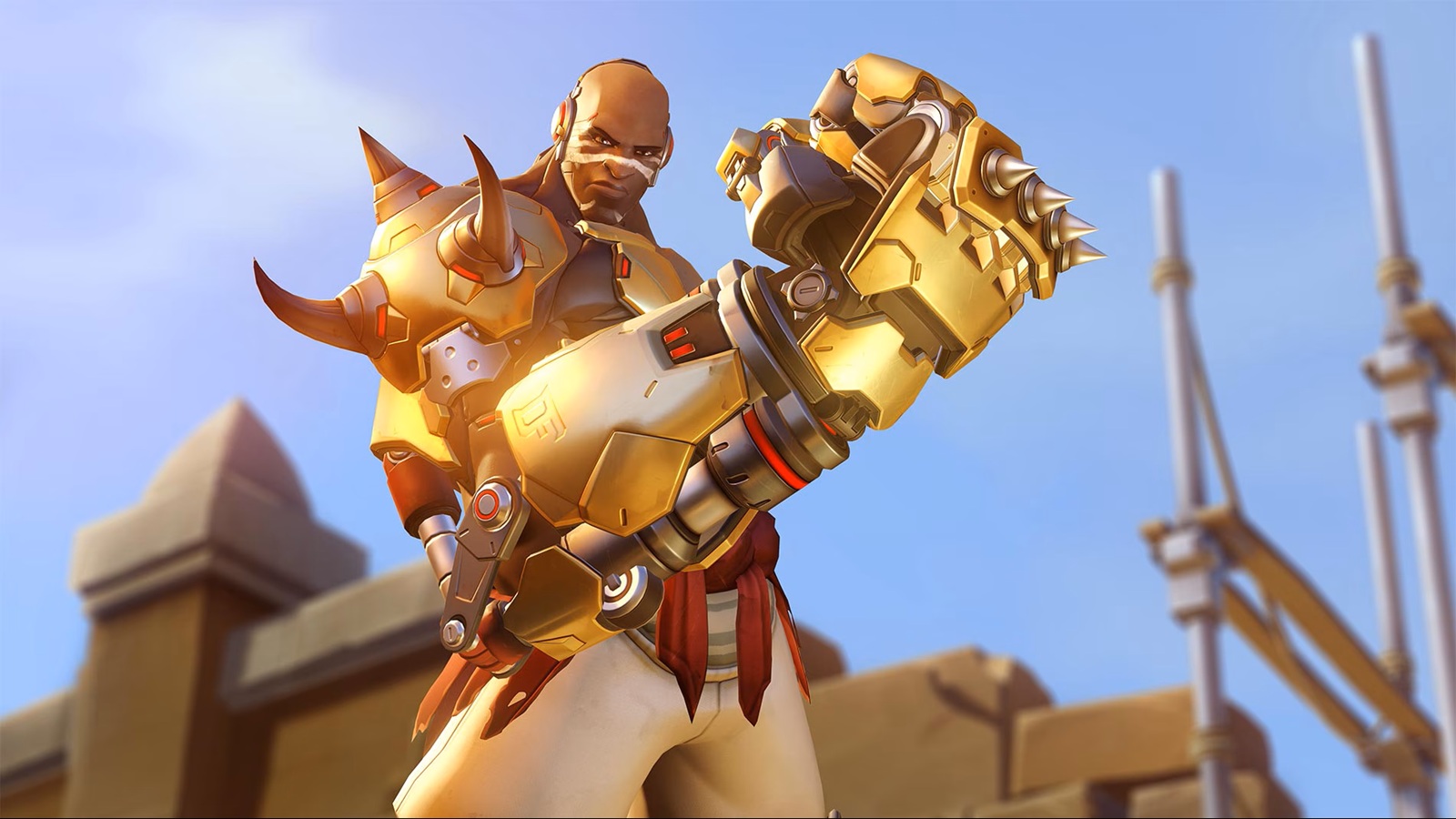
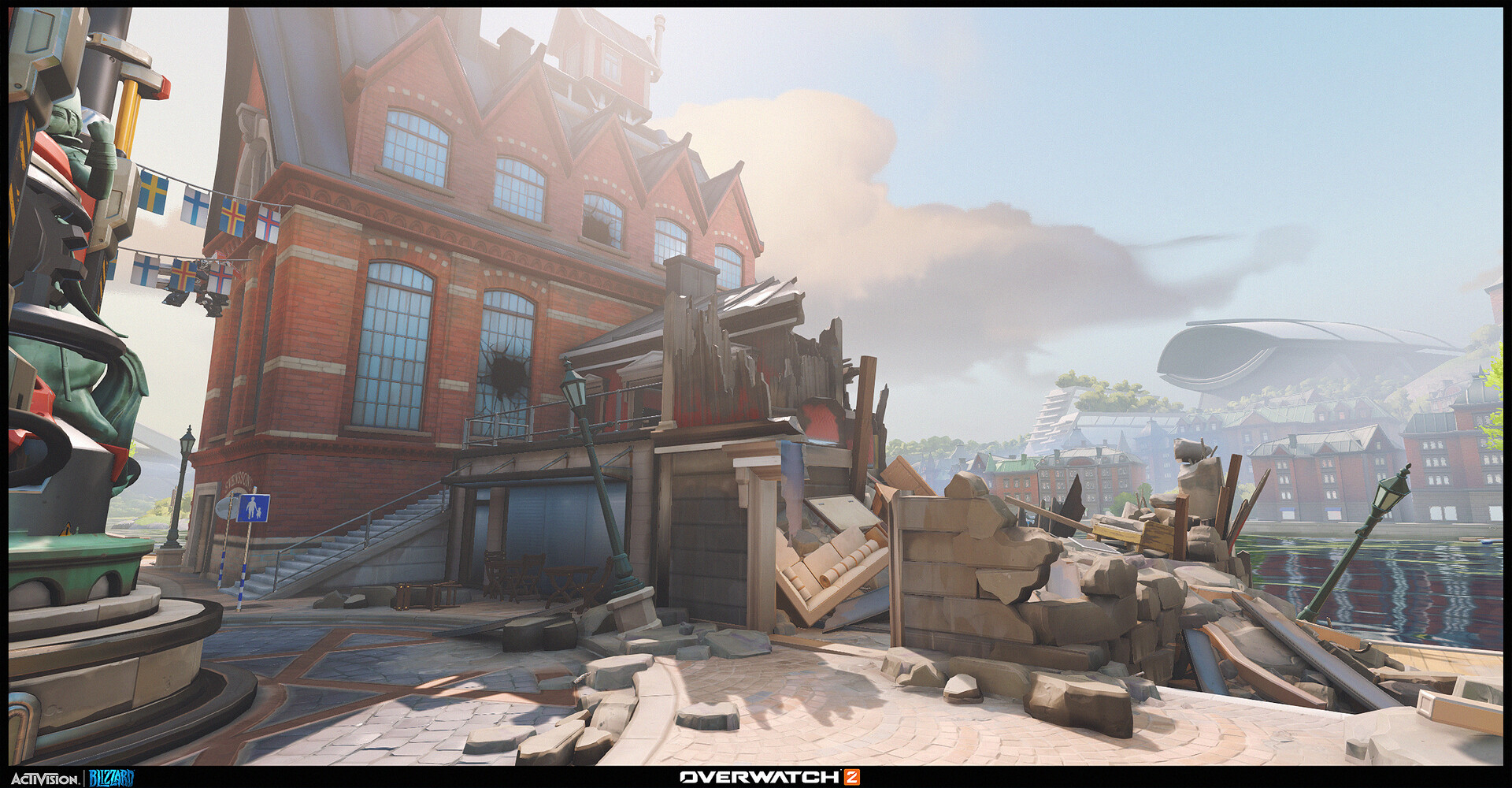
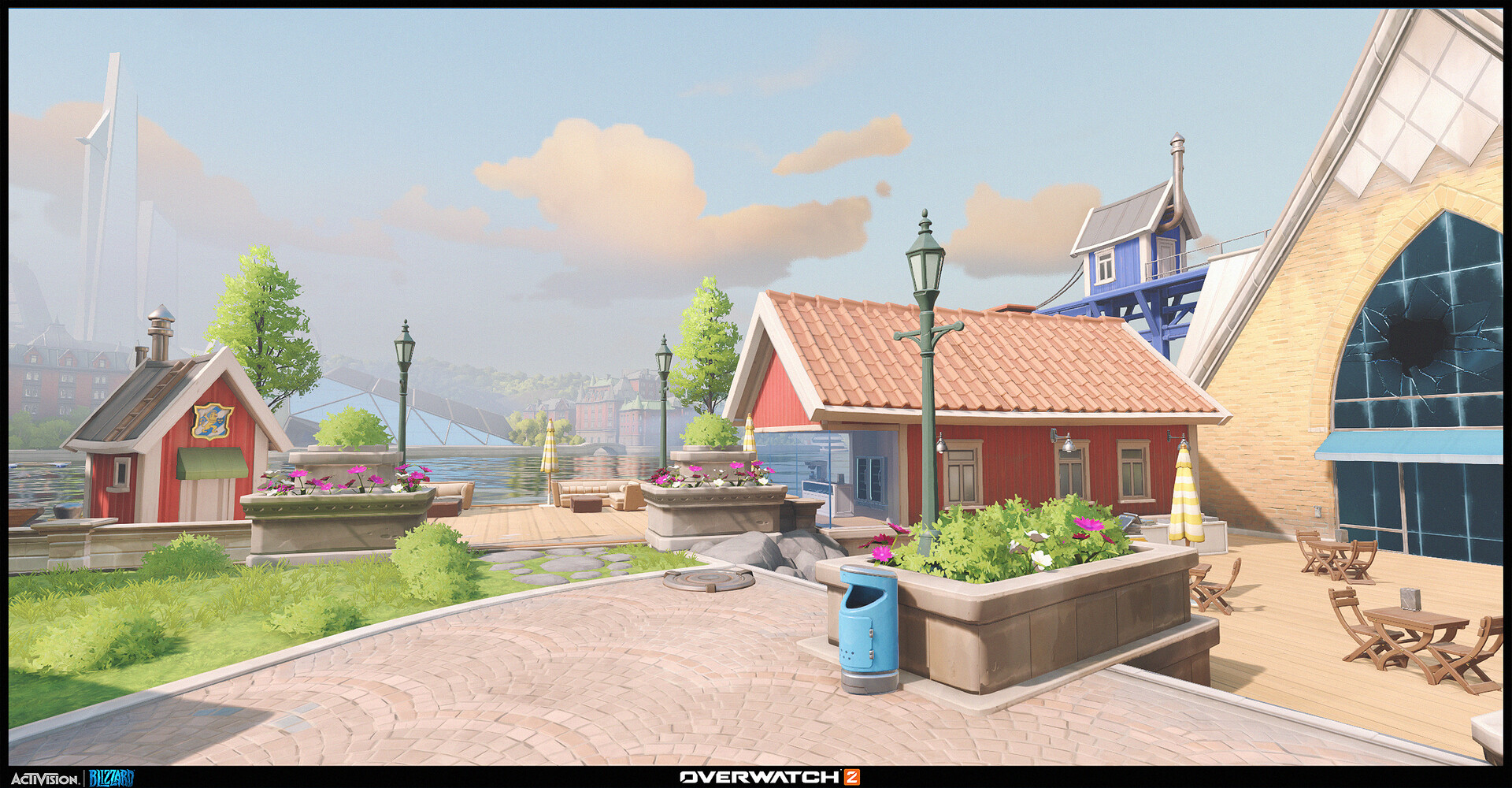
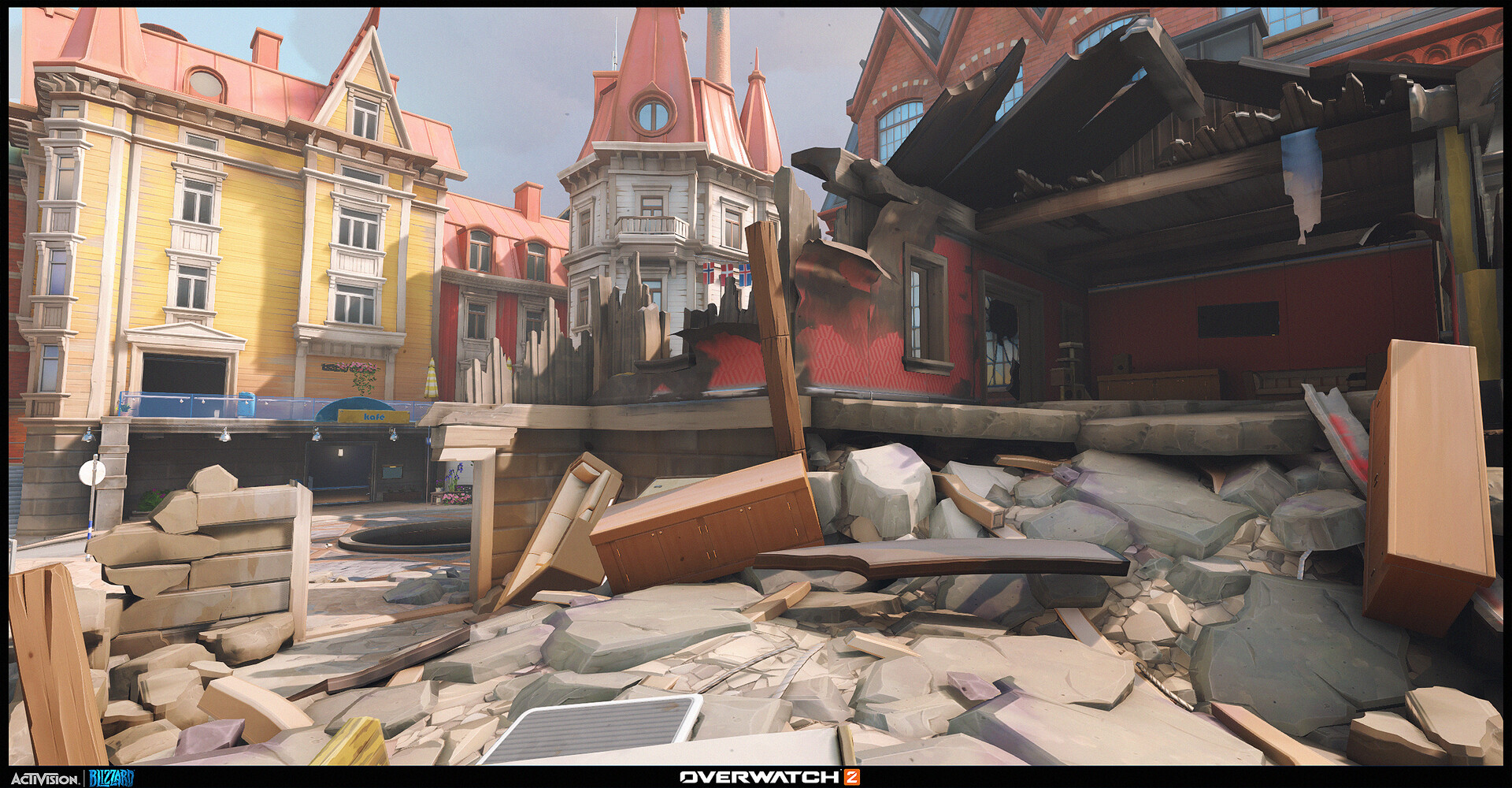
That is where Mark Linington’s perspective comes in. With more than 20 years of experience and credits spanning franchises such as Mass Effect, Halo, Far Cry, Prince of Persia, Overwatch 2, and Diablo IV: Vessel of Hatred, he has worked across several eras of game development and graphical change. In that context, the current Nvidia debate is not just about a new feature set. It is about how veteran artists see AI entering a part of game development that was once much more clearly hands-on.
"I can tell you most if not all major game studios are using AI in their production pipeline right now without a doubt."
1. When you look at the DLSS 5 demos, where do you personally draw the line between enhancement and reinterpretation?
From what has been presented, the usual firm line has now become a sliding scale: an adjustment layer to either enhance or completely reinterpret the initial source art. Both have their uses; both can be incredibly beneficial. However, the way the current demos have been presented, they have pushed the results into reinterpretation territory. This can be dangerous when artists, designers, and engineers spend hours crafting specific looks to convey a very precise art style and feel. If not careful, that balance can be erased and, with it, the soul of the art behind it.
2. Nvidia says artists keep control through masking, intensity, and color-grading controls. In practice, does that feel like real control to an environment artist, or more like damage limitation once the AI pass is already in the pipeline?
Intensity, color grading, and masking contribute only a very small part of the overall look; that level of polish has a much smaller impact. That isn't sufficient for true artistic guidance. Ideally, DLSS 5 would function similarly to an image pass created with nano banana 2, a more hands-on method where the user can precisely feed reference images, precise color values, highly directed editing, and lighting direction guidance. From what I have seen, there is no real control over what it gives you.
3. If a tool like this becomes common, who should have final sign-off: rendering engineers, tech artists, art directors, or the artists who built the scene?
In a usual production, the art director, in conjunction with the creative director, would likely have final say. If the look and feel changes so drastically that it impacts gameplay or narrative, other leads would be brought in. But this is if DLSS 5 is used at the end of a production cycle or in a shipped game (as shown in the demos), which would be the wrong use for this technology. If this is implemented, tested, and iterated on in tandem with production artists throughout game development, it could become a way of speeding up and refining faster to achieve a better visual result. But this would need to be used and tuned throughout. Turning it on at the end will give very poor results.
4. DLSS 5 is being sold partly on photoreal lighting and materials. Does that create a built-in bias toward one kind of “better-looking” image, even when a game’s original art direction is stylized, rougher, or deliberately artificial?
If the technology that is powering DLSS 5 is tuned for photoreal, then yes, that would bias it toward a very narrow graphical style. I would discourage any use of it on anything stylized or painterly, as that would likely erase all the nuance. If the goal is quickly hitting photoreal, then this could be a good route, but again, incrementally building the art with this turned on and tuned so any crafted art blends with the technology.
“The way the current demos have been presented, they have pushed the results into reinterpretation territory.”
5. Should players have a toggle for something that can materially change the look of a scene, or does that create multiple competing versions of the art that the team never fully authored?
The only reason I could see to give players control of a toggle is if their computer, console, or device cannot handle the appropriate frame rate. But I honestly would not give that ability to players. We live in a day and age where the technology is rapidly catching up, and players soon will likely no longer need to turn off features that impact frame rate. We are in the era of exponential computational growth. If the game was crafted specifically around having the feature on, it should remain on.
6. A lot of developers say they are open to AI for support work, but not for player-facing content. Do you think that line is sustainable, or does a rendering tool like DLSS 5 already blur it?
There is no real cutoff for what is player-facing and non-player-facing content with AI. If AI enabled you to work faster, helped with rigging, adjusted your textures, and sped up animation workflows, then the output is inherently a human + AI hybrid. I think the fear is using a one-click texture maker, slapping that on a model, and calling it a day. That is a bad approach. There is also the public stigma surrounding AI. If the backlash wasn't present, game studios would be moving full force with AI. Most of this is purely gauging customer feedback. I can tell you most, if not all, major game studios are using AI in their production pipeline right now, without a doubt.
7. What worries veteran artists more right now: loss of authorship, loss of jobs, or loss of trust in the final image?
I would say all of the above. The race to put out content and games on increasingly shorter timelines means AI use is becoming an absolute must; it is not optional. For veteran artists like myself, I'm torn. On one hand, it saddens me to see the inevitable layoffs and reduction in staff that AI adoption will bring; on the other, it excites me, knowing I'm no longer tethered to one very specific job role anymore. In my day-to-day work, I currently do art, animation, rigging, game design, sound design, UI/UX, code/logic, etc. It's incredibly motivating, and I'm learning so much with AI as my production partner. It empowers those who wish to push forward and exert their own creativity. An artist or developer who wants to truly implement their vision or unique twist on a game feature from start to finish will be able to. There won't be a necessity to collaborate with larger teams on each feature set; this opens up individual ownership and creativity at levels we have never seen before. It will be a very bumpy ride, but ultimately, I truly believe it will allow us to unleash our own personal creativity and remove our limitations.
8. Do tools like this risk turning environment art into something artists design only partially, with the final look increasingly decided downstream by AI and post-render systems?
Yes, that is indeed a very real risk. I have already tried this and very successfully rendered greybox early prototype footage into final art in seconds with AI generation models such as Kling. That technology is here in rendered form, not yet true real-time rendered output (but we are less than 6–12 months away from this). I don't think the final art style would ultimately be decided by AI; rather, artists would craft their initial input art direction images and guidance, and AI would use that as a base to start creating a more final art overlay. Then artists would continue to iterate with AI, tuning the output, so a three-year art production cycle could be reduced to months, potentially. This is hypothetical, assuming we remain on the current technological curve, which is exponential at this point.
"I think the fear is using a one-click texture maker, slapping that on a model, and calling it a day."
9. If studios start adopting AI-heavy rendering to save time or hit visual targets faster, what new burden does that create for artists in review, QA, and consistency checks?
I think it could remove a lot of the burden. We are nearing production-ready AI agentic interfaces. I would imagine the workflow would be mostly hands-on collaboration and guidance with agents to pinpoint bugs, visual inconsistencies, and teaching them how to fix issues, learn how we craft content, and in turn, remove those burdens quite rapidly on their own, running as a permanent service.
10. For younger artists trying to break in, do AI-assisted pipelines make the craft harder to learn because more of the visible result is handled later in the process?
It makes it much easier. You can skip through production and iteration work much faster, removing technical barriers and any steep learning curves permanently. With AI, I can sketch ideas, play with AI to expand upon my vision, and craft an initial art style. Then I can do some texture exploration, show nano banana 2 or any of the other LLM image models, and have it generate tiling textures, normal maps, VFX flipbooks, concept art, etc. I can have it use specific dimensions and color values, all in seconds. Using a traditional route would take days or weeks. The artist is still in control all the way through; they have just removed the manual labor. For some like me, that is freeing; for others, that's the part they really enjoy. I think the ideal blend will be an in-between: something sped up, with manual work, but most of it produced with AI. After 25 years of creating game art by hand, my carpal tunnel injury and shoulder pain are happy to have some help for once.
11. What would a responsible version of this technology look like from an artist’s point of view?
A responsible version would enable the artist to tune, adjust, and provide much more hands-on guidance. A simple switch is a fun, quick Band-Aid, but it just doesn't provide control or real value. We'll see if they are able to implement feedback and tune it to be more artist-friendly.
12. Are you working on anything that you can tell us about?
Yes, I'm currently working on my first solo game. In tandem with ChatGPT, I'm building a vehicular action/combat game. I use ChatGPT as a tutor/design buddy. I discuss the gameplay features I would like to build, how they work precisely, and ChatGPT helps me understand how to create it in code/logic within the game editor. For now, my AI use is mostly as a tutor to speed up my workflow, but eventually I plan to use AI agents, once they come online, to do some manual work for me. It's an exciting time to be alive for creatives; the limitation is our imagination at this point.
"If not careful, that balance can be erased and, with it, the soul of the art behind it."
Source(s)
Mark Linington
Interview conducted by Darryl Linington
 Add as a preferred source on Google


