




"No character or soul to it": DLSS 5 receives fan backlash over Nvidia pushing AI slop into games
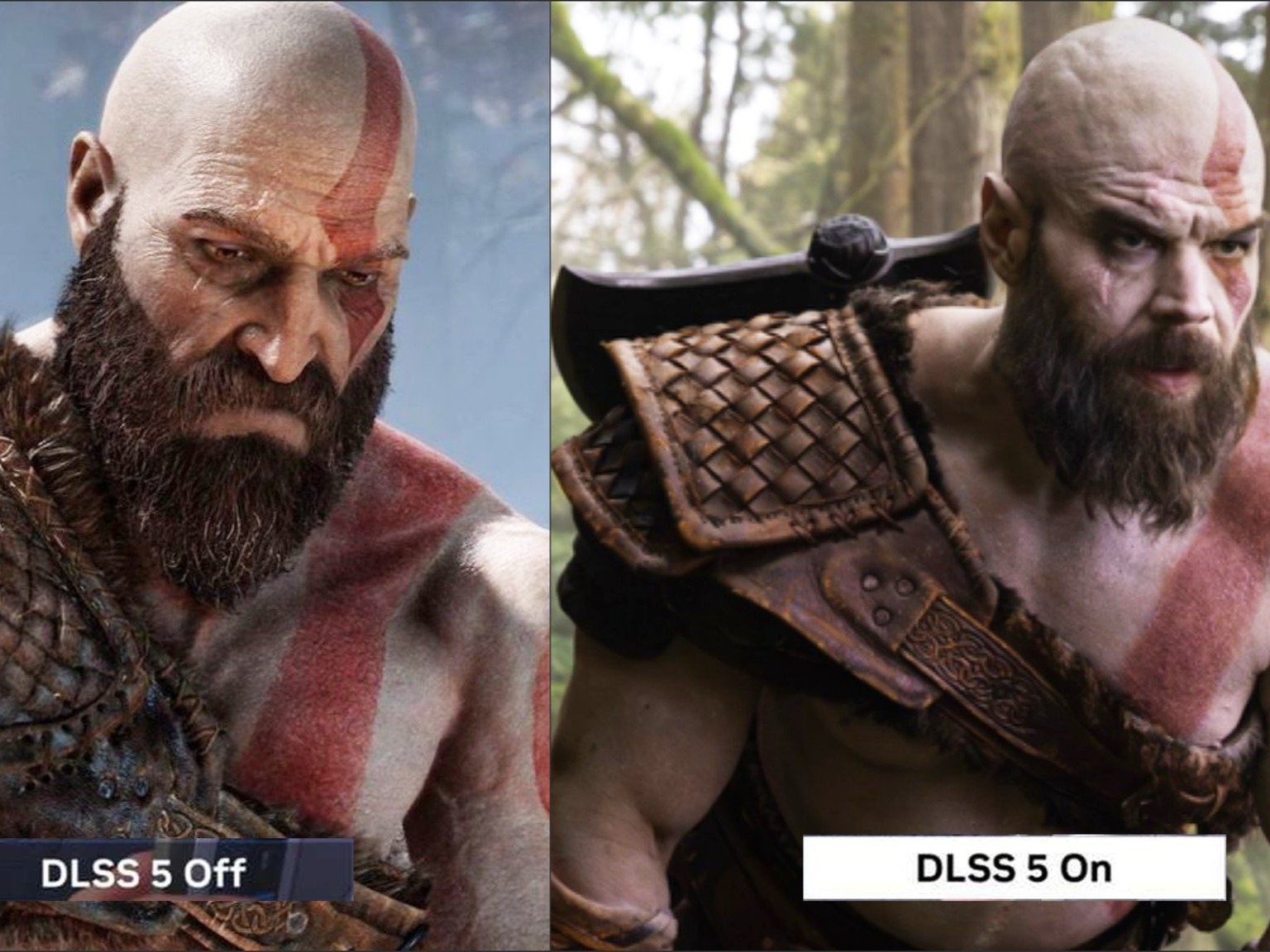
At GTC 2026, Nvidia premiered DLSS 5, the next iteration of Deep Learning Super Sampling (DLSS). DLSS 5 intends to process in-game lighting through machine learning, aiming to push photorealism to new heights. Indeed, the demos do show a stark difference in in-game lighting when DLSS 5 is active. These lighting changes seem to enhance photorealism, bring out specular highlights to show the true quality of an asset, and, to the dismay of many, almost completely change the look of the game.
In Resident Evil Requiem, Digital Foundry shows that DLSS 5 pushes Capcom’s already stellar character rendering even further. However, the resulting differences are so stark that Grace, RE Requiem’s protagonist, looks almost like a different person. The same game-changing enhancements are seen in Starfield, where characters look almost photorealistic. However, these changes in character rendering appear to have the same uncanny valley effect as anything AI-generated.
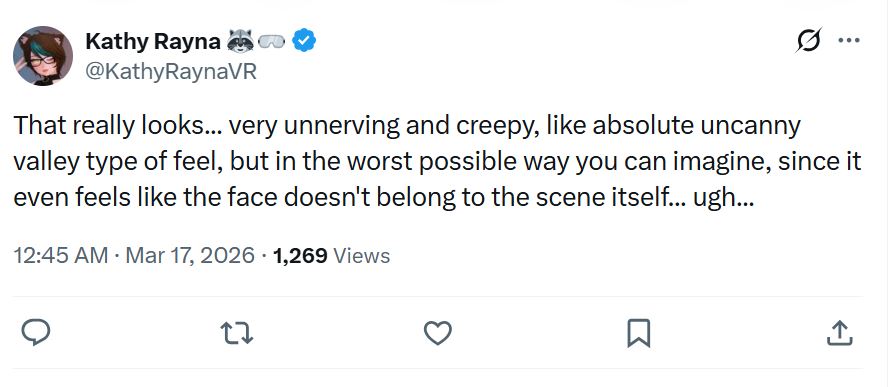
A majority of online discourse surrounding DLSS 5 has been super negative, as initial reactions to DLSS 5 are quite visceral. Some are calling it AI slop, while others are lamenting the utter havoc DLSS 5 wreaks on artistic vision. Gamers Nexus termed DLSS 5’s makeover of Grace “an AI-generated dating profile picture used to scam an old person in another country.” GN also complains that there is "no character or soul to it.”
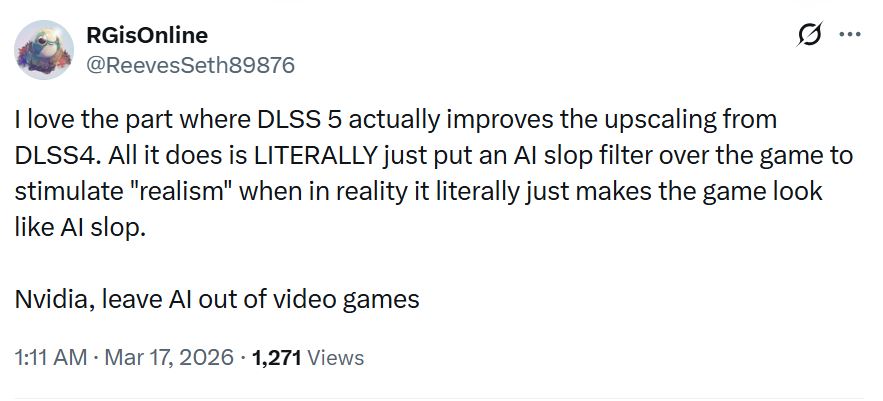
This is where it gets all confusing. Digital Foundry reports that DLSS 5 is only processing lighting information and is not touching assets, including character models. So, any changes to character designs or representations and game art are purely a consequence of the “enhanced” lighting. However, there is no denying that DLSS 5 lighting changes are doing more than just adding a photorealism filter on top of everything.
For instance, The Elder Scrolls IV: Oblivion Remastered practically looks like a different game with DLSS 5. DLSS 5 replaces the distinct warm look of the game with a cold, highly contrasty appearance.
Granted, many people are overreacting, as the final DLSS 5 implementation will give developers some control over the output image. However, this reaction makes some sense as modern game developers have burned gamers too many times. DLSS, for instance, was supposed to solve the issue of poor performance, but games continue to release in half-baked, sub-optimal states. Gamers are afraid that DLSS 5 could just be another tool that studios will use to cut back on real effort, ultimately making the games worse.
A silver lining in all of this: There is a chance that Nvidia is taking note of this negative feedback, resulting in DLSS 5 releasing in a better state come Fall 2026.
Source(s)
 Add as a preferred source on Google


