




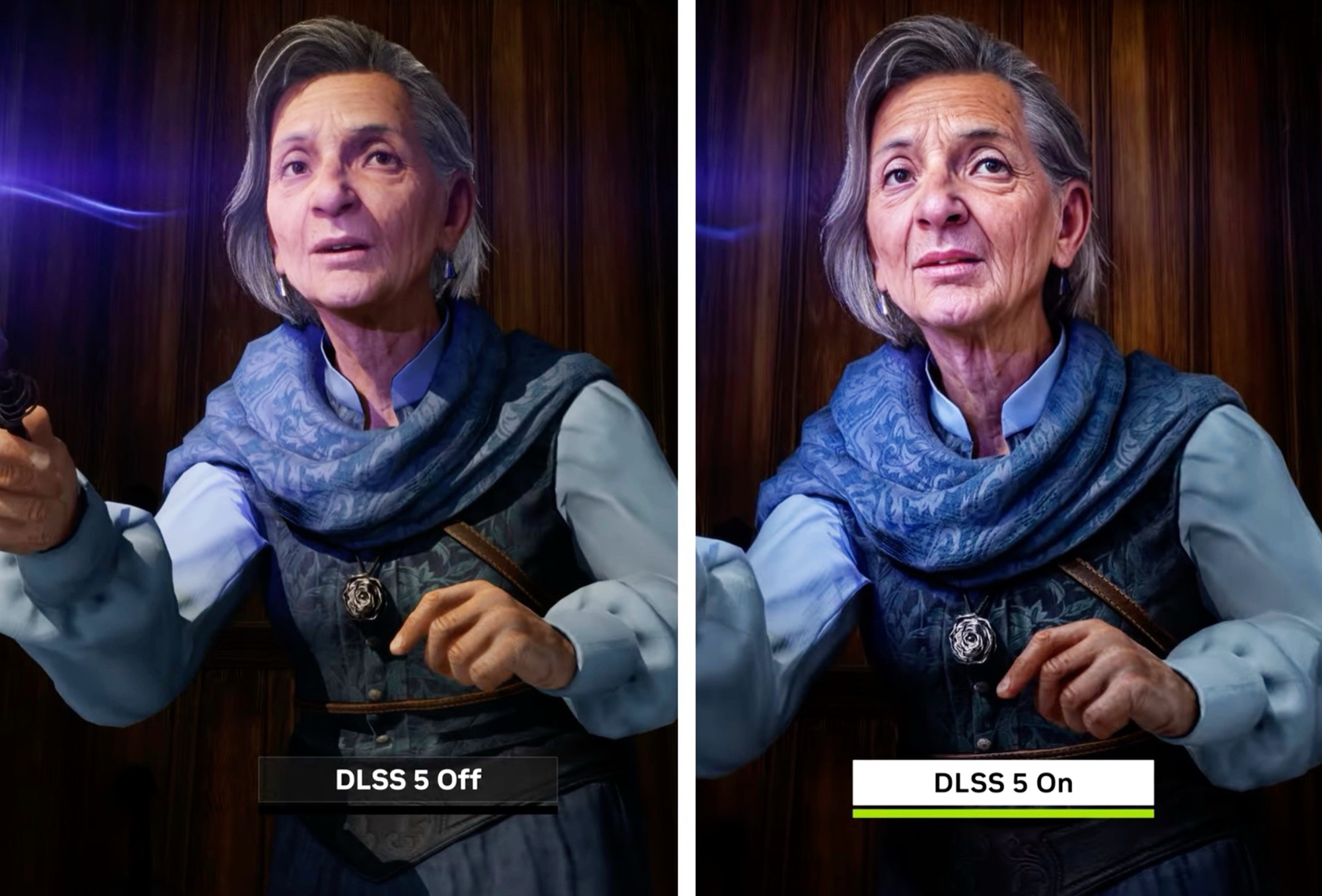
Nvidia today unveiled the next generation of Deep Learning Super Sampling. DLSS 5 is due to be launched in fall 2026, but is likely to require a lot of power. The demo in the video embedded below required two Nvidia GeForce RTX 5090 ($3,899 on Amazon).
At launch, the technology will also run on systems with one graphics card, but this demo setup suggests that DLSS 5 will be reserved for high-end graphics cards. DLSS 5 is not intended to change the geometry or textures of games, but games should look significantly more realistic when DLSS 5 is activated thanks to AI-generated lighting. However, as the comparison image embedded below shows, DLSS 5 can change the look to such an extent that characters in games are barely recognizable – the internet already reacted amused by these drastic changes.
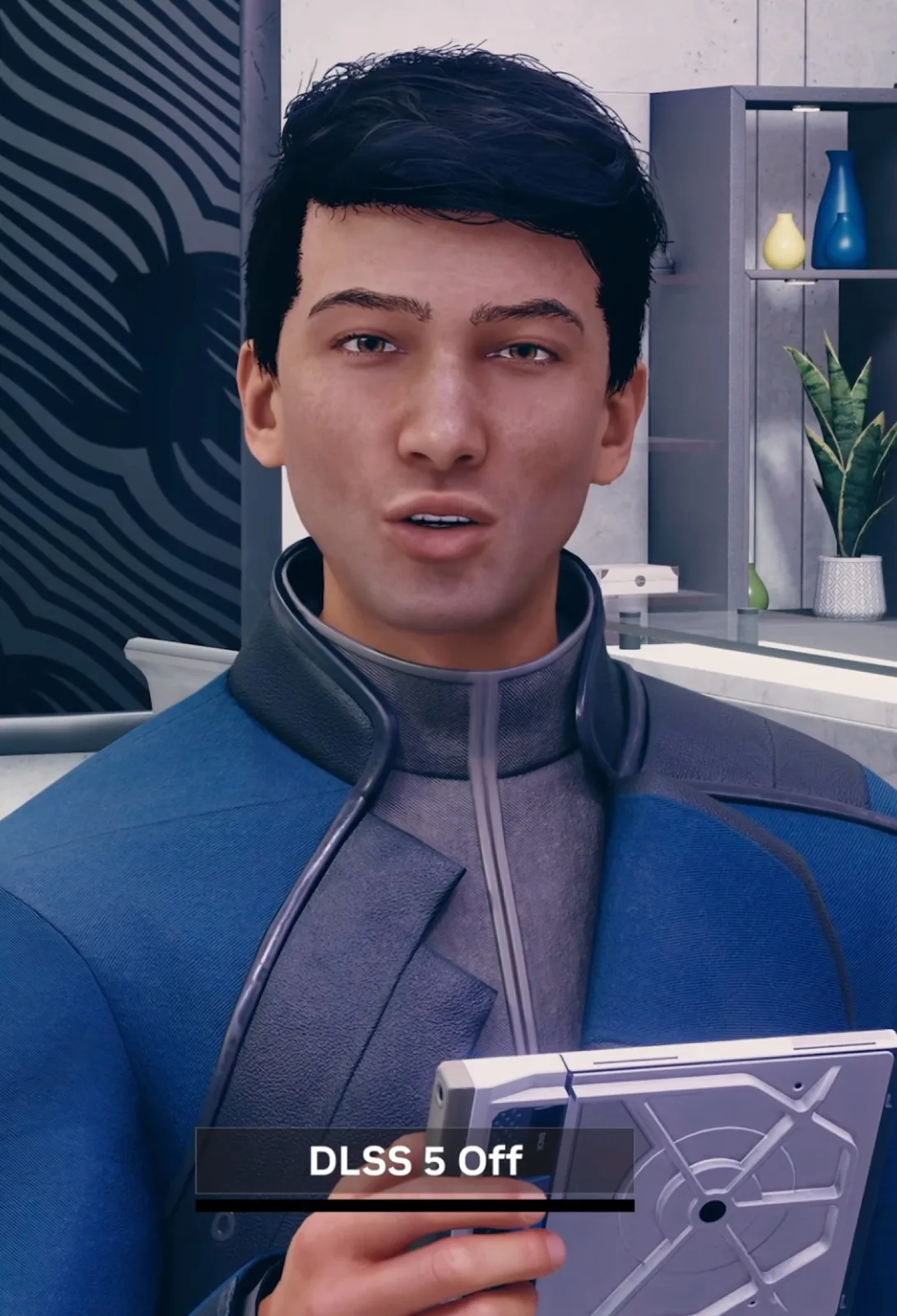

According to Digital Foundry DLSS 5 still has technical problems, at least in the current beta version, such as reflections not always being displayed correctly. Technically, DLSS 5 is impressive - textures appear sharper and more detailed, and even small objects such as teeth are correctly illuminated and cast shadows. However, the artistic intent is completely lost in many scenes.
This doesn't just affect faces, which often look more detailed due to additional wrinkles, a wider jawline and thicker hair, but which no longer represent what the game's developers intended. The AI-generated lighting destroys the whole mood in other scenes. The Elder Scrolls IV: Oblivion Remastered is much brighter thanks to DLSS 5, and the color tones appear cooler.
It looks more detailed and realistic, but it doesn't look like Oblivion. DLSS 5 shows what would happen if you sketched a game and had a chatbot render it in a realistic style - artistic decisions are thrown to the wind, the graphics of different games are aligned with the increasingly widespread AI slop style.
Source(s)
 Add as a preferred source on Google


